
REVIEW · HIKING & TREKKING
3 day Drakensberg hike
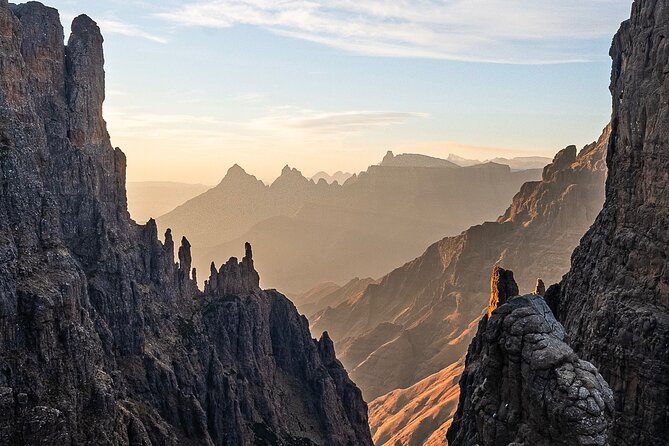
Big mountains demand a proper adventure. This three-day hike in the Mnweni area of KwaZulu-Natal takes you into one of the Drakensberg’s most remote corners, with roughly 40 kilometers of walking, two nights in the mountains, and a cave perched along the escarpment. I like the fact that camping equipment and permits are included, and I also like the small group size, capped at 10 people. The main catch is simple: this is a hard trip, not a scenic stroll, and lunch and transport to the trailhead are not included.
You start at 5:00 am, so the first morning is an early one. In return, you get a serious mountain experience at elevations approaching 3,100 meters, with hot drinks, breakfast, dinner, tents, sleeping bags, backpacks, eating utensils, and professional photos supplied. Guides including Darren, Patrick, Rasta, Thebani, and Terry have all been praised for their care and good humor, though the exact guide team can vary.
In This Review
- Five things to know before booking
- Why Mnweni feels like the real Drakensberg
- Day 1: A 5:00 am start and the long walk into the mountains
- Day 2: High ground, big views, and the cave above the valleys
- Day 3: The return route and the satisfaction of finishing
- What is included, and what you still need to bring
- The guide team makes a hard route more approachable
- Fitness, weather, and the parts that may test you
- Who will get the most from this hike
- Booking details and cancellation terms
- Is the 3-day Mnweni hike worth booking?
- FAQ
- Where does the 3-day Drakensberg hike take place?
- How long is the hike?
- How high does the hike go?
- Where do you sleep?
- Is camping equipment included?
- Are meals included?
- Is transport to the trailhead included?
- How large is the group?
- What happens if bad weather cancels the hike?
Five things to know before booking
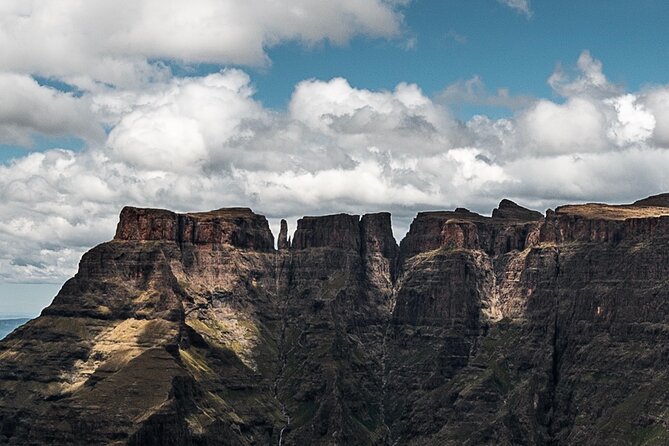
- The cave is the trip’s signature moment: You sleep in a cave cut into the cliffs above the valleys, rather than spending both nights in an ordinary tent.
- The route is genuinely demanding: Expect about 40 kilometers over three days, with high-altitude walking and some tough sections.
- You do not need to own camping gear: Tents, sleeping bags, backpacks, and eating utensils are provided at no added equipment charge.
- The group is kept small: A maximum of 10 people gives the guide more time to help with pacing, packs, and route decisions.
- Pack your own lunches and arrange transport: Dinner, breakfast, and hot drinks are included, but lunch and travel to the starting point are your responsibility.
Why Mnweni feels like the real Drakensberg
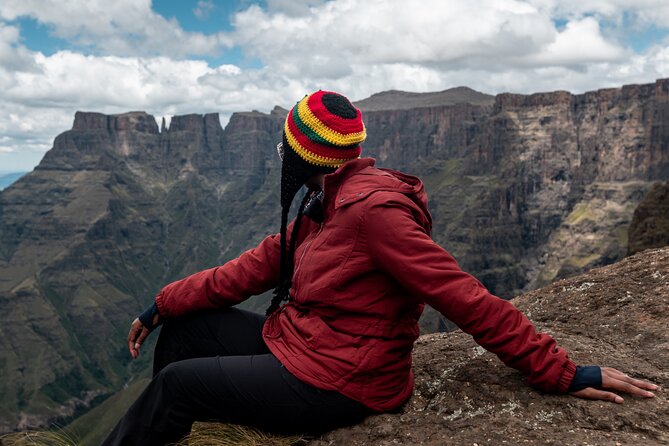
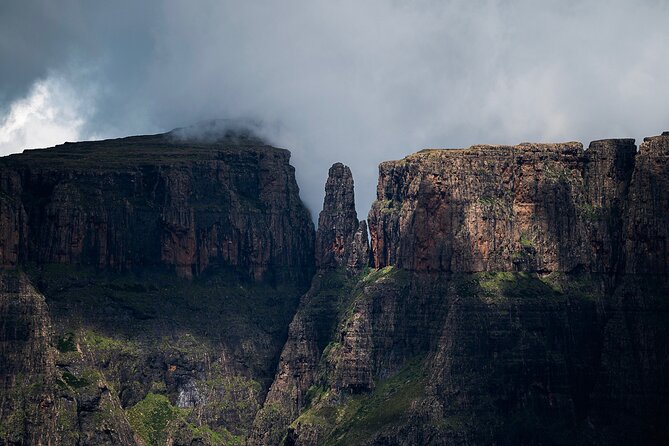
The Drakensberg is famous for its great walls of basalt, high passes, and wide views across KwaZulu-Natal. Mnweni gives you a particularly wild version of that experience. This is not a short outing from a busy resort or a viewpoint reached by vehicle. You spend three days moving through the mountains, with long stretches where you may see no other people.
The route reaches about 3,100 meters, or close to 10,000 feet. That height matters. The air can feel thinner, the weather can change quickly, and a climb that looks manageable on paper can take more out of you than expected. You should arrive with a moderate level of fitness and be comfortable walking for long periods while carrying a pack.
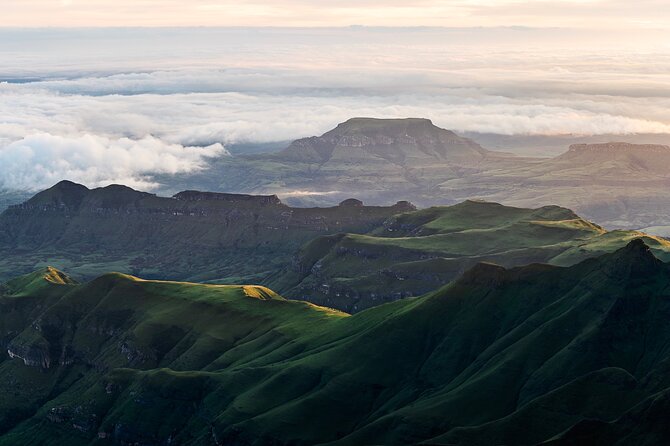
The scenery is the reward. You get high views over valleys, steep escarpment walls, open mountain country, and the quiet that comes with being far from roads. Several people describe Mnweni as among the most scenic parts of the Drakensberg. That praise makes sense, but the views do not come free. You earn them one uphill section at a time.
More Drakensberg trips:
- Durban: Drakensberg, Mandela Capture Site and Howick Falls
★ 3.5 · 3 reviews - Full Day-Drakensberg-MandelaCaptureSite-HowickFalls-MidlandsMeander from Durban
★ 3.5 · 11 reviews - Drakensberg Mountains & Nelson Mandela Capture Site Full Day Safari
★ 4.0 · 11 reviews
Day 1: A 5:00 am start and the long walk into the mountains
Your day begins at 5:00 am at the Drakensberg meeting point. The early start gives the group as much daylight as possible for the first stretch, which is important on a route covering around 40 kilometers in total. Since transport to the starting point is not included, you need to confirm the meeting details and arrange your own way there before the morning of the hike.
The first day is about settling into the rhythm of a multi-day walk. Your pack contains personal items along with the basics you need for the mountains, while the supplied backpack and camping equipment remove the need to buy or rent everything separately. Even so, you should pack lightly. A heavy bag becomes a serious nuisance after several hours on the trail.
The guide team is one of the strongest parts of this experience. Darren is repeatedly praised for his route knowledge, calm manner, and willingness to help. Patrick is also noted for planning good routes, supplying solid equipment, and keeping the mood upbeat. Past trips have included guides helping with backpacks and setting up camp, which can make a real difference when the group reaches camp tired.
Do not expect a gentle first day. The full route is challenging, and the high point is still ahead. Your guide will set the pace and manage the group, but you remain responsible for keeping yourself fueled and hydrated. River water is used during the hike, so ask the operator exactly how it is handled and what personal water treatment, if any, you should bring.
Day 2: High ground, big views, and the cave above the valleys
The second day brings the high mountain character that makes this trip special. The route climbs toward elevations around 3,100 meters, where the views open out across the Drakensberg valleys. This is the point where the trip feels far removed from normal sightseeing. You are walking through a high, exposed part of South Africa with only your group, your guide, and the mountains around you.
The advertised distance is about 40 kilometers for the full trip, though one account records a total closer to 47 kilometers. That difference may reflect route choices, conditions, or how distance was measured, but it is useful warning. You should not treat 40 kilometers as a fixed promise down to the last step. This is a long mountain route, and the exact distance can vary.
The cave is the great prize of the second night. Set into the cliffs overlooking the valleys, it gives you a far more memorable sleeping place than a standard campsite. You still camp in the mountains, and tents are part of the provided equipment, but the cave adds a sense of shelter and drama that few ordinary hiking trips can match.
The sleeping arrangement may not suit everyone. A cave is rustic, and the experience is about location rather than comfort. You should be ready for basic mountain conditions, limited personal space, and the practical realities of carrying only necessities. If your idea of adventure requires a soft bed and a private bathroom, this is the wrong trip.
Dinner and hot drinks are included, which is welcome after a high-altitude walking day. Breakfast is also supplied, but lunch is not. Pack compact food that you will actually want to eat while tired. A bad lunch can make a hard day feel much longer.
Day 3: The return route and the satisfaction of finishing
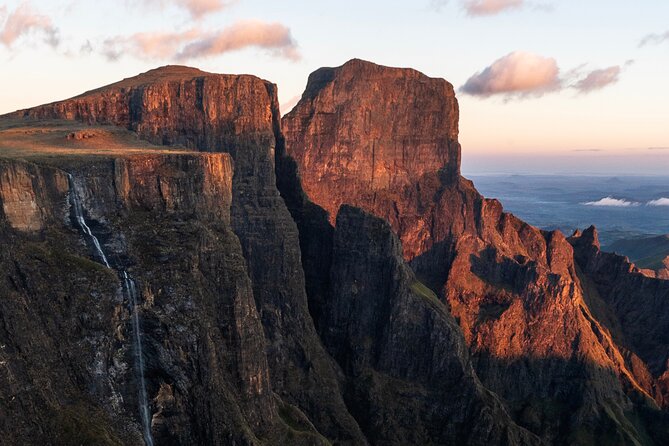
The final day brings the group back toward the meeting point. The precise route and timing are not specified, so you should ask your guide for the expected distance and finish time before setting off. The activity ends back at the meeting point, but you should avoid making tight onward travel plans until you know the return schedule.
By this stage, your legs will have done most of the work. The final day can feel easier because the route is familiar, or harder because fatigue has arrived. This is where a supportive guide matters. Darren, Patrick, and other Soul Adventures guides are praised for staying positive, helping with packs, and making the challenge feel manageable.
The final hours are also a good test of group spirit. Small groups work well on demanding hikes because the guide can keep an eye on each person without managing a crowd. You also spend enough time together for the social side of the trip to become part of the experience. One past participant who did not consider themselves a hiker found the trip possible with determination, humor, and the support of the people around them. That is encouraging, but it should not be read as proof that the route is easy.
More Hiking Trips in KwaZulu Natal:
- Cape Town: Lion’s Head Sunrise or Sunset Hike
★ 5.0 · 1,084 reviews - Cape Town: Lion’s Head Sunrise/Sunset Hike
★ 5.0 · 921 reviews - Cape Town: Table Mountain Hike with an Expert Guide
★ 4.9 · 666 reviews - Cape Town: Lion’s Head Sunrise or Sunset Guided Hike
★ 5.0 · 642 reviews
What is included, and what you still need to bring
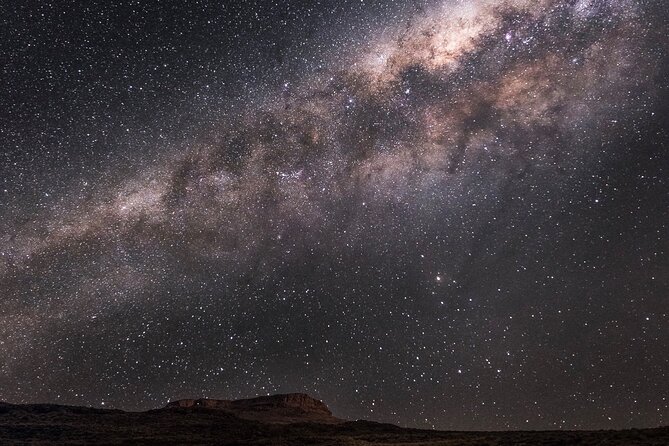
At $584.97 per person, this is not a cheap day trip. The price makes more sense once you count what is bundled into three days in a remote mountain area.
Included items are:
- Tents
- Sleeping bags
- Backpacks
- Eating utensils
- Breakfasts
- Dinners
- Hot drinks
- Hiking permits
- Fees and taxes
- Professional photos
- Guide services
That package is useful for anyone who lacks a full camping setup. You do not need to purchase a tent, sleeping bag, pack, or cooking utensils just for this outing. The inclusion of permits also removes one more piece of mountain planning from your list.
Lunch is the main food gap. You should bring enough for three hiking days, along with any snacks you rely on. Transport to the starting point is also excluded, so the price is best viewed as a guided mountain package, not an all-inclusive excursion from a hotel.
The gear provided is a major value point, but ask for current details before booking if you have specific needs. The supplied information does not give pack sizes, sleeping bag temperature ratings, or tent arrangements. Those details matter at 3,000 meters, especially if you are sensitive to cold.
The guide team makes a hard route more approachable
The best reports about this hike focus on the guides. Darren is praised for his experience in the Mnweni area, his care, and his easygoing attitude. Patrick receives similar approval for organizing routes, handling equipment, and keeping the mood positive. Rasta, Thebani, and Terry have also been singled out for looking after people on other three-day Drakensberg outings.
You should not assume a particular guide will lead your departure unless the operator confirms it. Guide assignments can change, and one past trip had to be reorganized after an unexpected problem affected the scheduled guide. The important point is that the company has used local area specialists and adjusted plans when necessary.
The right guide does more than point out the trail. On a trip like this, you need someone who can judge pace, help with route choices, watch changing conditions, and keep tired walkers moving. Good humor helps too. Several comments praise the guides’ jokes and supportive attitude, which may sound minor until you are climbing with sore legs and a full pack.
Fitness, weather, and the parts that may test you
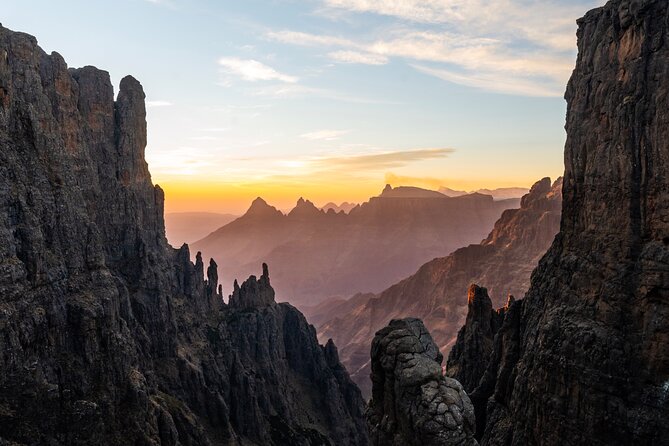
The official advice calls for moderate physical fitness, but I would treat that as the minimum. Three days, about 40 kilometers, high elevations, river water, camping, and steep mountain terrain add up to a serious commitment. You do not need to be an elite athlete, but you should be comfortable with long walks and repeated climbs.
Weather is a major factor. The hike requires good conditions, and poor weather can lead to a cancellation, a new date, or a full refund. That policy is sensible in exposed mountain terrain, but it means you should keep some flexibility in your South Africa plans.
You should also be ready for basic logistics. The start is early, lunch is self-supplied, and the route is remote. There is no promise of regular access to roads, shops, or indoor facilities during the hike. The attraction is precisely that you leave those conveniences behind, but it helps to make that choice knowingly.
Who will get the most from this hike
I would recommend this trip to you if you want a serious, guided mountain experience and do not already own all the camping equipment. It suits hikers who value scenery, quiet trails, a small group, and a distinctive overnight location more than comfort or speed.
It is also a good option for a capable first-time multi-day hiker who wants support. The guide team supplies much of the equipment and has a reputation for helping people through difficult sections. Still, first-time hikers should train beforehand and be honest about fitness rather than relying on enthusiasm alone.
I would be cautious about booking if you dislike early starts, carrying a pack, rustic sleeping conditions, long days, or uncertain mountain weather. The cave is memorable, but it is not a hotel room. And if you need private transport from your accommodation, you must arrange that separately.
Booking details and cancellation terms
The group is limited to 10 people, which is a useful balance between company and personal attention. Confirmation is provided at booking, and the activity begins at 5:00 am at the Drakensberg meeting point before ending at that same meeting point.
You can cancel for a full refund up to 24 hours before the local start time. Cancellations or changes inside that 24-hour window are not refunded or accepted. If bad weather forces the operator to cancel, you are offered another date or a full refund.
Is the 3-day Mnweni hike worth booking?
For the right person, yes. The price buys more than a guided walk: it covers mountain permits, camping gear, meals, hot drinks, photos, and the confidence of having an experienced guide in a remote area. The cave night and high views give the trip a clear sense of purpose.
I would book it if you want the Drakensberg at its wildest and are ready for a demanding three days. I would skip it if you want a relaxed sightseeing tour, easy access, or a fixed schedule with little physical effort. Pack light, bring your own lunches, arrange transport early, and treat the 40-kilometer figure as a serious estimate rather than a casual stroll.
FAQ
Where does the 3-day Drakensberg hike take place?
The hike takes place in the Mnweni area of the Drakensberg mountains in KwaZulu-Natal, South Africa.
How long is the hike?
The advertised distance is about 40 kilometers over three days. One past account records 47 kilometers, so the exact distance may vary with the route.
How high does the hike go?
The highest point is approximately 3,100 meters, or about 10,000 feet.
Where do you sleep?
You spend two nights camping in the mountains. One highlight is sleeping in a cave set into the cliffs above the valleys.
Is camping equipment included?
Yes. Tents, sleeping bags, backpacks, and eating utensils are provided.
Are meals included?
Breakfast, dinner, and hot drinks are included. Lunch is not included, so you need to bring your own.
Is transport to the trailhead included?
No. Transport to the starting point is not included. The hike starts at the Drakensberg meeting point and ends back there.
How large is the group?
The maximum group size is 10 people.
What happens if bad weather cancels the hike?
If poor weather causes a cancellation, you are offered a different date or a full refund. You can also cancel up to 24 hours before the start time for a full refund.
Just added in KwaZulu Natal
- Richards Bay: Isimangaliso Boat Cruise St Lucia Estuary Tour★ 5.0 · 3 reviews
- From St Lucia: Big 5 Safari in the Hluhluwe-Imfolozi Park★ 5.0 · 3 reviews
- From Richards Bay: DumaZulu Cultural Village Day Trip★ 3.4 · 4 reviews
- From St Lucia: 3 Day 2 Night Hluhluwe,St Lucia, iSimangaliso★ 5.0 · 4 reviews
- From Durban: Experience Two Big 5 Game Reserves in a Day★ 5.0 · 2 reviews
- Emdoneni Wildcat Project Day Tour From Richards Bay★ 4.2 · 2 reviews
- Durban:3 Day Hluhluwe-Imfolozi Park, St Lucia, iSimangaliso★ 5.0 · 4 reviews
- Durban: Drakensberg, Mandela Capture Site and Howick Falls★ 3.5 · 3 reviews
Hiking & Trekking, compared.
Hike Table Mountain or Lions Head in Cape Town Like a Local
Read our review →
Hike Table Mountain with a Guide – Choose Route
Read our review →
Browse the lists this tour appears in