REVIEW · CAPE POINT TOURS
Cape Town: Cape of Good Hope & Cape Point Prebooked Ticket
Cape Point is where Cape Town gets wonderfully wild. This prebooked ticket gives you direct entry to the Cape of Good Hope Nature Reserve, part of Table Mountain National Park, without adding a complicated booking step to your day. I like the freedom to explore at your own pace, and I like that the reserve combines wildlife, coastal scenery, historic beacons, and famous photo stops in one visit.
I also like the chance to see baboons, antelopes, and many bird species in their natural setting. The main drawback is simple: the Flying Dutchman Funicular is not included, so you must pay separately if you do not want to walk about 15 minutes to the lighthouse.
In This Review
- Key points to know before you go
- Entering the Cape of Good Hope Nature Reserve
- What the $56 admission price really covers
- From the Dias Beacon to the Da Gama Beacon
- The famous signboards and photo stops
- Walking to the Cape Point lighthouse
- Taking the Flying Dutchman Funicular
- Wildlife in an open coastal reserve
- How to plan your one-day visit
- Who will get the most from this ticket?
- Should you book the Cape Point entry ticket?
- FAQ
- Where do I use the prebooked ticket?
- What does the ticket include?
- Is the Flying Dutchman Funicular included?
- How long does the walk to the lighthouse take?
- Can I visit the Dias and Da Gama beacons?
- Can I take photos at the Cape of Good Hope and Cape Point signs?
- What wildlife might I see?
- Can I feed the animals?
- How long is the ticket valid?
Key points to know before you go
- Entry is for the Cape of Good Hope main gate: Your prebooked ticket covers admission to the nature reserve through the main entrance.
- Cape Point is more than a photo stop: You can visit the Dias and Da Gama beacons, see the Cape of Good Hope and Cape Point signboards, and reach the lighthouse viewpoint.
- The funicular costs extra: The Flying Dutchman Funicular is optional, while the walk to the lighthouse takes about 15 minutes.
- Wildlife is part of the setting: Baboons, antelopes, and a range of birds may be seen inside the reserve.
- You get one day of validity: Check the available starting times when booking, then plan your day around your chosen visit.
- The booking has useful flexibility: You can cancel up to 24 hours ahead for a full refund, and you can reserve now and pay later.
Entering the Cape of Good Hope Nature Reserve
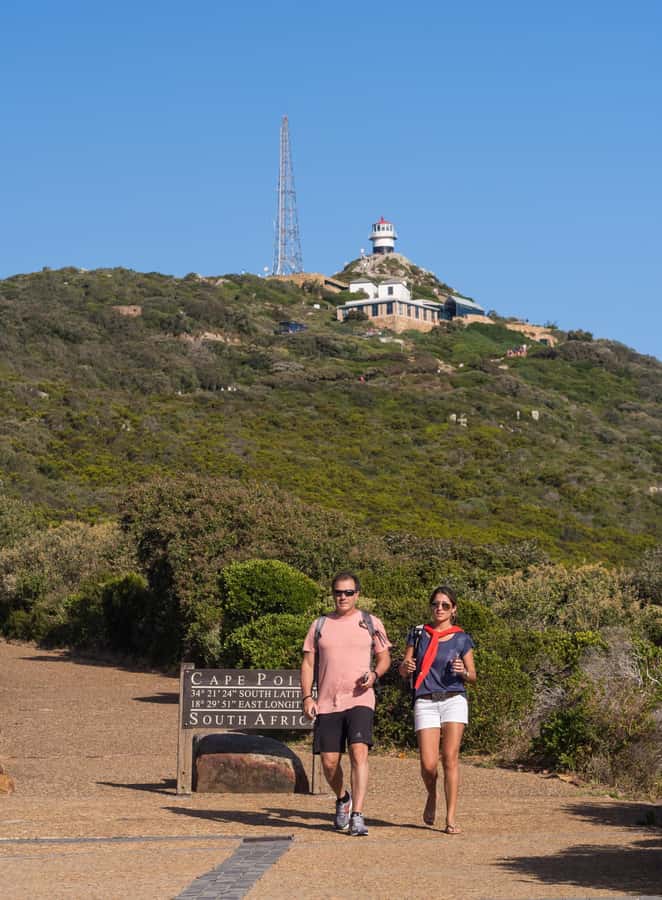
Your day begins at the main gate of the Cape of Good Hope Nature Reserve. Look for the signboard at the entrance marked Cape of Good Hope Nature Reserve, then use your prebooked ticket for entry.
That simple arrangement is the main practical benefit here. You are not buying a guided sightseeing package, and you are not tied to a detailed group itinerary. You are purchasing access to one of Cape Town’s best-known natural areas, then choosing how to use your time inside.
The reserve forms part of Table Mountain National Park and is recognized as a UNESCO World Heritage site for its plant life, animals, and coast. The ticket therefore gives you access to a place that is much larger in character than a single lookout. You can spend your time moving between coastal viewpoints, beacons, signs, and wildlife areas rather than ticking off only one attraction.
The ticket is valid for one day. Since the exact starting times depend on availability, check the booking calendar carefully before you pay. This matters because the ticket is best used as the backbone of a full Cape Point outing, not as a rushed stop squeezed between unrelated plans.
More Cape Point and Cape of Good Hope trips:
- Cape Town: Cape of Good Hope & Penguins Day Tour with Pickup
★ 4.7 · 3,362 reviews - Cape Point and Boulder’s Penguins Full Day Tour
★ 5.0 · 3,118 reviews - From Cape Town: Cape Point & Boulders Beach Full-Day Tour
★ 4.8 · 3,032 reviews
What the $56 admission price really covers
At $56 per person, this is not a cheap sightseeing add-on. The value depends on how much time you plan to spend inside the reserve and how important advance entry is to you.
The price includes the entry ticket to the Cape of Good Hope main gate. It does not include transport to the reserve, a guide, food, or the Flying Dutchman Funicular. The supplied details identify this as a one-day entry experience, so you should treat the fee as admission to the reserve rather than the price of a fully guided Cape Town tour.
I see the value most clearly if you want a flexible day at Cape Point. You can visit several named places, look for wildlife, and take in the coast without paying for activities you may not want. If you prefer a guide to explain every stop or want transport arranged from your hotel, this ticket alone will not meet those needs.
The price also makes the separate funicular charge worth remembering. You can walk roughly 15 minutes to the lighthouse, so the extra ticket is optional. If you are comfortable walking, the included entry may be enough. If you want the quickest and easiest route upward, budget for the funicular in addition to the $56.
From the Dias Beacon to the Da Gama Beacon
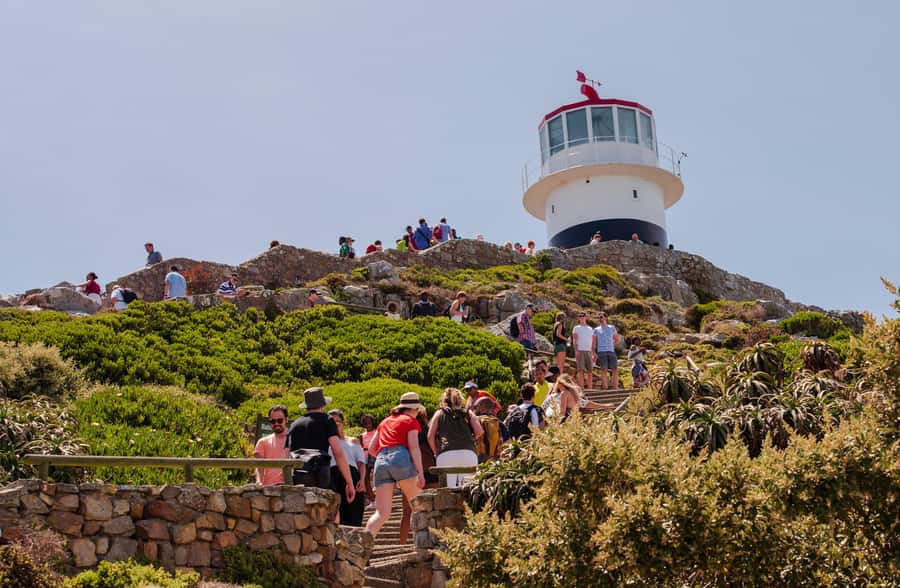
Inside the reserve, the Dias and Da Gama beacons give your visit a useful sense of place. They are named stops, not just anonymous viewpoints, and they connect the cape to the age of ocean exploration.
The supplied information does not give a detailed guided explanation at each beacon, so I would not expect a formal talk or scheduled presentation. Instead, think of these as places to pause, look out, and take in the connection between the cape and the sea routes that made it famous.
These stops also help break up the day. Cape Point is known for its large views, but a visit can feel repetitive if you only move from one lookout to another. The beacons give you another reason to stop and explore rather than treating the reserve as a single photograph.
You should allow room in your schedule for unhurried pauses. The attraction is not only reaching a final viewpoint. It is the combination of open coast, named landmarks, wildlife, and changing views across the reserve.
The famous signboards and photo stops
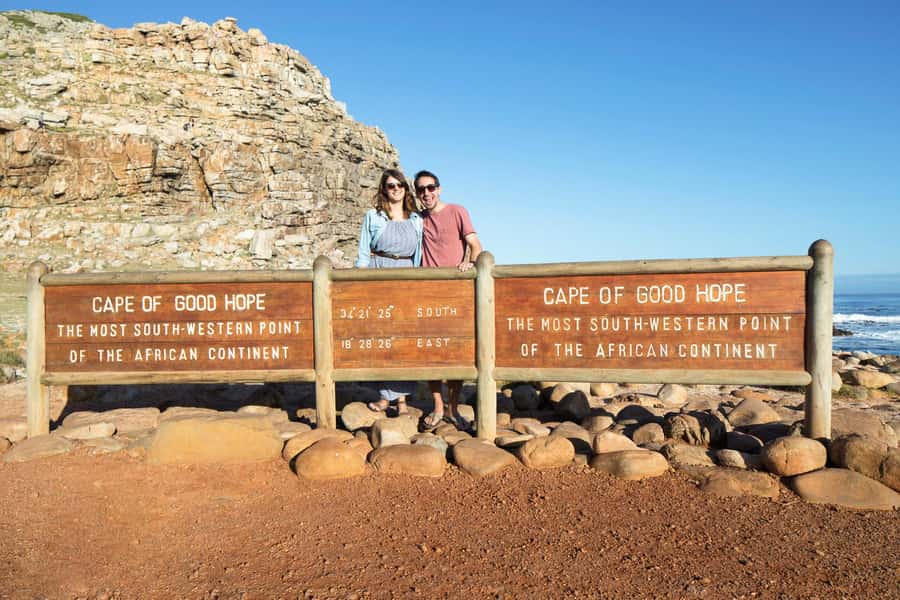
The Cape of Good Hope and Cape Point signboards are obvious photo opportunities, and there is no need to pretend otherwise. They are iconic markers of your visit, especially if you want a clear record of being at these celebrated points in the reserve.
You can take photos behind both signs, giving you two distinct stops rather than one generic Cape Point picture. The signs also help separate the names Cape of Good Hope and Cape Point, which are often treated as if they mean exactly the same place.
I like these stops because they are easy to understand. You do not need a guide or special background knowledge to enjoy them. You arrive, take your picture, and then turn your attention back to the coast and surrounding scenery.
Still, do not make the signboards the whole purpose of the day. The reserve’s value comes from the wider setting, including the beacons, lighthouse views, animals, and birdlife. If you rush in only for a photograph, you will miss much of what your entry fee provides.
A few more in Cape Town
- Wine Tour: Paarl, Franschhoek & Stellenbosch incl 3 wineries
★ 5.0 · 3,940 reviews - Cape Town: Hop-On Hop-Off Bus Tour with Optional Cruise
★ 4.8 · 3,929 reviews - Zipline Cape Town – From Foot of Table Mountain Reserve
★ 5.0 · 3,179 reviews - Cape Town: Table Mountain Cable Car, Hop-On Hop-Off Bus Tour
★ 4.6 · 3,157 reviews
Walking to the Cape Point lighthouse
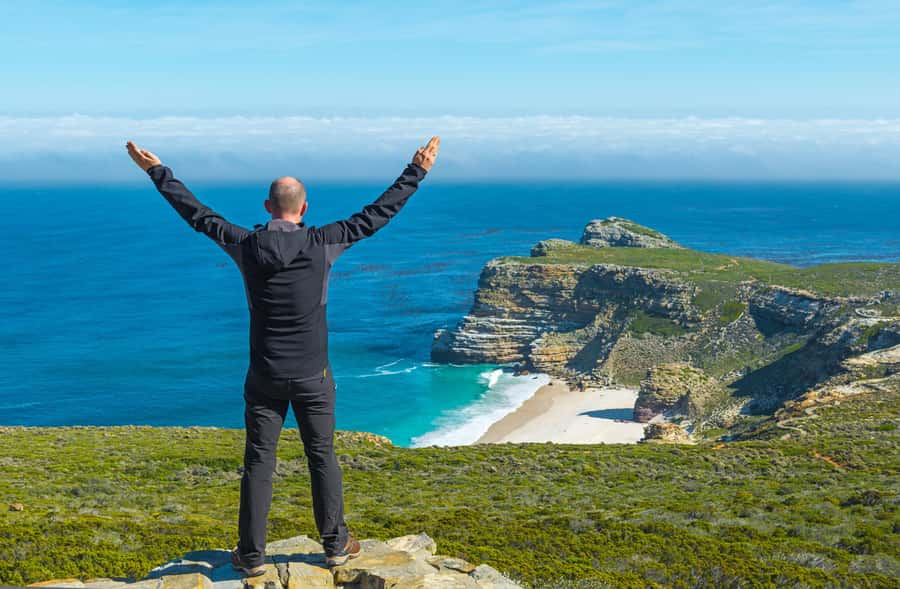
The lighthouse is the main high viewpoint described for this experience. From Cape Point, you can enjoy broad views over the coast and the Two Ocean Currents, a feature that gives the stop its visual drama.
You can reach the lighthouse by walking for approximately 15 minutes. That is a short distance for many people, but the details supplied do not describe the path, its surface, or its slope. Plan for an outdoor walk rather than assuming a flat indoor route.
The walk has a practical advantage: it costs nothing beyond your reserve admission. I would choose it if you want to keep the day simple and avoid an extra charge. It also gives you time to move at your own pace instead of stepping directly from one transport option into the viewpoint.
At the lighthouse, the reward is the height and the open coastal outlook. The phrase Two Ocean Currents is part of the appeal of this viewpoint, but the experience is best understood as a broad sea view rather than a guaranteed visible line in the water. Weather and visibility can affect what you see, and no exact viewing conditions are promised.
Taking the Flying Dutchman Funicular
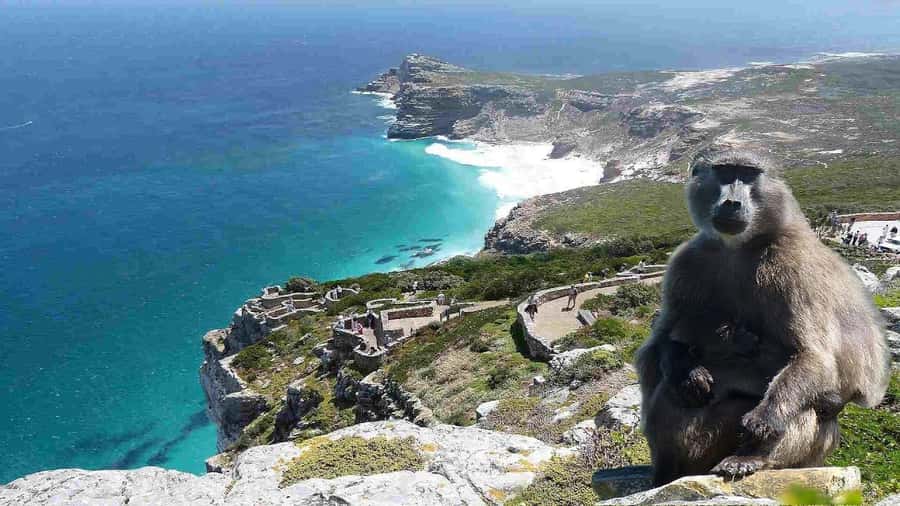
The Flying Dutchman Funicular offers a quicker alternative to the walk. It is optional and requires a separate ticket, which is not part of the $56 admission price.
This is an important detail to settle before you arrive. If you have limited time, prefer not to walk, or simply want the convenience of a short ride, you should plan to purchase the funicular ticket separately. If you are happy to walk about 15 minutes, you can skip that extra expense.
Because no funicular price is provided, I cannot tell you the final cost of choosing it. Check the current price on the day or during your planning. The entry ticket still gets you into the reserve, but it does not cover this ride.
I appreciate that the funicular is treated as an option rather than folded into a higher compulsory price. You can decide based on your energy, schedule, and budget. That is a small but useful form of control in a place where many people might otherwise assume every feature is included.
Wildlife in an open coastal reserve
Wildlife adds an element of surprise to the visit. Baboons, antelopes, and a variety of bird species are specifically noted in the reserve, so keep your attention on more than the road and viewpoints.
The most important rule is clear: do not feed the animals. This protects you, other people, and the animals themselves. Feeding wildlife can change animal behavior and create unsafe encounters, so keep food to yourself and observe from a sensible distance.
No wildlife sighting can be promised. Animals move freely, and the experience is not presented as a zoo visit or a scheduled animal encounter. You might see baboons, antelopes, or birds, but you should judge the day by the reserve as a whole rather than by a checklist.
The wildlife also helps explain why this ticket is more worthwhile for people who enjoy outdoor places. You are not simply entering a building with a fixed display. You are entering a protected coastal area where the animals and birds are part of the setting.
How to plan your one-day visit
The ticket is valid for one day, and the full reserve experience is best approached with time rather than haste. Use the main gate as your starting point, then organize the day around the stops that matter most to you.
A sensible order is:
- Enter through the Cape of Good Hope main gate.
- Visit the Cape of Good Hope and Cape Point signboards for photos.
- See the Dias and Da Gama beacons.
- Continue to Cape Point and the lighthouse viewpoint.
- Walk approximately 15 minutes to the lighthouse, or buy a separate funicular ticket.
- Keep watch for baboons, antelopes, and birds throughout the reserve.
This is not a guided timetable, so you have room to adjust the pace. If photographs are your priority, leave time at both signboards. If views matter most, give the lighthouse stop your best part of the day. If wildlife is high on your list, avoid treating the journey between stops as dead time.
The booking system adds flexibility because you can reserve now and pay later. You can also cancel up to 24 hours in advance for a full refund. Those terms are useful if your Cape Town schedule is still shifting, though you should confirm the available starting time before finalizing your plans.
Who will get the most from this ticket?
I would recommend this experience to you if you want to explore Cape Point independently and value entry arranged in advance. It suits people who enjoy open-air scenery, named landmarks, wildlife watching, and photography more than a tightly scripted tour.
It is also a good fit if you want to choose between walking and the funicular. The optional ride lets you control the cost, while the 15-minute walk gives you a no-extra-fee route to the lighthouse.
I would be more cautious if you expect a guided excursion, hotel pickup, or a fully packaged day. None of those are included in the information provided. You will need to manage your own arrival and make your own choices once inside.
The ticket may also disappoint you if you want every attraction covered in one fee. The entry is included, but the Flying Dutchman Funicular is not. That is easy to miss unless you read the details closely.
Should you book the Cape Point entry ticket?
Book it if your plan is to spend a day at the Cape of Good Hope Nature Reserve and you want the ease of arranging admission ahead of time. The strongest reasons are the reserve’s combination of coastal views, wildlife, beacons, signboard photo stops, and the Cape Point lighthouse.
At $56 per person, the ticket offers reasonable value for an independent day if you use more than one part of the reserve. It is less attractive if you only want a quick photograph or if you need transport and guiding included.
My practical advice is to check the starting time, remember that the funicular costs extra, and keep your schedule open enough to enjoy the reserve at a calm pace. If those conditions suit you, this is a useful, flexible way to visit one of the most dramatic corners of the Western Cape.
FAQ
Where do I use the prebooked ticket?
Use it at the Cape of Good Hope main gate, at the entrance marked Cape of Good Hope Nature Reserve.
What does the ticket include?
It includes entry through the Cape of Good Hope main gate into the Cape of Good Hope Nature Reserve.
Is the Flying Dutchman Funicular included?
No. The funicular requires a separate ticket and is not included with reserve entry.
How long does the walk to the lighthouse take?
The walk to the lighthouse takes approximately 15 minutes.
Can I visit the Dias and Da Gama beacons?
Yes. Visiting both beacons is part of the suggested experience inside the reserve.
Can I take photos at the Cape of Good Hope and Cape Point signs?
Yes. You can take photographs behind the Cape of Good Hope and Cape Point signboards.
What wildlife might I see?
You might see baboons, antelopes, and a variety of bird species.
Can I feed the animals?
No. Feeding animals is not allowed.
How long is the ticket valid?
The ticket is valid for one day. Starting times depend on availability, so check them when booking.
Just added in Cape Town
- Sunset Safari Big 5 Aquila with Snacks and Wine Tasting★ 5.0 · 12 reviews
- Explore Atlantis Sand Dunes with a 1hour 30mins sandboarding tour★ 5.0 · 5 reviews
- Private Tour to 20 Wine Tasting in Stellenbosch and Franschhoek★ 5.0 · 11 reviews
- Photoshoot in Cape Town’s most Gorgeous Locations★ 5.0 · 2 reviews
- Robben Island, Kirstenbosch wine tasting Tour★ 5.0 · 10 reviews
- Zip Line and Wine from Cape Town★ 5.0 · 14 reviews
- Private Transfer from Cape Town International Airport★ 5.0 · 4 reviews
- 1 Hour Cape Town City Center Photoshoot Experience★ 5.0 · 19 reviews
Cape Point Tours, compared.
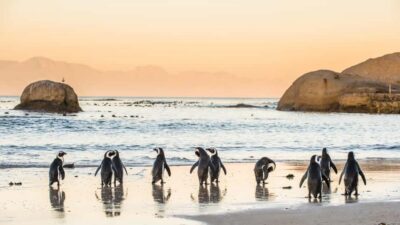
Cape of Good Hope & Penguins Day Tour with Pickup
Read our review →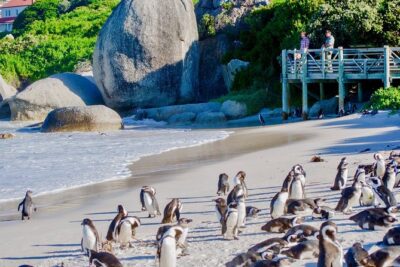
Cape Point and Boulder’s Penguins Full Day Tour
Read our review →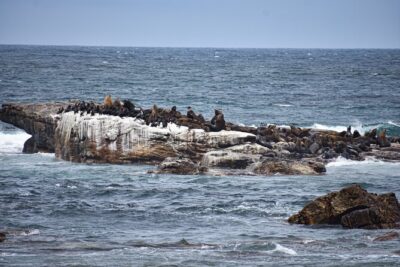
Cape of Good Hope & Boulder Penguins Full-Day Tour from Cape Town
Read our review →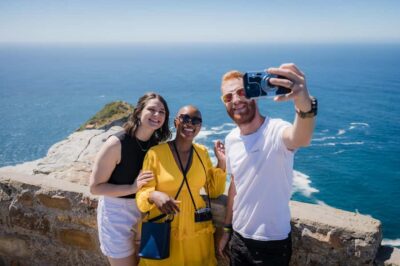
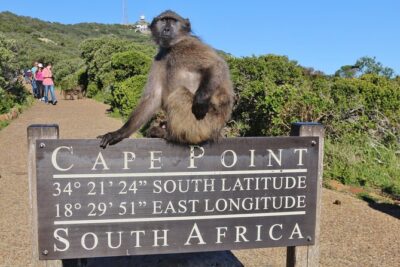
Table Mountain, Penguins & Cape Point Small Group Tour Cape Town
Read our review →
Cape Town Tour: Table Mountain, Penguins & Cape Point+Pickup
Read our review →