
REVIEW · FOOD & DRINK
Cape Town: Essential Food and Drink Tour
Cape Town tastes better on foot. This four-hour tour links Bo-Kaap, De Waterkant, Green Point, and the Waterfront through food, drink, architecture, and stories that explain how the city came together. I especially like the mix of Cape Malay cooking and modern craft drinks, plus the chance to see several parts of central Cape Town in one outing.
I also like that the tastings are not limited to one type of cuisine. You may try koeksisters, bobotie, bunny chow, pap, chakalaka, rooibos, local beer, fynbos ice cream, and Inverroche gin. The main drawback is simple: the food can add up. One person found the portions larger than expected, so eat lightly beforehand.
The tour starts inside Bo Kaap Deli and covers about two miles on foot, split between tasting stops. Guides such as Justin, Olivia, and Marianne have earned warm praise for their local knowledge, humor, and ability to connect food with Cape Town’s past.
In This Review
- Key things to know before booking
- Starting with Cape Malay flavor in Bo-Kaap
- De Waterkant turns the walk toward modern Cape Town
- Coffee, bobotie, and bubbles set the rhythm
- The African food stop brings the widest cultural range
- Beer pairings show Cape Town’s craft side
- Fynbos ice cream and Inverroche gin finish the flavor story
- Green Point and the Waterfront broaden the city view
- The guides are central to the experience
- Is $134 a fair price?
- Who should book this four-hour walk?
- My verdict on the Cape Town Essentials Tour
- FAQ
- Where does the Cape Town food tour start?
- How long does the experience last?
- How much walking is involved?
- Which neighborhoods are included?
- What food and drink tastings are included?
- Is the tour available for people who do not drink alcohol?
- Is transportation provided?
- What happens if the weather is bad?
- Can I cancel the booking?
Key things to know before booking
- Bo-Kaap is the starting point: Meet your English-speaking guide at Bo Kaap Deli, either at the door or inside.
- The tasting list is broad: Expect coffee, bobotie, bubbles, beer pairings, fynbos ice cream, and gin, with other Cape dishes worked into the route.
- The history is part of every stop: The tour covers spice routes, slavery, apartheid, trade, migration, and Cape Town’s changing neighborhoods.
- You walk about two miles: Comfortable shoes and sunscreen matter, and the route is not suitable for wheelchair users or people with limited mobility.
- The group feels social: Past groups have included around eight or nine people, a size that allows conversation without becoming unwieldy.
- The price reflects more than lunch: At $134 per person, you are paying for four hours of guided context, numerous tastings, and stops across several districts.
Starting with Cape Malay flavor in Bo-Kaap
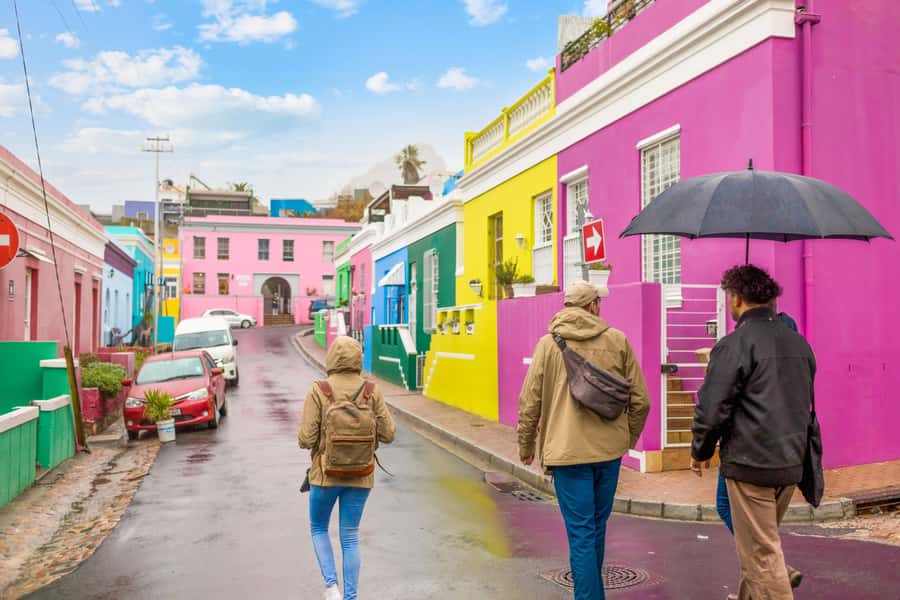
Bo-Kaap gives this tour its strongest opening. The neighborhood is known for its brightly painted buildings, but the colors are only the surface. Your guide uses the streets and architecture to explain the Cape Malay community, forced migration, slavery, religion, and the spice traditions that helped shape local cooking.
The tour begins at Bo Kaap Deli, so you should arrive with enough time to find the exact meeting point. The guide waits at the door or inside the deli. There is no hotel pickup, so you need to arrange your own way to Bo-Kaap.
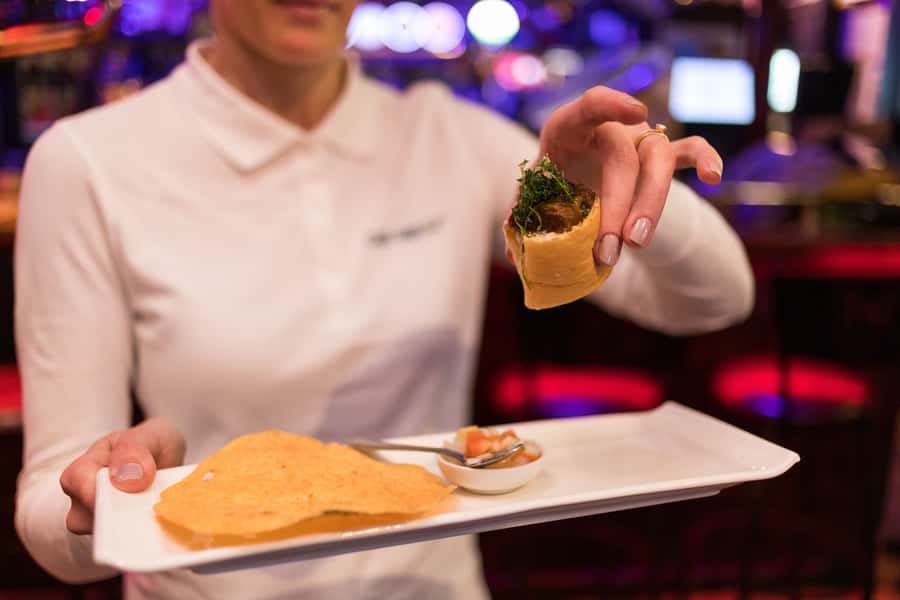
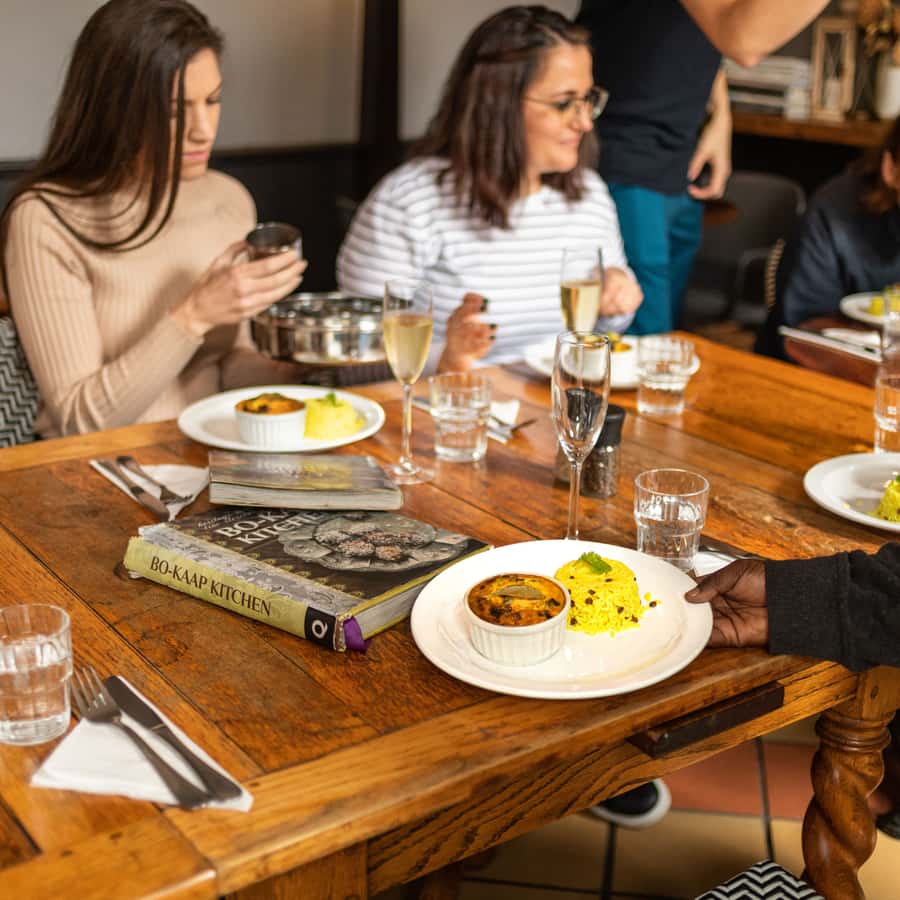
Food gives the history a clear shape. Cape Malay bobotie, with its spiced minced filling and egg topping, is one of the important tastes to expect. Golden koeksisters offer a sweeter introduction, while rooibos brings in a familiar South African drink that is gentle and easy to enjoy.
This is where the tour earns its keep. A standard city walk can show you colorful houses and old streets, then move on. Here, the food helps explain why those streets look and taste the way they do. I find that kind of connection far more useful than a list of dates.
The Bo-Kaap section also needs a little patience. You are walking through public streets, not a museum arranged for visitors, and the pace includes pauses for stories, photos, and food. The group must stay together, especially when moving between stops.
More Food Tours in Cape Town
- Cape Town: Full-Day Winelands Tour with Wine Tastings & Food
★ 4.9 · 1,288 reviews - The Cape Town Essentials Food Tour
★ 5.0 · 385 reviews - From Cape Town: Winelands Full Day Tour and Wine Tasting
★ 4.5 · 364 reviews
De Waterkant turns the walk toward modern Cape Town
From Bo-Kaap, the route continues toward De Waterkant. This part of the city helps show how Cape Town has changed over time, from a port shaped by international trade to a city with a growing food and drink scene.
The experience is not simply a meal with a few facts added on. The guide points out architecture and neighborhood details as you walk, helping you notice how old and new buildings sit close together. You also hear about the spice routes and the trade connections that brought ingredients, people, and customs into the Cape.
The food stops here are described as carefully chosen and varied. You might find a dish from a small local restaurant, a modern pairing, or a drink that gives you another angle on South African taste. Since the exact order and venues can vary, it is best to think of the tour as a sequence of linked tastings rather than a fixed restaurant crawl.
I like this part because it keeps the tour from becoming a single-neighborhood experience. You get to see Cape Town in motion. The streets change, the architecture changes, and the food shifts with them.
Coffee, bobotie, and bubbles set the rhythm
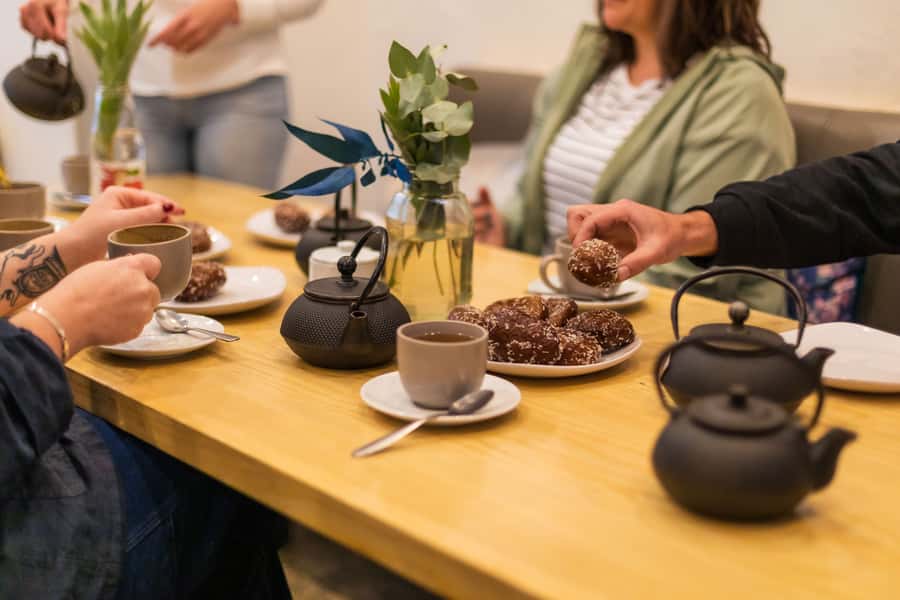
A coffee presentation and pairing is included, giving the tour a calm early tasting or mid-route pause. The wording suggests more than simply being handed a cup. You get an explanation of the coffee and a food pairing designed to show how the flavors work together.
That kind of presentation is useful if you care about how local businesses build a food identity. It also breaks up the heavier dishes. Four hours of eating can feel like a lot, so a change of pace matters.
The bobotie and bubbles pairing adds another contrast. Bobotie is warm, spiced, and comforting, while sparkling wine brings a lighter, sharper note. You do not need to be a food expert to enjoy the comparison. The guide does the work of explaining what you are tasting and why the pairing makes sense.
I would treat these stops as samples, not full meals. Still, the cumulative amount is substantial. If you have a large breakfast or plan a big dinner soon afterward, you may find yourself too full. One person specifically found there was so much food, even while considering it all excellent.
The African food stop brings the widest cultural range
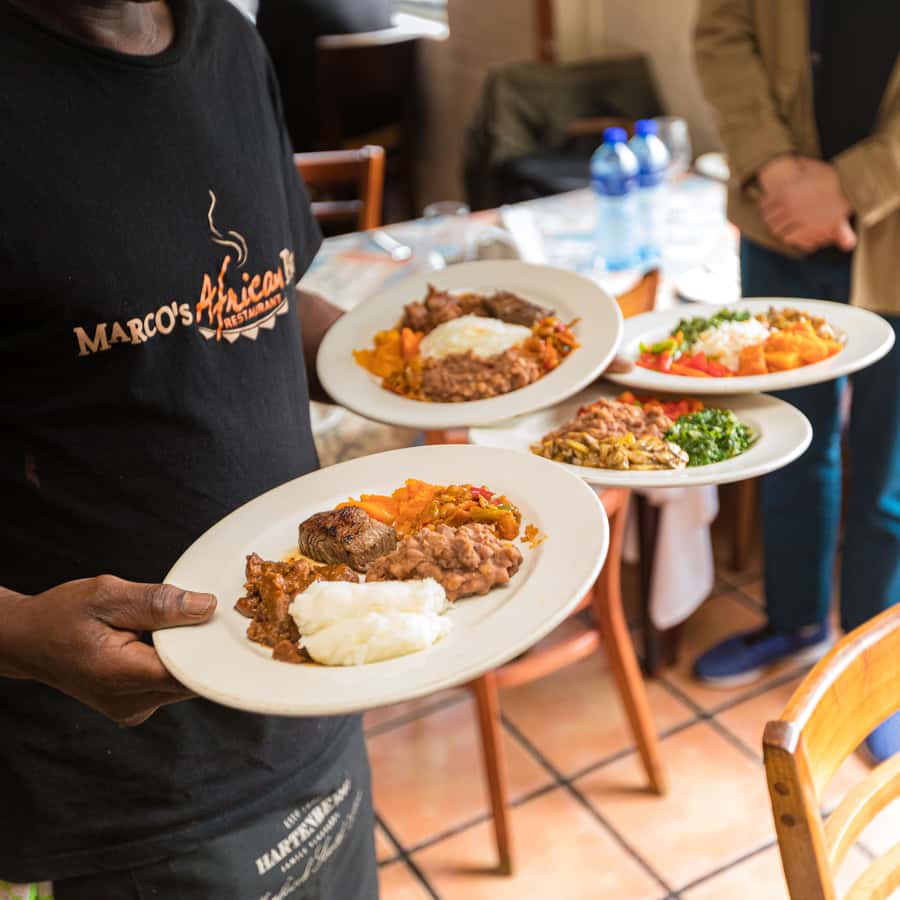
A major strength of the route is its range. Along with Cape Malay flavors, you may taste hearty favorites such as bunny chow, pap, and chakalaka. These dishes broaden the picture beyond the familiar postcard version of Cape Town.
Bunny chow is a filling bread-based dish associated with South African street food. Pap is a maize-based staple, and chakalaka brings a spicy vegetable element. Together, they give you a better sense of everyday food traditions than a menu built only around polished restaurant dishes.
One especially praised part of the experience is the stop at an African restaurant. I would pay close attention here, because the value is not only in the food. The guide can explain how a dish fits into local culture and how different communities have contributed to Cape Town’s table.
This is also a good reason to book the tour early in your visit. If you take it near the start of your stay, you can use the guide’s food suggestions later. You may also leave with a clearer idea of which dishes you want to order again and which neighborhoods deserve more time.
Something quite different:
- Wine Tour: Paarl, Franschhoek & Stellenbosch incl 3 wineries
★ 5.0 · 3,940 reviews - Cape Town: Hop-On Hop-Off Bus Tour with Optional Cruise
★ 4.8 · 3,929 reviews - Cape Town: Cape of Good Hope & Penguins Day Tour with Pickup
★ 4.7 · 3,362 reviews - Zipline Cape Town – From Foot of Table Mountain Reserve
★ 5.0 · 3,179 reviews
Beer pairings show Cape Town’s craft side
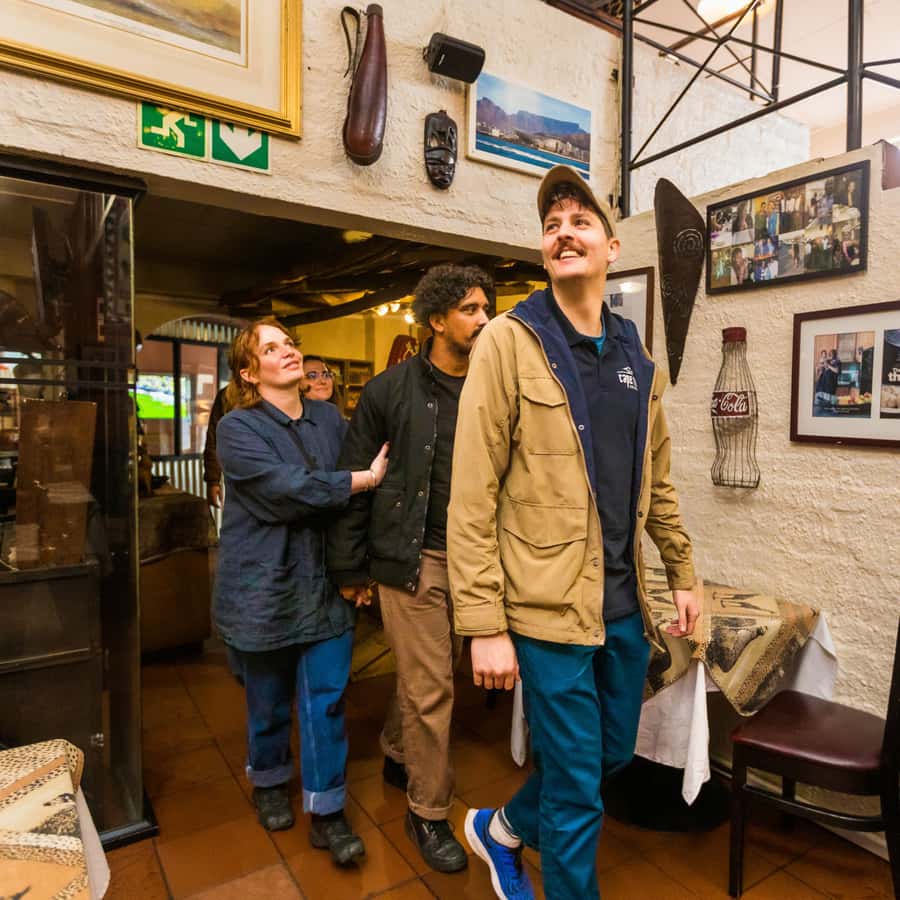
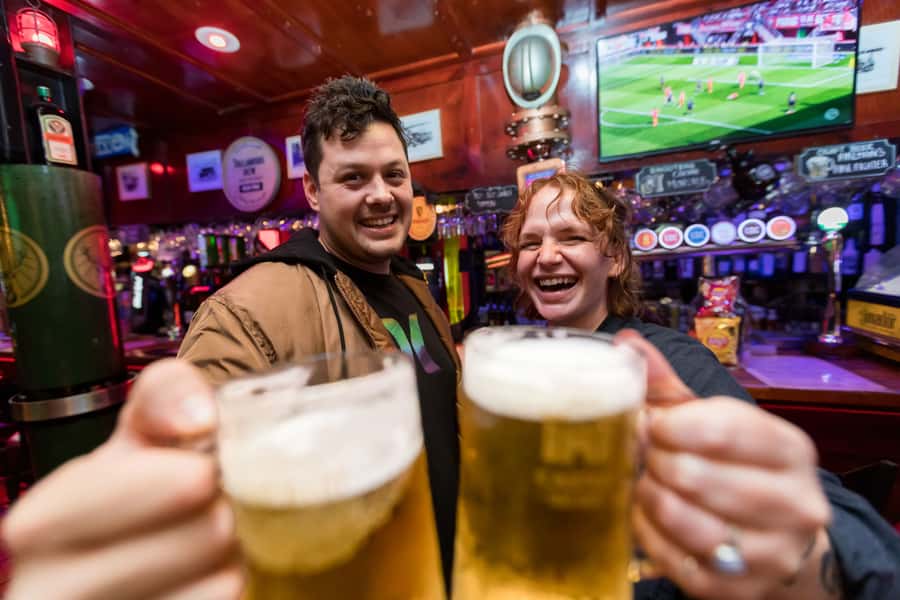
The tour includes three beer tastings with a three-way food pairing. That is a generous section of the experience, particularly for anyone who enjoys trying local beer without committing to a full pint at every stop.
The pairing format gives you a practical way to compare flavors. Instead of tasting three beers in isolation, you can see how each works with different food. It turns the stop into a small lesson in balance, bitterness, sweetness, spice, and texture.
The beer segment also gives the tour a modern edge. Cape Town’s food identity is not frozen in old recipes. The route places traditional dishes beside newer drinks and contemporary food businesses, which makes the city feel like a living place rather than a historic display.
If you do not drink alcohol, the tour offers non-alcoholic choices, and dietary preferences can be accommodated in several cases. You should still contact the local partner about allergies immediately after booking. Do not rely on a last-minute explanation at the first stop, especially if you have a serious allergy.
Fynbos ice cream and Inverroche gin finish the flavor story
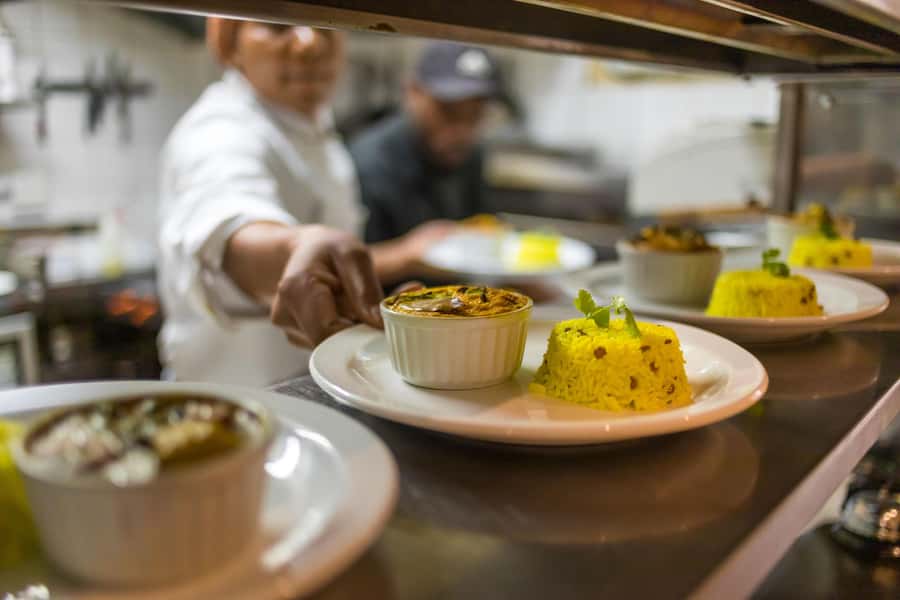
The craft ice cream infused with fynbos is one of the more distinctive inclusions. Fynbos refers to the plant life associated with the Cape, and using it in ice cream gives you a taste that is tied to the region rather than a standard dessert found anywhere.
The gin tasting adds another South African note. Inverroche gin is made with local botanicals, so this stop connects drink with the natural character of the Cape. It is a smart way to end the food portion because the flavors should feel different from the earlier coffee, beer, and spiced dishes.
Alcoholic and non-alcoholic options are available, but you should check your needs when booking. The tour is not only for drinkers, and you can still take part in the food and cultural side if you avoid alcohol.
These final tastings may also make the tour feel generous for the price. You are not paying for one standard lunch. You are receiving a series of small servings and drinks, guided explanations, and a walking route through several important districts.
Green Point and the Waterfront broaden the city view
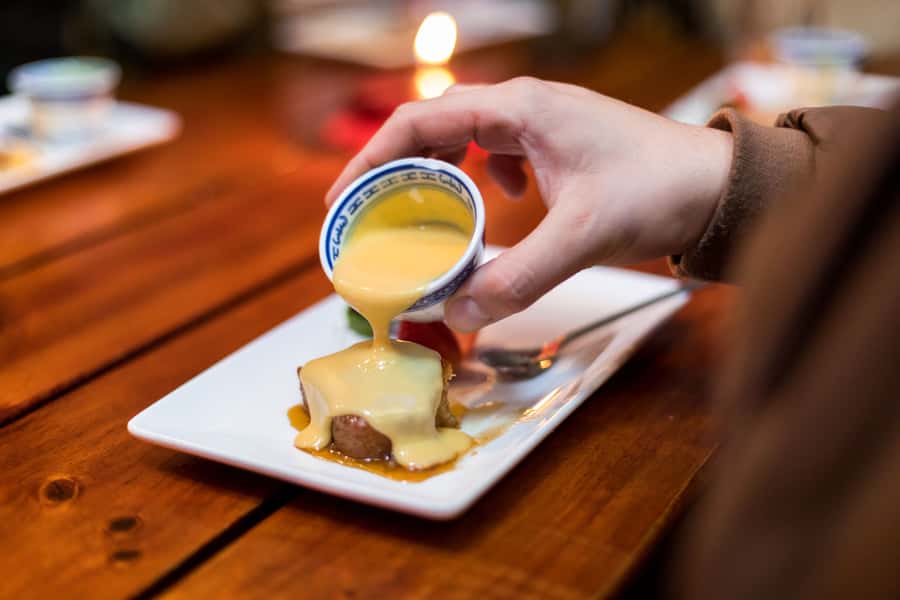
The route includes Green Point and the V&A Waterfront, though the precise order of stops is not specified. These areas shift the mood again, taking you closer to Cape Town’s harbor and its modern visitor scene.
The Waterfront is more polished and commercial than Bo-Kaap, but that contrast is useful. The point is not to pretend every part of Cape Town has the same character. The tour shows how the city moves from a historic community with Cape Malay roots through changing residential streets and into a major waterfront district.
Green Point adds another neighborhood to the picture. Because the tour is on foot, you experience the distances between these areas rather than seeing them as disconnected pins on a map. Two miles is not extreme, but the route can feel longer after repeated tastings and time spent standing.
I would wear walking shoes with good support. Leave the high heels at home, and skip jewelry that could become uncomfortable during a four-hour outing. Sunscreen is essential, and the weather can affect the experience. Tours run in most conditions, but severe wind or rain may lead to cancellation, with the guide contacting you if that happens.
The guides are central to the experience
The food is appealing, but the guide makes the difference. Justin is described as lively, funny, and strong on both food and local history. He also lives in Bo-Kaap, which gives the opening section a personal connection to the neighborhood.
Olivia has been praised for being friendly and clear when explaining food, culture, and the city. Marianne is also noted for combining area history with an enjoyable food experience. Guide assignments can change, so you should not book expecting one particular person, but the pattern is encouraging.
The best guides on this kind of tour know when to talk and when to let you eat. They also keep a mixed group together without wasting time at every crossing. One earlier outing was praised for moving smoothly between stops, with no long waits for people to catch up.
The group size can matter. A group of eight or nine is large enough to create a social atmosphere, yet small enough for questions. The experience has drawn people from several countries, so you may end up sharing the table with a genuinely international mix.
Is $134 a fair price?
At $134 per person, this is not a budget snack walk. The price makes more sense if you value a guide, several substantial tastings, alcoholic drinks, and historical interpretation in one package.
Included are the coffee presentation and pairing, bobotie with bubbles, three beer tastings with a three-way food pairing, fynbos ice cream, and an Inverroche gin tasting. Additional food and drink are not included, so you should not assume you can keep ordering at the stops without paying extra.
The tour also covers multiple neighborhoods. If you tried to arrange the same range of tastings and a guided history lesson independently, you would spend time choosing venues, navigating between them, and working out how much to order. The tour removes that effort.
I would call it good value for a visitor who wants an organized introduction to Cape Town’s food culture. It is less attractive if you prefer to eat one large meal, avoid alcohol entirely, or explore at your own pace. You are paying for structure and interpretation, not just calories.
Who should book this four-hour walk?
I would recommend it to first-time visitors who want context quickly. It gives you a working map of central Cape Town and introduces dishes you may not know how to order on your own.
It also suits curious eaters who want variety. The route covers sweet, savory, spicy, creamy, fermented, botanical, alcoholic, and non-alcoholic tastes. You do not need to be a serious food enthusiast, but you should enjoy trying several small portions.
Families can book, since the experience is described as family-friendly, but unaccompanied minors are not allowed and children under two are not suitable. The walking and food schedule may also be tiring for very young children.
This is not the right choice for wheelchair users, people with mobility impairments, or anyone who struggles with a roughly two-mile walking route. People with respiratory issues and those over 264 pounds, or 120 kilograms, are also listed as unsuitable. Those limits are worth taking seriously rather than treating them as minor fine print.
You should also contact the provider soon after booking if you have allergies or strict dietary needs. Vegetarian and non-alcoholic options are available, but the tour needs advance notice to prepare properly.
My verdict on the Cape Town Essentials Tour
Book this tour if you want food to explain the city, not just fill you up. The strongest features are the Bo-Kaap start, the mix of old and new Cape Town, the African food stop, and the guide-led connections between dishes, trade, slavery, apartheid, and present-day culture.
I would schedule it early in your Cape Town stay, wear practical shoes, and eat only a light breakfast. At $134, it is a serious spend, but the four-hour route packs in enough food, drink, neighborhood walking, and local explanation to justify the cost for many visitors.
Skip it if you need a slow, seated meal or cannot manage the walking. For everyone else, this is a sociable and unusually useful way to get your bearings through taste.
FAQ
Where does the Cape Town food tour start?
The tour starts inside Bo Kaap Deli. Look for the guide at the deli door or inside the deli.
How long does the experience last?
The tour lasts four hours.
How much walking is involved?
You will walk about two miles, with the distance split between tasting locations.
Which neighborhoods are included?
The route includes Bo-Kaap, De Waterkant, Green Point, and the V&A Waterfront.
What food and drink tastings are included?
The experience includes a coffee presentation and pairing, bobotie and bubbles, three beer tastings with a three-way food pairing, craft ice cream infused with fynbos, and an Inverroche gin tasting. Cape dishes such as koeksisters, bunny chow, pap, chakalaka, and rooibos are also part of the described food experience.
Is the tour available for people who do not drink alcohol?
Non-alcoholic options are available. Vegetarian choices can also be accommodated, but you should contact the local partner about dietary needs and allergies immediately after booking.
Is transportation provided?
No. Hotel pickup and drop-off are not included, so you need to arrange transportation to and from the tour yourself.
What happens if the weather is bad?
Tours run in all weather depending on the severity of the wind and rain. If the tour is canceled, the guide will contact you.
Can I cancel the booking?
You can cancel up to 24 hours in advance for a full refund. You can also reserve now and pay later.
Just added in Cape Town
- Sunset Safari Big 5 Aquila with Snacks and Wine Tasting★ 5.0 · 12 reviews
- Explore Atlantis Sand Dunes with a 1hour 30mins sandboarding tour★ 5.0 · 5 reviews
- Private Tour to 20 Wine Tasting in Stellenbosch and Franschhoek★ 5.0 · 11 reviews
- Robben Island, Kirstenbosch wine tasting Tour★ 5.0 · 10 reviews
- Photoshoot in Cape Town’s most Gorgeous Locations★ 5.0 · 2 reviews
- 1 Hour Cape Town City Center Photoshoot Experience★ 5.0 · 19 reviews
- Zip Line and Wine from Cape Town★ 5.0 · 14 reviews
- Private Transfer from Cape Town International Airport★ 5.0 · 4 reviews
Food & Drink, compared.

Full-Day Winelands Tour with Wine Tastings & Food
Read our review →
Hartbeespoort: 2-Hour Dam Cruise with South African Food
Read our review →


Stellenbosch & Franschhoek 20 Wine Tasting + Lunch Shared Tour
Read our review →


Browse the lists this tour appears in