
REVIEW · FOOD & DRINK
Cape Town: Local street food tour
Come hungry and leave with context. This three-hour tour through Langa Township brings you close to local food, people, stories, and the difficult history that shaped one of Cape Town’s oldest townships. You begin at Guga S’thebe Cultural Center, walk with an English-speaking guide, and stop for a generous range of South African tastes.
I especially like the chance to meet local people and eat food prepared by locals rather than receiving a polished restaurant version of township cooking. The guides also receive strong praise for explaining Langa’s past, present, and hopes for the future. The main consideration is price: at $87 per person, this is not a cheap snack walk, and the exact food stops may depend on what is available that day.
- Guga S’thebe Cultural Center is the starting and ending point.
- Langa’s history is explained during about 105 minutes of guided walking.
- Food tasting takes about 70 minutes, with several classic South African dishes.
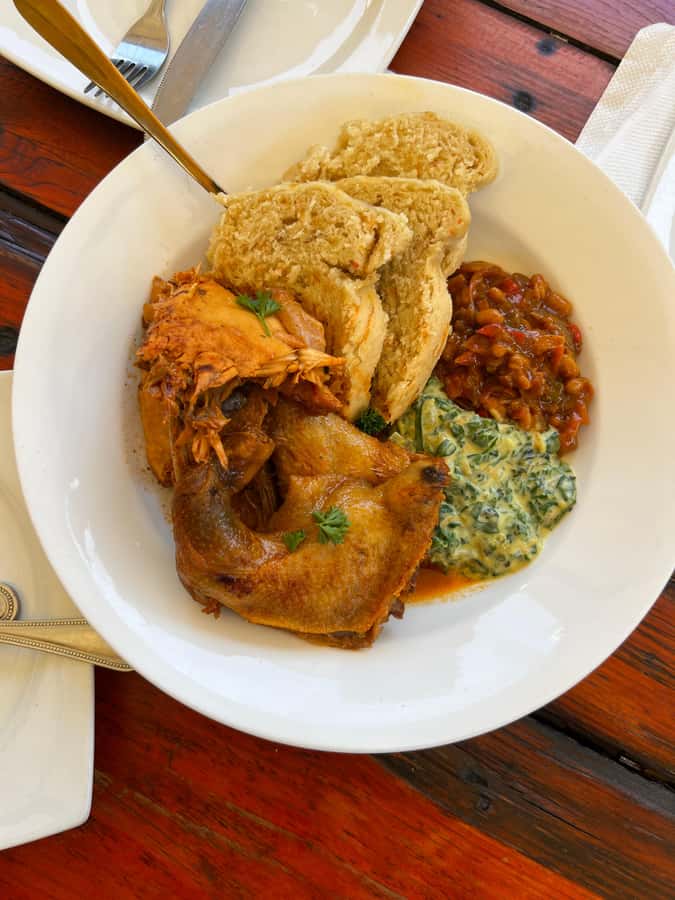
- Bunny chow, boerewors rolls, vetkoek, samosas, pap, and chakalaka may feature.
- Guides such as Thando, Mzukisi, and uThando have earned praise for warmth and clear storytelling.
- The $87 price includes the guide, food tastings, and a bottle of water.
In This Review
- Starting at Guga S’thebe Cultural Center
- The First 105 Minutes: Walking Through Langa
- Seventy Minutes of South African Food
- Bunny Chow
- Boerewors Rolls
- Vetkoek
- Samosas
- Pap and Chakalaka
- Street Braai
- Ginger Beer Juice and Biltong
- Why the History Adds Value to the Meal
- Safety and Comfort With a Local Guide
- Is $87 a Fair Price?
- Who Will Enjoy This Tour Most?
- Practical Details Before You Go
- Should You Book the Langa Street Food Tour?
- FAQ
- Where does the Langa street food tour start?
- Where does the tour finish?
- How long does the tour last?
- What food can you taste?
- Is food included in the price?
- What language is the tour conducted in?
- Can you cancel for a refund?
Starting at Guga S’thebe Cultural Center
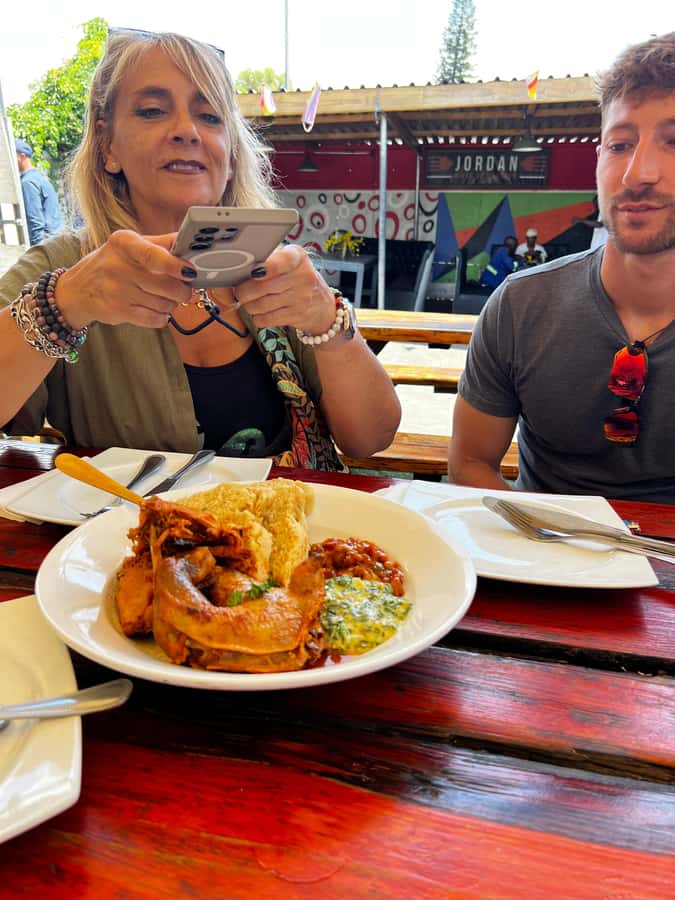
Your meeting point is Guga S’thebe Cultural Center, a useful place to begin because the tour is rooted in community rather than simply passing through Langa by vehicle. You return here at the end, so the route has a clear beginning and finish.
The cultural center gives the outing a natural sense of place. You are not starting at a hotel lobby or a generic city meeting point. You begin in Langa itself, then move into the streets with a guide who can explain what you are seeing.
The activity is conducted in English. That matters here because the tour is not only about tasting food. You will want to follow explanations about township life, local customs, South African history, and the different communities that have influenced the food.
Your guide may be Thando, Mzukisi, or uThando, depending on the booking. Mzukisi is from Langa and was born and raised there, which gives his commentary a personal connection to the area. Thando has been praised for explaining Langa’s culture, people, food, history, and hopes for the future with real enthusiasm. Those details matter because a good township tour should help you listen, not just look.
The First 105 Minutes: Walking Through Langa
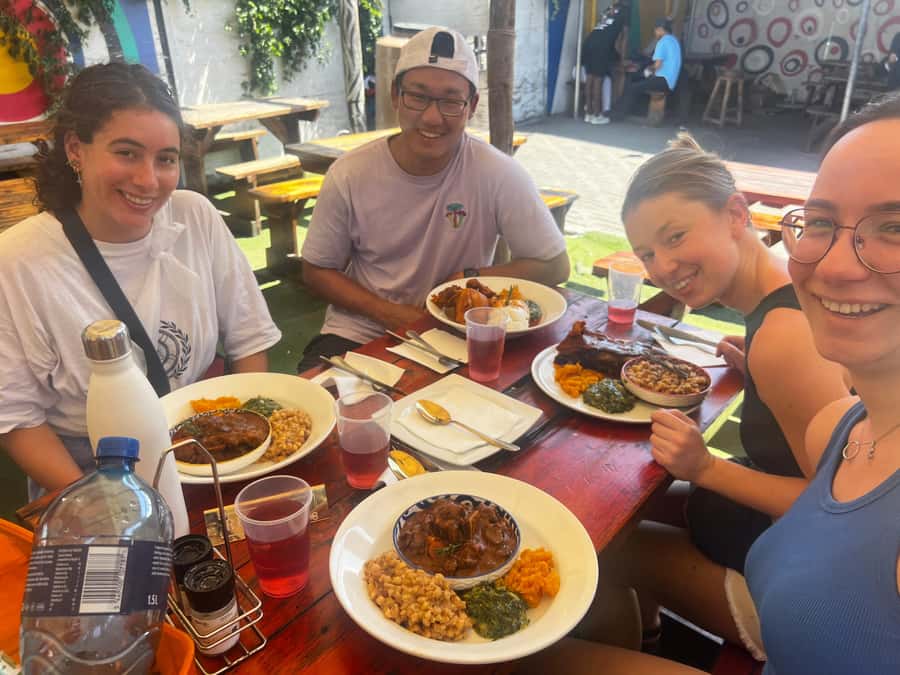
The guided portion lasts about 105 minutes. That is long enough to give the neighborhood more than a quick glance, but not so long that the history lesson takes over the whole afternoon.
You can expect the guide to explain how Langa developed and how its past still affects daily life. The tour is designed to help you understand the township beyond the familiar postcard image of Cape Town. You will hear about culture, community, and the changes Langa has experienced.
I like this balance. Food is an easy doorway into a place, but it can also become shallow if the meal is separated from the people who prepare it. Here, the walking and storytelling are meant to give each dish a setting.
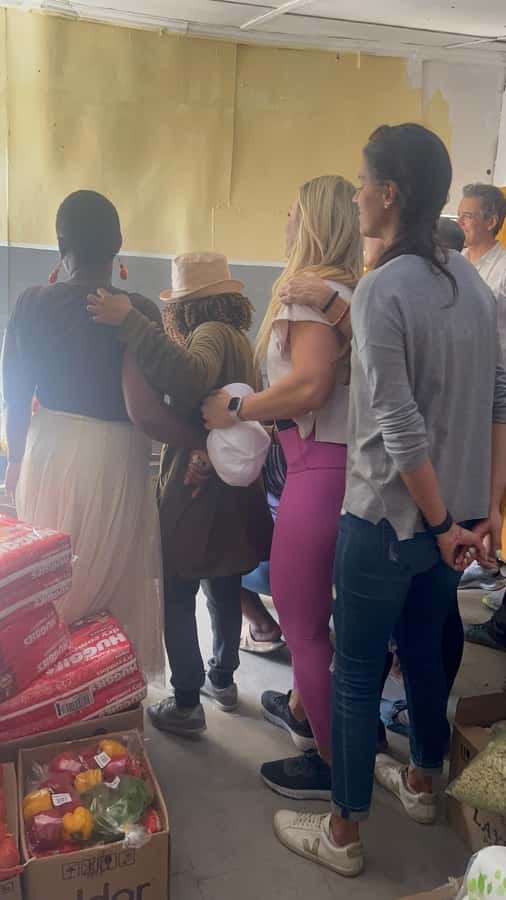
The experience also places value on meeting local people. That does not mean every person you pass will become part of the tour. It means the outing is built around local businesses, local food, and conversation with people who know the area.
The strongest praise for this activity goes to the guides’ ability to make the walk feel safe and comfortable. That is especially useful if you have not visited a township before and are unsure how to behave. A local guide gives you direction about where to walk, what to notice, and how to approach the neighborhood respectfully.
Still, keep your expectations realistic. This is a walking tour in an active residential community, not a staged cultural show. You may encounter ordinary streets, food vendors, and everyday activity rather than a neatly arranged sequence of attractions.
More Food Tours in Cape Town
- Cape Town: Full-Day Winelands Tour with Wine Tastings & Food
★ 4.9 · 1,288 reviews - The Cape Town Essentials Food Tour
★ 5.0 · 385 reviews - From Cape Town: Winelands Full Day Tour and Wine Tasting
★ 4.5 · 364 reviews
Seventy Minutes of South African Food
The food portion lasts around 70 minutes. The tastings are included, so you do not need to budget separately for each sample. Since the description refers to meals to taste rather than a fixed restaurant lunch, think of this as a substantial sampling session, not necessarily one large sit-down meal.
The menu can include several well-known South African foods:
Bunny Chow
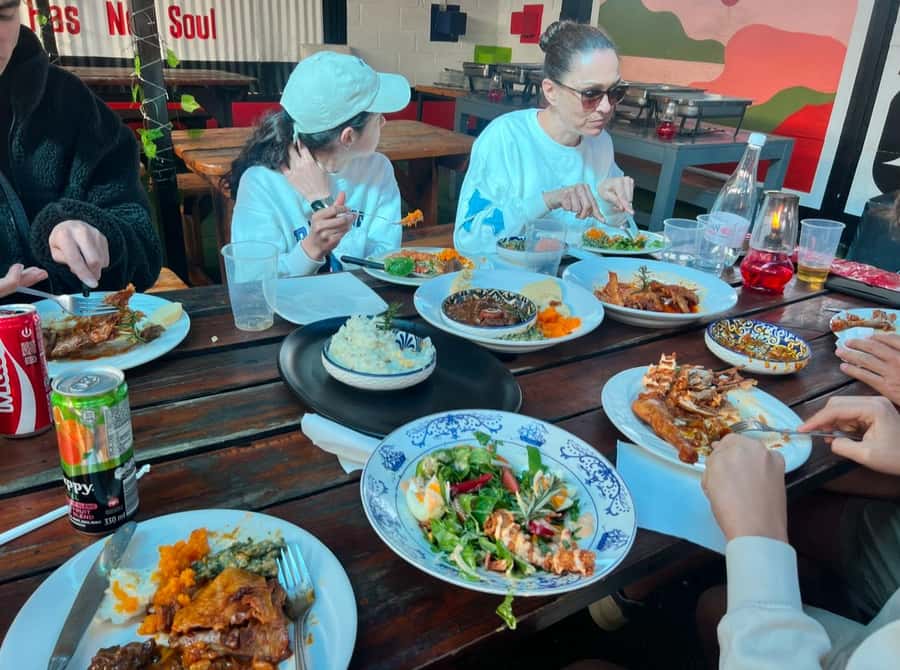
Bunny chow is a hollowed-out loaf of bread filled with curry. The filling may be lamb, chicken, or vegetables, and the dish reflects the influence of Indian cooking on South African food.
It is filling, spicy, and wonderfully practical. The bread acts as both container and utensil, which makes bunny chow feel like proper street food rather than a small tasting plate.
If you have never tried it, this may be the most memorable bite of the tour. It also gives the guide an opening to explain how dishes travel between communities and become part of a shared national food culture.
Boerewors Rolls
A boerewors roll pairs a grilled South African sausage with a soft roll. Chutney or tomato sauce may be added for sweetness and tang.
This is straightforward food, but that is part of its appeal. The sausage is hearty, smoky, and easy to eat while walking. It also connects with the social side of South African cooking, where grilled meat is often linked with gathering and conversation.
Something quite different:
- Wine Tour: Paarl, Franschhoek & Stellenbosch incl 3 wineries
★ 5.0 · 3,940 reviews - Cape Town: Hop-On Hop-Off Bus Tour with Optional Cruise
★ 4.8 · 3,929 reviews - Cape Town: Cape of Good Hope & Penguins Day Tour with Pickup
★ 4.7 · 3,362 reviews - Zipline Cape Town – From Foot of Table Mountain Reserve
★ 5.0 · 3,179 reviews
Vetkoek
Vetkoek is fried dough that may be filled with minced meat or served with jam. It can be savory or sweet, making it one of the more flexible foods on the route.
Expect something comforting and indulgent rather than delicate. If you are trying several dishes, take small bites and pace yourself. Fried dough has a way of becoming more filling than it first appears.
Samosas
Samosas may be filled with spiced potatoes, peas, or meat. They are a familiar snack across South Africa and show another connection between South African cooking and Indian culinary traditions.
The value here is variety. You are not tasting one narrow version of local food. You are seeing how different ingredients, communities, and cooking methods meet in the township.
Pap and Chakalaka
Pap is a maize porridge often served with chakalaka, a spicy vegetable relish. It is a staple combination in many South African homes and offers a different experience from fried snacks or grilled meat.
Pap is filling and mild, while chakalaka brings heat and vegetables. Together, they show the everyday side of local cooking. This is food with a practical role, not simply something designed for tourists to photograph.
Street Braai
A street braai involves meat grilled over open flames. The meat may include chicken, lamb, or beef, and the cooking has a social quality that is as important as the flavor.
You may find this the best setting for conversation. Food cooked over a fire naturally slows things down, giving you a chance to ask your guide questions and notice how meals become part of community life.
Ginger Beer Juice and Biltong
The food stops may also include ginger beer juice, described as a sweet, refreshing drink, and biltong, South Africa’s cured, dried meat. Biltong can be spicy or sweet depending on the seasoning.
The ginger drink offers a welcome break from spicy or salty food. Biltong is compact, chewy, and strongly flavored, so it may appeal most if you enjoy cured meats.
The exact order and selection can vary. That is worth keeping in mind if you are booking because of one particular dish. The experience promises local food tastings, but it does not provide a guaranteed fixed menu for every departure.
Why the History Adds Value to the Meal
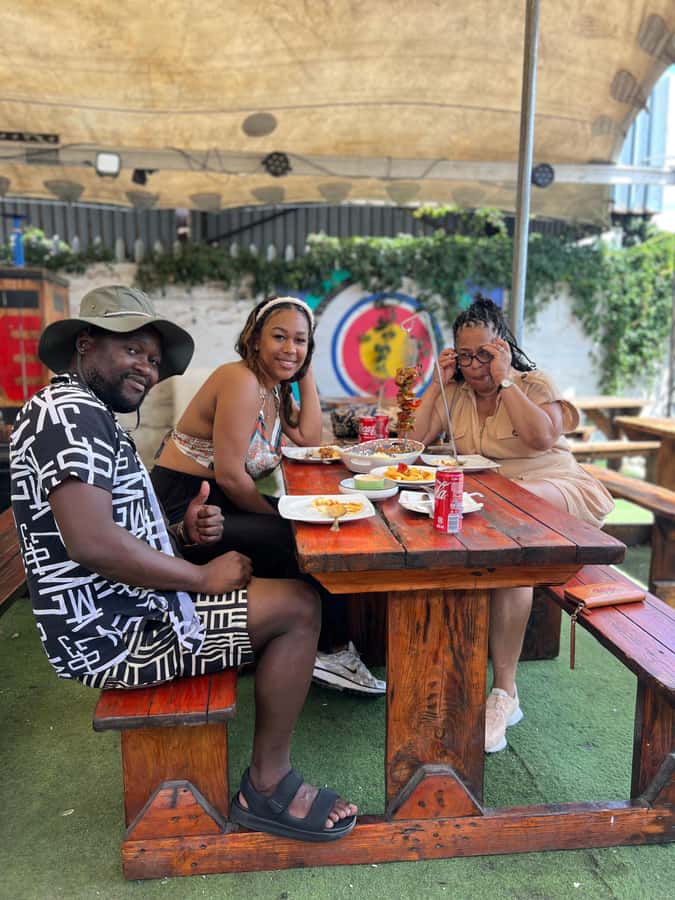
The most useful part of the tour is the link between food and place. You are not simply told that bunny chow or pap is South African. You are shown how food reflects movement, family traditions, shared neighborhoods, and the country’s varied cultural influences.
Langa’s story also gives the meal more weight. A short explanation of township history can change how you see an ordinary food stall or street corner. You begin to understand that local cooking is tied to work, migration, memory, and community life.
The guides’ strongest role is making those connections clear without turning the tour into a dry lecture. Past guests have singled out Thando, Mzukisi, and uThando for being engaging, warm, and informative. One guide was described as having strong ambitions for the area’s future, a detail that suggests the tour is not stuck in the past.
That forward-looking note is important. Langa is not presented only as a place shaped by hardship. You also hear about people, culture, food, and what the community hopes to build next.
Safety and Comfort With a Local Guide
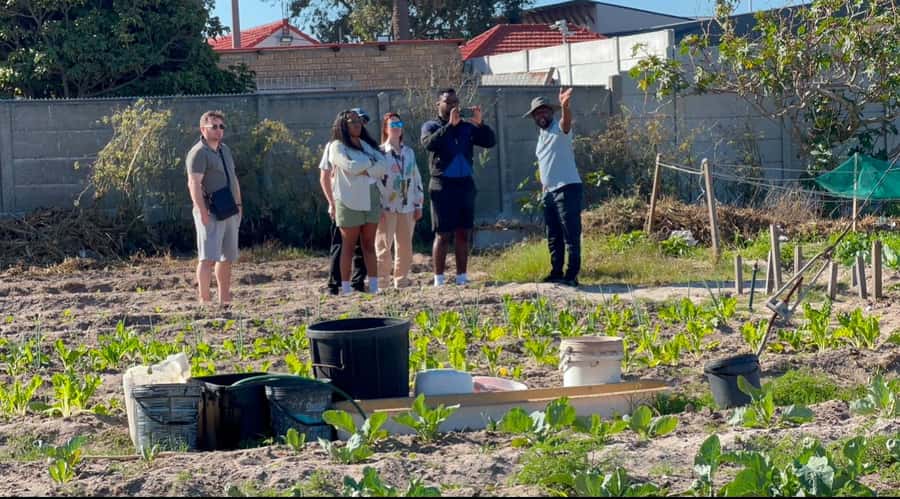
Feeling comfortable in an unfamiliar part of Cape Town is a reasonable concern. The strongest feedback about this tour is that the guide helped people feel safe while walking through Langa.
That does not mean you should switch off your common sense. Stay with the guide, listen to instructions, and treat the neighborhood as a real community rather than a set for a photo opportunity. Ask before photographing people, vendors, or homes.
A local guide also helps with small social details that are difficult to learn from a guidebook. You can follow their lead when greeting people, entering a food stop, or asking questions.
The tour is a better choice if you want direct contact with local life but do not want to explore the township without guidance. It may be less suitable if you prefer a quiet restaurant meal, private transportation, or a highly polished sightseeing route.
Is $87 a Fair Price?
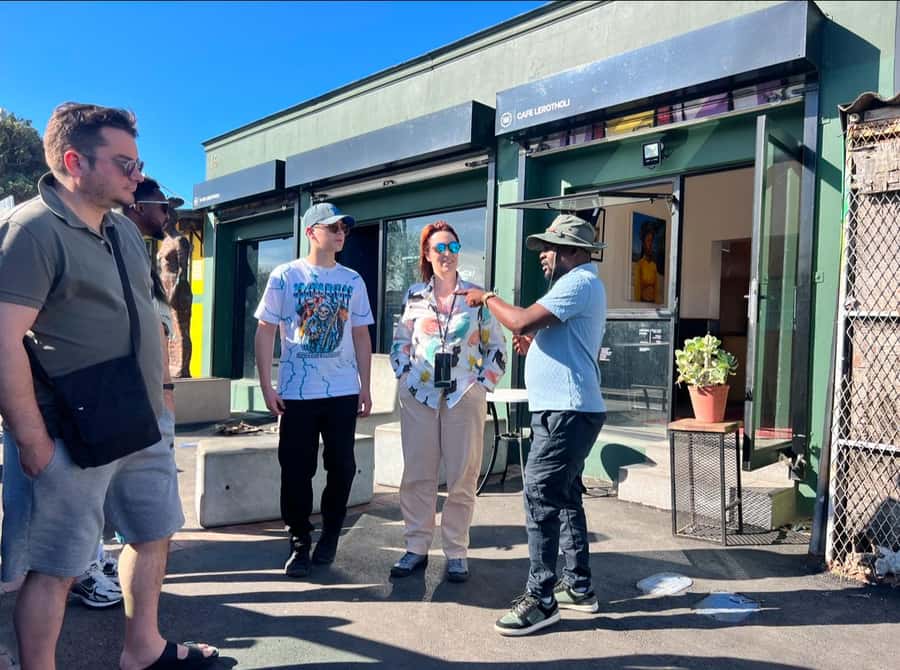
At $87 per person, the tour sits above the cost of buying a few street snacks independently. You are paying for more than food. The price includes a qualified guide, the walking tour, food tastings, and a bottle of water.
The real question is how much you value interpretation and local access. If you only want to sample inexpensive snacks, the price may feel high. If you want a structured introduction to Langa, with someone explaining the area and helping you meet local people, the cost is easier to justify.
The three-hour duration also helps. A very short food stop would not give you much time for context. Here, about 105 minutes are set aside for the guided walk and around 70 minutes for tasting, leaving a little time for moving between stops and returning to Guga S’thebe.
The included food should be viewed as a series of tastings rather than guaranteed full-day dining. Eat a light meal beforehand if you are unsure how much food will be served, but do not arrive after a large lunch if you want to enjoy the range of dishes.
Who Will Enjoy This Tour Most?
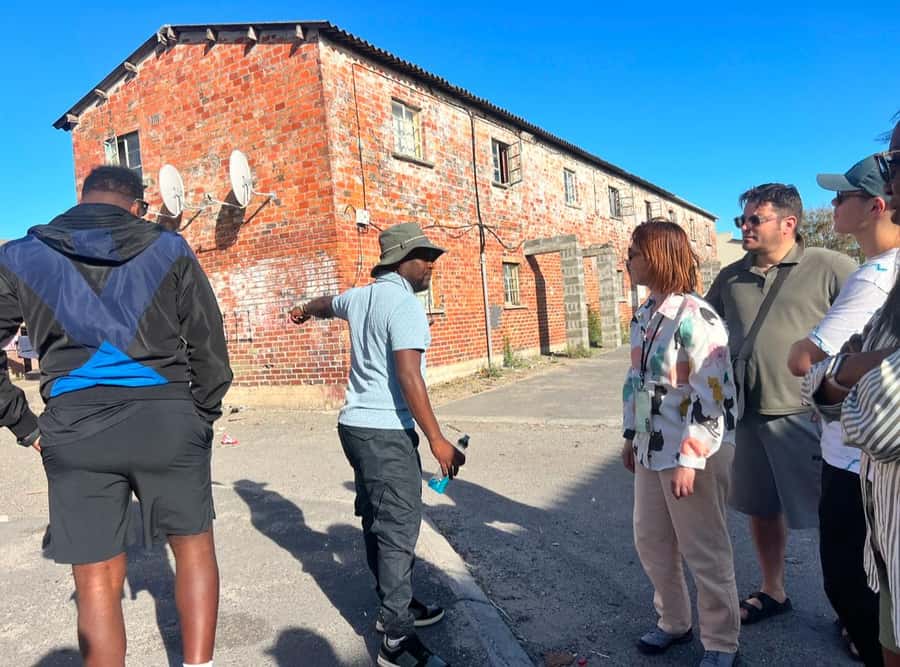
I would recommend this experience to you if you want food to open a door into local culture. It suits first-time visitors to Cape Town who want more than the city center and major viewpoints.
It is also a good match for curious eaters. You can try familiar foods such as sausage rolls and samosas, then move into dishes such as bunny chow, pap, chakalaka, vetkoek, biltong, and street braai.
The tour should appeal to couples, small groups, and solo visitors who prefer a guided experience. The published information does not specify group size, so you should not book expecting a private tour unless that is confirmed separately.
Families may enjoy the variety, but strong spice, fried food, and cured meat will not suit every child. Picky eaters may find the food less predictable than a standard restaurant menu.
This is not the best fit if you want a luxury outing, a formal food class, or a tour focused on Cape Town’s main landmarks. It is a neighborhood walk with food, conversation, and history at its center.
Practical Details Before You Go
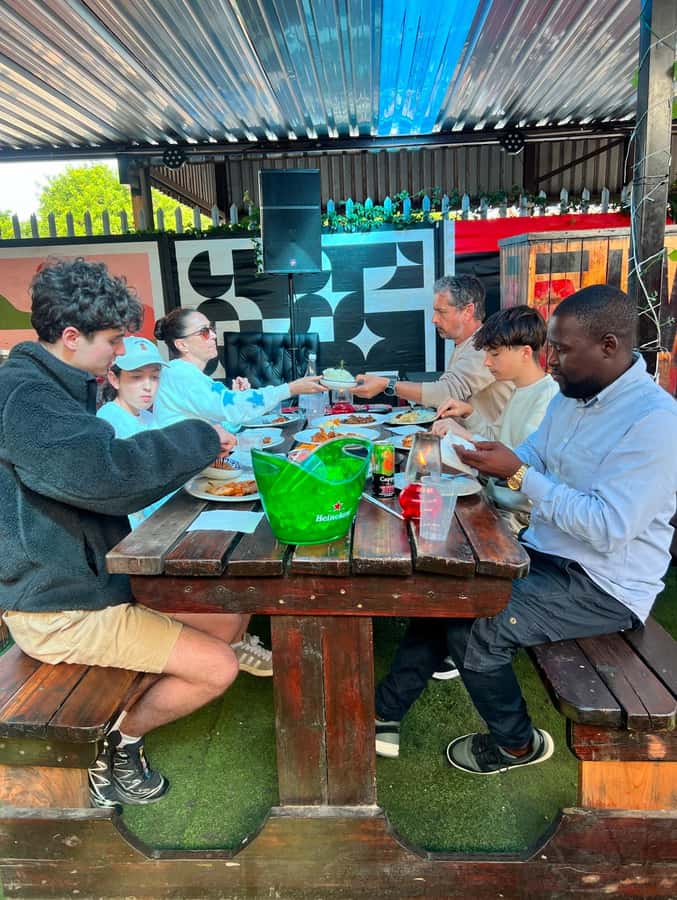
The tour lasts three hours and starts and ends at Guga S’thebe Cultural Center in Langa. Check the available start times when booking, since the departure schedule is not fixed in the information provided.
English is the tour language. A live guide leads the experience, so you should be ready to listen, ask questions, and walk through the area rather than simply follow a food guide from one counter to the next.
Food and water are included. Tips are not included, and you should plan to tip the guide if the service is useful to you. A guide who provides both local history and food access deserves to be treated as more than someone who simply points out the next snack.
The tour allows cancellation up to 24 hours before the start time for a full refund. You can also reserve and pay later, which is useful if your Cape Town plans are still changing.
Should You Book the Langa Street Food Tour?
Book it if you want to understand Langa through the people, stories, and food that shape everyday life. The best reasons to go are the local guides, the range of tastings, and the chance to connect the dishes with township history.
I would book this tour early in a Cape Town stay, since it can give you a better sense of South African food and culture before you visit other restaurants. Just remember that the $87 price is for guidance and local context as much as it is for eating.
Skip it if you want a cheap snack crawl, a fixed menu, or a sightseeing tour with little walking. For everyone else, this is a thoughtful way to spend three hours, with food that is filling, stories that add meaning, and guides who appear to care about showing Langa honestly and respectfully.
FAQ
Where does the Langa street food tour start?
The tour starts at Guga S’thebe Cultural Center in Langa, South Africa.
Where does the tour finish?
The experience returns to Guga S’thebe Cultural Center after the walking and food-tasting portions.
How long does the tour last?
The tour lasts three hours. About 105 minutes are set aside for the guided tour, followed by about 70 minutes of food tasting.
What food can you taste?
Possible tastings include bunny chow, boerewors rolls, vetkoek, samosas, pap with chakalaka, street braai meats, ginger beer juice, and biltong.
Is food included in the price?
Yes. Meals to taste and a bottle of water are included, along with the qualified tour guide.
What language is the tour conducted in?
The tour is conducted in English with a live English-speaking guide.
Can you cancel for a refund?
Yes. You can cancel up to 24 hours in advance for a full refund. You can also reserve now and pay later.
Just added in Cape Town
- Sunset Safari Big 5 Aquila with Snacks and Wine Tasting★ 5.0 · 12 reviews
- Explore Atlantis Sand Dunes with a 1hour 30mins sandboarding tour★ 5.0 · 5 reviews
- Private Tour to 20 Wine Tasting in Stellenbosch and Franschhoek★ 5.0 · 11 reviews
- Robben Island, Kirstenbosch wine tasting Tour★ 5.0 · 10 reviews
- Photoshoot in Cape Town’s most Gorgeous Locations★ 5.0 · 2 reviews
- Zip Line and Wine from Cape Town★ 5.0 · 14 reviews
- Private Transfer from Cape Town International Airport★ 5.0 · 4 reviews
- 1 Hour Cape Town City Center Photoshoot Experience★ 5.0 · 19 reviews
Food & Drink, compared.

Full-Day Winelands Tour with Wine Tastings & Food
Read our review →
Hartbeespoort: 2-Hour Dam Cruise with South African Food
Read our review →

Stellenbosch & Franschhoek 20 Wine Tasting + Lunch Shared Tour
Read our review →

Browse the lists this tour appears in