
REVIEW · SCUBA DIVING
Cape Town: Shark Science SCUBA Diving Experience
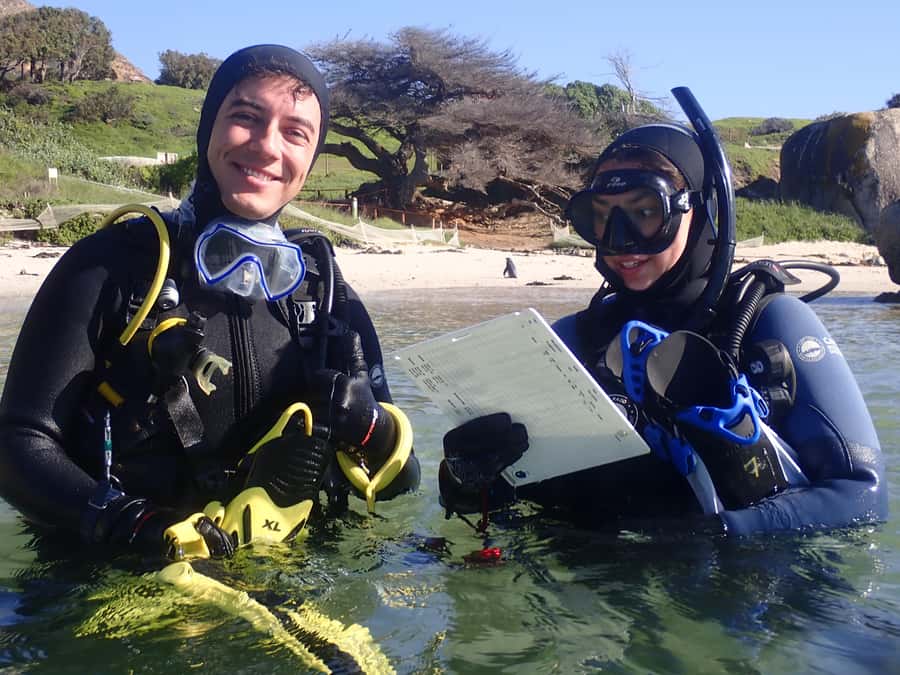
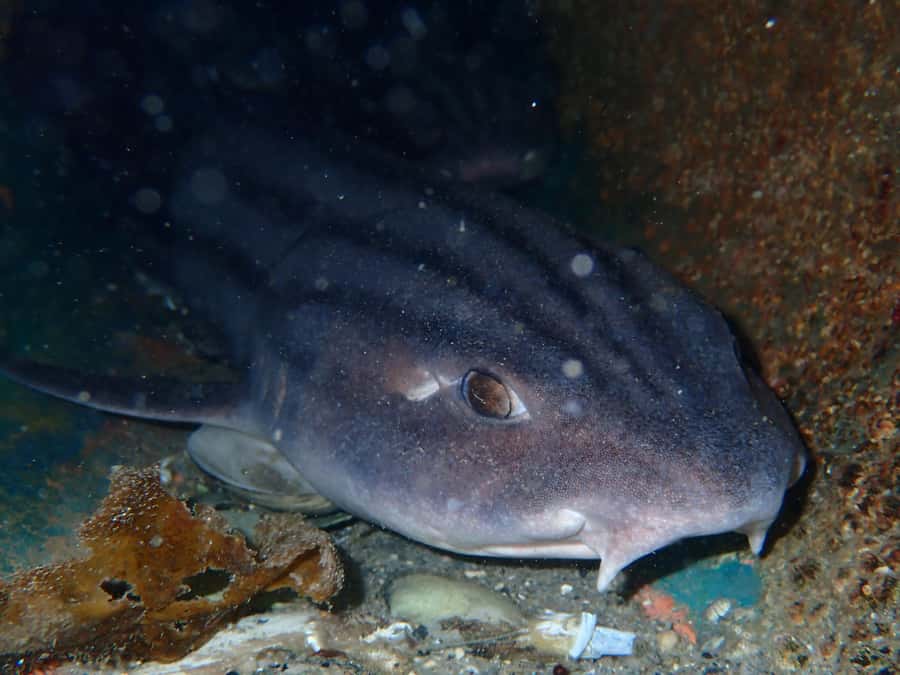
Sharks hide in the kelp. This small-group SCUBA outing from Simon’s Town gives you a rare chance to search for puffadder sharks, pyjama sharks, rays, fish, and octopus while helping Cape RADD record marine life. I especially like the mix of real conservation work and time spent enjoying the Great African Sea Forest.
I also like the close attention possible in a group capped at 10 people. One guest had a one-on-one session, while another praised guide Mark for his careful buddy check and thoughtful answers. The main caution is that expectations need managing: one participant felt rushed afterward and never received promised photos or a certificate, so confirm exactly what follow-up materials you will receive.
In This Review
- Key points about this Simon’s Town SCUBA outing
- Why this is more than a standard underwater tour
- Meeting at the False Bay Yacht Club
- The 20-minute safety briefing and equipment check
- Entering Simon’s Town’s kelp forest
- How the citizen science actually helps
- Warm drinks, showers, and the return to shore
- What the $178 price includes
- The good and the frustrating parts
- Who will enjoy this best
- Should you book the Cape RADD experience?
- FAQ
- Where does the SCUBA experience begin?
- How long does the activity last?
- Do I need a SCUBA certification?
- Is SCUBA equipment included?
- Is transport to Simon’s Town included?
- What wildlife might I see?
- What should I bring?
- Can I cancel the booking?
Key points about this Simon’s Town SCUBA outing
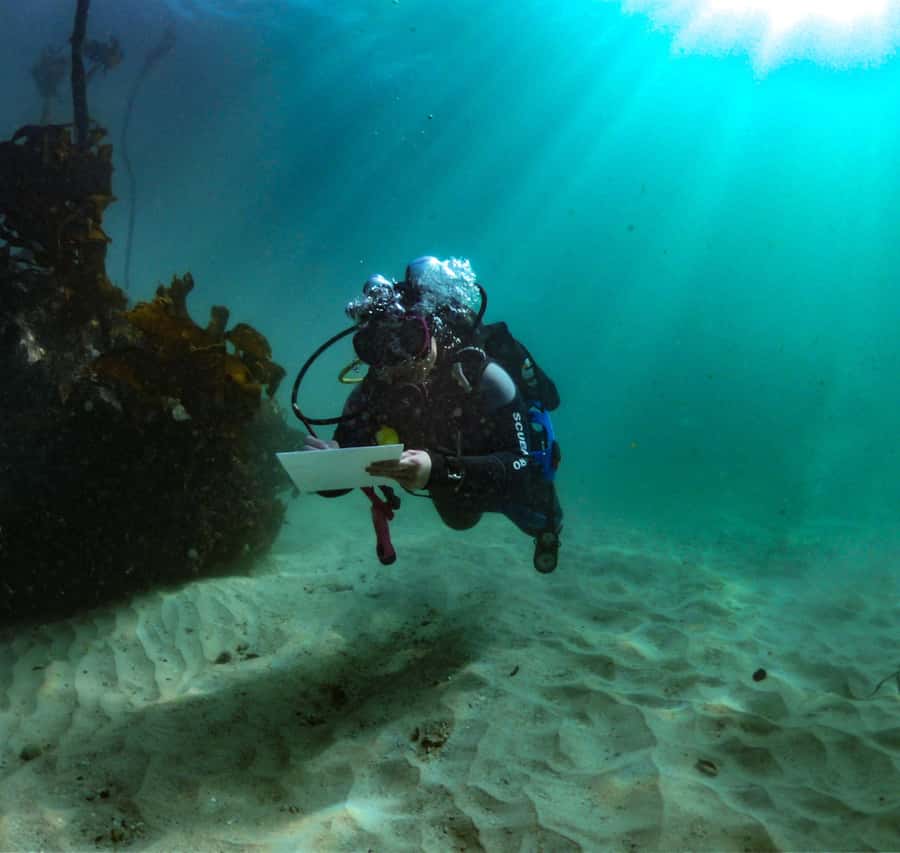
- Shark science with a purpose: Photograph shark patterns for Fin Spotter or record fish numbers on underwater slates.
- Kelp forest setting: Most of the underwater time takes place among the sea bamboo kelp near Simon’s Town.
- Qualified divers only: You must hold an open-water SCUBA certification and be comfortable in the water.
- Small groups matter: With no more than 10 people, you get better access to the marine biologists and equipment help.
- Wildlife is possible, not promised: Puffadder sharks, pyjama sharks, rays, penguins, sea otters, octopus, and fish may appear.
- A useful half-day plan: The program generally runs from about 9:30 until 12:30 or 13:00, leaving your afternoon free.
Why this is more than a standard underwater tour
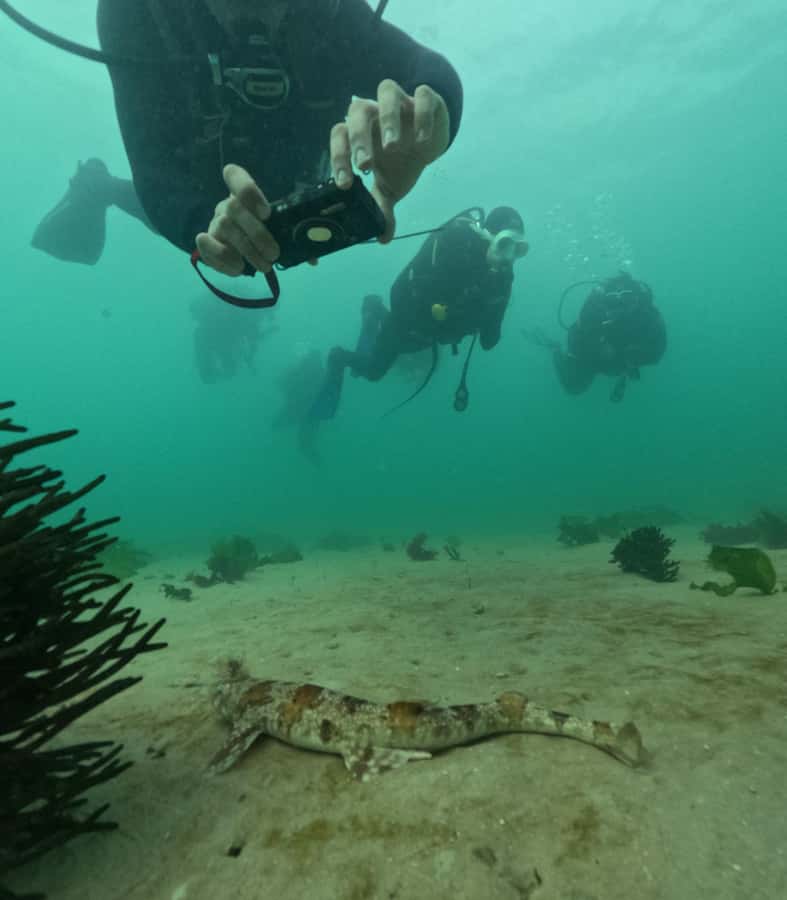
Many marine outings ask you to look around and enjoy the scenery. This one gives you a small job to do. You may photograph the individual patterns on sharks and submit those images to Fin Spotter, or count fish and record their abundance on an underwater slate.
That changes the experience in a useful way. Instead of simply hoping to see an animal, you learn how scientists gather information about population size, movement, and species numbers. The work is simple enough for a visitor to take part in, but it connects your time underwater with the protection of False Bay.
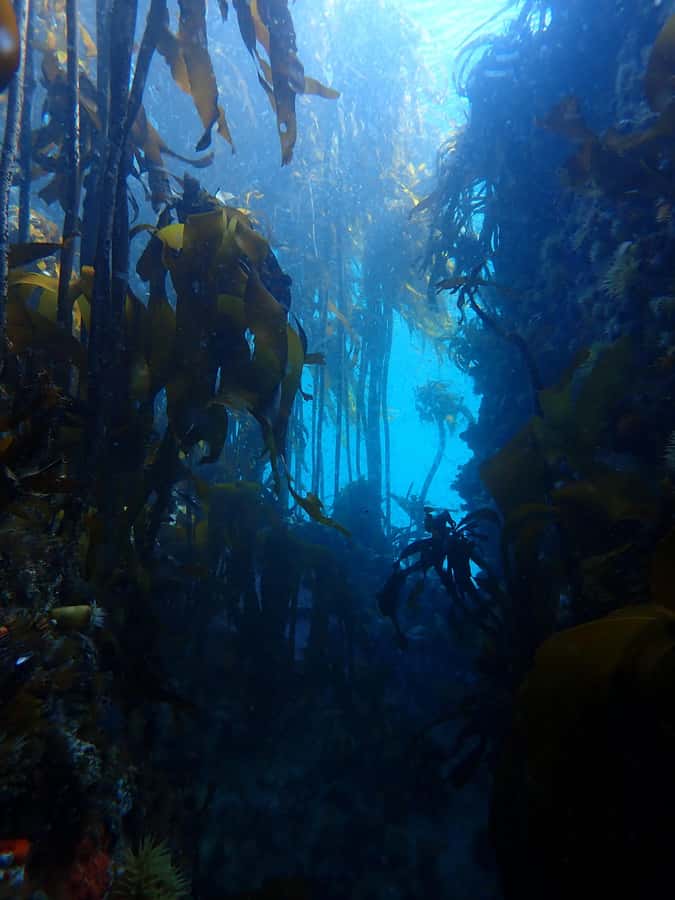
I like this approach because it makes the kelp forest easier to understand. Sea bamboo is not just something swaying in front of your mask. It is part of the Great African Sea Forest, a distinctive South African ecosystem that supports sharks, rays, fish, octopus, and other marine life.
You should still keep your expectations sensible. Wildlife follows its own schedule. The program offers the chance to search for several species, not a guaranteed shark encounter. That uncertainty is part of the appeal, but it is worth knowing before you pay for a wildlife-focused outing.
More Diving Trips in Cape Town
- Shark Cage Diving and Viewing with transport from Cape Town
★ 4.5 · 576 reviews - Cape Town: Gansbaai Eco-Friendly Shark Cage Diving Cruise
★ 4.6 · 326 reviews - CapeTown: Shark Cage Diving Experience with Scuba
★ 4.5 · 146 reviews
Meeting at the False Bay Yacht Club
The meeting point is at the Ocean HUB in Simon’s Town, at 117 St George’s Street. More precisely, you will find the team in the parking lot of the False Bay Yacht Club, under the Seven Seas Club building.
Plan to arrive around 9:30. Transport to the meeting point is not included, so you need to arrange your own way there. Keep your phone or email available because the operator uses those contact details for communication and for any updates to the meeting arrangements.
The first part is a short briefing with tea or coffee. This is not wasted time. The team introduces the Great African Sea Forest and explains the day’s shark science project before you enter the water.
I would pay attention here, especially if this is your first encounter with kelp forests. The briefing helps you understand why the habitat matters and what you are trying to record. It also gives you a chance to ask about the equipment, the planned site, and your role in collecting information.
The 20-minute safety briefing and equipment check
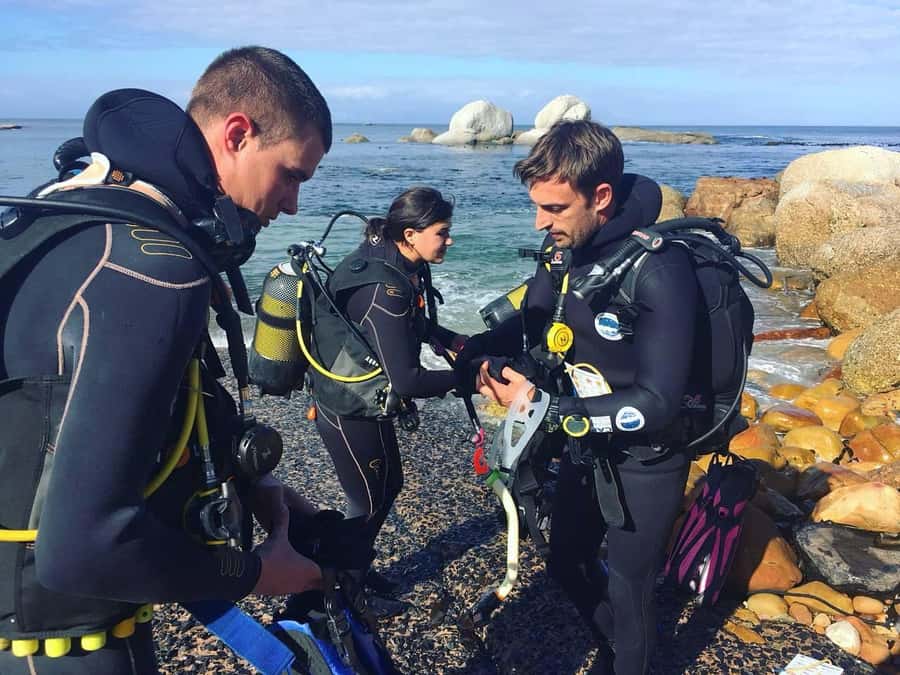
The formal safety briefing lasts about 20 minutes. You will discuss the objective for the underwater session and prepare for a shore entry.
A careful equipment check is one of the most reassuring parts of the outing. Guide Mark received specific praise for doing a proper buddy check and making sure the equipment was ready before entering the water. That is exactly the sort of practical care I want from a marine activity.
You bring your own hat, swimwear, towel, sunscreen, water, and snacks. All SCUBA gear is included, but your certification is not. You must already be a qualified open-water SCUBA diver.
This is not a lesson for a non-swimmer or an introduction to SCUBA. The experience is also unsuitable for children under 10, people with back or heart problems, and wheelchair users. If you have any concern about your fitness for a shore entry or cold-water conditions, ask the operator before booking.
Entering Simon’s Town’s kelp forest
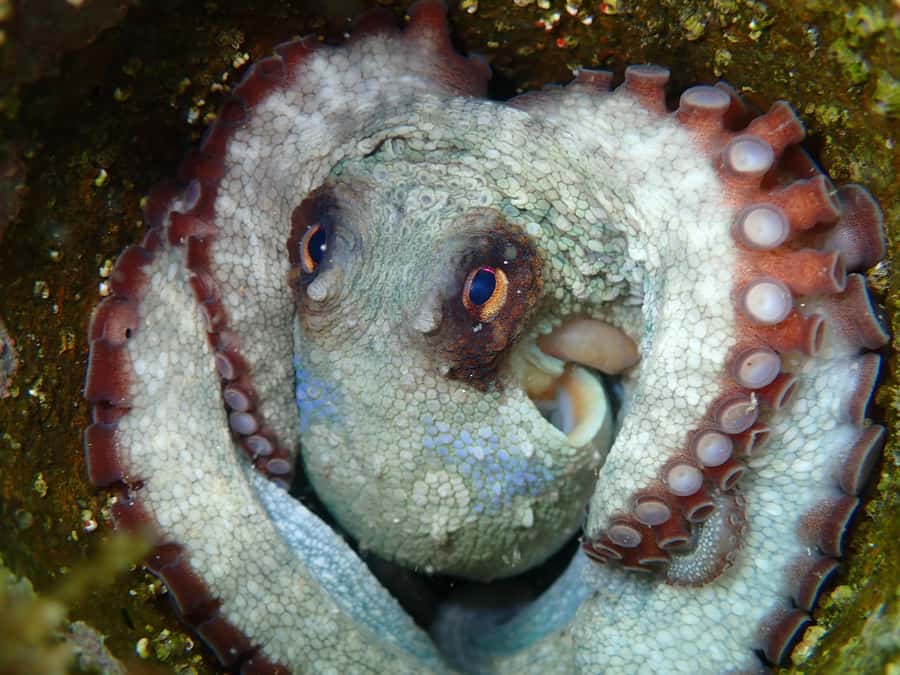
The main activity takes place at predetermined sites around Simon’s Town. The schedule describes this part as snorkeling for about an hour, while the main program is a guided SCUBA outing. I would confirm the exact water format and duration when you book, particularly if you are expecting a full certified SCUBA session.
The setting is the main attraction. Sea bamboo kelp moves with the water, creating a swaying underwater environment rather than a bare sandy bottom. The forest can make the area feel enclosed and busy with life, even when an animal is not immediately visible.
Your marine biologist guide leads the search and explains what to look for. Possible sightings include elusive puffadder sharks, pyjama sharks, stingrays, sea breams, octopus, and other fish. Penguins and sea otters may also be seen at the site, though the information provided does not promise either one.
The word elusive matters here. These are not animals arranged for easy viewing. You may need patience and careful observation. That makes the activity a better fit for someone who enjoys looking closely than for someone who wants a guaranteed photo of a large shark.
The guide may set you up to photograph shark patterns. Those markings help Fin Spotter identify individual animals and estimate how they move through the bay. If sharks do not provide the right opportunity, you may instead collect fish abundance data using an underwater slate.
This work gives the hour a clear purpose, but you are not expected to spend every second recording numbers. There is time to enjoy the movement of the kelp and the surrounding marine life. I see that balance as one of the strongest features of the program.
Something quite different:
- Wine Tour: Paarl, Franschhoek & Stellenbosch incl 3 wineries
★ 5.0 · 3,940 reviews - Cape Town: Hop-On Hop-Off Bus Tour with Optional Cruise
★ 4.8 · 3,929 reviews - Cape Town: Cape of Good Hope & Penguins Day Tour with Pickup
★ 4.7 · 3,362 reviews - Zipline Cape Town – From Foot of Table Mountain Reserve
★ 5.0 · 3,179 reviews
How the citizen science actually helps
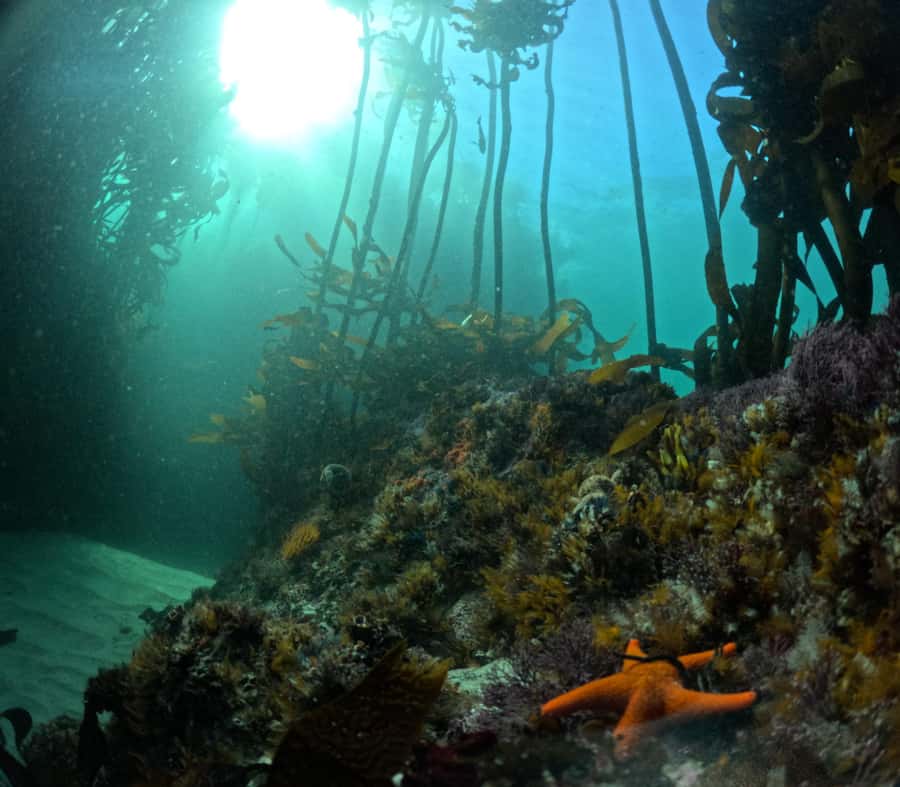
Citizen science can sound like a decorative label, so it helps to know what you are doing. A photograph of a shark’s pattern can become part of a larger record used to estimate population size and movement patterns. A fish count can help build a picture of abundance in the False Bay ecosystem.
You are not conducting the whole research project yourself. You are helping gather observations under the direction of marine biologists. That makes the activity accessible while keeping the work connected to a real conservation effort.
For you, the benefit is practical learning. You see how scientists turn individual sightings into useful information. You also leave with a better sense of why kelp forests deserve attention, rather than viewing them as background scenery.
The conservation element should not be mistaken for a guarantee of a formal qualification. One participant expected a certificate and did not receive one. No certificate is included in the stated program, so do not book this expecting an academic credential or an official course completion document.
Warm drinks, showers, and the return to shore
After the water session, you return to Cape RADD headquarters. A heated outdoor shower is available for rinsing off, which is a welcome detail after a shore entry and time in the water.
You then share stories, have a warm drink, and enter the collected information into the database. This final step is important because it shows where your observations go. The experience does not simply end when you climb out of the water.
The complete outing lasts around three to three and a half hours. You should finish by about 12:30 or 13:00, in time for lunch. Lunch is not included, so bring a snack for afterward or make plans nearby.
The short format works well if you want to pair this with other Cape Peninsula plans. It also limits the physical commitment. You get a focused morning in the kelp forest without giving up an entire day.
What the $178 price includes
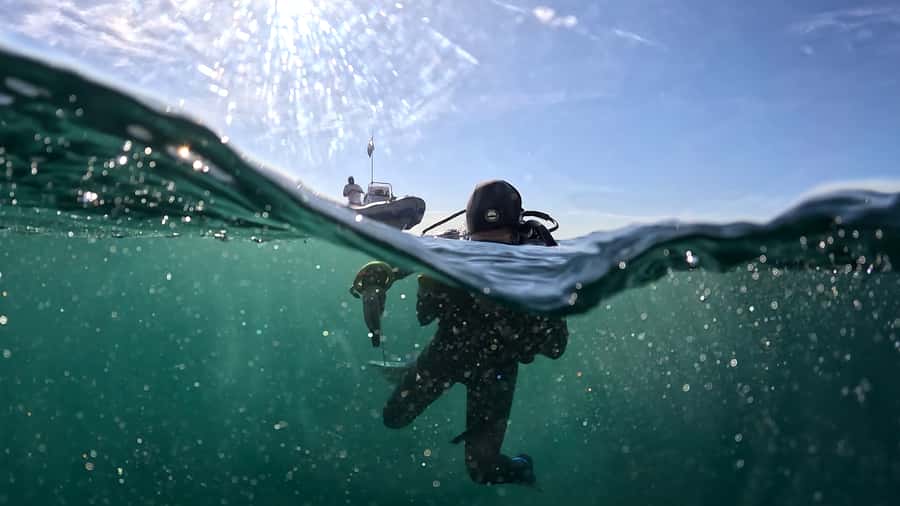
At $178 per person, this is not a cheap sightseeing stop. The value depends on what you want from the morning.
The price includes a guided SCUBA session with marine biologists, the ecosystem briefing, all diving gear, access to the kelp forest sites, and the chance to contribute shark or fish data. You are paying for specialist supervision and a small-group conservation activity, not just equipment rental.
The group limit of 10 improves the value. A small group gives you more opportunity to ask questions and makes it easier for the guide to keep track of everyone during equipment checks and underwater work. One person ended up with one-on-one attention, though that was a lucky group situation rather than something you should assume.
The price feels most reasonable if you already enjoy SCUBA and want a more meaningful wildlife encounter. It is less convincing if you simply want a casual ocean swim or a guaranteed shark photograph.
Transport, lunch, certification, and personal items are not included. You also need to bring your own towel, swimwear, water, sunscreen, and snacks. Add those costs and planning details before comparing this with other Cape Town activities.
The good and the frustrating parts
The strongest part is the staff care. Mark was praised for checking the equipment properly, answering questions, and helping participants feel safe. Another person appreciated receiving one-on-one attention from the instructor. Those details matter more than flashy promises when you are entering the sea.
The conservation focus is another clear strength. You get a reason to look closely and a direct way to support marine records. The kelp forest setting also gives the outing a strong sense of place, since this is not an interchangeable pool or aquarium activity.
The main weakness is communication after the activity. One participant was told photos would be emailed but never received them, despite sending follow-up messages. That same person felt rushed out and said the described inclusions did not all materialize.
I would treat this as a practical warning rather than a reason to dismiss the whole experience. Before entering the water, ask what photos will be provided, how they will be delivered, and whether any certificate is actually part of your booking. Save the operator’s contact details and do not assume that promised images will arrive automatically.
The small review sample also means you should avoid treating any single outcome as a guarantee. The experience received an overall rating of 4.3 from three ratings, with two five-star scores and one three-star score. The pattern suggests strong satisfaction with the actual instruction and marine setting, alongside a real concern about follow-up service.
Who will enjoy this best
I would recommend this to a certified SCUBA diver who wants more than a passive wildlife outing. You should enjoy patient searching, follow instructions well, and be interested in how marine data is collected.
It suits people staying in or near Cape Town who want a morning activity around Simon’s Town. The finish by lunchtime leaves room for other plans, though you must handle your own transport.
It is not a good choice for a non-swimmer, an uncertified diver, or someone who needs wheelchair access. It is also a poor match if your top priority is a guaranteed shark sighting, a long formal lesson, or a certificate.
Bring a hat, swimwear, towel, snacks, sunscreen, and water. Do not smoke, touch marine life, or touch the plants. Those rules protect both you and the habitat, especially in a kelp forest where careless contact can cause damage.
Should you book the Cape RADD experience?
Book it if you are already certified, care about marine conservation, and like the idea of searching rather than being promised a spectacle. The combination of marine biologists, shark identification, fish counts, and Simon’s Town kelp makes the $178 cost easier to justify for the right person.
I would contact Cape RADD first if receiving photos is important to you. Ask about the exact water activity, the current meeting instructions, and what follow-up materials are included. With those points clear, this can be a thoughtful and unusual Cape Town morning, especially for a diver who wants to leave with more than a few underwater snapshots.
FAQ
Where does the SCUBA experience begin?
It begins at the Ocean HUB in Simon’s Town, at 117 St George’s Street. The meeting point is in the parking lot of the False Bay Yacht Club, under the Seven Seas Club building.
How long does the activity last?
The experience lasts about three to three and a half hours. You should finish around 12:30 to 13:00.
Do I need a SCUBA certification?
Yes. You must be a qualified open-water SCUBA diver. The activity is not suitable for uncertified divers or non-swimmers.
Is SCUBA equipment included?
Yes. All diving gear is included in the price.
Is transport to Simon’s Town included?
No. You need to arrange your own transport to the meeting point.
What wildlife might I see?
You may search for puffadder sharks, pyjama sharks, stingrays, sea breams, octopus, and other fish. Penguins and sea otters are also possible at the site, but sightings are not guaranteed.
What should I bring?
Bring a hat, swimwear, towel, snacks, sunscreen, and water.
Can I cancel the booking?
You can cancel up to 24 hours in advance for a full refund. A reserve-now, pay-later option is also available.
Just added in Cape Town
- Sunset Safari Big 5 Aquila with Snacks and Wine Tasting★ 5.0 · 12 reviews
- Explore Atlantis Sand Dunes with a 1hour 30mins sandboarding tour★ 5.0 · 5 reviews
- Private Tour to 20 Wine Tasting in Stellenbosch and Franschhoek★ 5.0 · 11 reviews
- Robben Island, Kirstenbosch wine tasting Tour★ 5.0 · 10 reviews
- Photoshoot in Cape Town’s most Gorgeous Locations★ 5.0 · 2 reviews
- Zip Line and Wine from Cape Town★ 5.0 · 14 reviews
- Private Transfer from Cape Town International Airport★ 5.0 · 4 reviews
- 1 Hour Cape Town City Center Photoshoot Experience★ 5.0 · 19 reviews
Scuba Diving, compared.
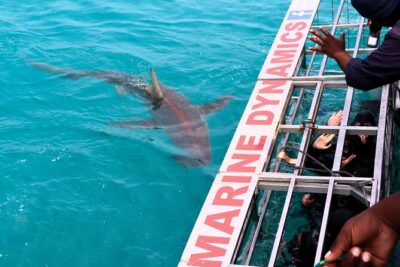
From Hermanus or Cape Town: Shark Cage Diving Experience
Read our review →Shark Cage Diving and Viewing with transport from Cape Town
Read our review →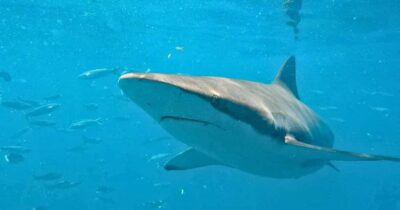
Gansbaai Eco-Friendly Shark Cage Diving Cruise
Read our review →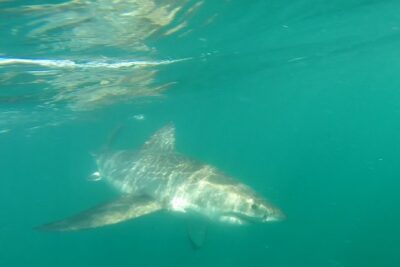
Half-Day White Shark Cage Diving from Gansbaai
Read our review →
Shark Cage Diving – Adventure Meets Conservation!
Read our review →
CapeTown: Shark Cage Diving Experience with Scuba
Read our review →
Browse the lists this tour appears in