
REVIEW · TOURS
Cape Town: The Diamond Works Institute Sparkling Tour
Diamonds tell a surprisingly big story. The Diamond Works Institute Sparkling Tour brings South Africa’s diamond, gold, and Tanzanite trades together in a compact guided visit, with working craft areas, historical displays, virtual reality, and a little red-carpet glamour. I like the free admission and the chance to see real cutting and polishing work rather than only looking at finished jewelry. I also like the unusual mix of Kimberley VR and Taylor-Burton augmented reality, which gives the tour more variety than a standard showroom visit.
The main consideration is simple: this is connected to a jewelry business, so you should expect an opportunity to browse or buy at the end. That is not automatically a problem, but it helps to arrive knowing the difference between a cultural stop and a retail presentation. The short feedback available is especially strong for warm staff and clear explanations, although one person’s visit was affected by bad weather.
In This Review
- Key points to know before you go
- Arriving beside the Rockefeller Hotel
- How South Africa’s diamond story begins
- Watching rough diamonds become finished stones
- The 3D jewelry design option
- Inside the third-generation goldsmith workshop
- Why the Tanzanite studio is a highlight
- Red carpet fun with the Taylor-Burton diamond
- Kimberley in 1872 through virtual reality
- A free tour with a clear value question
- What the feedback tells me about the visit
- Who will get the most from this tour?
- Should you book the Diamond Works Sparkling Tour?
- FAQ
- Where does the Diamond Works Sparkling Tour start?
- Where does the tour end?
- How much does the Sparkling Tour cost?
- Is a drink included?
- Is food included?
- Is parking included?
- Which languages are available?
- Can I design my own jewelry?
- Can I cancel the booking?
Key points to know before you go
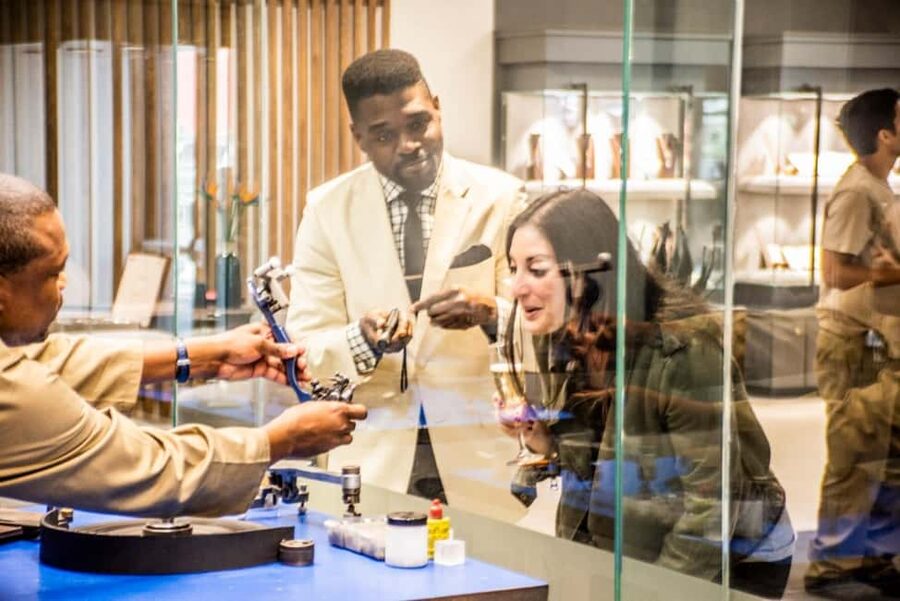
- Free entry with sparkling wine or juice: The tour costs nothing per person, and a welcome drink is included.
- See the craft behind the sparkle: You can watch how rough diamonds are cut and polished, then learn how goldsmiths make jewelry.
- Tanzanite takes center stage: The polishing boutique is described as the only operating studio of its kind in the Southern Hemisphere open to the public.
- The Taylor-Burton moment is digital: Augmented reality lets you appear to wear the famous diamond neckpiece on a red carpet.
- History becomes hands-on: Virtual reality takes you back to the Kimberley hole digs of 1872, where you can try mining a diamond.
- Easy central meeting point: The Diamond Works is next door to the Rockefeller Hotel and has artwork on its outside wall.
Arriving beside the Rockefeller Hotel
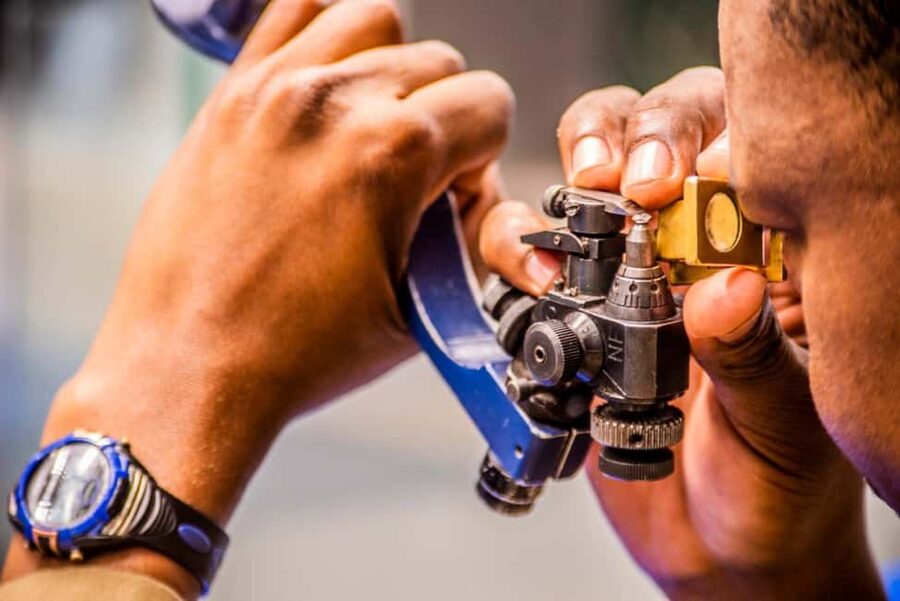
The meeting point is easy to identify: The Diamond Works is next door to the Rockefeller Hotel, with artwork on the outside wall. The activity begins and ends at this same location, so you do not need to arrange a separate return transfer or work out a second pickup point.
There is no parking included, which matters if you are driving into Cape Town. You will need to make your own parking arrangements nearby. If you are already in the city center or visiting the surrounding area, the fixed start and finish make this a fairly simple stop to add to your day.
The first touch is a glass of sparkling wine or juice. It is a small detail, but it helps set a friendly tone and gives the visit a little ceremony without charging an entry fee. If you prefer a nonalcoholic drink, juice is available.
The tour is offered in English, Afrikaans, Turkish, French, and German. That range is useful for mixed-language groups, though the available information does not specify which language is used for each departure. If language matters to your plans, confirm it when booking.
A few more in Cape Town
- Wine Tour: Paarl, Franschhoek & Stellenbosch incl 3 wineries
★ 5.0 · 3,940 reviews - Cape Town: Hop-On Hop-Off Bus Tour with Optional Cruise
★ 4.8 · 3,929 reviews - Cape Town: Cape of Good Hope & Penguins Day Tour with Pickup
★ 4.7 · 3,362 reviews
How South Africa’s diamond story begins
The opening section explains how diamonds were discovered in South Africa and why the trade mattered to the country’s economy and heritage. This is important context because the rest of the visit is not only about sparkle and luxury. It connects the finished necklace or ring to mining, labor, technology, trade, and national history.
You will hear how a rough stone moves from the mine toward the showcase. That basic chain is easy to understand, but seeing it laid out in one tour gives the visit a useful structure. The diamond is not presented as a magical object that simply appears in a display case. You are shown the stages that turn an uncut stone into a finished piece.
The historical material also prepares you for the Kimberley section later in the visit. South Africa’s gold and diamond industries helped shape its economy, and the tour places those industries side by side. If you are interested in how natural resources affect a country’s story, this part gives the jewelry a wider setting.
The explanations seem to be one of the strongest parts of the visit. Hakeem praised the amount he learned about diamond cutting, while another visitor described the explanations as clear and fruitful. That suggests this is a good choice if you want more than photographs and display cases.
Watching rough diamonds become finished stones
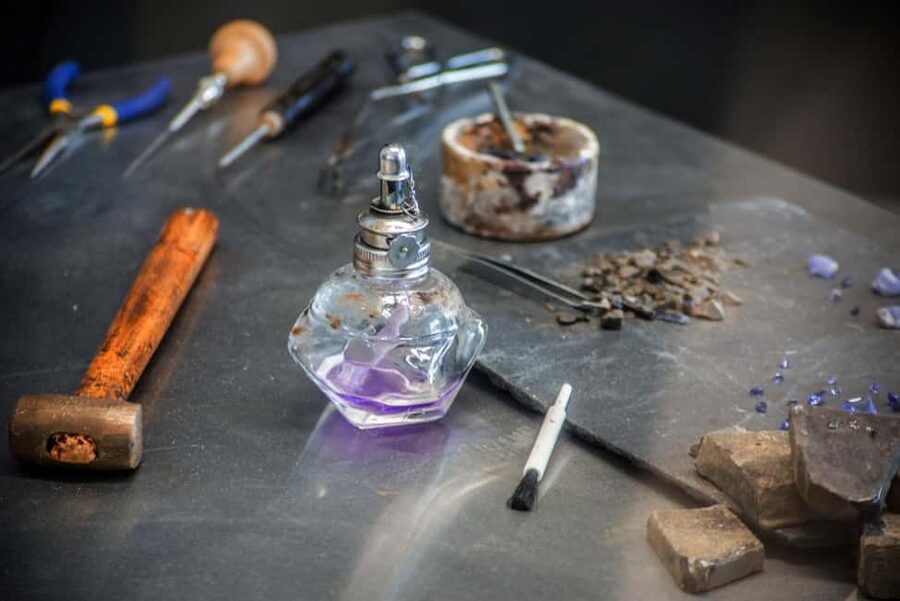
The cutting and polishing section is the practical heart of the tour. You can see how artisans work on rough diamonds, shaping them to reveal their inner brilliance. This is a useful reminder that a diamond’s final appearance depends on decisions made during cutting, not just on the material that comes out of the ground.
The process also explains why two stones of similar size can have different visual appeal or value. Cutting removes some material, but the goal is to produce the best possible balance of shape, light, and finish. You may not leave able to grade a diamond like a professional, but you should have a clearer idea of why precision matters.
I would pay attention to the contrast between the rough diamond and the polished result. The transformation is the point. A finished stone can look effortless, but the work behind it involves careful planning and skilled handwork.
This is also where the tour earns its place as an educational stop. You are not simply told that diamonds are valuable. You get a look at the labor that makes them suitable for jewelry. The focus on the actual process is likely to appeal to anyone curious about design, engineering, craft, or the jewelry trade.
The 3D jewelry design option
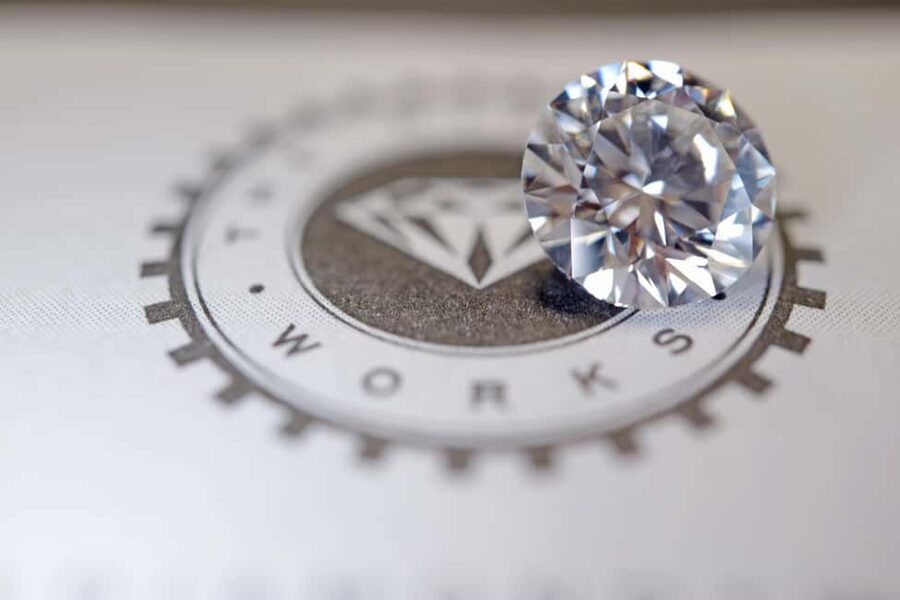
The tour includes a look at 3D jewelry design using CAD technology. You are invited to create a bespoke piece, then print a wax replica of the design. The stated production time is 24 hours, after which master goldsmiths can turn the design into an original item made from precious metals.
For most people, this will be an optional extra rather than the main reason to visit. Still, it is an interesting link between old craft and modern production. The goldsmiths work with traditional techniques, while the design stage uses computer modeling and a physical wax model.
If you already have an idea for a ring, pendant, or other piece, this may be the most personal part of the visit. You can see how a concept becomes a three-dimensional object before precious metal is used. That can be helpful when you want to understand the shape and proportions of a custom design.
You should treat the 24-hour claim as a production detail to confirm before ordering. The tour information says the piece can be made within that period, but it does not list prices, shipping arrangements, or the exact selection of metals and stones. Ask those questions before committing to a purchase.
Something quite different:
- Zipline Cape Town – From Foot of Table Mountain Reserve
★ 5.0 · 3,179 reviews - Cape Town: Table Mountain Cable Car, Hop-On Hop-Off Bus Tour
★ 4.6 · 3,157 reviews - Cape Point and Boulder’s Penguins Full Day Tour
★ 5.0 · 3,118 reviews - From Cape Town: Cape Point & Boulders Beach Full-Day Tour
★ 4.8 · 3,032 reviews
Inside the third-generation goldsmith workshop
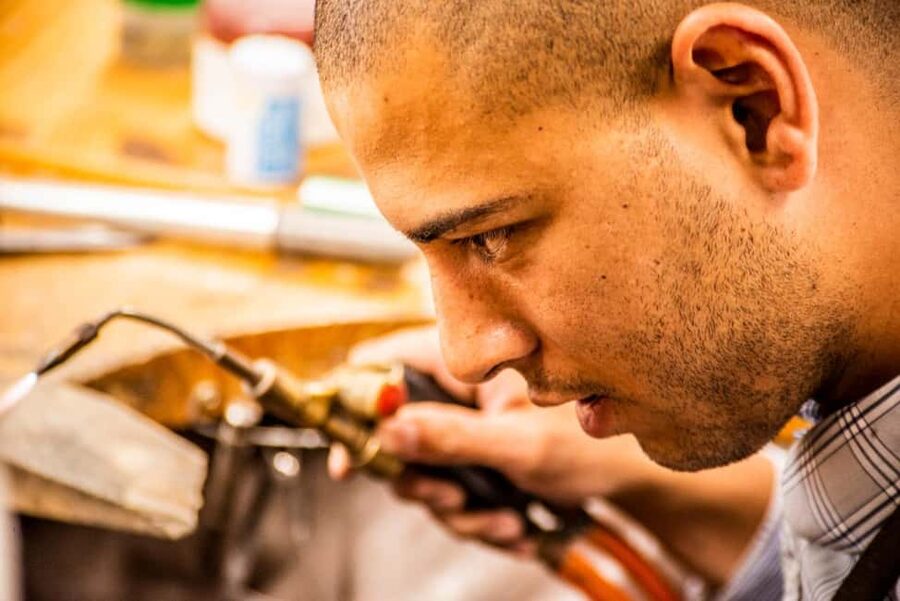
The goldsmith manufacturing section introduces the work of the in-house, third-generation goldsmiths. You learn how African precious metals are shaped into finished jewelry and get a closer look at the techniques behind the showroom pieces.
This adds a human element to the visit. Diamond cutting is precise, but goldsmithing shows a different kind of skill. The craft involves forming metal, joining parts, setting stones, and finishing surfaces so the final piece feels balanced and wearable.
The phrase third-generation matters because it points to a family tradition rather than a purely factory-based operation. The supplied information does not name individual goldsmiths, so you should not expect a personal biography of each craftsperson. Still, the focus on an in-house team helps connect the jewelry to the people who make it.
This stop will suit you if you appreciate handmade work or want to understand what sits behind the price of jewelry. It is also a useful counterweight to the luxury presentation. The tour shows that polished pieces require time, tools, and trained hands.
Why the Tanzanite studio is a highlight
Tanzanite gets a special place here. The stone is described as 1,000 times rarer than diamonds and is presented as the Essence of Africa. The exact comparison is part of the tour’s promotional language, but the main point is clear: Tanzanite is an unusual and strongly regional gemstone with its own appeal.
You can visit the Tanzanite polishing boutique and see stones being transformed. The studio is described as the only operating Tanzanite polishing studio of its kind in the Southern Hemisphere that is open to the public. That makes this more than a display of finished blue stones. You get a chance to see the work that gives the material its color, shape, and shine.
The polishing section is likely to be especially useful if you know little about Tanzanite. Diamonds dominate most jewelry discussions, but Tanzanite offers a different story and a distinct connection to Africa. Its inclusion gives the tour a broader focus than diamond education alone.
If you are considering buying Tanzanite, use this section to ask practical questions about color, cutting, durability, and care. The available details do not provide buying guidance or prices, so do not feel you need to make a decision on the spot. Look closely, listen carefully, and compare before spending.
Red carpet fun with the Taylor-Burton diamond
The Taylor-Burton feature adds a playful change of pace. Using augmented reality, you can appear to wear the famous Taylor-Burton diamond neckpiece while stepping onto a red carpet.
This is not the same as handling the original necklace. It is a digital encounter designed for photographs and a bit of glamour. That distinction matters, but it does not make the feature pointless. The Taylor-Burton name carries strong celebrity and jewelry history, and the red-carpet setup gives you a memorable way to engage with it.
I like this element because it breaks up the technical explanations. After watching diamonds being cut and learning about goldsmithing, you get a lighthearted photo opportunity. It should work well for families, couples, and anyone who enjoys a little theatrical fun during a museum-style visit.
The experience uses augmented reality, so the visual effect depends on the technology and presentation available during your visit. Think of it as a photo moment, not a museum display of the actual diamond.
Kimberley in 1872 through virtual reality
The final major feature takes you back to Kimberley in 1872, during the early diamond-digging era. Virtual reality places you among the hole digs and introduces the trailblazers who influenced South Africa’s economy.
The strongest part is the hands-on element: you can mine your own diamond in the virtual experience. That gives you a better sense of how difficult and physical early extraction was than a paragraph on a wall might provide.
The Kimberley setting also ties the historical and practical parts of the tour together. First, you learn how diamonds shaped South Africa. Then you see the cutting and polishing work. Finally, the VR section gives you a sense of the original digging process.
Virtual reality is not for everyone. Some people prefer real objects and live demonstrations, while others enjoy interactive technology. If you are sensitive to VR or simply dislike headsets, this may be the least important section for you. The information provided does not give details about headset duration or accessibility, so ask staff if you have concerns.
A free tour with a clear value question
At $0 per person, the value is unusually strong. You receive the guided Sparkling Tour plus sparkling wine or juice, with no admission charge listed. The visit combines diamond history, cutting and polishing, goldsmithing, Tanzanite, augmented reality, and virtual reality. Even if you spend nothing beyond getting there, you come away with a better understanding of how jewelry is made.
The business connection is worth keeping in mind. The 3D design service and the goldsmith showroom create natural opportunities to purchase jewelry. That does not cancel the value of the tour, but it means you should decide in advance whether you are browsing, researching a future purchase, or ready to buy.
Food and parking are not included. Plan for those costs separately. The tour information does not state a duration, group size, or transport service, so I would avoid building a tightly timed schedule around it unless you confirm those details first.
Flexible booking makes planning easier. You can reserve and pay later, and cancellation is allowed up to 24 hours before the activity for a full refund. That is useful if your Cape Town plans may shift.
What the feedback tells me about the visit
The overall rating is 4.9 from eight reviews, which is a small sample but a very positive one. The praise centers on three things: clear explanations, a warm welcome, and the amount people learn about diamonds.
Hakeem specifically valued the explanation of diamond cutting and recommended the tour. Another person described the setting as nice and the explanations as fruitful. A separate comment praised the warm welcome, attentive staff, and clear presentation.
One unusual account says a visitor had been pickpocketed shortly before arriving and that the staff offered an Uber. That is not a standard tour feature, but it suggests a caring response in a difficult moment. You should not book the experience expecting transport assistance, yet the story adds useful context about the staff’s personal approach.
One five-star score came from someone who was unable to attend because of bad weather, so it does not tell you much about the actual tour. Keep that in mind when reading the very high rating. The stronger evidence comes from the comments about the explanations, staff, and content.
Who will get the most from this tour?
I would recommend the Sparkling Tour to you if you want a short, low-cost Cape Town activity with a clear educational purpose. It suits first-time jewelry buyers, families, curious shoppers, and anyone interested in South African mining history.
It is also a good fit if you enjoy seeing how objects are made. The cutting, polishing, and goldsmith sections give you something concrete to watch, while the Tanzanite studio adds a less familiar stone to the program.
You may want to skip it if you have no interest in jewelry and prefer outdoor sights, food, or architecture. The visit is centered on diamonds, precious metals, and a retail setting. The VR and AR features add variety, but they do not change the main subject.
I would also set aside enough time to listen rather than rushing through for a quick photograph. The educational value depends on the explanations, and that is the part most consistently praised.
Should you book the Diamond Works Sparkling Tour?
Yes, especially because there is no admission fee and the program includes far more than a jewelry counter. You can see diamond cutting, watch Tanzanite polishing, learn about goldsmithing, and connect the trade to Kimberley’s past through VR.
Book it if you want an easy city stop, a friendly introduction to South African gemstones, or a chance to investigate custom jewelry without paying to enter. Just remember that food and parking cost extra, the tour ends where it begins, and the setting may include a sales opportunity.
For the best experience, arrive curious, ask questions about the stones and craftsmanship, and decide your buying budget before you go. That lets you enjoy the sparkle without letting it make your spending decisions.
FAQ
Where does the Diamond Works Sparkling Tour start?
It starts at The Diamond Works Institute next door to the Rockefeller Hotel. Look for the artwork on the outside wall.
Where does the tour end?
The activity ends back at the meeting point at The Diamond Works Institute.
How much does the Sparkling Tour cost?
The listed price is $0 per person.
Is a drink included?
Yes. The tour includes sparkling wine or juice at the welcome.
Is food included?
No. Food is not included in the tour.
Is parking included?
No. Parking is not included, so you need to arrange it separately if you are driving.
Which languages are available?
The tour information lists Afrikaans, Turkish, French, German, and English.
Can I design my own jewelry?
Yes. The 3D jewelry design service lets you create a bespoke design using CAD technology and print a wax replica. The stated production time for turning the design into a precious-metal piece is 24 hours.
Can I cancel the booking?
Yes. You can cancel up to 24 hours in advance for a full refund. You can also reserve your place and pay later.
Just added in Cape Town
- Sunset Safari Big 5 Aquila with Snacks and Wine Tasting★ 5.0 · 12 reviews
- Explore Atlantis Sand Dunes with a 1hour 30mins sandboarding tour★ 5.0 · 5 reviews
- Private Tour to 20 Wine Tasting in Stellenbosch and Franschhoek★ 5.0 · 11 reviews
- Robben Island, Kirstenbosch wine tasting Tour★ 5.0 · 10 reviews
- Photoshoot in Cape Town’s most Gorgeous Locations★ 5.0 · 2 reviews
- Private Transfer from Cape Town International Airport★ 5.0 · 4 reviews
- 1 Hour Cape Town City Center Photoshoot Experience★ 5.0 · 19 reviews
- Zip Line and Wine from Cape Town★ 5.0 · 14 reviews
Tours, compared.

Wine Tour: Paarl, Franschhoek & Stellenbosch incl 3 wineries
Read our review →

Cape of Good Hope & Penguins Day Tour with Pickup
Read our review →
Table Mountain Cable Car, Hop-On Hop-Off Bus Tour
Read our review →
Cape Point and Boulder’s Penguins Full Day Tour
Read our review →
Cape of Good Hope & Boulder Penguins Full-Day Tour from Cape Town
Read our review →