
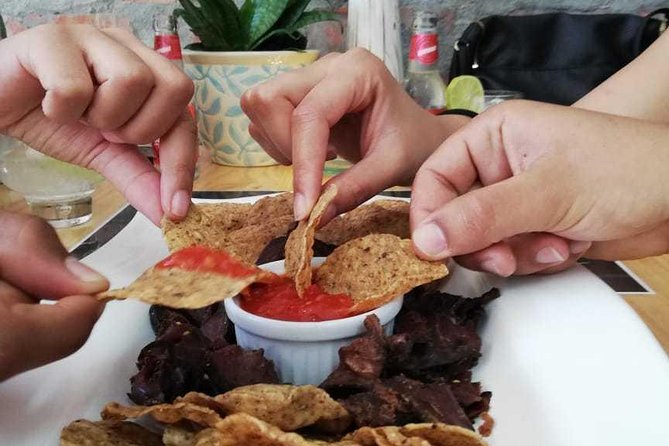
REVIEW · FOOD & DRINK
Experience South African Craft Rum tasting and distillery tour in Cape Town
Rum gets a Cape Town twist here. This small distillery tour takes you from molasses and spices to three finished rums, with a friendly guide explaining the process along the way. I like the small maximum of 10 people, and I like that the tasting includes both neat pours and mixers. The one drawback is the short length: at about one hour, this is a focused introduction rather than a long afternoon at the distillery.
The visit begins in a quiet courtyard on Voortrekker Road in Salt River, then moves through the production area and into the tasting room. Wayne, praised for his witty and informative style, helps make the technical side easy to follow. You should come expecting a compact, hands-on look at local rum making, not a full meal, cocktail class, or broad Cape Town sightseeing tour.
In This Review
- Key points at a glance
- Finding Cape Storms in Salt River
- A short introduction to rum before the machinery
- Behind the scenes in the production area
- Three rums, served two ways
- What the family-run approach adds
- Is the one-hour duration enough?
- Price, group size, and booking value
- Who will enjoy this Cape Town tasting?
- Tips for getting the most from the visit
- Should you book Cape of Storms?
- FAQ
- Where does the rum tour start?
- Where does the experience end?
- How long does the distillery tour last?
- How many people can join the tour?
- How many rums are included?
- Are mixers included with the rum tasting?
- Do you visit the production area?
- Can you taste the molasses used to make the rum?
- Is cancellation free?
Key points at a glance
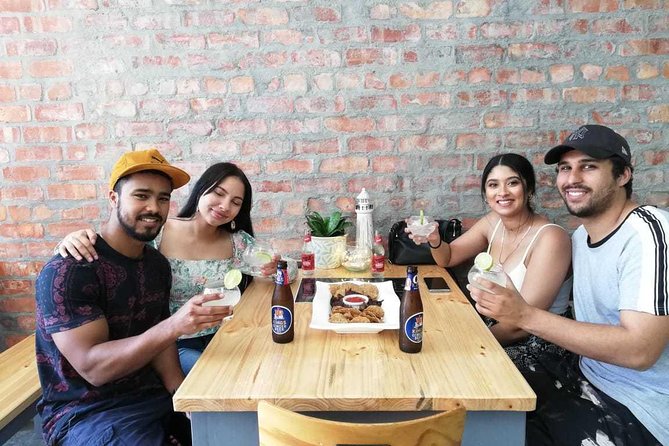
- Three rums in one tasting: You taste the distillery’s current rums neat, then try them with mixers.
- A real production-area visit: The tour includes the molasses, spices, and wood used in the rum-making process.
- Small-group format: A maximum of 10 people gives the experience a more personal feel.
- Cape Storms is family-run: The small-batch approach adds a personal touch to the visit.
- Easy one-hour plan: The compact format fits well before or after other Cape Town activities.
- A good price for a specialist tasting: At about $13.10 per person, the visit offers both instruction and drinks at a modest cost.
Finding Cape Storms in Salt River
The experience starts at 100 Voortrekker Road in Salt River, Cape Town. The distillery sits in a quiet courtyard, so you are not walking into a large, polished visitor complex. That setting matters. The place feels like a working small business first and a tourist attraction second.
The meeting point is near public transportation, which makes it practical if you are exploring Cape Town without a car. You should still allow a little extra time to find the courtyard and settle in, since the distillery is described as a small operation rather than a prominent roadside venue.
The tour returns to the same meeting point at the end. That simple arrangement makes it easy to fit the visit into a day around Salt River and nearby parts of Cape Town. There is no transfer between several sights, so you know exactly where you need to be and where you will finish.
More Food Tours in Cape Town
- Cape Town: Full-Day Winelands Tour with Wine Tastings & Food
★ 4.9 · 1,288 reviews - The Cape Town Essentials Food Tour
★ 5.0 · 385 reviews - From Cape Town: Winelands Full Day Tour and Wine Tasting
★ 4.5 · 364 reviews
A short introduction to rum before the machinery
After introductions, the guide gives you a brief history of rum. This opening helps place the tasting in context without turning the hour into a classroom lecture.
The focus is on how rum is made and why different ingredients affect the final drink. The distillery’s approach begins with molasses, and you get to taste the molasses used in production. That is a useful detail because it connects the raw material to the finished spirit in a direct way.
I like this part of the experience because it gives your senses something to work with. Instead of simply hearing that rum comes from molasses, you can taste the starting point. The difference between the raw ingredient and a finished pour becomes easier to understand.
The guide also introduces the spices and wood used to make the rums. You can smell these ingredients during the production-area visit. That small sensory detail gives the tour more life than a talk based only on bottles and labels.
Behind the scenes in the production area
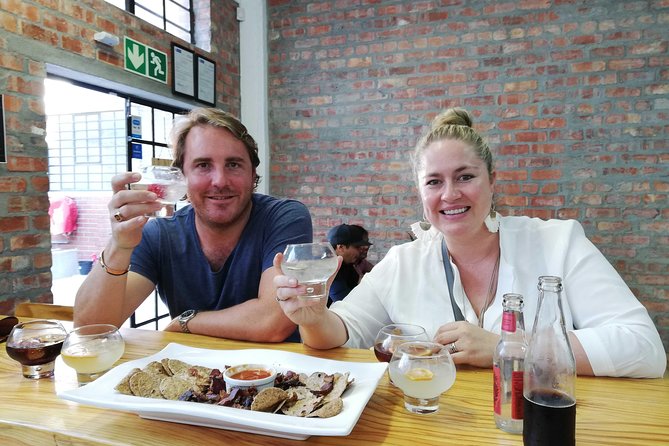
The heart of the visit is the walk through the production area. You learn about the distillery’s rum-making process and hear insider details about how its small-batch spirits are produced.
The available information does not promise a long technical demonstration or a full step-by-step production schedule. Instead, you should expect an explanation of the process, supported by the chance to taste molasses and smell the spices and wood. For many people, that balance will be just right. You get a clear sense of the work involved without spending hours on industrial detail.
The setting also helps. At a small family-run distillery, the story is tied to the people making the product. The emphasis is not just on rum as a category, but on the decisions behind these particular bottles. The owners explain their approach to making rum, which adds a personal layer to the visit.
This is where Wayne’s role seems especially important. His style has been described as witty as well as informative, a useful combination when a subject includes fermentation, distillation, wood, and flavor development. A guide who can explain those topics in plain language makes the visit more welcoming for beginners.
If you already know a great deal about rum, you may find the one-hour format a little basic. The tour is built to introduce the process and the house style, not to serve as an advanced spirits course. Still, the chance to ask questions in a group of no more than 10 gives you a better shot at a personal exchange than a large factory tour would.
Three rums, served two ways
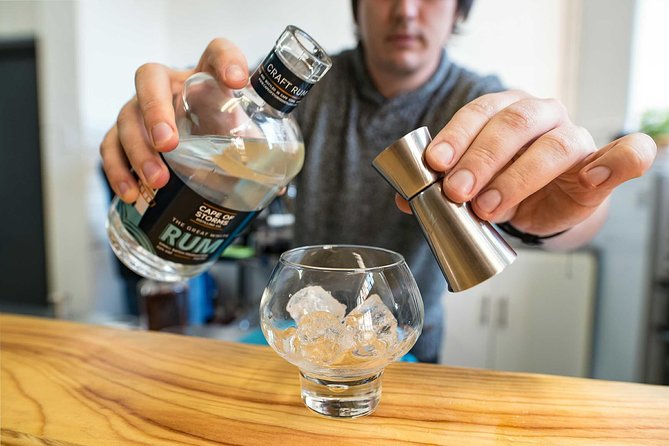
After the production-area visit, you return to the tasting room. Three of the distillery’s current rums are served neat and paired with mixers.
That order is sensible. Tasting the rum neat lets you notice its basic character before a mixer changes the aroma, sweetness, or finish. Trying it again with a mixer shows how the spirit might work in a longer drink.
The tasting is interactive. You discuss the flavors each person notices and talk about the overall experience. You do not need to arrive with a trained palate. The point is not to identify obscure tasting notes correctly. It is to compare impressions and understand why the same rum can taste different when paired with another ingredient.
The three rums are the main reason to book this experience. The tasting gives you a chance to compare the distillery’s range rather than forming an opinion from one sample. The exact names and flavor profiles of the current rums are not specified, so the selection may change over time.
I appreciate that mixers are included rather than left as an extra purchase. They make the tasting more useful for people who prefer mixed drinks to neat spirits. You get both sides of the experience: the direct taste of the rum and a sense of how it behaves in a more relaxed serving.
Do keep the format in mind. This is a tasting, not an open bar. The included drinks are three rums served neat and with mixers, and additional items are not part of the stated package.
Something quite different:
- Wine Tour: Paarl, Franschhoek & Stellenbosch incl 3 wineries
★ 5.0 · 3,940 reviews - Cape Town: Hop-On Hop-Off Bus Tour with Optional Cruise
★ 4.8 · 3,929 reviews - Cape Town: Cape of Good Hope & Penguins Day Tour with Pickup
★ 4.7 · 3,362 reviews - Zipline Cape Town – From Foot of Table Mountain Reserve
★ 5.0 · 3,179 reviews
What the family-run approach adds
Cape of Storms Distilling Co. is described as a family-run, small-batch distillery. That tells you something about the mood and scale of the visit.
You are not visiting a huge spirits plant with a long public route and a large retail operation. You are meeting a smaller producer and hearing about its own way of making rum. That can make the experience feel more direct and personal.
The owners’ philosophy is part of the story. Even without a full description of every production choice, the emphasis on their approach helps you see the bottles as the result of deliberate decisions rather than generic spirits from a shelf.
The family-run setting may also mean that the tone is informal. The supplied details point to an entertaining and informative visit, with room for conversation. If you prefer polished multimedia displays and a highly scripted tour, this may feel modest. If you like seeing how independent producers work, the scale is a strength.
Is the one-hour duration enough?
For an introduction, yes. The hour covers the welcome, a short history of rum, the production area, the ingredient samples and aromas, and the three-rum tasting.
The compact schedule is useful when you have a full day planned in Cape Town. You can add it to a Salt River outing without giving up half a day. It also suits people who want to try a local spirit but do not want a long winery-style excursion.
The trade-off is that the experience cannot cover everything. You should not expect a full meal, extensive cocktail instruction, a long production demonstration, or a broad lesson on every rum-producing region. The tour gives you the essential story and the tasting, then ends.
I would treat the visit as a focused stop rather than the main event of your Cape Town trip. Its strength is concentration. In a short period, you learn what the distillery makes, how it approaches production, and how the rums taste.
Price, group size, and booking value
The listed price is about $13.10 per person. For that amount, you receive an interactive distillery tour, an explanation of the production process, and three rum tastings served neat and with mixers.
That is good value if you enjoy spirits or want a local food-and-drink experience with some substance behind it. You are paying for more than a sample at a bar. The visit explains the ingredients and process, then gives you time to compare the finished products.
The maximum group size is 10 people. This is one of the strongest practical features. A small group makes it easier to hear the guide, ask questions, and take part in the flavor discussion. It also fits the family-run character of the distillery.
The experience is booked, on average, 11 days ahead. That does not mean you must plan exactly 11 days early, but it is a useful sign that you should reserve before arriving in Cape Town if the timing matters to you.
A mobile ticket is provided, which keeps the booking simple. Confirmation arrives at the time of booking. Service animals are allowed, and the meeting point is near public transportation.
Who will enjoy this Cape Town tasting?
I would recommend this tour to several types of visitors:
- Rum beginners who want a clear introduction without a long lecture.
- Spirit fans who enjoy comparing small-batch products.
- Couples and friends looking for a short activity with drinks included.
- Visitors using public transportation who want a fixed meeting point and no complicated transfer.
- People interested in independent producers rather than large commercial facilities.
- Busy sightseers who can spare about an hour between other plans.
It is less suited to anyone looking for a full-day food experience or a large-scale distillery spectacle. It may also disappoint you if you want a detailed technical course on distillation. The available format is friendly, practical, and compact.
The experience is for people who can take part in an alcoholic tasting. The included portion is alcohol, and the tour is built around sampling three rums. If you do not drink, the production explanation may still interest you, but the tasting is a central part of the visit.
Tips for getting the most from the visit
Read the meeting instructions carefully and arrive at 100 Voortrekker Road in good time. Since the distillery is in a quiet courtyard, you should not assume the entrance will look like a large public attraction.
Pay attention to the molasses, spices, and wood. These are not filler details. They are the clearest way to connect the raw materials with the flavors and aromas in the glass.
Try the rums neat before adding the mixer. That gives you a fair comparison between the spirits and helps you notice how the serving style changes the experience.
Take part in the flavor discussion even if you are new to tastings. You are not expected to use expert language. The conversation is designed around what each person picks up, which makes it more relaxed and useful.
If cancellation flexibility matters to you, free cancellation is available up to 24 hours before the local start time. Changes or cancellations made less than 24 hours before the start time are not accepted for a refund.
Should you book Cape of Storms?
Book it if you want an affordable, personal introduction to Cape Town’s craft rum scene. The combination of a working production area, ingredient samples, a small group, and three rums with mixers gives the hour real value.
I would especially choose it for a relaxed day in Salt River or for a break from the city’s major sights. The tour’s best qualities are its friendly teaching style, its family-run setting, and the tasting itself. Just keep your expectations realistic: this is a compact distillery visit, not a full-day rum school.
FAQ
Where does the rum tour start?
The tour starts at 100 Voortrekker Road, Salt River, Cape Town, 7925, South Africa.
Where does the experience end?
The activity ends back at the same meeting point.
How long does the distillery tour last?
The experience lasts about one hour.
How many people can join the tour?
The group has a maximum of 10 people.
How many rums are included?
You taste three of the distillery’s rums.
Are mixers included with the rum tasting?
Yes. The rums are served neat and paired with mixers.
Do you visit the production area?
Yes. The tour takes you into the production area and explains the rum-making process.
Can you taste the molasses used to make the rum?
Yes. You are given the chance to taste the molasses used by the distillery and smell the spices and wood used in production.
Is cancellation free?
Yes. You can cancel for a full refund up to 24 hours before the experience start time. Cancellations or changes made less than 24 hours before the start time are not accepted for a refund.
Just added in Cape Town
- Sunset Safari Big 5 Aquila with Snacks and Wine Tasting★ 5.0 · 12 reviews
- Explore Atlantis Sand Dunes with a 1hour 30mins sandboarding tour★ 5.0 · 5 reviews
- Private Tour to 20 Wine Tasting in Stellenbosch and Franschhoek★ 5.0 · 11 reviews
- Robben Island, Kirstenbosch wine tasting Tour★ 5.0 · 10 reviews
- Photoshoot in Cape Town’s most Gorgeous Locations★ 5.0 · 2 reviews
- Zip Line and Wine from Cape Town★ 5.0 · 14 reviews
- Private Transfer from Cape Town International Airport★ 5.0 · 4 reviews
- 1 Hour Cape Town City Center Photoshoot Experience★ 5.0 · 19 reviews
Food & Drink, compared.

Full-Day Winelands Tour with Wine Tastings & Food
Read our review →
Hartbeespoort: 2-Hour Dam Cruise with South African Food
Read our review →


Stellenbosch & Franschhoek 20 Wine Tasting + Lunch Shared Tour
Read our review →


Browse the lists this tour appears in