
REVIEW · 1-DAY TOURS
From Durban: Isandlwana Rorkes Drift Battlefields Day Trip
History feels different under an open sky. This 14-hour trip from Durban takes you deep into KwaZulu-Natal to Isandlwana, Rorke’s Drift, and Fugitives Drift, where the Anglo-Zulu War unfolded in January 1879. I like the way the tour joins battlefield ground, museums, and memorials rather than treating the past as a collection of dates.
I also like the human scale of the experience. Guides such as Thani, Bafana, and Aaron have been praised for clear explanations, courtesy, and steady driving on a long road day. The main drawback is the distance: you spend many hours in the vehicle, and the day can feel full-on from start to finish.
The price is $198 per person, with transport, a professional guide, and listed entry fees included. However, the information also says the Isandlwana fee is not included, so I would confirm that point before paying. Lunch and drinks are not provided, and you will need comfortable shoes, sun protection, and practical clothing.
In This Review
- Key points before you book
- Why these battlefields matter
- The long road north from Durban
- Isandlwana: the battlefield that sets the tone
- Rorke’s Drift and the story of defense
- Fugitives Drift and the Queen’s Colours memorial
- Guides, languages, and the quality of the day
- What the $198 price really covers
- What to bring and how to prepare
- Who should book this battlefield day?
- Should you book the Isandlwana and Rorke’s Drift tour?
- FAQ
- How long is the Isandlwana and Rorke’s Drift tour?
- What sites does the tour visit?
- Is pickup from my Durban accommodation included?
- Are meals and drinks included?
- What languages are available for the live guide?
- Is the Isandlwana entrance fee included?
Key points before you book
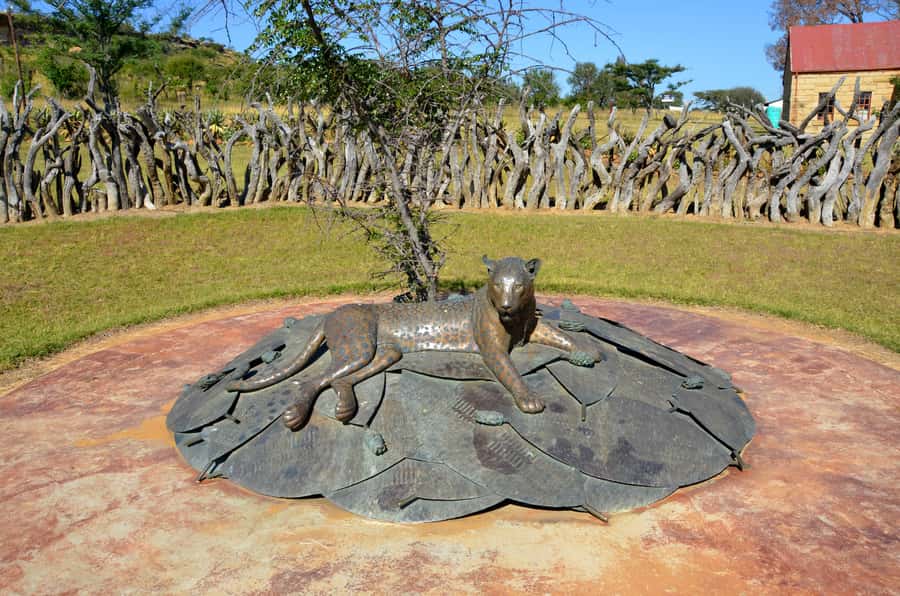
- Isandlwana is the emotional center: Walk and pause at the site of the major British defeat on January 22, 1879.
- Rorke’s Drift tells a very different story: The mission station became the scene of a British defensive action immediately after Isandlwana.
- Expect a very long day: The 14-hour schedule includes the drive from Durban as well as three historic stops.
- The guides matter greatly: Thani, Bafana, and Aaron have each been praised for professional service, good driving, and strong explanations.
- The final memorial adds context: Fugitives Drift and the Queen’s Colours memorial extend the story beyond the two better-known battlefields.
- Pack your own food and water: Lunch and drinks are excluded, so plan ahead for a full day away from Durban.
Why these battlefields matter
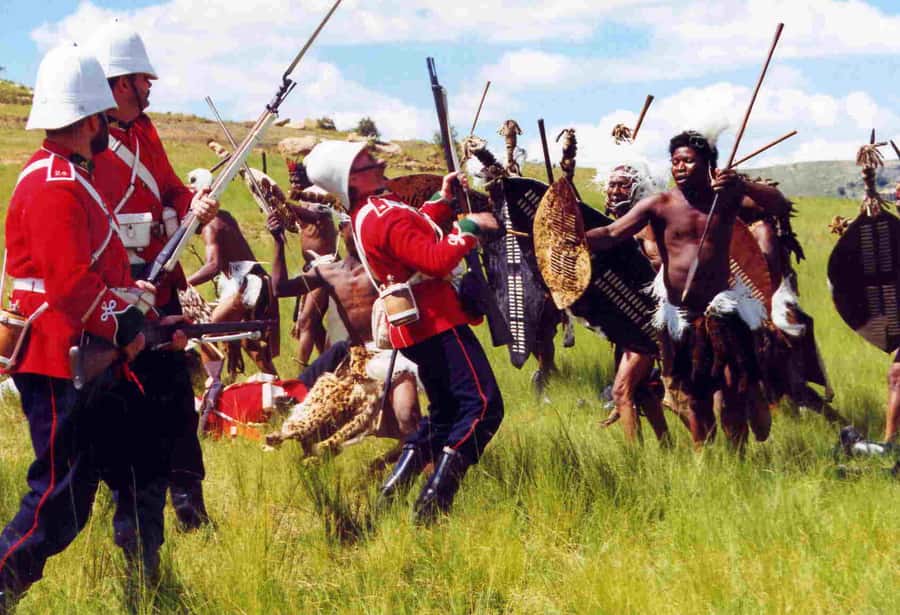
The Anglo-Zulu War began in 1879 after the British invasion of Zululand. Isandlwana and Rorke’s Drift are linked by the same day, but the two sites present sharply different military stories.
At Isandlwana, a Zulu force of about 20,000 warriors attacked part of the British main column. The British force included roughly 1,800 British, colonial, and African troops, along with perhaps 400 civilians. The Zulu army relied mainly on iron assegai spears and cow-hide shields, with some muskets and older rifles used by men without formal firearms training.
Despite the British advantage in weapons, the Zulu force overwhelmed troops who were poorly deployed and badly led. The result was one of the most severe British defeats of the nineteenth century.
Only eleven days earlier, the British had begun the invasion. That short gap matters because Isandlwana was not a distant, isolated clash. It was the first major encounter of the war, and it exposed the danger of underestimating the Zulu army.
Rorke’s Drift followed almost at once. After the British defeat at Isandlwana on January 22, the mission station at Rorke’s Drift came under attack. The defense continued into the following day. Seeing the sites together helps you understand the sequence rather than treating each one as a separate attraction.
I find that this combination is the main reason to choose the tour. You are not simply visiting a museum and then returning to Durban. You are following a chain of events across several locations.
A few more in Durban
- Durban: 30-Minute Harbor Boat Cruise
★ 4.7 · 665 reviews - Durban: 1-Hour Boat Cruise from Wilson’s Wharf
★ 4.7 · 496 reviews - Durban Point Waterfront: Luxury Canal Boat Cruise
★ 4.4 · 298 reviews
The long road north from Durban
The tour lasts about 14 hours, so the drive is a major part of the experience. Pickup is available from hotels and accommodations within five kilometers of the local supplier’s office at Gooderson Tropicana Hotel on O R Tambo Parade in South Beach. Pickup can also be arranged from the harbor passenger terminal.
The road trip takes you from Durban into northern KwaZulu-Natal. One recent assessment called the drive long but praised the countryside along the way. That is a fair description of the day: the route takes time, but the changing surroundings help make the transfer feel like part of the outing rather than dead time.
You should think carefully about your energy levels. This is not a relaxed half-day outing with a short museum visit. You leave Durban for a full day of travel and site visits, then return after the final memorial. If you enjoy history enough to accept the long hours, the schedule is worthwhile. If you want a slower day with plenty of free time, this will feel demanding.
The vehicle has a professional driver and guide, and the service has received strong praise for polite, helpful conduct. Aaron, in particular, was praised for handling the long drive while also guiding and assisting the group. That combination matters on a route where safe, patient driving is just as important as a good explanation.
Isandlwana: the battlefield that sets the tone
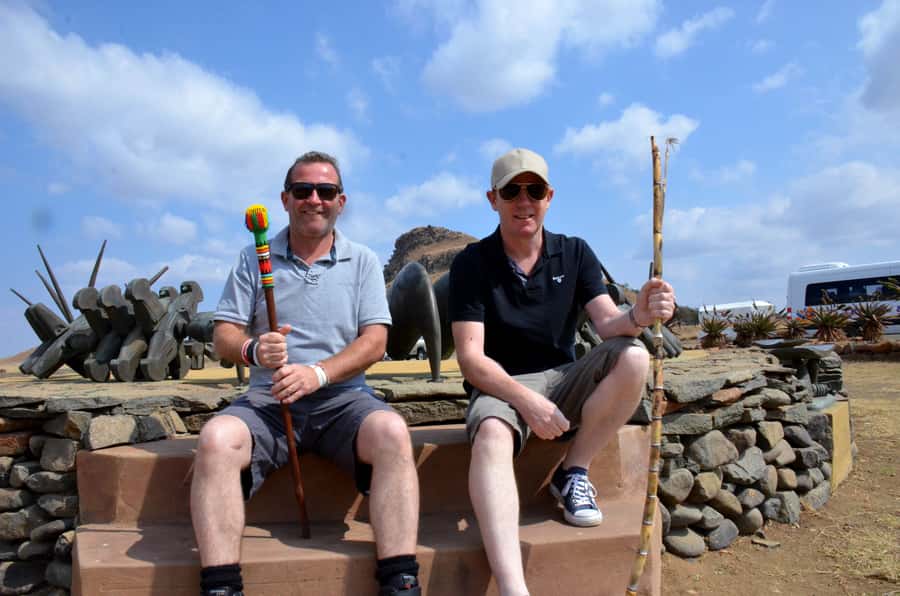
Isandlwana is the first main stop. You visit the battlefield and museum, giving you both the physical setting and a place where the details of the conflict are gathered together.
The open ground is important. The defeat becomes easier to picture when you are not looking only at a display case or a printed account. You can pause at the site and consider the scale of the Zulu attack, the British deployment, and the consequences of poor leadership.
The battlefield is also a place for quiet reflection. One person compared the feeling to visiting the First World War battlefields of northern France, where the scale of the loss can make the ground itself feel solemn. That comparison does not mean the sites are identical, but it captures why Isandlwana can affect you more than a standard museum stop.
The museum adds structure. It brings together information about the Anglo-Zulu War and helps you connect the battlefield to the wider campaign. If you arrive with only a general idea of the conflict, the museum should help you understand the forces involved and why this particular battle became so important.
I would allow yourself time to listen carefully here. Isandlwana is not best treated as a quick photo stop. The value comes from combining the view, the memorial elements, and the guide’s account of what happened.
There is one practical detail to settle before departure. The activity information says all entry fees are included, but its separate notes say the fee for Isandlwana is not included in the ticket. That conflict should be clarified with the local operator before you book, since it can affect the real cost.
Rorke’s Drift and the story of defense
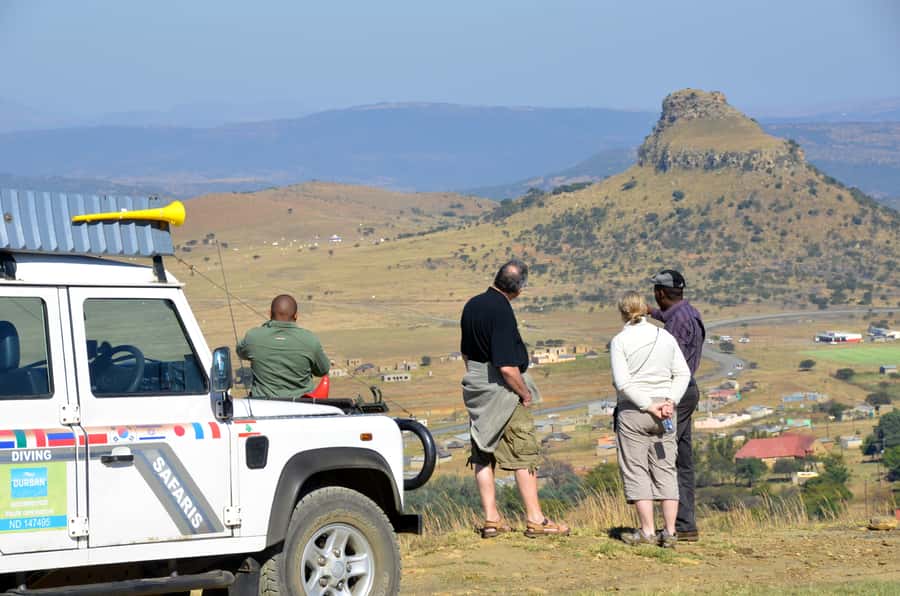
The tour then continues to Rorke’s Drift, also called the Defence of Rorke’s Drift. The action here immediately followed the defeat at Isandlwana and continued into January 23, 1879.
The contrast between the two stops gives the itinerary its shape. Isandlwana is remembered for the destruction of a British force in the open. Rorke’s Drift is remembered for a British defense at a mission station. Seeing both in one day lets you compare defeat and resistance without losing sight of how closely the events were connected.
At Rorke’s Drift, the guide’s explanation is especially useful because the significance can be reduced to a simple heroic story if you do not have enough context. The wider campaign, the British invasion, the Zulu military response, and the aftermath of Isandlwana all matter.
I would listen for how the guide explains the movement from one battlefield to the next. The physical journey helps establish the order of events, but the interpretation is what turns the stops into a coherent account.
The tour is offered with live guiding in English, Greek, Portuguese, and French. German and Polish can be requested. A specialized guide or qualified historian can also be arranged for an additional fee. If military history is your main reason for coming, that upgrade may be worth considering, especially if you want more detailed analysis than a standard sightseeing guide can provide.
Something quite different:
- Durban: Pontoon Boat Harbor Cruise
★ 4.4 · 182 reviews - Durban: Gondola Ride
★ 4.8 · 159 reviews - From Durban: Half-Day Safari Tour
★ 4.1 · 141 reviews - Luxury Canal Boat Cruise – Fun Things Durban Ushaka
★ 4.5 · 125 reviews
Fugitives Drift and the Queen’s Colours memorial
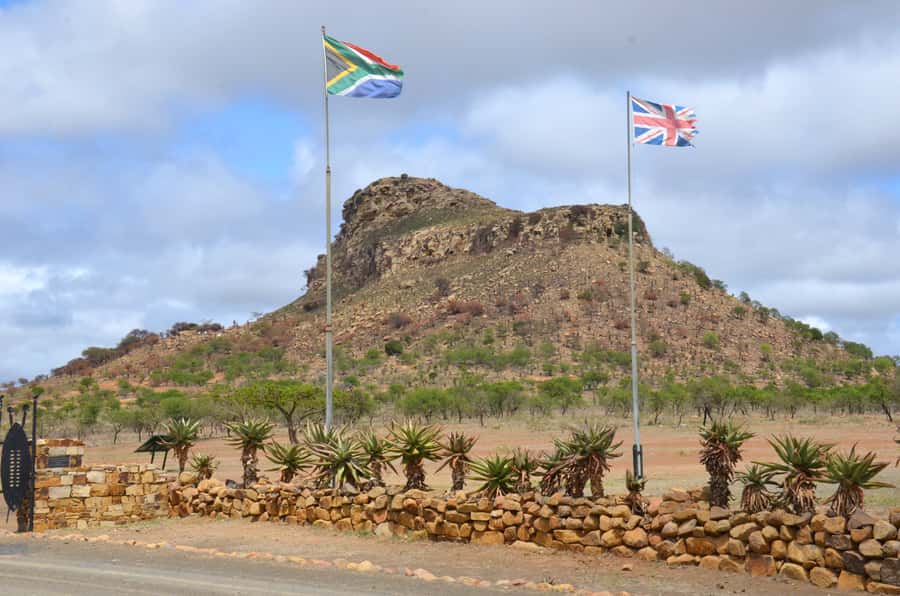
The final stop is Fugitives Drift and the Queen’s Colours memorial. This part of the day extends the story beyond the two famous battle sites.
Fugitives Drift is connected with the aftermath of Isandlwana. By this point, you have heard about the defeat and then visited the site of the British defense at Rorke’s Drift. The final stop gives the day another layer by focusing attention on those who fled and on the memorial record of the campaign.
The Queen’s Colours memorial provides a clear closing point before the return to Durban. Memorials are useful here because they move the experience away from tactics alone. The tour is about military history, but it is also about the people caught in a violent campaign and the way later generations chose to remember them.
This stop may be shorter or less immediately familiar than Isandlwana and Rorke’s Drift, but I would not dismiss it. It helps prevent the day from ending with only the best-known stories. The order of stops also gives you a natural progression: major defeat, dramatic defense, then remembrance and aftermath.
Guides, languages, and the quality of the day
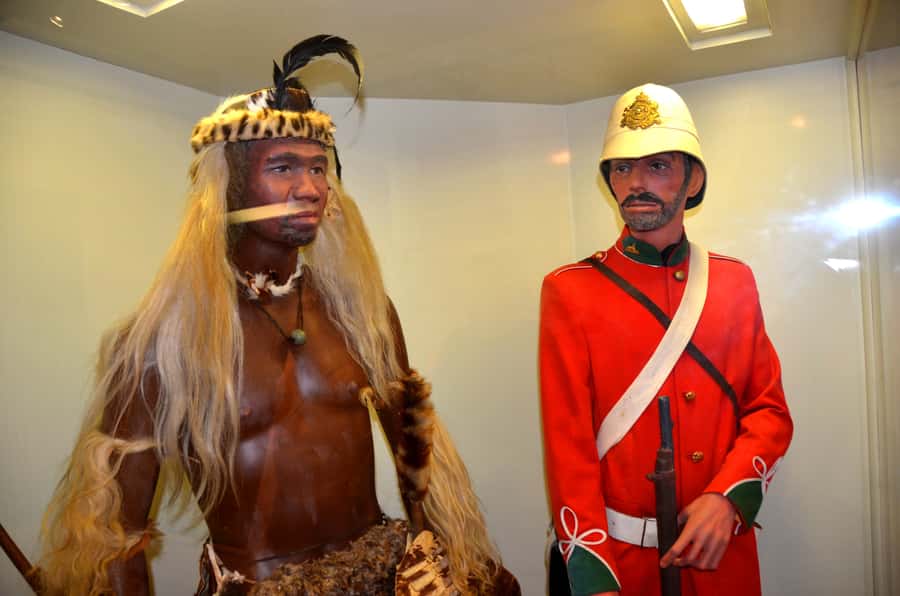
A long battlefield tour depends heavily on the guide. You are spending much of the day in a vehicle, and the stops become far more meaningful when someone can connect the facts, locations, and sequence of events.
The strongest praise has gone to the guides’ professionalism, courtesy, and ability to explain the subject. Thani was described as an excellent host who made the day interesting. Bafana was praised for being highly informed and for making the battlefield visit moving. Aaron received particular credit for combining careful driving with guiding and practical help.
That is a useful pattern. You are not paying only for transportation between Durban and the battlefields. You are paying for interpretation along the way. The value rises when the guide helps you understand why each location matters.
The standard guiding languages are English, Greek, Portuguese, and French. German and Polish requests may be possible, but you should arrange those before the day rather than assume they will be available. A qualified historian is not part of the basic package and costs extra.
The overall rating is 4.8 from 12 ratings, with repeated top scores for the guides and the historical content. The comments also make clear that the trip is tiring. That is not a flaw in the guiding, but it is an important part of your decision.
What the $198 price really covers
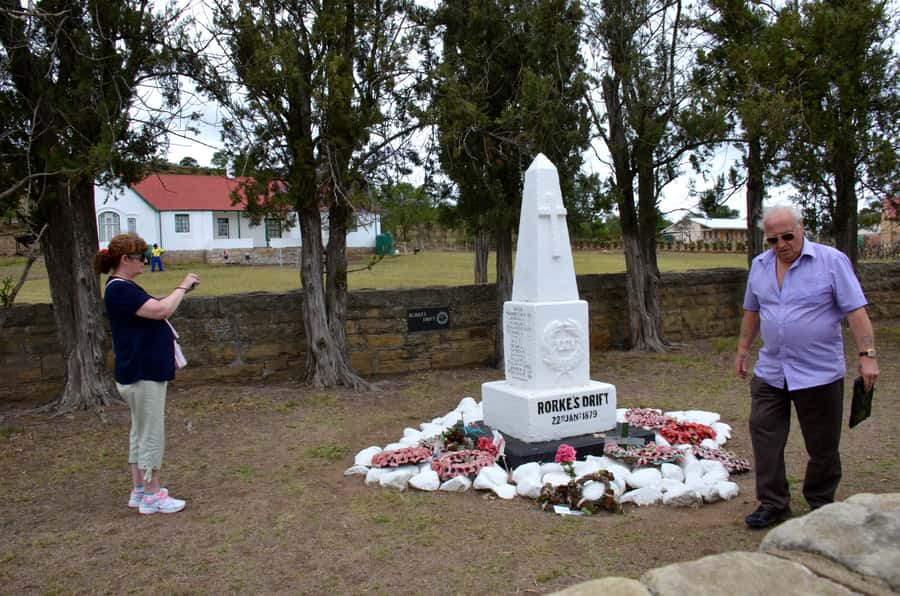
At $198 per person, this is a substantial day-trip price. The value depends on what you want from it.
Transport from Durban is the largest practical benefit. Reaching all three sites independently would require arranging a vehicle, navigating a long route, organizing entrance payments, and finding someone to explain the battlefields. The professional guide adds the historical framework that a self-drive visit may not provide.
Entry fees are listed as included, but the Isandlwana note creates uncertainty. Confirm exactly what is covered before booking. Lunch, drinks, a specialized guide, and a qualified historian are excluded.
I would compare the price with the amount of time involved rather than judging it like a short city attraction. You are committing around 14 hours to the trip. For someone who has read about Isandlwana and Rorke’s Drift for years, that can be a fair price for transport, access, and guided interpretation. For someone only mildly curious about the war, it may feel expensive and exhausting.
The reserve-now-and-pay-later option is useful if your Durban plans are still changing. Free cancellation is available up to 24 hours before departure for a full refund, according to the booking terms. Those policies give you some flexibility, but they do not change the basic fact that this is a demanding day.
What to bring and how to prepare
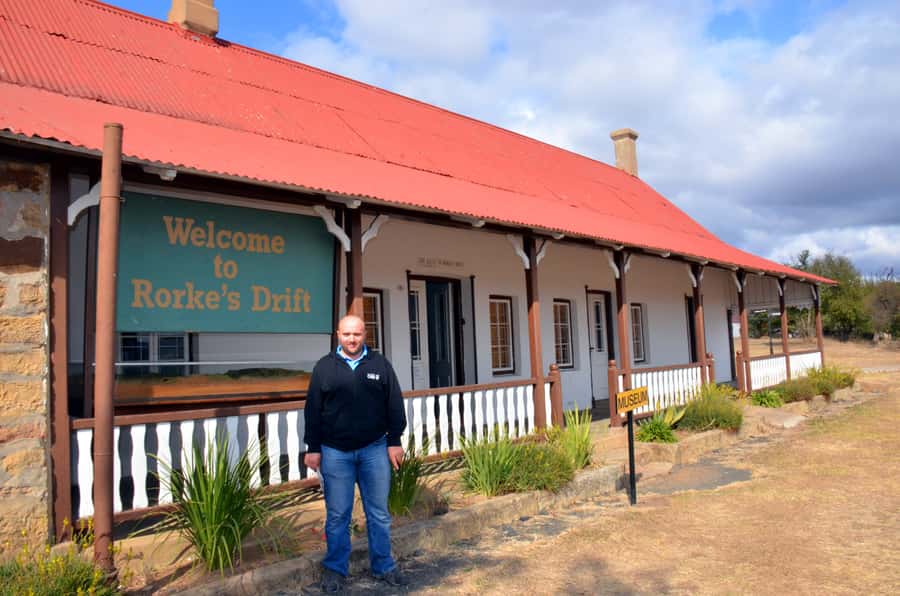
Wear comfortable shoes. The itinerary includes battlefields, memorials, and museum visits, so practical footwear is a better choice than anything designed only for a smart dinner.
Bring sunscreen and comfortable clothes. Northern KwaZulu-Natal can make an outdoor day feel intense, and you may spend time standing or walking in exposed areas. A hat and a refillable bottle would also be sensible, though only the first two items are specifically required in the supplied details.
Lunch and drinks are not included. You should make a food plan before leaving Durban, especially since the day begins early enough and lasts long enough for hunger to become a real nuisance. Ask the operator what stop arrangements are available, or carry suitable food if permitted.
If you use a wheelchair, tell the local partner before the tour begins. The activity is listed as wheelchair accessible, but early notice is important so the operator can prepare the vehicle and visits properly.
Who should book this battlefield day?
I would recommend this tour most strongly to people with a real interest in the Anglo-Zulu War, British colonial campaigns, or military history. It also suits anyone who prefers a guide to explain a difficult subject rather than reading everything independently.
It is a good match if you have already read about the battles. One person described visiting sites they had studied for years, and that is where the trip seems to have its greatest power. The battlefield becomes more than a name on a page.
You do not need to be a specialist. The museum and live guide provide an introduction, while the route gives the conflict a clear physical setting. Still, curiosity helps. If you are only looking for scenery or a light cultural outing, the long drive and serious subject matter may not suit you.
Families and mixed groups should also think about the 14-hour duration. The operator describes the activity as wheelchair accessible, but individual mobility needs should be discussed in advance. Anyone uncomfortable with a long road journey should consider a shorter Durban-area experience instead.
Should you book the Isandlwana and Rorke’s Drift tour?
Book it if you want a serious, full-day look at the Anglo-Zulu War and value a guide who can connect Isandlwana, Rorke’s Drift, and Fugitives Drift into one story. The combination of battlefield ground, museum information, and memorials gives the day more meaning than a single isolated stop.
I would be less enthusiastic if you dislike long drives, need a leisurely pace, or expect meals and drinks to be included. Confirm the Isandlwana entrance fee, plan your food, and ask early about language or historian options.
For history lovers, the difficult length is also the point. This is a demanding day, but it reaches places that are hard to understand from Durban alone. The consistently strong comments about Thani, Bafana, and Aaron suggest that the guide can make the long hours worthwhile.
FAQ
How long is the Isandlwana and Rorke’s Drift tour?
The tour lasts 14 hours, including the journey from Durban and the return trip.
What sites does the tour visit?
The itinerary includes the Isandlwana battlefield and museum, the Battle of Rorke’s Drift site, Fugitives Drift, and the Queen’s Colours memorial.
Is pickup from my Durban accommodation included?
Pickup is available from hotels and accommodations within five kilometers of the local supplier’s office at Gooderson Tropicana Hotel, 85 O R Tambo Parade, South Beach, Durban. Pickup is also available from the harbor passenger terminal. Special arrangements can be requested from the local supplier.
Are meals and drinks included?
No. Lunch and drinks are not included, so you should plan food and refreshments for the full-day outing.
What languages are available for the live guide?
Guiding is available in English, Greek, Portuguese, and French. German and Polish can be requested. A specialized guide or qualified historian requires an additional fee.
Is the Isandlwana entrance fee included?
The activity details say all entry fees are included, but the additional notes say the Isandlwana fee is not included. Confirm this specific charge with the local supplier before booking.
Just added in Durban
- Zulu Cultural Experience – Tour to the village of iSithumba and PheZulu★ 5.0 · 4 reviews
- Zululand 5 Day Private Safari from Durban★ 5.0 · 4 reviews
- Zulu Oracle & Herbalist Experience Day Tour★ 5.0 · 2 reviews
- Valley of a Thousand Hills – Durban★ 5.0 · 3 reviews
- Drakensberg, Nelson Mandela Capture S & Howick Falls – 2 Day Tour from Durban★ 5.0 · 3 reviews
- Garden Route Durban to Cape Town via Addo National Park – 7 Days★ 5.0 · 15 reviews
- Durban: Go on Safari at 2 Game Reserves (Hluhluwe-Imfolozi) Pro Zeiss Binoculars★ 5.0 · 2 reviews
- Hluhluwe Imfolozi Game Reserve & Phezulu Safari Park from Durban★ 5.0 · 4 reviews
1-Day Tours, compared.

Big Five Safari and Breede River Valley Guided Day Trip
Read our review →
Jo’berg in 1 Day: Soweto, Apartheid Museum & City Tour
Read our review →
Cape Peninsula & Table Mountain Private Day Trip
Read our review →
Table Mountain and Cape Town City Half-Day Trip
Read our review →
Stellenbosch, Franschhoek and Paarl Winelands Full Day Trip from Cape Town
Read our review →
Sani Pass, Lesotho and Basotho Village Day Trip
Read our review →Browse the lists this tour appears in