
REVIEW · CITY TOURS
Gqeberha/Port Elizabeth: Guided City Tour
Port Elizabeth rewards a closer look. I like the Campanile views over the city and harbor, and I like the way Route 67 links public art with Nelson Mandela’s road to democracy. The main catch is time: fitting this many historic and cultural stops into two hours makes for a brisk visit, not a slow wander.
This English-language tour is limited to six people, which gives the guide room to adjust the pace and answer questions. Chesley, a guide praised for tailoring the outing to his group, even added entry to the Cricket Ground during one private tour. That kind of flexibility can turn a standard city circuit into a more personal introduction to Nelson Mandela Bay.
At $59 per person, the price is fair if you want several admissions and a strong first orientation without arranging each stop yourself. Just wear comfortable shoes, expect moderate walking, and remember that meals, drinks, and personal spending are not included.
In This Review
- Key points to know before you book
- Starting high at the Campanile
- Donkin Reserve and Route 67
- Fort Frederick and the story of 1799
- 7 Castle Hill and colonial-era life
- Wozani Arts Gallery and local craft
- South End Museum and the cost of apartheid
- Art at the Nelson Mandela Metropolitan Art Museum
- City Hall and the Feather Market Centre
- What $59 includes, and what it does not
- Two hours, six people, and a quick pace
- Practical preparation for the route
- Who will get the most from this city tour
- Should you book the Gqeberha guided city tour?
- FAQ
- Where does this guided tour take place?
- How long does the tour last?
- What language is the tour conducted in?
- How many people can join the group?
- Is the tour wheelchair accessible?
- What admissions are included?
- Are meals and drinks included?
- What should I bring?
- Can I cancel for a refund?
Key points to know before you book
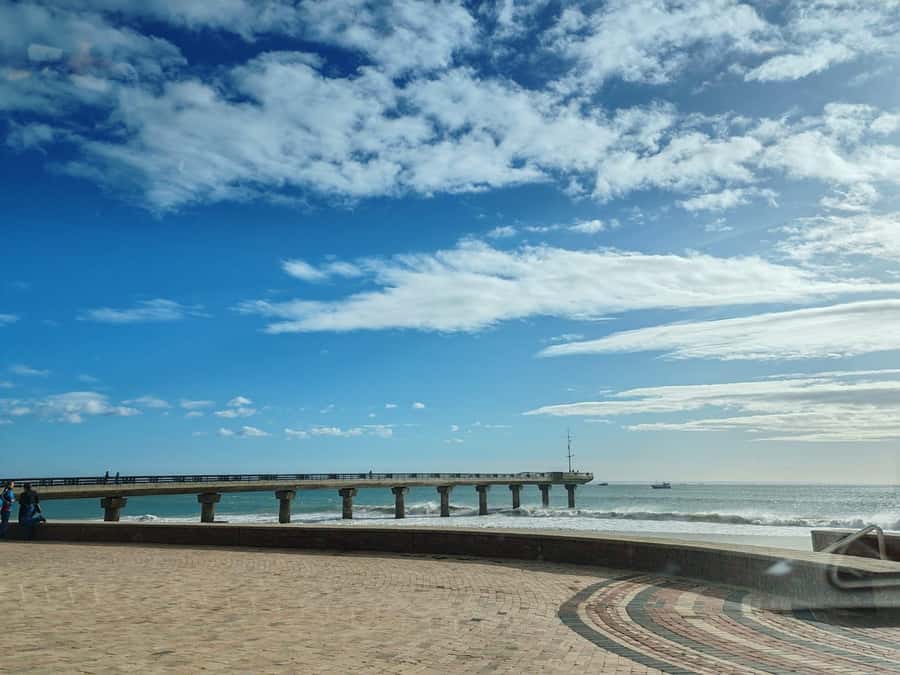
- Campanile lookout: Climb for broad views across Gqeberha and the harbor, a useful way to understand the city at the start.
- Route 67 at Donkin Reserve: See 67 public artworks linked to Nelson Mandela’s 67 years of public service, along with the lighthouse and pyramid.
- A compact history lesson: Fort Frederick, 7 Castle Hill, and the City Hall cover military, settler, civic, and colonial-era stories.
- South End Museum: Learn how apartheid displaced a once-mixed community, giving the tour an important human dimension.
- Small-group format: With no more than six participants, the guide can respond to questions and possibly tailor the route.
- Two hours, many stops: You get wide coverage, but some locations will be brief visits rather than full museum sessions.
Starting high at the Campanile
The Campanile is a smart first stop because it gives you a visual introduction to Gqeberha before the history becomes more detailed. From the top, you can look across the city and harbor, helping you connect the separate places on the route.
The attraction is included in the $59 price, so there is no extra admission to budget for here. Bring your camera, but also take a moment to simply get your bearings. A city view is useful on a short tour because it turns a list of names into a place you can picture.
The Campanile does involve a climb, so comfortable footwear matters. The tour is wheelchair accessible overall, but the practical details of reaching the tower viewpoint are not specified, so you should confirm access arrangements if this is important for your visit.
A few more in South Africa
- Cape Town Hop-On Hop-Off City Tour with Optional Cruise
★ 4.5 · 1,793 reviews - Cape Town: 12-Minute City Scenic Helicopter Tour
★ 4.8 · 853 reviews - Johannesburg Hop-On Hop-Off City Tour with Soweto Option
★ 4.5 · 768 reviews
Donkin Reserve and Route 67
Donkin Reserve is the tour’s most visually distinctive stop. Here you see the historic lighthouse and pyramid, two landmarks that give the area a strong sense of place.
The reserve is also home to Route 67, an outdoor art project connected to Nelson Mandela’s 67 years of public service. This is more than a quick photo stop. The artwork gives you a way to think about South Africa’s move toward democracy through public art rather than only through dates and speeches.
I like this part of the route because it joins several subjects in one setting: local history, political change, sculpture, and civic space. The guide can add meaning that you might miss while walking through alone, especially if you want to understand how Nelson Mandela is remembered in the city.
Allow for sun exposure here. A hat, sunscreen, and weather-appropriate clothing are sensible, especially since the tour includes outdoor walking. The supplied information does not promise a particular amount of free time at the reserve, so expect a guided look rather than an unhurried afternoon.
Fort Frederick and the story of 1799
Fort Frederick takes you back to the British military presence in the area. Built in 1799, the fort offers a different kind of history from Route 67. Its value is in showing how strategic concerns shaped the early colonial town.
The stop is included, and the fort adds physical context to the guide’s explanation. Old defensive sites can be easier to understand when you are standing among their walls rather than reading a paragraph in a museum.
Do not expect the entire tour to linger at one fort. With a two-hour schedule and many further stops, this part will likely be concise. That is not a flaw if your goal is orientation, but history fans who want extensive time at each site may prefer to return independently.
7 Castle Hill and colonial-era life
At 7 Castle Hill, the focus shifts from military history to domestic life. It is described as one of the oldest settler homes in South Africa and now operates as a museum showing aspects of colonial-era living.
This is a useful change of scale. Fort Frederick explains public defense, while 7 Castle Hill helps you picture how people lived in the settlement. Together, the two stops give the early colonial story more shape.
The admission is included, which adds value to the tour. Still, the two-hour schedule means you should think of 7 Castle Hill as an introduction. If rooms, household objects, or settlement history interest you most, note the place so you can decide if it deserves a longer return visit.
Something quite different:
- Wine Tour: Paarl, Franschhoek & Stellenbosch incl 3 wineries
★ 5.0 · 3,940 reviews - Cape Town: Hop-On Hop-Off Bus Tour with Optional Cruise
★ 4.8 · 3,929 reviews - Cape Town: Cape of Good Hope & Penguins Day Tour with Pickup
★ 4.7 · 3,362 reviews - Zipline Cape Town – From Foot of Table Mountain Reserve
★ 5.0 · 3,179 reviews
Wozani Arts Gallery and local craft
The Wozani Arts Gallery brings African art, beadwork, and handmade pieces into the route. This stop adds creative work and contemporary local expression after several heritage sites.
I appreciate the variety. A city tour made only of forts and old buildings can feel one-sided, while the gallery shows that Gqeberha’s identity is not limited to its colonial past. Beadwork and handcrafted objects can also make the cultural material more immediate than a formal historical display.
The information provided does not specify how much time is set aside for browsing or purchasing. You should bring a credit card and cash if you may want to buy something, but personal expenses are not part of the tour price. Keep your belongings secure, as advised, and treat any shopping as optional rather than expected.
South End Museum and the cost of apartheid
The South End Museum is likely to be the most emotionally serious stop. It tells the story of a once-thriving multicultural community that was displaced during apartheid.
This is essential context for understanding South Africa beyond monuments and scenic views. The museum connects national policy with the lives of ordinary residents, showing how forced removal changed a neighborhood and its people. I value this inclusion because it keeps the tour from presenting the city as only a pleasant collection of old buildings.
You may find this stop more reflective than the others. Give yourself room to listen and ask questions. Since the complete route is compressed into two hours, the museum visit may be an overview, but even a short introduction can help you see later city sights with sharper awareness.
Art at the Nelson Mandela Metropolitan Art Museum
The Nelson Mandela Metropolitan Art Museum adds another layer to the cultural side of the tour. Its collection includes contemporary and traditional South African works, making it a good counterpoint to the public art at Donkin Reserve and the objects at Wozani Arts Gallery.
I like the contrast between these venues. Route 67 places art outdoors in a civic setting, Wozani focuses on African art and craft, and the museum offers a more formal gallery setting. In a short route, that range helps you see how local culture is presented in different ways.
The tour does not specify which works will be shown or how long the gallery visit lasts. Art lovers should treat this as a useful sample, not a complete museum visit. If a particular collection catches your attention, write down the name and consider returning with more time.
City Hall and the Feather Market Centre
The City Hall provides a look at Gqeberha’s civic past through a grand Victorian-era building. It is a fitting stop because city halls often reveal how local government and public life were organized during the colonial period.
The Feather Market Centre carries the story into commerce and entertainment. It was once linked to the ostrich feather trade and is now used for concerts and cultural events. That change of purpose gives you a compact example of how historic buildings can remain part of city life instead of becoming frozen museum pieces.
These final stops widen the tour’s focus again. You move from politics and art to government, trade, and performance. The drawback is simple: with ten named attractions in a two-hour period, you may spend more time seeing the outside or receiving a short explanation than exploring every interior in detail.
What $59 includes, and what it does not
At $59 per person, this tour makes the most sense if you place a value on structure and interpretation. The price includes a live English-speaking guide and admission to the Campanile, Donkin Reserve, Fort Frederick, 7 Castle Hill, Wozani Arts Gallery, South End Museum, Nelson Mandela Metropolitan Art Museum, City Hall, and Feather Market Centre.
Paying one fee also saves you from sorting out each admission separately. More important, the guide connects the stops. Without that thread, the Campanile, Route 67, Fort Frederick, and South End Museum could feel like unrelated points on a map.
Meals and drinks are not included, and neither are personal expenses. Bring water and any snacks you need, though the tour information does not state whether refreshments are provided. A charged smartphone, camera, sunscreen, hat, and some cash or a credit card are sensible items to carry.
Two hours, six people, and a quick pace
The small group size is one of the better features here. A maximum of six participants is small enough for questions, and the guide has a better chance of adapting explanations to the group’s interests.
That flexibility mattered on a tour led by Chesley. One participant described receiving a tailored route and extra entry to the Cricket Ground, along with plenty of information about Port Elizabeth and daily life in the city. That is the strongest indication of what a good guide can add: not only facts about monuments, but a clearer sense of the place as a home.
Still, you should not assume every group will receive the exact same extra stop. The Cricket Ground was an added feature on that particular outing, not a stated part of the standard route.
The two-hour duration is both the attraction and the limitation. It is easy to fit into a port call, a free morning, or the first day of a longer Eastern Cape visit. You get a broad overview without giving up half a day.
The tradeoff is that the schedule is tight. Moderate walking, multiple admissions, and several outdoor sites leave little room for lingering. If your ideal tour includes long museum visits, relaxed photography, or frequent café breaks, this format may feel rushed.
Practical preparation for the route
Wear comfortable walking shoes. The tour includes a tower, historic sites, museums, galleries, and outdoor areas, so you should expect to move between different settings rather than sit in a vehicle or at one venue.
Sun protection is important. Bring a hat and sunscreen, check the weather before setting out, and dress for the conditions. A camera is allowed for personal use, and a charged smartphone can help you keep notes, take photos, or check your plans afterward.
Keep personal belongings secure. Bring your passport, as requested in the preparation advice, though no specific point during the tour is identified as requiring it. Cash and a credit card cover personal purchases, while meals and drinks remain your responsibility.
The tour is wheelchair accessible. Because the route includes the Campanile and several historic buildings, ask for practical access details before booking if you need information about tower entry, paths, or interiors.
You can cancel up to 24 hours in advance for a full refund, and the reserve-now, pay-later option helps if your South Africa plans are still shifting. Starting times vary, so check availability for the date you want.
Who will get the most from this city tour
I would choose this tour if I had only a short time in Gqeberha and wanted a guided introduction rather than a single specialist attraction. It suits first-time visitors, people interested in South African political history, and anyone who wants both heritage sites and art.
It is also a good fit if you prefer a small group. A group capped at six feels more manageable than a large bus outing, and Chesley’s reported willingness to tailor the tour suggests that questions may shape the experience.
Families and mixed-interest groups may also appreciate the range. One person can focus on military history, another on art, and another on Nelson Mandela’s legacy. The route changes subject often enough to keep the two hours moving.
I would be more cautious if you need a slow, highly detailed museum visit or have limited mobility that makes climbing and moderate walking difficult. The tour is wheelchair accessible, but the exact access arrangements at each stop are not provided. Ask before booking rather than guessing.
Should you book the Gqeberha guided city tour?
Book it if you want wide coverage in two hours, included admissions, and a small group with an English-speaking guide. The combination of Campanile views, Route 67, Fort Frederick, South End Museum, and local art gives you a well-rounded first picture of Nelson Mandela Bay.
The tour is especially useful at the beginning of your stay. It can help you decide which places deserve a longer return visit, while the guide’s local perspective may give the city more meaning than a self-guided checklist.
Skip it if you want to explore each museum at length or dislike a brisk schedule. At $59, the value comes from the number of stops and the guide’s interpretation, not from extended time inside any one attraction. For a compact, thoughtful introduction, I think it is a sensible choice.
FAQ
Where does this guided tour take place?
The tour takes place in Nelson Mandela Bay, covering central Gqeberha, also known as Port Elizabeth, in South Africa’s Eastern Cape.
How long does the tour last?
The tour lasts two hours.
What language is the tour conducted in?
The live tour guide speaks English.
How many people can join the group?
The tour is limited to six participants.
Is the tour wheelchair accessible?
Yes, the activity is described as wheelchair accessible. Exact access details for individual sites are not provided.
What admissions are included?
Admission is included for the Campanile, Donkin Reserve, Fort Frederick, 7 Castle Hill, Wozani Arts Gallery, South End Museum, Nelson Mandela Metropolitan Art Museum, City Hall, and Feather Market Centre.
Are meals and drinks included?
No. Meals and drinks are not included.
What should I bring?
Bring your passport, comfortable shoes, a hat, camera, credit card, sunscreen, comfortable clothing, cash, and a charged smartphone.
Can I cancel for a refund?
Yes. You can cancel up to 24 hours in advance for a full refund.
Just added in South Africa
- Pretoria Capital City Tour Experience★ 5.0 · 24 reviews
- 4 Day Kruger National Park Tour★ 5.0 · 30 reviews
- Johannesburg e-scooter experience★ 5.0 · 38 reviews
- Johannesburg Street Art & Museum Walking or E-scooter Tour★ 4.5 · 10 reviews
- Big 5 Safari Experience at Pilanesberg National Park★ 5.0 · 16 reviews
- Arrival Private Transfer: Tambo Airport JNB to Johannesburg in Business Car★ 4.0 · 5 reviews
- Drakensberg Mountains. Tugela Gorge and Amphitheater Hike★ 5.0 · 7 reviews
- Apartheid Museum Tour from Johannesburg★ 4.5 · 14 reviews
City Tours, compared.
Cape Town Hop-On Hop-Off City Tour with Optional Cruise
Read our review →
Jo’berg in 1 Day: Soweto, Apartheid Museum & City Tour
Read our review →
Cape Town City Pass: Save Over 50% on 80+ Top Attractions
Read our review →
Hop-On Hop-Off Bus, City Tour and Apartheid Museum
Read our review →

From Sun City: Pilanesberg National Park 3-Hour Game Drive
Read our review →
Browse the lists this tour appears in