
REVIEW · KRUGER NATIONAL PARK SAFARIS
Half-Day Kruger Park Safari | Pickup & Drop-off Marloth Park
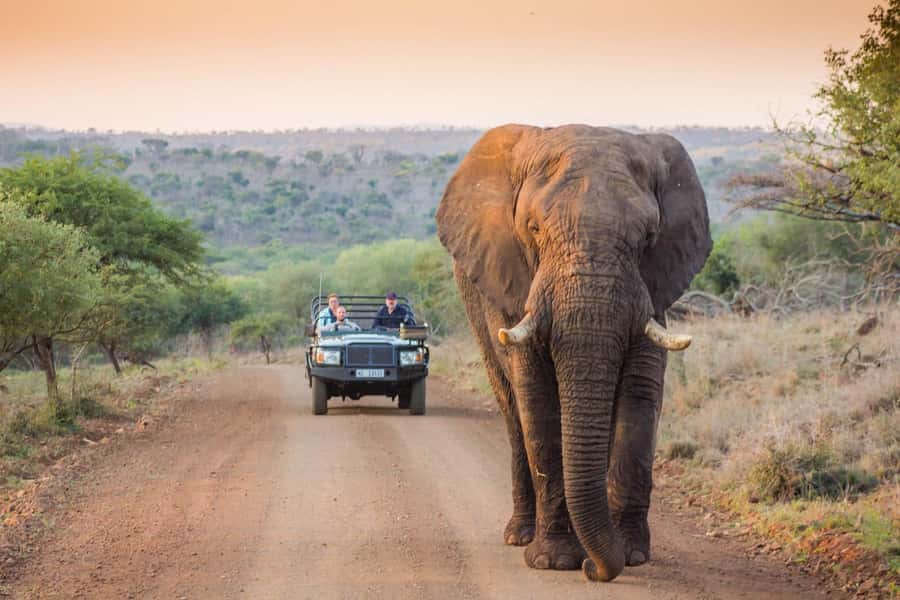
Kruger rewards patience and sharp eyes. This six-hour safari gives you a focused way to enter Kruger National Park, with hotel pickup, a small group, and a FGASA Level 3 guide who has 23 years of field experience. You get about 4.5 hours of wildlife viewing, plus time at a main rest camp for coffee and a stretch.
I like the easy pickup from Marloth Park or Malelane, and I like the limited group size of nine people. The open safari vehicle should also give you better views and more useful photography angles than a closed vehicle. The main drawback is that the listed price of $109 per person does not include the possible Kruger conservation fee, and a half-day drive can feel brief if you want a full safari day.
- 23 years of guiding experience: Your guide brings extensive field time and practical tracking skills.
- About 4.5 hours in the park: The six-hour outing includes transport and a rest camp stop.
- Small group of up to nine: A modest group makes it easier to hear the guide and share viewing space.
- Marloth Park or Malelane pickup: Hotel or lodge collection removes the need to arrange your own park transport.
- Sunrise or sunset options: The timing can suit wildlife activity and the light for photographs.
- Big Five possibility, not a promise: You may see lion, leopard, elephant, rhino, and buffalo, but wild animals follow their own schedules.
In This Review
- Why This Half-Day Safari Works
- Pickup From Marloth Park or Malelane
- Entering Kruger in an Open Safari Vehicle
- The Main Game Drive: Reading the Bush
- The Rest Camp Stop Adds Needed Breathing Room
- Sunrise or Sunset: Choosing the Better Start
- Is $109 Good Value?
- What to Bring for a Comfortable Drive
- Who Should Book This Safari?
- Booking Details and Final Verdict
- FAQ
- How long does the safari last?
- How much time is spent viewing wildlife?
- Where is pickup available?
- What type of vehicle is used?
- How large is the group?
- Which languages are available?
- Is the Kruger conservation fee included?
- Can I choose a sunrise or sunset drive?
- What should I bring?
- Who cannot join the safari?
Why This Half-Day Safari Works
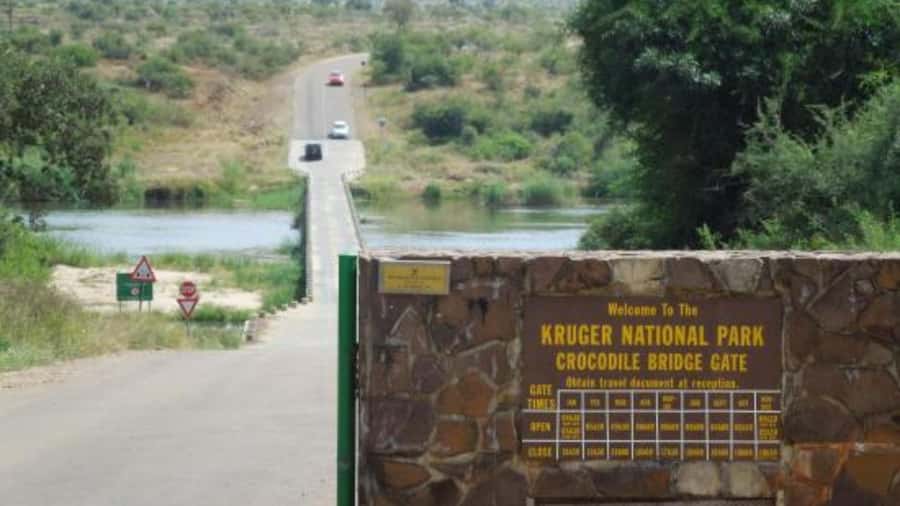
Kruger National Park is too large to treat like a quick sightseeing stop. You can spend hours driving through its bushveld and see little, then find a herd of elephants around the next bend. A good guide matters because animal sightings depend on tracks, habitat, recent reports, time of day, and plain luck.
This outing is built around that reality. You are not simply being driven through the park with a camera pointed outward. The guide is expected to explain animal behavior, tracking, conservation, and the details that are easy to miss when you look only for large animals.
The guide’s FGASA Level 3 qualification is a useful sign of professional training, while the stated 23 years of experience and more than 24,000 hours on foot in a dangerous game environment suggest serious time in the bush. That does not guarantee a leopard sighting, but it should improve the quality of what you learn and the way the drive is handled.
The strongest praise in the available feedback focuses on two things: the guide’s ability to locate animal areas and the close encounters that followed. One German visitor specifically highlighted strong knowledge of animal spots and direct driving toward them. Another described the driver as friendly and competent, noting that everything was seen except the leopard. That is a good reminder of how safari works: even an excellent drive cannot order a leopard onto the road.
Pickup From Marloth Park or Malelane
The tour includes pickup and drop-off at your hotel or lodge in Marloth Park or Malelane. This is a real advantage if you are staying nearby and do not want to manage a rental car, park entry, and an early start on your own.
Pickup takes place in an open safari vehicle, so you begin the outing in the same type of vehicle used for game viewing. You should confirm your exact pickup point and time when booking, particularly if you are staying outside the main parts of Marloth Park or in Malelane. The general information lists both areas, while the activity details place particular emphasis on Marloth Park, so a quick confirmation is sensible if you are in Malelane.
The drive from your accommodation to the park is part of the six-hour schedule. That means the full duration is not six hours of continuous animal viewing. The listed wildlife-viewing time is about 4.5 hours, with the remaining time covering pickup, entry, driving between areas, and the rest camp stop.
That distinction matters. If you want a short, manageable safari between other plans, this timing is practical. If your main goal is to maximize the number of hours inside Kruger, a full-day drive may be a better fit.
More Safaris in Mpumalanga
- Kruger National Park Full Day Private safari
★ 5.0 · 799 reviews - Kruger National Park – Private full day Safari trip.
★ 5.0 · 347 reviews - From Hazyview: Kruger National Park Full-Day Safari
★ 4.8 · 205 reviews
Entering Kruger in an Open Safari Vehicle
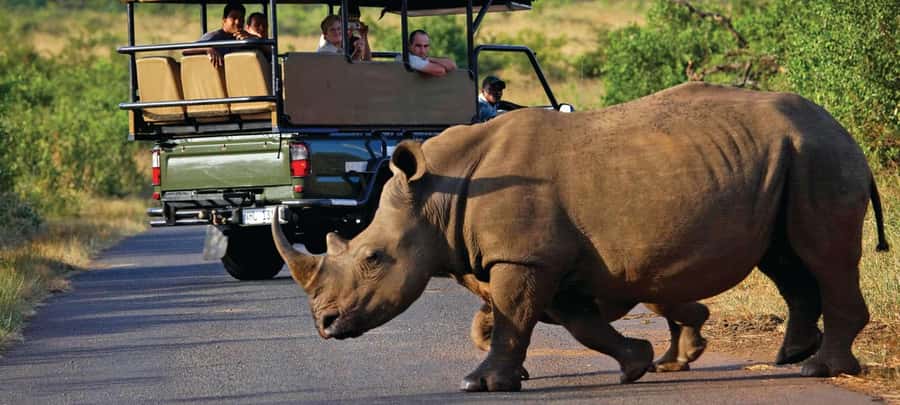
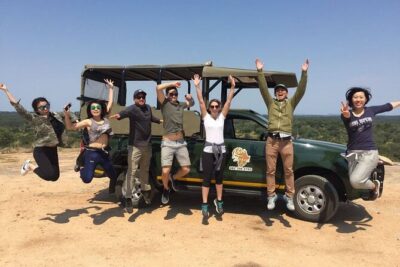
The open vehicle is designed for game viewing and comfort. It gives you a clear view above and around the sides, which is helpful when animals appear in different directions. It also makes photography easier because you are less likely to be shooting through a window.
Open vehicles have tradeoffs. You are more exposed to sun, wind, dust, and cool early-morning air. Wear comfortable clothing in layers, and bring a hat, sunscreen, water, and insect repellent. Comfortable shoes are listed as essential, even though most of the viewing takes place from the vehicle.
Smoking is not allowed. Children under six, pregnant women, and people with back problems are not considered suitable for this activity. These limits are worth taking seriously because the drive takes several hours and the vehicle may not suit everyone’s comfort needs.
The group is limited to nine participants. That is large enough to keep the price below a private safari rate, but small enough to avoid the feel of a large coach tour. The guide can speak English and Afrikaans, and a smaller group should make it easier to ask questions about tracks, animal behavior, and conservation.
The Main Game Drive: Reading the Bush
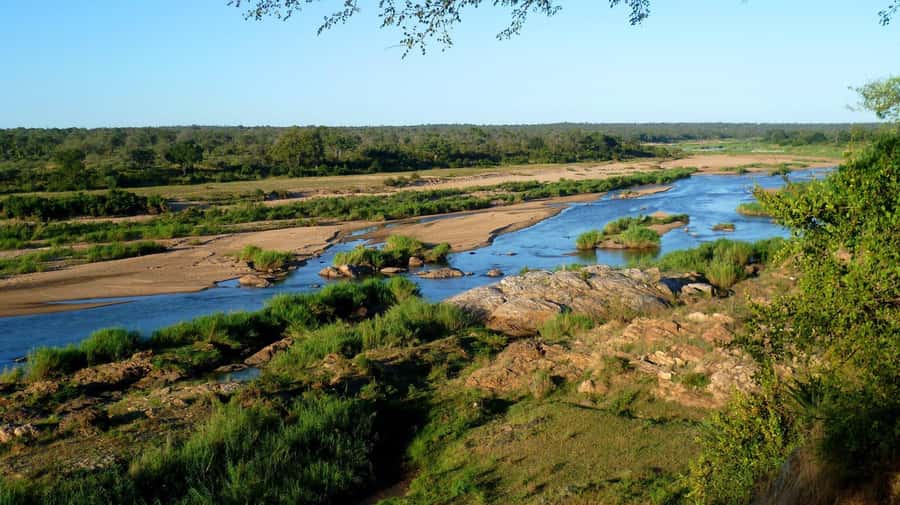
The central part of the experience is the game drive through Kruger’s changing habitats. The route may include open savannah and riverbank areas, both of which can offer different viewing opportunities. Open ground can make larger animals easier to spot, while river areas may offer thicker vegetation and a different mix of wildlife.
Your guide’s role is not only to point out animals. Tracking can include watching for movement, studying signs left on the road, noticing alarm calls, and reading the behavior of other animals. The provided information does not promise a fixed route or a set list of sightings, so you should approach the drive with curiosity rather than a checklist mentality.
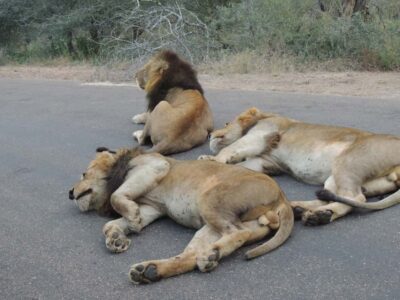
The Big Five are the headline attraction: lion, leopard, elephant, rhino, and buffalo. You have a chance to see them, but no safari operator can guarantee all five. The available feedback records four of the five, with the leopard missing. That is a very normal outcome in a large, unfenced wild area, and it shows why a promise of the Big Five should be understood as an opportunity, not a certainty.
You may also see other wildlife, though no exact species list is provided. The value of the drive lies partly in the guide’s explanations. A buffalo herd, bird, track, or distant movement becomes more interesting when you understand what it may indicate.
The guide also provides photography tips. Expect useful advice on getting the best shots of Africa’s wildlife, though you should still bring your own camera and manage expectations about lighting, distance, and sudden movement. A long lens may help, but no specific equipment is supplied.
The Rest Camp Stop Adds Needed Breathing Room
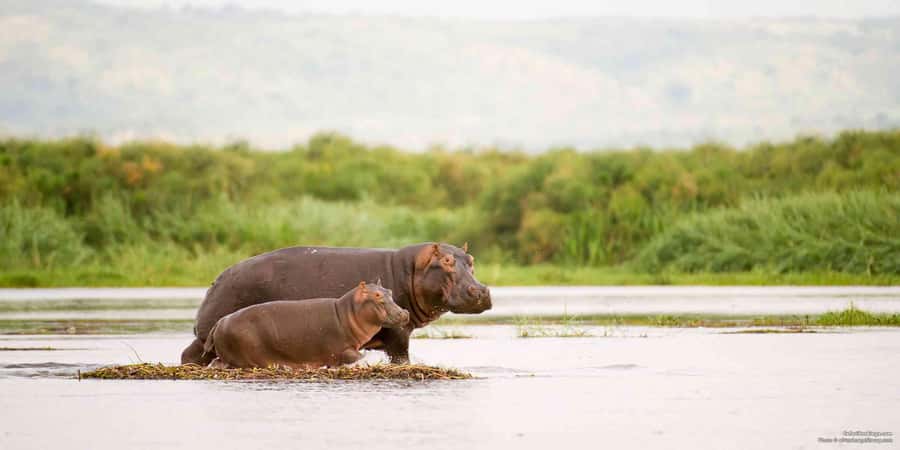
A stop at one of Kruger’s scenic main rest camps breaks up the drive. You can stretch your legs, buy a coffee or another refreshment, and take in the surroundings before returning to the vehicle.
This is a small part of the itinerary, but it improves the rhythm of a six-hour outing. Sitting in an open vehicle for several hours can be tiring, particularly in heat or on rough roads. The break also gives you a chance to reset your camera, drink water, and prepare for the second part of the drive.
The tradeoff is time. Every stop reduces the minutes available for active wildlife viewing. I see this as a reasonable exchange on a half-day trip, especially for anyone who values comfort. If you want an uninterrupted search for animals, you may prefer a longer private drive with more control over the schedule.
No particular rest camp is named, so you should not book this expecting a specific restaurant, shop, or viewpoint. The stop is best understood as a practical rest break with scenery and refreshments.
Something quite different:
- Kruger National Park sunrise Morning Private safari
★ 5.0 · 185 reviews - Hazyview: 2.5-Hour Sabie River Zip Line Experience
★ 4.8 · 160 reviews - Kruger National Park: Full-Day Private Safari With Pickup
★ 4.9 · 122 reviews - Marloth Park: Kruger National Park Safari Game Drives
★ 4.7 · 115 reviews
Sunrise or Sunset: Choosing the Better Start
The activity is offered as a sunrise or sunset game drive, with starting times dependent on availability. The choice can shape the feel of your safari.
A sunrise departure may appeal to you if you want cooler conditions and the first hours of the day in the park. A sunset departure offers late-day light and the possibility of seeing the bush change as the day cools. The information provided does not guarantee specific animal activity at either time, so choose based on your schedule, comfort, and interest in morning or evening photography.
Ask for the exact start time before you book. The total duration is six hours, but the starting time can affect your meals, other activities, and return to your accommodation. If you are planning a flight, border crossing, or another fixed appointment later that day, leave plenty of extra time.
Is $109 Good Value?
At $109 per person, the price covers a lot of practical service: pickup and drop-off, an open safari vehicle, a small group, a trained guide, about 4.5 hours of wildlife viewing, a rest camp stop, and commentary on tracking and conservation.
That is good value if you are staying in Marloth Park or Malelane and want to avoid arranging a self-drive. You are paying not just for transport but also for access to a guide who can help you interpret what you see. The small group makes the price more attractive than a private vehicle while keeping the experience more personal than a large group outing.
The extra cost to watch is the Kruger conservation fee. It is not included and varies according to nationality. The fee may be covered if you hold a SANParks WildCard. Check the current SANParks entry rates before booking, because this can change your final cost.
For a first Kruger visit, the price is easiest to justify if you value convenience and interpretation. For an experienced safari visitor who already knows the park and prefers to control the route, a self-drive could offer more freedom. You would then take responsibility for navigation, entry arrangements, timing, and wildlife spotting yourself.
What to Bring for a Comfortable Drive
The supplied packing advice is simple and sensible:
- Comfortable shoes
- A hat
- Camera
- Sunscreen
- Water
- Insect repellent
Add clothing that works in changing temperatures, especially if you choose sunrise. Keep your camera ready but do not spend the entire drive looking through a screen. Some of the best moments may be a quick movement in the grass, a distant animal, or a change in behavior that is easier to appreciate with your eyes.
Because food is not listed as included, bring water and ask about available refreshments at the rest camp. A coffee stop is provided, but the exact food and drink choices are not specified.
Who Should Book This Safari?
This outing suits you best if you are based in Marloth Park or Malelane and want a straightforward introduction to Kruger. It is also a good match if you prefer a guide to explain tracks, animal behavior, conservation, and photography rather than simply driving around on your own.
The small group size will appeal to couples, solo visitors, and families with older children. Children under six cannot join, and the activity is not suitable for pregnant women or people with back problems.
You should think twice if six hours feels too short for your safari goals. The drive includes pickup, drop-off, and a rest camp stop, leaving about 4.5 hours for wildlife viewing. That is enough for a worthwhile outing, but it is not the same as a full day in the park.
The strongest reason to choose this operator is the guide’s stated experience. The direct feedback also supports that point, with high marks for finding animal areas, competent driving, friendly service, and close sightings. The missing leopard is not a weakness in itself. It is evidence that the experience remains a real wildlife outing rather than a staged animal show.
Booking Details and Final Verdict
You can cancel up to 24 hours before departure for a full refund, and the reserve-now, pay-later option keeps your plans flexible. English and Afrikaans are available, and smoking is prohibited.
I would book this safari if I had limited time near Marloth Park or Malelane and wanted a guided Kruger experience without paying for a private vehicle. The combination of pickup, an open vehicle, a nine-person limit, and a seasoned FGASA Level 3 guide gives you a strong practical package.
I would choose a longer safari instead if my top priority were spending as many hours as possible inside the park. Before confirming, check the exact pickup location, departure time, and current conservation fee. If those details work for your schedule, this is a sensible and well-priced way to get a guided taste of Kruger, with a good chance of memorable wildlife encounters and useful bush knowledge along the way.
FAQ
How long does the safari last?
The activity lasts six hours, including pickup, drop-off, driving time, and the rest camp stop.
How much time is spent viewing wildlife?
The listed wildlife-viewing time is about 4.5 hours inside Kruger National Park.
Where is pickup available?
Pickup and drop-off are offered from hotels or lodges in Marloth Park or Malelane. Confirm the exact location if you are staying in Malelane.
What type of vehicle is used?
The safari uses an open safari vehicle designed for wildlife viewing and comfort.
How large is the group?
The group is limited to nine participants.
Which languages are available?
The live guide service is available in English and Afrikaans.
Is the Kruger conservation fee included?
No. Possible Kruger National Park conservation fees are additional and vary according to nationality. The fee may be covered if you have a SANParks WildCard.
Can I choose a sunrise or sunset drive?
The activity is offered as a sunrise or sunset game drive. Starting times depend on availability.
What should I bring?
Bring comfortable shoes, a hat, a camera, sunscreen, water, and insect repellent.
Who cannot join the safari?
The activity is not suitable for children under six, pregnant women, or people with back problems. Smoking is not allowed.
More Kruger Safaris
- Kruger National Park – Private Sunrise Half day Safari trip.
★ 5.0 · 97 reviews - Kruger National Park Full-Day Safari
★ 4.8 · 71 reviews - Kruger National Park Full-Day Safari from Hazyview
★ 5.0 · 70 reviews - Hazyview: Private Full-Day Guided Kruger Safari
★ 4.9 · 69 reviews
Just added in Mpumalanga
- Village Tour★ 5.0 · 2 reviews
- Transfer – Kruger Mpumalanga International Airport to Hazyview★ 5.0 · 3 reviews
- Kruger National Park l Private Afternoon Safari from Hazyview★ 5.0 · 8 reviews
- Private Road Transfer★ 5.0 · 25 reviews
- Evening Cultural Festival with African Cuisine Dinner.★ 4.0 · 12 reviews
- Full-Day Panorama Tour from Hazyview★ 5.0 · 7 reviews
- Panoramic Tour★ 5.0 · 2 reviews
- Panorama Route Guided Day Tour & Gorge Lift from Hazyview★ 5.0 · 2 reviews
Kruger National Park Safaris, compared.
Kruger National Park – Private full day Safari trip.
Read our review →
Kruger National Park sunrise Morning Private safari
Read our review →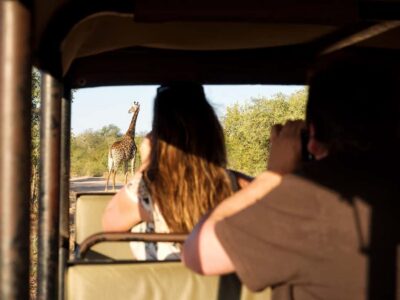
Kruger National Park: Full-Day Game Drive with Pickup
Read our review →
Kruger National Park: Full-Day Private Safari With Pickup
Read our review →
Marloth Park: Kruger National Park Safari Game Drives
Read our review →Browse the lists this tour appears in