

REVIEW · SAFARI TOURS
Isithumba Village and Phezulu safari Park Tour
Meet the Zulu people beyond the usual museum display. This eight-hour outing from Durban combines Phezulu Safari Park’s crocodiles, snakes, and drum-led dancing with a guided walk through Isithumba, a real working village. I like the mix of wildlife and living culture, and I like that the day includes time with the village Chief or Headman and a Sangoma, or traditional healer. The main consideration is the price: at $148.24 per person, this is not a cheap half-day trip, and the experience requires a moderate level of fitness.
I also like the small maximum group of 15, air-conditioned transport, bottled water, and pickup from Durban Beach. The 90-minute village walk is light rather than strenuous, but you should still expect walking outdoors and allow a full day for the trip. Clear WhatsApp communication and guide Zamani’s friendly, well-organized approach have added value for people booking with Afro Zulu Tours.
In This Review
- Key points to know before booking
- Why this Durban day trip feels different
- From Durban to the Valley of a Thousand Hills
- Phezulu Safari Park: crocodiles before culture
- Drums, dancing, and a first look at Zulu customs
- Isithumba: a village visit with a different tone
- Walking to the river and hearing its meaning
- What the $148.24 price includes
- Who will enjoy this tour most
- Booking, cancellation, and practical planning
- Should you book the Isithumba and Phezulu tour?
- FAQ
- Where does the Isithumba Village and Phezulu Safari Park Tour begin?
- How long does the tour last?
- What can I see at Phezulu Safari Park?
- Who can I meet at Isithumba Village?
- Is transportation and water included?
- What is the cancellation policy?
Key points to know before booking
- Two very different cultural stops: Phezulu offers a prepared cultural presentation, while Isithumba is a functioning village where people carry on daily life.
- Meet local cultural figures: The Isithumba visit includes time with the Chief or Headman and a Sangoma.
- A strong wildlife add-on: Phezulu’s reptile visit includes crocodiles and snakes native to the area.
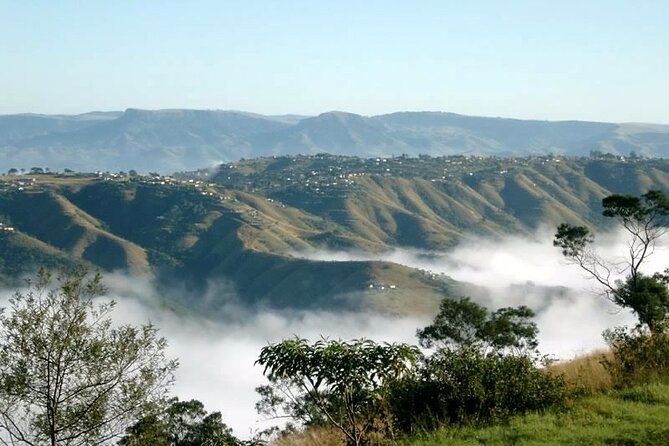
- The Valley of a Thousand Hills sets the scene: The route from Durban brings wide views and a clear sense of place before the village visit.
- A manageable walking day: The Isithumba portion lasts about 90 minutes and is described as light activity, though moderate fitness is recommended.
- Small-group transport matters: The maximum group size is 15, with an air-conditioned vehicle and bottled water included.
Why this Durban day trip feels different
Many Durban excursions focus on scenery, wildlife, or a brief performance. This one tries to connect all three with Zulu culture. You begin at Phezulu Safari Park, where the setting and staged dance presentation give you an introduction to Zulu customs. Later, at Isithumba, the tone changes. You are not entering a purpose-built cultural attraction, but a real village where people live and work.
That contrast is the chief reason I find the tour appealing. Phezulu gives you a clear introduction, with a guide explaining local customs and the area’s past. Isithumba asks you to pay attention in a quieter, more respectful way. You walk, listen, meet local people, and visit a river that carries cultural meaning.
The tour runs for about eight hours, including transport from Durban and the two stops. That makes it a substantial day, but the schedule is sensible for anyone who wants more than a quick city excursion. You get a broad introduction to Zulu life without having to arrange several separate visits.
More Safaris in Durban
- From Durban: Half-Day Safari Tour
★ 4.1 · 141 reviews - Half Day Safari Tour from Durban
★ 4.5 · 121 reviews - Hluhluwe Imfolozi Big 5 Reserve day Safari from Durban
★ 5.0 · 65 reviews
From Durban to the Valley of a Thousand Hills
The day begins at Durban Beach, where pickup is offered. From there, the air-conditioned vehicle heads inland toward the Valley of a Thousand Hills. The route is part of the experience, not just a way to fill time between stops. The changing views help you understand why the area around Durban has such a strong identity of its own.
You will spend time in the vehicle, so the air conditioning is welcome, especially on a warm South African day. Bottled water is included, which is useful because the tour includes an outdoor walk later. Coffee and tea are not included, so plan on buying your own if you need a hot drink during the day.
With a maximum of 15 people, the group should be small enough for questions and conversation without feeling like a large coach excursion. The exact atmosphere will depend on the group, but a smaller party generally makes the village visit easier to manage and gives the guide more room to explain what you are seeing.
Afro Zulu Tours has also used WhatsApp to prepare people before departure. That practical contact can help you confirm arrangements and know what to expect. Guide Zamani has been singled out for being organized, attentive, and able to keep the information interesting. If your guide is Zamani, you can expect a tour that includes explanation rather than simply moving from one stop to the next.
Phezulu Safari Park: crocodiles before culture
Phezulu Safari Park is the first major stop and takes about three hours. The visit begins with the reptile section, where you can see crocodiles and snakes found in the local area. One of the crocodiles is described as among the largest in KwaZulu-Natal, giving this part of the day a clear visual highlight.
This is not a full safari drive, so you should not book it expecting a long search for lions, elephants, or other large game. Phezulu’s wildlife appeal is focused on reptiles, especially crocodiles and indigenous snakes. For many people, that is a useful addition to the cultural visit because it introduces the natural side of the region before the human story takes center stage.
The snake display may suit you if you enjoy learning about animals that are often misunderstood. If you are uncomfortable around reptiles, this portion could feel less enjoyable. You can still gain something from the guide’s explanation of local species, but the crocodile and snake area is an important part of the stop, not a minor extra.
The setting in the Valley of a Thousand Hills adds another layer. You are not looking at animals in an isolated city exhibit. The route and location connect the visit to the wider KwaZulu-Natal region, which makes the guide’s comments about local customs and the area more useful.
Drums, dancing, and a first look at Zulu customs
Phezulu also includes a visit to a traditional Zulu home and a tribal dance performance accompanied by pounding drums. This is the most clearly arranged presentation of the day. It gives you a direct way to see elements of Zulu dress, movement, music, and ceremony within a short period.
I think this works best when you treat it as an introduction, not a complete picture of Zulu life. A performance can show you selected traditions, but it cannot explain every part of a culture. The advantage is that it gives you a lively starting point, especially if you are new to the history of the Zulu nation.
The guide plays an important role here. Without context, a dance can become a quick photo stop. With explanation, you can better understand why the music, movement, and setting matter. Guide Zamani has been praised for keeping the information engaging, which is particularly useful during a presentation where it would be easy to watch passively.
The Phezulu section lasts around three hours, so it is more than a short performance followed by a rushed departure. You have time for the reptile visit, the cultural presentation, and discussion of local history. The trade-off is that the stop has a planned, visitor-facing character. If you want only spontaneous encounters, Isithumba will likely be the more meaningful part of your day.
Something quite different:
- Durban: 30-Minute Harbor Boat Cruise
★ 4.7 · 665 reviews - Durban: 1-Hour Boat Cruise from Wilson’s Wharf
★ 4.7 · 496 reviews - Durban Point Waterfront: Luxury Canal Boat Cruise
★ 4.4 · 298 reviews - Durban: Pontoon Boat Harbor Cruise
★ 4.4 · 182 reviews
Isithumba: a village visit with a different tone
Isithumba is about 45 minutes outside Durban and feels deliberately separate from the city. The village is described as a real working community, not a display built only for visitors. People continue with their ordinary lives, while the tour group is invited to see a small part of that world.
That distinction matters. You are not simply watching a performance or walking through reconstructed homes. You are entering a place with its own residents, leaders, customs, and daily routines. The visit calls for curiosity and respect. Listen to your guide, follow local directions, and remember that this is a home and community, not just a sightseeing stop.
The Isithumba portion lasts about two hours in the schedule, with approximately 90 minutes spent walking. It is classed as light activity, but moderate fitness is still recommended. You should be comfortable walking outdoors and spending time on your feet. The information does not promise a fully accessible route, so anyone with mobility concerns should ask Afro Zulu Tours for current details before booking.
The highlight is the chance to meet the village Chief or Headman and the Sangoma, a traditional healer. These meetings give the visit a human focus. Instead of hearing only broad statements about Zulu culture, you have the opportunity to learn from people connected directly to the village.
The exact conversation will depend on the day, the group, and the local schedule. That is part of the difference between a living village and a fixed attraction. You should arrive open to a less polished, less predictable experience.
Walking to the river and hearing its meaning
The walk continues down toward the river, which has deep importance for the Zulu people. The river is connected to a traditional story about young boys meeting their future wives. That detail gives the walk a purpose beyond scenery.
I like this part because it links the physical setting to memory and custom. You are not simply being told that the area is important. You are shown a place where community traditions were tied to everyday life. A short walk can become much more memorable when the guide explains how people used the space and why it matters.
The route is described as light rather than demanding, but wear practical shoes and bring water. Bottled water is supplied, though carrying it during the walk is sensible. You should also expect the outdoor conditions to vary, since the visit takes place in a village and along a river rather than inside a controlled museum.
This is probably the portion that will appeal most to anyone seeking a more personal cultural experience. It is also where good conduct matters most. Ask before taking photographs, give people space, and let your guide explain when a moment calls for quiet attention.
What the $148.24 price includes
At $148.24 per person, the tour costs more than a simple transfer to a nearby attraction. You are paying for a full-day outing, transport from Durban, a guide, two distinct destinations, cultural interpretation, and a small-group format. The air-conditioned vehicle is especially useful because the day includes a fair amount of driving.
The value depends on what you want from a tour. If your priority is the lowest possible price or a single attraction, this may feel expensive. If you would otherwise need to arrange transport, entry visits, and a village experience separately, the package becomes easier to justify.
Admission tickets for the scheduled stops are listed as included in the experience, while bottled water is supplied. Coffee and tea are not included. Group discounts may be available, so the cost can make more sense for families or friends booking together.
The strongest value comes from the combination of planned and personal elements. Phezulu gives the day structure and a reliable introduction to reptiles and dance. Isithumba provides the less common opportunity to meet village leaders and walk to a culturally important river. Those two halves keep the outing from feeling repetitive.
Who will enjoy this tour most
I would recommend this trip to you if you want to understand more about Zulu culture while staying close enough to Durban for a day outing. It suits first-time visitors who need context, as well as people who have already seen the city and want to explore beyond the beachfront.
It is a good choice for people who enjoy guided conversation, local history, and meeting community figures. The dance performance gives younger visitors something lively to watch, while the crocodiles and snakes add variety for anyone who might not want a culture-only tour.
You may want to choose another activity if you dislike reptiles, do not enjoy organized performances, or prefer a completely private and unstructured visit. The tour also may not suit anyone who cannot manage an outdoor walk of roughly 90 minutes. The group limit of 15 is helpful, but this is still a shared experience rather than a private custom itinerary.
The day also suits visitors interested in the historical figure of Shaka Zulu and the wider story of the Zulu nation. One person booked the tour after growing up watching programs about Shaka during Black History Month in the United States. That connection suggests how useful the outing can be when you already have a general interest and want to place familiar stories in a South African setting.
Booking, cancellation, and practical planning
Confirmation is provided at the time of booking. Free cancellation is available if you cancel at least 24 hours before the start time. Cancellations made within 24 hours are not refunded, and changes during that period are not accepted.
The tour requires a minimum number of participants. If that minimum is not reached and the experience is canceled, you will be offered another date or experience, or a full refund.
Pickup and return take place at Durban Beach, Durban, 4001. The activity ends back at the same meeting point, which makes planning before or after the excursion simpler. Give yourself enough time around the stated departure because this is a full eight-hour commitment, not a flexible drop-in attraction.
A moderate fitness level is recommended. Wear comfortable clothing and shoes suitable for walking, and use the supplied water during the outdoor portion. Since coffee and tea are excluded, bring money if a hot drink matters to you.
Should you book the Isithumba and Phezulu tour?
Book it if you want a full day that combines crocodiles, snakes, music, local history, and contact with a real Zulu community. The strongest part is the contrast between Phezulu’s prepared presentation and Isithumba’s everyday village setting. Meeting the Chief or Headman and Sangoma, then walking to the river, gives the second half a personal quality that a standard cultural show cannot provide.
Think twice if $148.24 is beyond your budget, if you want a wildlife safari with many animal species, or if a 90-minute outdoor walk is difficult for you. For everyone else, the small group, air-conditioned transport, bottled water, and careful guidance from a company such as Afro Zulu Tours make this a useful and substantial day trip from Durban.
FAQ
Where does the Isithumba Village and Phezulu Safari Park Tour begin?
The tour begins at Durban Beach in Durban, South Africa. The activity also ends back at the same meeting point.
How long does the tour last?
The full experience lasts approximately eight hours. The Phezulu Safari Park visit takes about three hours, while the Isithumba portion is scheduled for about two hours, including a walking tour of roughly 90 minutes.
What can I see at Phezulu Safari Park?
You can visit a crocodile farm, see one of the largest crocodiles in KwaZulu-Natal, and view snakes indigenous to the area. The stop also includes a visit to a traditional Zulu home and a tribal dance performance with drums.
Who can I meet at Isithumba Village?
The visit includes an opportunity to meet the village Chief or Headman and a Sangoma, or traditional healer. You will also walk toward the river, a place of importance in Zulu tradition.
Is transportation and water included?
Yes. The tour includes an air-conditioned vehicle and bottled water. Coffee and tea are not included.
What is the cancellation policy?
You can cancel at least 24 hours before the start time for a full refund. Cancellations or changes made less than 24 hours before the start time are not accepted for a refund.
Just added in Durban
- Zulu Cultural Experience – Tour to the village of iSithumba and PheZulu★ 5.0 · 4 reviews
- Zululand 5 Day Private Safari from Durban★ 5.0 · 4 reviews
- Zulu Oracle & Herbalist Experience Day Tour★ 5.0 · 2 reviews
- Valley of a Thousand Hills – Durban★ 5.0 · 3 reviews
- Drakensberg, Nelson Mandela Capture S & Howick Falls – 2 Day Tour from Durban★ 5.0 · 3 reviews
- Garden Route Durban to Cape Town via Addo National Park – 7 Days★ 5.0 · 15 reviews
- Durban: Go on Safari at 2 Game Reserves (Hluhluwe-Imfolozi) Pro Zeiss Binoculars★ 5.0 · 2 reviews
- Hluhluwe Imfolozi Game Reserve & Phezulu Safari Park from Durban★ 5.0 · 4 reviews
Safari Tours, compared.
Addo Elephant National Park All Inclusive Full-Day Safari
Read our review →
Full Day Ultimate Pilanesberg National Park Safari from Johannesburg or Pretoria
Read our review →
Little Brak River: Botlierskop Guided Game Drive
Read our review →Browse the lists this tour appears in