
REVIEW · WILDLIFE
Jukani Wildlife Sanctuary Admission with Guided Tour
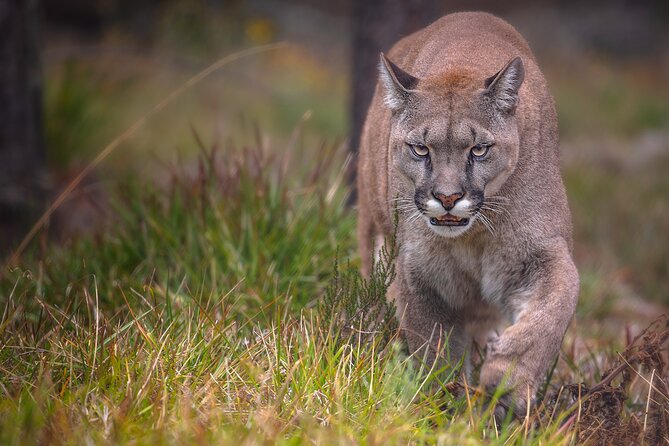
Big cats are the main event here. At Jukani Wildlife Sanctuary in the Western Cape, you walk through large enclosures to see lions, tigers, leopards, jaguars, cheetahs, pumas, and other rescued animals. The 90-minute guided walk is much more than a quick look at captive wildlife. Your guide explains animal behavior, biology, rescue backgrounds, and the difficult question of why some animals cannot return to the wild.
I like the small group limit of 16 people, which makes it easier to hear the guide and ask questions. I also like that your entrance is prepaid, so you can avoid the ticket-buying queue and get on with the visit. The main drawback is timing: visit during the heat of the day and many cats may be resting in shade or inside shelters, leaving you with fewer good sightings.
The sanctuary is near The Crags, a short drive from the Plettenberg Bay area, and the tour ends where it begins. It costs about $24.73 per person, with several tour times offered through the day. That is fair value if you want a guided introduction to rescued big cats, but it may feel brief if you expect a full-day wildlife park.
In This Review
- What makes this tour worth your time
- Arriving at Jukani in The Crags
- A 90-minute walk among rescued predators
- The guide is the heart of the visit
- Timing your visit for better animal sightings
- Photography, fences, and viewing decks
- How the $24.73 price works for you
- Is it suitable for children?
- Practical details before you book
- The ethical question behind the close-up views
- Who should book the Jukani guided tour?
- FAQ
- How long does the Jukani Wildlife Sanctuary tour last?
- What animals can I see at Jukani Wildlife Sanctuary?
- Is admission included in the tour price?
- How large is each tour group?
- Is transportation included?
- What language is the tour conducted in?
- Can children join the tour?
- What happens if I need to cancel?
What makes this tour worth your time
- See lions, tigers, leopards, and jaguars in one walk: Jukani focuses heavily on large predators, with viewing areas designed around individual animals.
- Small groups make the guide count: With no more than 16 people, you have a realistic chance to ask about behavior, rescue work, and conservation.
- Late afternoon usually gives you a better chance of activity: Hot midday conditions can send animals into shade, while later visits may line up with feeding time.
- Rescue stories add weight to the visit: Many animals came from facilities or private situations that could no longer care for them.
- Good photo access, with one catch: Viewing decks can offer close views, but fences may require manual focus.
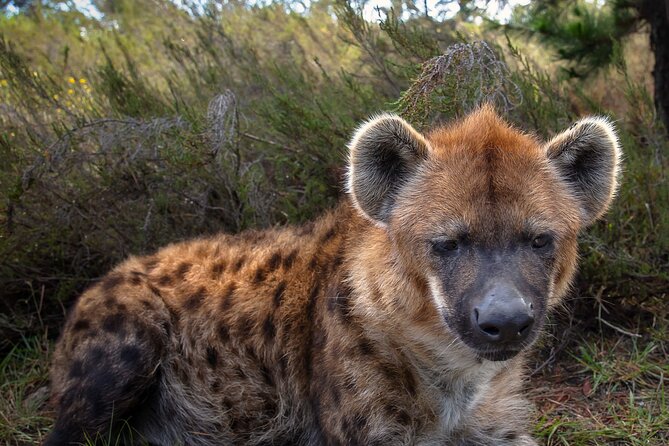
- More than big cats: The route also includes honey badgers, raccoons, caracals, zebras, springbok, spotted hyenas, and other animals.
Arriving at Jukani in The Crags
Jukani Wildlife Sanctuary is located at N2, The Crags, 6600, South Africa. You need to arrange your own transport because transfers to and from the sanctuary are not part of the admission and guided tour.
At reception, you will be asked to sign an indemnity form before joining the walk. That is a routine step, but allow enough time to arrive, check in, and be ready for the scheduled tour rather than pulling in at the last second.
The prepaid ticket is useful here. You do not have to spend part of your visit sorting out admission, and several starting times are offered throughout the day. If your schedule is flexible, I would choose the later afternoon rather than simply accepting the first available slot.
The property is designed for walking, so wear comfortable shoes and dress for the weather. The tour operates in all conditions. On a hot day, an umbrella, hat, water, and sun protection will make the open sections much easier. Food and drinks are not included in the tour price.
A few more in Plettenberg Bay
- Plettenberg Bay: Swim with Seals
★ 4.7 · 887 reviews - Knysna Ziplines Tour
★ 5.0 · 688 reviews - Standard Canyoning Trip in The Crags, South Africa
★ 5.0 · 381 reviews
A 90-minute walk among rescued predators
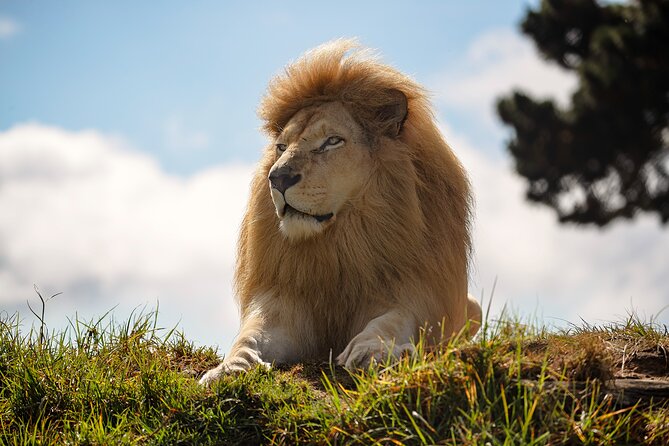
The central experience is a guided walking safari through Jukani’s enclosures. The animals are described as being at their forever home because they cannot simply be released into the wild. Some have been rescued or rehomed from places that could no longer care for them. Others have been humanized, domesticated, or mistreated, making a return to wild conditions unsafe or impossible.
That context matters. You are not visiting a reserve where healthy wild animals roam freely and sightings are a matter of luck. You are visiting a sanctuary built around animals that need permanent care. The enclosures are intended to provide room and surroundings suited to each animal’s needs, and the guide helps explain why a particular cat lives there.
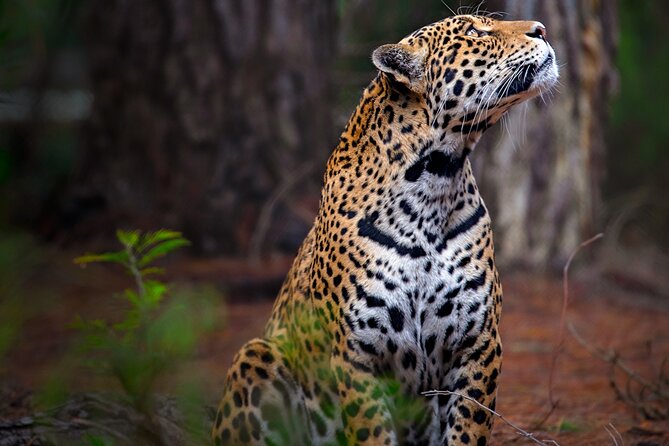
The route centers on the big cats of the world. Expect to look for lions, tigers, leopards, and jaguars, along with cheetahs and pumas. Each species gives the walk a different feel. Lions may draw attention through their size and social behavior. Tigers and jaguars can be harder to predict, while cheetahs and pumas show why speed and agility are not the same thing.
You may also see caracals, spotted hyenas, honey badgers, raccoons, zebras, and springbok. That wider mix keeps the tour from becoming a single parade of cat enclosures. Still, set your expectations correctly: Jukani is primarily a big-cat experience, not a traditional safari where you drive through open country looking for every kind of African wildlife.
The guide is the heart of the visit
The guide does more than point toward an animal behind a fence. The tour includes explanations of biology, behavior, and conservation status, along with the stories behind the sanctuary and its residents.
This is where the small group helps. A maximum of 16 people is modest enough that you should be able to hear the commentary without standing shoulder to shoulder at every stop. You can also ask questions instead of simply following a crowd from one enclosure to the next.
Several guides have earned especially warm praise for their enthusiasm and teaching style. Xola is described as welcoming and deeply informed, with a clear pride in the work. Elvis has been praised for helping people locate each animal and keep children interested. Riko is noted for being friendly and well informed, while Bazil received approval for making the cats easy to view and photograph.
The names matter less than the pattern: the guide can make this visit either a useful lesson or a simple walk past cages. At its best, the commentary helps you understand the difference between rescue, rehabilitation, and release. It also gives you a better basis for thinking about zoos, private ownership, and the ethics of keeping wild animals under human care.
Timing your visit for better animal sightings
Timing may be the biggest practical factor in your enjoyment. Big cats are not performers waiting for the next show. In hot weather, they may sleep, retreat into shade, or remain in shelters. A late morning visit can therefore produce disappointing views, even when the facility itself is well maintained.
I would aim for the late afternoon if you can. Some visitors have been advised to arrive around 3 p.m., with feeding taking place at roughly 3:30 to 4 p.m. Feeding is not presented as a guaranteed part of every booking, so treat this as a useful timing tip rather than a promised show.
The benefit of a later visit is simple: cooler conditions may encourage more movement, and you have a better chance of seeing animals awake and near the viewing areas. It can also make photography easier than standing in strong midday sun.
There is no guarantee, of course. A sanctuary cannot make an animal perform on schedule, and the cats may still choose a quiet corner. That is part of the bargain. You are seeing animals on their terms, within a managed home, not attending a staged wildlife display.
Something quite different:
- Plettenberg Bay: Whale Watching Boat Cruise
★ 4.4 · 362 reviews - Plettenberg Bay: Canyoning Trip
★ 4.9 · 353 reviews - Plettenberg Bay Game Reserve: 2-Hour Game Drive
★ 4.2 · 267 reviews - Short Canyoning Trip in The Crags
★ 5.0 · 221 reviews
Photography, fences, and viewing decks
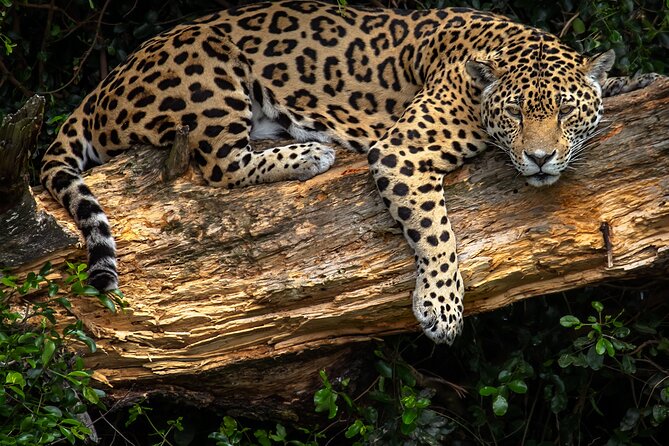
Jukani can be rewarding for photographers. The cats may come close to the viewing areas, and the property includes viewing decks that can offer cleaner sightlines than a basic fence-level stop.
There is one technical catch. Fences can confuse autofocus, especially when your camera locks onto the wire instead of the animal. One practical tip is to use manual focus when possible. You may also need patience and a clear angle rather than expecting every photograph to be fence-free.
The best images will depend on animal position, light, and timing. On a hot day, you may find a sleeping cat in shade rather than a dramatic portrait in full sun. That is not a failure of the tour, but it is worth knowing if photography is your main reason for going.
You should also remember that close views are not the same as contact. This is a viewing experience, not an animal-interaction program. The appeal comes from seeing the animals at close range while keeping a proper barrier between you and them.
How the $24.73 price works for you
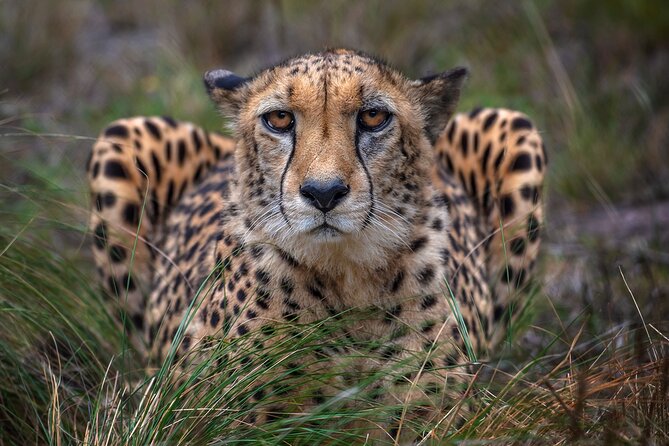
At about $24.73 per person, the tour is reasonably priced for a 90-minute guided visit that includes admission. The prepaid entry saves a little time, and the guide adds value that you would not receive from simply walking around on your own.
I see the price as good value for three types of visitors. First, it suits anyone who wants a focused introduction to big cats. Second, it works well for families who want a structured activity lasting about an hour and a half. Third, it is useful for photographers who want repeated chances to frame large cats from viewing areas.
The value is weaker if you expect a full-day attraction or a classic safari. The tour is relatively short, and one poor timing choice can mean many resting animals. You also pay separately for transportation, and food and drinks are not included.
For most people, the guide is what justifies the admission. Without the commentary, the experience might be a quick walk through a collection of enclosures. With a strong guide, you gain context about rescue decisions, animal care, and why these particular animals need permanent homes.
Is it suitable for children?
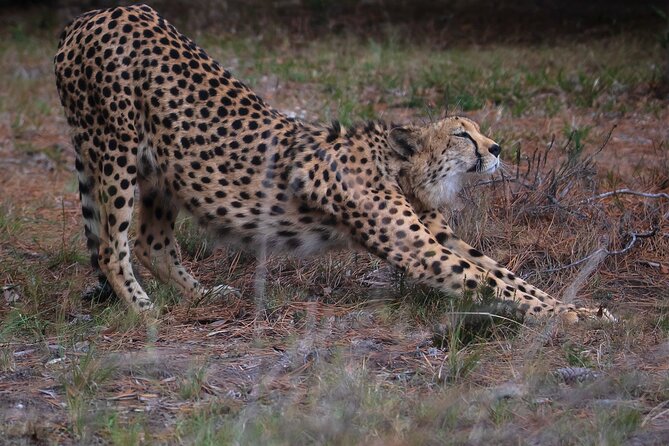
Children must be accompanied by an adult, and most people can take part. The 90-minute length is manageable for many families, and young children have remained engaged during the walk when the guide keeps the pace moving and explains what to look for.
The animals themselves provide plenty of visual interest, but children may also benefit from the conservation message. This is a good place to explain that a rescued wild animal is not the same as a pet, and that a permanent sanctuary can sometimes be the safest available option.
You know your child best. If your child needs constant action, the slower pace of watching animals may feel demanding, especially if a cat is asleep. If your child likes animals and asks questions, the small group and guide-led format should work well.
Practical details before you book
Tours are conducted in English. Afrikaans tours can be arranged, which may be useful if you need that language and can coordinate it in advance.
The experience operates in all weather conditions, so check the forecast and dress sensibly. Light clothing, sun protection, and comfortable walking shoes are sensible choices in warm weather. If rain is possible, bring suitable protection rather than assuming the tour will be canceled.
The activity begins and ends at Jukani Wildlife Sanctuary. No transport is supplied, so plan your own route to The Crags and allow time for check-in and the indemnity form.
Confirmation is provided at booking. Free cancellation applies if you cancel at least 24 hours before the local start time. Within 24 hours, you should expect no refund, and changes made during that period are not accepted.
The ethical question behind the close-up views
The most important part of the visit may be the uneasy question it raises. You can see these animals much closer than you would on a normal African safari, but the reason is that they are not candidates for release.
Some have been humanized or domesticated. Some have suffered abuse or come from facilities unable to provide proper care. Their stories can be sad, but the sanctuary gives you a chance to think about the choices that led them there and the responsibility people have after wild animals are brought into human environments.
I appreciate that the tour frames the animals as individuals with needs rather than as photo props. The best guides connect the animal in front of you with the wider problem of private ownership, captive breeding, and unsuitable facilities.
That does not mean every visitor will agree with every aspect of captive wildlife care. If you are looking for untouched nature, this is not that. If you want to learn why some rescued animals require lifelong care, the setting offers a direct and memorable lesson.
Who should book the Jukani guided tour?
I would book this experience if you are staying near Plettenberg Bay or The Crags and want to see big cats without committing to a long safari. It is especially suitable for animal lovers, families, first-time visitors to a sanctuary, and photographers willing to work around fences and resting animals.
I would choose the late afternoon slot whenever possible. I would also keep the rest of the day flexible enough that a 90-minute visit feels like part of your South African trip, not the only activity you have planned.
Do not book it expecting guaranteed movement, feeding, or a vast open reserve. The tour has a clear purpose: to introduce you to rescued animals living in permanent care. At about $24.73, that is a fair exchange for close views, a strong guide, and a chance to consider the hard work behind wildlife rescue.
FAQ
How long does the Jukani Wildlife Sanctuary tour last?
The guided walking safari lasts about 90 minutes. The total visit may take between one and two hours, depending on arrival and departure timing.
What animals can I see at Jukani Wildlife Sanctuary?
The sanctuary is home to lions, tigers, leopards, jaguars, cheetahs, pumas, caracals, spotted hyenas, honey badgers, raccoons, zebras, and springbok.
Is admission included in the tour price?
Yes. The experience includes the sanctuary admission fee, and the ticket is prepaid before arrival.
How large is each tour group?
The tour has a maximum of 16 travelers. The small group makes it easier to hear the guide and ask questions.
Is transportation included?
No. You must arrange your own transportation to and from Jukani Wildlife Sanctuary at N2, The Crags, 6600, South Africa.
What language is the tour conducted in?
Tours are conducted in English. Afrikaans tours can be arranged.
Can children join the tour?
Yes. Children must be accompanied by an adult. Most people can participate in the activity.
What happens if I need to cancel?
You receive a full refund if you cancel at least 24 hours before the experience start time. Cancellations or changes made less than 24 hours before the start time are not accepted for a refund.
Just added in Plettenberg Bay
- eBike Tours★ 5.0 · 5 reviews
- Cats in Conservation★ 5.0 · 10 reviews
- Seal Swimming Activity in Plettenberg Bay★ 5.0 · 23 reviews
- The Private Wildlife Tour★ 4.5 · 12 reviews
- Swim with the Seals in Plettenberg Bay★ 5.0 · 2 reviews
- Quad Bike Fun Ride in The Crags, Plettenberg Bay★ 5.0 · 5 reviews
- 1.5-Hour Seal Viewing Boat Tour in Plettenberg Bay★ 4.5 · 16 reviews
- Birds of Eden Admission Ticket★ 4.5 · 15 reviews
Wildlife, compared.

Big Five Game Reserve Wildlife Safari from Cape Town
Read our review →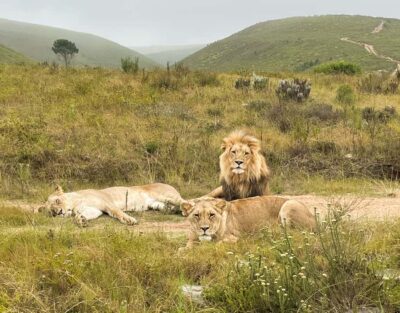


2 Day South African Wildlife Tour with 4×4 Safari from Cape Town
Read our review →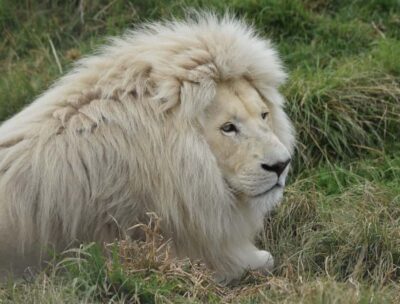
Schotia Safaris: Best Wildlife Encounters in Port Elizabeth
Read our review →
Browse the lists this tour appears in