
REVIEW · KRUGER NATIONAL PARK SAFARIS
Kruger National Park Full Day Safari Tour
The bush wakes before you do. This early start puts you near Kruger National Park’s gates when wildlife activity is often at its best, and the open safari vehicle gives you broad views for photos and animal spotting. I like the supplied binoculars and the guide’s commentary, which covers animals, birds, plants, geology, history, and local landmarks. The main drawback is the long day, with early departure, open-air exposure, and meals at your own cost.
I also like that this is a private activity, so your group can ask questions without competing with a busload of strangers. Guide Andrew receives repeated praise for his energy, broad bush knowledge, humor, and patience with questions. Still, wildlife is unpredictable, and paying $215.52 plus the international conservation fee means this is a serious day-trip expense.
In This Review
- Key things to know before you go
- Why the early start matters in Kruger
- Riding in an open safari vehicle
- Looking for the Big Five without a script
- Andrew’s guiding style and the value of good commentary
- The morning route and first camp stop
- Lunch at Skukuza and the middle of the day
- What the $215.52 price really covers
- Who should book this full-day safari
- What to pack for a comfortable day
- Should you book this Kruger safari?
- FAQ
- What time does the safari begin?
- How long does the safari last?
- Is the Kruger National Park entrance fee included?
- Are breakfast and lunch included?
- What is included in the tour?
- Can children join the safari?
Key things to know before you go
- The day begins before sunrise: Summer departures greet the dawn chorus at 5:30 a.m., while winter departures begin around 6:15 a.m.
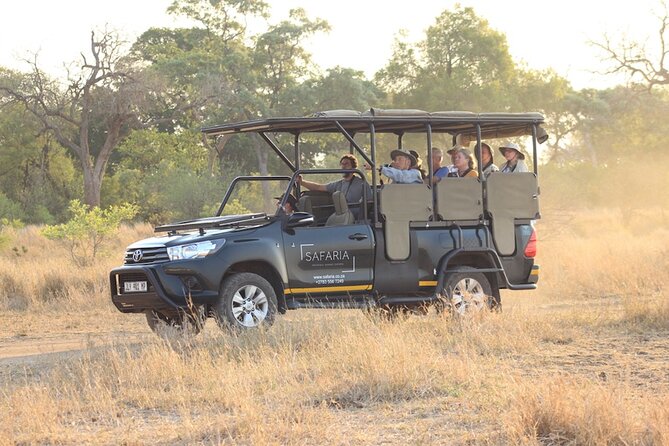
- The open vehicle improves visibility: You have a clear, elevated view for photography, though you should bring warm layers in winter and sun protection in summer.
- Andrew adds more than animal names: His commentary can include birds, plants, geology, Kruger’s past, and the story behind notable camp landmarks.
- Breakfast and lunch are not included: You stop at park camps, usually including Skukuza, but you pay for your own meals.
- Binoculars and weather gear are supplied: Water, coffee or tea, blankets, rain ponchos, and a safari sightings journal are included.
- This is best for a full safari day: You may spend up to 10 hours in the park, so it suits people who want maximum time in the bush rather than a quick outing.
Why the early start matters in Kruger
A full day in Kruger National Park is built around time. The earlier you enter, the more hours you have to search for animals, stop at viewing points, and let the day unfold without rushing from one sighting to the next.
In summer, the safari vehicle greets the morning at about 5:30 a.m. and aims to enter shortly after the 5:45 a.m. gate opening. In winter, the start is around 6:15 a.m., matching the later opening time. The published meeting time is 6:00 a.m., so you should confirm the exact pickup details when booking.
This is not a lie-in excursion. You will need to organize clothes, passports, cameras, and any snacks before bed. Yet that early hour is part of the point. The first hours give you a chance to see Kruger before the heat of the day builds.
The schedule also gives you a full 8 to 10 hours in the park. That matters because a safari is not a checklist. One quiet stretch of road may produce nothing, then a guide notices movement in the grass or a bird call from the trees. The longer you stay out, the more chances you have for those small discoveries.
More National Park Trips in Mpumalanga
- Full-Day Shared Kruger National Park Safari from Hoedspruit
★ 5.0 · 46 reviews - Kruger National Park: 3-Day Safari Tour and Treehouse Stay
★ 4.0 · 23 reviews - Kruger National Park Private Full-Day Safari – Private Safari Vehicle & Guide
★ 5.0 · 19 reviews
Riding in an open safari vehicle
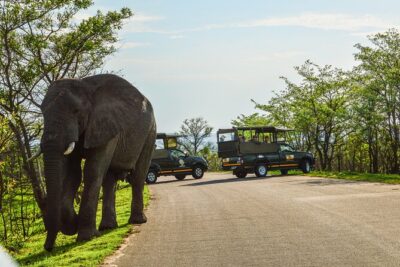
The open safari vehicle is one of the strongest features of this outing. You are not looking through ordinary car windows, so you get a wider view and a better chance to follow animals as they move. It also gives photographers fewer barriers between camera and subject.
The tradeoff is exposure. Summer temperatures can rise above 40 degrees Celsius around midday, and afternoon thunderstorms are possible. Bring a hat, sunglasses, sunscreen, and cool, practical clothing in dull or darker colors. Comfortable shoes are useful for the stops at park camps.
Winter is more forgiving once the sun is up, with typical daily temperatures around 20 to 25 degrees Celsius. Early morning and late afternoon can feel much colder from an open vehicle, so pack long trousers, a jacket, and a beanie. Blankets are provided, but I would treat them as backup rather than your whole cold-weather plan.
Rain ponchos are also available if the weather turns. That is useful in a place where the morning can feel calm and cool, then change quickly later in the day. A small camera bag or daypack should hold your personal items without taking up too much room.
Looking for the Big Five without a script
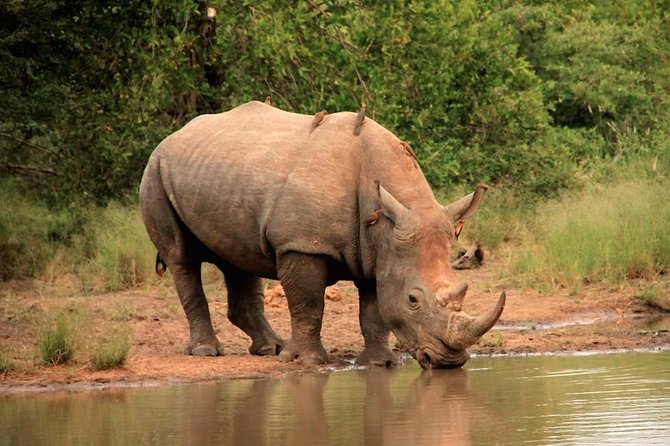
The central goal is a search for Kruger’s Big Five: lion, leopard, elephant, rhino, and buffalo. The wording matters here. You are going to look for them, not receive a guaranteed parade of animals at set times.
That uncertainty is part of the safari experience, but it is also the main thing to understand before paying for a costly day. Some sightings may be close and clear. Others may be distant, brief, or absent altogether. Your guide’s job is to read signs, scan the bush, and explain what you are seeing, not to control the animals.
The supplied binoculars are a practical touch. They can help you identify a far-off animal, follow a bird in a tree, or study movement that is too distant for the naked eye. You should still bring your own binoculars if you have a pair you prefer, but the complimentary set means you are not forced to buy equipment for a single outing.
The safari sightings journal gives you a place to record what you find. It may sound like a small extra, but a full day can blend together once you return to your accommodation. Writing down animals, birds, plants, and memorable stops helps turn the ride into a personal record rather than a string of photographs.
Andrew’s guiding style and the value of good commentary
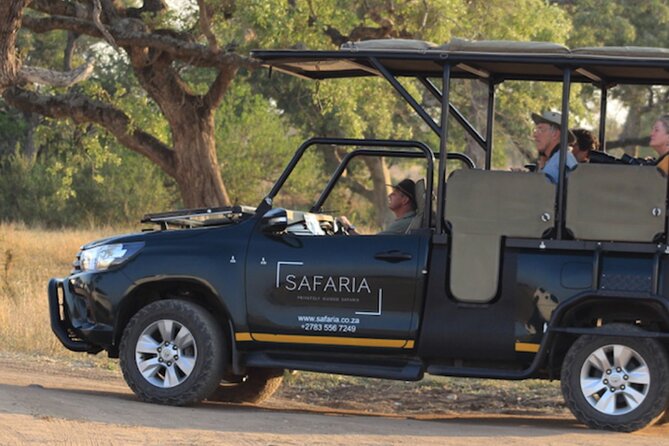
The guide is a major part of this experience. Andrew is repeatedly praised for his enthusiasm and for answering questions throughout the day without seeming to tire. His strengths extend beyond the usual animal facts, with commentary covering birds, plants, geology, history, and the park’s physical setting.
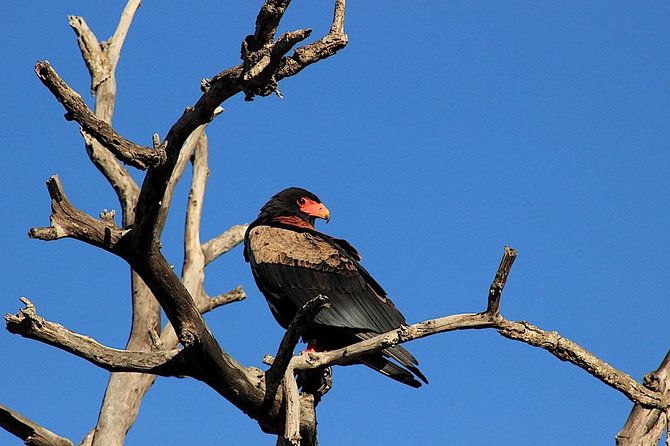
That range changes the way you see the drive. A safari can become repetitive if every stop is only a search for a large mammal. Andrew’s approach gives you something to watch and learn from during quieter stretches. A bird, tree, rock formation, or old camp landmark can become part of the day’s story.
He also keeps the group informed about the plan. That helps on a long excursion because you know when a meal stop is coming, how the day is progressing, and what to expect when you reach a rest camp. For families, this kind of clear communication can make the hours easier.
The private format adds to the value. Only your group participates, so you can ask about a bird you just saw or request more explanation about Kruger’s past without worrying about holding up a large vehicle. The reviews also describe Andrew as warm, funny, and personable, with one family feeling they had gained a friend by the end of the day.
More Safaris in Mpumalanga
- Hazyview: Private Full-Day Guided Kruger Safari
★ 4.9 · 69 reviews - Exclusive Sunset Game Drive Safari near Hoedspruit
★ 5.0 · 41 reviews - Exclusive Night Drive Safari near Hoedspruit
★ 5.0 · 35 reviews - Exclusive Morning Game Drive Safari near Hoedspruit
★ 5.0 · 35 reviews
The morning route and first camp stop
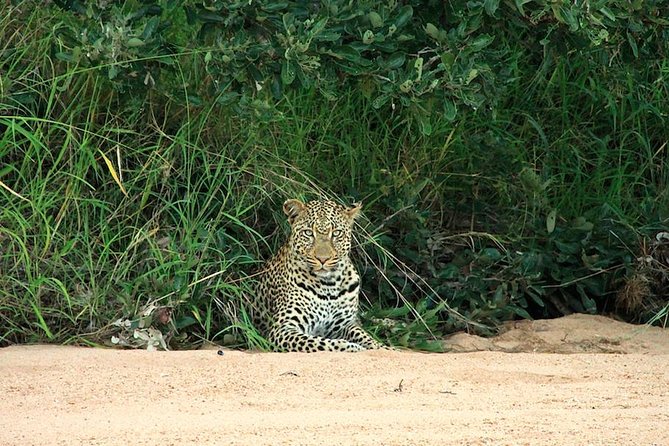
The first section takes you into the park shortly after the gates open. Your guide introduces Kruger’s history, heritage, wildlife, and natural setting while the vehicle moves through the bush.
The precise route can vary because safari conditions are unpredictable. That is worth keeping in mind if you arrive with a fixed list of animals or a strict photography plan. A good day depends on watching, listening, and allowing the guide to respond to fresh sightings.
Between 8:30 and 9:15 a.m., you stop at one of the camps for breakfast. Breakfast is not included, so budget separately for food. This is also a useful pause after the coldest part of the morning, especially in winter, when you may appreciate the chance to stretch and warm up.
The stop is not simply a meal break. Park camps can provide a window into the human side of Kruger, and the guide uses camp areas and nearby landmarks to explain parts of the park’s story. You should not expect an extended sightseeing visit, but the pause adds context to a day otherwise focused on the bush.
If you want coffee, food, or a snack beyond the supplied coffee or tea and bottled water, carry enough money and plan around the camp stop. Because the day is long, skipping breakfast would be a poor way to save a few rand.
Lunch at Skukuza and the middle of the day
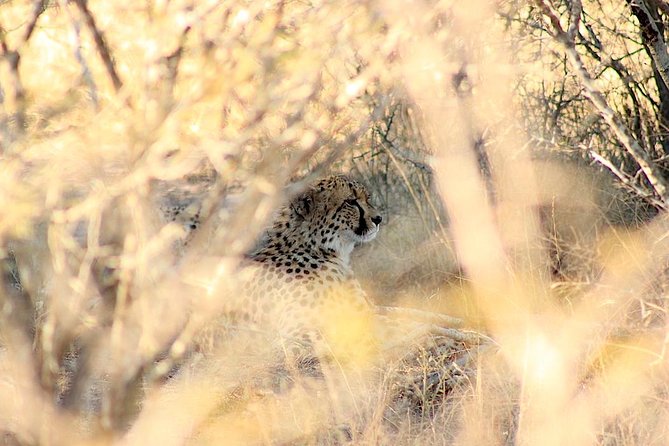
Lunch is scheduled around noon, usually at Skukuza. As with breakfast, lunch is at your own expense. The practical advantage is choice and flexibility at the rest camp, but the cost is not built into the tour price.
Skukuza is also one of the places where the guide can explain historic features and nearby landmarks. This gives the day a useful rhythm: early wildlife searching, a morning camp stop, more time in the bush, then lunch and further interpretation before the afternoon drive.
Midday can be the hottest part of the safari, especially from September through April. Animals may be less active during the heat, though conditions can change and sightings are never guaranteed. This is the time to use your sunscreen, drink water, wear your hat, and keep your camera protected from sudden rain.
For photographers, harsh midday light may be less flattering than early morning or late afternoon. Still, the long schedule increases your total opportunity. You may get strong light at one point, a dramatic storm later, or a clear view of an animal that would have been missed on a shorter drive.
What the $215.52 price really covers
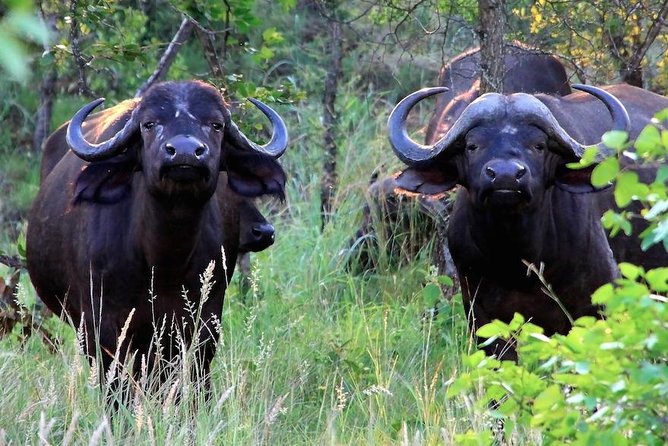
At $215.52 per person, this is not a budget park transfer. The price makes more sense if you use the service for what it offers: a private full-day outing, a professional bush guide, an open safari vehicle, park interpretation, binoculars, water, hot drinks, weather gear, and a sightings journal.
You must add the Kruger National Park conservation and entrance fee. The stated international visitor fee is R400 per person. Meals, guide gratuity, and travel insurance are also extra.
The private format is the key value question. If you are traveling as a small group and care about having Andrew’s attention, the cost may feel reasonable. You are paying for a long day and a guide who can discuss much more than the Big Five. If you are mainly seeking the cheapest possible way to enter Kruger, the total cost may be harder to justify.
The fact that people often book around 154 days ahead suggests you should not leave this until the last minute, especially if your South Africa schedule is fixed. The activity requires at least two people per booking, and children from age three are welcome when accompanied by an adult.
Who should book this full-day safari
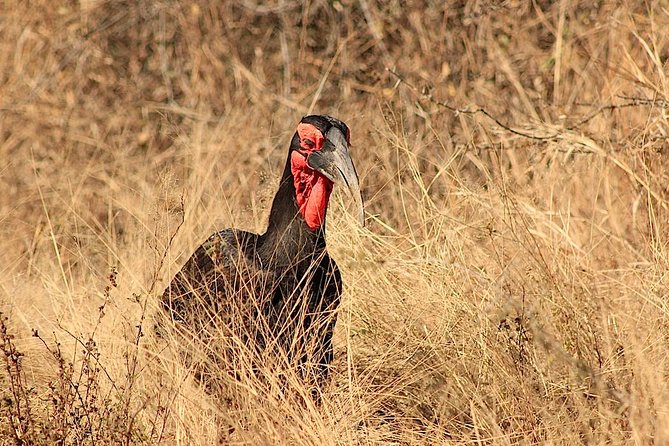
I would point this tour toward visitors with limited time in South Africa who want one substantial Kruger day rather than several shorter drives. It also suits families, photographers, bird enthusiasts, and anyone who enjoys asking questions about plants, geology, and history as much as watching large animals.
The private setup is helpful for families because the pace and conversation stay within your group. Children must be at least three years old, and they need an accompanying adult. A very young child may still find the early start and long vehicle ride tiring, so consider your child’s patience before booking.
This is also a good match for people who want a guide-led experience rather than a self-drive outing. You do not have to manage the vehicle while scanning for wildlife, and you gain Andrew’s interpretation throughout the day.
I would hesitate if you dislike early mornings, open-air conditions, long periods of waiting, or uncertain results. You should also think twice if your budget does not allow for the park fee, meals, and possible gratuity on top of the listed price.
Booking is non-refundable and cannot be changed for any reason. The activity also requires a minimum number of participants to operate. If that minimum is not reached and the operator cancels, you are offered another date or experience, or a full refund.
What to pack for a comfortable day
Your passport is required on the day of travel, and passport name, number, expiry date, and country are needed for all participants at booking. Bring the same valid passport details you used when reserving the experience.
Pack according to the season:
- Summer, September through April: Cool functional clothing, dull or darker colors, sunscreen, sunglasses, a hat, comfortable shoes, and rain protection.
- Winter, May through August: Long trousers, a warm jacket, a beanie, sunglasses, and comfortable shoes.
- All seasons: Camera, personal binoculars if preferred, money for breakfast and lunch, and a little patience for changing plans.
You do not need to pack bottled water, coffee or tea, blankets, rain ponchos, or the complimentary binoculars, since those are provided. Even so, check that you have personal medication and any preferred snacks, as those are not listed among the included items.
Should you book this Kruger safari?
Book it if you want a serious, full-day search for wildlife with a private group, an open vehicle, and a guide who brings birds, plants, geology, and history into the conversation. Andrew’s warm manner and broad subject knowledge appear to be the heart of the experience, and the included binoculars and weather gear remove a few common safari hassles.
Skip it if you want a guaranteed Big Five checklist, a late start, or an all-inclusive price. The day is long, the weather can be tough, meals cost extra, and the R400 international park fee is not included.
For a one-day Kruger visit, I think the strongest reason to choose this experience is not simply the chance to spot a lion. It is the chance to spend many useful hours looking closely, asking questions, and learning what the bush is telling you, even when the largest animals stay out of sight.
FAQ
What time does the safari begin?
The stated start time is 6:00 a.m. In summer, the safari greets the dawn chorus at about 5:30 a.m. and aims to enter the park after the 5:45 a.m. opening. In winter, the start is about 6:15 a.m., with the gates opening at the same time.
How long does the safari last?
The experience lasts approximately 8 to 10 hours. The full-day itinerary is listed at about 10 hours.
Is the Kruger National Park entrance fee included?
No. The Kruger National Park conservation and entrance fee is extra. The listed international visitor fee is R400 per person.
Are breakfast and lunch included?
No. Breakfast takes place at a park camp between about 8:30 and 9:15 a.m., and lunch is around noon, usually at Skukuza. Both meals are at your own expense.
What is included in the tour?
The tour includes a professional bush guide, an open safari vehicle, bottled water, coffee or tea, complimentary binoculars, blankets, rain ponchos, and a safari sightings journal.
Can children join the safari?
Yes. Children aged three and older are welcome, and children must be accompanied by an adult. A minimum of two people is required per booking.
More Kruger Safaris
- Shuttle Transfer from Greater Kruger to Gauteng
★ 5.0 · 17 reviews - Full Day Kruger Park Wildlife Safari from Hoedspruit
★ 5.0 · 16 reviews - Full Day Kruger National Park Tour
★ 5.0 · 15 reviews - Kruger National Park Sunrise Half-Day Safari Tour
★ 5.0 · 11 reviews
More Safaris in Kruger National Park
- Kruger Park – Full day – Private safari vehicle
★ 5.0 · 23 reviews - 3 Night & 4 Day Private Kruger Park Safari
★ 5.0 · 23 reviews - Sabie Game Reserve Sunset Safari Tour with Sundowners
★ 4.5 · 18 reviews - Private 4×4 Safari Tour in Kruger National Park
★ 5.0 · 16 reviews
Just added in Kruger National Park
- Exclusive Sunset Game Drive Safari near Hoedspruit★ 5.0 · 41 reviews
- Sunset Game Drive in Big5 Reserve★ 5.0 · 3 reviews
- Exclusive Night Drive Safari near Hoedspruit★ 5.0 · 35 reviews
- Sunrise Game Drive in Big5 Reserve★ 5.0 · 6 reviews
- Kruger National Park Sunrise Half-Day Safari Tour★ 5.0 · 11 reviews
- Kruger National Park Private Full-Day Safari – Private Safari Vehicle & Guide★ 5.0 · 19 reviews
- Sabie Game Reserve Sunset Safari Tour with Sundowners★ 4.5 · 18 reviews
- Shuttle Transfer from Greater Kruger to Gauteng★ 5.0 · 17 reviews
Kruger National Park Safaris, compared.
Kruger National Park – Private full day Safari trip.
Read our review →
Kruger National Park sunrise Morning Private safari
Read our review →
Kruger National Park: Full-Day Game Drive with Pickup
Read our review →
Kruger National Park: Full-Day Private Safari With Pickup
Read our review →
Marloth Park: Kruger National Park Safari Game Drives
Read our review →Browse the lists this tour appears in