
REVIEW · PLETTENBERG BAY TOURS
Monkeyland, Birds of Eden, Jukani – Animal Sanctuaries
Three sanctuaries, three very different moods. This Western Cape outing brings you close to free-roaming monkeys, flying birds, and rescued big cats in one useful Garden Route stop. I like the natural forest setting at Monkeyland and the freedom to explore Birds of Eden at your own pace. I also like that the animals are presented as rescued or formerly captive creatures, not as performers. The main consideration is time: seeing all three properly can take most of a day, and possibly longer if you prefer a slow walk with plenty of photo stops.
Monkeyland is the best pick if primates are your priority. Birds of Eden rewards patience, while Jukani offers the strongest big-cat lineup but feels more designed and managed than the other two sanctuaries. Combination tickets cost less per sanctuary, making all three a sensible choice if your schedule allows.
In This Review
- Key points to know before you go
- Three sanctuaries, one wildlife day
- Monkeyland: primates in a 12-hectare forest
- Birds of Eden: a 1.2-kilometer walk under mesh
- Jukani Wildlife Sanctuary: rescued predators and large mammals
- How the three stops compare
- Planning your visit around comfort and value
- Who will get the most from this experience?
- Should you book Monkeyland, Birds of Eden, and Jukani?
- FAQ
- How much does the sanctuary experience cost?
- Can I visit all three sanctuaries?
- How long should I allow for the visit?
- Is a guide included at Monkeyland?
- Is Birds of Eden guided?
- What language are the tours conducted in?
- Can I see monkeys at Monkeyland?
- How many birds are at Birds of Eden?
- What animals can I see at Jukani?
- What should I bring?
Key points to know before you go
- Monkeyland has more than 550 primates living in a 12-hectare indigenous forest, with a one-hour guided walk.
- The 128-meter suspension bridge gives you a high view through the Monkeyland canopy.
- Birds of Eden shelters about 3,500 birds representing 220 species and subspecies in the world’s largest free-flight aviary.
- Jukani’s 90-minute walk features lions, tigers, leopards, jaguars, cheetahs, pumas, hyenas, and smaller animals.
- A combo ticket offers better value if you intend to visit more than one sanctuary.
- Comfortable shoes matter, and binoculars help at Birds of Eden and Jukani.
Three sanctuaries, one wildlife day
These sanctuaries sit in South Africa’s Western Cape, in the Garden Route area. You can choose one, two, or all three, with the experience valid for one to three days depending on the option and availability.
The price starts at about $23 per person, though the exact amount can vary by selection. That is reasonable for one sanctuary, but the real value comes from combining visits. You get three distinct experiences rather than three versions of the same animal park.
There is no hotel pickup or drop-off, so you need to arrange your own transport to the meeting point. The meeting point can vary by the option booked. Food and drinks are also not included, so plan your day around your own supplies and meal arrangements.
You can cancel up to 24 hours ahead for a full refund, and reserve now while paying later. That helps if your Garden Route plans are still shifting.
A few more in Plettenberg Bay
- Plettenberg Bay: Swim with Seals
★ 4.7 · 887 reviews - Knysna Ziplines Tour
★ 5.0 · 688 reviews - Standard Canyoning Trip in The Crags, South Africa
★ 5.0 · 381 reviews
Monkeyland: primates in a 12-hectare forest
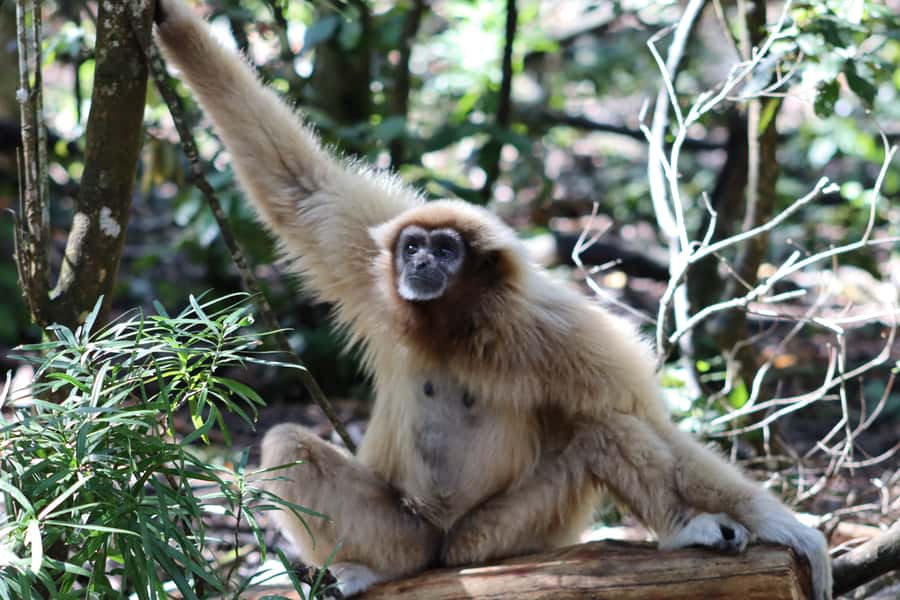
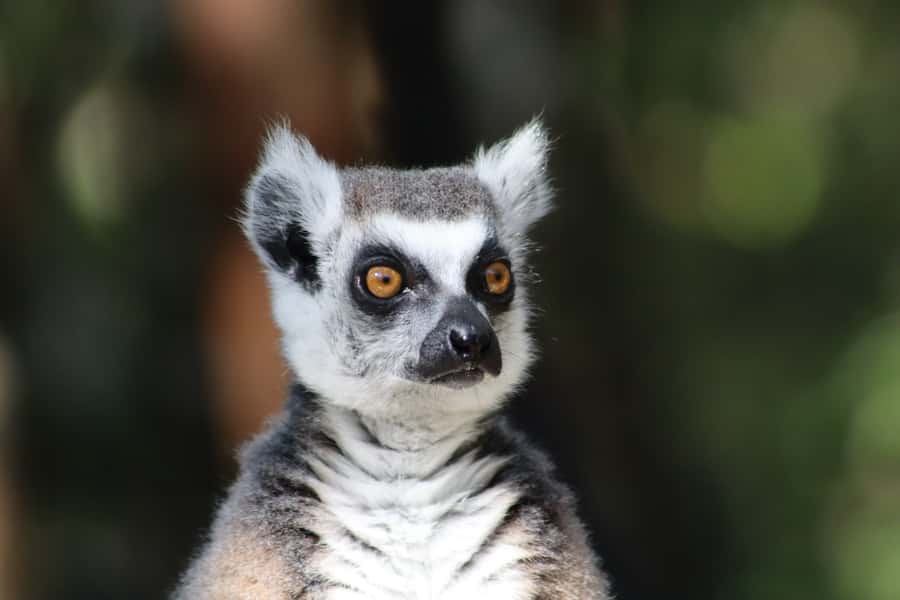
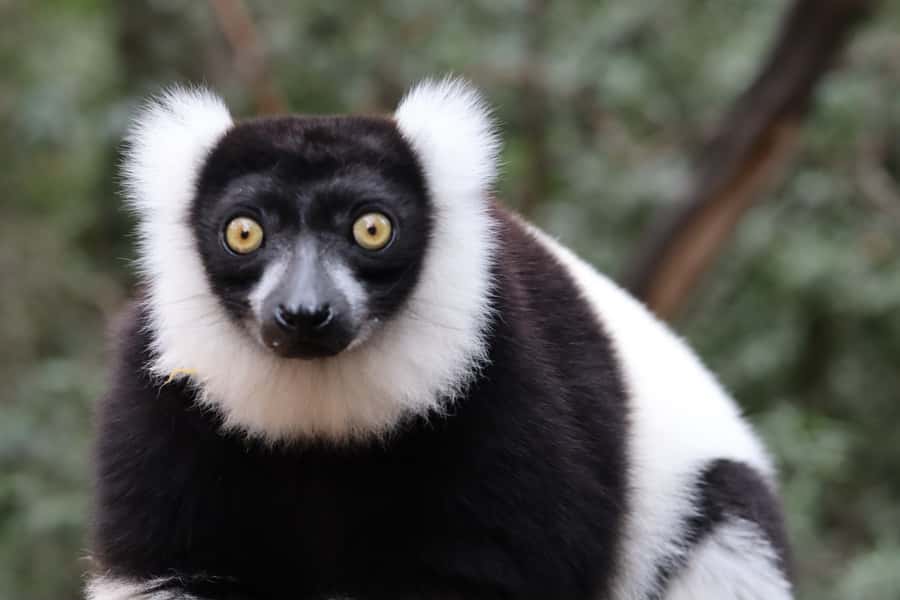
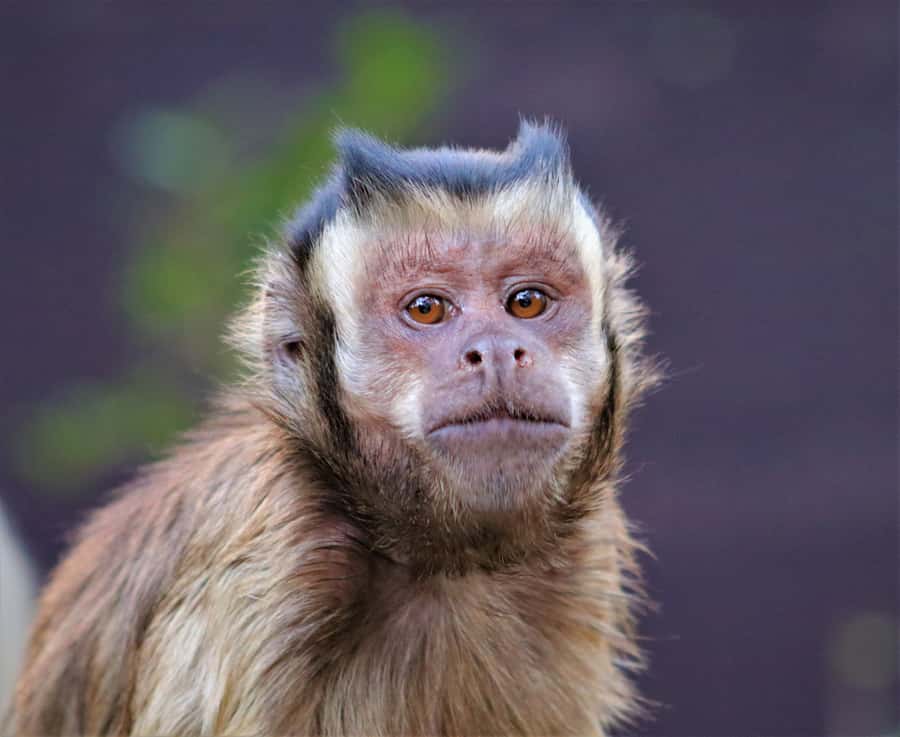
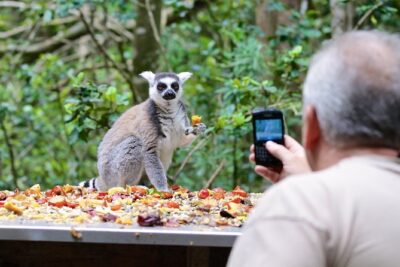
Monkeyland is the most guided and story-driven of the three. It was created as a permanent home for ex-captive primates, including monkeys, apes, and lemurs. The aim is to give them a healthier and more natural life while teaching people about primate behavior and welfare.
More than 550 animals live in the 12-hectare indigenous forest. The phrase free-roaming matters here. Instead of seeing animals in a row of small enclosures, you walk through a wooded setting where the primates live in a broader shared environment.
Your guided walk lasts about one hour. The guide points out the different species and shares facts about their behavior and individual stories. This is a good format for Monkeyland because many animals may be moving through the trees or foliage rather than waiting beside the path.
The guides are praised for their energy and humor, and close views of the monkeys can be a highlight. Still, you should arrive with realistic expectations. The animals are not there to pose, perform, or be touched. Keep your hands to yourself and let the guide explain what you are seeing.
A suspension bridge stretches 128 meters through the canopy. It adds a little adventure to the visit and gives you a higher view of the forest. It is also one of the best places for photographs, though moving animals and changing light mean you need patience rather than a guaranteed perfect shot.
Monkeyland is especially good for families, first-time wildlife visitors, and anyone curious about primates. The one-hour guided format keeps the visit focused without requiring a full day. Ask for a French guide at least 48 hours in advance and provide your arrival time. The standard tours are in English, and there is no extra charge for a language-specific guide when arranged ahead.
Birds of Eden: a 1.2-kilometer walk under mesh
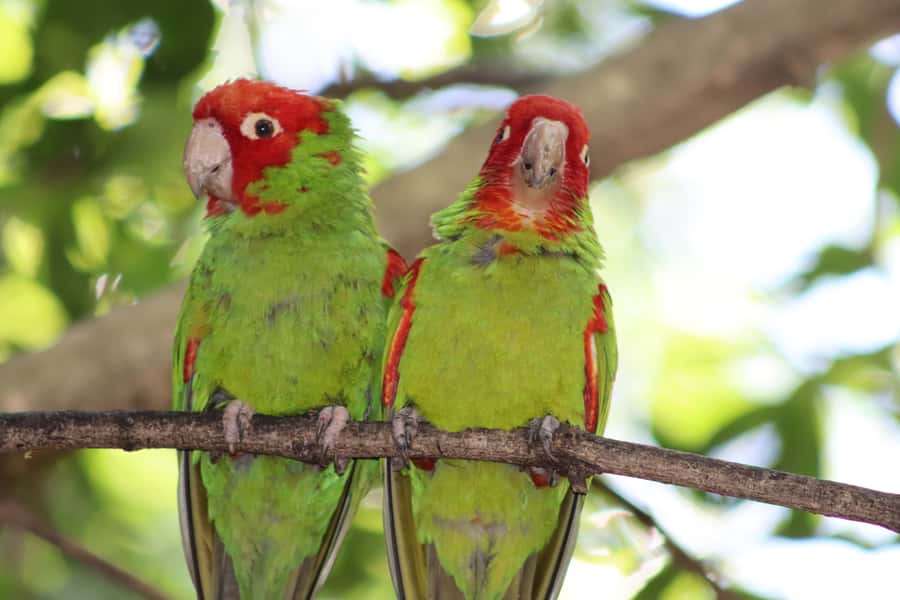
Birds of Eden feels less like a formal tour and more like a long walk through a giant forest aviary. The sanctuary covers about 2.3 hectares of partly forested ground beneath a 3.2-hectare mesh structure. The aviary reaches roughly 50 meters high, allowing birds to use the upper tree canopy and open air above the paths.
A 1.2-kilometer walkway leads through the sanctuary. You explore on your own, so you can move quickly or spend time waiting near a bird that catches your eye. That flexibility is useful, especially if you are carrying a camera or visiting with children who need occasional breaks.
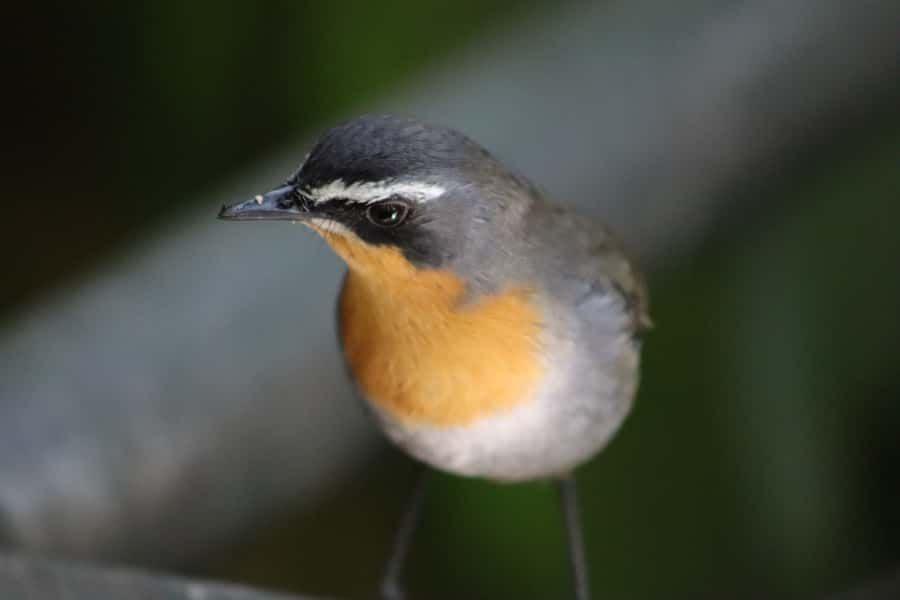
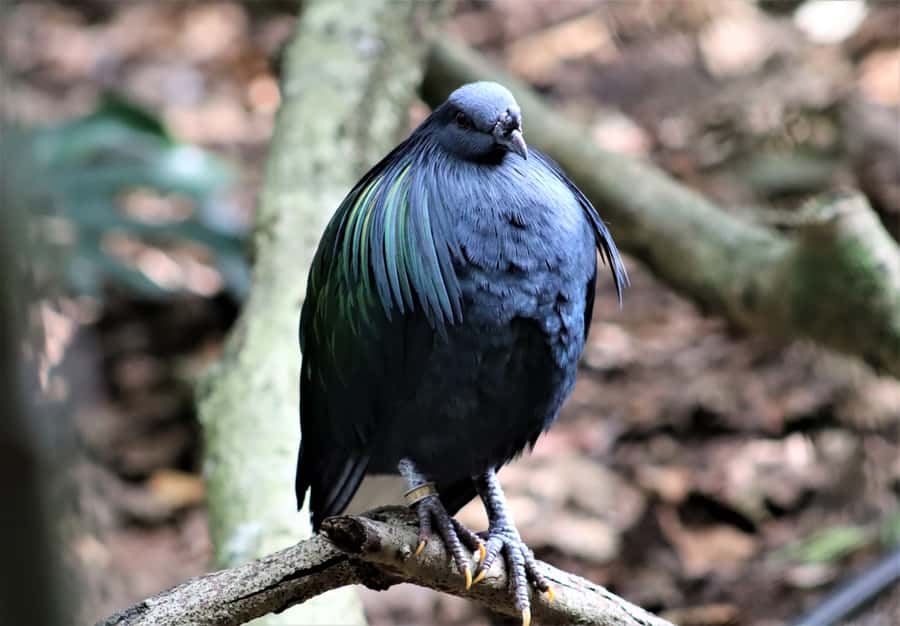
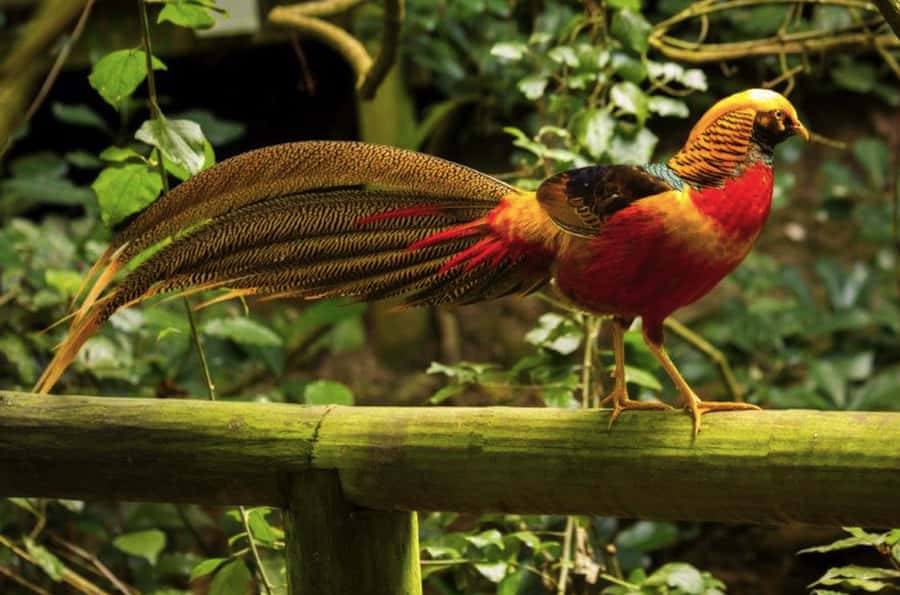
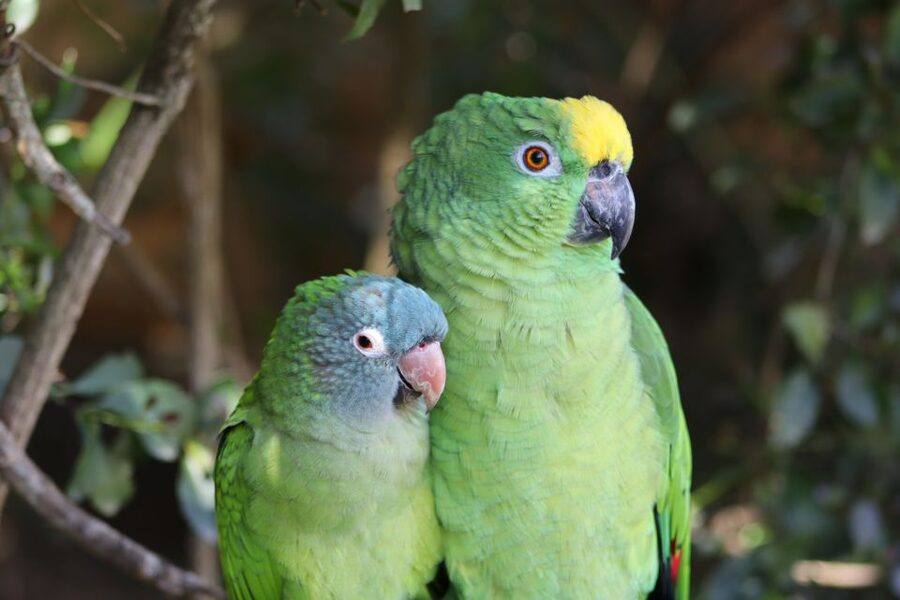
The collection includes about 3,500 birds from 220 species and subspecies. You might see parrots, parakeets, flamingos, waterfowl, cranes, starlings, robins, and several turaco species. The Knysna lourie is a local favorite, with an unusual call that does not seem to match its elegant appearance.
The sanctuary also includes a gorge and waterfall. This gives the walk more variety than a simple enclosure route, with water, trees, open flying space, and different levels along the path.
Many of the birds were previously kept as pets in cages. Birds of Eden gives them room to fly and practice natural behavior. That background adds meaning to the experience, but it also explains why the birds may not act like trained display animals. Some will be easy to spot. Others may be high in the trees or hidden among leaves.
Bring binoculars if you have them. They are helpful but not required. A camera with a strong zoom will also be more useful than a phone for birds in the canopy.
You can spend an entire day here if you move slowly. If you are visiting all three sanctuaries in one day, allow enough time to enjoy the aviary without rushing. A guided tour can be arranged with 48 hours of notice and an arrival time, but the usual format is self-guided and in English.
Jukani Wildlife Sanctuary: rescued predators and large mammals
Jukani is the most dramatic stop, especially if your main goal is to see large wild cats. The sanctuary provides permanent homes for animals rescued or rehomed from facilities that could no longer care for them.
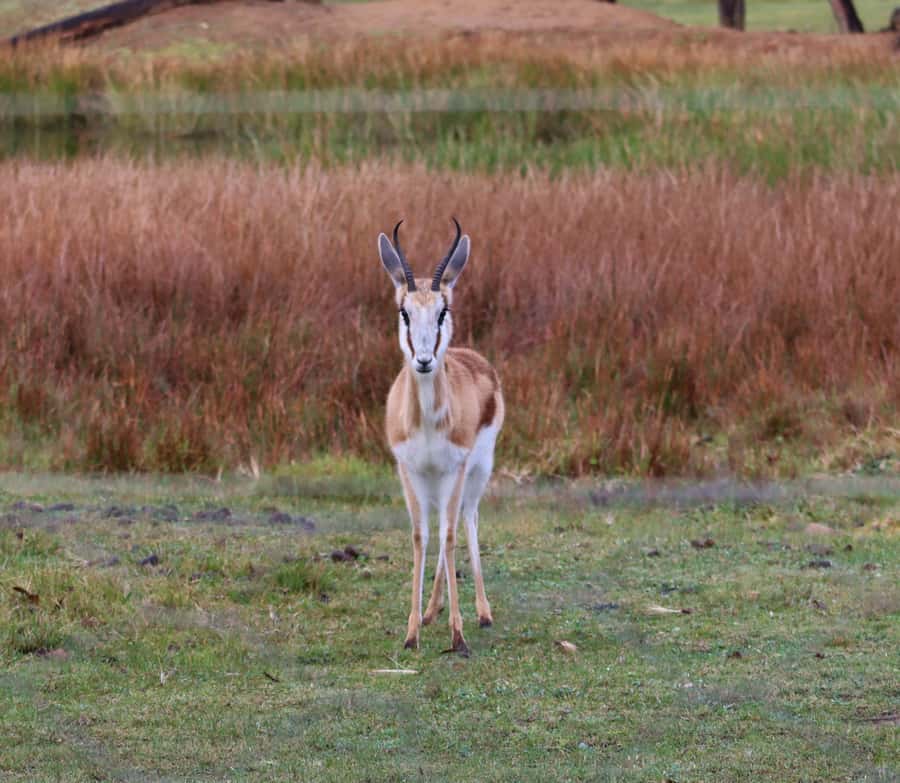
The collection includes lions, tigers, leopards, and jaguars, along with cheetahs and pumas. You may also see spotted hyenas, caracals, raccoons, a honey badger, zebra, and springbok.
The guided walk lasts about 90 minutes. A guide leads you through habitats built around the needs of the individual animals. The stated goal is to keep the animals free from exploitation and the stress of direct human interaction, so you should expect to view them from designated areas rather than interact with them.
Jukani is a strong choice for families because the animal list is easy to appreciate at any age. Children may be especially drawn to the big cats, while adults may find the sanctuary’s message about captive wildlife more thought-provoking.
There is a tradeoff. Jukani’s large-game areas can feel less natural than Monkeyland’s forest or Birds of Eden’s open aviary. The animals have room and are protected from exploitation, but the setting is still a managed sanctuary. If you want a traditional safari across open wilderness, this is not that. If you want to see rescued predators in a permanent care facility, it fits the purpose well.
A hat is advised at Jukani, particularly for children. Binoculars can help, though the larger animals may be easier to see than the smaller creatures along the route.
Something quite different:
- Plettenberg Bay: Whale Watching Boat Cruise
★ 4.4 · 362 reviews - Plettenberg Bay: Canyoning Trip
★ 4.9 · 353 reviews - Plettenberg Bay Game Reserve: 2-Hour Game Drive
★ 4.2 · 267 reviews - Short Canyoning Trip in The Crags
★ 5.0 · 221 reviews
How the three stops compare
The easiest way to choose is to match the sanctuary to your interest.
Choose Monkeyland for primates, a guided experience, forest paths, and the suspension bridge. It offers the clearest sense of animals living in a shared natural setting.
Choose Birds of Eden if you prefer a quiet walk, bird photography, and the freedom to set your own pace. It is the most flexible stop, but it rewards people who are willing to look upward and wait.
Choose Jukani for lions, tigers, leopards, jaguars, and other predators. It is the most direct animal-viewing experience, though the habitats may feel more structured.
If you have one day, all three can provide a full schedule. If you have two or three days available, spreading them out will let you spend more time at Birds of Eden and avoid turning the day into a race between entrances and walking routes.
Planning your visit around comfort and value
Wear comfortable walking shoes. Sandals are less suitable for the forest paths, bridges, and longer walkways. You may spend several hours on your feet, especially if you visit all three.
Bring binoculars for Birds of Eden and Jukani, though they are optional. At Jukani, pack or wear a hat. Food and drinks are not included, and hotel transport is not provided, so sort out those practical details before setting off.
The activity is wheelchair accessible, but the meeting point depends on the option you book. Check the specific arrangement when reserving.
The standard guiding language is English. French tours can be arranged at Monkeyland and Birds of Eden with 48 hours of advance notice and an arrival time. Jukani tours are conducted in English.
The current rating of 4.7 out of 5 from 106 ratings reflects strong approval of the overall experience. The most praised elements are the enthusiastic Monkeyland guiding, the chance to see monkeys from close range, and the quality of the Birds of Eden visit. Jukani is also well run, though its animal areas receive a more mixed comparison because they feel less naturalistic.
Who will get the most from this experience?
This is a good fit if you are staying in the Garden Route and want a wildlife day without booking a long safari. Families, photographers, bird lovers, primate fans, and anyone interested in animal rescue will find something useful here.
I would give Monkeyland priority if you only have time for one stop and want a guided experience with a strong conservation message. Choose Birds of Eden if you prefer to wander alone and enjoy watching animal behavior without a fixed schedule.
Jukani works best for people who specifically want big cats. It may be less satisfying if your main hope is to see wildlife in a completely wild setting. The animals are rescued and cared for, but the sanctuary format remains visible.
Should you book Monkeyland, Birds of Eden, and Jukani?
Yes, if you have enough time and want three different animal experiences in one part of the Western Cape. The combination ticket is the best value, and the sanctuaries complement one another rather than repeat the same format.
If your schedule is tight, choose based on your priority: Monkeyland for primates, Birds of Eden for birds and a self-guided walk, or Jukani for big cats. Book a French guide in advance if needed, wear proper shoes, and do not expect to touch or feed the animals.
For a full day with varied wildlife, strong photo chances, and a clear rescue focus, this is a worthwhile Garden Route stop. Just allow enough time to enjoy the quieter moments, especially at Birds of Eden.
FAQ
How much does the sanctuary experience cost?
The listed price is about $23 per person. Combination tickets cost less per sanctuary than buying separate admission for each location.
Can I visit all three sanctuaries?
Yes. You can choose one sanctuary or visit all three. The experience can be valid for one to three days, depending on the option and availability.
How long should I allow for the visit?
You can spend an entire day at any one sanctuary. Monkeyland has a guided tour of about one hour, Jukani has a guided walk of about 90 minutes, and Birds of Eden has a 1.2-kilometer self-guided walkway.
Is a guide included at Monkeyland?
Yes. Monkeyland includes a guided tour, normally in English. A French guide can be requested at least 48 hours ahead with an arrival time.
Is Birds of Eden guided?
Birds of Eden is normally explored independently. An English-language guide can be arranged with at least 48 hours of advance notice and an arrival time.
What language are the tours conducted in?
Monkeyland and Birds of Eden can offer English or French when arranged in advance. Jukani tours are conducted in English.
Can I see monkeys at Monkeyland?
Yes. Monkeyland is home to more than 550 apes, monkeys, and lemurs living in a 12-hectare indigenous forest.
How many birds are at Birds of Eden?
Birds of Eden is home to more than 3,500 birds representing about 220 species and subspecies.
What animals can I see at Jukani?
Jukani has lions, tigers, leopards, jaguars, cheetahs, pumas, spotted hyenas, caracals, raccoons, a honey badger, zebra, and springbok.
What should I bring?
Bring comfortable walking shoes. A hat is advised at Jukani, especially for children, and binoculars are helpful at Birds of Eden and Jukani. Food and drinks are not included.
Just added in Plettenberg Bay
- THE CRAGS PLETTENBERG BAY: QUAD BIKE FUN RIDE★ 4.6 · 11 reviews
- Plettenberg Bay: Swim with the Seals★ 4.7 · 31 reviews
- Plettenberg Bay: Seal Viewing Boat Trip★ 4.8 · 16 reviews
- Plettenberg Bay: Seal Swimming Experience★ 5.0 · 25 reviews
- Plettenberg Bay: Dolphin and Marine Boat Tour★ 4.5 · 45 reviews
- Plettenberg Bay: 2-Hour Surf Lesson★ 4.9 · 8 reviews
- Plettenberg: 2-Hour Zipline Tour★ 4.5 · 27 reviews
- Kwano Lifestyle Day Tour – Be a local for a day★ 5.0 · 3 reviews
Plettenberg Bay Tours, compared.
Standard Canyoning Trip in The Crags, South Africa
Read our review →
Plettenberg Bay Game Reserve: 2-Hour Game Drive
Read our review →
Browse the lists this tour appears in