REVIEW · FULL-DAY
Plettenberg Bay: Cats in Conservation Full Day Tour
The animals are only half the story. At Tenikwa, you spend a full day seeing South African wild cats, helping with keeper tasks, and learning what wildlife care looks like when the public is not watching. I like the behind-the-scenes access and the unhurried pace. You are not simply moved from one enclosure to the next.
I also like the strong focus on animal welfare. The staff explain each animal’s needs and use enrichment to support the lives of animals that cannot return to the wild. The main drawback is the price, $104 per person, and the fact that hotel transport is not included. You must also be comfortable with an active, all-weather day that begins at the center.
In This Review
- Key points to know before you book
- Why this Tenikwa day feels different
- The morning begins with real animal care
- Breakfast at the Boma restaurant
- Meeting the wild cats of South Africa
- The wildlife hospital and rehabilitation work
- Enrichment for animals that cannot return home
- A possible Tsitsikamma forest walk
- Food preparation and afternoon feeding
- Securing the animals for the night
- Is $104 good value?
- Who should book this day?
- Should you book the Cats in Conservation tour?
- FAQ
- Where does the Cats in Conservation tour start?
- How long does the experience last?
- Is hotel pickup included?
- What meals are included?
- Are snacks and extra drinks included?
- Can I take photographs?
- Can I touch or feed the animals?
- Is the tour suitable for children?
- What should I bring?
- What happens if it rains?
- Is the tour wheelchair accessible?
Key points to know before you book
- A full day with the keepers: Help with enclosure checks, food preparation, enrichment, feeding, and securing the animals at night.
- South Africa’s indigenous wild cats: See species such as caracals and other local wild cats on a private guided tour, with conservation issues explained along the way.
- Restricted rehabilitation areas: Observe parts of the wildlife hospital and rehabilitation facilities that are not open to the general public.
- Meals are included: Breakfast with coffee or tea and lunch with one drink are part of the day. Extra drinks and snacks cost more.
- Forest walking may be added: A guided walk through the indigenous Tsitsikamma forest is possible if time and weather allow.
- A serious animal-welfare setting: You may take photographs, but touching, feeding, and selfie sticks are not allowed.
Why this Tenikwa day feels different
Many wildlife attractions offer a short viewing circuit. Tenikwa offers a workday. You start with the people responsible for the animals, then follow the routine through care, feeding, enrichment, and evening security.
That change in pace matters. You get time to ask questions, notice individual animal behavior, and understand why some animals can be released while others must remain under care. The tour is designed around conservation education, not just close photographs.
The center is at Tenikwa Wildlife Rehabilitation and Awareness Centre, in the Animal Alley area near Plettenberg Bay. It is signposted from the N2. Once you reach Animal Alley, keep left, then keep right at the fork and follow the signs to reception.
You should arrive 15 minutes before the start. Parking is available at reception, but you are advised to lock valuables and backpacks in your vehicle. Cameras are welcome, so keep your camera ready, but leave the selfie stick behind.
More to see in South Africa:
- Wine Tour: Paarl, Franschhoek & Stellenbosch incl 3 wineries
★ 5.0 · 3,940 reviews - Cape Town: Hop-On Hop-Off Bus Tour with Optional Cruise
★ 4.8 · 3,929 reviews - Cape Town: Cape of Good Hope & Penguins Day Tour with Pickup
★ 4.7 · 3,362 reviews
The morning begins with real animal care
Your day starts with a short safety briefing. This is not filler. You need to understand how to move around wildlife areas, what you may photograph, and why touching or feeding animals is forbidden.
The first practical part involves early morning animal and enclosure checks. You assist the keepers as they inspect the center and make sure the animals and their surroundings are in good order. The work is guided, so you are not left to guess what to do.
This is one of the most valuable parts of the day because it gives you a better sense of the routine behind a rehabilitation center. Clean, secure enclosures and careful checks are basic tasks, but they are central to animal welfare. You see that conservation is built from repeated, ordinary work.
The exact tasks may depend on the day and the needs of the center. That uncertainty is worth accepting. This is not a staged performance where every moment is identical. The schedule allows the staff to care for the animals properly.
Breakfast at the Boma restaurant
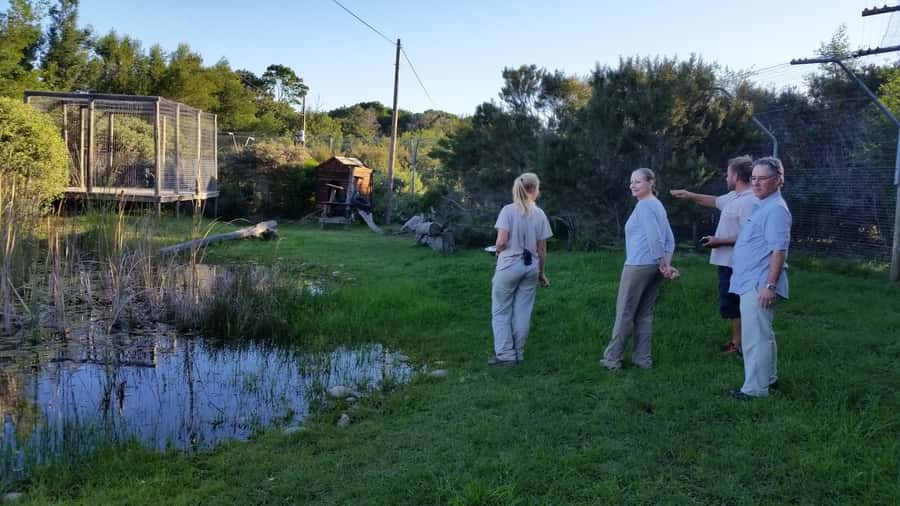
After the early work, breakfast at the Boma restaurant is available, with coffee or tea included. The timing gives you a chance to sit down, get your bearings, and talk with the staff before the longer wildlife tour begins.
The meal is useful rather than fancy. You are spending a long day outdoors, and a proper start is better than trying to run on coffee and a snack. If you have dietary concerns, the supplied information does not specify special meal arrangements, so ask when booking.
The day includes lunch later, with one drink. That drink may be coffee, tea, beer, wine, or a non-alcoholic option. Snacks and additional drinks are not included, so bring a little extra money if you tend to eat between meals.
Meeting the wild cats of South Africa
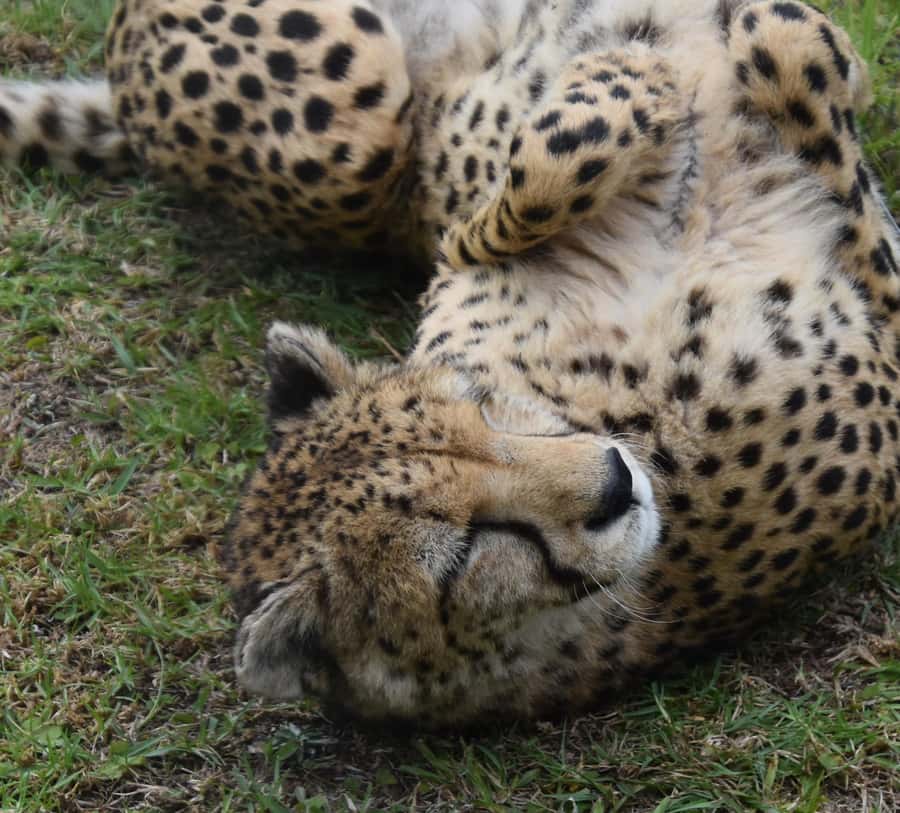
The guided wildlife tour is the heart of the experience. You visit Tenikwa’s indigenous wild cats with a guide who explains the animals, their behavior, and the conservation problems affecting their species.
The center’s staff build the experience around individual animals. Guide Msizi, who has worked at Tenikwa for nine years, is known for explaining the animals’ names and personalities in a warm, clear way. That kind of long-term contact can add useful detail. You are not just looking at a cat behind a fence. You are learning how staff recognize its habits and needs.
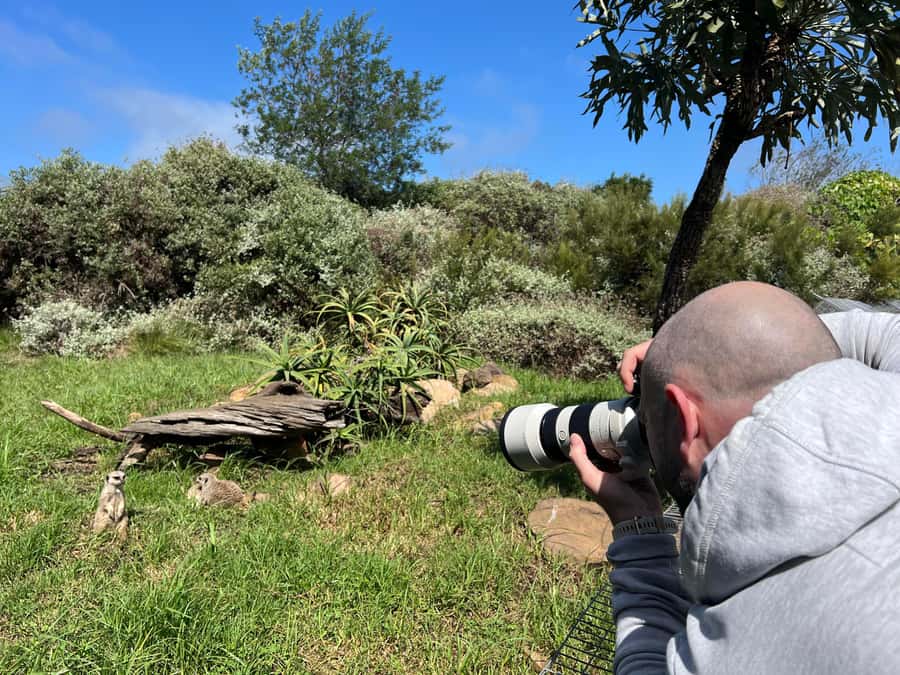
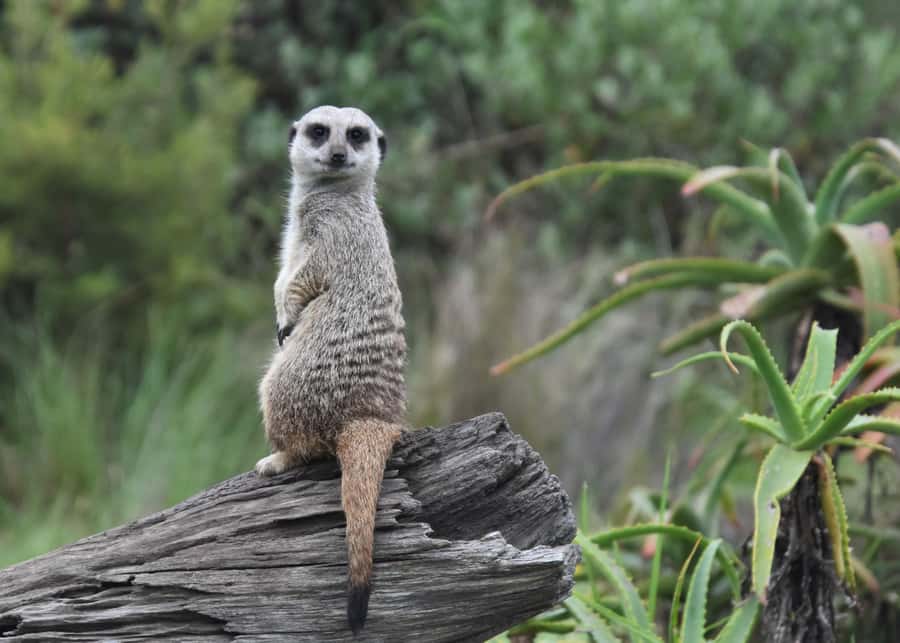
You may also see meerkats, owls, and other birds during the day. The wild cats receive the main attention, but these other animals help show the wider work of the center. Tenikwa is not only a cat-viewing stop. It deals with wildlife rehabilitation and public education across several types of animals.
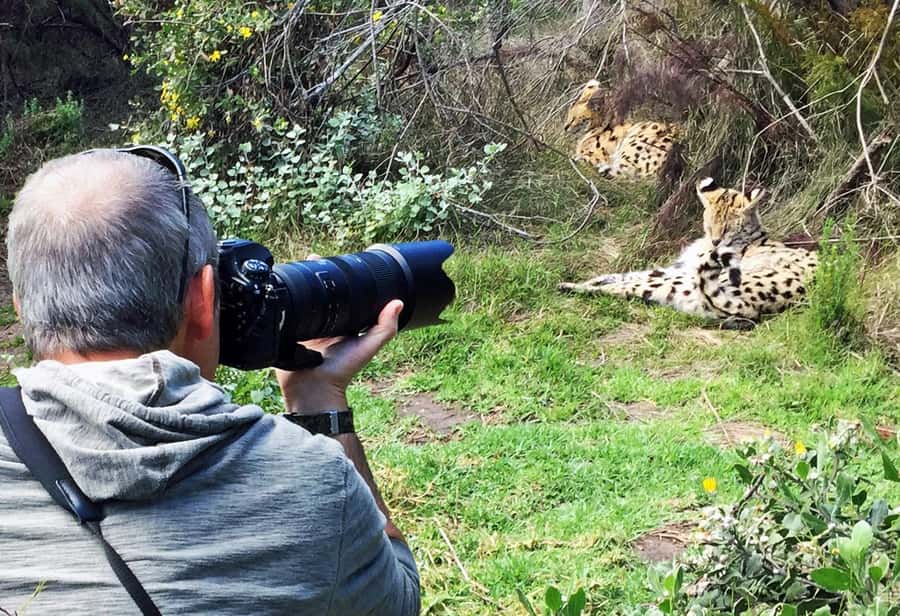
Expect plenty of photography opportunities. You can bring your camera on the tour, but photography must remain respectful. No selfie sticks are allowed, and you cannot touch or feed the wildlife. These rules may feel strict if you are used to petting attractions, but here they protect both people and animals.
The enclosures have been praised for being clean, maintained, natural in character, and large enough for the animals in care. Still, remember what this place is. You are seeing wild animals in human care, not watching a safari in a national park. Some animals are present because they need rehabilitation. Others cannot be released.
Something quite different:
- Zipline Cape Town – From Foot of Table Mountain Reserve
★ 5.0 · 3,179 reviews - Cape Town: Table Mountain Cable Car, Hop-On Hop-Off Bus Tour
★ 4.6 · 3,157 reviews - Cape Point and Boulder’s Penguins Full Day Tour
★ 5.0 · 3,118 reviews - From Cape Town: Cape Point & Boulders Beach Full-Day Tour
★ 4.8 · 3,032 reviews
The wildlife hospital and rehabilitation work
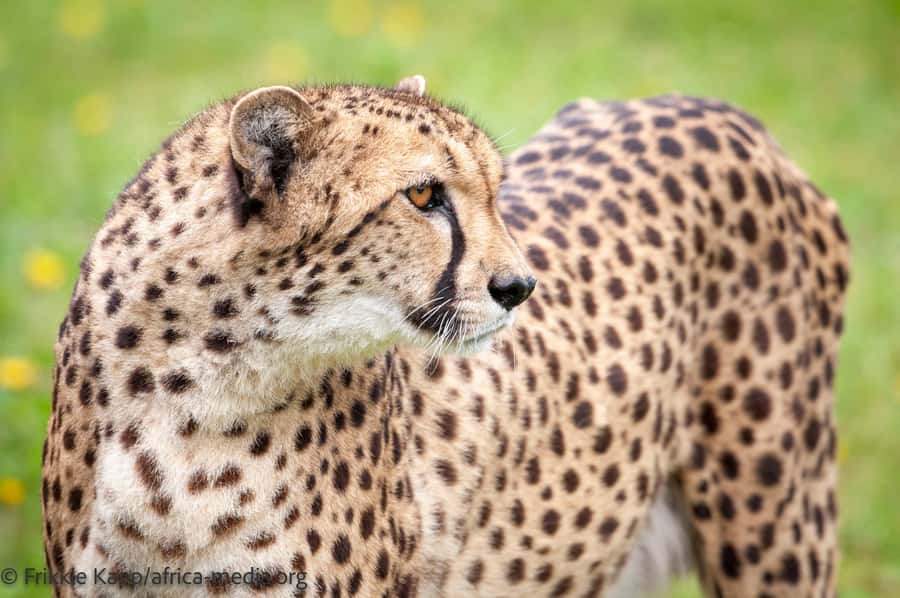
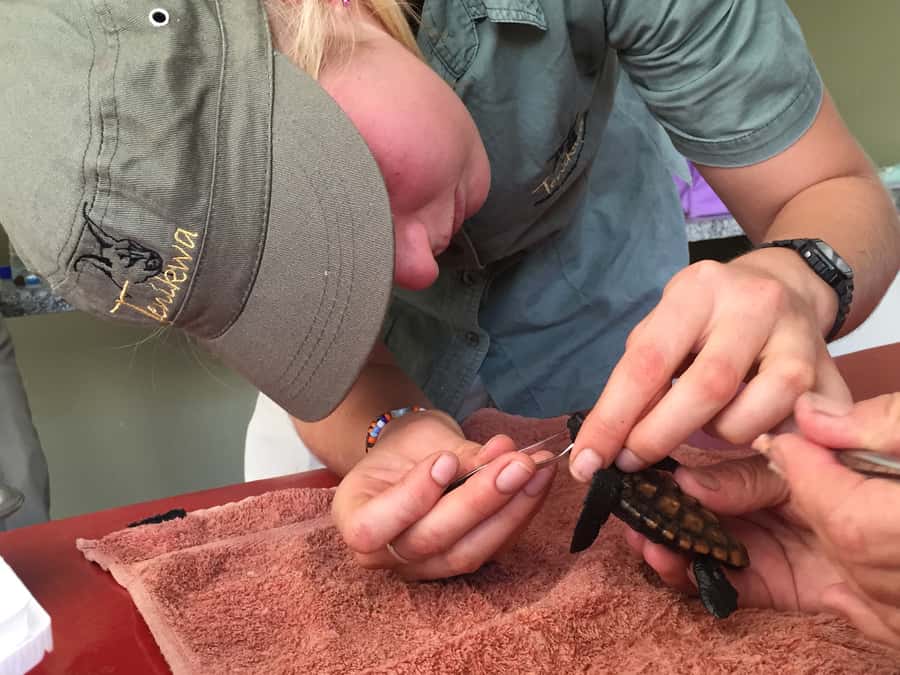
A major benefit of this tour is access to parts of the rehabilitation facilities that the general public does not normally see. You observe how wild animals are admitted and cared for in the wildlife hospital.
The supplied schedule does not promise that a particular animal will arrive during your visit. That is important. Wildlife treatment cannot be arranged for a convenient tourist timetable. Instead, you learn about the process and see how the staff approach care.
This behind-the-scenes time can make the conservation message more concrete. A sign about injured wildlife is easy to forget. Watching staff work through admission and care procedures shows the responsibility involved, including the need for quiet, controlled handling.
You should also expect moments that are less polished than a standard attraction. Rehabilitation work can be practical and serious. The reward is a more honest view of conservation, not a constant stream of dramatic animal encounters.
Enrichment for animals that cannot return home
After lunch, you help the guides with an enrichment exercise for non-releasable animals. Enrichment helps captive animals stay active and supports their quality of life.
The activity is supervised, and you do not handle the animals directly. You take part in preparing or supporting an exercise designed for their needs. The exact activity can vary, so approach it as a learning task rather than a guaranteed photo opportunity.
I consider this one of the tour’s strongest features. It explains an important point that many wildlife experiences skip: care does not end when an animal cannot be released. These animals still need stimulation, suitable surroundings, and routines that support natural behavior as far as possible.
The activity also gives you a better way to judge the center. You see whether the staff think beyond food and shelter. The careful approach described at Tenikwa, along with the relaxed behavior of the animals in their enclosures, suggests that animal welfare is treated as an ongoing responsibility.
A possible Tsitsikamma forest walk
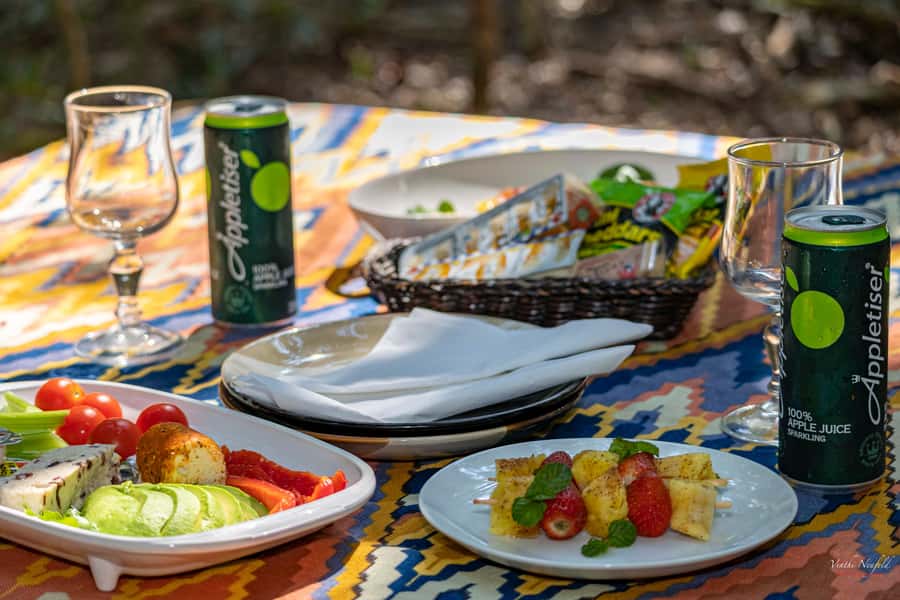
If time and weather permit, you take a guided walk through the indigenous Tsitsikamma forest. This adds a welcome change from the enclosures and connects the animals to the natural setting they are meant to represent.
The walk includes scenic views along the way. It is not presented as a separate long hiking excursion, and the timing depends on the rest of the program. Bad weather or a busy animal-care schedule may mean it is shortened or omitted.
Wear comfortable walking shoes and clothing. A sun hat, sunscreen, and insect repellent are sensible choices. The program operates in all weather, and rain jackets are provided if conditions turn wet.
Do not book this day expecting a gentle indoor visit. You will move around the center, assist with tasks, walk outdoors, and spend much of the day on your feet. The forest section is a bonus, not the sole reason to book.
Food preparation and afternoon feeding
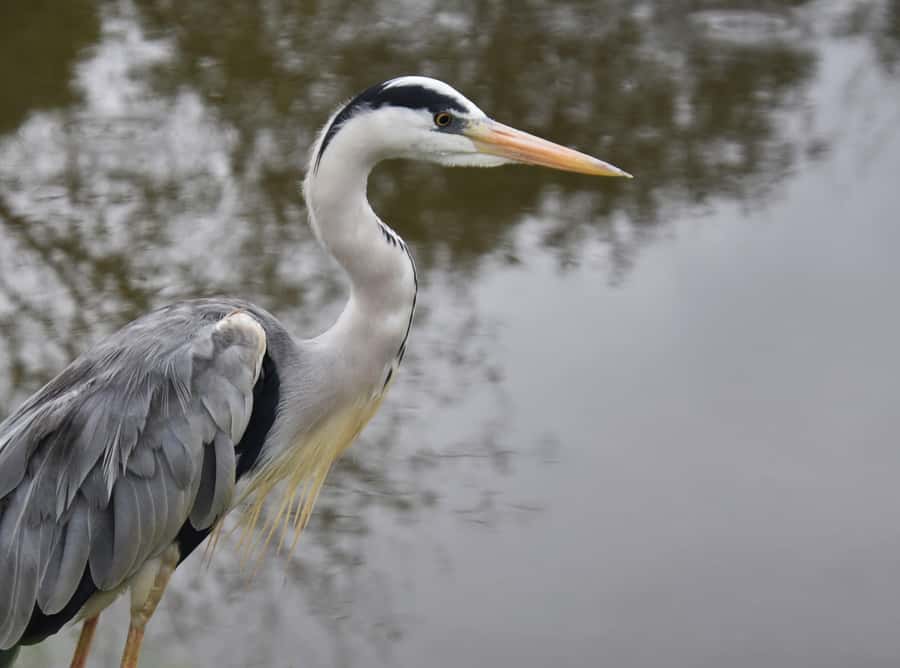
The afternoon returns you to the working rhythm of the center. You help the animal-keeping staff prepare food, then accompany them as they watch the animals feed.
This is another chance to learn how diets and feeding routines fit into animal care. The staff can explain what each animal needs and how feeding is managed safely. You watch rather than turn the activity into an interaction session.
Feeding time often attracts attention because animals become active and visible. Still, the quality of the experience depends on how much you listen. The useful part is not simply seeing an animal eat. It is understanding how staff manage the routine and observe the animals’ condition.
The schedule allows around three hours for afternoon camp activities and wildlife viewing, so this is not a rushed ten-minute stop. You have time to watch, take photographs, and ask questions. The private-group format should also make it easier to hear the guide and shape the discussion around your interests.
Securing the animals for the night
At the end of the day, you accompany the staff as they secure the animals for the night. This brings the experience back to where it began: the daily work of keeping animals safe.
It is a fitting final stage because it shows the full cycle of care. The animals are checked in the morning, supported during the day, fed in the afternoon, and secured at night. You leave with a clearer picture of the labor behind a wildlife center.
The timing can make for a long day, especially if you have already been sightseeing around Plettenberg Bay. That is also why the full-day format works for people who want substance. You are not paying for a quick look and a souvenir photograph. You are paying for access, staff time, meals, and a day built around conservation work.
There is a brief shopping stop of about 15 minutes. It is not a major part of the experience, but it gives you a chance to look for a memento before leaving.
Is $104 good value?
At $104 per person, this is not the cheapest animal visit in the Plettenberg Bay area. The value depends on what you want from the day.
The price includes a guide, breakfast with coffee or tea, lunch with one drink, bottled water, a private guided wildlife tour, observation in restricted rehabilitation facilities, behind-the-scenes keeper activities, and rain gear in bad weather. You also receive a full day of staff contact rather than a short public tour.
That package makes the cost easier to justify for people who care about conservation and want more than animal viewing. The meals and water also reduce the need to organize food during a long day.
The value is weaker if you mainly want a quick chance to photograph big cats. The program is educational, active, and shaped by animal-care needs. You will spend time on checks, preparation, and explanations. That is the point, but it may not suit someone seeking a fast attraction.
Hotel pickup and drop-off are not included. You need to reach Tenikwa yourself, follow the signs from the N2, and arrange your return. Additional drinks and snacks also cost extra.
Who should book this day?
I would recommend the Cats in Conservation tour to adults, older children, photographers, conservation-minded visitors, and anyone who wants to understand wildlife care from the inside.
Children must be at least nine years old. The day may suit a mature child who can follow instructions and accept that animals are not there to be touched or fed. It is less suitable for a child who expects a petting experience.
The tour also suits visitors who enjoy asking questions. Staff members spend time explaining their work, and the private-group format gives you room to talk. A guest who joined the program described the pacing as well balanced, with no sense of being rushed or bored.
It may not suit you if you need hotel transport, dislike outdoor activity, or want a predictable schedule unaffected by weather and animal needs. Wheelchair access is listed, but the program includes walking and a possible forest route. Ask Tenikwa about the parts of the day that match your mobility needs.
English is the tour language. The booking terms allow free cancellation up to 24 hours before the start, and you can reserve now and pay later. Those details are useful if your Plettenberg Bay plans are still shifting.
Should you book the Cats in Conservation tour?
Book it if you want a full, practical day focused on animal welfare rather than a quick wildlife photo stop. The strongest reasons are the keeper access, the rehabilitation-facility visit, the enrichment work, and the chance to follow feeding and evening security routines.
I would skip it if you want hotel pickup, a short outing, or guaranteed contact with animals. You will not touch or feed wildlife, and the forest walk depends on time and weather.
For the right visitor, $104 buys a rare look at the work behind wildlife rehabilitation. Bring walking shoes, sun protection, insect repellent, a camera without a selfie stick, and the patience to let the animals set the pace.
FAQ
Where does the Cats in Conservation tour start?
The tour starts at Tenikwa Wildlife Rehabilitation and Awareness Centre. From the N2, follow signs for Tenikwa, keep left at Animal Alley, then keep right at the fork and check in at reception.
How long does the experience last?
It is a full-day experience lasting one day. Starting times depend on availability.
Is hotel pickup included?
No. Hotel pickup and drop-off are not included. You must make your own way to Tenikwa.
What meals are included?
Breakfast with coffee or tea is included, along with lunch and one drink. The lunch drink can be coffee, tea, beer, wine, or a non-alcoholic drink.
Are snacks and extra drinks included?
No. Snacks and additional drinks are not included.
Can I take photographs?
Yes. Cameras may be taken on the tour, and there are many opportunities to photograph the wild cats. Selfie sticks are not allowed.
Can I touch or feed the animals?
No. Touching and feeding wildlife are not allowed.
Is the tour suitable for children?
The program is not suitable for children under nine years old.
What should I bring?
Bring comfortable walking shoes, comfortable clothing, a sun hat, sunscreen, and insect repellent. Bottled water is included.
What happens if it rains?
The program operates in all weather. Rain jackets are provided in bad weather, although the forest walk depends on time and weather conditions.
Is the tour wheelchair accessible?
Yes, the activity is listed as wheelchair accessible. Because the day includes walking and may include a forest walk, you should confirm which parts are suitable for your needs when booking.
Just added in South Africa
- Pretoria Capital City Tour Experience★ 5.0 · 24 reviews
- 4 Day Kruger National Park Tour★ 5.0 · 30 reviews
- Johannesburg e-scooter experience★ 5.0 · 38 reviews
- Johannesburg Street Art & Museum Walking or E-scooter Tour★ 4.5 · 10 reviews
- Big 5 Safari Experience at Pilanesberg National Park★ 5.0 · 16 reviews
- Drakensberg Mountains. Tugela Gorge and Amphitheater Hike★ 5.0 · 7 reviews
- Apartheid Museum Tour from Johannesburg★ 4.5 · 14 reviews
- Arrival Private Transfer: Tambo Airport JNB to Johannesburg in Business Car★ 4.0 · 5 reviews
Full-Day, compared.
Cape Point and Boulder’s Penguins Full Day Tour
Read our review →
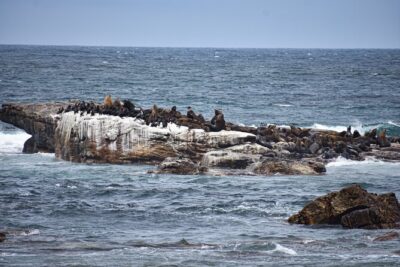
Cape of Good Hope & Boulder Penguins Full-Day Tour from Cape Town
Read our review →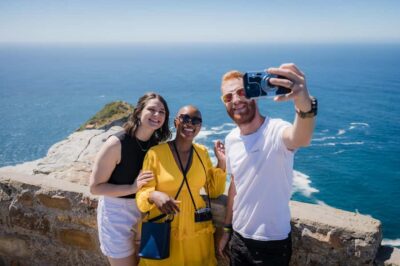
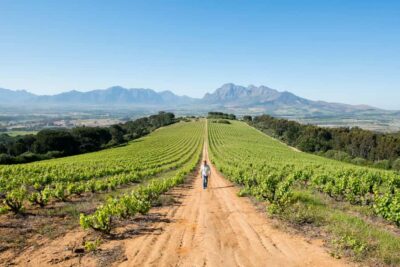
Full-Day Winelands Tour with Wine Tastings & Food
Read our review →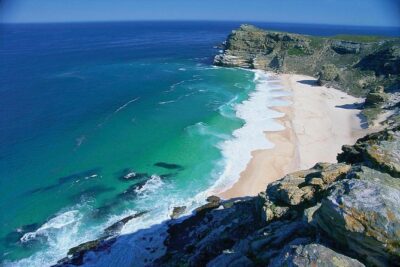
MUST DO: Boulders Beach & Cape Point Full Day Tour #1 Rated
Read our review →
Soweto /Johannesburg and Apartheid Museum Guided Full Day Tour
Read our review →