
REVIEW · PRETORIA TOURS
Pretoria half day tour
Pretoria rewards curious visitors. This four-hour tour gives you a quick look at South Africa’s administrative capital, from the Voortrekker Monument to the government offices at the Union Buildings. I like the clear historical focus, and I like that hotel pickup, drop-off, and bottled water are included. The main concern is reliability: one poor experience involved an old vehicle, wrong turns, and attractions reached after closing time.
I also value the chance to see several important sites in one morning or afternoon, especially if you have limited time in Gauteng. A strong guide can make the difference here. Albert received warm praise for explaining South Africa’s difficult past, while another guide was described as friendly and helpful. Still, four hours is tight, and the tour’s success depends heavily on good timing and vehicle preparation.
In This Review
- Key points to know before booking
- Why Pretoria deserves a half-day
- The Voortrekker Monument and the story it tells
- Kruger House and the private world of Paul Kruger
- Church Square, Pretoria’s historic center
- Passing through Pretoria’s city center
- The Union Buildings and South Africa’s government
- What the $86 price includes
- Timing, packing, and practical rules
- Who will get the most from this tour?
- Should you book the Pretoria half-day tour?
- FAQ
- How long does the Pretoria tour last?
- What attractions are included?
- Is hotel transportation included?
- What languages are available?
- What should I bring?
- Is food included in the price?
Key points to know before booking
- Four hours covers Pretoria’s major historic sights: The route includes the Voortrekker Monument, Kruger House, Church Square, the city center, and the Union Buildings.
- The Voortrekker Monument brings difficult history into view: Its design honors the Voortrekkers who left the Cape Colony between 1835 and 1854.
- Kruger House offers a personal look at Paul Kruger: Original furnishings, period items, gifts, and unusual building details make this more than a quick photo stop.
- Church Square connects Pretoria’s religious and political past: The Paul Kruger statue and surrounding Boer soldier figures dominate the square.
- The Union Buildings provide the political backdrop: They house the offices of the South African president and the executive branch of government.
- Transport quality deserves attention: One serious complaint involved a vehicle in poor condition and missed attractions, so confirm pickup and vehicle arrangements if possible.
Why Pretoria deserves a half-day
Pretoria is South Africa’s administrative capital. The executive branch of government works here, and the city hosts foreign embassies. That gives the place a different character from Johannesburg, where commerce and urban energy often take the lead.
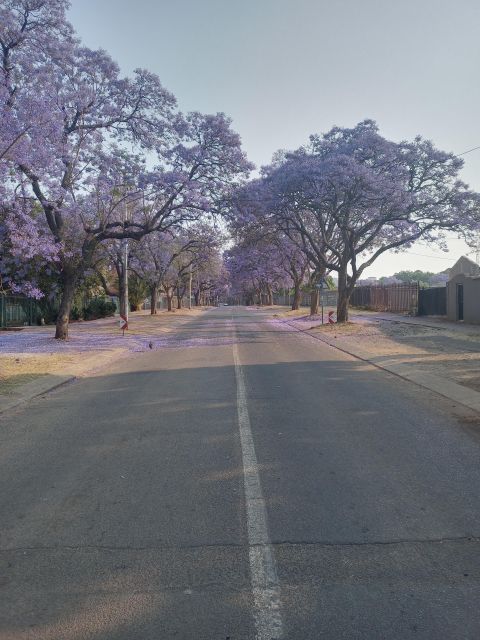
Pretoria is also known as the Jacaranda City. Thousands of jacaranda trees line its streets, parks, and gardens. The trees are one of the city’s most familiar features, although this four-hour route is focused more on monuments and public buildings than on a dedicated garden visit.
I see this tour as a useful introduction rather than a complete city visit. You get a broad look at Pretoria’s politics, colonial-era development, Boer history, and public memorials. You will not have time for a slow museum visit, long meals, or wandering through several neighborhoods.
The emotional tone can shift quickly. One stop may honor the Voortrekkers, another may focus on Paul Kruger, and the Union Buildings represent the modern South African state. A good guide can explain how these places fit together instead of presenting them as unrelated photo stops.
A few more in Pretoria
- Hartbeespoort: 2-Hour Dam Cruise with South African Food
★ 4.4 · 621 reviews - Hartbeespoort: Predator Safari with a Guide
★ 4.8 · 267 reviews - Soweto Half Day Tour
★ 5.0 · 231 reviews
The Voortrekker Monument and the story it tells
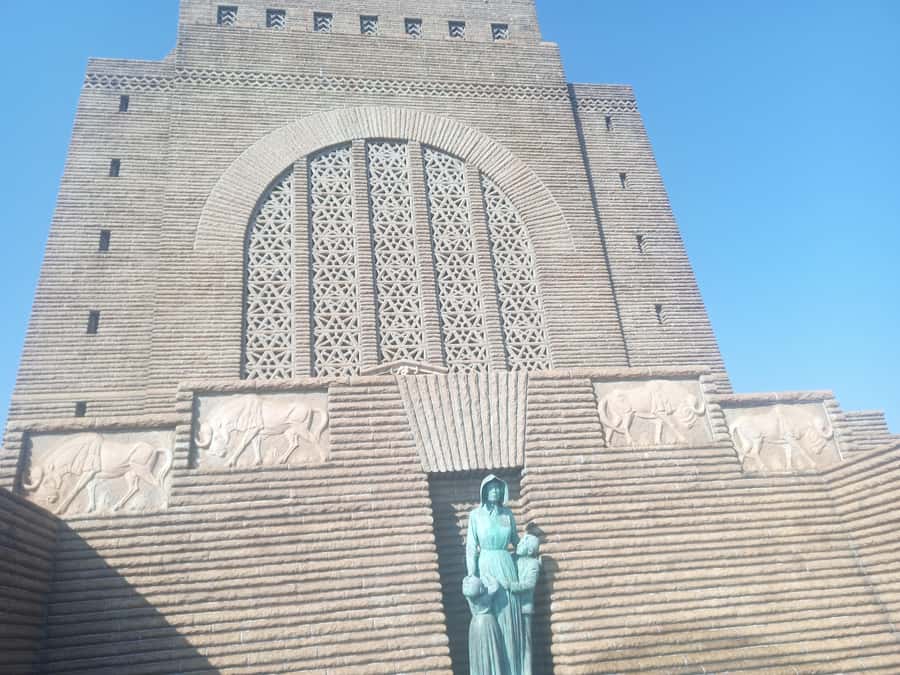
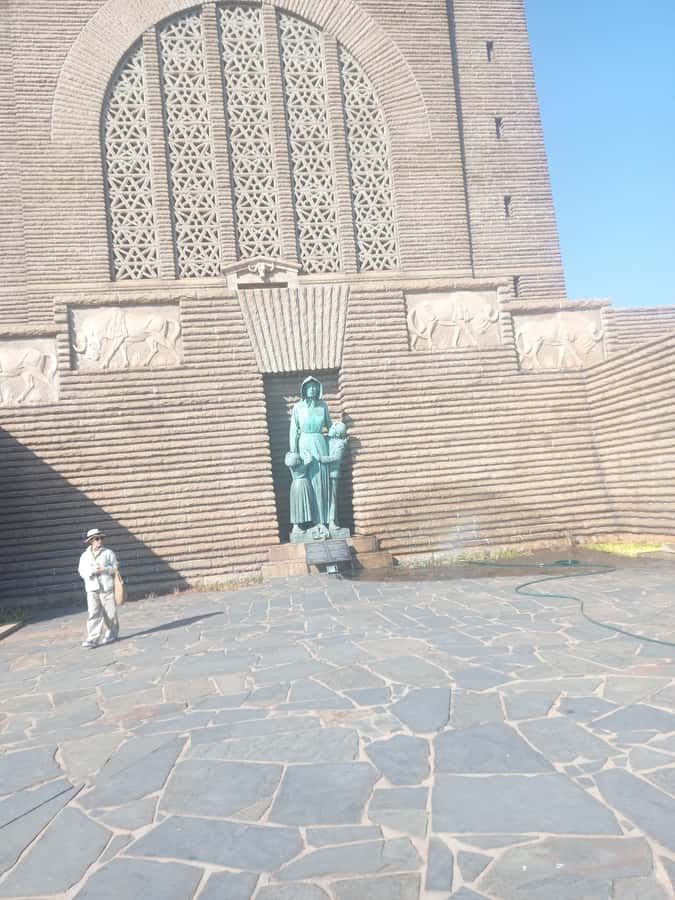
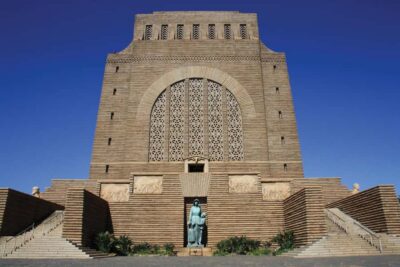
The tour begins with the Voortrekker Monument, located south of Pretoria on a hilltop. Its granite structure commemorates the Voortrekkers, the Dutch-speaking settlers who left the Cape Colony between 1835 and 1854.
The building was designed by architect Gerard Moerdijk. Even from the outside, its size and setting make a strong first impression. The elevated location gives the monument a formal, commanding presence, and the stone construction reinforces its role as a national memorial.
This is also the point where a guide’s explanation matters most. The monument reflects the viewpoint and memory of the Voortrekkers, not a complete account of every community affected by their movement. I would listen closely to how the guide presents that past, especially if you want a more balanced understanding of South African history.
The stop is valuable because it gives you context for later sights. Pretoria was shaped by competing political ideas, migration, land, and power. The monument is not simply an old building. It shows how one group chose to remember its own journey and struggles.
The drawback is time. A four-hour tour has several major stops, so you may get a short visit rather than enough time to study every detail. If this monument is your main reason for coming to Pretoria, a longer dedicated visit would give you more breathing room.
Kruger House and the private world of Paul Kruger
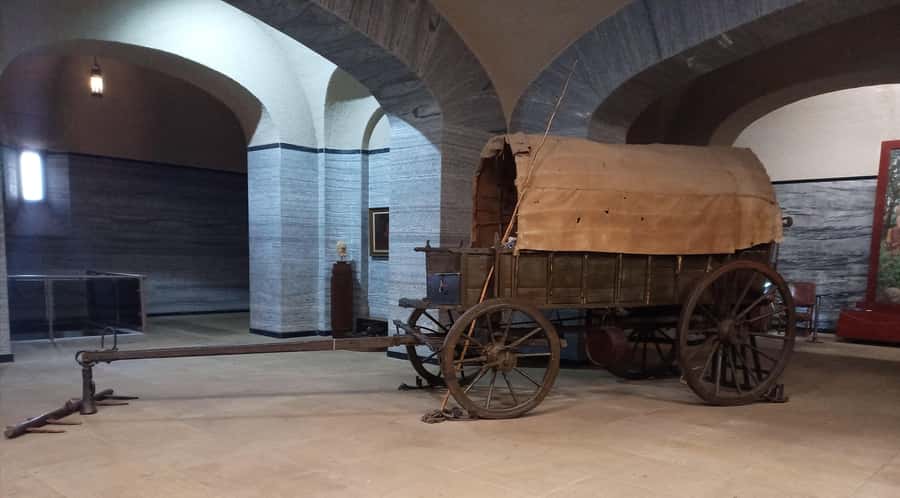
Kruger House was the Pretoria residence of Paul Kruger, the Boer leader and president of the South African Republic. It was built in 1884 by architect Tom Claridge and builder Charles Clark.
The house offers a more personal counterpoint to the monumental scale of the Voortrekker Monument. Instead of a national memorial on a hill, you see a residence connected to a particular political figure. The rooms contain original furnishings or objects from the same period, along with gifts presented to Kruger and other memorabilia.
One detail catches the imagination: milk was used in place of water when mixing the cement. The available cement was poor, so milk was added during construction. The house was also among the first in Pretoria to receive electric lighting.
Those small details help you picture the period more clearly. Political history can feel remote when you only see statues and official buildings. A house, household objects, gifts, and construction stories make the past easier to grasp.
I would pay attention to the difference between the man’s public image and the home itself. The residence helps show how leadership was presented in everyday life, while the objects reveal how supporters and political allies treated Kruger.
Again, timing matters. If the house is closed when you arrive, you may only see the exterior. One very poor experience reported that two of the three attractions were already closed by the time the vehicle arrived. That is not a small inconvenience on a four-hour tour, so departure time and route planning are especially important.
Church Square, Pretoria’s historic center
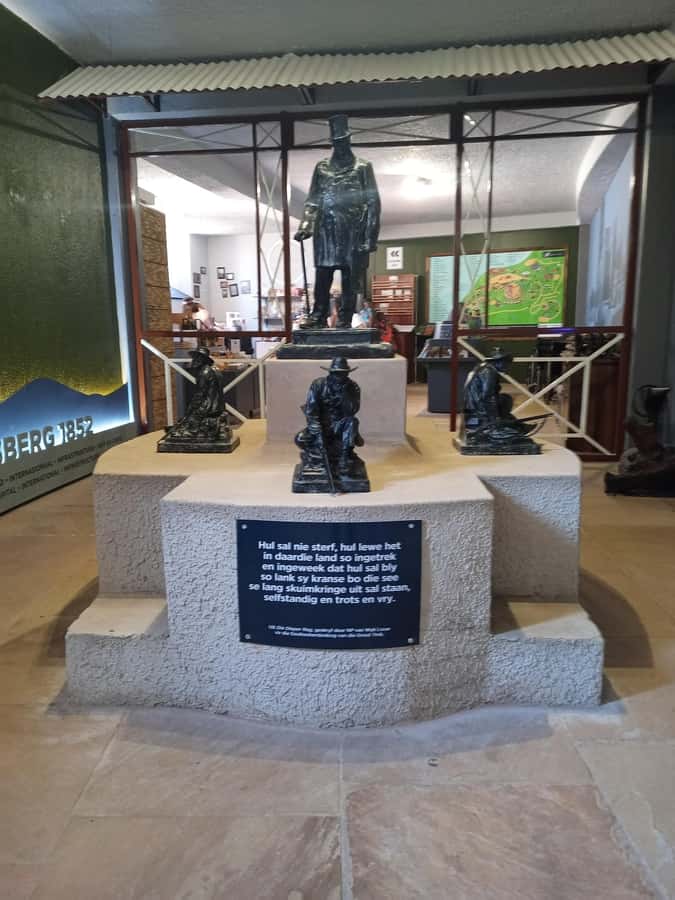
Church Square was originally called Market Square. Pretoria’s founder, Marthinus Pretorius, intended it to serve as both a market and churchyard. Churches occupied the center of the square from 1856 to 1905, which explains the name used today.
The square’s central feature is the statue of Paul Kruger, installed in June 1954. Four anonymous Boer citizen-soldiers surround the statue on a lower level of the plinth. The arrangement gives the square a strong political and symbolic focus.
I like Church Square because it lets you read Pretoria as a city rather than as a collection of museums. Its name, statue, buildings, and former market function all point to the city’s development. You can see how religion, commerce, public ceremony, and political identity shared the same central space.
You may spend only a short time here, particularly if the tour is running behind. That can still be enough to take in the statue and hear the main story, but it may not satisfy you if you want architectural detail or a long walk around the square.
The stop also deserves a thoughtful explanation. Public statues are never neutral decorations. They show which people a city chose to honor, and the figures around Kruger reveal how Boer identity was presented in the square. I would ask your guide how the site is viewed in South Africa today.
Something quite different:
- Johannesburg and Soweto tour
★ 5.0 · 231 reviews - Ultimate Johannesburg Tour
★ 5.0 · 200 reviews - Johannesburg: Pretoria and Cullinan Diamond Mine Tour
★ 4.7 · 165 reviews - Hartbeespoort Dam: 1 Hour Standard Scenic Boat Cruise
★ 4.0 · 147 reviews
Passing through Pretoria’s city center
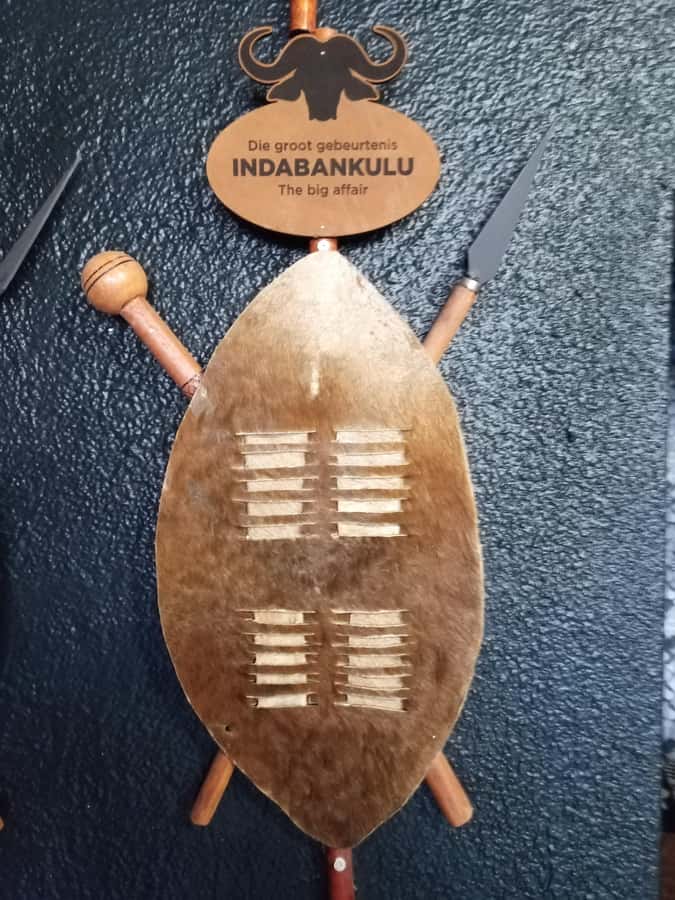
The route passes through the central business district, or CBD. This part of the tour is less about entering one particular attraction and more about seeing how the historic center connects with present-day Pretoria.
That brief drive helps break up the formal stops. You move from monuments and residences into the working city, with its offices, streets, and public spaces. Since Pretoria is the seat of government and home to foreign embassies, the center provides useful context for its national role.
Do not expect a long walking tour of the CBD. The information provided describes passing through the center, not an extended exploration. Think of it as a city orientation from the vehicle.
This portion also shows why efficient driving matters. A wrong turn can cost a large share of a four-hour outing. One account describes a 35-minute drive becoming more than an hour after two wrong turns. That left too little time for the actual sights.
The Union Buildings and South Africa’s government
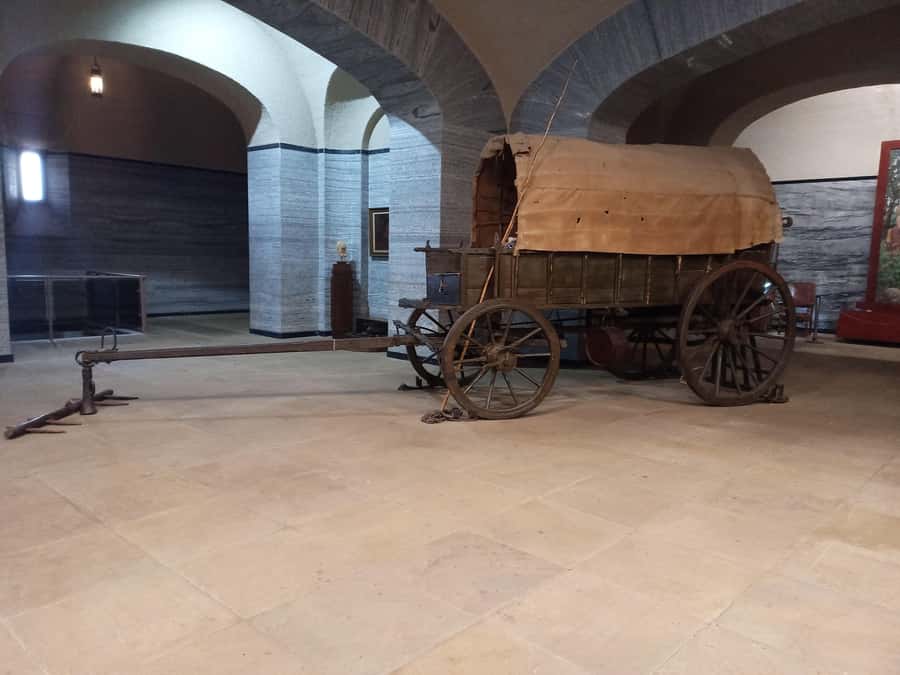
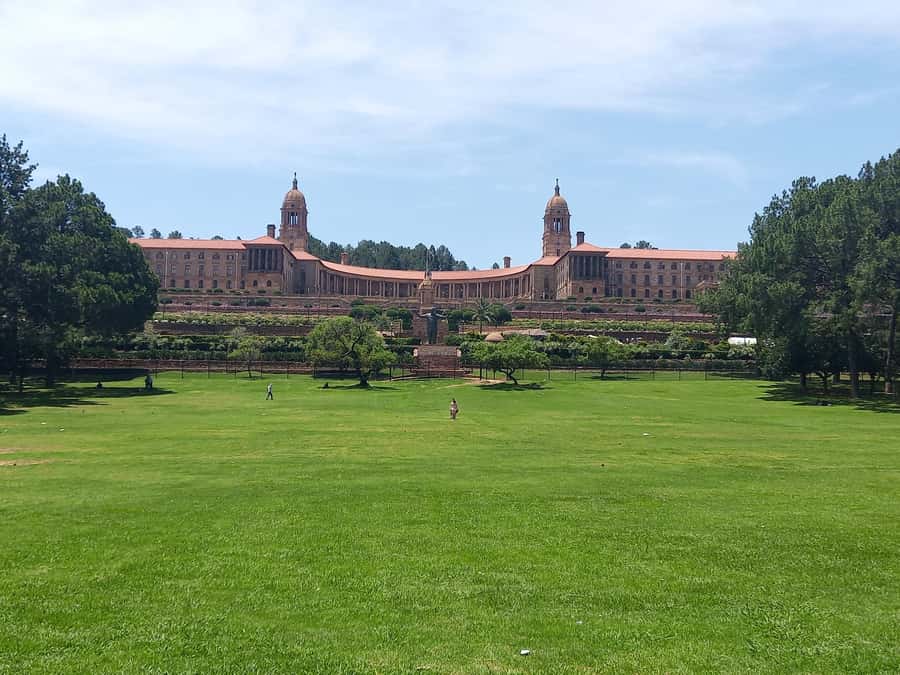
The Union Buildings are the tour’s major political stop. They are the official seat of the South African Government and house the offices of the president.
The buildings sit atop Meintjeskop at the northern end of Arcadia, near Church Square. Their high position gives them a prominent place above Pretoria, and the site is recognized as a South African national heritage site.
This is an important final chapter for the tour. The Voortrekker Monument and Kruger House focus on earlier Boer memory and leadership. The Union Buildings bring you to the modern government of South Africa. Seeing all three helps you follow a line from nineteenth-century political identity to the institutions that govern the country today.
I would allow time to take in the setting, not only the building itself. The hilltop location is part of the experience. You get a sense of why this site was chosen for national administration and why it remains one of Pretoria’s key symbols.
Access and timing may vary during the visit, and the supplied information does not promise entry into government offices. You should expect to see the Union Buildings and their setting rather than assume you will enter every interior space.
What the $86 price includes
At $86 per person, this is not the cheapest way to see Pretoria. The value depends on what you need.
Hotel pickup and drop-off remove the need to arrange separate transport across Gauteng. That matters if you are unfamiliar with the area or prefer a guided route rather than working out several connections yourself. A bottle of water is also included, while food, drinks, and alcohol are not.
The price makes more sense if your priority is convenience and historical explanation. You are paying for a four-hour route, transport, and a guide who can connect the sights. Albert was praised for giving a clear account of South Africa’s turbulent past, and another guide received strong marks for being friendly, helpful, and well informed.
The value drops sharply if poor driving causes missed stops. A vehicle in poor condition, an emergency spare tyre, a loose part falling off, and repeated wrong turns are serious concerns. I would not ignore that account simply because other experiences were excellent.
The overall rating is 3.7 from three reviews, which points to a divided experience rather than a dependable pattern of perfection. Two customers gave the experience five out of five, while one gave it one out of five. The lesson is simple: guide quality appears to be a strength, but operations and transport need closer attention.
Timing, packing, and practical rules
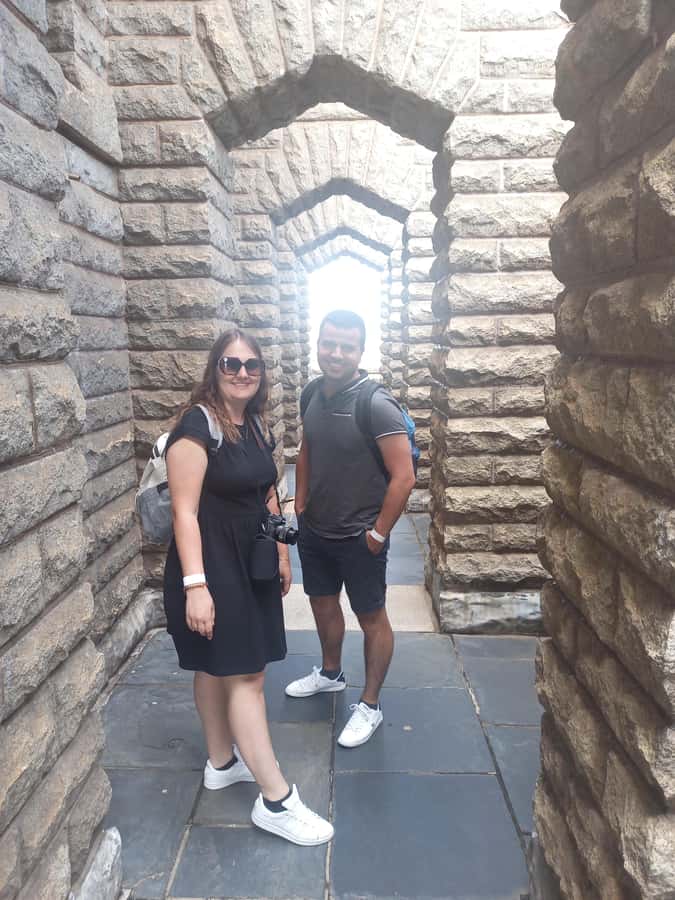
The experience lasts about four hours. That is enough for a brisk route through the main sights, but not enough for a relaxed visit at every stop. If you want long museum time, extensive photography, or an unhurried meal, you should plan a separate Pretoria day.
Bring your passport. A copy is accepted according to the tour information. All visitors must pass through airport security systems, so allow for screening and follow instructions at the sites.
Large bags and luggage are not allowed. Pack lightly, with only the essentials you need during the outing. Food and drinks are not included, and alcohol is specifically excluded, so do not count on refreshments being part of the price.
The tour is offered in English and French. It is not suitable for pregnant women. You can reserve now and pay later, and cancellation is allowed up to 24 hours in advance for a full refund.
I would also confirm the pickup time carefully. That is not just a minor organizational detail here. With several sites packed into four hours, a late start or a long wrong turn can affect the whole route.
Who will get the most from this tour?
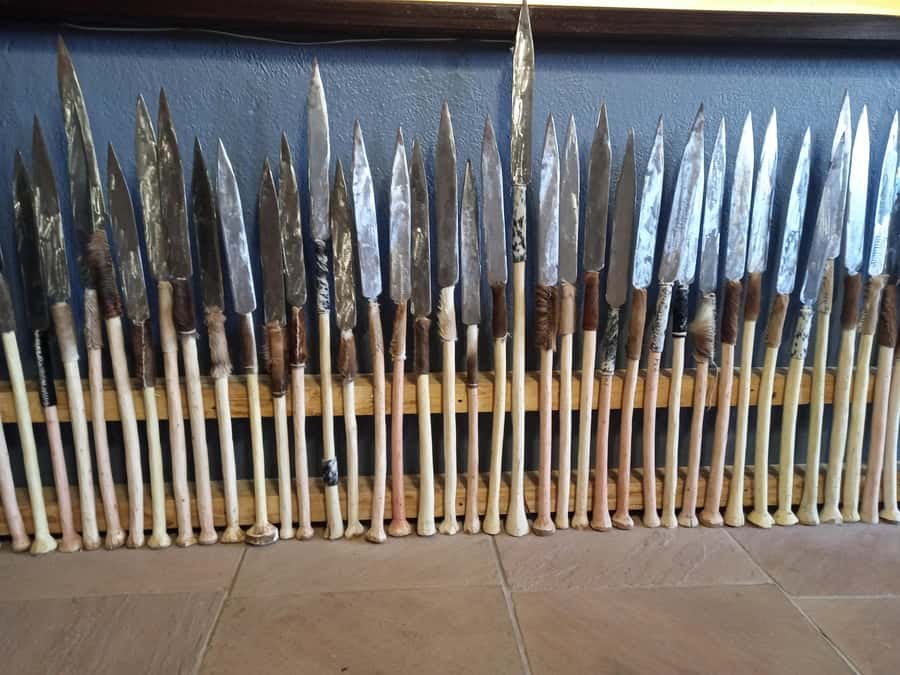
This tour suits you if you have a short stay in Gauteng and want a guided introduction to Pretoria’s most important political and historical places. It works particularly well for first-time visitors who prefer a planned route and need hotel transport.
You will likely appreciate it if you enjoy public monuments, presidential history, old residences, and explanations of South Africa’s political past. The emotional range is wider than a simple sightseeing drive, since the route touches memory, leadership, national identity, and the country’s difficult past.
It is less suitable if you want a slow, highly flexible day. The itinerary is compact, and the four-hour schedule leaves little room for delays. It may also disappoint you if you expect extensive walking, restaurant time, or interior access at every location.
Guide quality is central. If you receive the kind of service described for Albert, the tour can become a thoughtful history lesson rather than a checklist. If transport problems arise, the same schedule can feel rushed and poor value.
Should you book the Pretoria half-day tour?
I would book this tour when convenience matters and your Pretoria time is limited, but I would confirm the pickup details and vehicle arrangements before paying. The route covers the city’s essential symbols, and the best guides can explain how the Voortrekker Monument, Kruger House, Church Square, and Union Buildings fit into one complicated national story.
I would skip it if you have a full day available and want to explore at your own pace. You may prefer separate, longer visits to the monument and Kruger House, with more time around the city center.
At $86, this is a reasonable convenience purchase only when the transport runs well and the attractions are open. The strong guide feedback is encouraging, but the serious complaint about vehicle condition and missed sites means you should make reliability part of your booking decision.
FAQ
How long does the Pretoria tour last?
The tour lasts approximately four hours.
What attractions are included?
The route includes the Voortrekker Monument, Kruger House, Church Square, a drive through Pretoria’s city center, and the Union Buildings.
Is hotel transportation included?
Yes. Hotel pickup and drop-off are included.
What languages are available?
The tour is offered in English and French.
What should I bring?
Bring your passport, although a copy is accepted. Large bags and luggage are not allowed.
Is food included in the price?
No. Food and drinks are not included, and alcohol is also excluded.
Just added in Pretoria
- The Elephant and Monkey Sanctuary.★ 4.5 · 16 reviews
- South Africa: Lesedi Cultural Village – Half-Day Tour★ 5.0 · 2 reviews
- Johannesburg: Hot Air Balloon Flight along Magalies Valley★ 5.0 · 11 reviews
- Pretoria Tour-Voortrekker Monument, Town, Union Buildings★ 5.0 · 3 reviews
- Pretoria Soweto And Johannesburg★ 3.8 · 13 reviews
- Pretoria: Half-Day City Tour with Hotel Pickup★ 4.2 · 6 reviews
- Pretoria: Pretoria City Tour and Cullinan Diamond Mine Tour★ 4.9 · 24 reviews
- Lesedi Cultural Village★ 4.9 · 14 reviews
Pretoria Tours, compared.

Hartbeespoort: 2-Hour Dam Cruise with South African Food
Read our review →


Hartbeespoort Dam: 1 Hour Standard Scenic Boat Cruise
Read our review →
Browse the lists this tour appears in