
REVIEW · DRINKING TOURS
The Art of Chocolate Making Bean-To-Bar Experience in Cape Town
Chocolate starts long before the wrapper. This short Cape Town experience introduces you to Tanzanian single-origin cacao and explains how beans become finished chocolate. I like the clear bean-to-bar focus, and I like that the tasting connects flavor with farming and production. The main drawback is time: at about 25 minutes, the visit can feel rushed if you want a full workshop.
You meet at Makers Landing in the Cruise Terminal at the V&A Waterfront, then finish at the same spot. The price is modest at $10.79 per person, and the private format means only your group takes part. Still, think of this as a compact explanation and tasting, not a long chocolate class or a full factory visit.
In This Review
- Key Points About This Cape Town Chocolate Experience
- Meeting Tanzanian Cacao at Makers Landing
- Why Single-Origin Tanzanian Chocolate Matters
- Following the Bean-to-Bar Process in 25 Minutes
- What You Taste During the Visit
- The Store Workshops and Masterclasses
- Is $10.79 Good Value?
- The Main Weakness: A Very Tight Schedule
- Booking, Transport, and Cancellation Details
- Who Should Book This Chocolate Experience?
- Should You Book It?
- FAQ
- Where does the chocolate experience start?
- Where does the experience end?
- How long does the experience last?
- How much does it cost?
- On which days and times is it available?
- Is the experience private?
- What kind of chocolate do you taste?
- Can you cancel for a full refund?
Key Points About This Cape Town Chocolate Experience
- Tanzanian cacao takes center stage: You taste chocolate made from heirloom beans sourced directly from farmers in Tanzania.
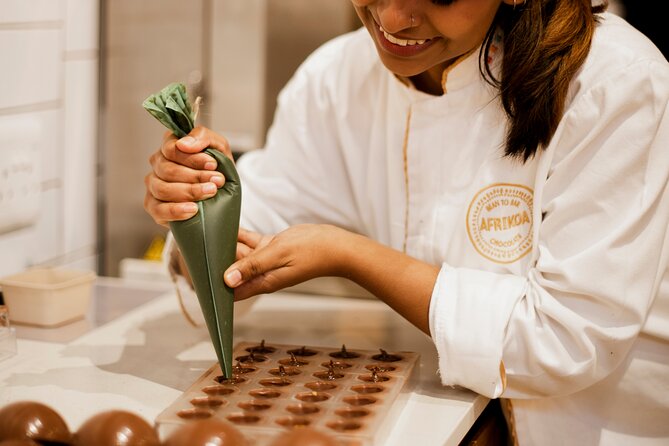
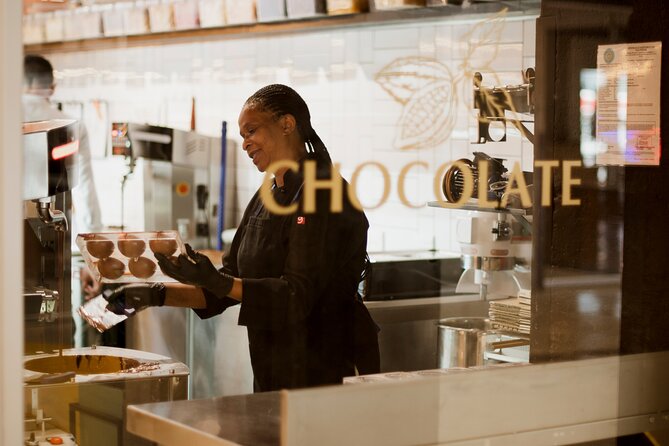
- The process is explained from bean to bar: The experience covers fermenting, drying, roasting, grinding, refining, conching, and tempering.
- The tasting is the main event: You sample dark chocolate and specialty bars designed to show different flavor combinations.
- The setting is convenient: Makers Landing is at Cape Town’s Cruise Terminal in the V&A Waterfront, close to public transportation.
- The visit is short and private: The experience lasts about 25 minutes and is limited to your own group.
- Workshops are separate possibilities: The store also offers sessions on tempering, molding, and making personalized chocolates, but the supplied tour details do not confirm that these are included in the $10.79 visit.
Meeting Tanzanian Cacao at Makers Landing
Your starting point is Makers Landing, located at the Cruise Terminal in Cape Town’s V&A Waterfront. That location makes the experience easy to combine with time around the waterfront, though you should allow for the fact that the chocolate activity itself is brief.
The meeting point is precise: Makers Landing, The Cruise Terminal, Victoria & Alfred Waterfront, Cape Town, 8001. The activity ends there as well, so you do not need to arrange a separate return transfer.
The setting matters because it makes this a practical add-on rather than a major day trip. If you are already visiting the V&A Waterfront, you can fit the tasting around other plans. If you are coming across Cape Town only for this activity, the short duration may not justify a long journey by itself.
The experience is offered on Wednesdays between 9:00 a.m. and 3:30 p.m. for the listed operating period, which runs from December 22, 2023, through June 18, 2026. Check your selected time carefully when booking, since the published operating hours are limited to Wednesday daytime hours.
More Pub and Bar Tours in Cape Town
- Private Day Tour to Cape Point , Penguins, Wine or Beer Tasting
★ 5.0 · 80 reviews - Wildlife Safari, Olive, Beer/Wine Tasting Day Tour from Cape Town
★ 5.0 · 39 reviews - From Cape Town: Wildlife Safari, Olive, Beer & Wine Tasting
★ 4.7 · 18 reviews
Why Single-Origin Tanzanian Chocolate Matters
The most interesting idea here is not simply eating chocolate. It is learning how the place where cacao grows can affect the final taste.
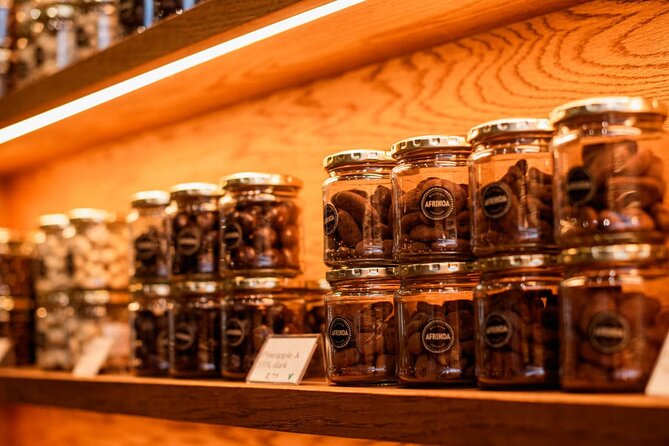
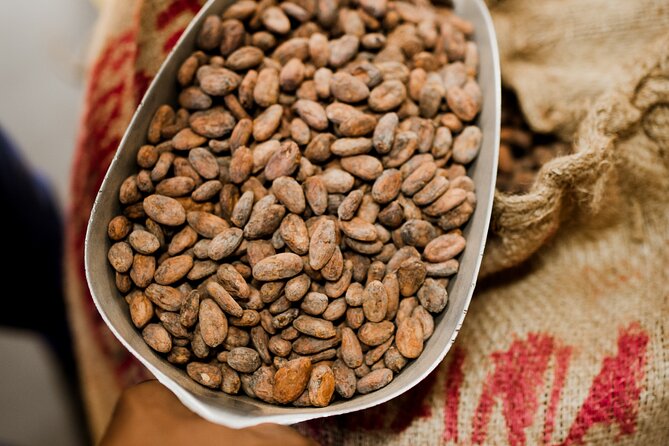
AFRIKOA Luxury Craft Chocolate sources heirloom cacao beans directly from farmers in Tanzania. The chocolate is made from beans grown in one specific region, rather than blending cacao from several countries into one standard flavor. That single-origin approach gives you a clearer chance to notice the character of Tanzanian cacao.
You should not expect every bar to taste the same. The point is to notice differences in aroma, bitterness, sweetness, texture, and finish. Dark chocolate can show the cacao more directly because it usually contains less milk and fewer flavor additions. Specialty bars then demonstrate how other ingredients can work with the base chocolate.
This approach also gives the tasting an ethical and practical angle. Bean-to-bar production emphasizes sustainability, transparency, and fairer links between producer and maker. The information provided does not give details about specific farmer payments or certification, so I would not read more into the ethical claims than is stated. Still, knowing the beans are sourced directly from Tanzanian farmers adds useful context to each sample.
Following the Bean-to-Bar Process in 25 Minutes
The visit explains the chain of work that turns cacao beans into a bar. You are introduced to the following stages:
- Fermenting: After cacao pods are harvested, the beans are fermented. This begins developing the flavors that later appear in the chocolate.
- Drying: The beans are dried after fermentation. This prepares them for transport and later roasting.
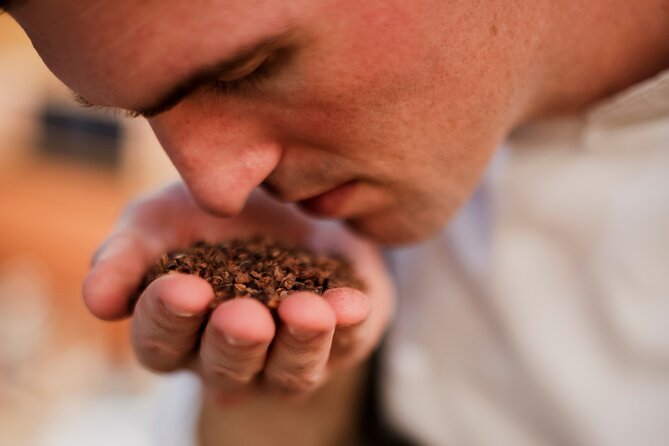
- Roasting: Heat changes the flavor and aroma of the beans. It is one of the stages that makes cacao smell and taste recognizably like chocolate.
- Grinding: The roasted beans are broken down into a smoother chocolate mixture.
- Refining: Further processing improves the texture by reducing rough particles.
- Conching: This stage helps develop a smoother mouthfeel and more finished flavor.
- Tempering: Controlled cooling and heating give the chocolate its polished texture, snap, and stable appearance.
That list sounds technical, but it is useful because it helps you understand why handmade chocolate costs more than a basic supermarket bar. Every stage affects the final result, and the maker controls each one rather than sending the beans through a large anonymous supply chain.
The catch is the clock. A 25-minute visit does not leave much room for a long demonstration at every stage. One assessment describes the experience as an explanation and tasting that felt very rushed. I would treat the process talk as a compact introduction, not a detailed lesson in commercial chocolate production.
Another assessment praises the chance to taste the chocolate through its various processes until it becomes a bar. That is the strongest reason to book: you get a quick but focused look at how a raw agricultural product becomes a finished food.
What You Taste During the Visit
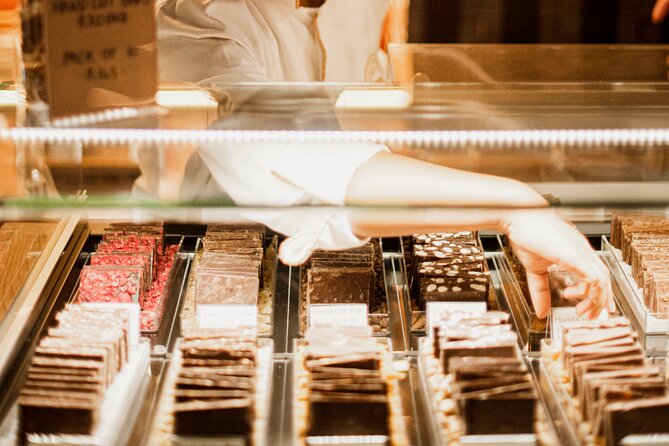
The tasting includes some of the maker’s preferred chocolates. You can expect velvety dark chocolate alongside specialty bars that combine flavors in different ways.
The value of the tasting lies in comparison. Instead of trying one bar without context, you can consider how the flavor changes from a plain expression of cacao to a bar with added ingredients. The single-origin base gives the tasting a common thread, while the specialty bars show how the maker builds on it.
I would take small bites and give each one a moment before reaching for the next. Even in a short session, that helps you notice texture and aftertaste. You can also pay attention to how the same cacao character appears beneath different recipes.
The tasting should suit people who enjoy dark chocolate and those who want to learn why craft chocolate costs more. If you prefer very sweet milk chocolate, the focus on cacao flavor may be less appealing. The available information does not specify the exact number of samples or every ingredient in the bars, so do not book expecting a fixed multi-course tasting menu.
The phrase choc overload fits the spirit of the visit, but it should not be taken as a promise of a large quantity. The experience is about sampling and learning, not filling a box with chocolate.
Something quite different:
- Wine Tour: Paarl, Franschhoek & Stellenbosch incl 3 wineries
★ 5.0 · 3,940 reviews - Cape Town: Hop-On Hop-Off Bus Tour with Optional Cruise
★ 4.8 · 3,929 reviews - Cape Town: Cape of Good Hope & Penguins Day Tour with Pickup
★ 4.7 · 3,362 reviews - Zipline Cape Town – From Foot of Table Mountain Reserve
★ 5.0 · 3,179 reviews
The Store Workshops and Masterclasses
AFRIKOA also offers workshops and masterclasses in the store. These sessions cover tempering, molding, and the making of personalized chocolates. They sound better suited to people who want to work with chocolate rather than simply taste it.
That distinction is important. The advertised experience lasts about 25 minutes, while a hands-on class would naturally require more time. The supplied details do not say that tempering or molding is included in this particular booking, so I would confirm before paying if the practical work is the main reason you are interested.
A workshop could be a good choice for a group looking for an educational food activity. It may also suit chocolate enthusiasts who already know the basic bean-to-bar story and want to learn a practical skill. For the short visit, however, plan on watching, listening, and tasting rather than making your own bar.
Is $10.79 Good Value?

At $10.79 per person, the price is reasonable for a short tasting and explanation, especially if you are already at the V&A Waterfront. You are paying for access to a specialist chocolate presentation, several tastes, and an introduction to single-origin Tanzanian cacao.
The value drops if you must make a special cross-town trip and expect a substantial class. Twenty-five minutes is not enough for an extensive production tour, a long tasting flight, or a detailed hands-on lesson. The low price helps set the right expectation: this is a small, focused experience.
I see the strongest value for three types of visitors:
- You are already spending time at the V&A Waterfront.
- You want a quick food experience between larger Cape Town activities.
- You are curious about bean-to-bar chocolate but do not need a full workshop.
For a family or private group, the format has one clear benefit: only your group participates. That can make questions easier and avoids being placed with strangers. The activity is not described as a large group tour, and the private setup gives it a more personal feel even though the visit is short.
The Main Weakness: A Very Tight Schedule

The central issue is speed. You are being asked to cover farming, cacao origins, seven production steps, tasting, and the broader bean-to-bar movement in roughly 25 minutes.
That can work as a sharp introduction. It can also leave you wanting more. One detailed reaction calls the experience rushed, even while noting that the staff were nice. That combination is useful advice: the people leading the visit may be welcoming, but friendly service does not create extra time.
If you enjoy slow tastings, technical explanations, and plenty of questions, you may find the format too compressed. If you want a quick introduction and a few good samples, the short schedule may be a benefit.
I would arrive ready to focus. Since each minute matters, think about what you most want to know before you start. You might ask about the flavor differences between Tanzanian cacao and cacao from other regions, how the beans are sourced, or which step most affects the final taste.
Booking, Transport, and Cancellation Details
Your confirmation is provided at the time of booking, and the activity accepts a mobile ticket. The meeting point is near public transportation, which is useful if you are moving around Cape Town without a car.
The experience is often booked about 20 days ahead, so advance planning is sensible if your Wednesday schedule is fixed. The listed hours are limited, and the private format may have fewer available times than a large shared tour.
You can cancel for a full refund if you do so at least 24 hours before the experience begins. Cancellations made within 24 hours are not refunded, and changes inside that period are not accepted. The cut-off follows local Cape Town time.
Who Should Book This Chocolate Experience?
I would recommend it to chocolate fans who want a brief, affordable introduction to African cacao. The Tanzanian single-origin focus gives the visit a clear identity, and the bean-to-bar explanation adds more substance than a simple shop tasting.
It also suits couples, families, and private groups looking for a small activity near the waterfront. The mobile ticket, central meeting point, and return to the same location make planning simple.
I would be more cautious if you are seeking a full chocolate-making class. Although workshops and masterclasses are offered at the store, this particular experience is described mainly as a tasting and explanation. Confirm what is included before booking if you expect to temper, mold, or create personalized chocolates.
I would also skip it if you dislike dark chocolate or want a long food tour. The available tasting details focus on dark chocolate and specialty bars, and the complete visit takes only about 25 minutes.
Should You Book It?
Book this experience if you are already near the V&A Waterfront, enjoy chocolate with a stronger cacao character, and want to understand how Tanzanian beans become a finished bar. At $10.79, it is a fair small treat, especially for a private group.
Do not book it expecting a full factory tour or an unhurried masterclass. The best way to view it is as a compact bean-to-bar lesson with tasting, useful for a spare part of your Wednesday. If you want hands-on chocolate work, ask about the separate workshops instead.
FAQ
Where does the chocolate experience start?
It starts at Makers Landing, The Cruise Terminal, Victoria & Alfred Waterfront, Cape Town, 8001, South Africa.
Where does the experience end?
The activity ends back at the meeting point at Makers Landing.
How long does the experience last?
The experience lasts approximately 25 minutes.
How much does it cost?
The listed price is $10.79 per person.
On which days and times is it available?
The listed operating hours are Wednesday from 9:00 a.m. to 3:30 p.m., for the period from December 22, 2023, through June 18, 2026.
Is the experience private?
Yes. Only your group participates in the activity.
What kind of chocolate do you taste?
You taste chocolate made with Tanzanian cacao, including dark chocolate and specialty bars with different flavor combinations.
Can you cancel for a full refund?
Yes. You can receive a full refund if you cancel at least 24 hours before the experience starts. Cancellations within 24 hours are not refunded.
More Dessert Tours in Cape Town
- AFRIKOA Bean-to-Bar Chocolate Experience
★ 4.8 · 12 reviews - Cape Town Dessert Thrill: 4×4 Dune Venture
★ 5.0 · 3 reviews - African Origin Coffee and Chocolate Walking Tour
★ 5.0 · 2 reviews
Just added in Cape Town
- Table Mountain and Cape of Good Hope Tour★ 5.0 · 10 reviews
- Halfday township tour★ 5.0 · 10 reviews
- Township Tour by Lwafika Tours and Transfers in Cape Town★ 5.0 · 13 reviews
- African Township And Cultural Tour – Langa from Cape Town Half Day★ 5.0 · 4 reviews
- Half-Day Township Tour from Cape Town★ 4.5 · 20 reviews
- Stellenbosch Small Group Wine Tasting Tour From Cape Town★ 3.5 · 6 reviews
- Half Day Stellenbosch Winelands Private Tour from Cape Town★ 4.5 · 7 reviews
- Cape Town Khayelitsha Township Tour★ 5.0 · 27 reviews
Drinking Tours, compared.

Private Day Tour to Cape Point , Penguins, Wine or Beer Tasting
Read our review →

Wildlife Safari, Olive, Beer/Wine Tasting Day Tour from Cape Town
Read our review →




Soweto Food and Beer Tasting Walking Tour with a Local
Read our review →Browse the lists this tour appears in