
REVIEW · PLETTENBERG BAY TOURS
Wild Cat Experience Tour
See Africa’s lesser-known cats up close. Tenikwa’s one-hour Wild Cat Experience gives you guided access to African wild cats, from familiar lions and cheetahs to caracals, servals, and African wild cats. I like the guaranteed sightings and the chance to enter most enclosures, while the guides’ clear care for the animals adds real purpose to the visit.
I also like the mix of wildlife beyond the cats, including meerkats, marabou storks, and a penguin splash pool. The main limitation is that this is a short walking tour, and touching animals is not allowed, so you should book it for close observation and learning, not hands-on contact.
In This Review
- Key details before you go
- Why Tenikwa makes a good Garden Route stop
- Starting with a short presentation at reception
- Entering the wild cat enclosures
- The smaller cats deserve your attention
- Lions, leopards, and the limits of close encounters
- Penguins, meerkats, and marabou storks add variety
- A guide who adds purpose to the visit
- Is the $22.72 price good value?
- Practical planning for families and independent visitors
- Who should book the Wild Cat Experience?
- Should you book Tenikwa’s one-hour cat tour?
- FAQ
- How long does the Wild Cat Experience last?
- Where does the tour take place?
- Which animals can I see?
- Are animal sightings guaranteed?
- Can I touch the animals?
- Is the tour suitable for children?
- Does the tour operate in bad weather?
- What is included in the ticket?
Key details before you go
- One hour at Tenikwa: The guided experience starts and ends at reception, making it easy to fit into a Garden Route day.
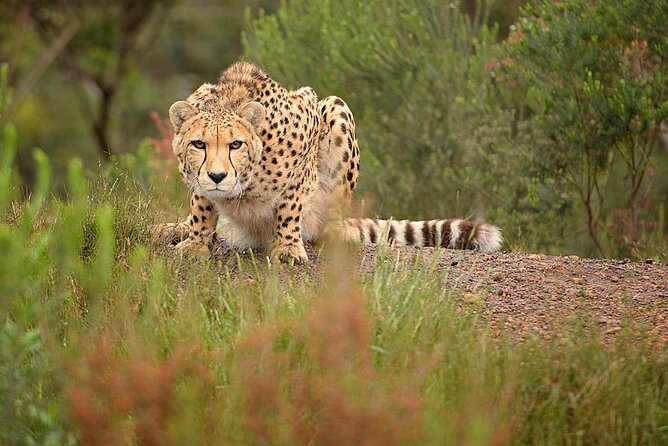
- Rare African cats: You can see caracals, servals, and African wild cats alongside cheetahs, leopards, and lions.
- Close, but hands-off: You enter most enclosures, yet the tour does not allow touching.
- More than big cats: Meerkats, marabou storks, and penguins add variety to the visit.
- Useful in bad weather: Rain gear is included, and the tour operates in all weather conditions.
- Small enough to manage: The group can include up to 20 people, with a registered guide throughout.
Why Tenikwa makes a good Garden Route stop
Tenikwa Wildlife Rehabilitation and Awareness Centre is in The Crags, near Plettenberg Bay in South Africa’s Western Cape. That location makes it a practical stop for anyone exploring the Garden Route and looking for a wildlife experience that does not require a full-day safari.
The appeal is simple: you get close to animals that are often difficult to see in the wild, while a guide explains what makes each species different. This is especially useful if you want more than a quick photo beside a large animal. The visit is built around awareness, animal care, and the role of predators in the wider environment.
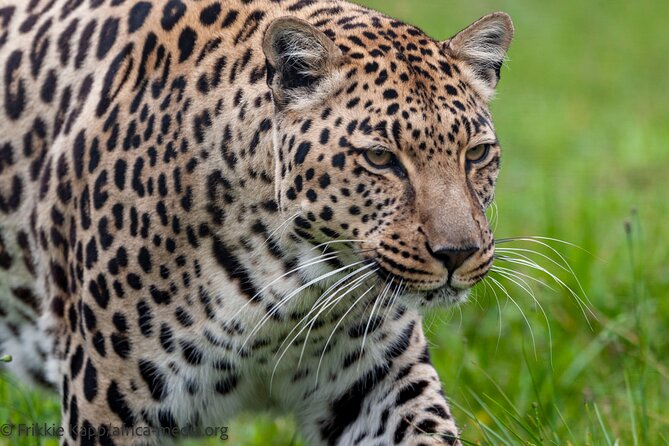
I like the focus on species that often get less attention. Lions and cheetahs are familiar names, but caracals and servals can be a real surprise. One of the strongest parts of this experience is the chance to see African wild cats that many people do not even realize exist.
The centre also cares for animals beyond the cat enclosures. You may see meerkats, marabou storks, and penguins during the visit. That broader mix helps keep the hour interesting for children, and it gives you a better sense of the centre’s work.
A few more in Plettenberg Bay
- Plettenberg Bay: Swim with Seals
★ 4.7 · 887 reviews - Knysna Ziplines Tour
★ 5.0 · 688 reviews - Standard Canyoning Trip in The Crags, South Africa
★ 5.0 · 381 reviews
Starting with a short presentation at reception
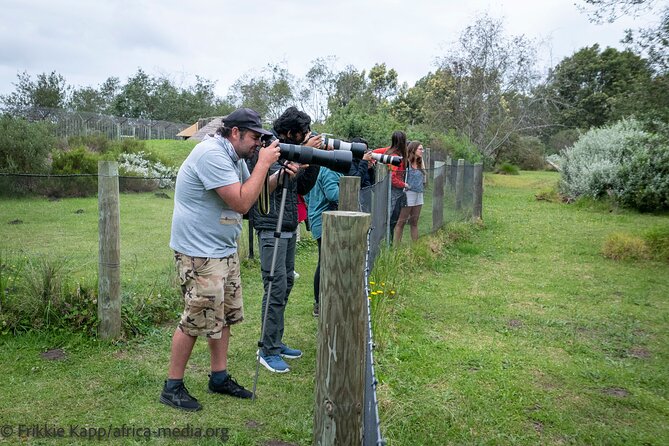
Your visit begins at Tenikwa reception in The Crags. After checking in, you meet your registered guide and enter a presentation room for a short visual introduction to the facility and its protocols.
This opening matters. A close encounter with a predator needs clear rules, and the presentation gives you a basic idea of how to behave around the animals. It also sets the tone for a visit based on respect rather than spectacle.
The tour then moves out on foot. Since the activity starts and finishes at reception, you do not need to arrange separate transport between parts of the centre. You should arrive ready to walk and wear comfortable clothing, as the experience operates in all weather conditions.
Rain gear is provided if the weather turns wet. That is a useful inclusion in the Western Cape, where conditions can change, and it means a light shower does not automatically spoil your plans.
Entering the wild cat enclosures
The central feature is the chance to enter most of the enclosures and see the animals at close range. The route includes African wild cats, servals, caracals, cheetahs, leopards, and lions.
You are not simply looking at a row of distant animals while reading signs. Your guide explains the lives of the cats, their behavior, and their roles in the natural environment. That information gives the visit more weight, especially when you are seeing species that are less familiar.
Sightings are guaranteed, which makes this a safer choice for a tight holiday schedule than a wildlife outing based on luck. You should still expect the animals to behave like animals. A guaranteed sighting does not mean every cat will pose perfectly or perform on command.
The no-touch rule is important. You can get close, but you do not pet or handle the cats. I see that as a sensible boundary, even if visitors hoping for a hands-on encounter may find it disappointing. The experience works best if you want observation, photography, and explanation rather than physical contact.
The group size can reach 20 people. That is not an intimate private tour, but it is still a manageable number for a guided walk. Your exact view may depend on where you are standing, so staying attentive and listening for instructions will help.
The smaller cats deserve your attention
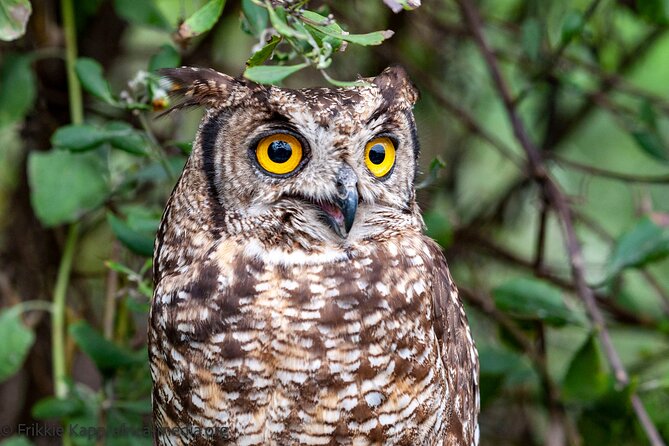
The big cats naturally draw the eye, but the caracals, servals, and African wild cats may be the most rewarding part for many people. These species are less famous, and the guide’s explanations help you understand why they matter.
A caracal has a distinctive appearance, while a serval is known for its unusual proportions. The African wild cat can look familiar at first glance, yet it is easy to overlook beside a lion or leopard. Seeing several species in one hour gives you a useful comparison of different cat sizes, shapes, and habits.
This part also gives the experience an educational edge. You are not just ticking off famous animals. You are learning that South Africa’s wild cat world includes much more than the animals featured on safari posters.
If you are visiting with children, this is a good chance to make the outing interactive through questions. The supplied information does not promise a special children’s program, but the family-friendly format and variety of animals make it easy for younger visitors to stay interested.
Something quite different:
- Plettenberg Bay: Whale Watching Boat Cruise
★ 4.4 · 362 reviews - Plettenberg Bay: Canyoning Trip
★ 4.9 · 353 reviews - Plettenberg Bay Game Reserve: 2-Hour Game Drive
★ 4.2 · 267 reviews - Short Canyoning Trip in The Crags
★ 5.0 · 221 reviews
Lions, leopards, and the limits of close encounters
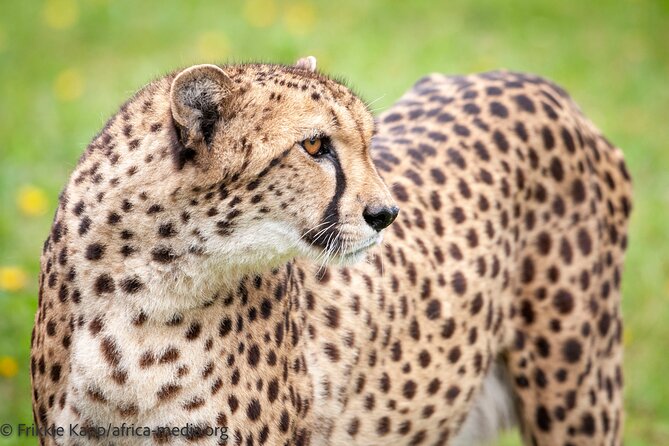
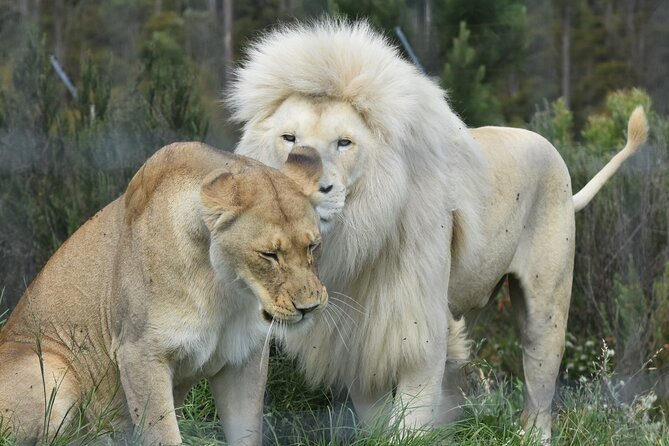
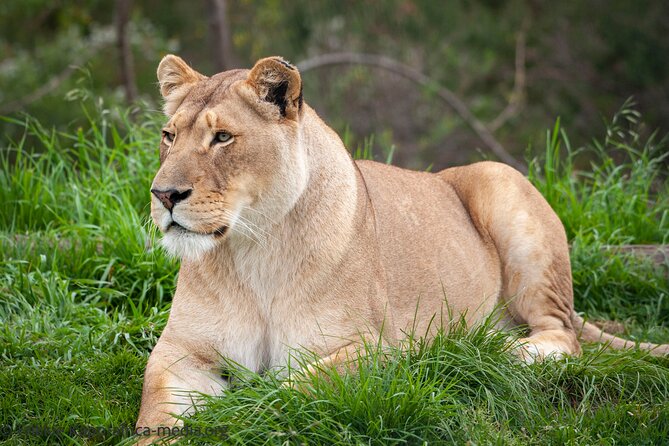
Lions and leopards provide the most dramatic moments of the walk. Seeing these powerful cats at close range can be impressive, particularly when your guide explains their place in the environment rather than treating them as simple photo subjects.
The experience also includes cheetahs, which gives you three of Africa’s best-known large cats in one visit. Each species has a different look and role, and the guide’s comments help you notice more than size or color.
Still, you should set realistic expectations. This is not a safari drive across open country, and it is not designed to show predators hunting. You visit managed habitats at a wildlife centre, where the focus is on care, awareness, and education.
That setting has a clear advantage: sightings are guaranteed and the animals can be viewed at close range. The trade-off is that you do not get the uncertainty or open setting of a national park. I would choose this tour for reliable access and learning, not as a substitute for a full safari.
Penguins, meerkats, and marabou storks add variety
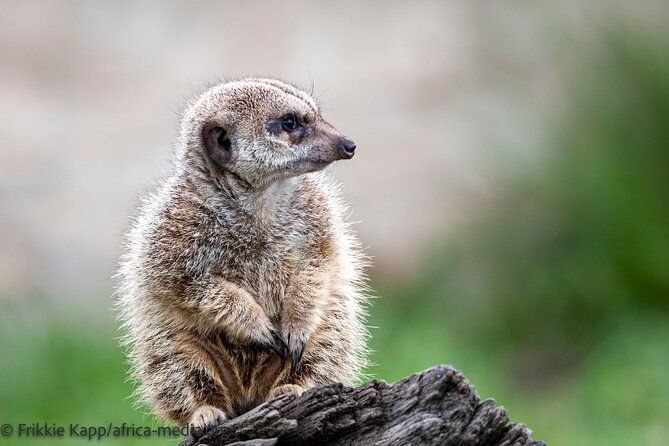
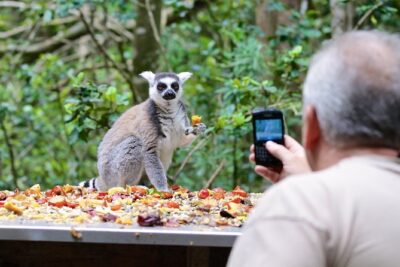
The cats are the headline act, but the non-cat animals prevent the hour from feeling one-note. You also have the opportunity to see meerkats, marabou storks, and a penguin splash pool.
The penguin area is an especially nice change of pace after visiting carnivores. A splash pool gives the visit a lighter moment, while the marabou storks add a less expected bird encounter. Meerkats are another likely favorite for families because they are visually engaging and easy to watch.
I appreciate this wider mix because it shows that the centre’s work is not limited to the most famous predators. The experience presents a range of animals in its care and helps connect their welfare to the centre’s wider awareness mission.
The available information does not guarantee that every one of these animals will be equally active during your visit. The big cat sightings are guaranteed, but animal behavior can vary. You should treat the additional wildlife as a welcome part of the visit rather than the main reason for booking.
A guide who adds purpose to the visit
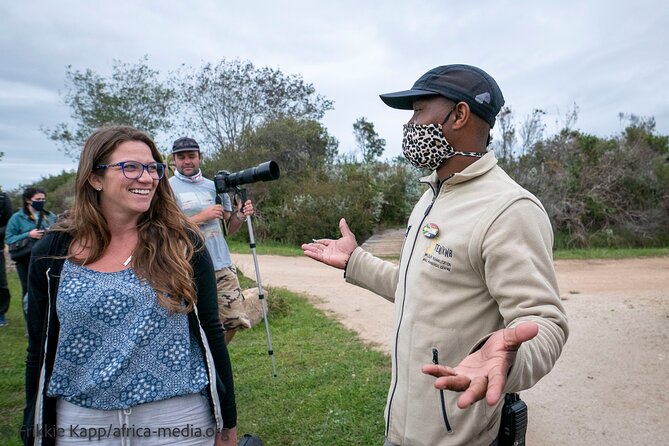
The guide is central to the experience. You have a registered guide for the full tour, and the strongest praise focuses on the staff’s passion, information, and care for the animals.
That enthusiasm matters at a wildlife centre. A guide who can explain why an animal is there, how it is cared for, and why its species matters turns a quick viewing stop into a more thoughtful visit.
The experience also gives you a look at how animal care connects with the local community and the surrounding environment. The centre’s work is described as helping animals while raising awareness, and the guide explains that wider role during the visit.
You should expect information about the cats and the facility’s protocols. The supplied details do not promise a particular guide or a set list of presentation topics, so do not book expecting a named guide or a formal lecture. The strength lies in the live explanation as you move through the habitats.
Is the $22.72 price good value?
At about $22.72 per person, this is a modestly priced wildlife activity, especially if you want a guaranteed encounter within a fixed one-hour window. The fee includes admission and a guide, which are the two things that make the experience useful.
You are paying for access to the centre, close viewing of several cat species, explanations about their lives and environmental roles, and the chance to see other animals. Rain gear is included too, which is a small but practical benefit in wet conditions.
The value depends on your expectations. If you want a full safari, extensive open-country viewing, or a hands-on animal encounter, this will feel limited. If you want a compact, family-friendly stop with reliable sightings and a strong educational focus, the price is fair.
The visit is also easy to fit into a larger Garden Route plan. At approximately one hour, it does not take over your day. You can use it as a focused wildlife stop near Plettenberg Bay rather than committing to a long excursion.
Food and drinks are not included. Since the tour is short, that is not a major issue, but you should plan refreshments separately if you need them.
Practical planning for families and independent visitors
Most people can take part, and service animals are allowed. You should wear comfortable clothing because the tour is on foot and operates in all weather conditions.
The meeting point is Tenikwa Wildlife Rehabilitation and Awareness Centre at The Crags, Plettenberg Bay, 6602, South Africa. The activity ends back at the same location, which keeps the logistics simple.
A maximum of 20 people can join the tour. Families should find the length manageable, and the range of animals gives children several things to look forward to. The no-touch rule is worth explaining before you arrive, especially if a child expects to pet a cheetah or lion.
The experience is booked around eight days in advance on average. That figure suggests you should not leave it until the last minute if it is an important part of your Garden Route plans.
The cancellation terms are strict. The experience is non-refundable and cannot be changed for any reason, so check your schedule carefully before paying. This is one of the few clear drawbacks beyond the short duration.
Who should book the Wild Cat Experience?
I would recommend this tour to families, first-time visitors to the region, and anyone curious about lesser-known African cats. It is also a good fit if you have only an hour and want a reliable wildlife activity near Plettenberg Bay.
You will likely enjoy it most if you value animal education and professional guidance. The passionate staff, careful treatment of the animals, and attention to the centre’s role in the community are major strengths.
I would think twice if your priority is a hands-on encounter. Touching is not allowed, and the experience is built around viewing animals in their habitats. I would also avoid treating it as a replacement for a national park safari, since this is a managed wildlife centre rather than an open reserve.
The high rating of 4.8 from 67 reviews and a 96 percent recommendation rate fit the tour’s strongest qualities: informative guides, close views, unusual cat species, and visibly careful animal care. Those are solid reasons to include it in a Garden Route itinerary.
Should you book Tenikwa’s one-hour cat tour?
Yes, if you want a short and affordable wildlife stop with guaranteed sightings and a guide who brings meaning to what you see. The mix of lions, leopards, cheetahs, caracals, servals, African wild cats, penguins, meerkats, and marabou storks gives you plenty for the hour.
Book it with the right expectations. You will walk through habitats, get close to the animals, learn about their lives, and follow a strict no-touch policy. For families and curious visitors, that is a sensible balance of access, safety, and education.
FAQ
How long does the Wild Cat Experience last?
The guided tour lasts approximately one hour. It starts and ends at Tenikwa reception.
Where does the tour take place?
The experience takes place at Tenikwa Wildlife Rehabilitation and Awareness Centre in The Crags, near Plettenberg Bay, Western Cape, South Africa.
Which animals can I see?
You can see African wild cats, servals, caracals, cheetahs, leopards, and lions. The centre also offers opportunities to see meerkats, marabou storks, and a penguin splash pool.
Are animal sightings guaranteed?
Yes. Sightings are guaranteed on this experience.
Can I touch the animals?
No. The tour allows close encounters and entry into most enclosures, but touching animals is not permitted.
Is the tour suitable for children?
Yes. The experience is described as ideal for families, and most people can participate.
Does the tour operate in bad weather?
Yes. The tour operates in all weather conditions. Rain gear is provided if needed, and comfortable clothing is recommended.
What is included in the ticket?
The price includes admission to the experience, a registered guide for the duration of the tour, and rain gear in case of wet weather. Food and drinks are not included.
Just added in Plettenberg Bay
- THE CRAGS PLETTENBERG BAY: QUAD BIKE FUN RIDE★ 4.6 · 11 reviews
- Plettenberg Bay: Swim with the Seals★ 4.7 · 31 reviews
- Plettenberg Bay: Seal Viewing Boat Trip★ 4.8 · 16 reviews
- Plettenberg Bay: Seal Swimming Experience★ 5.0 · 25 reviews
- Plettenberg Bay: Dolphin and Marine Boat Tour★ 4.5 · 45 reviews
- Plettenberg Bay: 2-Hour Surf Lesson★ 4.9 · 8 reviews
- Plettenberg: 2-Hour Zipline Tour★ 4.5 · 27 reviews
- Kwano Lifestyle Day Tour – Be a local for a day★ 5.0 · 3 reviews
Plettenberg Bay Tours, compared.
Standard Canyoning Trip in The Crags, South Africa
Read our review →
Plettenberg Bay Game Reserve: 2-Hour Game Drive
Read our review →
Browse the lists this tour appears in