
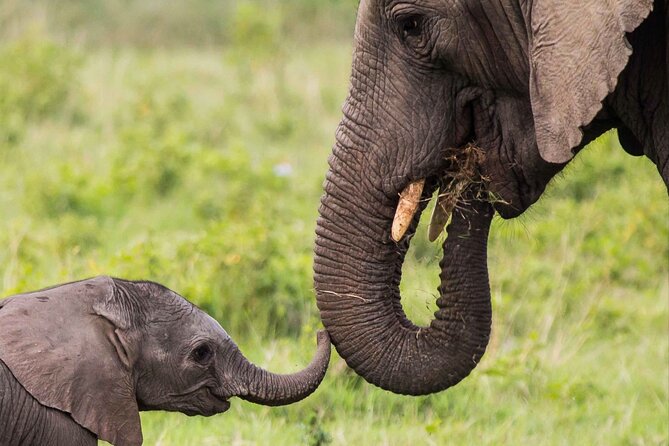
REVIEW · NATIONAL PARK TRIPS IN PORT ELIZABETH (GQEBERHA)
15-Day All Inclusive Sibuya Wilderness Guided Tour
Wildlife conservation meets a real working holiday. This 15-day program combines elephant and rhino monitoring at Sibuya with Addo Elephant National Park, coastal conservation, community projects, and fish tagging on the Kariega River. I like the unusual range of field work, and I like that the small group size is capped at 10. The main drawback is the demanding schedule, with two long dune hikes and several early, active days.
Your base is Intaka Bird Lodge on the edge of Sibuya Game Reserve, with meals, transport, equipment, and most activities included in the $1,615.69 price. I would confirm the airport pickup time directly before flying, since the published details give both a noon meeting time and a 3 p.m. Sunday collection time, and one booking problem involved unanswered pickup questions.
This is not a standard safari with a few photo stops. You will spend time learning how individual elephants and rhinos are identified, why fencing matters, how alien plants affect reserves, and how fish tagging adds information to an international database. Guides Chris and Bonbon were praised for making the education and game drives especially memorable.
In This Review
- Five things that make this conservation tour different
- What the $1,615.69 price really covers
- Arrival at Intaka Bird Lodge
- Days two through five, learning how a reserve works
- Day six and the first free weekend near Kenton-on-Sea
- Days nine and ten, predators and coastal dunes
- Day twelve on the Kariega River
- Day thirteen at Addo Elephant National Park
- The final presentation, certificates, and airport transfer
- Group size, fitness, and the people this suits
- Should you book the Sibuya Wilderness Experience?
- FAQ
- Where does the tour begin?
- When is airport pickup available?
- Where do I stay during the program?
- How large is the group?
- Are meals included?
- Are alcoholic drinks included?
- How difficult is the physical activity?
- Is Addo Elephant National Park included?
- Can I cancel for a full refund?
Five things that make this conservation tour different
- Elephant identification at Sibuya: You learn to recognize individual elephants and observe their behavior, rather than simply checking elephants off a list.
- Hands-on conservation work: Rhino monitoring, anti-poaching activity, fence management, alien vegetation removal, and the Red-Billed Oxpecker Project give the safari a practical purpose.
- The Alexandria Dune Fields: The two-day hike covers 20 kilometers on day one and 16 kilometers on day two across the highest coastal wind-driven dunes in the Southern Hemisphere.
- Fish tagging on the Kariega River: You receive instruction in catching, tagging, recording, and releasing estuarine fish, with information sent to the ORI international database.
- A small, all-inclusive setup: Private transportation, accommodation, most meals, park fees, equipment, and a group limit of 10 simplify a trip that would otherwise require several separate bookings.
What the $1,615.69 price really covers
At first glance, the price may look modest for 15 days in South Africa. It works out to about $108 per person per day, although that figure is only a rough guide because the package includes accommodation, meals, transport, conservation activities, and park visits.
The value comes from the number of distinct settings packed into the program. You are not paying for 15 days of ordinary game drives. You get Sibuya Private Game Reserve, Addo Elephant National Park, Woody Cape in the Greater Addo area, the Alexandria Dune Fields, the Kariega River, Kariega Beach, and community work around Kenton-on-Sea.
The package includes breakfast on 14 days, dinner on 13 days, and lunch on 13 days. Coffee and tea, all fees and taxes, a T-shirt, private transportation, and equipment for kayaking and fishing are also included. Alcoholic drinks are not covered, so budget separately if you want wine or beer with dinner.
A useful way to judge the price is to compare it with the time and coordination involved. Addo, a private reserve, the coastal dunes, river activities, and fish tagging would normally require separate transport and planning. Here, they are joined into one program. The trade-off is that you have less control over the daily rhythm than you would on an independent road trip.
More National Park Trips in Port Elizabeth
- Addo Elephant National Park All Inclusive Full-Day Safari
★ 5.0 · 256 reviews - Addo National Park: Guided Half-Day Safari
★ 4.7 · 175 reviews - Addo Elephant National Park Full Day Safari
★ 5.0 · 110 reviews
Arrival at Intaka Bird Lodge
Day one begins with collection at Port Elizabeth Airport on Sunday. The information gives a 3 p.m. collection time, while the meeting details list noon as the start time. That difference matters, especially if you are booking a connecting flight, so I would ask Sibuya Wilderness Experience to confirm the exact pickup plan in writing.
Once at Intaka Bird Lodge, you settle into the accommodation and prepare for the program. The lodge sits on the boundary of Sibuya Game Reserve and serves as your base for daily work in the reserve.
The first evening is deliberately gentle. You have dinner, enjoy sundowner drinks overlooking the reserve, and receive the practical preparations for the following day. After a long flight, this quiet beginning makes sense. You do not need to rush straight into a full safari program.
The accommodation is described as comfortable, but the supplied details do not specify room types, bathroom arrangements, Wi-Fi, or laundry facilities. Ask about those points if they affect your packing or comfort.
Days two through five, learning how a reserve works
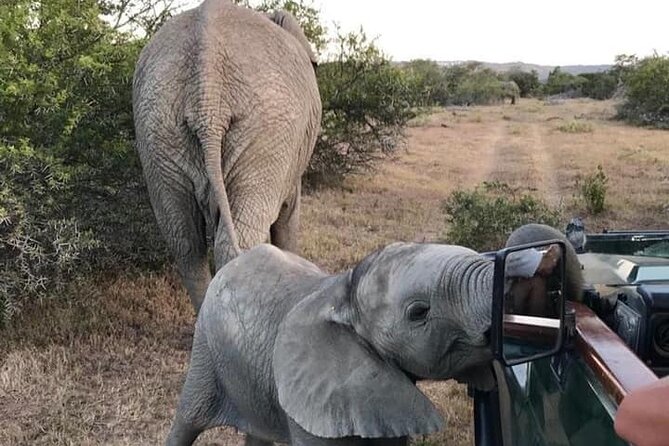
The first full day focuses on elephants. A presentation explains their role in the ecosystem and the pressures facing them. Then you head into Sibuya to identify individual elephants and monitor their personalities.
That approach changes the way you look at a game drive. Instead of treating each sighting as a quick photograph, you begin watching behavior and recognizing animals as individuals. The program does not promise a particular number of sightings, so the value is in the monitoring method, not just in seeing a large herd.
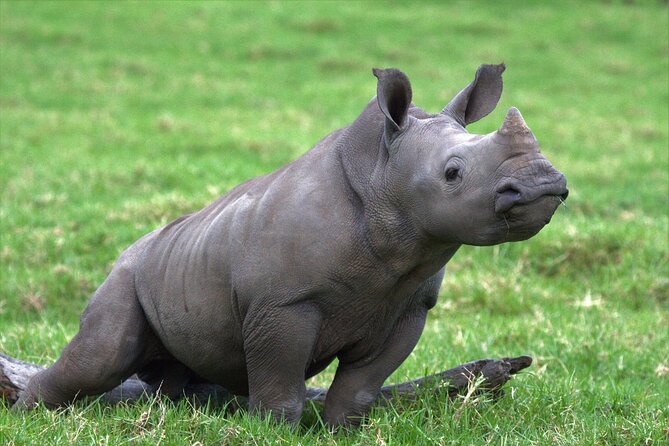
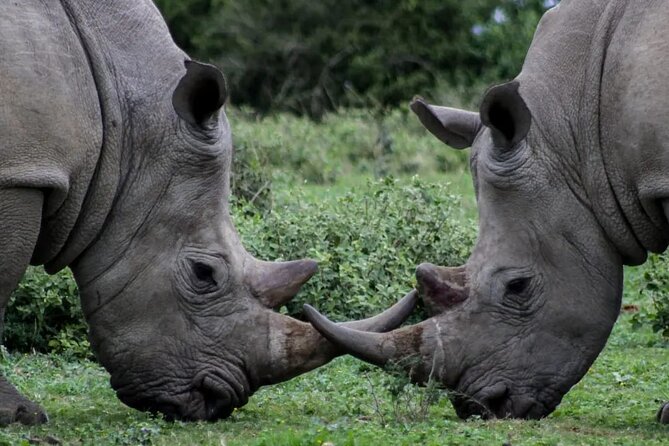
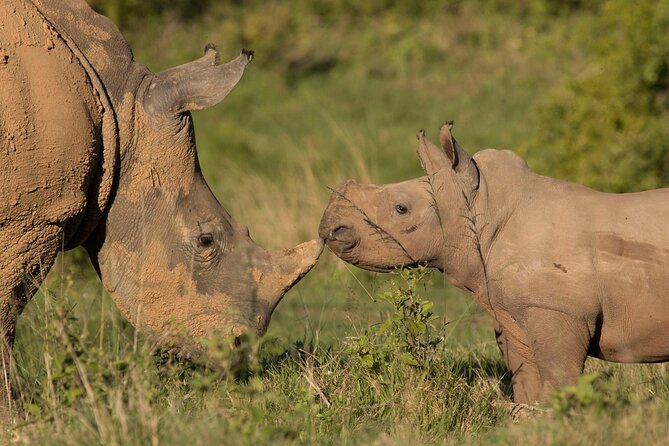
Day three turns to white rhinos. You learn about their role in the ecosystem, identify individual animals, and take part in anti-poaching activities. The conservation subject is serious, but the format gives you a useful connection between classroom discussion and field observation.
Day four moves away from large mammals. Fence management may sound less exciting than lions or elephants, yet it is essential in a reserve. Fences help protect people from wildlife and prevent human activity from affecting protected areas. You also work on removing alien vegetation, plants that can outgrow native species and offer little food for local animals.
This is one of the program’s strongest ideas. Wildlife protection is not only about dramatic animals. It also involves boundaries, habitat maintenance, and repetitive work that rarely appears in a safari brochure.
Day five focuses on birds. You learn to tell apart oceanic, estuarine, arboreal, and terrestrial species, then take part in the Red-Billed Oxpecker Project. If you enjoy birding, this may become a highlight. If you came mainly for the Big Five, it is still worth giving the activity a chance, since bird life helps you read the health and variety of the reserve.
Day six and the first free weekend near Kenton-on-Sea
Day six takes you toward Kenton-on-Sea, Kariega Beach, and the Kariega River. The program may include community outreach such as distributing blankets and beanies for Madiba, standing in for teachers, beach cleanups, dog food distribution, and visits to retirement homes.
The wording indicates that you may take part in these projects, so the exact activity is not guaranteed. That flexibility can be useful, but you should not book this program expecting a specific community assignment.
The next two days are a leisure weekend. One day centers on Kariega Beach and the next on the Kariega River, but the program allows you to sightsee at your own expense or stay at Intaka Bird Lodge and rest.
I like this pause. Fifteen days of conservation work can become tiring, and the weekend gives you room to catch up on sleep or make your own plans. The drawback is cost: independent outings during this break are not included. You will also need to clarify what transport, if any, is available for personal sightseeing.
Something quite different:
- Whale, Dolphin & Penguin Island Cruise
★ 5.0 · 687 reviews - Full-Day All Inclusive Safari with Traditional Braai Lunch
★ 4.8 · 345 reviews - Port Elizabeth: Schotia Game Reserve Safari with Port Pickup
★ 4.5 · 263 reviews - From Cape Town: 5-Day Best of Garden Route and Addo Safari
★ 4.8 · 221 reviews
Days nine and ten, predators and coastal dunes
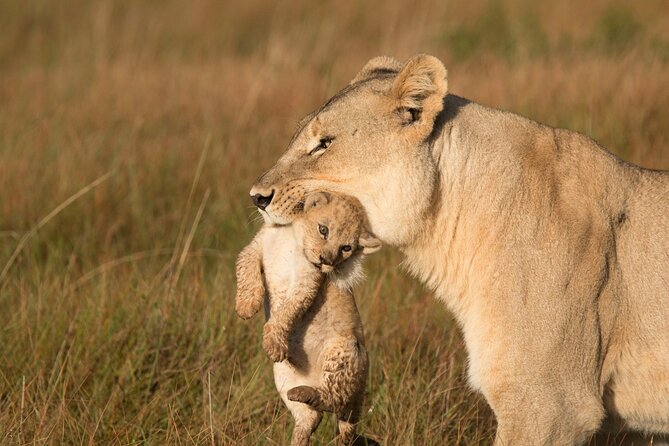
You return to Sibuya on day nine for a lion conservation presentation, monitoring, and buffalo darting and management. The discussion covers the loss of prey species, habitat loss, the lion bone trade, and human encroachment.
This session adds needed context to the safari experience. Lions are often presented as symbols of wild Africa, but their survival depends on habitat, prey, and responsible management. The schedule includes a PowerPoint presentation and open discussion, so this day has a stronger classroom element than the earlier game drives.
The buffalo work may involve darting and management, but the supplied information does not explain the exact procedure or whether every group member takes part. Ask for a briefing about safety, roles, and the veterinary purpose before participating.
Days 10 and 11 are the most physically demanding part of the program. In Woody Cape, within the Greater Addo area, you hike across the Alexandria Dune Fields. Day one covers 20 kilometers, or about 12.5 miles. Day two covers 16 kilometers, or about 10 miles.
These are not casual beach walks. Sand makes every kilometer harder, and the back-to-back distances require a moderate level of physical fitness at minimum. You study coastal conservation, including living and nonliving parts of the marine environment and the history that shaped the area.
The setting is unusual and memorable. You trade the usual safari vehicle for open coastal space and a long walk through wind-built dunes. Bring sturdy footwear, sun protection, and enough personal readiness for two demanding days. The package includes the main program, but the details do not say how water, luggage, or overnight arrangements are handled during the hike. Confirm those practical points before departure.
Day twelve on the Kariega River
Day twelve combines a boat cruise with the Oceanic Fish Tagging Institute project. You receive a briefing on how to catch, tag, record information about, and release estuarine fish.
The data goes into the ORI international database. That gives the activity a clear purpose beyond a pleasant boat ride. You are contributing observations that can help track fish movement and populations.
Kayak and fishing equipment are included in the package, though the day is described specifically around a boat cruise and fish tagging. Ask what equipment is supplied and what clothing you should bring if you will be on or near the water.
This is a good counterpoint to the land-based conservation days. Sibuya focuses on mammals, birds, fences, and habitat. The Kariega River shows that conservation also depends on estuaries and the species moving through them.
Day thirteen at Addo Elephant National Park
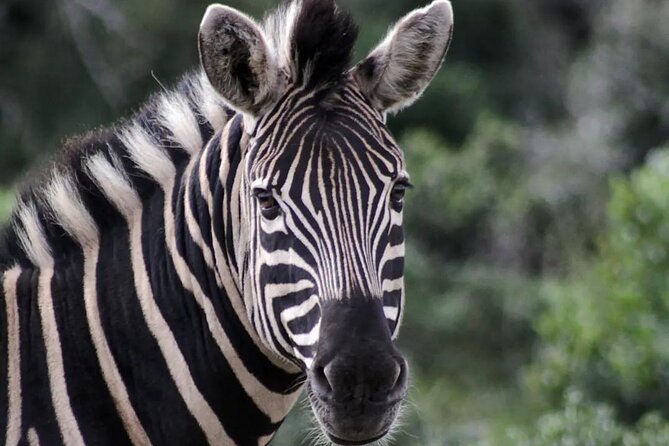
The Addo day is a major attraction. Addo Elephant National Park is described as South Africa’s flagship game reserve and is known here for having the densest population of African elephants per square kilometer in the world.
You spend the day in the park, with Colchester included in the route. Addo also carries major conservation importance for the region, so the visit fits the program’s wider purpose. It is not simply another game drive added for variety.
Still, expectations should be sensible. The schedule does not state how many hours you spend in the park, which route you follow, what vehicle is used, or which species you will see. Wildlife is unpredictable. The strongest reason to value this day is the chance to place the earlier elephant work at Sibuya into a larger conservation setting.
The final presentation, certificates, and airport transfer
Day fourteen returns you to Sibuya for a group project presentation, graduation ceremony, leisure time, and certificates. You get a chance to show what you learned, and group posters may be part of the presentation room.
This closing day gives the long program a clear finish. It also gives you a quieter period after the hikes and field work. The certificate is a pleasant keepsake, but the more useful result is the understanding you build across several conservation settings.
On day fifteen, you have a team breakfast before transfer to Port Elizabeth Airport at 9 a.m. every Sunday morning. The stated transfer takes up to six hours in the schedule, so do not book a tight onward connection without confirming the actual transfer plan and airport arrival time.
Group size, fitness, and the people this suits
The maximum group size is 10. That is a good number for conservation tasks, presentations, and field observation. It should also make it easier to hear instructions and ask questions than on a large commercial safari.
You need a moderate level of physical fitness. The 20-kilometer and 16-kilometer dune hikes are the clearest warning, but daily reserve work, walking, outdoor conditions, and changing activities also require energy.
I would recommend this program if you:
- Want conservation education rather than sightseeing alone
- Like switching between wildlife, birds, coastal areas, rivers, and community work
- Are comfortable with a structured 15-day schedule
- Can handle two long days of walking on sand
- Prefer a small group and included transport
- Want accommodation and meals arranged in one package
I would hesitate if you want a luxury safari, a flexible self-drive holiday, or a trip built around guaranteed Big Five sightings. The program includes presentations and practical tasks, not just game drives. That is the point, but it may not suit someone who wants every day to feel like a holiday.
The strongest praise from the available feedback focused on the education, game drives, and the guides Chris and Bonbon. Their names are worth remembering when you ask about the guiding team. Good interpretation can turn a wildlife sighting into a lesson, and this program depends heavily on that human element.
Should you book the Sibuya Wilderness Experience?
I would book it if you want a serious, active introduction to conservation in South Africa and value variety over polish. The combination of elephant and rhino monitoring, Sibuya game drives, Addo, the Alexandria dunes, community outreach, and fish tagging gives you far more range than a normal safari.
Before paying, confirm three things: the airport pickup time, the exact arrangements for the two-day dune hike, and the accommodation details at Intaka Bird Lodge. One booking problem involved unanswered pickup questions, so direct confirmation is sensible.
The free cancellation rule allows a full refund when you cancel at least 24 hours before the local start time. If the dates, fitness demands, and practical arrangements work for you, the price offers strong value. If you want a relaxed wildlife holiday, choose a shorter safari instead.
FAQ
Where does the tour begin?
The tour begins at Port Elizabeth Airport in South Africa.
When is airport pickup available?
Collection from Port Elizabeth Airport is scheduled for 3 p.m. every Sunday. The meeting information also lists noon as the start time, so confirm the exact pickup time before arrival.
Where do I stay during the program?
Your base is Intaka Bird Lodge, located on the boundary of Sibuya Game Reserve.
How large is the group?
The experience has a maximum of 10 people.
Are meals included?
Yes. Breakfast is included on 14 days, dinner on 13 days, and lunch on 13 days. Coffee and tea are also included.
Are alcoholic drinks included?
No. Alcoholic beverages are not included in the price.
How difficult is the physical activity?
A moderate level of physical fitness is required. The program includes a 20-kilometer hike on day 10 and a 16-kilometer hike on day 11 across the Alexandria Dune Fields.
Is Addo Elephant National Park included?
Yes. A visit to Addo Elephant National Park is included on day 13, along with the Alexandria Dune Fields and Intaka Bird Lodge.
Can I cancel for a full refund?
Yes, if you cancel at least 24 hours before the experience start time. Cancellations made less than 24 hours in advance are not refunded, and late changes are not accepted.
Just added in Port Elizabeth
- Visit Port Elizabeth :Kragga Kamma Wildlife Bus/Car tour★ 3.9 · 7 reviews
- Full Day Addo Elephant National Park Safari wit BBQ:Thentic Tours★ 5.0 · 4 reviews
- Addo Elephant National Park Tour – Full day of Wildlife Wonders★ 5.0 · 34 reviews
- Schotia Private Game African Safari Guided Tour★ 5.0 · 5 reviews
- Port Elizabeth Shore Excursion: Addo Elephant Full Day Safari &”Braai”Lunch(BBQ)★ 5.0 · 34 reviews
- Township Experience – Port Elizabeth★ 5.0 · 5 reviews
- Kragga Kamma Game Drive and Scenic Coastal Tour in Port Elizabeth★ 5.0 · 8 reviews
- Addo Elephant Park All-Inclusive Day Safari from Port Elizabeth★ 4.5 · 17 reviews
National Park Trips in Port Elizabeth, compared.
Addo Elephant National Park All Inclusive Full-Day Safari
Read our review →
Addo Elephant National Park from Port Elizabeth – FD01
Read our review →
Addo Elephant National Park Full Day Safari with Braai Lunch
Read our review →
Addo Elephant National Park Tour – Full day of Wildlife Wonders
Read our review →
Private Half Day Addo Elephant National Park Safari
Read our review →
Addo Elephant National Park: Guided Half-Day Safari
Read our review →Browse the lists this tour appears in