
REVIEW · CULTURAL VILLAGE TOURS
5 Hour Lesedi Cultural Village Tour
Culture comes alive here. The Lesedi Cultural Village tour gives you a clear look at five Southern African traditions through traditional homes, music, dance, and guided stories. I especially like the chance to meet Zulu warriors and the lively drum and dance performances. The main catch is that the advertised five hours includes travel, so the village program itself lasts about three hours.
I also like the small group limit of 14 people, plus hotel pickup, bottled water, WiFi, and an air-conditioned vehicle. Guide Neo Hadzhi receives particular praise for making the trip feel calm and informative. Keep in mind that lunch costs extra, alcoholic drinks are not included, and the site is not wheelchair accessible.
In This Review
- Key points to know before you book
- Reaching Lesedi from Pretoria
- Five homesteads, five different cultural lenses
- Meeting Zulu warriors and hearing the stories
- Drums, music, and the traditional dance show
- Lunch after the show, with costs to watch
- Is $107.19 fair for five hours?
- Who will get the most from this tour?
- Timing, access, and weather
- What the strong feedback tells you
- My booking advice
- FAQ
- How long does the Lesedi Cultural Village tour last?
- What is included in the tour price?
- Is hotel pickup offered?
- Is lunch included?
- Are drinks included?
- Can children join the tour?
- What cultural groups are represented?
- How many people can join the tour?
- Is the tour wheelchair accessible?
- What is the cancellation policy?
Key points to know before you book
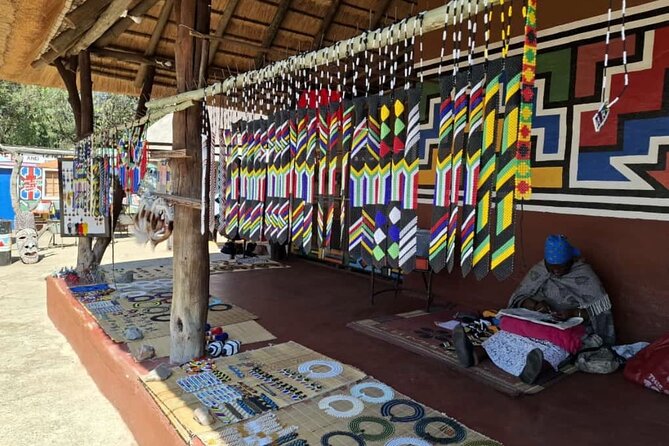
- Five cultural traditions in one visit: See recreated homes and customs linked to the Zulu, Xhosa, Pedi, Basotho, and Ndebele peoples.
- A lively performance program: Expect traditional music, drumming, and dance rather than a quiet museum-style visit.
- About three hours at the village: The full five-hour tour includes transportation time.
- Small-group transport: The maximum group size is 14, with an air-conditioned vehicle and licensed guide or driver.
- Lunch is optional and extra: Food is available after the show, but lunch, soft drinks, and alcohol are not included.
- Good weather matters: The experience can be moved or refunded if poor weather causes cancellation.
Reaching Lesedi from Pretoria
This is a guided half-day outing rather than a simple admission ticket. Pickup is offered, and the package includes an air-conditioned vehicle, bottled water, onboard WiFi, all fees and taxes, and a licensed guide or driver.
That transport matters because the five-hour duration is easy to misread. You are not spending five full hours inside the cultural village. Around three hours are set aside for the village program, while the rest covers travel between your pickup point and Lesedi. If you have a packed Pretoria schedule, allow the full block of time and avoid booking another fixed activity too close to the end.
A small group limit of 14 should make the ride and guide commentary easier to manage than a large coach tour. It also gives you a better chance of hearing explanations and asking questions. The exact pickup arrangements are not specified, so you should confirm the meeting details when booking.
The vehicle includes WiFi and bottled water, useful touches for a half-day trip. They do not replace a good plan, though. You should still bring anything you need for personal comfort, especially since the tour includes walking around recreated outdoor homesteads and takes place in an area where weather can affect the program.
More cultural village visits:
- Elephant Experience & Lesedi Cultural Village
★ 5.0 · 26 reviews - Lesedi cultural village tour
★ 5.0 · 20 reviews - Lesedi Cultural Village
★ 4.9 · 14 reviews
Five homesteads, five different cultural lenses
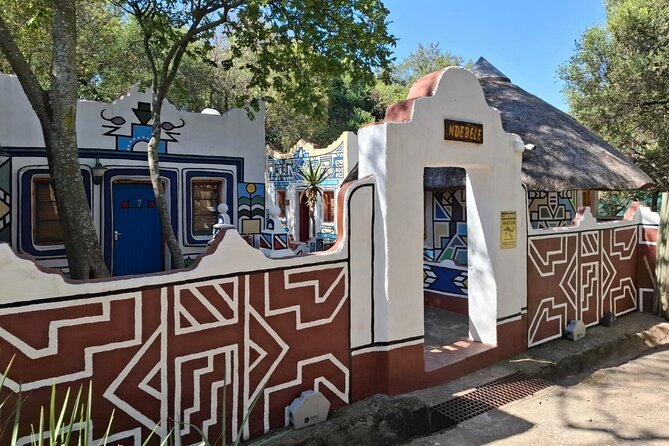
The heart of the visit is a guided walk through five traditional dwellings. Each one represents a different Southern African cultural group: the Zulu, Xhosa, Pedi, Basotho, and Ndebele.
The value is not simply seeing five different building styles. The guide connects the homes with daily life, customs, rituals, and social traditions. That helps you understand the dwellings as working cultural examples rather than decorative backdrops.
You should pay attention to the structure of each home and the way the guide explains its use. Architecture here is tied to family life, local customs, and identity. The visit works best when you listen to those links rather than treating each stop as a quick photo opportunity.
The experience is especially useful if you are new to Southern African culture. In a short period, you get a broad introduction to several traditions. The trade-off is that a single visit cannot explain every group in great depth. Think of Lesedi as a strong starting point, not a substitute for a longer cultural study or time spent in each community.
Meeting Zulu warriors and hearing the stories
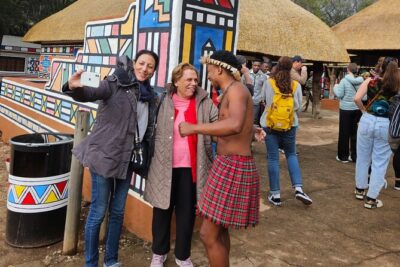
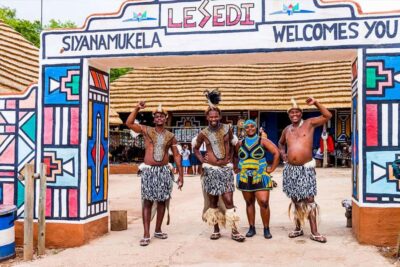
The Zulu section adds a direct human element to the visit. You can engage with Zulu warriors and learn about their proud history and traditions.
This part gives the tour some energy and personality. Instead of only looking at buildings, you hear cultural explanations from people connected with the presentation. The experience is designed to help you understand Zulu customs and identity in a way that feels more immediate than reading a short plaque.
The quality of a guided cultural visit depends heavily on presentation. Here, the guide plays an important role in giving context and keeping the experience understandable. Neo Hadzhi is specifically praised for being informative and for making the journey to and from Lesedi feel comfortable.
You should approach this section with respect and curiosity. It is a staged cultural presentation, not an unplanned encounter with daily village life. That does not make it worthless. It simply means you should enjoy it for what it offers: a planned introduction to traditions, stories, and performance.
Drums, music, and the traditional dance show
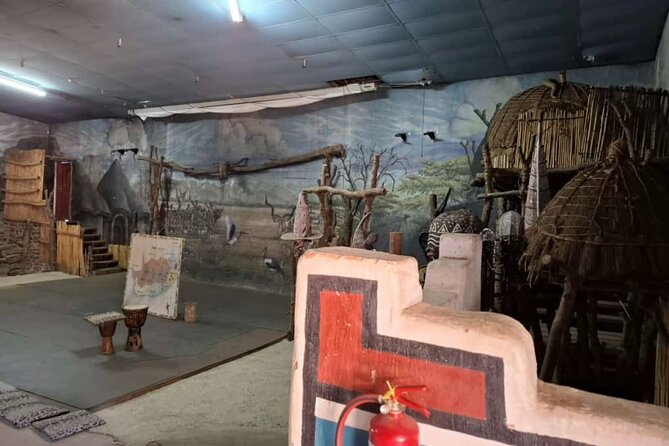
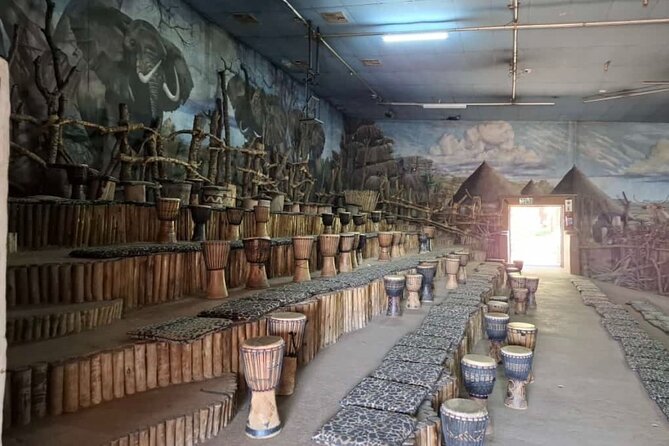
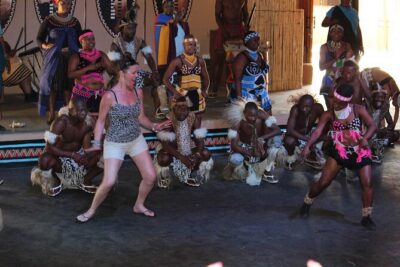
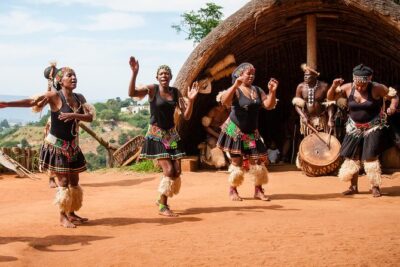
The performance program is the most theatrical part of the visit. Traditional music and dance bring together elements associated with the Zulu, Xhosa, Pedi, Basotho, and Ndebele cultures.
Drumming gives the program a strong rhythmic center, while the dance show provides a lively finish. If you prefer history delivered through action rather than a long lecture, this section will probably be your favorite.
I like the way the performances give families and younger visitors an easy entry point. Children may not remember every architectural detail, but they are likely to remember the sound, movement, and color of the show. It also breaks up the walking and guide commentary.
The performances can make the visit feel more like a cultural stage show than a quiet heritage site. That is the main point to weigh before booking. If you want private, unstructured contact with local life, this format may feel organized and polished. If you want a clear, accessible introduction with music and dance, it fits well.
A few more in Pretoria
- Hartbeespoort: 2-Hour Dam Cruise with South African Food
★ 4.4 · 621 reviews - Hartbeespoort: Predator Safari with a Guide
★ 4.8 · 267 reviews - Soweto Half Day Tour
★ 5.0 · 231 reviews - Johannesburg and Soweto tour
★ 5.0 · 231 reviews
Lunch after the show, with costs to watch
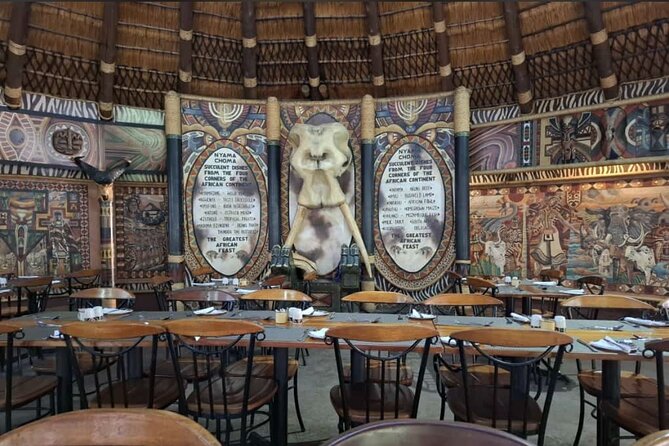
Lunch is available after the show and includes native traditional dishes, but it is not part of the tour price. Alcoholic beverages and soda are also excluded.
That detail affects the value calculation. At $107.19 per person, you are paying for transport, guiding, admission, and the main cultural program. You should add lunch and any drinks to your budget if you want the complete outing.
The meal can be a useful part of the experience because food offers another way to connect with culture. Still, the supplied information does not specify the menu, portion size, or meal price, so I would not book this tour assuming lunch is included or planning your budget around a particular dish.
Alcoholic drinks are served only to people aged 21 and older. Anyone under 21 receives non-alcoholic drinks. That rule is worth noting for families or mixed-age groups.
Is $107.19 fair for five hours?
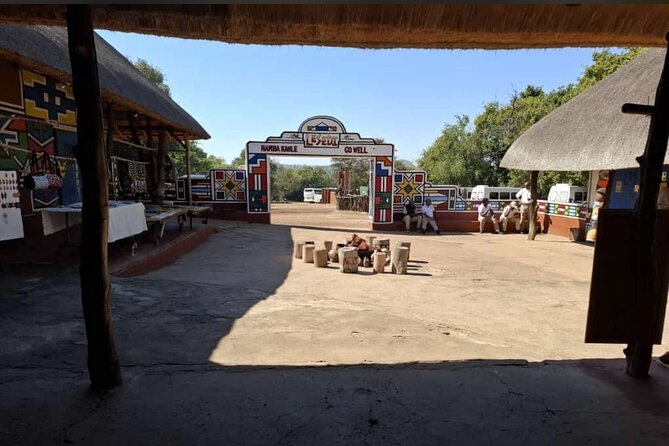
The price is not bargain admission, but it covers more than entry to a cultural attraction. You receive transport, a licensed guide or driver, bottled water, WiFi, an air-conditioned vehicle, admission, and taxes.
For you, the value depends on where you are staying and how much effort you want to spend arranging transport. A separate visit could require finding your own way to Lesedi, paying admission, and organizing the return trip. This package puts those pieces together and gives you a guide to explain the cultural setting.
The time value is also important. About three hours are devoted to the village program, with the remaining time used for travel. If you want a focused cultural introduction from Pretoria, that is a reasonable half-day commitment. If you are judging the price only by hours inside the village, it may feel high.
The small group cap improves the package. A maximum of 14 people is more manageable than a large bus, particularly during performances and guided explanations. You are paying partly for convenience and structure, not only for the show itself.
Group discounts are offered, which may help families or parties booking together. The discount amount is not provided, so check the final price before relying on it.
Who will get the most from this tour?
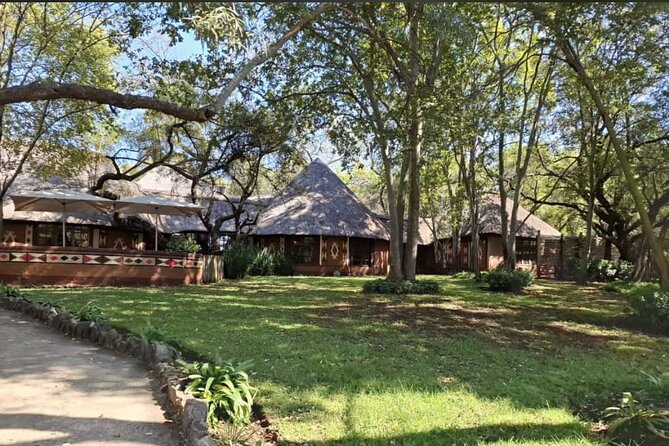
I would recommend this experience to families, first-time visitors to South Africa, cultural enthusiasts, and anyone who wants a broad introduction to Southern African traditions in a single outing.
It also suits you if you prefer a planned day with transport included. You do not need to work out the route yourself, and the guide provides a framework for understanding the five cultural groups.
The experience may be particularly helpful for people who feel unsure about visiting a cultural site independently. Guide Neo Hadzhi is praised for creating a calm trip to and from the village, which adds reassurance if you are new to Pretoria or prefer a guided outing.
Adventure seekers may enjoy the mix of travel, traditional homes, warriors, drumming, and dance. This is not an extreme activity, though. The adventure comes from cultural discovery and a change of setting, not from physical challenge.
You should think twice if you dislike organized performances or prefer slow, independent exploration. The program has a set structure, and the full visit is designed to move through several cultural presentations in one day.
Timing, access, and weather
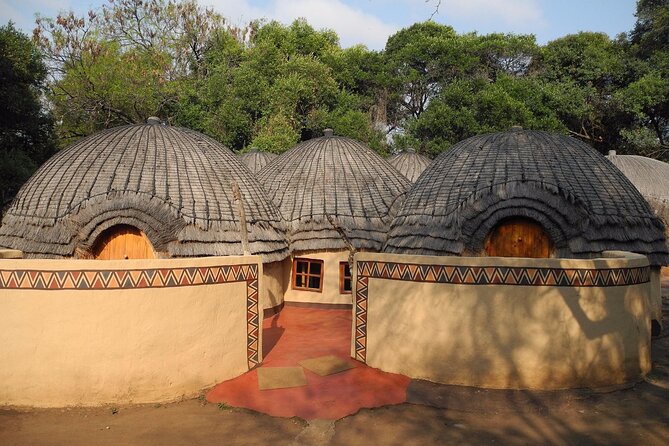
The experience is not wheelchair accessible. That is the clearest access limitation provided, so you should contact the operator before booking if you have mobility needs or require specific assistance.
Most people can participate, but the village program involves moving between recreated dwellings and performance areas. The information does not provide a detailed terrain or walking assessment, so ask for clarification if standing or walking for extended periods could be difficult.
Good weather is required. If poor weather cancels the experience, you will be offered another date or a full refund. That policy gives you some protection, but you should still avoid placing an important evening reservation too close to the tour in case plans change.
For a full refund in the normal cancellation process, cancel at least 24 hours before the start time. Cancellations or changes made within 24 hours are not refunded or accepted. Cutoff times use the local time for the experience.
What the strong feedback tells you
The clearest praise centers on three things: cultural variety, informative presentation, and the guide.
The cultural variety is easy to understand. In one visit, you encounter Zulu, Xhosa, Pedi, Basotho, and Ndebele traditions. That breadth helps you see that Southern Africa is not one single cultural story.
The visit is also described as beautiful and informative, with the differences between cultures leaving a strong impression. That is a useful sign for you if your main goal is learning rather than simply filling a free afternoon.
Neo Hadzhi receives special praise. The comments about feeling calm during the journey to Lesedi and back to the hotel are important because a guide’s driving and manner can shape the entire day. A good cultural site can feel tiring or confusing without clear guidance. Here, the available feedback points to a reassuring experience on the road as well as at the village.
The positive comments are limited in number, so I would not treat them as proof that every departure will be identical. Still, they point to the aspects most likely to matter: a broad cultural program, strong performances, useful explanations, and a comfortable guide-led transfer.
My booking advice
I would book this tour if you want a convenient, guided introduction to several Southern African cultures and you enjoy live music and dance. The combination of five traditional dwellings, Zulu cultural interaction, drumming, and a dance show gives you plenty to take away from a half-day visit.
I would be more cautious if you want a long, quiet, or highly personal study of one community. Three hours of village activities can introduce many traditions, but it cannot cover each one in full detail.
At $107.19, the package makes the most sense when you value transport, a small group, a licensed guide, and an organized cultural program. Confirm pickup details, budget separately for lunch, and remember that the five-hour duration includes travel. If those points fit your plans, Lesedi Cultural Village is a worthwhile choice for a lively first look at Southern Africa’s cultural variety.
FAQ
How long does the Lesedi Cultural Village tour last?
The full tour lasts approximately five hours, including travel time. The cultural activities at Lesedi take about three hours.
What is included in the tour price?
The price includes bottled water, an air-conditioned vehicle, WiFi on board, all fees and taxes, admission, and a licensed guide or driver.
Is hotel pickup offered?
Pickup is offered, but specific pickup locations and times are not provided in the available information. Confirm the arrangements when booking.
Is lunch included?
No. Lunch is available after the show, but it must be paid for separately.
Are drinks included?
Bottled water is included. Soda and alcoholic beverages are not included.
Can children join the tour?
Yes. The experience is described as suitable for families, and most people can participate. Travelers under 21 receive non-alcoholic drinks.
What cultural groups are represented?
The village presents traditions connected with the Zulu, Xhosa, Pedi, Basotho, and Ndebele peoples.
How many people can join the tour?
The maximum group size is 14 people.
Is the tour wheelchair accessible?
No. The experience is not wheelchair accessible.
What is the cancellation policy?
You can cancel at least 24 hours before the start time for a full refund. Cancellations or changes made less than 24 hours before the start time are not accepted or refunded. If poor weather cancels the tour, you will be offered a different date or a full refund.
Just added in Pretoria
- Aha Lesedi Cultural Village tour★ 5.0 · 4 reviews
- Half Day E-Biking with Wildlife Watching in Pretoria★ 5.0 · 23 reviews
- Apartheid museum, Soweto and Joburg highlights tour★ 5.0 · 6 reviews
- Traditional Tribal Village Tour★ 5.0 · 6 reviews
- Soweto, Kliptown, Eldorado Park Tour★ 5.0 · 41 reviews
- Johannesburg,Soweto & Apartheid museum tour★ 5.0 · 10 reviews
- Soweto guided tour(Half day)★ 5.0 · 24 reviews
- Soweto and Johannesburg Fun Tours★ 5.0 · 3 reviews
Cultural Village Tours, compared.
Lesedi Cultural Village and Cradle of Humankind Tour
Read our review →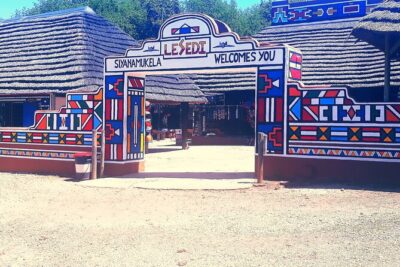
Durban City & PheZulu Cultural Village Day Tour from Durban
Read our review →
Phezulu Cultural Village & Reptile Park Day Tour from Durban
Read our review →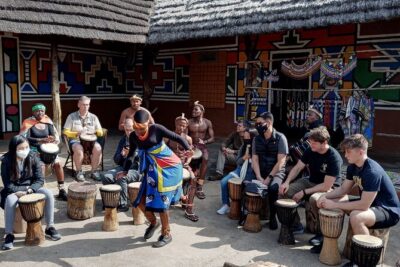
Lesedi Cultural Village & cradle of Humankind Guided Tour
Read our review →Browse the lists this tour appears in