
REVIEW · CULTURAL VILLAGE TOURS
Lesedi Cultural Village Tour
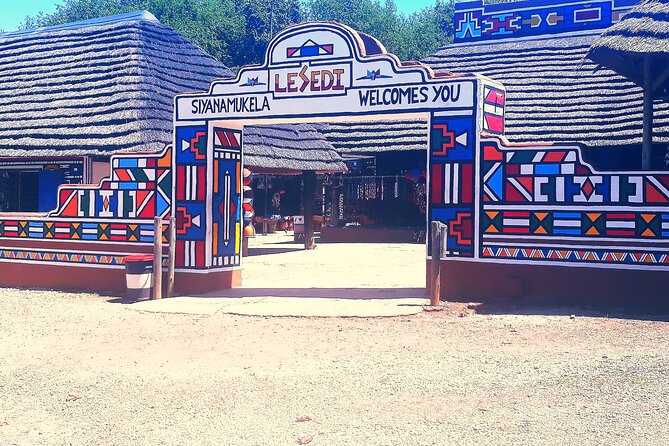
Traditional South Africa is closer than you think. The Lesedi Cultural Village tour gives you five village visits, a welcoming song, a lively dance show, and useful context from guides such as Solly, Tshepo, Bobo, Nathi, and Simba. I like the hotel pickup and the small vehicle, which can hold no more than 14 or 15 people. The main drawback is that Lesedi is a staged cultural attraction, not an untouched village where people live today.
I also like the way the guides explain the cultures during the drive, before you arrive. That extra background makes the village tour easier to follow. Still, you should expect a polished, visitor-focused presentation, a craft market, and a buffet lunch for an extra charge, not a quiet encounter with daily rural life.
In This Review
- Key details before you book
- Why Lesedi makes sense from Johannesburg
- The drive begins with useful local context
- A musical welcome sets the tone
- The five villages offer breadth, not ordinary village life
- Drums, dancing, and a show worth staying for
- Lunch and the craft market add cost and choice
- What the $94.90 price really buys you
- Who will enjoy this half-day outing most
- Practical advice for a smoother visit
- Should you book the Lesedi Cultural Village Tour?
- FAQ
- Where does the Lesedi Cultural Village Tour take place?
- What time does the tour start?
- How long does the experience last?
- Is hotel pickup available?
- How many people can join the tour?
- Is the entrance fee included?
- Is lunch included?
- Is the dance performance included?
- What is the cancellation policy?
Key details before you book
- Five cultural villages in one visit: You move through several traditional settings and learn how different southern African peoples are represented.
- A strong music and dance program: The drumming, dancing, and singing are among the most praised parts of the experience.
- Hotel pickup at about 10 a.m.: Transport in an air-conditioned vehicle makes this an easy half-day outing from Johannesburg.
- A small group setting: The advertised group limit is 14 or 15 people, depending on the booking information.
- Lunch costs extra: A traditional buffet is available after the performance, but food, dinner, and drinks are not included.
- A clear commercial element: The craft market is convenient for souvenirs, but it also reinforces that this is a purpose-built attraction.
Why Lesedi makes sense from Johannesburg
Johannesburg is a modern city, and it does not always offer an easy way to understand the many cultures of southern Africa in one short visit. Lesedi Cultural Village fills that gap with a planned program built around traditional homes, cultural explanations, music, food, and dance.
That makes this tour useful if you have limited time. You do not need to arrange several separate visits or work out transport beyond your hotel pickup. The package includes admission, taxes, an air-conditioned vehicle, and a bottle of water. At $94.90 per person, the price is not a bargain-basement outing, but it covers the main costs and removes much of the day’s hassle.
I would think of the tour as an introduction rather than a final word on southern African culture. It gives you a broad overview of several groups and customs. It cannot offer the depth, complexity, or personal contact of spending time with a living community in its own setting.
That distinction matters. Some people will find the organized format friendly and accessible. Others may feel the experience is too tourist-oriented. Go with the right expectation and you are more likely to enjoy it.
More cultural village visits:
- Lesedi Cultural Village and Cradle of Humankind Tour
★ 5.0 · 48 reviews - Lesedi Cultural Village
★ 5.0 · 45 reviews - Johannesburg: Lesedi Cultural Village Experience
★ 4.6 · 43 reviews
The drive begins with useful local context
Pickup is scheduled for around 10 a.m., with collection from your hotel and return transport included. The overall outing is described as roughly five to six hours, while the village program itself is listed at about four hours. In practice, the drive forms part of the day, and one account describes the return journey taking about an hour.
The guide can add real value before you even reach Lesedi. Solly was praised for explaining all five represented groups on the way there. Bobo was also singled out for providing strong background information during both the outward and return drives. Guides named Tshepo, Nathi, Simba, and Solly were all described as friendly, helpful, and engaging.
That matters because the village can otherwise feel like a series of buildings and performances. A good guide gives you a framework for what you are seeing. You can ask questions, compare customs, and better understand why the homes and demonstrations are presented in different ways.
Pickup reliability is worth watching. Most accounts describe transport as punctual, but one excursion began with a one-hour delay after the guide went to the wrong hotel and met traffic. The guide apologized and the group still reached the village without missing much of the program, but you should confirm your pickup details carefully and keep a little flexibility in your morning.
A musical welcome sets the tone
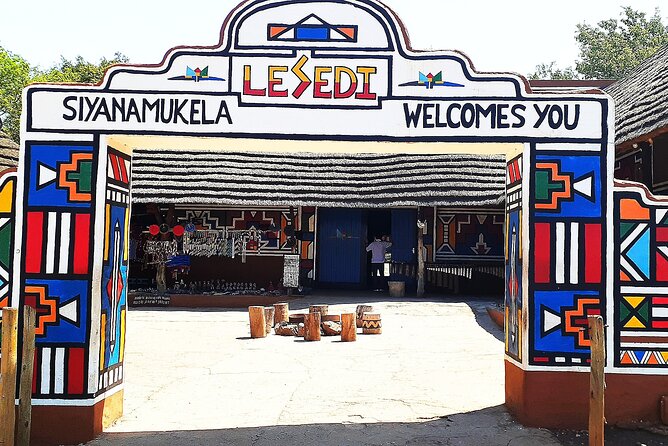
On arrival, traditional singing welcomes you to the site. It is a simple touch, but it quickly shifts the mood from city sightseeing to a planned cultural presentation.
The opening welcome is followed by a guided walk through five village areas. You are introduced to different styles of traditional dwellings and given explanations about customs and daily life. A Zulu warrior is part of the teaching program, and the visit is designed to show how several southern African cultures differ from one another.
This is not a do-it-yourself museum visit. You move as part of a guided group, and the explanations are central to the experience. That can be helpful if you want a clear introduction without having to read long signs or make sense of the buildings alone.
The small group limit should make it easier to hear the guide and ask questions. The supplied details describe the group as a maximum of 14 in one place and 15 in another, so I would treat 15 as the practical upper limit. A solo booking may even become a private outing if demand is low. One person had Simba as both driver and guide because they were the only participant that day.
The five villages offer breadth, not ordinary village life
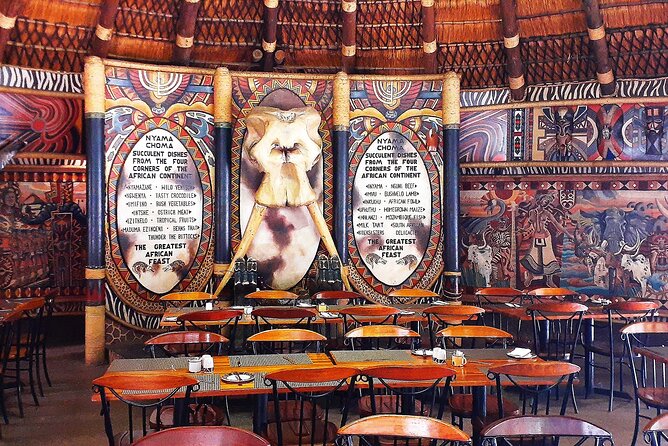
The main value of the walking tour is variety. In one visit, you see five village settings and learn about a range of customs rather than focusing on one community alone. That makes Lesedi a good choice for a first cultural stop in South Africa.
You will likely spend more time listening and looking than taking part in complex activities. The attraction presents traditional housing, customs, and community life in a way that is easy to follow. Staff are described as welcoming and willing to answer questions, which helps make the program feel more personal.
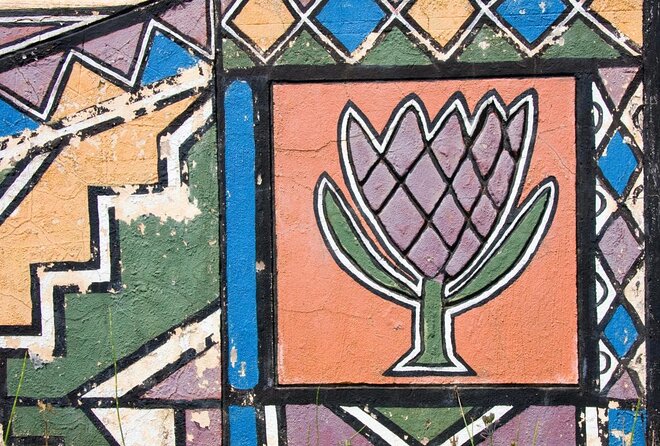
But the presentation has limits. Lesedi is a simulation and a purpose-built attraction. It is not an actual village inhabited by the communities being presented. If you have previously visited a working village, such as a Maasai community in another country, you may find Lesedi less personal and less spontaneous.
That does not make the information worthless. It simply tells you how to judge the experience. You are buying a structured introduction, not an anthropological field visit. For families, first-time visitors, and anyone who wants an accessible overview, the format may work very well. For people seeking unfiltered daily life, it may feel too carefully arranged.
A few more in Johannesburg
- From Johannesburg: Pilanesberg Nature Reserve Game Safari
★ 4.8 · 1,327 reviews - Johannesburg: Hop-On Hop-Off Bus with Optional Soweto Tour
★ 4.6 · 985 reviews - Soweto /Johannesburg and Apartheid Museum Guided Full Day Tour
★ 5.0 · 932 reviews - Johannesburg Hop-On Hop-Off City Tour with Soweto Option
★ 4.5 · 768 reviews
Drums, dancing, and a show worth staying for
The performance is the high point for many people. After the village walk, you attend a music and dance show featuring energetic performers, drumming, and audience participation.
Drum lessons are part of some versions of the experience, and the dancing has been praised for its athletic movement and lively energy. Even people who found the village presentation too commercial still described the staff and performers as welcoming and engaging.
I would plan to stay for the full show. It gives the visit a sense of occasion and adds sound and movement to what can otherwise be a mostly instructional walk. You are not just looking at buildings. You get a chance to hear music, see coordinated dance, and take part in a simple activity.
The show is also where the tour feels most like entertainment. That is not necessarily a problem, but it is another reason to see Lesedi as a cultural performance center rather than an ordinary settlement. The combination of education and entertainment is the point.
Lunch and the craft market add cost and choice
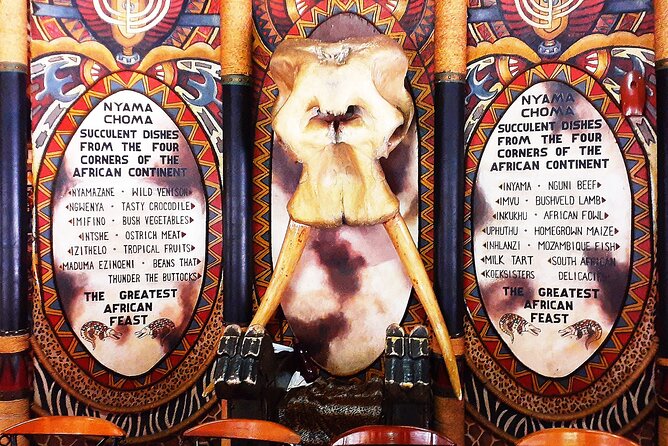
After the performance, a buffet of traditional South African dishes is available. Lunch is not included in the $94.90 price, and drinks are also extra. One account describes the buffet as tasty and reasonably priced, while another notes that it arrives at a welcome time after the dancing.
You can decide on the day if you want to pay for the meal. If you have dietary concerns or prefer to control your spending, the tour information does not promise that lunch is included, so budget separately and check the available choices when you arrive.
After eating, you have time to browse the craft market. Handmade African crafts give you a chance to take home something connected to the visit, and purchases can support the local sellers working at the attraction. At the same time, the market adds to the commercial feel that some people dislike.
I see this as a useful but optional ending. You may enjoy looking without buying. If you do want souvenirs, compare items carefully and remember that the market is part of a tourist attraction, not necessarily a direct visit to village homes.
What the $94.90 price really buys you
The fee includes the cultural village entrance, all listed taxes and fees, hotel transport in an air-conditioned vehicle, and a bottle of water. It does not include lunch, drinks, or dinner.
The value is strongest if you are staying in Johannesburg and want a simple, organized outing. You avoid arranging a taxi or rental car, and you get a guide who can add information during the drive. The small group cap is also useful because it reduces the chance of being lost in a large bus crowd.
The price feels less attractive if you only want to watch a dance show or browse traditional buildings. You are paying for transport, admission, guiding, and a multi-part program. If you do not care about the explanations, you may not feel you are getting full value.
Group discounts may be available, which could improve the cost for families or parties booking together. Since lunch and drinks are extra, I would add those costs before comparing the tour with other Johannesburg excursions.
Who will enjoy this half-day outing most
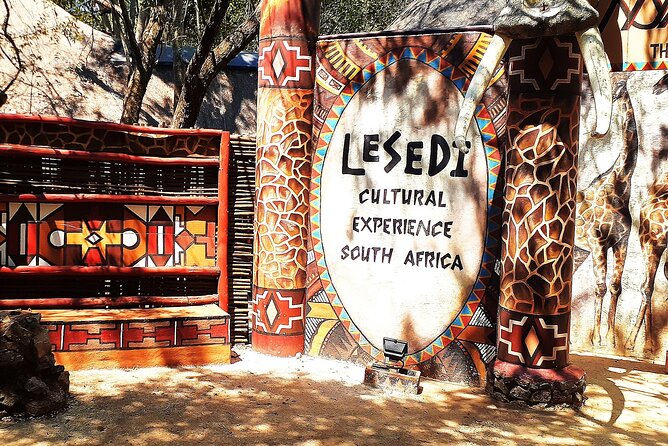
I would recommend Lesedi to you if you want a broad cultural introduction and prefer a planned visit. It suits first-time visitors who want to learn about several southern African peoples without making complicated arrangements.
It is also a good fit for families. The singing, drumming, dance, and visual setting give children more to engage with than a quiet museum display. Most people can participate, and the dress code is casual, so you do not need special clothing or equipment.
Solo visitors may also do well here. A low booking total can turn the outing into a more personal experience, as happened with the guest accompanied by Simba alone.
I would be more cautious if your main goal is authentic village life. Lesedi presents culture through a visitor program, and some of the buildings and customs are shown in a simplified way. That is useful for orientation, but it is not the same as meeting people in their own homes and communities.
Practical advice for a smoother visit
Confirm the hotel name and pickup details when you book. One late pickup resulted from a wrong hotel, and a short phone call to the provider helped resolve the problem.
Allow more time than the four-hour village schedule suggests. The full experience is advertised at approximately five to six hours, and the road time can be significant. Do not plan a tight appointment immediately afterward.
Wear casual clothes and comfortable shoes for walking through the five village areas. The official dress guidance is casual, and the tour does not call for formal clothing.
Carry some extra money if you want lunch, drinks, or crafts. The included bottle of water is helpful, but it does not cover other refreshments.
The provider is Solly, and the tour requires a minimum number of participants. If that minimum is not reached, you should be offered another date or experience, or a full refund. Free cancellation is available up to 24 hours before the start time. Canceling within 24 hours does not qualify for a refund, and changes inside that window are not accepted.
Should you book the Lesedi Cultural Village Tour?
Book it if you want convenient transport, a small group, several cultural introductions, and a strong music and dance program in one Johannesburg outing. The guides can make a real difference, especially when they explain the represented groups before you arrive.
Skip it if you are looking for an unscripted village visit or direct contact with people living traditional daily lives. Lesedi is polished, informative, and entertaining, but it is also commercial and staged.
For most first-time visitors, I think it is a worthwhile introduction, provided you see it for what it is. Add the cost of lunch and souvenirs, leave room for traffic, and come ready to learn rather than expecting a completely ordinary village day.
FAQ
Where does the Lesedi Cultural Village Tour take place?
The tour visits Lesedi Cultural Village near Johannesburg, South Africa.
What time does the tour start?
The listed start time is 10:00 a.m.
How long does the experience last?
The full outing takes approximately five to six hours. The village program itself is listed as about four hours.
Is hotel pickup available?
Yes. Pickup and drop-off from your hotel are offered.
How many people can join the tour?
The group is described as small, with a maximum of 14 or 15 people depending on the tour details.
Is the entrance fee included?
Yes. Entrance fees, taxes, and other listed fees are included.
Is lunch included?
No. A buffet with traditional South African dishes is available after the show, but lunch is not included in the tour price.
Is the dance performance included?
Yes. The cultural dance performance is included, along with the village visit.
What is the cancellation policy?
You can cancel up to 24 hours before the start time for a full refund. Cancellations or changes made less than 24 hours before the experience are not refunded or accepted.
Just added in Johannesburg
- 4 Day Kruger National Park Tour★ 5.0 · 30 reviews
- Johannesburg e-scooter experience★ 5.0 · 38 reviews
- Pretoria Capital City Tour Experience★ 5.0 · 24 reviews
- Johannesburg Street Art & Museum Walking or E-scooter Tour★ 4.5 · 10 reviews
- Big 5 Safari Experience at Pilanesberg National Park★ 5.0 · 16 reviews
- Drakensberg Mountains. Tugela Gorge and Amphitheater Hike★ 5.0 · 7 reviews
- Apartheid Museum Tour from Johannesburg★ 4.5 · 14 reviews
- Arrival Private Transfer: Tambo Airport JNB to Johannesburg in Business Car★ 4.0 · 5 reviews
Cultural Village Tours, compared.
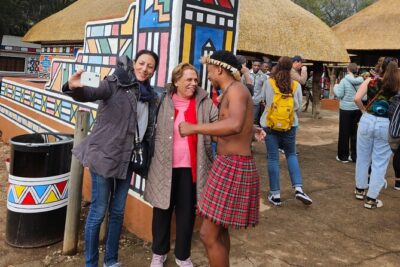
Lesedi Cultural Village and Cradle of Humankind Tour
Read our review →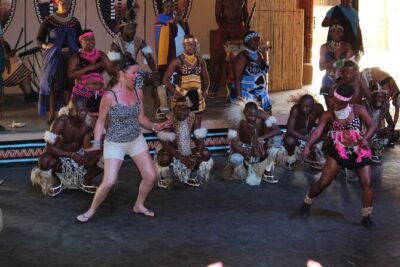

Durban City & PheZulu Cultural Village Day Tour from Durban
Read our review →
Phezulu Cultural Village & Reptile Park Day Tour from Durban
Read our review →

Browse the lists this tour appears in