REVIEW · GUIDED
Cape Town: Great African Sea Forest Guided Snorkel
The kelp forest is the real star. This two-hour Cape Town snorkeling trip takes you into the Great African Sea Forest in False Bay, where tall kelp, sea urchins, octopus, shysharks, seastars, abalone, and small endemic sharks create a world far removed from the city above. I especially like the small groups of no more than eight and the chance to help with shark photo identification rather than simply watch wildlife.
I also like that the marine biologist guide explains what you are seeing before and during the swim. Guides such as Mark the Shark, Danni, and Megan have earned praise for clear safety advice and warm support. The main consideration is the water itself: this is not a tropical coral reef, and staying on the surface can limit your view. You may need to swim through or around the kelp, and some underwater exploration helps you see more.
In This Review
- What makes this snorkel special
- Meeting the team at False Bay
- Getting comfortable in the equipment
- Entering the Great African Sea Forest
- Sea urchins, octopus, and shysharks
- Taking part in shark research
- The difference a small group makes
- Photos, safety, and the ride to the shore
- Is $74 good value for two hours?
- Who should book this experience?
- Should you book the Great African Sea Forest snorkel?
- FAQ
- How long is the Great African Sea Forest snorkeling experience?
- How much does the snorkeling tour cost?
- Where is the meeting point?
- What equipment is included?
- Do I need to be an experienced swimmer?
- Are sharks guaranteed?
- What should I bring?
- Can I cancel the booking?
What makes this snorkel special
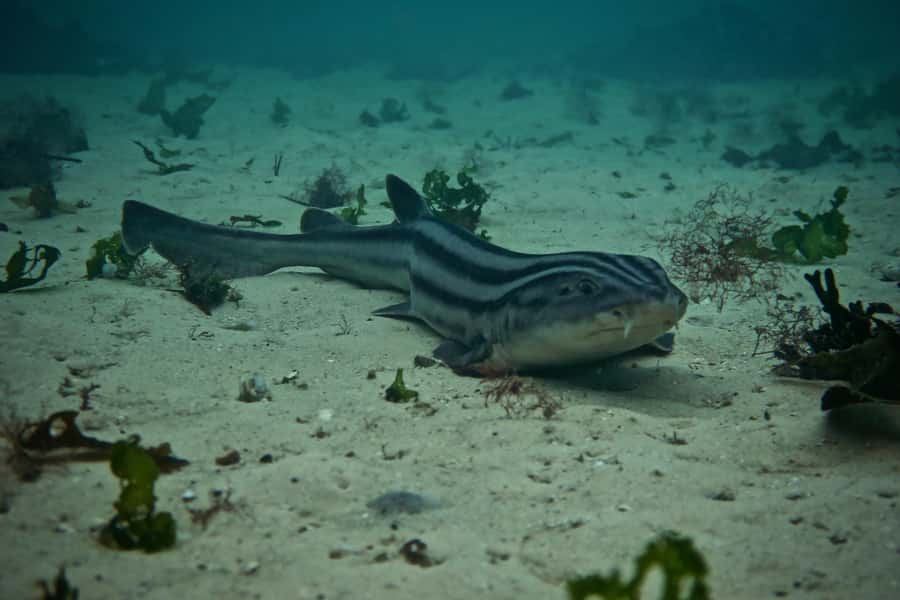
- Shark research with a real role for you: You help collect photo identification of an endemic shark species for an ongoing research project.
- A true kelp forest, not a coral reef: Expect swaying kelp and cool-water marine life rather than bright tropical coral.
- Small groups capped at eight: That gives the guide more time to point out shy creatures and watch the group in the water.
- Marine science in plain English: Learn how octopus hunt, where shysharks hide, and why sea urchins sometimes wear bits of shell or other objects.
- Photos are included: You receive underwater images that make a useful souvenir of the experience.
- FinSpotter access: Shark sightings can be followed through the FinSpotter app after your swim.
Meeting the team at False Bay
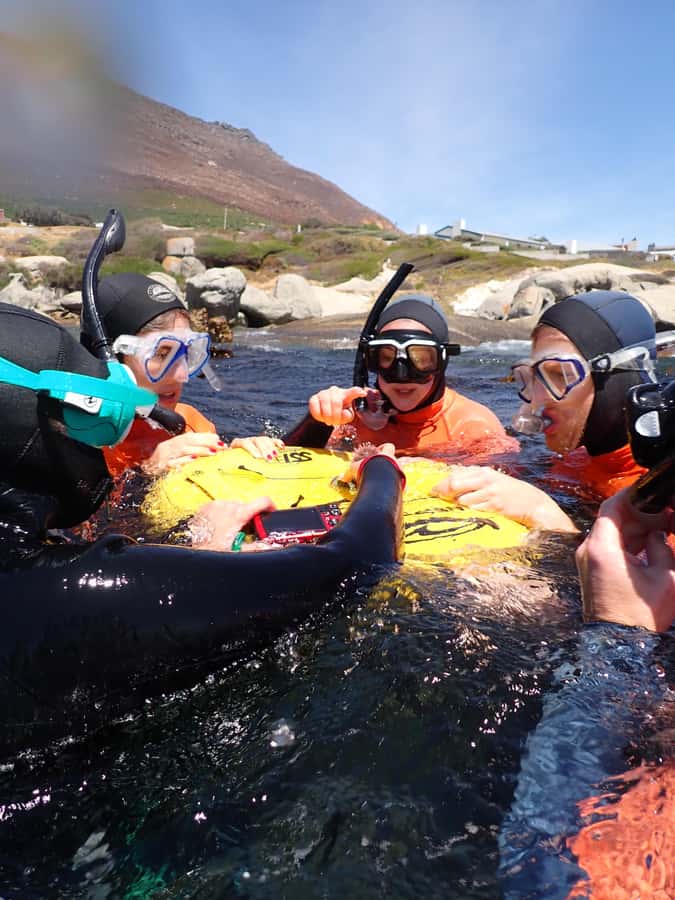
You meet inside the Cape RADD Dive Center on the shore of False Bay. This is more than a check-in point. It is where you get your equipment, meet the marine biologist, and hear how the session will work.
The briefing is one of the strongest parts of the experience. Guides explain the local sea forest, the animals that live there, and the shark research you will assist with. That introduction matters because kelp can look like a wall of brown-green stems if you do not know where to look.
A good guide changes the whole outing. Danni has been praised for strong knowledge of the area, while Mark the Shark is noted for a detailed introduction and careful support in the water. Megan has also received praise for combining friendly guidance with good underwater photos. The guide is not simply leading you from one point to another. You are learning how to notice small movement, hiding places, and unusual shapes among the kelp.
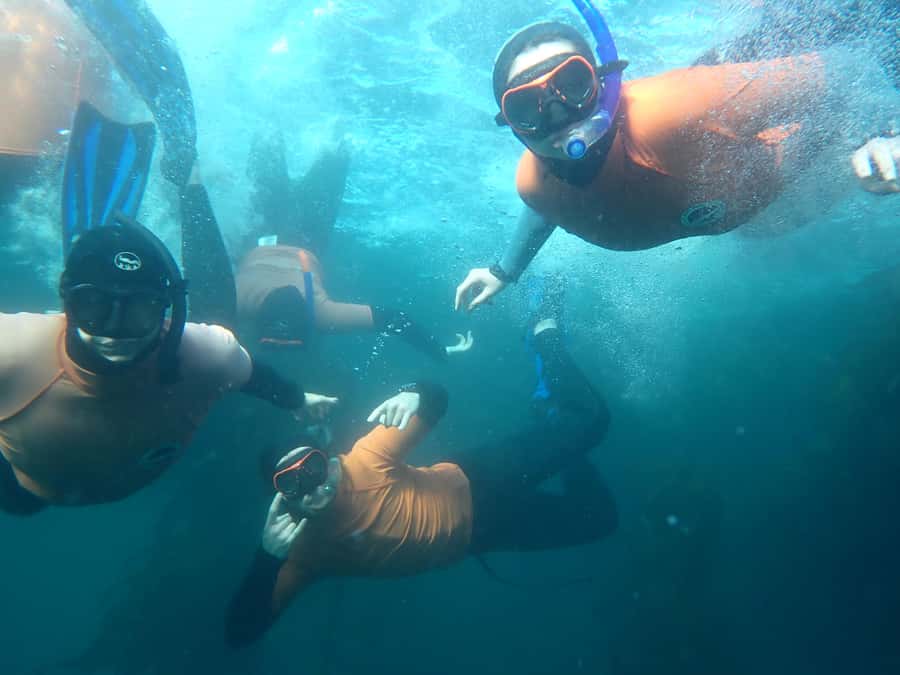
The group limit of eight is useful here. You are less likely to lose the guide in the water, and the guide can spend time showing each person an animal. That is especially helpful if you are new to snorkeling in kelp or need a little time to get comfortable.
A few more in Cape Town
- Wine Tour: Paarl, Franschhoek & Stellenbosch incl 3 wineries
★ 5.0 · 3,940 reviews - Cape Town: Hop-On Hop-Off Bus Tour with Optional Cruise
★ 4.8 · 3,929 reviews - Cape Town: Cape of Good Hope & Penguins Day Tour with Pickup
★ 4.7 · 3,362 reviews
Getting comfortable in the equipment
The price includes a mask, snorkel, fins, and wetsuit. You only need to bring swimwear and a towel.
The wetsuit is important. False Bay is not a warm tropical snorkeling destination, and the suit helps you stay in the water long enough to appreciate the forest. Equipment quality has been praised, which is good news for anyone who dislikes fighting with a leaky mask or poor-fitting fins.
You should be able to swim, or at least feel comfortable in the water. This is not described as a high-fitness activity, so you do not need serious athletic ability. Still, comfort matters more than speed. You will be sharing the water with kelp, and the experience is best when you can calmly adjust your position, follow instructions, and keep looking.
The activity operates rain or shine. That makes the booking fairly simple, but it also means you should not expect weather to be a reason for the session to change. Conditions can affect what you see, and wildlife is never guaranteed. One outing produced sharks and an octopus, while another had plenty of small sea life but no sharks.
Entering the Great African Sea Forest
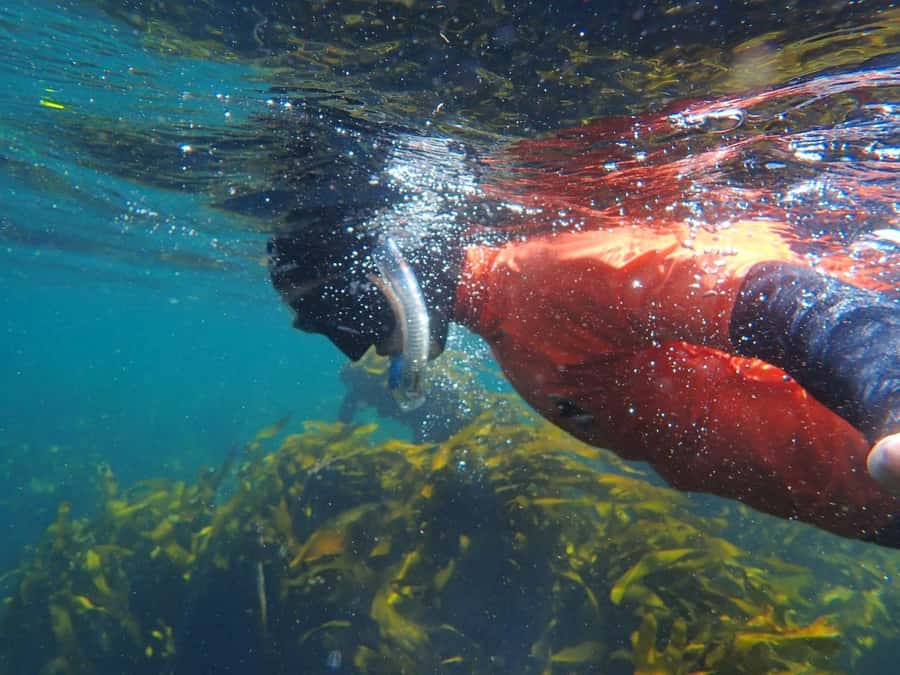
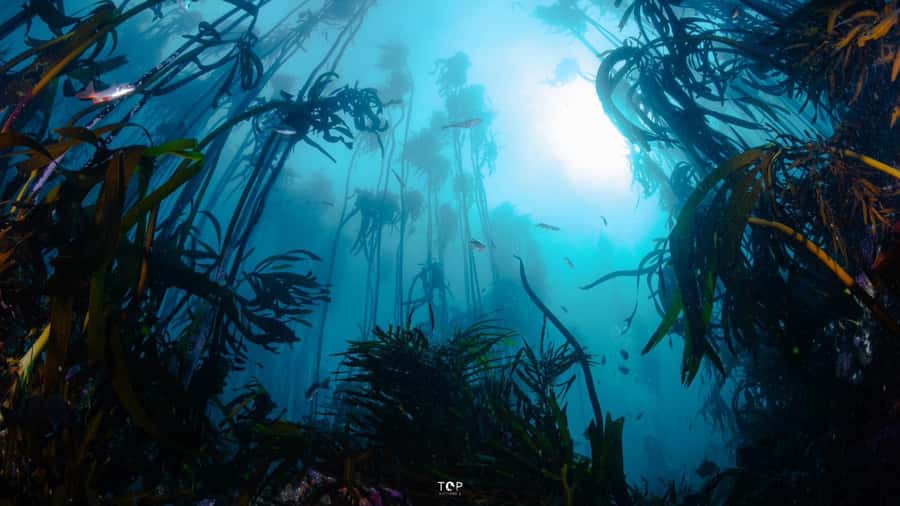
Once the briefing and equipment fitting are complete, you head into the kelp forest. The forest is the main attraction, not a backdrop. Huge kelp stems sway around you, creating a three-dimensional underwater setting where fish and other animals can hide.
This kind of snorkeling feels different from an easy tropical reef outing. You do not simply float over open water and look down at coral. The kelp may surround you, and some of the most interesting animals sit low among the stems or stay tucked into cracks.
One useful point is that surface snorkeling gives you only part of the experience. A strong swimmer who is comfortable briefly exploring lower in the water may see more of the seabed and the animals living there. One visitor found the shallower section useful for settling in, then became more excited in water around five to six metres deep, where it was possible to move lower along the kelp.
That does not mean you must go down to enjoy the session. It means you should set realistic expectations. If you prefer to stay entirely at the surface, the guide can still point out life, but you may see less of what is below. The tour is not a coral reef excursion, and the underwater setting asks you to pay attention.
Sea urchins, octopus, and shysharks
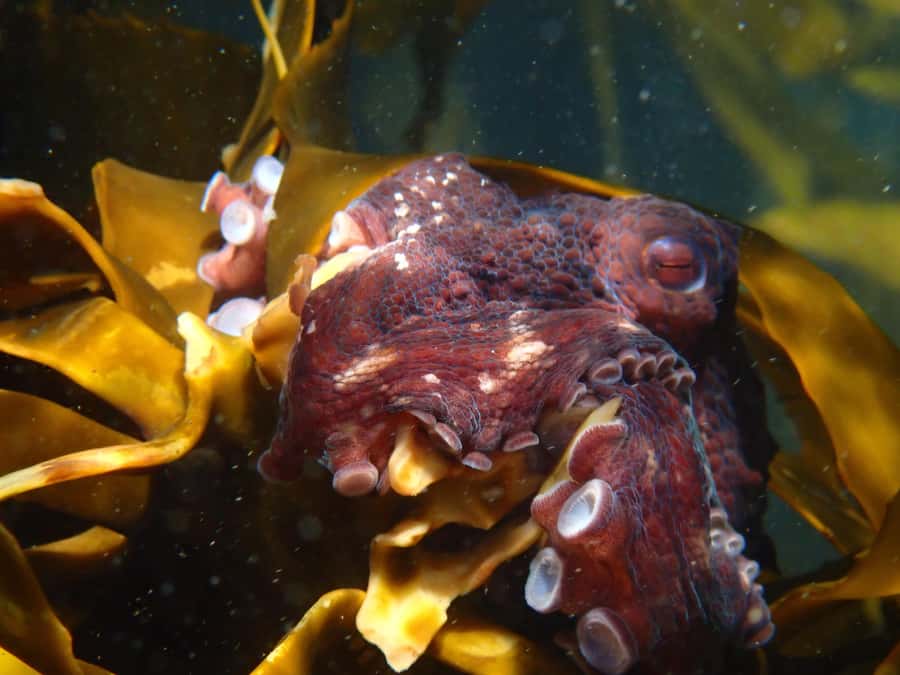
The guide helps turn small creatures into memorable characters. You may learn how octopus hunt, find the places shysharks prefer to hide, and discover why sea urchins sometimes wear hats. Those coverings can be bits of shell or other objects placed over the urchin, a small behavior that is easy to miss without an expert pointing it out.
The animal list can include sea urchins, octopus, seastars, abalone, and small sharks. The kelp also shelters plenty of less obvious life, so do not measure the trip only by the largest animal you spot.
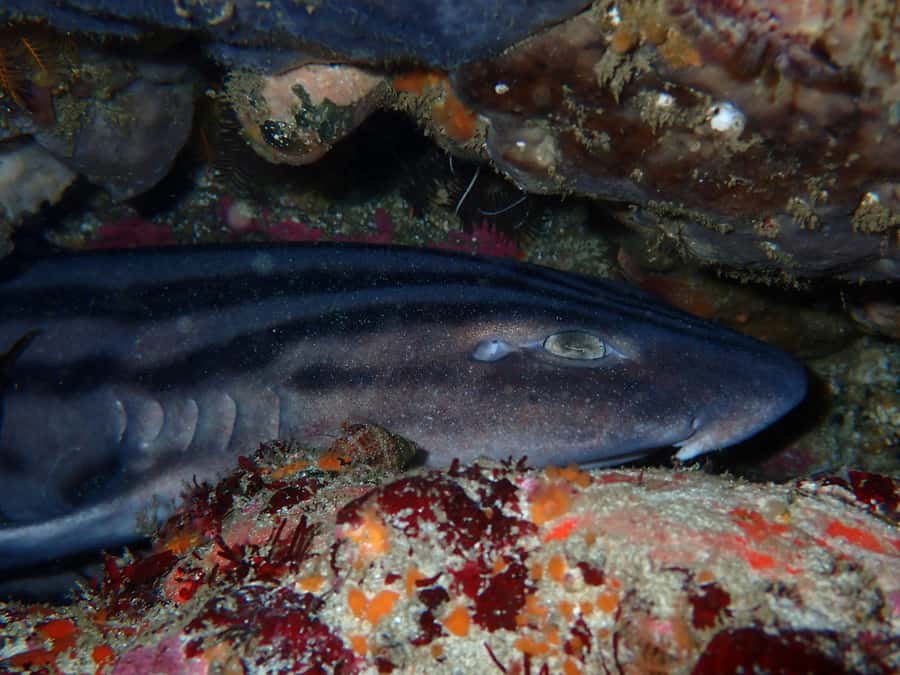
Shysharks are especially fun to look for because their name tells you something about the challenge. They are not guaranteed to present themselves. You may spend time searching among the kelp and still miss them, as happened on one outing. That is part of the nature of wildlife watching, but it is worth knowing before you book.
The guide makes the search worthwhile even when an animal stays hidden. You learn how to look in likely hiding places and understand why a particular section of the forest matters. The result is more satisfying than being led past a series of animals without context.
Something quite different:
- Zipline Cape Town – From Foot of Table Mountain Reserve
★ 5.0 · 3,179 reviews - Cape Town: Table Mountain Cable Car, Hop-On Hop-Off Bus Tour
★ 4.6 · 3,157 reviews - Cape Point and Boulder’s Penguins Full Day Tour
★ 5.0 · 3,118 reviews - From Cape Town: Cape Point & Boulders Beach Full-Day Tour
★ 4.8 · 3,032 reviews
Taking part in shark research
The research element gives this activity a purpose beyond sightseeing. During the swim, you help find and collect photo identification of a friendly endemic shark species. The goal is to assist an ongoing shark research project, not to feed or handle the animals.
This is a simple form of citizen science. You are not expected to be a marine scientist. The team guides you through what to look for and how your photos can help identify individual sharks. That makes the experience feel active without demanding technical training.
A shark sighting is never promised. Some groups see one or more small sharks along with octopus and other animals. Another group saw no sharks but still had a worthwhile session among the kelp. I would book this for the forest and marine education first, with shark research as a valuable bonus.
You also receive special access to the FinSpotter app, which lets you stay updated on your shark sightings. The idea adds a useful connection after the two-hour session. You can keep track of what your sighting contributed to rather than leaving the research behind at the beach.
Your help also earns you the title of Ocean Ambassador. The title is honorary, but it reflects the conservation side of the outing. You are learning about the ecosystem while giving the research team useful identification material.
The difference a small group makes
Eight participants is a sensible maximum for this setting. A marine biologist can keep an eye on the group, explain animals as they appear, and answer questions without turning the session into a lecture delivered from far away.
It also helps with confidence. Several guides have been praised for calm assistance and good safety measures, which can matter if you are unsure about snorkeling in kelp. One person found the session helped build confidence for snorkeling alone in kelp later.
The group size will not remove every challenge. If you are uncomfortable in open water, need close personal assistance, or cannot swim, this is not the right activity. People with mobility impairments are not suited to the experience, and it is not available to children under 10, pregnant women, or people over 95.
The session is in English. If you understand English well enough to follow a safety briefing and listen to explanations in the water, you should get much more from the experience.
Photos, safety, and the ride to the shore
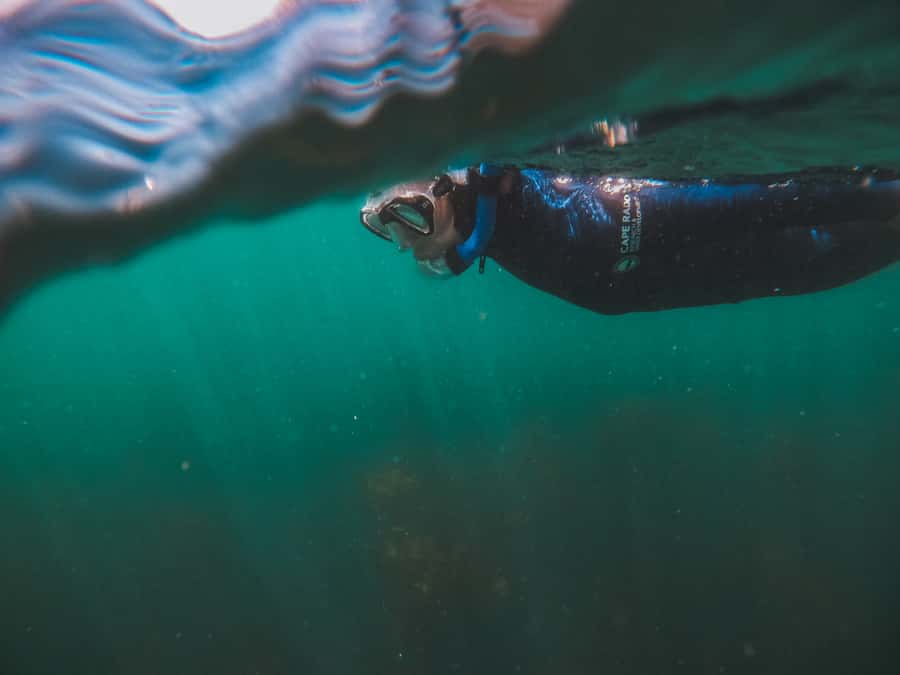
Photos are included, and this is a meaningful extra. Underwater photographs are difficult to take well when you are concentrating on breathing, swimming, and watching the kelp. Having images of you and the animals gives you something more lasting than a few memories of green water and waving stems.
Safety is treated seriously. The guide gives an in-depth briefing before the activity and stays involved in the water. That support is particularly useful for people who have snorkeled in calm, warm places but have not yet tried a kelp forest.
There is one small practical comfort issue to note. A ride in the back of a truck has been described as uncomfortable when participants had no shoes and the dark surface became very hot. It is not the main event, but footwear and the transfer setup may not feel polished. Since swimwear and a towel are the only stated items to bring, you should be ready for a simple, outdoors-focused operation rather than a luxury excursion.
Is $74 good value for two hours?
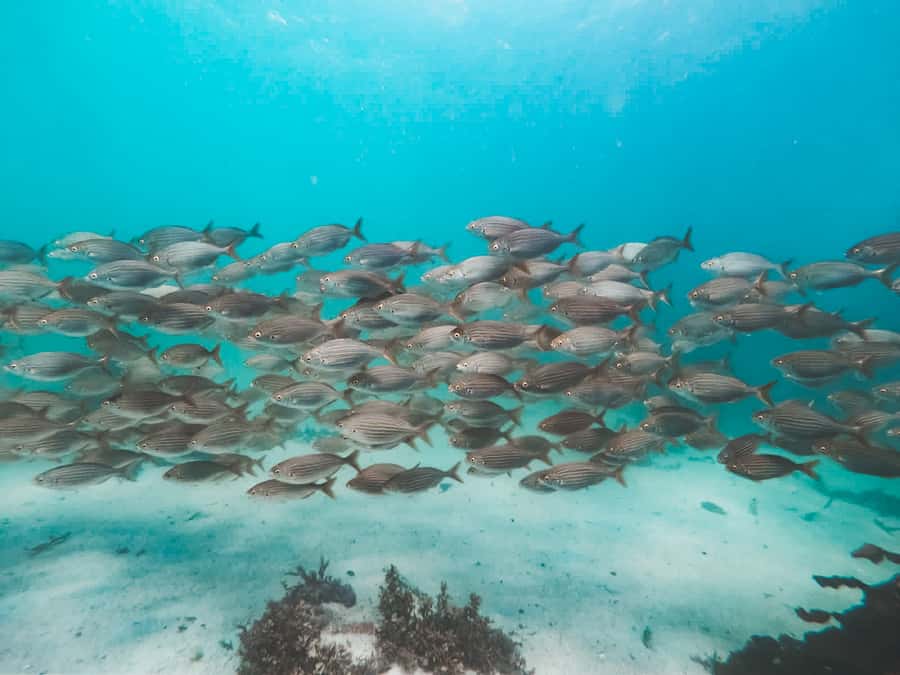
At $74 per person, the price is fair for a small-group marine experience that includes a guide with scientific training, all snorkeling equipment, a wetsuit, photos, and the conservation work. You are paying for instruction, supervision, access to a special ecosystem, and participation in research, not just time in the water.
The value is strongest if you care about marine life and want to understand what you are seeing. The briefing, animal spotting, shark identification, app access, and photos give the session more substance than a basic equipment rental.
The value is weaker if you expect tropical reef conditions, a guaranteed shark encounter, or a long swim. The activity lasts two hours, and one person would have preferred an extra 15 minutes in the water. Another wanted more time in deeper water. Those are fair preferences, but they also show why expectations matter.
For Cape Town, this is a good use of $74 if you want a focused activity with an educational purpose. You are not buying a full-day outing, despite the amount of material covered. You are buying a compact, well-supported introduction to the False Bay sea forest.
Who should book this experience?
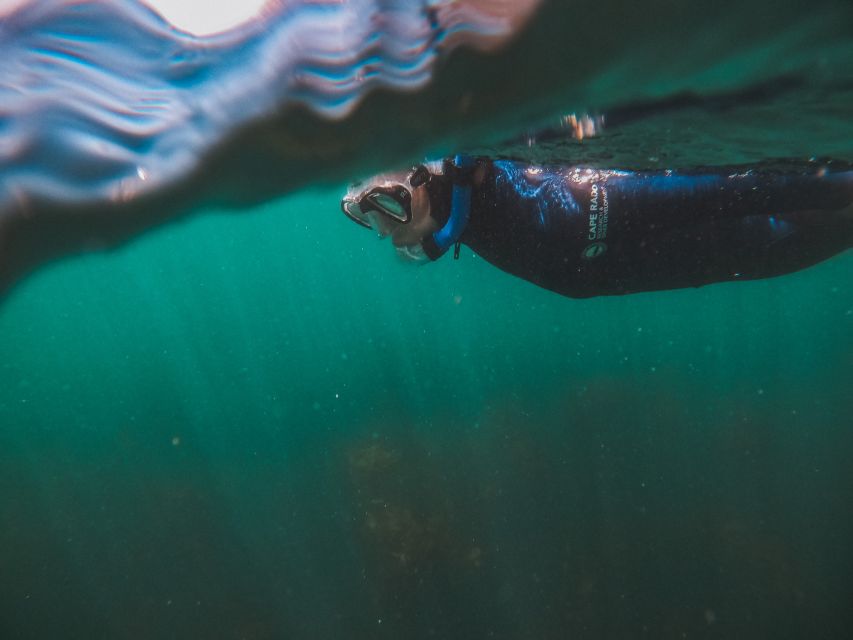
I would recommend it to:
- First-time kelp snorkelers who want instruction and support.
- Confident swimmers interested in marine science.
- Wildlife fans who appreciate small creatures as much as sharks.
- Visitors who want a conservation activity with direct participation.
- Photographers and families with children aged 10 or older who are comfortable in the water.
- Anyone who prefers a small group to a crowded boat excursion.
I would think twice if you want warm, clear, open water or a coral reef. I would also reconsider if you dislike swimming around vegetation or plan to remain completely on the surface. The activity does not require a high fitness level, but water confidence is essential.
Bring swimwear and a towel. Allow yourself time to listen carefully to the briefing, because much of the value comes from knowing where and why to look. Keep your expectations flexible, since the session runs in all weather and marine sightings can change from day to day.
Should you book the Great African Sea Forest snorkel?
Yes, if you want to see Cape Town from a less familiar angle and care more about understanding the sea than collecting a guaranteed animal sighting. The kelp forest, marine biologist guide, small group, included photos, and shark research role make this a thoughtful and practical experience.
Book it with the right goal: you are going to explore a cool-water forest, not float above coral. Sharks may appear, or they may not. Either way, you can learn how the ecosystem works, see animals such as octopus and sea urchins, and leave with a clearer sense of why False Bay deserves protection.
FAQ
How long is the Great African Sea Forest snorkeling experience?
The activity lasts two hours.
How much does the snorkeling tour cost?
The price is $74 per person.
Where is the meeting point?
You meet inside the Cape RADD Dive Center on the shore of False Bay in the Western Cape, South Africa.
What equipment is included?
The tour includes a mask, snorkel, fins, and wetsuit. Photos are also included.
Do I need to be an experienced swimmer?
You need to be able to swim or feel comfortable in the water. The activity does not require a high fitness level.
Are sharks guaranteed?
No. The tour supports shark research and may include sightings of small endemic sharks, but wildlife sightings are not guaranteed.
What should I bring?
Bring swimwear and a towel.
Can I cancel the booking?
You can cancel up to 24 hours in advance for a full refund. You can also reserve now and pay later.
Just added in Cape Town
- Sunset Safari Big 5 Aquila with Snacks and Wine Tasting★ 5.0 · 12 reviews
- Explore Atlantis Sand Dunes with a 1hour 30mins sandboarding tour★ 5.0 · 5 reviews
- Private Tour to 20 Wine Tasting in Stellenbosch and Franschhoek★ 5.0 · 11 reviews
- Robben Island, Kirstenbosch wine tasting Tour★ 5.0 · 10 reviews
- Photoshoot in Cape Town’s most Gorgeous Locations★ 5.0 · 2 reviews
- Zip Line and Wine from Cape Town★ 5.0 · 14 reviews
- Private Transfer from Cape Town International Airport★ 5.0 · 4 reviews
- 1 Hour Cape Town City Center Photoshoot Experience★ 5.0 · 19 reviews
Guided, compared.
Robben Island Ferry Ticket and Guided Prison Tour
Read our review →
Soweto /Johannesburg and Apartheid Museum Guided Full Day Tour
Read our review →

Little Brak River: Botlierskop Guided Game Drive
Read our review →