
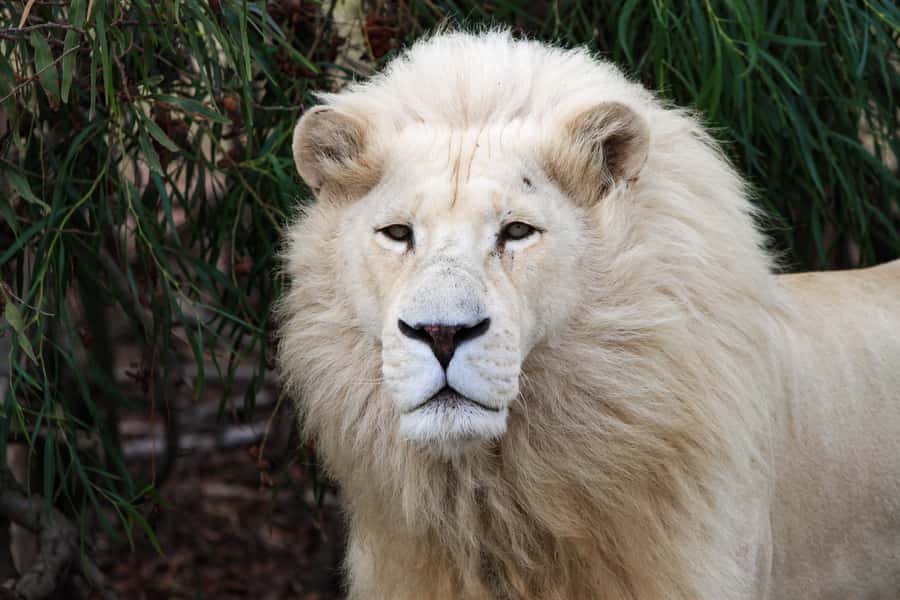
REVIEW · LION PARK TOURS
Drakenstein Lion Park Entry Ticket
Rescue comes before spectacle here. I like the 60-acre sanctuary and its clear no-breeding, no-trade policy, and I also like that your entrance fee helps fund lifetime care for rescued big cats. The main drawback is that lions may be sleeping or hidden in bushes, so you should not expect a guaranteed close-up view of every animal.
This is a quiet, purpose-built day out rather than an animal encounter. You will not pet, feed, or pose with the cats, and that is exactly the point. Still, check your booking carefully before setting off: one visitor reported that an online price was not accepted at the gate and that extra payment was required.
In This Review
- Key points to know before visiting
- Why Drakenstein Lion Park is different
- Entering a 60-acre home for rescued big cats
- Seeing the lions without touching them
- What the sanctuary mission means for your ticket
- A calm Cape Winelands day out
- What the visit does not promise
- Who will enjoy this sanctuary most
- How to make the most of your day
- Should you book Drakenstein Lion Park?
- FAQ
- Where is Drakenstein Lion Park located?
- How much does entry cost?
- How long is the ticket valid?
- Is transportation included?
- Are food and drinks included?
- Can I pet or feed the lions?
- Is there a personal guide?
- Are children under two allowed?
- Can wheelchair users visit?
Key points to know before visiting
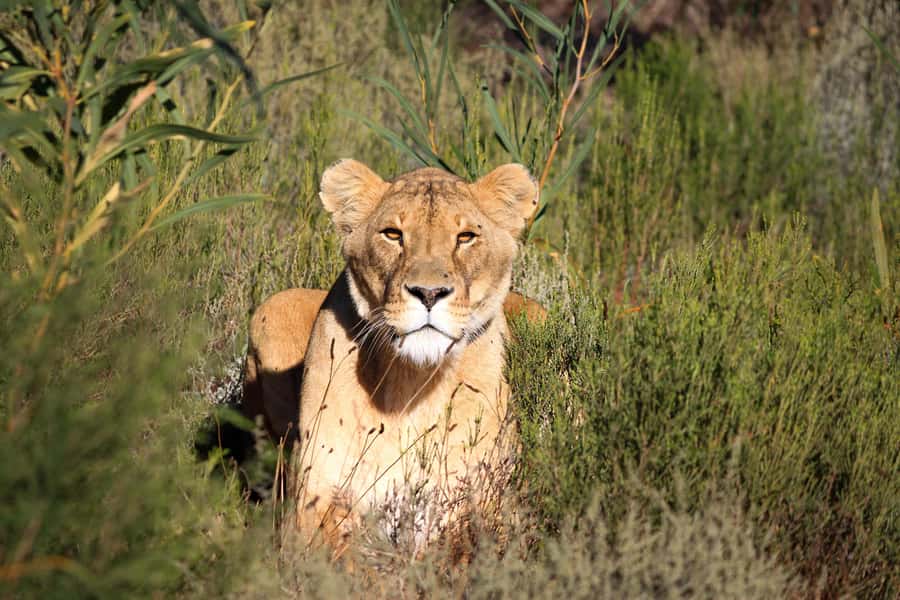
- A genuine rescue mission: Drakenstein Lion Park provides lifetime care for big cats rescued from abusive and unsuitable captive conditions.
- No animal contact: There is no petting, handling, breeding, or trade, which keeps the visit focused on animal welfare.
- Set on 60 acres: The spacious enclosures give the lions room to move, rest, and choose how visible they want to be.
- Your ticket supports the park: The sanctuary receives no government or grant funding, so visitor contributions matter.
- Allow a full day: The ticket is valid for one day, giving you time to visit at an unhurried pace.
- Bring sensible gear: Comfortable walking shoes and a camera are recommended, but flash photography is not allowed.
Why Drakenstein Lion Park is different
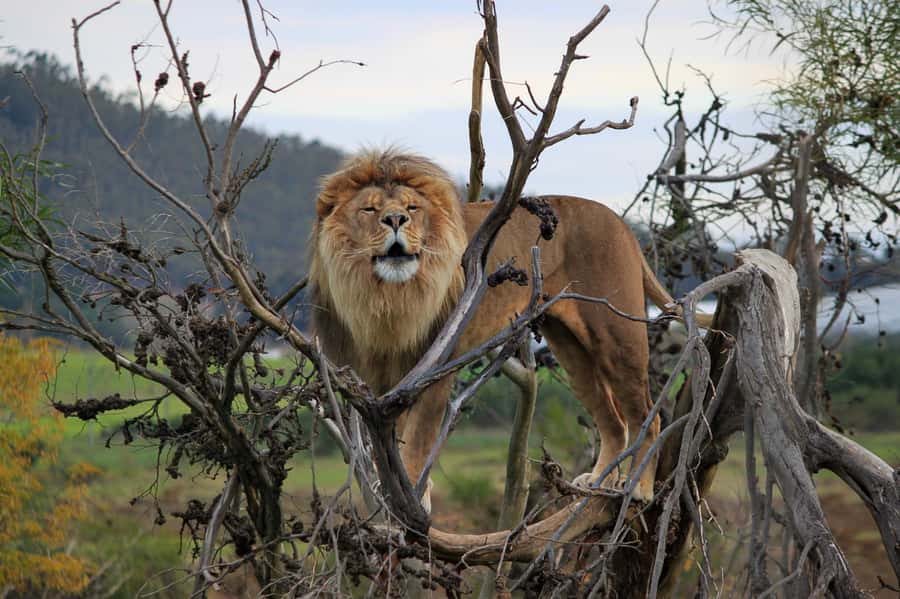
Drakenstein Lion Park is in the Cape Winelands, a scenic area better known for vineyards and mountain views than for rescued lions. The park adds a worthwhile wildlife stop to a day in the region, especially if you want your money to support animal care rather than an entertainment show.
The sanctuary was established in 1998 and is owned and run by the Hart family. Its long operating history matters because rescue work with captive big cats is not a quick tourist project. Animals arriving from abusive situations may need care for the rest of their lives, and the park’s role is to provide a stable home rather than prepare them for a return to the wild.
The central idea is simple: the animals set the terms of the visit. If a lion sleeps behind vegetation, you wait, accept a partial view, or move on. That can feel less exciting than a staged interaction, but it is far more respectful to the animal.
The park describes its work as ethical, non-intrusive, and non-exploitative. You will not find visitor-animal interaction, captive breeding, or trade here. The sanctuary also warns that some facilities use rescue language while continuing practices that do not benefit the animals. For you, the useful test is whether the park provides lifetime care without using young animals or close contact as a tourist product.
More lion park visits:
- Half Day Lion Park tour from Johannesburg or Pretoria
★ 5.0 · 274 reviews - Cradle of Humankind, Caves or Maropeng, Rhino and Lion Park
★ 5.0 · 74 reviews - Captivating Safari Lion Park Experience (Half Day Guided Tour)
★ 4.5 · 62 reviews
Entering a 60-acre home for rescued big cats
Your admission gives you access to the park for one day. There is no personal guide included, so you should expect to explore independently rather than follow a narrated route with a host explaining every enclosure.
That freedom suits the setting. You can move at your own pace and spend longer near animals that are active. It also means you need to pay attention to the information available around the park and take responsibility for your own timing.
The 60-acre size is important. A large enclosure is better for the animals, but it can make sightings less predictable. One visitor found that some lions were at the back of their compounds or sleeping in bushes. That is not a fault in the same way a poor exhibit would be. It is the natural cost of giving rescued cats space and privacy.
Set your expectations before you arrive. This is not a place where every lion will appear beside the viewing area on cue. You may see some animals clearly, while others remain distant or hidden. Patience helps, but even patience cannot guarantee a full view.
Seeing the lions without touching them
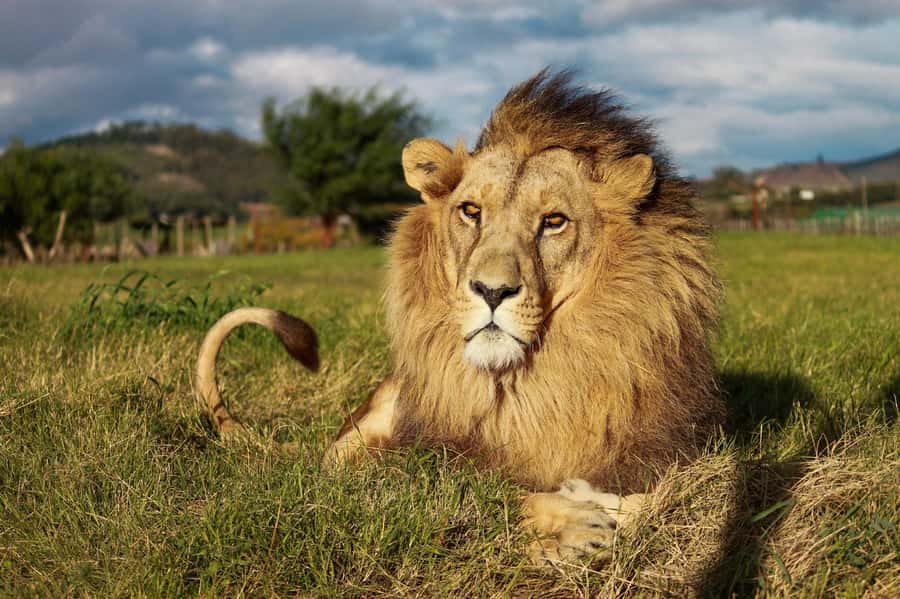
The strongest part of the experience is also the part that requires the most restraint. You are there to observe rescued big cats, not to interact with them.
No petting, feeding, or handling is included. Flash photography is forbidden, and smoking is not allowed. These rules are practical rather than fussy. Sudden flashes and human contact can disturb animals that have already experienced poor treatment, while smoke has no place around a sanctuary environment.
I like the fact that the park does not blur the line between conservation and entertainment. A lion is not a prop for a holiday photograph. You may leave with fewer dramatic pictures than you would from an interaction-based facility, but the visit has a stronger ethical footing.
Bring a camera if you want to record what you see, but use it quietly and without flash. Comfortable walking shoes are a good idea because the park covers a broad area. The supplied information does not promise a guided walk, specific feeding times, or guaranteed sightings, so do not plan your day around those details.
What the sanctuary mission means for your ticket
The entry price is listed at about $10 per person. That is modest for access to a full day at a 60-acre facility, but the real value is not simply the amount of time you spend inside.
Drakenstein Lion Park is funded by visitor contributions and receives no government or grant funding. Your ticket therefore helps pay for the ongoing care of animals that cannot simply be released or moved on after rescue. Food, veterinary attention, enclosure maintenance, and daily operations all depend on income from the park and its supporters, although the supplied information does not break down those costs.
For me, that makes the ticket easier to understand. You are not paying only for a viewing platform or a short attraction. You are helping maintain a permanent home for animals that require long-term care.
There is one important price warning. A visitor reported in July 2025 that a prepaid R320 ticket for two people was not accepted at the entrance. The receptionist reportedly said that the park did not sell online or pre-booked tickets, and the visitor then paid an additional R180. The standard local price mentioned in that account was R90 per ticket.
That is a serious booking concern, even though it may have been an isolated problem or a mismatch between the booking provider and the venue. Before you go, confirm that your voucher, price, and entry arrangement are accepted by the park. Keep your booking confirmation available, and do not assume that an online reservation will automatically settle the matter at the gate.
A few more in South Africa
- Cape Town: Robben Island Ferry Ticket and Guided Prison Tour
★ 4.1 · 1,792 reviews - Cape Town: 2 Oceans Helicopter Flight with Boat Tour Ticket
★ 4.9 · 417 reviews - Cape Town: Robben Island Ferry Ticket and Townships Tour
★ 4.5 · 400 reviews - Cape Town: The Cape Wheel Ticket
★ 4.6 · 350 reviews
A calm Cape Winelands day out
This visit works best as part of a wider day in the Cape Winelands. The park gives you a reason to slow down and spend time outdoors, while the surrounding area provides the scenic setting.
The ticket is valid for one day, but the exact starting times and visit timing depend on availability. Since no detailed schedule is provided, check the current time options before booking. You will want enough daylight and enough time to walk without rushing from enclosure to enclosure.
There is no transportation included. You must arrange your own way to the park, and food and drinks are also excluded. Those omissions are easy to manage if you plan ahead, but they matter if you are expecting a packaged excursion from Cape Town.
The lack of transport also affects value. At $10, admission is affordable, but your total cost will be higher once you add transport and any food for the day. If you already have a car or are visiting nearby Winelands attractions, the park makes more financial sense. If you need a special transfer just for the visit, compare the full cost before deciding.
What the visit does not promise
A good sanctuary visit needs realistic expectations. Drakenstein Lion Park does not promise that every resident will be visible, active, or close to the viewing area.
Lions sleep for long periods, and rescued animals may choose shaded or private parts of their enclosures. The 60-acre setting gives them room to do that. You might spend part of your visit looking at a distant cat, a resting animal, or an empty stretch of habitat.
That can disappoint anyone hoping for constant action. It can also be a useful reminder that the park is designed around the animals’ welfare, not a fixed performance timetable.
There is no personal guide included, so you should not expect an expert-led explanation at every stage. English is the listed language, and a host or greeter is available in English, but the experience is described as a small group limited to 10 participants rather than a private guided tour. Clarify what is included in your specific booking if having a guide matters to you.
The overall rating supplied for the experience is 3.6 out of 5 from five reviews. That mixed score fits the product well: the rescue mission receives strong praise, while visibility and ticket handling can affect the day.
Who will enjoy this sanctuary most
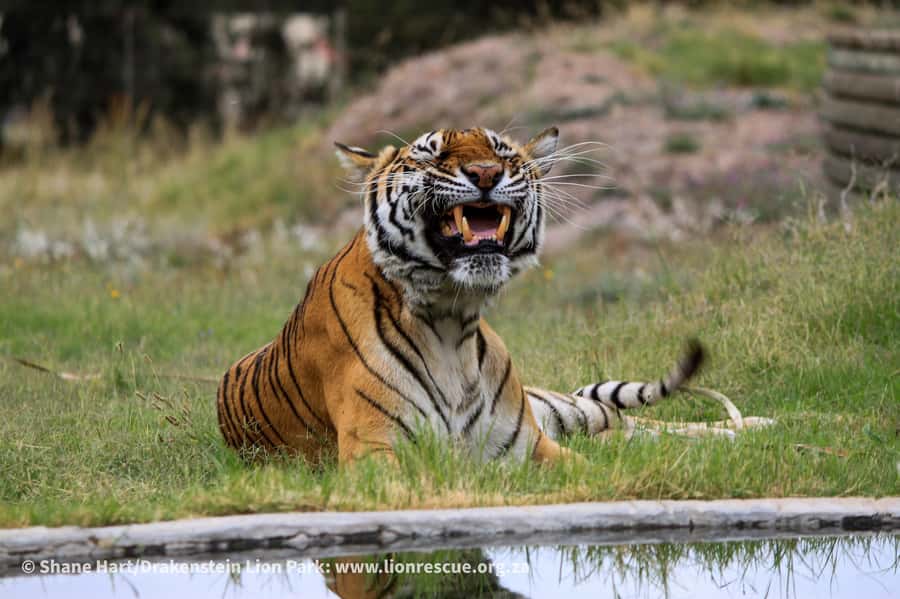
I would recommend Drakenstein Lion Park to people who care about animal welfare and want a quiet, ethical alternative to close-contact wildlife attractions. Families with older children may find it a useful way to discuss captivity, rescue, and responsible tourism.
It also suits visitors already spending a day in the Cape Winelands. The park can provide a meaningful stop without requiring you to commit to a multi-day safari or a high-priced wildlife package.
Photographers should come with patience rather than a checklist. You might get a clear image, but you might also find that an animal is distant or hidden. Bring your camera, avoid flash, and accept that a respectful visit may produce fewer perfect photographs.
This is not a good choice if you want to touch a lion, feed an animal, or guarantee a close encounter. It is also a poor fit if you dislike walking, need a fully guided activity, or are unwilling to deal with the possibility of limited sightings.
The information is inconsistent about wheelchair suitability. The activity details describe it as wheelchair accessible, but the restrictions say it is not suitable for wheelchair users. You should contact the provider and the park directly before booking if you use a wheelchair. Do not rely on the general accessibility label alone.
The activity is also listed as unsuitable for children under two, pregnant women, and people with animal allergies. Those restrictions should be taken seriously when planning a family visit.
How to make the most of your day
Start by checking the latest admission arrangements. Because of the reported problem with a prepaid ticket, confirm the exact price and whether your booking is recognized at the entrance.
Wear comfortable walking shoes. The park covers 60 acres, and sensible footwear will make a longer visit more pleasant. Bring a camera without using flash, and plan food and drinks because they are not included.
Give the animals time. If you do not see a lion immediately, avoid treating the park like a quick photo stop. Move quietly, check the available viewing points, and return later if the day’s timing allows.
Use the visit to learn about the difference between a true sanctuary and an animal attraction built around contact. Drakenstein’s stated policy is no breeding, no trade, and no visitor-animal interaction. Those limits may reduce the instant thrill, but they protect the purpose of the place.
The park’s lifetime-care model is another reason to pay attention. These rescued cats are not being presented as temporary stars. They are individuals with specific psychological and physical needs, and the sanctuary says care is tailored to each animal.
Should you book Drakenstein Lion Park?
Book it if you want to support a genuine big-cat sanctuary, spend a day in the Cape Winelands, and observe lions without touching or disturbing them. The reasonable entry price and clear no-breeding policy make it a good choice for ethical wildlife tourism.
Skip it if your main goal is guaranteed close-up photography, animal interaction, or a guided safari-style program. Also think twice if you cannot arrange transport or if a prepaid ticket dispute would cause serious trouble.
My practical advice is to verify the booking directly, allow plenty of time, and arrive ready for quiet observation. If you can accept that a lion may be asleep or hidden, this visit offers something more valuable than a staged encounter: support for animals that need a permanent home.
FAQ
Where is Drakenstein Lion Park located?
Drakenstein Lion Park is in the Western Cape, in the scenic Cape Winelands of South Africa.
How much does entry cost?
The listed price is $10 per person. A separate account mentioned a local price of R90 per ticket, so confirm the current price and booking terms before visiting.
How long is the ticket valid?
The ticket is valid for one day.
Is transportation included?
No. You must arrange your own transportation to and from Drakenstein Lion Park.
Are food and drinks included?
No. Food and drinks are not included in the entry ticket.
Can I pet or feed the lions?
No. Animal interaction, petting, and feeding are not part of the experience. The park also does not allow breeding or trade.
Is there a personal guide?
No personal guide is included. The listed host or greeter language is English, and the activity is described as a small group limited to 10 participants.
Are children under two allowed?
No. The activity is listed as unsuitable for children under two years old.
Can wheelchair users visit?
The information is conflicting. The activity is described as wheelchair accessible, but wheelchair users are also listed among those for whom it is not suitable. Contact the provider and park directly to confirm access before booking.
Just added in South Africa
- Pretoria Capital City Tour Experience★ 5.0 · 24 reviews
- 4 Day Kruger National Park Tour★ 5.0 · 30 reviews
- Johannesburg e-scooter experience★ 5.0 · 38 reviews
- Johannesburg Street Art & Museum Walking or E-scooter Tour★ 4.5 · 10 reviews
- Big 5 Safari Experience at Pilanesberg National Park★ 5.0 · 16 reviews
- Drakensberg Mountains. Tugela Gorge and Amphitheater Hike★ 5.0 · 7 reviews
- Apartheid Museum Tour from Johannesburg★ 4.5 · 14 reviews
- Arrival Private Transfer: Tambo Airport JNB to Johannesburg in Business Car★ 4.0 · 5 reviews
Lion Park Tours, compared.
Half Day Lion Park tour from Johannesburg or Pretoria
Read our review →
Cradle of Humankind, Caves or Maropeng, Rhino and Lion Park
Read our review →
Captivating Safari Lion Park Experience (Half Day Guided Tour)
Read our review →
Private Rhino and Lion Park, Cradle Caves or Maropeng Museum
Read our review →
Full Day -Tala Game Reserve, Natal Lion Park, Phezulu From Durban
Read our review →
Half Day Tala Game Reserve & Natal Lion Park from Durban
Read our review →
Tala Game Reserve & Natal Lion Park 1/2 Day Tour from Durban
Read our review →Browse the lists this tour appears in