
REVIEW · KWAZULU-NATAL TOURS
Emdoneni Wildcat Project Day Tour From Richards Bay
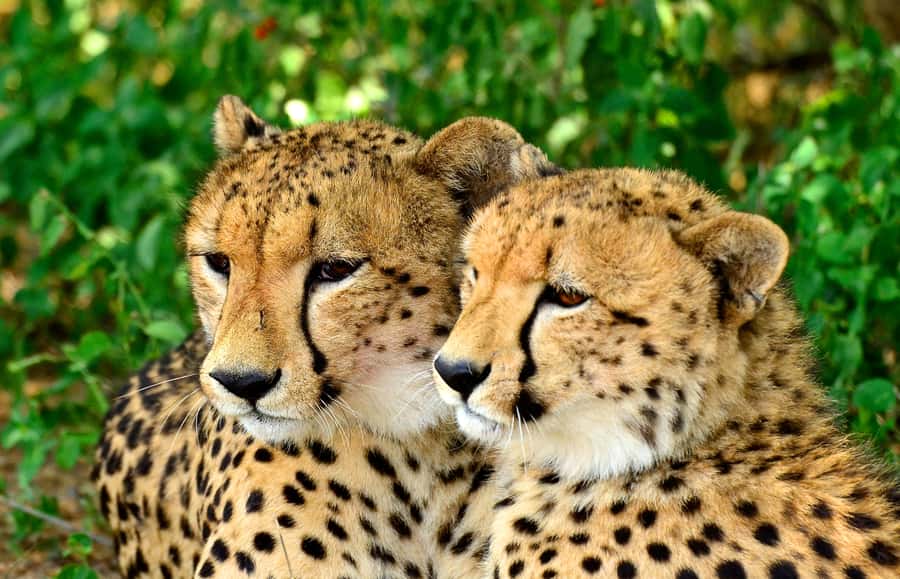
Cats this close change your view. The Emdoneni Wildcat Project gives you a guided look at South Africa’s endangered wild cats, including cheetahs, caracals, African wildcats, and servals. I like the mix of wildlife care and education, plus the rare chance to see these animals at close range.
I also like that the six-hour trip includes a fully air-conditioned vehicle, a professional guide, and entrance fees. Aaron, one of the named guides, earned especially strong praise for smooth driving and a well-run day. The main concern is value: at $242 per person, the price is high for a half-day outing.
In This Review
- Key points to know before you book
- Meeting South Africa’s smaller wild cats
- The six-hour trip from Richards Bay
- What the guided visit is really about
- Cheetahs, caracals, servals, and African wildcats
- A sanctuary visit with a conservation message
- Is $242 per person fair?
- Language choices and guide quality
- Who will enjoy this most?
- Booking details worth checking
- Should you book the Emdoneni Wildcat Project?
- FAQ
- Where does the Emdoneni Wildcat Project tour take place?
- How long does the tour last?
- What wild cats can I see at Emdoneni?
- What is included in the price?
- Are food and drinks included?
- Which languages are available for the live guide?
Key points to know before you book
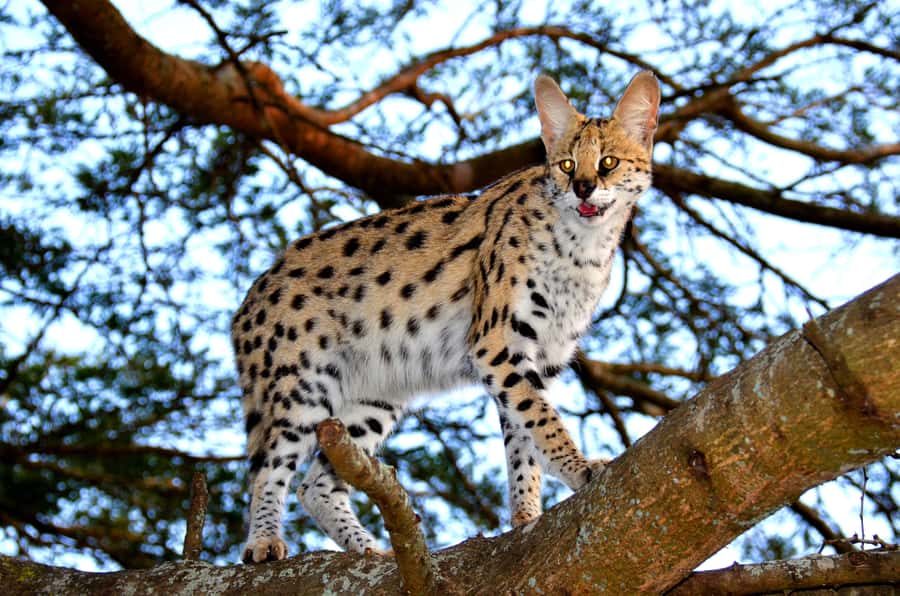
- Cheetahs are one of the main draws: You get close to one of South Africa’s most threatened wild cats in a setting focused on care and rehabilitation.
- The project cares for animals needing help: Emdoneni takes in wild cats that have been orphaned or injured in the wild.
- The tour lasts six hours: That gives you a substantial half-day experience rather than a quick sanctuary visit.
- Transport is included: You ride in a fully air-conditioned vehicle with a professional guide.
- Four named species are listed: African wildcat, caracal, cheetah, and serval are specifically identified in the available details.
- The price includes admission but not meals: At $242 per person, you should compare the cost with how much you value private transport, guiding, and close wildlife encounters.
Meeting South Africa’s smaller wild cats
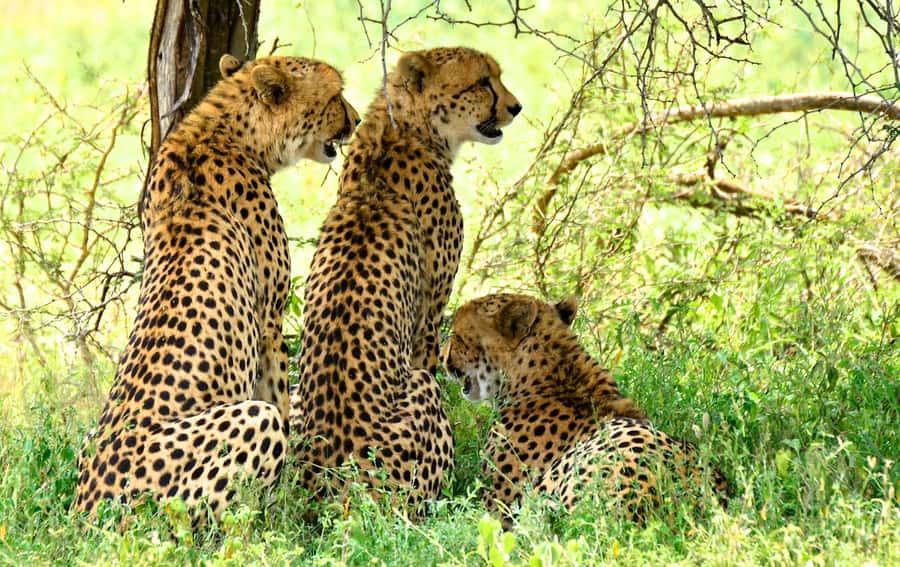
The Emdoneni Wildcat Project is not presented as a standard game drive. Its focus is narrower and more personal: endangered and vulnerable wild cat species that need care after injury or orphaning.
That distinction matters. In a national park, you may spend hours searching for a distant animal, if you see one at all. At Emdoneni, the purpose is to introduce you to cats in a managed sanctuary setting and explain why they need protection.
I find this a useful way to learn about species that often get less attention than lions and leopards. Cheetahs attract most of the attention, but caracals, servals, and African wildcats are just as important to the story of South Africa’s wildlife.
The project description refers to five species, then specifically names four: African wildcat, caracal, cheetah, and serval. I would confirm the current animal roster before booking if seeing a particular species is important to you.
A few more in KwaZulu-Natal
- Private Sani Pass Classic Day Tour
★ 5.0 · 113 reviews - Sani Pass Tour into Lesotho from Underberg and Himeville
★ 5.0 · 97 reviews - Hluhluwe/iMfolozi Game Reserve Full Day Game Drive
★ 5.0 · 34 reviews
The six-hour trip from Richards Bay
The total duration is six hours, which likely allows time for transport from Richards Bay, entry to the project, the guided presentation, and the return journey. The exact starting time depends on availability, so you should check the schedule before paying.
A half-day trip is a sensible format for this kind of visit. You get enough time for a proper introduction without giving up an entire day of your KwaZulu-Natal plans. It should fit well alongside other regional sightseeing, though the length of the drive and the pickup arrangements will affect how much free time you have.
The included air-conditioned vehicle is more than a minor comfort in KwaZulu-Natal. Warm weather can make a long drive tiring, and air conditioning helps you arrive ready to pay attention rather than recover from the road.
The vehicle also removes some of the work from your day. You do not have to arrange separate transport and entrance tickets, then work out how to fit the sanctuary visit into your schedule. A good guide can also help the day run on time. Aaron was specifically praised for careful driving and for making the outing run smoothly.
Still, I would not treat the six-hour duration as six full hours with the cats. The experience includes transportation, and the supplied details do not give an exact pickup time, drive length, group size, or time spent inside the project. Ask for those details if you need a tightly planned day.
What the guided visit is really about
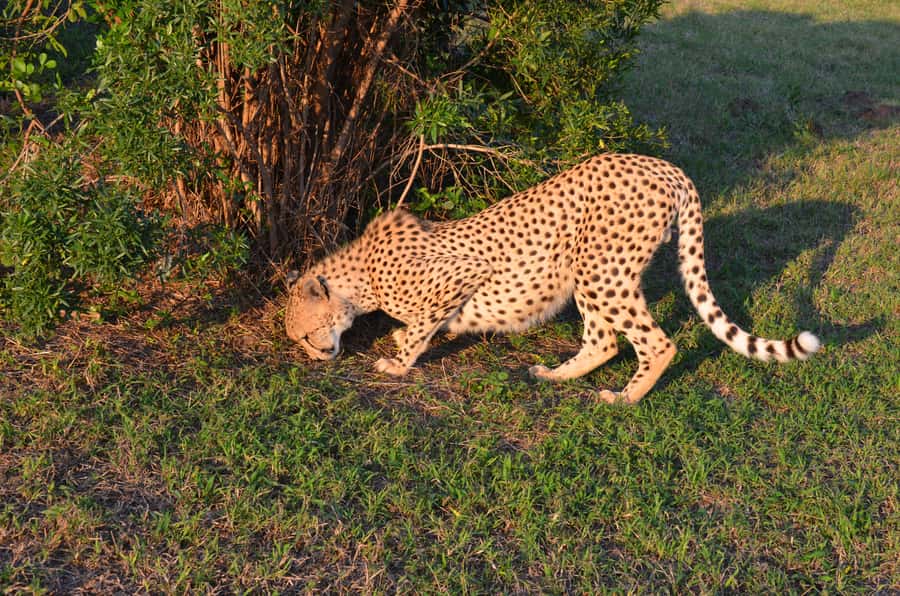
The guided tour is designed to teach you about South Africa’s endangered wild cats while showing you the animals in the sanctuary. That educational part is important. The project is not simply selling a photo opportunity. Its stated aim is to care for cats that have been orphaned or injured in the wild and need rehabilitation or ongoing support.
I like that setup because it gives the encounter a clear purpose. You are not only looking at a beautiful animal. You are also learning why a wild cat may need human care and what happens when it cannot safely return to the bush.
The phrase up close and personal is used to describe the experience, but you should keep the setting in mind. This is a sanctuary tour, not an invitation to freely handle wild animals. The exact interaction rules are not provided, so follow the guide’s instructions and avoid assuming that every cat can be touched or approached in the same way.
The guided format should also help you tell the animals apart. A cheetah, caracal, serval, and African wildcat each have a different look and place in the ecosystem. Without an explanation, a quick visit could become a string of cat sightings. With a guide, the animals have context.
Cheetahs, caracals, servals, and African wildcats
Cheetahs are the headline attraction for many people, and understandably so. Their speed and slim build make them instantly recognizable. At Emdoneni, you have a better chance to study their appearance and behavior at close range than you would during a typical drive through a large reserve.
Caracals offer a different kind of appeal. Their pointed ears and dark ear tufts make them easy to identify, and they are often less familiar to international visitors. A visit here can broaden your idea of what a South African wild cat looks like.
Servals are another strong reason to pay attention. They are smaller than the big cats most people picture, but their presence helps show the variety of predators found in the region.
The African wildcat may look familiar at first glance, but it is not simply a domestic cat living outdoors. Seeing it included in a conservation-focused visit gives you a chance to consider species that can be overlooked because they are smaller and less famous.
The available information names these four species and also says that Emdoneni has five wild cat species. Since the fifth species is not identified, I would ask the project or booking operator for the current list. Animal populations and sanctuary residents can change, and the details may have been updated.
Something quite different:
- From Richards Bay: Hluhluwe Imfolozi Game Reserve Day Trip
★ 3.5 · 15 reviews - 3 day Drakensberg hike
★ 5.0 · 15 reviews - Shore Excursion Richards Bay Big 5 Safari Experience
★ 5.0 · 13 reviews - Hluhluwe-iMfolozi Park – Open Safari Vehicle Game Drives
★ 4.9 · 8 reviews
A sanctuary visit with a conservation message
The strongest part of this activity is its connection to animal welfare. Emdoneni cares for wild cats that have been injured or orphaned, so the visit supports a place dealing with real conservation problems rather than only displaying animals for entertainment.
That does not automatically make every sanctuary experience responsible, of course. I would listen carefully to the guide’s explanation of each animal’s background, the project’s rehabilitation goals, and what can or cannot be done to return cats to the wild. Those points help you understand the difference between rehabilitation and permanent care.
The project’s stated mission gives the tour more weight than a simple animal encounter. You can leave with a clearer sense of how human activity, injury, and the loss of safe habitat affect wild animals.
At the same time, the supplied details do not explain the project’s release record, enclosure design, breeding policy, or visitor rules. If those issues matter strongly to you, ask for more information before booking. It is fair to want a clear picture of how a sanctuary operates.
Is $242 per person fair?
The price is $242 per person, and this is the biggest question mark. That is a serious amount for a six-hour experience, especially because food and drinks are not included.
The price becomes easier to justify if you value a guided day from Richards Bay, private or small-group transport, air conditioning, and entrance fees bundled together. You are paying for convenience as well as the sanctuary visit. The professional guide also matters, since the experience depends on explanation and organization, not just access to the animals.
On the other hand, the price can feel steep if you are already nearby, can arrange your own transport, or mainly want a short look at cheetahs. One direct assessment of the experience praised the animal exposure but considered the price a little high. I think that is a fair warning.
Food and drinks are excluded, so plan for those separately. The supplied information does not state whether a meal stop is built into the schedule. I would ask before departure, particularly if you are traveling with children or have dietary needs.
The strongest value comes for people who want a complete, guided outing rather than the lowest-cost admission. If you are comparing this with a self-drive visit, make sure you compare the full costs: transport, entry, fuel, and the value of a guide.
Language choices and guide quality
Live guiding is available in English, French, Greek, and Portuguese. That is useful if you want more than a silent walk through the project, and it gives non-English-speaking visitors a better chance to understand the conservation message.
English is the language confirmed by the available details, with French, Greek, and Portuguese also offered. Check the language for your chosen departure before booking, since availability may vary by date.
Guide quality can shape the whole day. A calm driver and organized guide make a long outing feel easy, while poor timing or unclear explanations can make the price harder to accept. Aaron was singled out for both smooth driving and strong guiding, which is exactly the kind of practical service you want on a six-hour trip.
The experience has an overall rating of 4.2 from two published ratings. That is a positive signal, but the sample is very small. I would treat it as useful evidence of a good experience, not a guarantee that every departure will feel identical.
Who will enjoy this most?
I would recommend the Emdoneni tour to you if you care about wildlife protection and want a close, guided introduction to smaller wild cat species. It should suit families, first-time visitors to KwaZulu-Natal, and anyone who prefers a planned outing with transport included.
It also fits people who want to learn about cheetahs and less familiar cats without committing to a full safari. The six-hour schedule leaves room for other plans, provided the departure time and transport duration work for you.
You may want to skip it if your main goal is seeing animals in a completely wild setting. This is a sanctuary project, so the experience is managed and educational rather than a search for free-ranging predators.
I would also hesitate if $242 feels uncomfortable for a half-day. The cost is not hidden, but it is high enough that you should know what you are paying for: transport, guiding, entry, and the chance to see animals at close range.
Booking details worth checking
The tour offers free cancellation up to 24 hours before departure for a full refund. You can also reserve now and pay later, which is useful if your Richards Bay plans may change.
Starting times are subject to availability. Confirm the pickup point, exact departure time, group size, and how much of the six hours is spent driving before you commit.
The listed inclusions are simple:
- Fully air-conditioned vehicle
- Professional tour guide
- All entrance fees
Food and drinks are not included. The experience is provided by 1st Zulu Safaris C.C., so that is the operator name to look for when checking your booking details.
Should you book the Emdoneni Wildcat Project?
Book it if you want a close and educational look at endangered South African wild cats, and if you value having transport, a guide, and entrance fees handled together. The care and rehabilitation mission gives the visit a useful purpose, while the cheetahs and caracals provide the visual appeal.
Think twice if you are looking for the cheapest wildlife activity or a traditional safari in a wild reserve. At $242 per person, this tour needs to match your priorities.
My practical advice is to confirm the animal species currently present, the exact pickup and return timing, and the amount of time inside the project. If those answers suit you, Emdoneni offers a focused wildlife experience with a strong conservation angle and a well-regarded guide service.
FAQ
Where does the Emdoneni Wildcat Project tour take place?
The experience takes place at the Emdoneni Wildcat Project in KwaZulu-Natal, South Africa, with the tour offered from Richards Bay.
How long does the tour last?
The tour lasts six hours.
What wild cats can I see at Emdoneni?
The named species are African wildcat, caracal, cheetah, and serval. The project description also refers to five species, so confirm the current full list if one particular cat is important to you.
What is included in the price?
The price includes a fully air-conditioned vehicle, a professional tour guide, and all entrance fees.
Are food and drinks included?
No. Food and drinks are not included in the tour price.
Which languages are available for the live guide?
Live guiding is available in English, French, Greek, and Portuguese.
Just added in KwaZulu-Natal
- Richards Bay: Isimangaliso Boat Cruise St Lucia Estuary Tour★ 5.0 · 3 reviews
- From St Lucia: Big 5 Safari in the Hluhluwe-Imfolozi Park★ 5.0 · 3 reviews
- From Richards Bay: DumaZulu Cultural Village Day Trip★ 3.4 · 4 reviews
- From St Lucia: 3 Day 2 Night Hluhluwe,St Lucia, iSimangaliso★ 5.0 · 4 reviews
- From Durban: Experience Two Big 5 Game Reserves in a Day★ 5.0 · 2 reviews
- Durban:3 Day Hluhluwe-Imfolozi Park, St Lucia, iSimangaliso★ 5.0 · 4 reviews
- Durban: Drakensberg, Mandela Capture Site and Howick Falls★ 3.5 · 3 reviews
- Hluhluwe-iMfolozi Park – Open Safari Vehicle Game Drives★ 4.9 · 8 reviews
KwaZulu-Natal Tours, compared.
Sani Pass Tour into Lesotho from Underberg and Himeville
Read our review →
Hluhluwe/iMfolozi Game Reserve Full Day Game Drive
Read our review →
From Richards Bay: Hluhluwe Imfolozi Game Reserve Day Trip
Read our review →
Shore Excursion Richards Bay Big 5 Safari Experience
Read our review →
Hluhluwe-iMfolozi Park – Open Safari Vehicle Game Drives
Read our review →
3 Day Hluhluwe-Imfolozi Park, St Lucia, iSimangaliso
Read our review →Browse the lists this tour appears in