
REVIEW · SANI PASS TOURS
From Underberg: Sani Pass Birding Tour with Birding Guide
Rare birds meet high mountain roads. This eight-hour Sani Pass birding tour takes you from Himeville into Lesotho, with a personal birding guide, 4×4 transport, lunch, and time to search for species that are difficult to see elsewhere. I especially like the chance to look for Drakensberg Rockjumper and Drakensberg Siskin, plus the chance to explore several high-altitude habitats in one day.
I also like the small-group format, capped at 15 people, and the fact that pickup from your Himeville accommodation is included. Guides such as Mlondi and Aldo have earned praise for their sharp eyes, friendly manner, driving, and wide knowledge of the pass. The main consideration is simple: this is an eight-hour birding day on a mountain route, so warm clothing, patience, and a real interest in birds will make the experience much more rewarding.
In This Review
- Key points at a glance
- Why Sani Pass matters to birders
- From Himeville into the mountain country
- Montane grasslands and wetlands below the pass
- Searching for the three headline species
- Alpine scrubland and western mountain birds
- Gurney’s Sugarbird and other narrow-range species
- Cranes, raptors, and the possibility of a Bearded Vulture
- Crossing into Lesotho and reaching the highest pub
- Lunch, group size, and the $77 value
- What to pack for a mountain birding day
- Who will enjoy this tour most
- Should you book the Sani Pass birding tour?
- FAQ
- How long is the Sani Pass birding tour?
- Where does pickup take place?
- Does the tour enter Lesotho?
- Is a passport required?
- Do I need a visa?
- What birds is the tour especially known for?
- Can I look for cranes on this tour?
- Is lunch included?
- Is transport provided?
- What language is the tour conducted in?
Key points at a glance
- Three major target birds: The Sani Pass offers unusually easy access to Drakensberg Rockjumper, Drakensberg Siskin, and Mountain Pipit.
- A full habitat change: You move from montane grasslands and wetlands toward alpine scrubland as the road climbs.
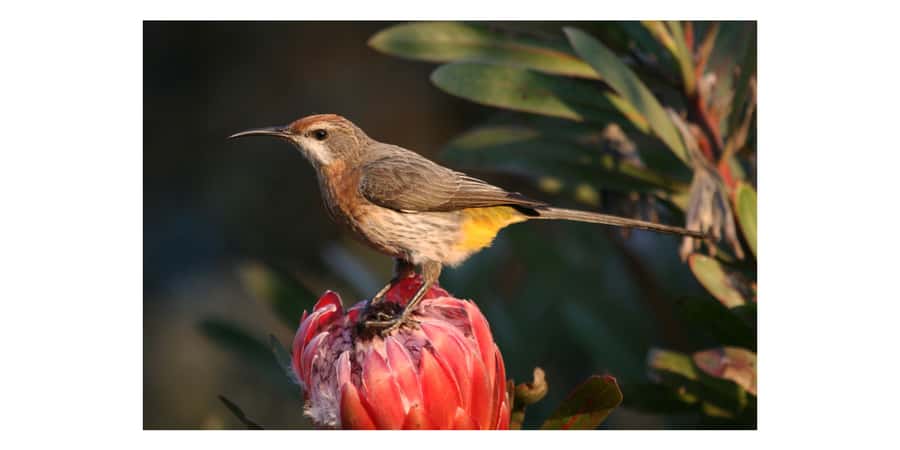
- A serious birding route: You might find Gurney’s Sugarbird, Buff-streaked Chat, Barratt’s Warbler, Fan-tailed Grassbird, or Bush Blackcap, depending on season and luck.
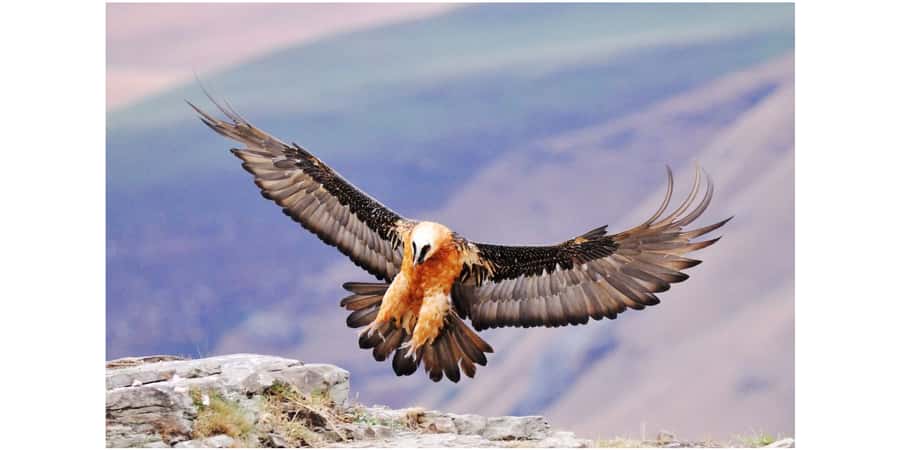
- Excellent raptor potential: The high country is one of the better places to search for the endangered Bearded Vulture.
- Three crane species nearby: Grey Crowned, Wattled, and Blue Cranes all occur in the wider area.
- Practical touring: A guide, 4×4 vehicle, picnic lunch, refreshments, and Himeville pickup are included in the $77 price.
Why Sani Pass matters to birders
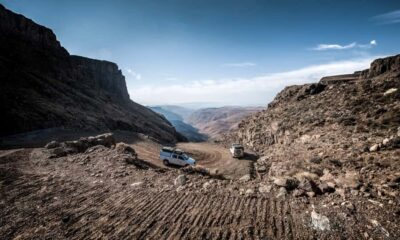
Sani Pass is more than a scenic road into Lesotho. For birders, it is a useful shortcut into a high-altitude world that can be hard to reach by other means. The route links several habitats within a single day, giving you a better chance of finding species with narrow ranges.
The biggest reason to book is access to the three headline birds: Drakensberg Rockjumper, Drakensberg Siskin, and Mountain Pipit. The pass is described as the only easy global access point for these species, which gives the trip real value for anyone building a Southern African bird list.
That does not mean you will simply arrive and see all three beside the road. Birds are wild, and sightings depend on season, weather, patience, and the guide’s ability to locate calls and movement. Still, having a local birding guide improves your odds and saves you from spending the day guessing where to look.
I also like that the tour is not limited to one famous bird. The target list includes a broad mix of grassland, scrub, wetland, and alpine species. You may spend part of the morning searching carefully through lower mountain habitats, then switch your attention to western high-altitude birds as the road climbs.
More Sani Pass trips:
- Private Sani Pass Classic Day Tour
★ 5.0 · 113 reviews - Sani Pass and Lesotho Day Tour from Underberg
★ 4.5 · 104 reviews - Sani Pass & Lesotho 4×4 Experience Day Tour from Durban
★ 5.0 · 102 reviews
From Himeville into the mountain country
Pickup is included from your accommodation in Himeville, making the morning easier than arranging your own meeting point. The tour lasts eight hours, so you should treat it as a complete day rather than a quick stop on the way to another activity.
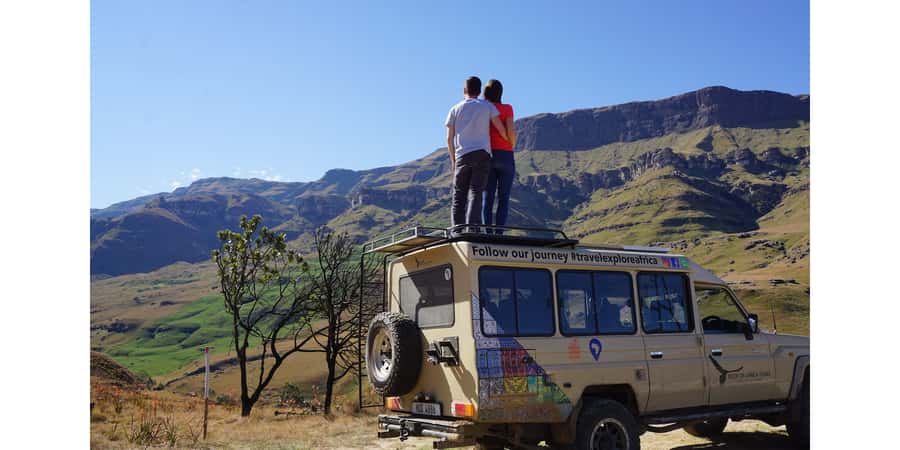
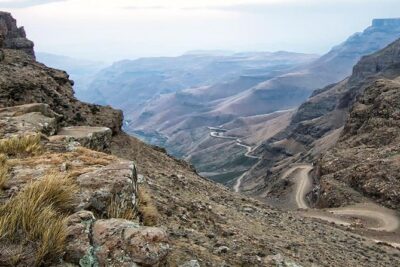
The 4×4 vehicle is important here. Sani Pass is a mountain route, and comfortable transport matters when much of your day is spent moving between birding areas. You can concentrate on the surroundings and your guide instead of worrying about driving the route yourself.
The exact starting time depends on availability, so check the schedule when you book. Bring your passport because the tour crosses into Lesotho. A visa may also be required depending on your nationality, and children should have a passport or ID card.
At this point, your guide can help set expectations. If you are an experienced birder, you can discuss target species and recording priorities. If you are newer to birding, the guide can help you identify calls, plumage, and habitat clues rather than simply pointing out birds at a distance.
Montane grasslands and wetlands below the pass
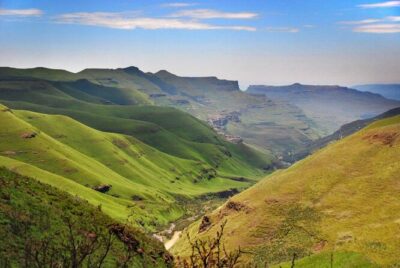
The lower sections of the route include montane grasslands and wetlands. These habitats are valuable because they support a different group of birds from the alpine country higher up.
This is where seasonal searches may produce Barratt’s Warbler, Fan-tailed Grassbird, and Bush Blackcap. You might also find species connected with open grassland and wet ground, including the difficult Short-tailed Pipit and Black-rumped Buttonquail.
The wording matters here: these are possibilities, not guarantees. Short-tailed Pipit is described as seldom recorded, so you should think of it as a prized bonus rather than a normal expectation. The same applies to Black-rumped Buttonquail. A good birding day is not measured only by the rarest bird found.
Wetlands also reward slow observation. Birds can be easy to miss when you scan too quickly, especially against grass and low vegetation. Your guide’s role is particularly useful in this habitat, where calls and small movements may matter more than obvious silhouettes.
The open setting also gives you time to enjoy the route even when the birds are quiet. You are not confined to a hide or a single viewing point. The mountain road itself becomes part of the birding experience.
Searching for the three headline species
As the route climbs, the focus turns to the species that make this tour special. Drakensberg Rockjumper is the star for many birders, followed closely by Drakensberg Siskin and Mountain Pipit.
The attraction is not only rarity. These birds are tied to high mountain habitats, so seeing them gives you a stronger sense of place than spotting a common species in a general park setting. You are looking for birds that belong to the Drakensberg environment.
Your guide may need time to locate them, and you should be ready for pauses rather than constant action. Birding is often a game of careful scanning, listening, and waiting. If you prefer a fast-moving sightseeing trip with a new attraction every few minutes, this may feel slow.
For serious birders, that slower pace is part of the appeal. Guides who know the route can narrow the search area and recognize habitat where a target species is more likely to occur. Mlondi has been praised for finding all of a group’s target birds and for adding useful information about Sani Pass subjects. Aldo has also been praised for combining bird knowledge with a calm approach and capable driving.
Those details suggest the guiding is not limited to identification. You can expect explanation about the pass and its surroundings as well as help with the birds themselves.
A few more in Sani Pass
- Cape Town: Robben Island Ferry Ticket and Guided Prison Tour
★ 4.1 · 1,792 reviews - Soweto /Johannesburg and Apartheid Museum Guided Full Day Tour
★ 5.0 · 932 reviews - Cape Town: Table Mountain Hike with an Expert Guide
★ 4.9 · 666 reviews - Soweto: Walking Tour with a Local Guide and Lunch
★ 4.9 · 648 reviews
Alpine scrubland and western mountain birds
Higher up, the vegetation changes to alpine scrubland. This shift is one of the best features of the day because it gives you a new set of birds without requiring a second tour.
Possible high-country species include Grey Tit, Sickle-winged Chat, Layard’s Warbler, and Fairy Flycatcher. Gurney’s Sugarbird and Buff-streaked Chat are also among the narrowly distributed species associated with the wider route.
The alpine zone can feel exposed and cold, even when conditions were mild in Himeville. Pack warm clothing, not just a light jacket. A hat and extra layers are sensible choices, particularly if you plan to spend time standing still while scanning for birds.
This part of the tour also suits photographers. A camera is on the recommended packing list, and the changing habitats offer more than one type of subject. You may want to photograph birds, mountain scenery, the road, or the open Lesotho highlands.
Bring binoculars if you have them. They are specifically recommended, and they will make a major difference when birds remain distant or move through scrub. Cash is also listed among the items to bring, so do not assume every possible expense along the route can be handled electronically.
Gurney’s Sugarbird and other narrow-range species
Gurney’s Sugarbird is one of the more appealing possibilities on this route. Its restricted distribution makes it a meaningful sighting for birders who care about regional specialties, not just total species numbers.
Buff-streaked Chat offers a similar attraction. It is another bird associated with a limited range, and finding it adds a strong local character to the day. You are not simply ticking off familiar species in a new setting. You are looking for birds that make the Drakensberg and surrounding high country distinctive.
Barratt’s Warbler, Fan-tailed Grassbird, and Bush Blackcap add variety at lower or mid-level habitats. The best targets may change with the season, so it is worth telling your guide which birds matter most to you. A personal guide can then help shape the search instead of treating the route as a fixed sightseeing script.
Do keep your list realistic. The tour description includes many special birds, but no birding guide can promise every one. The value lies in expert searching across habitats, not in a guaranteed checklist.
Cranes, raptors, and the possibility of a Bearded Vulture
The broader area is home to all three Southern African crane species: Grey Crowned, Wattled, and Blue Cranes. That is a striking feature for anyone interested in large birds, and it broadens the day beyond small mountain specialists.
You might also search for the endangered Bearded Vulture in the alpine zone. This is one of the most exciting possibilities on the route, but it is best approached with modest expectations. A large bird can still be hard to find in open mountain country, and a sighting may depend heavily on timing and conditions.
The tour is therefore well suited to birders who enjoy both focused targets and unexpected additions. You might spend part of the day listening for a small grassland species, then shift your attention to the sky for a raptor or crane.
That range keeps the experience from becoming too narrow. Even if one specialist bird stays hidden, the route offers several other worthwhile subjects.
Crossing into Lesotho and reaching the highest pub
The journey continues through the full Sani Pass into Lesotho. One of the memorable non-birding moments is a drink at the highest pub in Africa, included in the day’s overall experience according to the tour description and guest account.
This stop gives the day a welcome change of pace. Birding demands concentration, and a short social pause can help you reset before returning to the route. It also gives you a chance to appreciate the fact that you have crossed into another country by mountain road.
You must carry your passport, and you should check visa requirements before booking. This is not a domestic outing that happens to have international views. The border crossing is a practical part of the experience.
The Lesotho section also makes the tour more appealing to people who want one outing to combine birding with a classic Sani Pass trip. You receive specialist bird guidance without giving up the major route and mountain setting.
Lunch, group size, and the $77 value
The $77 per person price includes a personal birding guide, comfortable 4×4 transport, a picnic lunch, and refreshments. For an eight-hour outing that crosses from South Africa into Lesotho, that is a useful package, especially if you would otherwise need to arrange a vehicle and a specialist guide separately.
The small-group limit of 15 people is worth noting. That is smaller than a large coach tour, but it is not necessarily an intimate one-on-one birding outing. If everyone is searching for the same bird, positioning and quiet cooperation will matter.
The exact group size on your date may vary. If your priority is serious bird photography or a long list of target species, ask about the expected group before you pay. A smaller group generally makes it easier to hear the guide and share sightings, while a full group may require more patience.
The included lunch also matters because you are committing most of the day to the route. You do not need to plan a separate meal stop, though you should still bring any personal snacks you need. Refreshments are included as well.
The flexible booking terms add practical value. You can reserve and pay later, and cancellation is free up to 24 hours in advance for a full refund. Starting times are subject to availability, so confirm the details rather than assuming an early departure.
What to pack for a mountain birding day
Pack for changing conditions rather than for Himeville alone. Warm clothing is specifically required, and the high section may feel very different from the lower route.
Your basic kit should include:
- Passport and any visa required for Lesotho
- Binoculars
- Camera and spare battery if needed
- Warm layers
- Cash
- Passport or ID card for children
The tour is conducted in English, so you should be comfortable receiving explanations and instructions in English. Pickup is from accommodation in Himeville, and the transport is a 4×4 vehicle.
I would also keep your binoculars ready during vehicle movement between stops. Some sightings may happen quickly, and you will not want your equipment buried under lunch or spare clothing.
Who will enjoy this tour most
I would recommend this day most strongly to birders who have specific Southern African targets, especially Drakensberg Rockjumper, Drakensberg Siskin, Mountain Pipit, Gurney’s Sugarbird, or Bearded Vulture.
It also suits a couple or small group who want a quieter, more informed way to experience Sani Pass. You get the famous mountain route, the border crossing, Lesotho scenery, and the highest pub, but the day is shaped around birds rather than a standard sightseeing checklist.
Families can join if children have the required passport or ID card, but the eight-hour length and patient birding pace may not suit every child. Anyone who dislikes long periods of watching and waiting should think carefully before booking.
The tour is less suitable if you want a guaranteed list of rare birds. Nature does not work that way. You are paying for access, transport, habitat knowledge, and focused searching, not a promise that every named species will appear.
Should you book the Sani Pass birding tour?
Book it if you want the most practical route to high-altitude Drakensberg birds and you also like the idea of crossing into Lesotho. The combination of a specialist guide, 4×4 transport, lunch, and a full eight-hour route gives the $77 price solid value.
I would be especially keen to book if Drakensberg Rockjumper, Drakensberg Siskin, or Mountain Pipit is high on your list. Ask about the expected group size and starting time, pack warmly, bring your passport and binoculars, and allow the birds to set the pace. If you do that, this is far more than a scenic drive up a famous pass.
FAQ
How long is the Sani Pass birding tour?
The tour lasts eight hours.
Where does pickup take place?
Pickup is included from your accommodation in Himeville.
Does the tour enter Lesotho?
Yes. The route travels through the full Sani Pass into Lesotho.
Is a passport required?
Yes. You should bring your passport for the journey.
Do I need a visa?
You should bring a visa if one is required for your nationality.
What birds is the tour especially known for?
The main target birds are Drakensberg Rockjumper, Drakensberg Siskin, and Mountain Pipit.
Can I look for cranes on this tour?
Yes. The wider area is home to Grey Crowned, Wattled, and Blue Cranes.
Is lunch included?
Yes. A picnic lunch and refreshments are included.
Is transport provided?
Yes. Comfortable 4×4 transport is included.
What language is the tour conducted in?
The live tour guide speaks English.
Just added in Sani Pass
- Durban: Journey along the Epic Sani Pass & Lesotho Tour★ 5.0 · 7 reviews
- Full Day Tour Sani Pass & Lesotho Tour From Durban in a 4 x 4★ 5.0 · 3 reviews
- Sani Pass 4 x 4 Tour and Lesotho Full Day Tour From Durban★ 5.0 · 6 reviews
- Sani Pass Day Tour from Durban★ 5.0 · 21 reviews
- Sani Pass Day Tour from Durban★ 5.0 · 5 reviews
- Sani Pass and Lesotho Full Day 4 x 4 Tour From Durban★ 4.5 · 5 reviews
- Sani Pass Private Day Tour from Durban★ 5.0 · 12 reviews
- Sani Pass – Lesotho Mountain Kingdom★ 5.0 · 3 reviews
Sani Pass Tours, compared.


Sani Pass & Lesotho 4×4 Experience Day Tour from Durban
Read our review →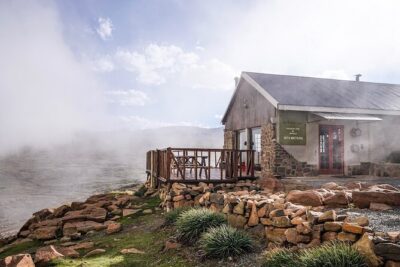
Sani Pass Tour into Lesotho from Underberg and Himeville
Read our review →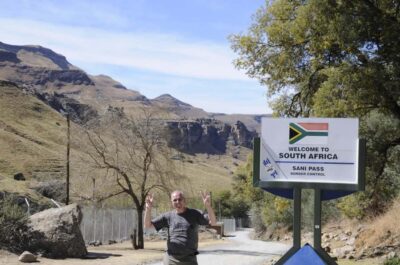

Sani Pass, Lesotho and Basotho Village Day Trip
Read our review →Browse the lists this tour appears in