

REVIEW · SOWETO TOURS
Johannesburg and Soweto: Half-Day Tour
Johannesburg’s story changes block by block. This five-hour outing links the city center’s tall towers with Soweto’s streets, memorials, homes, and everyday life, giving you a useful first look at a city shaped by gold, apartheid, protest, and democracy. I like the hotel pickup and drop-off, which makes a complicated city easier to handle, and I like the strong focus on Soweto’s political history, especially Mandela’s House and the Hector Pieterson Memorial.
The main consideration is pace. Five hours covers a great deal, from the southern suburbs and central Johannesburg to Soweto, the cooling towers, Vilakazi Street, Baragwanath Hospital, and the FNB Stadium. You will see many places from the vehicle, but you should not expect long, unhurried visits at every stop. The tour’s current score of 4.8 from 439 ratings also reflects how much people value the guides, with James, Pascal, Vincent, Samuel, Marc, and others singled out for clear explanations and attentive care.
In This Review
- Key points at a glance
- Why this tour works for a first look at Johannesburg
- From southern suburbs to Johannesburg’s tall towers
- Entering Soweto and seeing the city change
- The Soweto cooling towers and a surprising change of use
- Hector Pieterson Memorial and the 1976 uprising
- Mandela’s House on Vilakazi Street
- Views of Soccer City and the return route
- What the $71 price includes
- Guides, languages, and the feel of the outing
- Who should book this five-hour tour?
- Should you book the Johannesburg and Soweto tour?
- FAQ
- How long does the Johannesburg and Soweto tour last?
- What is the price of the tour?
- Is hotel pickup included?
- What language can the guide speak?
- Is entry to Mandela’s House included?
- Does the tour visit the Hector Pieterson Memorial?
- Is lunch included?
- Can I bring luggage?
Key points at a glance
- Mandela’s House on Vilakazi Street: Enter the former home of Nelson Mandela and learn about his life with help from a museum guide.
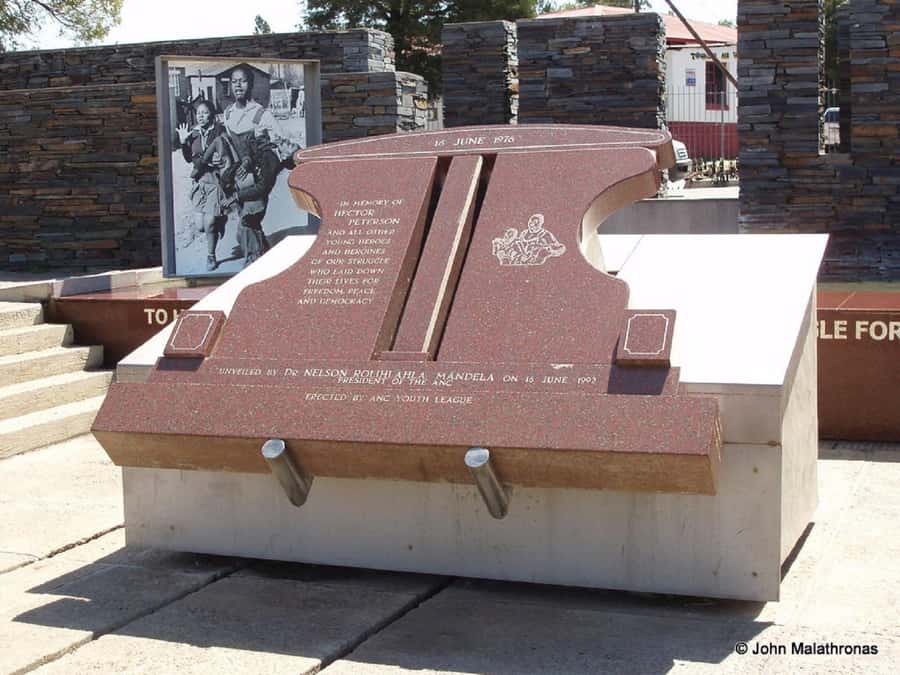
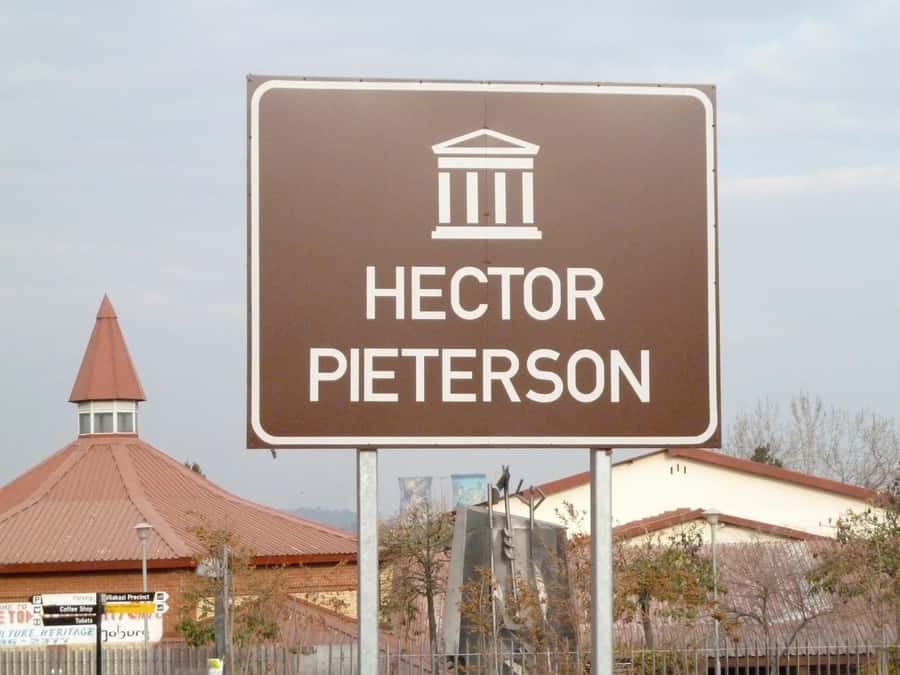
- Hector Pieterson Memorial: Face the painful story of the 1976 youth uprising, one of the most important stops of the day.
- Johannesburg in sharp contrast: Travel from spacious southern suburbs and sleek freeways to the dense, varied communities of Soweto.
- Soweto’s cooling towers: See two former power station towers now used for bungee jumping, an unusual modern reuse of industrial landmarks.
- A guide-led experience: The strongest part of the outing is the personal commentary, with guides praised for history, local context, patience, and attention to safety.
- A practical five-hour format: Pickup, transport, admissions, bottled water, and a map are included, making this a sensible choice during a short stay.
Why this tour works for a first look at Johannesburg
Johannesburg is not a city that explains itself quickly. Its districts can feel sharply different, and the distances between them are large. If you explore without a plan, you may spend much of your day moving around and still miss the links between Johannesburg’s gold-mining origins, apartheid-era development, and modern South Africa.
This tour gives you that framework in one morning or afternoon. You begin at your hotel in a comfortable vehicle with a driver-guide, then pass through southern suburbs before reaching the central business district. From there, the route continues west and south toward Soweto.
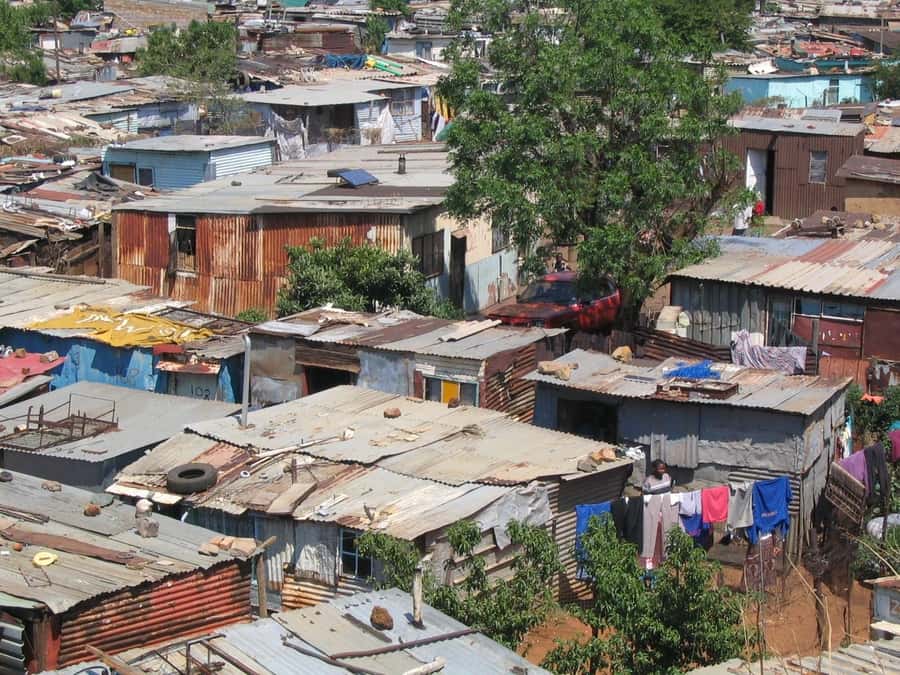
I see the value in this structure. You are not only visiting famous addresses. You are watching the city change in front of you. Spacious freeways and polished cars give way to denser neighborhoods and an informal settlement. The physical contrast helps explain the economic gap that still shapes Johannesburg.
The tour is particularly useful if you have only a short time in the city, are staying in Johannesburg for a stopover, or want an introduction before exploring further on your own. It also suits first-time visitors who prefer to have local context before walking around unfamiliar areas.
More Soweto tours:
- Johannesburg: Hop-On Hop-Off Bus with Optional Soweto Tour
★ 4.6 · 985 reviews - Soweto /Johannesburg and Apartheid Museum Guided Full Day Tour
★ 5.0 · 932 reviews - Johannesburg Hop-On Hop-Off City Tour with Soweto Option
★ 4.5 · 768 reviews
From southern suburbs to Johannesburg’s tall towers
The first part of the outing takes you through Johannesburg’s southern suburbs. The route includes broad freeways and an urban setting associated with spacious homes and expensive vehicles. It is not the most dramatic part of the tour, but it gives you a useful baseline.
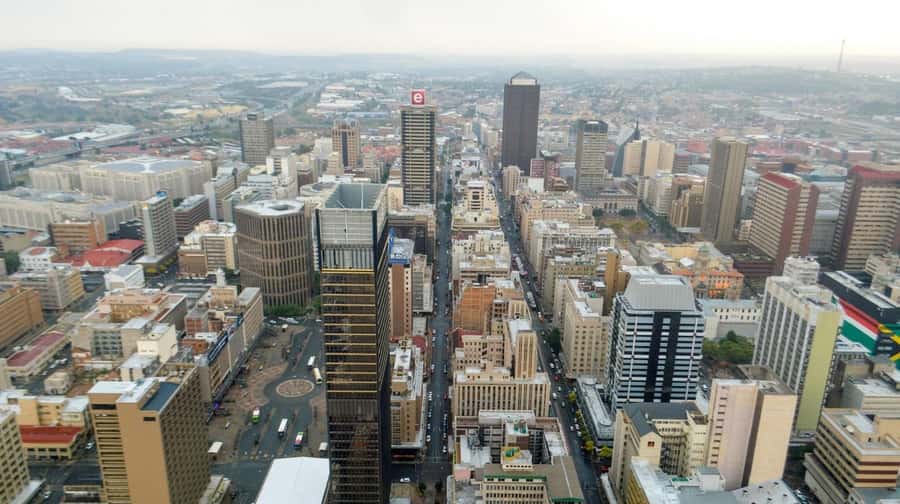
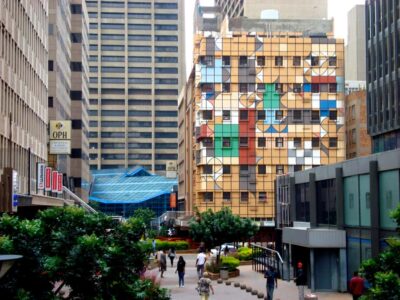
Then the skyline changes. Central Johannesburg is marked by tall buildings and a geometrical street plan that can remind you of Manhattan. Many of the high-rises were built during the apartheid era, so the city center is not simply a collection of office towers. Its shape reflects an earlier political and economic order.
Your guide’s explanation matters here. A skyline can look impressive while hiding the forces that created it. The commentary helps connect the buildings to Johannesburg’s growth and to the gold-mining economy that made the city a major commercial center.
Do not expect a dedicated walking tour of every downtown landmark. The supplied route focuses on seeing the city from the vehicle, with brief sightseeing stops where appropriate. That keeps the tour moving, but it also means you should treat this section as an overview rather than a detailed architectural visit.
Some tours also include extra city views depending on timing and the guide. One account describes seeing Maboneng’s street art and cafés, the central business district, and modern Sandton in the same day. Those additions are not guaranteed in the core description, so think of them as possible extras rather than promised stops.
Entering Soweto and seeing the city change
The transition into Soweto is one of the most meaningful parts of the trip. The route moves away from the cleaner, more polished suburban scenery and into a township with a much wider range of housing and income levels.
The tour includes views of an informal settlement and Baragwanath Hospital, along with sightseeing through different parts of Soweto. This is important because Soweto is not one uniform place. It contains areas with very different living conditions, from more established neighborhoods to communities facing severe poverty, unemployment, and limited resources.
I appreciate that the itinerary does not reduce Soweto to a single political story or a quick photo stop. You see a living community as well as places linked to the struggle against apartheid. The guide’s role is to explain what you are looking at and help you avoid the shallow impression that Soweto is only a museum.
At the same time, you should behave with care. This is a residential area, not a theme park. Stay with the group, listen to your guide about where to walk, and avoid photographing people or homes without permission. The tour includes sightseeing through the township, but it does not promise extended independent wandering.
Several people found the guides reassuring and attentive throughout the route. James was praised for going beyond the standard itinerary and helping visitors feel comfortable, while Marc was described as professional and careful from pickup to return. That does not remove the need for normal city awareness, but it is a real advantage when visiting places you do not know.
The Soweto cooling towers and a surprising change of use
Two large cooling towers are among Soweto’s most recognizable landmarks. They once served the township’s power infrastructure and are now commonly associated with bungee jumping.
The towers provide a striking visual pause in the tour. They are industrial, oversized, and easy to recognize, but their current use adds a lighter modern note to a route otherwise centered on painful political events. You will normally view them rather than take part in a jump, since the experience is not advertised as a bungee-jumping activity.
This is a good example of how the tour mixes past and present. Soweto is not presented as frozen in the apartheid era. You see old infrastructure being reused, busy streets continuing their daily work, and neighborhoods that have developed far beyond the events that first made the township internationally known.
A few more in Johannesburg
- From Johannesburg: Pilanesberg Nature Reserve Game Safari
★ 4.8 · 1,327 reviews - Full Day Ultimate Pilanesberg National Park Safari from Johannesburg or Pretoria
★ 4.5 · 718 reviews - Half-Day Tour of Soweto Tour
★ 4.5 · 712 reviews - Soweto: Walking Tour with a Local Guide and Lunch
★ 4.9 · 648 reviews
Hector Pieterson Memorial and the 1976 uprising
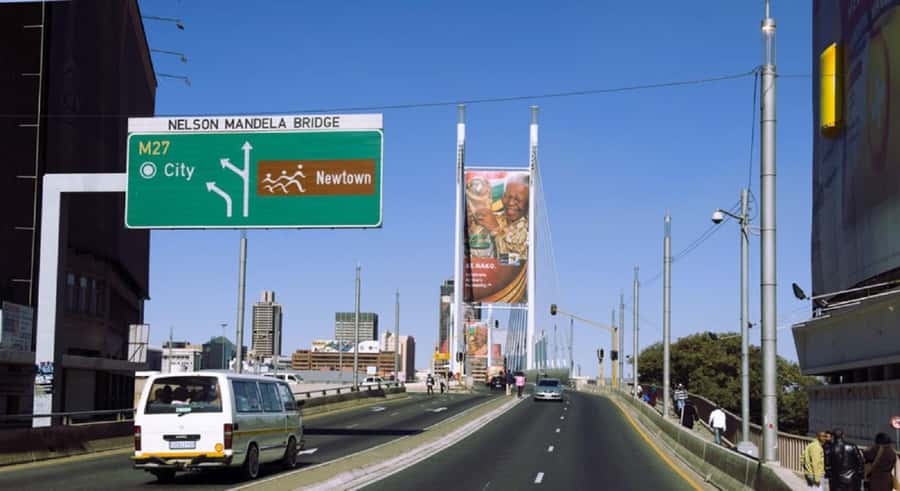
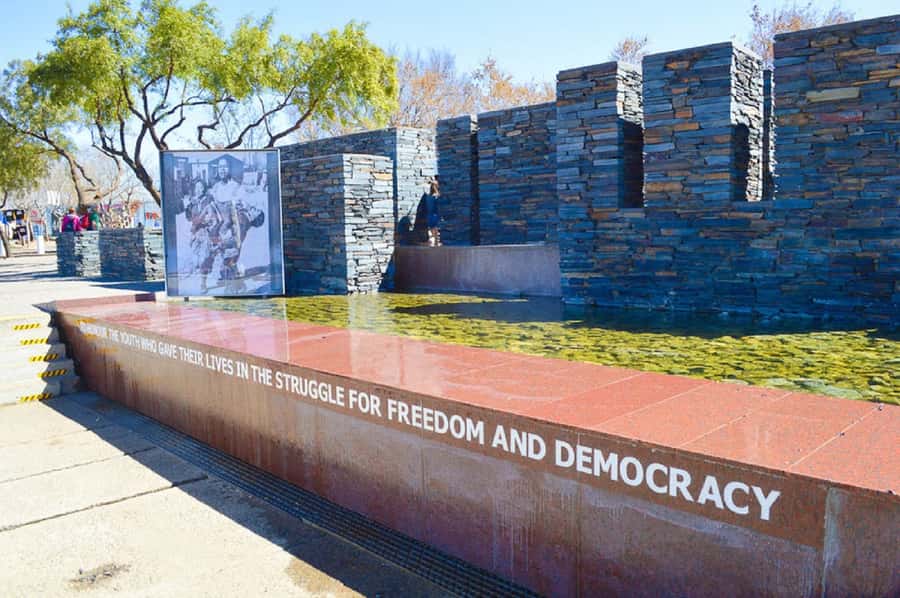
The Hector Pieterson Memorial is the emotional center of the outing. It recalls the youth uprising of 1976, when students protested against the apartheid government’s education policies. The death of Hector Pieterson became one of the defining images of that struggle.
You should allow yourself time to take this stop seriously. It is not simply another landmark on a sightseeing list. The memorial places young people at the center of the story and helps you understand why Soweto became such a powerful symbol of resistance.
The exact amount of time available can vary, and that is one of the tour’s few clear limitations. One visitor wanted 30 to 60 minutes at the Hector Pieterson Museum. If you are especially interested in the uprising, ask your guide how long you will have and try to protect enough time for the exhibits.
The guide commentary is a major strength here. James, Pascal, Vincent, and other guides have been praised for explaining difficult events in clear language and for answering questions without rushing the conversation. The best guides do not turn the past into a simple good-versus-evil speech. They help you see the human cost, the courage of the young protesters, and the long road toward democracy.
This stop may feel heavy. That is appropriate. A visit here should leave you thoughtful rather than entertained.
Mandela’s House on Vilakazi Street
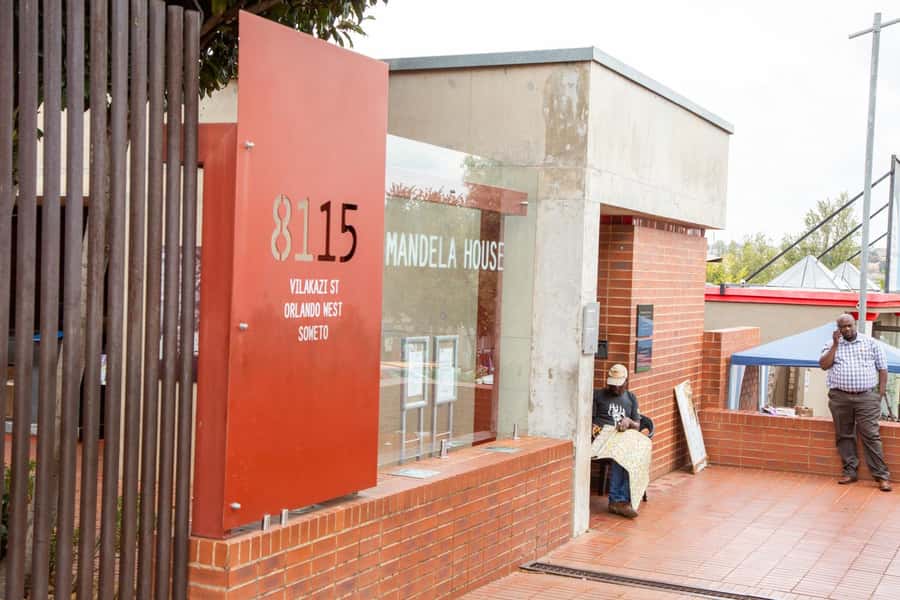
The tour then continues to Vilakazi Street and Mandela’s House Museum. This was the home of Nelson Rolihlahla Mandela, the anti-apartheid leader who became South Africa’s first Black president and a global symbol of reconciliation and freedom.
The house offers a more personal connection to Mandela than a large national museum can provide. You see the place linked to his family life and political journey, while a museum guide provides additional information inside. The supplied admission is included in the tour price, so you do not need to arrange a separate ticket.
Vilakazi Street itself is historically important. It is known for its connection to both Nelson Mandela and Archbishop Desmond Tutu, and the tour includes views of Desmond Tutu’s house and Winnie Mandela’s house. These are usually viewed from outside, so keep your expectations clear: Mandela’s House is the main interior visit, while the other homes are part of the street sightseeing.
You might also encounter street performers near Mandela’s House. Carrying a little cash is useful because tips may be welcomed by the student guide or performers, even though entrance fees are covered. Tipping is not listed as an included cost, so keep it separate from your tour budget.
I like the way this stop follows Hector Pieterson. The memorial shows the danger and grief of the struggle. Mandela’s House then adds a domestic and personal layer to the national story. Together, the two visits help you understand both the sacrifices made and the people who carried the movement forward.
Views of Soccer City and the return route
On the way back, the vehicle passes FNB Stadium, also called Soccer City or The Calabash. It hosted the opening and closing matches of the 2010 World Cup finals.
The stadium is a useful reminder that Johannesburg’s story includes more than apartheid and political struggle. The 2010 World Cup placed South Africa at the center of global attention and gave the city a modern landmark with a strong cultural identity.
As with the cooling towers and the homes on Vilakazi Street, this is generally a view from the vehicle rather than an interior stadium visit. If you want a stadium tour, you would need a separate activity.
The return to your hotel completes a broad loop through the city. Pickup and drop-off are included for Johannesburg hotels and surrounding areas, which saves time and avoids the uncertainty of arranging several separate taxi trips. Confirm that your accommodation falls within the pickup area when booking.
What the $71 price includes
At $71 per person, this is not the cheapest way to see Johannesburg, but the price covers more than transport. You get hotel pickup and drop-off, a driver-guide, bottled water, a map, and admission to Mandela’s House.
The main value is the guide. A private vehicle without useful commentary would not justify the price as well, but the strongest accounts describe guides who answered detailed questions, adjusted to the group, and sometimes spent longer than the planned five hours. James is repeatedly praised for his command of Johannesburg’s past and present, while Pascal, Vincent, Samuel, Marc, and others also receive strong credit for clear explanations and personal care.
There are limits. Lunch is not included, and personal spending is extra. The tour also does not promise a long stop at every museum or landmark. If you want extended time inside the Hector Pieterson Museum, an in-depth city-center walk, or a leisurely meal in Soweto, you may prefer a full-day outing.
For a short visit, though, the price is reasonable. You are paying for a compact route through a spread-out city, admissions, transport, and local interpretation. The cost becomes especially sensible if you would otherwise need separate rides to reach Soweto and the city center.
You can cancel up to 24 hours before departure for a full refund, and you can reserve now and pay later. Those terms help if your Johannesburg schedule is still shifting.
Guides, languages, and the feel of the outing
The activity is offered with live guides in English, French, and Portuguese. The driver is also the guide, so the person handling the route is usually the person explaining the places you pass.
That arrangement can make the day feel more personal than a large coach tour. It also means the quality of the experience depends heavily on the individual guide. The available guide team has received especially strong praise for patience, warmth, detailed historical explanations, and attention to safety.
One account described the guide as acting almost like a bodyguard, while still remaining friendly and informative. That is useful context for first-time visitors who may feel uneasy about navigating unfamiliar parts of Johannesburg. No tour can guarantee complete safety, but staying with an experienced guide and using the provided vehicle is a practical choice.
Do not bring luggage. The instructions specifically ask you to travel without bags, so arrange storage at your hotel before pickup. Bring only what you need for the five hours, such as a phone, water if desired, and a small amount of cash for optional tips.
Who should book this five-hour tour?
I would choose this experience if you want a broad introduction rather than a single museum visit. It suits first-time visitors, short-stay visitors, and anyone who wants to understand how Johannesburg and Soweto connect.
It is also a good fit if you care about modern South African history but want to see ordinary neighborhoods as well as formal memorials. The route shows income differences, urban development, political landmarks, and daily life in one outing.
Families and older visitors may appreciate the vehicle-based format, especially because the tour includes hotel pickup and avoids the need to navigate between distant areas. People who prefer independent exploration may find the schedule too controlled.
History-focused visitors should ask about the time available at the Hector Pieterson Museum. That stop can reward extra attention, and the standard half-day format may feel brief if you want to read every exhibit.
Should you book the Johannesburg and Soweto tour?
Book it if your goal is to understand Johannesburg quickly and responsibly. The combination of the city center, Soweto, Hector Pieterson Memorial, Mandela’s House, Vilakazi Street, the cooling towers, and FNB Stadium gives you far more context than a simple skyline tour.
Choose it with realistic expectations. Much of the route is sightseeing from the vehicle, lunch is not included, luggage is not allowed, and the five-hour schedule can feel full. You may not get the long museum visits or free time that a slower private day would provide.
For most first-time visitors, I think the convenience and guide-led context make the $71 worthwhile. If possible, ask whether James, Pascal, Vincent, Samuel, Marc, or another experienced guide is available. The route matters, but the person explaining Johannesburg’s past and present can make the real difference.
FAQ
How long does the Johannesburg and Soweto tour last?
The tour lasts five hours.
What is the price of the tour?
The listed price is $71 per person.
Is hotel pickup included?
Yes. Pickup and drop-off are included from Johannesburg hotels and surrounding areas.
What language can the guide speak?
Live guides are available in English, French, and Portuguese.
Is entry to Mandela’s House included?
Yes. Entrance to Mandela House in Soweto is included in the tour price.
Does the tour visit the Hector Pieterson Memorial?
Yes. The itinerary includes a visit to the Hector Pieterson Memorial.
Is lunch included?
No. Lunch and personal expenses are not included.
Can I bring luggage?
No. The instructions ask you not to bring any luggage.
Just added in Johannesburg
- Johannesburg e-scooter experience★ 5.0 · 38 reviews
- Pretoria Capital City Tour Experience★ 5.0 · 24 reviews
- 4 Day Kruger National Park Tour★ 5.0 · 30 reviews
- Johannesburg Street Art & Museum Walking or E-scooter Tour★ 4.5 · 10 reviews
- Big 5 Safari Experience at Pilanesberg National Park★ 5.0 · 16 reviews
- Drakensberg Mountains. Tugela Gorge and Amphitheater Hike★ 5.0 · 7 reviews
- Apartheid Museum Tour from Johannesburg★ 4.5 · 14 reviews
- Arrival Private Transfer: Tambo Airport JNB to Johannesburg in Business Car★ 4.0 · 5 reviews
Soweto Tours, compared.

Soweto /Johannesburg and Apartheid Museum Guided Full Day Tour
Read our review →

Jo’berg in 1 Day: Soweto, Apartheid Museum & City Tour
Read our review →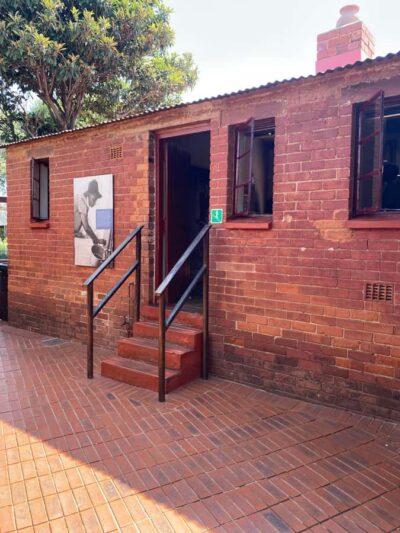
Full-Day Tour with Soweto and Apartheid Museum
Read our review →
Full-Day Soweto, Apartheid Museum and Lunch Tour
Read our review →
Half Guided Day Tour of Soweto And Apartheid Museum
Read our review →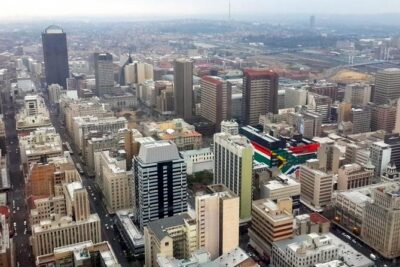
Ultimate Johannesburg Soweto Experience with Apartheid Museum
Read our review →Browse the lists this tour appears in