
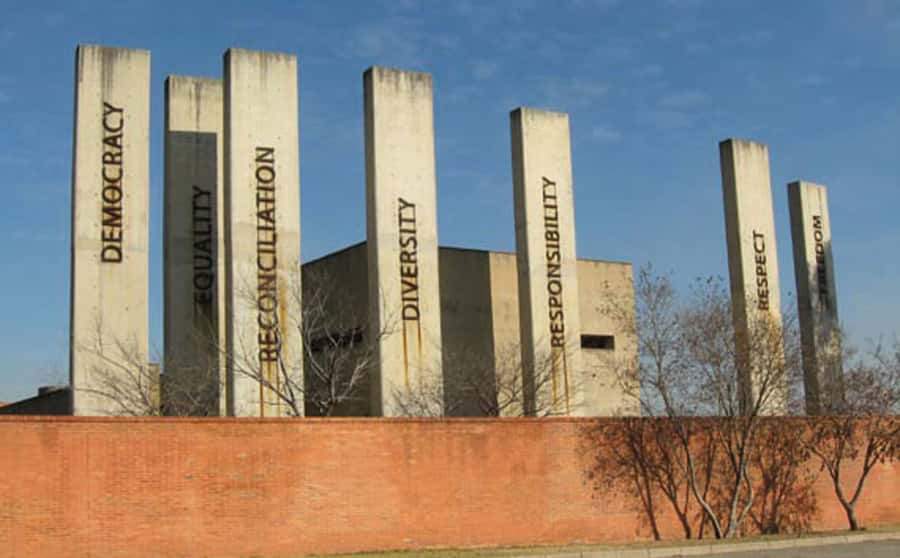
REVIEW · APARTHEID MUSEUM TOURS
Johannesburg: Half-Day Apartheid Museum Tour
History hits hard here. This half-day visit to Johannesburg’s Apartheid Museum turns a difficult subject into a clear, moving five-hour experience, with hotel pickup, a small group, and a guided museum visit. I like the three hours inside the museum and the chance to hear extra context from guides such as Bongani, Tshepo, Mark, and James. I also like the door-to-door transport, which removes much of the effort from visiting a site outside central Johannesburg.
The main drawback is price. At $49 per person, this is not the cheapest way to spend an afternoon, especially since parts of the museum may be self-guided. Still, the entrance fee, return transport, Wi-Fi, and personal help from a guide make the cost easier to justify, particularly if you are new to Johannesburg or want a structured introduction to apartheid.
In This Review
- Key points at a glance
- Why the Apartheid Museum matters
- From your Johannesburg hotel to the museum
- Entering 22 exhibition areas
- A difficult story told through human evidence
- What the guide adds
- Timing the five-hour outing
- Is $49 a fair price?
- Accessibility and practical comfort
- Who should book this tour?
- Should you book the Johannesburg Apartheid Museum tour?
- FAQ
- How long does the Apartheid Museum tour take?
- Is hotel pickup included?
- Is a museum guide included?
- How large is the group?
- Is the tour wheelchair accessible?
- What is included in the $49 price?
Key points at a glance
- 22 exhibition areas trace apartheid from 1948 to 1994, using film, photographs, documents, text, and artifacts.
- Hotel pickup and drop-off in Johannesburg make this a practical choice if you do not want to arrange your own transport.
- Small groups are limited to 13 people, giving you a better chance to ask questions than on a large coach tour.
- The emotional focus is the human cost of apartheid, not just a list of political dates and laws.
- Guides can add local context during the drive, with several praised for their history knowledge, kindness, timing, and safe driving.
- Allow the full five hours, since about 90 minutes is spent on the road and three hours inside the museum.
Why the Apartheid Museum matters
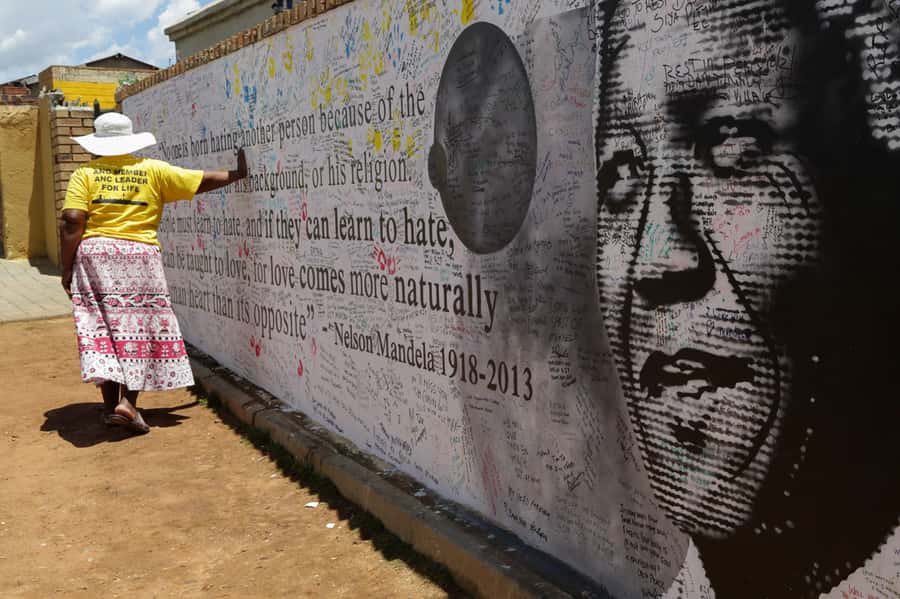
The Apartheid Museum explains a system that shaped nearly every part of life in South Africa. Apartheid was introduced in 1948 by the white National Party government. It made racial separation and discrimination the law, leaving the Black majority and other racial groups with fewer rights, fewer choices, and limited control over where they could live, work, study, and travel.
The museum presents this story through policy and personal experience. You learn how the system worked, but you also see the humiliation, fear, resistance, and courage behind the official language. That mix is what gives the visit its force.
The story reaches its main turning point with the 1994 election of Nelson Mandela. He had spent 27 years in prison before becoming president, and the museum treats that election as the closing chapter of a long struggle rather than a sudden happy ending. You leave with a better sense of both the triumph and the enormous cost behind it.
This is not a light sightseeing stop. You should expect disturbing material and serious subject matter. The museum asks you to pay attention, think carefully, and give the story time.
More Museums in Johannesburg
- Soweto /Johannesburg and Apartheid Museum Guided Full Day Tour
★ 5.0 · 932 reviews - Jo’berg in 1 Day: Soweto, Apartheid Museum & City Tour
★ 4.8 · 524 reviews - Johannesburg: Full-Day Tour with Soweto and Apartheid Museum
★ 4.8 · 478 reviews
From your Johannesburg hotel to the museum
Your guide picks you up from your hotel or accommodation in Johannesburg. The transfer takes about 45 minutes each way, so the drive is a useful part of the outing rather than just a means of getting there.
Several guides have made this journey especially valuable by talking about Johannesburg landmarks and local history along the route. Mark, Tshepo, and James were praised for adding background before the museum visit began. This matters because the museum can present a lot of information quickly. A little context on the drive helps you arrive with some basic bearings.
The vehicle includes free uncapped Wi-Fi, and the transport is described as comfortable. The small group limit of 13 people should also make pickup and movement easier than on a large bus. One person reported transport confusion that was handled with a replacement guide and driver, who then provided an almost private tour. That suggests the local operator can respond well when plans go wrong, although pickup arrangements are still worth confirming carefully.
The road time is also the first thing to consider if you have only one day in Johannesburg. You spend roughly 90 minutes in transit, so this is not a quick museum stop. It is a focused half-day outing.
Entering 22 exhibition areas
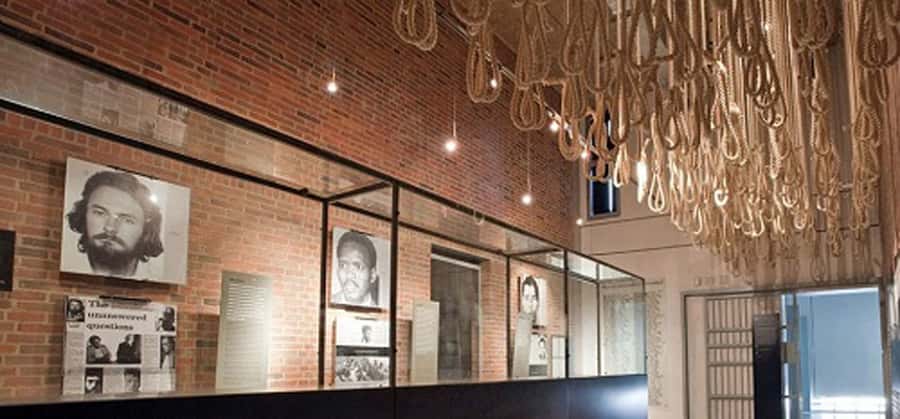
Inside, the museum is arranged into 22 individual exhibition areas. A team of historians, filmmakers, designers, and other specialists helped shape the displays, which combine photographs, film footage, text panels, and physical objects.
The layout takes you through the rise, operation, resistance, and eventual collapse of apartheid. The value of the sequence is simple: you see how one policy led to another, and how official rules affected ordinary people. The material is not limited to speeches by famous leaders. It also shows the daily pressure placed on millions of people who were treated as second-class citizens.
The museum can be visited at your own pace, and some parts are self-guided. That is good news if you prefer to stop often, read everything, or spend extra time with a particular display. It also means the guide may not be beside you for every moment.
Some guides remain with you throughout the visit and lead you through a logical route. Bongani was praised for helping a wheelchair user around all the exhibits and for explaining both the main displays and additional sections. Other guides, including Gaza and James, added personal or local context where the museum’s displays left questions unanswered.
The quality of the visit can therefore depend partly on how your guide handles the balance between explanation and quiet viewing. You want help with context, but you also need time to absorb the material yourself.
A difficult story told through human evidence
The strongest part of the museum is the way it joins government policy to human experience. You may read about laws and political decisions, then encounter photographs or film that show how those decisions were lived.
The material covers the state-sanctioned racial system and the struggle against it. Film footage, photographs, text, and artifacts help show the scale of the system, while the guide can explain how the pieces fit together.
The phrase emotional roller coaster is used for good reason, but do not expect entertainment. The mood shifts from anger and sadness to admiration for the people who resisted. The final movement toward the 1994 election offers hope, though it does not erase what came before.
For first-time visitors to South Africa, this is one of the clearest ways to understand why apartheid remains central to the country’s present. You gain more than a set of dates. You see why political change mattered so much, and why the memory of apartheid still requires care.
I would not rush this section. Three hours may sound generous, but the museum contains enough material to keep you reading and asking questions. The tour provider may adjust the schedule if you need more time, although the exact flexibility can depend on the day’s arrangements and the needs of the group.
More Apartheid Museum tours:
- Full-Day Soweto, Apartheid Museum and Lunch Tour
★ 5.0 · 410 reviews - Half Guided Day Tour of Soweto And Apartheid Museum
★ 5.0 · 356 reviews - Ultimate Johannesburg Soweto Experience with Apartheid Museum
★ 5.0 · 313 reviews - Soweto: Hop-On Hop-Off Bus, City Tour and Apartheid Museum
★ 4.5 · 250 reviews
What the guide adds
A guide is not essential for every person, but this tour shows why one can be useful. A self-guided visit gives you independence. A guide gives you a way to sort the information, ask questions, and connect the museum to Johannesburg outside its walls.
Tshepo was praised for arriving on time, explaining Johannesburg during the drive, and adding small details that made the exhibits easier to understand. James was noted for balancing the past with the present and future. Mark received praise for his commentary on the way to and from the museum. Bongani combined guiding with patient wheelchair assistance.
These details point to the tour’s most praised feature: the people running it. The best guides do not simply recite dates. They explain, listen, manage the clock, and respond to your questions.
There is some variation, though. One booking included transport and a driver who was helpful but did not provide a formal museum tour. That suited the two people involved because they preferred moving at their own pace. If you want a guide beside you for the entire museum visit, confirm how the guiding will work when you book.
The guide also acts as your driver, which makes the experience feel more personal than a basic transfer. Several people specifically valued feeling safe and comfortable throughout the day.
Timing the five-hour outing
The advertised duration is five hours:
- About 45 minutes from Johannesburg to the museum
- About three hours inside the museum
- About 45 minutes back to Johannesburg
The timing is sensible for a first visit. You get enough time to see the main sections without turning the whole day into a museum marathon. Still, you should not plan a tight appointment immediately afterward. Traffic, pickup locations, and the pace of the group can affect the return time.
The museum visit itself may feel short if you read every panel. The provider notes that three hours can pass quickly, and guides may try to adjust the schedule if the group wants more time. That is a useful feature, but it should not be treated as a guarantee of an open-ended visit.
You will not receive food on the tour, so eat before pickup or bring what you need if permitted. Souvenirs are also not included. The core cost covers the museum entry, the guide, the vehicle, return transfer, and Wi-Fi.
Is $49 a fair price?
At $49 per person, this sits above the cost of arranging only a museum visit and getting there yourself. The value comes from the combination of services rather than from any single feature.
You are paying for:
- Admission to the Apartheid Museum
- A three-hour guided museum visit
- Pickup and return to your Johannesburg accommodation
- A comfortable vehicle
- A small group limited to 13 people
- Free uncapped Wi-Fi during the drive
- An English-speaking guide
If you are staying in Johannesburg and value simplicity, the price is reasonable. You do not need to work out transport, navigate an unfamiliar route, or worry about getting back after an emotionally demanding visit. The guide can also add local details that you would not get from the displays alone.
If you are traveling on a strict budget, the cost may feel high. One person specifically felt the outing was somewhat expensive, and that is a fair criticism. It is also less attractive if you already have private transport and prefer to read the museum at your own pace.
The small group helps protect the value. A limit of 13 people gives the guide a better chance to answer questions and adjust the pace. If your group is very small, you may receive especially personal attention, but group size can vary.
Accessibility and practical comfort
The tour is wheelchair accessible, and the strongest example comes from a guide who personally assisted a wheelchair user through all the exhibits. That kind of help can make a major difference in a museum with many sections and a long visit.
Still, accessibility needs differ from person to person. If you require specific assistance, explain your needs when booking so the operator can plan properly. The available information confirms wheelchair access and hands-on assistance, but it does not describe every entrance, restroom, or exhibit detail.
The vehicle is described as comfortable, and Wi-Fi is available during the ride. English is the guiding language. You should also allow yourself some quiet time after the museum, since the subject matter is heavy and the visit can be emotionally tiring.
Free cancellation up to 24 hours before departure and the option to reserve now and pay later add flexibility. These policies are useful if your Johannesburg schedule is still moving around.
Who should book this tour?
I would recommend it most strongly to first-time visitors who want a clear introduction to apartheid and do not want to arrange transport themselves. It also suits solo visitors and couples who prefer a small group, as well as anyone who wants to ask questions during the drive and at the museum.
It is a good choice if you:
- Want a structured visit rather than a quick look around
- Prefer hotel pickup and drop-off
- Need wheelchair assistance
- Want local context from an English-speaking guide
- Have about five hours available
- Are comfortable with serious and upsetting subject matter
You may prefer an independent visit if you already have a car, want to spend much longer inside, or dislike following a set schedule. You should also consider your energy level. The museum is not a casual stop to squeeze between unrelated activities.
Should you book the Johannesburg Apartheid Museum tour?
Book this tour if you want the Apartheid Museum explained as part of a well-managed half-day outing. The museum itself is the reason to go, but the guide and transport make the visit easier and often more meaningful. The strongest praise has gone to guides who were punctual, kind, safe, flexible, and able to add local context without taking over the experience.
At $49, it is best viewed as a convenience and interpretation package, not simply a museum ticket. If that combination suits you, the price is fair. If you already have transport and prefer total freedom, you may find better value on your own.
For most first-time visitors to Johannesburg, I would book it, especially if you want a serious, focused look at the country’s past rather than a quick photo stop.
FAQ
How long does the Apartheid Museum tour take?
The full activity lasts five hours. About 45 minutes is spent traveling from Johannesburg to the museum, three hours visiting the museum, and another 45 minutes returning.
Is hotel pickup included?
Yes. Pickup and drop-off are included from hotels or accommodations in Johannesburg.
Is a museum guide included?
A three-hour guided museum visit is included, with an English-speaking live guide. Some parts of the museum may be self-guided, so the amount of time your guide spends beside you can vary.
How large is the group?
The tour is described as a small-group experience limited to 13 participants.
Is the tour wheelchair accessible?
Yes. The activity is listed as wheelchair accessible, and one guide assisted a wheelchair user throughout the museum exhibits.
What is included in the $49 price?
The price includes museum admission, a three-hour guided visit, Johannesburg pickup and drop-off, transfers in a comfortable vehicle, and free uncapped Wi-Fi aboard the vehicle. Food and souvenirs are not included.
More Museums in Apartheid Museum
- Johannesburg Full-Day Tour(Soweto/Jo-Burg & Apartheid Museum)
★ 5.0 · 110 reviews - Johannesburg: Soweto & Apartheid Museum Half-Day Tour
★ 4.9 · 99 reviews - From Johannesburg: Pretoria, Soweto & Apartheid Museum Tour
★ 4.8 · 48 reviews - Apartheid Museum Guided Tour
★ 5.0 · 46 reviews
Just added in Apartheid Museum
- Apartheid Museum Tour from Johannesburg★ 4.5 · 14 reviews
- Apartheid Museum Guided Tour★ 5.0 · 46 reviews
- Path to Freedom: Apartheid & Township Tour with Private Transfers★ 5.0 · 3 reviews
- Township – Langa – Apartheid Museum Plus Arts and Culture Tour★ 5.0 · 19 reviews
- Soweto & Johannesburg and Apartheid Museum★ 4.7 · 41 reviews
- Private Soweto,Mandela House,Apartheid Museum,Constitution★ 4.6 · 15 reviews
- Soweto and Apartheid Museum day Tour★ 4.2 · 3 reviews
- Soweto and apartheid museum tour(Half-day)★ 5.0 · 4 reviews
Apartheid Museum Tours, compared.

Soweto /Johannesburg and Apartheid Museum Guided Full Day Tour
Read our review →
Jo’berg in 1 Day: Soweto, Apartheid Museum & City Tour
Read our review →
Full-Day Tour with Soweto and Apartheid Museum
Read our review →
Full-Day Soweto, Apartheid Museum and Lunch Tour
Read our review →
Half Guided Day Tour of Soweto And Apartheid Museum
Read our review →
Ultimate Johannesburg Soweto Experience with Apartheid Museum
Read our review →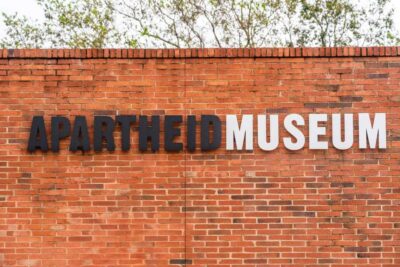
Hop-On Hop-Off Bus, City Tour and Apartheid Museum
Read our review →
Johannesburg and Soweto Apartheid Full Day Tour w/Lunch
Read our review →Browse the lists this tour appears in