
REVIEW · APARTHEID MUSEUM TOURS
Johannesburg and Soweto Apartheid Full Day Tour w/Lunch
Johannesburg makes more sense when its past is part of the route. This full-day outing links city landmarks, Constitutional Hill, Soweto, and the Apartheid Museum, giving you a clear way to understand South Africa’s road from apartheid to democracy. I especially like the local guides, many of whom bring personal knowledge of Soweto, and the lunch at a shebeen, which adds a cultural note beyond museums and monuments. The main drawback is a packed schedule, and the Apartheid Museum needs at least two hours, so you may have to move quickly.
I also like the hotel pickup, air-conditioned vehicle, bottled water, WiFi, and the chance to see both famous addresses and everyday parts of Soweto. Guides such as Vincent, James, Pascal, Lauren, Ruth, and Nomonde have been praised for adjusting explanations to each guest’s interests. Plan carefully, though: the Apartheid Museum is open Wednesday through Sunday, and pickup can take up to an hour.
In This Review
- Key points to know before booking
- Why this Johannesburg tour works well
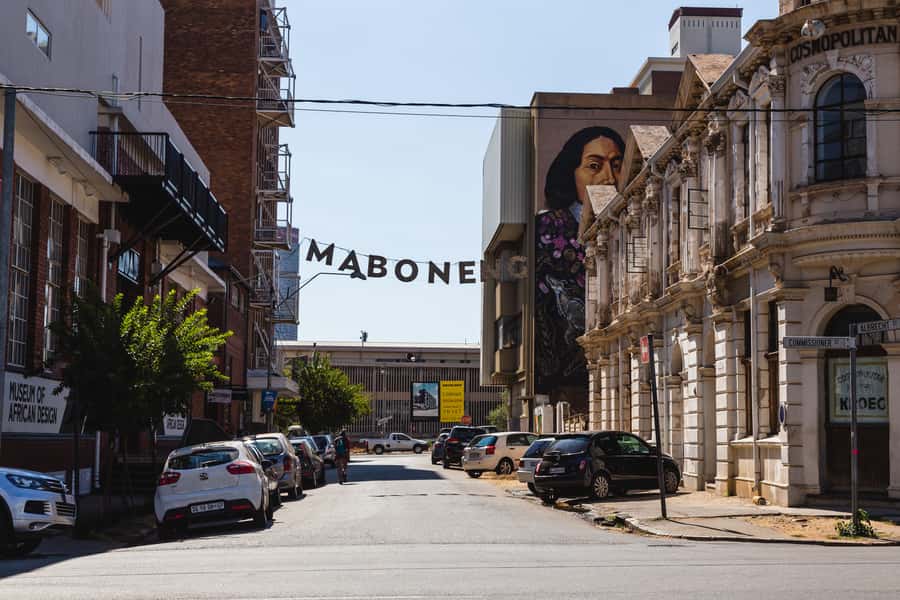
- Seeing Johannesburg through its skyline
- Constitutional Hill and the road to democracy
- The Apartheid Museum needs your time
- Entering Soweto with a guide
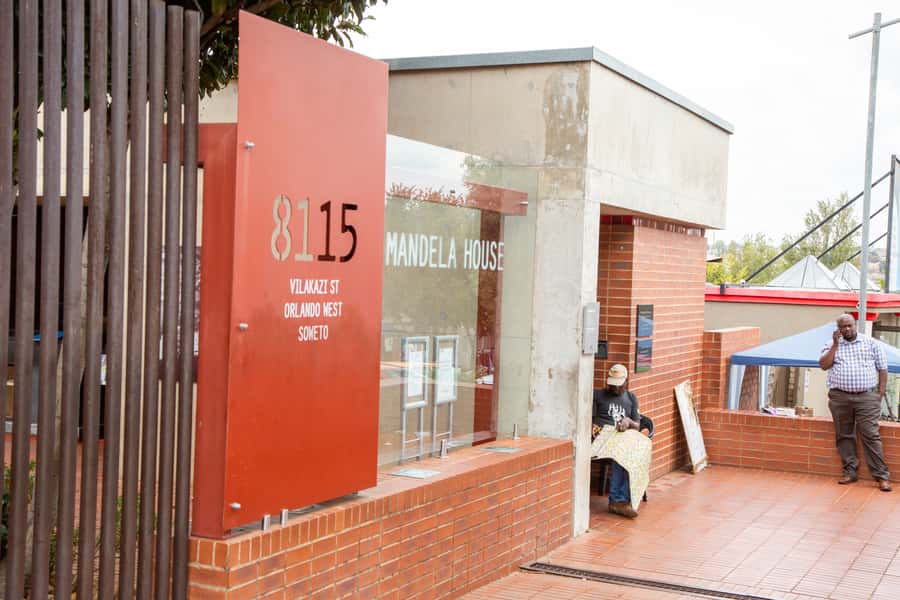
- Vilakazi Street and Mandela’s former home
- Hector Pieterson and the student uprisings
- Lunch at a Soweto shebeen
- Transport, pace, and guide quality
- Is $93 good value?
- Should you book this Johannesburg and Soweto tour?
- FAQ
- How long does the tour last?
- What time does hotel pickup take place?
- Is hotel pickup included?
- Which languages are available?
- Is the Apartheid Museum open every day?
- Is lunch included?
- Can children join the tour?
Key points to know before booking
- A full Johannesburg picture: See central towers, Constitutional Hill, Soweto, and major apartheid sites in one eight-hour day.
- Soweto with local context: Visit Vilakazi Street, the Hector Pieterson Memorial, Mandela’s former home, and other important addresses.
- A serious museum visit: The Apartheid Museum needs roughly two hours, and even that may feel short if you read everything.
- Strong guide element: Guides including Vincent, James, Pascal, Lauren, Ruth, and Nomonde are praised for clear explanations and personal service.
- Lunch with local flavor: The meal is served at a well-known shebeen, giving the day a social and cultural stop.
- Watch the calendar: The Apartheid Museum is listed as open Wednesday through Sunday. Some bookings on Mondays and Tuesdays have required a substitute visit.
Why this Johannesburg tour works well
Johannesburg can feel hard to read at first. The city is large, spread out, and shaped by layers of mining, migration, segregation, political struggle, and rapid change. If you try to connect the important places on your own in one day, you may spend too much time finding your way and too little time understanding what you are seeing.
This tour solves that problem with a guide, a vehicle, and a clear route through central Johannesburg and Soweto. At $93 per person, it is not the cheapest way to spend a day in the city, but the price covers hotel pickup and drop-off, transport, guiding, entry to the Apartheid Museum, bottled water, WiFi, and lunch as listed. You are paying for the route and the interpretation, not just admission tickets.
The strongest part is the human explanation. Past guests have repeatedly singled out Vincent, James, Pascal, Lauren, Ruth, and other guides for their ability to explain difficult subjects in plain language. James grew up in Soweto, and Ruth was also described as a Soweto native. That kind of background can make the township feel like a living community rather than a string of historical stops.
The subject matter is heavy. This is not a light sightseeing loop with a few political facts added on. You will hear about apartheid, forced separation, student uprisings, imprisonment, police violence, and the long effort to build democracy. I think the tour works best if you give those subjects your full attention and accept that some stops may be emotionally demanding.
More Soweto tours:
- Johannesburg: Hop-On Hop-Off Bus with Optional Soweto Tour
★ 4.6 · 985 reviews - Soweto /Johannesburg and Apartheid Museum Guided Full Day Tour
★ 5.0 · 932 reviews - Johannesburg Hop-On Hop-Off City Tour with Soweto Option
★ 4.5 · 768 reviews
Seeing Johannesburg through its skyline
The day begins with pickup from your hotel in Johannesburg or the surrounding area. Pickup times are generally between 8 a.m. and 9 a.m., but the vehicle may spend up to an hour collecting people, depending on hotel locations. That is useful to know if you have evening plans or a flight later in the day.
From the vehicle, you pass major city landmarks including the Hillbrow Tower, Ponte City, Sentech Tower, Carlton Centre Tower, and the Nelson Mandela Bridge. These structures help you read Johannesburg by height and scale. The towers reflect different periods of the city, from communications and mining wealth to modern redevelopment and public investment.
The Carlton Centre and Ponte City are especially useful visual markers because they show how Johannesburg’s central districts have changed over time. You may not spend long walking around each building, but the guide’s running explanation connects the view outside the window to the city’s social and economic story.
The Nelson Mandela Bridge adds a symbolic note. It is a large, modern crossing named for the man who became the central figure in South Africa’s transition from apartheid. Seeing it alongside older towers and former industrial areas gives you a quick lesson in how the city carries its past into the present.
This part is mainly sightseeing from the vehicle, so do not expect long visits at every landmark. That is a fair trade in an eight-hour tour. You cover more ground, but some stops may be views or drive-bys rather than detailed walks.
Constitutional Hill and the road to democracy
Constitutional Hill is one of the day’s most important stops. The site was once a prison and military fort, and it now tells the story of South Africa’s movement toward democracy. The contrast between its former purpose and its present role is central to the visit.
You can expect to learn about imprisonment, the legal system, and the political struggles that shaped modern South Africa. The site gives the apartheid era a physical setting. Instead of hearing only about laws and political leaders, you see the kind of institution used to control people and suppress opposition.
The prison and court elements also help explain why the later constitutional settlement mattered. South Africa’s democracy did not appear out of nowhere. It followed years of protest, imprisonment, negotiation, and public pressure. A good guide helps you link those stages without turning the visit into a dry lecture.
Several past bookings have used Constitutional Hill as a substitute when the Apartheid Museum was closed. One visitor said the prison and court tour was so well explained that the change did not feel like a major loss. That makes Constitutional Hill a valuable part of the day in its own right, not merely a backup plan.
Still, you should check the schedule before booking. The listed tour information says the Apartheid Museum is open Wednesday through Sunday, while multiple bookings made on Mondays or Tuesdays found it closed. If the museum is your main reason for taking this tour, choose your day carefully.
The Apartheid Museum needs your time
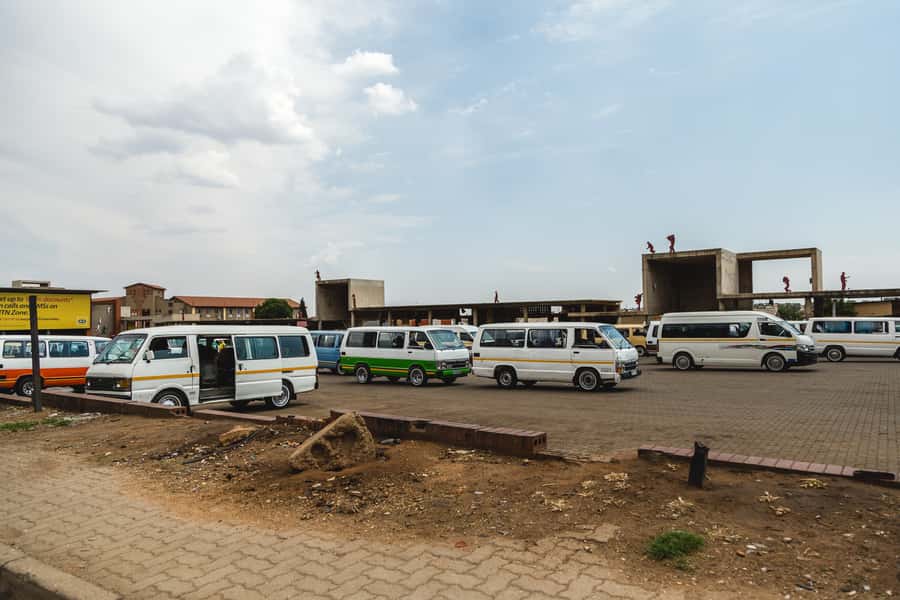
The Apartheid Museum is likely to be the most demanding stop. It covers the system of racial separation and control, the resistance against it, and the changes that led to democracy. The displays require attention, and the material is not something you will absorb in a quick walk-through.
Allow about two hours if that is the time assigned to your visit. Several people found that two hours was barely enough, especially when trying to read the written material. If you like museums and want to take in every panel, photograph, and personal account, you may wish for two and a half hours.
The museum is valuable because it gives structure to the rest of the day. After seeing Johannesburg’s buildings and Soweto’s streets, you have a place where the political system itself is explained. The sequence helps you understand how apartheid affected movement, housing, education, work, and political rights.
The drawback is simple: a full-day itinerary cannot give every stop unlimited time. You may need to choose between reading every display and keeping up with the schedule. I suggest focusing on the sections that most interest you and asking your guide for the larger connections.
The museum is listed as open from Wednesday through Sunday. It is not open on Mondays and Tuesdays according to the tour information and several booking experiences. Do not assume a weekday booking automatically includes entry.
More Apartheid Museum tours:
- Jo’berg in 1 Day: Soweto, Apartheid Museum & City Tour
★ 4.8 · 524 reviews - Johannesburg: Full-Day Tour with Soweto and Apartheid Museum
★ 4.8 · 478 reviews - Full-Day Soweto, Apartheid Museum and Lunch Tour
★ 5.0 · 410 reviews - Half Guided Day Tour of Soweto And Apartheid Museum
★ 5.0 · 356 reviews
Entering Soweto with a guide

After central Johannesburg, the route moves into Soweto, the township most closely tied to the history of apartheid and the student uprisings of 1976. Soweto is not a single attraction. It is a large urban area with different neighborhoods, income levels, homes, businesses, public buildings, and informal settlements.
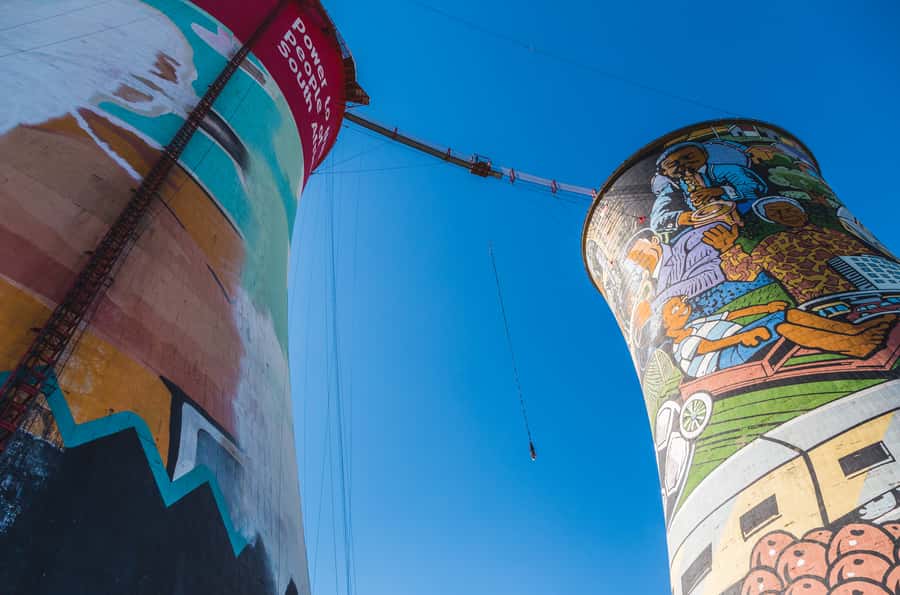
That is why the guide matters here. You will see the Soweto cooling towers, Baragwanath Hospital, an informal settlement, and other parts of the township. Some views are quick, and the vehicle may not stop everywhere. Safety and traffic conditions can affect where you pause, so expect the guide to make practical decisions during the route.
The tour does not treat hardship as a spectacle. One past account specifically appreciated that the day did not simply parade visitors through deprived areas to look at poor people. Instead, the route aims to show a broader picture of Soweto, including its political history, ordinary streets, well-known residents, and continuing community life.
That balance matters. You will see difficult realities, but you should also listen for stories about culture, family, language, politics, and change. Guides who grew up in Soweto can add details that a textbook cannot. James, for example, was able to describe aspects of his childhood and how the township developed over time.
Vilakazi Street and Mandela’s former home
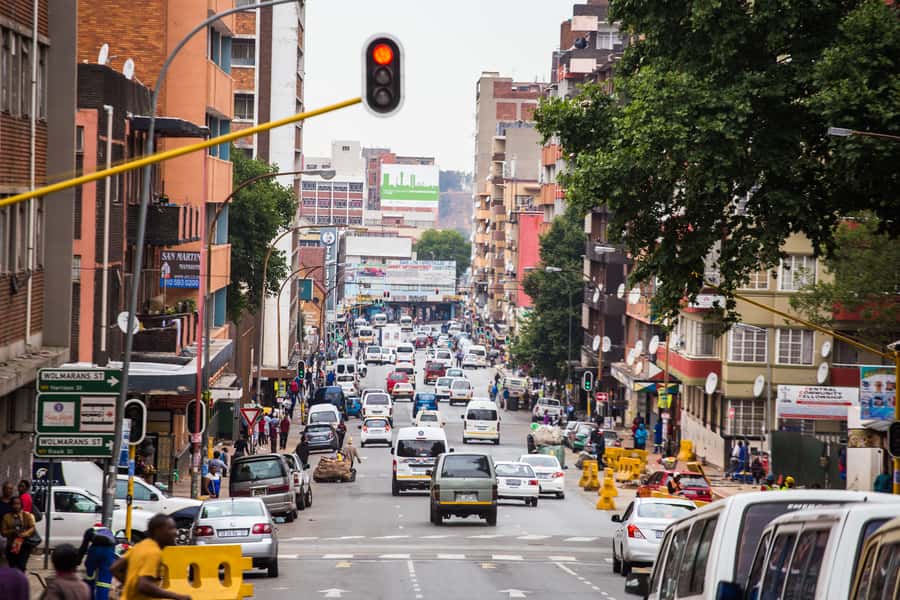
Vilakazi Street is one of the signature stops. It is known for its connection to Nelson Mandela and Desmond Tutu, two major figures in South Africa’s modern story. The tour includes views of Mandela’s house, Desmond Tutu’s house, and Winnie Mandela’s house.
Mandela House is a highlight for many people. You will see the place connected with Mandela’s life in Soweto and gain a more personal setting for the political story introduced at Constitutional Hill and the Apartheid Museum. The house gives the day a human scale, moving from national events to one family’s home.
The tour also includes Vilakazi Street itself, which adds more context than a simple photograph from the bus. Depending on the day and group schedule, you may have time to look around and shop. One guide was praised for allowing plenty of time for shopping, while another adjusted the route to suit personal interests.
Do not expect every stop to function like a long museum visit. The itinerary has many components, and the homes of Tutu and Winnie Mandela are listed as views rather than full interior tours. Mandela House receives more attention, but your exact time can depend on traffic, museum schedules, and the size of the group.
Hector Pieterson and the student uprisings

The Hector Pieterson Memorial is one of Soweto’s most affecting sites. It remembers the schoolchild whose death became a symbol of the 1976 student uprising. The memorial helps you understand that apartheid was not opposed only by famous political leaders. Students, families, workers, and communities all faced the state’s response.
This is a place where a guide can prevent the history from becoming a list of dates. You will hear how young people protested against the education system and how the government responded with force. The story is painful, but it is essential to understanding Soweto’s place in South African history.
The memorial and museum have not always been open on every tour day. One booking on a Tuesday found both the Apartheid Museum and Hector Pieterson Museum closed. Confirm the current schedule before you reserve, especially if these sites are your priority.
Lunch at a Soweto shebeen
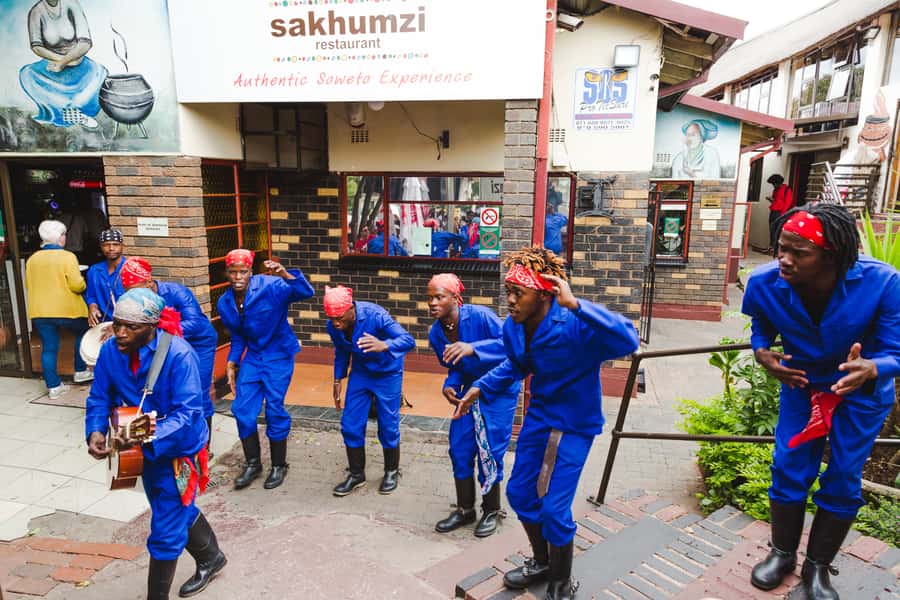
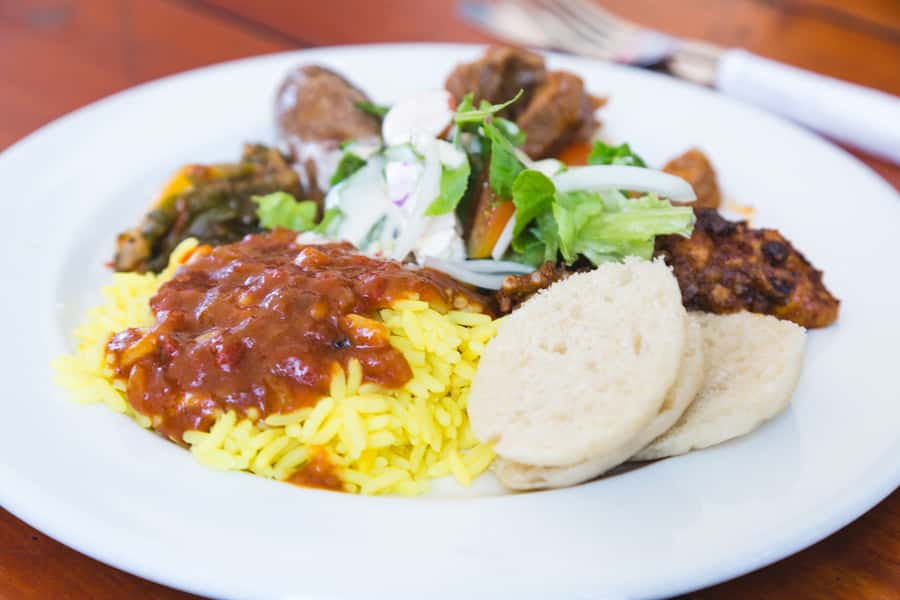
Lunch is served at a famous local shebeen, described as a typical African restaurant in several accounts. A shebeen is more than a convenient place to eat. It is part of the social and cultural life associated with townships, so the stop gives you a chance to experience the day in a less formal setting.
The meal helps break up the museums and historical sites. You can ask your guide questions, watch local life around you, and try food in a setting connected to the community rather than an international hotel restaurant.
There is one point to clarify before you pay. The current tour details list lunch as included, but an older account said the meal cost 205 South African rand separately. Because inclusions can change, confirm the meal arrangement at booking and carry some South African currency for personal expenses, drinks, or shopping.
The food was described as good, though one person felt the price was high for Soweto. That is a fair reminder to judge the lunch partly as a cultural stop, not only as a bargain meal. If you want the cheapest possible lunch, this may not be it. If you value the setting and convenience, it adds something worthwhile.
Transport, pace, and guide quality
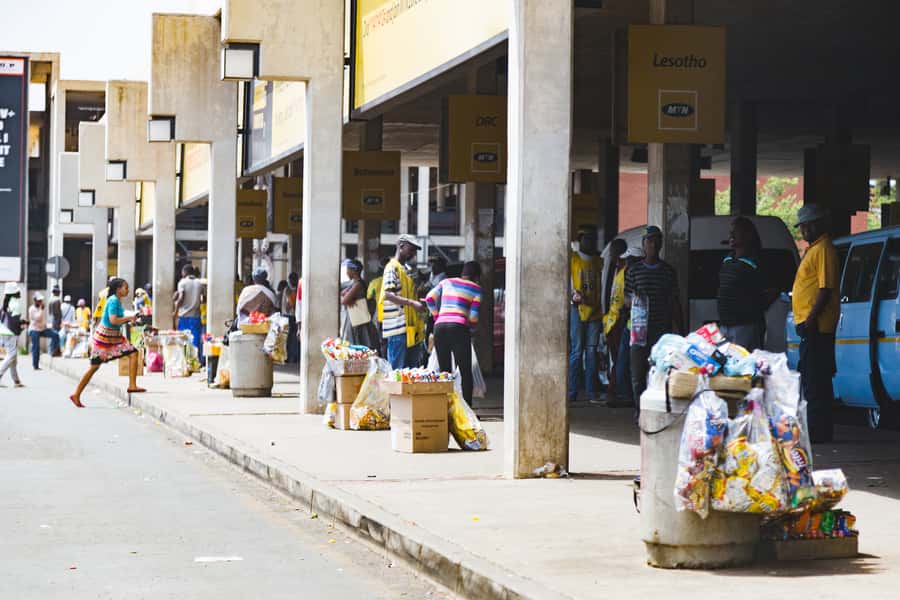
The tour uses a comfortable air-conditioned vehicle, with hotel pickup and drop-off included. That matters in Johannesburg, where the stops are spread across a large area and the day involves considerable road time. Bottled water, WiFi, and a map are also included.
Pickup can take up to an hour. I would keep your morning free and avoid scheduling anything important immediately after the stated eight-hour finish. The return journey may vary with traffic and the location of your hotel.
The pace is full. You visit central Johannesburg, Constitutional Hill, Soweto, lunch, Mandela-related sites, the Hector Pieterson Memorial, and the Apartheid Museum in one day. That is excellent if you have limited time, but it can feel tiring if you prefer slow museum visits.
The guide is the part that can make or break the day. Past bookings praised Vincent for adapting the route and explaining history, landmarks, and culture with an easy manner. James was praised for personal attention and detailed explanations. Pascal received repeated praise for his service, punctuality, and command of South African history. Lauren, Ruth, Nomonde, Eric, and others were also described as friendly and helpful.
The languages offered are English, French, and Portuguese. Children must be accompanied by an adult, unaccompanied minors are not allowed, and adult pricing applies to all participants.
Is $93 good value?
At $93 per person, I see this as a practical value for a first visit to Johannesburg. You receive transport for a full day, a driver-guide, several major historical stops, museum admission, hotel pickup and drop-off, bottled water, WiFi, and the listed lunch.
You could spend less by arranging individual visits, but then you would need to manage transport between central Johannesburg, Constitutional Hill, Soweto, Mandela House, Hector Pieterson, and the Apartheid Museum. You would also lose the guide’s explanations, which are the main reason to choose this experience.
The price is less attractive if you want to spend half a day at one museum or explore at your own pace. It is aimed at coverage and context. I would choose it if you have only one day in Johannesburg or want a structured introduction before exploring more independently.
Free cancellation up to 24 hours before departure and the option to reserve now and pay later make planning easier. Those policies are useful, but the calendar remains the key detail. Book Wednesday through Sunday if the Apartheid Museum is essential.
Should you book this Johannesburg and Soweto tour?
Book it if you want a guided introduction to Johannesburg and South Africa’s apartheid past in one day. It suits first-time visitors, people with limited time, solo visitors who want hotel pickup, and anyone who prefers historical context over a simple sightseeing drive.
I would especially choose it if you can get a guide such as Vincent, James, Pascal, Lauren, Ruth, or Nomonde, though guide assignments cannot be guaranteed. Their personal stories and ability to answer questions are repeatedly praised.
Skip it if you dislike a busy schedule or want a long, quiet museum visit. Also avoid Monday or Tuesday if the Apartheid Museum and Hector Pieterson Memorial are central to your plans. For most visitors, though, this is a useful and serious day that shows Johannesburg as a real city, not just a set of famous names.
FAQ
How long does the tour last?
The tour lasts eight hours.
What time does hotel pickup take place?
Pickup is generally between 8 a.m. and 9 a.m. The pickup process may take up to one hour, depending on the hotel location.
Is hotel pickup included?
Yes. Pickup and drop-off are included for hotels in Johannesburg and the surrounding area.
Which languages are available?
Live guiding is available in English, French, and Portuguese.
Is the Apartheid Museum open every day?
No. The museum is listed as open Wednesday through Sunday. It is closed on Mondays and Tuesdays according to the tour information.
Is lunch included?
The current tour details list lunch at a famous local shebeen as included. Because one older booking described paying separately for lunch, confirm the current arrangement when booking.
Can children join the tour?
Children can join if accompanied by an adult. Unaccompanied minors are not allowed, and adult pricing applies to all participants.
More Lunch Experiences in Johannesburg
- Soweto: Walking Tour with a Local Guide and Lunch
★ 4.9 · 648 reviews - Soweto: Guided Bicycle Tour with Lunch
★ 4.9 · 292 reviews - Soweto Walking Tour with Lunch
★ 5.0 · 288 reviews - Guided Bicycle Tour of Soweto with Lunch
★ 5.0 · 180 reviews
Just added in Johannesburg
- Pretoria Capital City Tour Experience★ 5.0 · 24 reviews
- 4 Day Kruger National Park Tour★ 5.0 · 30 reviews
- Johannesburg e-scooter experience★ 5.0 · 38 reviews
- Johannesburg Street Art & Museum Walking or E-scooter Tour★ 4.5 · 10 reviews
- Big 5 Safari Experience at Pilanesberg National Park★ 5.0 · 16 reviews
- Drakensberg Mountains. Tugela Gorge and Amphitheater Hike★ 5.0 · 7 reviews
- Apartheid Museum Tour from Johannesburg★ 4.5 · 14 reviews
- Arrival Private Transfer: Tambo Airport JNB to Johannesburg in Business Car★ 4.0 · 5 reviews
Apartheid Museum Tours, compared.

Soweto /Johannesburg and Apartheid Museum Guided Full Day Tour
Read our review →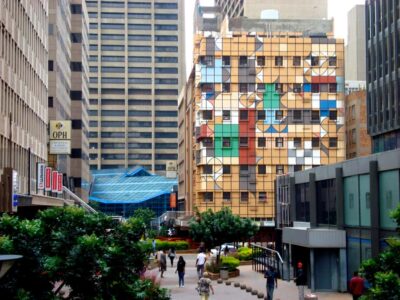
Jo’berg in 1 Day: Soweto, Apartheid Museum & City Tour
Read our review →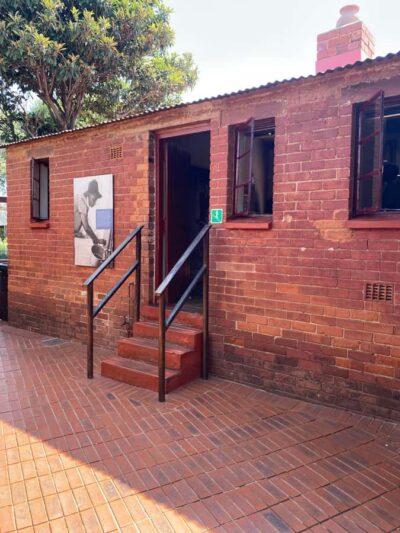
Full-Day Tour with Soweto and Apartheid Museum
Read our review →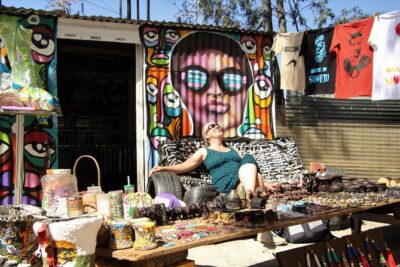
Full-Day Soweto, Apartheid Museum and Lunch Tour
Read our review →
Half Guided Day Tour of Soweto And Apartheid Museum
Read our review →
Ultimate Johannesburg Soweto Experience with Apartheid Museum
Read our review →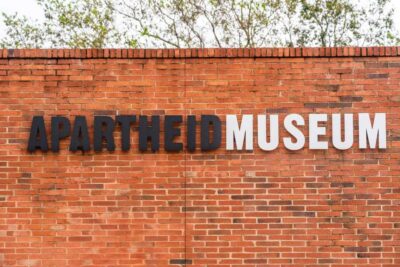
Hop-On Hop-Off Bus, City Tour and Apartheid Museum
Read our review →Johannesburg Full-Day Tour(Soweto/Jo-Burg & Apartheid Museum)
Read our review →Browse the lists this tour appears in