
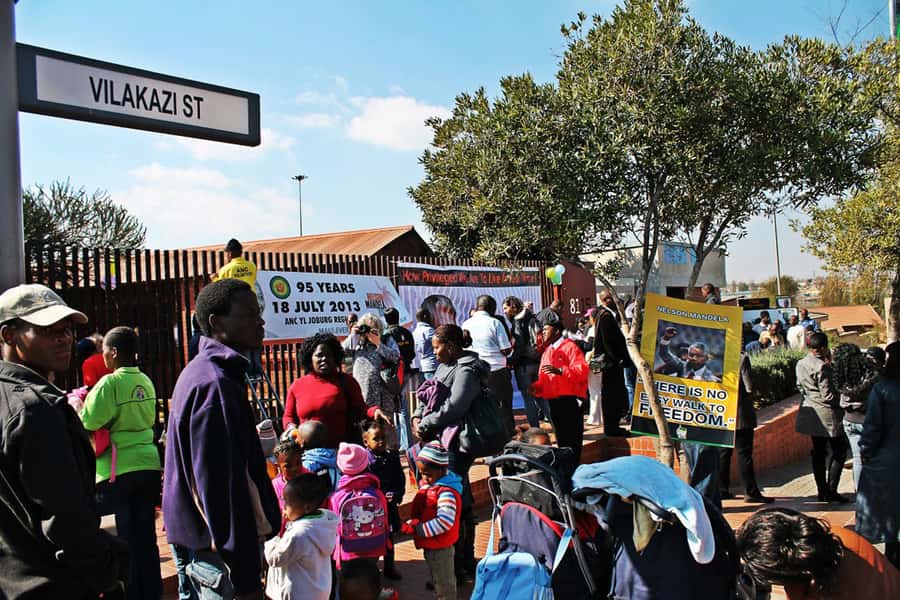
REVIEW · SOWETO TOURS
Johannesburg: Soweto Half-Day Tour
History here is not behind glass. Soweto puts it on the street. This five-hour outing gives you two things I value in Johannesburg: clear historical context at the Hector Pieterson Museum and Regina Mundi Church, plus a close look at daily life around Diepkloof and Orlando West. The main consideration is pace. Several stops fit into half a day, so some visits can feel hurried.
I also like the practical side of the experience. Pickup from your Johannesburg accommodation, transport in a comfortable vehicle, onboard uncapped WiFi, and an English-speaking guide make this an easy first visit to Soweto. The informal settlement stop is eye-opening, but you should think carefully about the ethics of observing poor communities and ask permission before taking photographs.
In This Review
- Key points to know before you book
- Why Soweto belongs on a Johannesburg itinerary
- Hotel pickup and the road into Soweto
- Diepkloof: a walk through everyday commerce
- Vilakazi Street and two Nobel Peace Prize connections
- The Hector Pieterson Museum and the events of June 16, 1976
- Regina Mundi Church and the wider struggle
- The informal settlement visit: important, but handle it with care
- Cooling towers, university views, and Baragwanath Hospital
- Guide quality makes or breaks the morning
- Is $74 good value?
- Comfort, timing, and practical details
- Who should book the Soweto half-day tour?
- Should you book it?
- FAQ
- How long does the Soweto tour last?
- Where does the tour begin?
- Is transportation included?
- What language is the tour offered in?
- Is entry to the Hector Pieterson Museum included?
- Is the Regina Mundi Church included?
- Can I enter the Nelson Mandela House Museum?
- Does the tour visit an informal settlement?
- Is food included?
- Can I cancel the booking?
Key points to know before you book
- Vilakazi Street connects two major liberation stories: You pass the former home of Nelson Mandela and the home of Archbishop Emeritus Desmond Tutu on the same street.
- The Hector Pieterson Museum gives the tour its emotional center: It explains the June 16, 1976 Soweto uprising and the student deaths that helped drive South Africa’s liberation struggle.
- You see several sides of Soweto in one morning: The route includes vendors in Diepkloof, residential streets, an informal settlement, the university campus, cooling towers, and major public landmarks.
- Guides are the strongest part of the experience: Past guide names include Mark, Lebo, Thapelo, Sello, Carson, Patience, and William, with repeated praise for their warmth, humor, and local insight.
- The Mandela House Museum costs extra: You can photograph the house from outside, but museum entry is not included in the $74 price.
- The five-hour format is useful but tight: It works well as an introduction, though an additional hour would allow more time at the museum and other stops.
Why Soweto belongs on a Johannesburg itinerary

Soweto, short for South Western Townships, is often described as a city within Johannesburg. That phrase is useful, but it can also make the place sound like a simple sightseeing district. It is a large collection of communities with its own neighborhoods, institutions, markets, churches, schools, political history, and daily routines.
This tour is designed to give you a broad introduction rather than a slow, single-neighborhood walk. You move by vehicle between key areas, then walk in Diepkloof and spend time around Vilakazi Street. The result is a fast but meaningful look at how Soweto connects South Africa’s past with its present.
I would choose this experience early in a Johannesburg stay. The guide’s explanations can help you make sense of apartheid, the 1976 uprising, Mandela’s role, and the continuing difference in living conditions across the city. You are not simply checking off famous addresses. You are learning why those addresses matter.
More Soweto tours:
- Johannesburg: Hop-On Hop-Off Bus with Optional Soweto Tour
★ 4.6 · 985 reviews - Soweto /Johannesburg and Apartheid Museum Guided Full Day Tour
★ 5.0 · 932 reviews - Johannesburg Hop-On Hop-Off City Tour with Soweto Option
★ 4.5 · 768 reviews
Hotel pickup and the road into Soweto
The tour begins with pickup at your Johannesburg hotel or residence. After a short briefing, you travel toward Soweto in a comfortable vehicle. The drive takes about 45 minutes, depending on the starting point and traffic.
One early landmark is the National Football Stadium, associated with the opening and closing ceremonies of the 2010 World Cup. It gives the route a modern reference point before the tour turns toward the historic township areas.
This transfer time is not wasted if your guide uses it well. Carson, one of the guides praised in the feedback, reportedly previewed the next stops during the drive, making the museum material easier to understand. That is a useful habit on a tour like this. The historical background is heavy, and a little preparation helps you absorb it instead of meeting each fact cold.
Pickup is one of the tour’s practical strengths. You do not need to arrange a separate taxi to Soweto or work out a first route through unfamiliar parts of Johannesburg. The tradeoff is that collection times can vary with traffic and with the locations of other passengers. One booking described a late pickup, while other accounts praised the punctuality and clear communication.
Diepkloof: a walk through everyday commerce
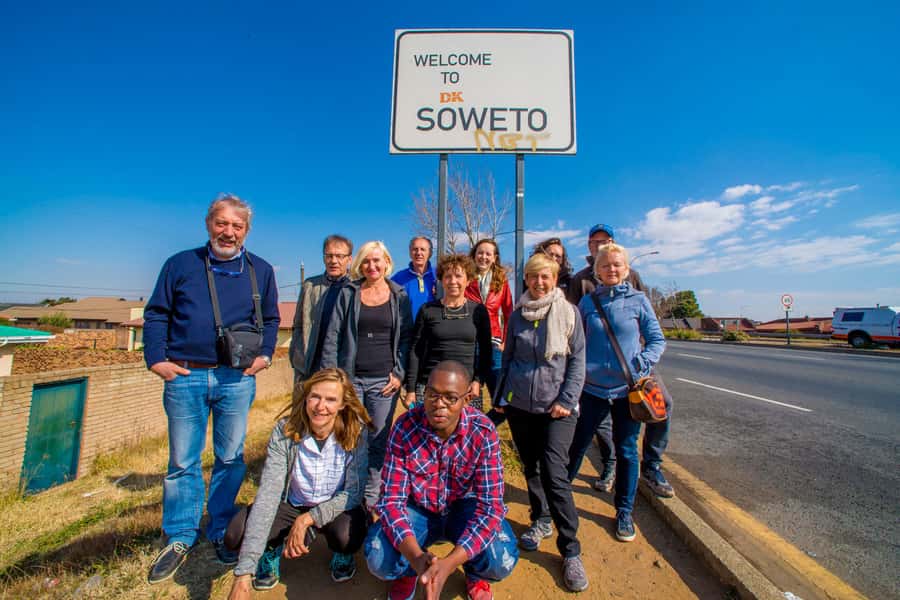
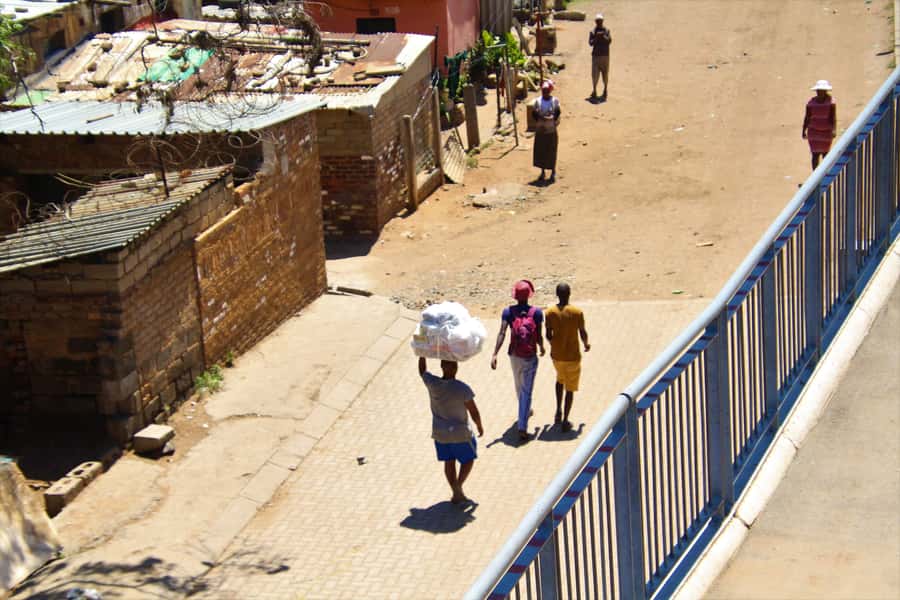
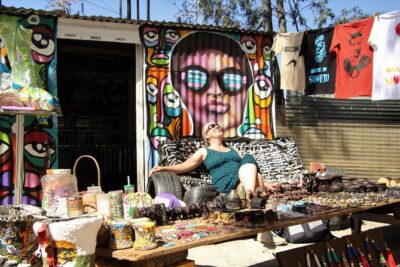
In Diepkloof, you leave the vehicle for a walk of around 30 minutes. Vendors sell a wide range of goods, and this is your first close look at ordinary street activity rather than a formal monument.
The point is not to treat the market as a colorful backdrop. Pay attention to how the guide explains the area, how people use the street, and how commerce fits into local life. You may see a more immediate side of Soweto here than you would from a coach window.
This is also a good place to keep your camera away for a moment and look around first. Ask before photographing people or their stalls. A respectful approach makes the visit feel like an encounter with a community, not a staged display.
Vilakazi Street and two Nobel Peace Prize connections

The tour then reaches Orlando West and Vilakazi Street, likely the best-known address on the route. This street is famous for its links to two Nobel Peace Prize winners: Nelson Mandela and Archbishop Emeritus Desmond Tutu.
You pass Mandela’s former home and Tutu’s current home. You also see the former home of Winnie Madikizela-Mandela, Nelson Mandela’s ex-wife, listed among the sights. These houses matter because they place national political history in an ordinary residential setting. The liberation struggle was not an abstract force somewhere far away. It shaped real families, homes, neighborhoods, and friendships.
The sightseeing period around Vilakazi Street lasts about an hour. That is enough time for the guide to explain the main stories and for you to take photographs, but it may not feel generous if the area is busy or if the group has many questions.
The Mandela House Museum is optional and costs extra, payable on arrival. The tour includes a view of the house, not admission. If you want the interior and a closer look at Mandela’s domestic life, budget separately for that ticket. If you are mainly seeking a broad introduction, the outside view and guide commentary may be enough, especially since the schedule already packs in several other sites.
A few more in Soweto
- Half-Day Tour of Soweto Tour
★ 4.5 · 712 reviews - Soweto: Walking Tour with a Local Guide and Lunch
★ 4.9 · 648 reviews - Jo’berg in 1 Day: Soweto, Apartheid Museum & City Tour
★ 4.8 · 524 reviews - Johannesburg: Full-Day Tour with Soweto and Apartheid Museum
★ 4.8 · 478 reviews
The Hector Pieterson Museum and the events of June 16, 1976
The most serious stop is the Hector Pieterson Museum. Entry is included, which adds real value to the tour. The museum focuses on the Soweto uprising of June 16, 1976, when students protested against the compulsory use of Afrikaans in education. The death of Hector Pieterson became one of the defining images of the struggle against apartheid.
Expect this part of the visit to be emotional. One account described the memorial as especially affecting, and another called the museum experience powerful in a difficult way. That reaction makes sense. The museum is not a light sightseeing stop, and you should allow yourself time to read, listen, and process what you see.
The museum also prevents the tour from becoming a string of famous names. It connects Mandela and Tutu’s public roles to the young people and families who faced police violence and helped force the country’s injustice into the world’s view.
The schedule gives roughly 45 minutes for one of the Soweto sightseeing segments, but exact time at the museum can vary. This is where the half-day format can feel compressed. One booking suggested an extra hour would improve the experience, perhaps by reducing time spent on less important drive-by sights.
Regina Mundi Church and the wider struggle
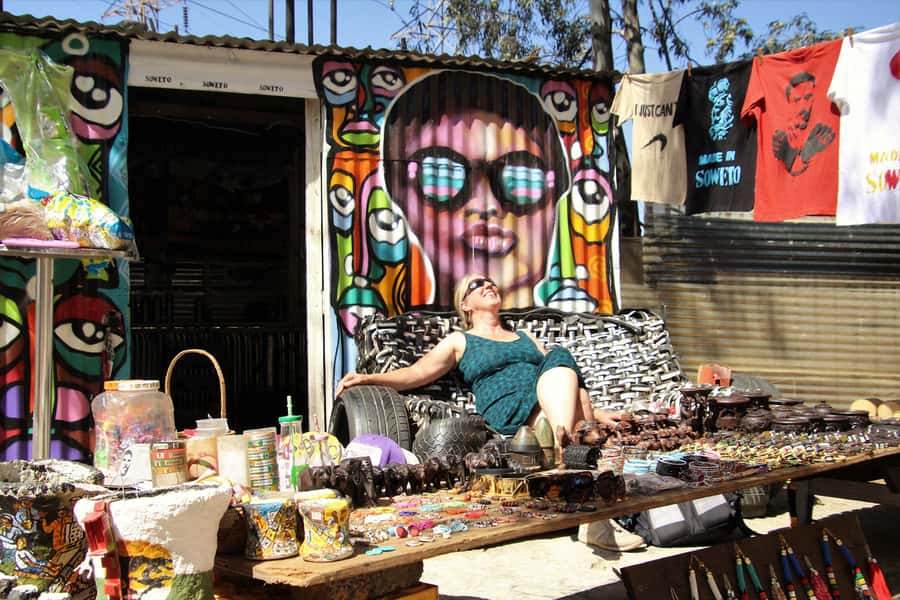
Entrance to Regina Mundi Church is included. The church is an important part of Soweto’s political and social story, and your guide can place it within the wider struggle against apartheid.
Its value is different from that of the Hector Pieterson Museum. The museum presents documents, images, and curated displays. Regina Mundi helps you understand the role of a real community institution during years when churches could offer shelter, organize support, and give people a place to gather.
Because the exact order of stops can change, you may visit the church before or after other Orlando West sights. Listen to how your guide links the places together. A strong guide turns separate locations into one coherent story, which is why guides such as Sello, Thapelo, Patience, and Lebo received such warm praise for explaining Soweto clearly and treating people with care.
The informal settlement visit: important, but handle it with care
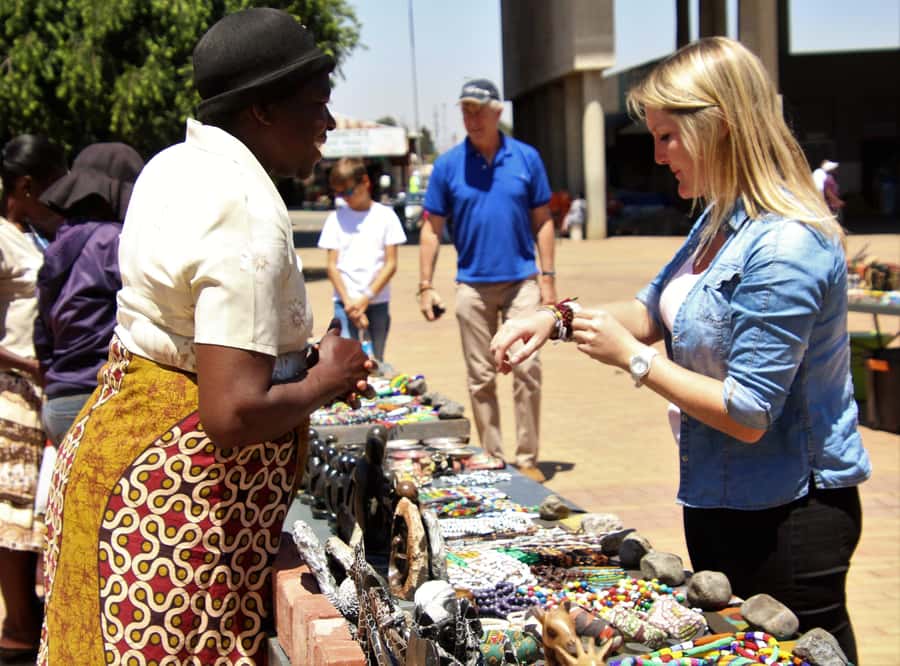
The tour continues into an informal settlement where you can interact with local residents. This is the part that needs the most thoughtful preparation.
You will see living conditions that differ sharply from the more developed parts of Johannesburg. Some past participants appreciated the chance to understand local challenges and the efforts being made to improve life for children, women, and young people. Others felt uncomfortable entering people’s homes or observing poverty too closely, describing it as an intrusion into private life.
Both reactions are reasonable. You should not assume that poverty makes someone’s home or daily routine available for inspection. Ask before taking photos, follow your guide’s instructions, and do not treat children as photographic props. If you feel uneasy, you can explain that you prefer to observe from public areas.
Some older advice connected with this visit suggests bringing small gifts such as sweets, paper, or pencils for children, and carrying small South African notes for tips. These gestures are not listed as required, and you should not feel pressured to hand out items. If you bring anything, ask the guide what is appropriate and avoid creating a scramble among children.
This stop can be one of the tour’s most instructive moments when handled with respect. It shows that Soweto is not only a political-history destination. It is also a living place where people are working, raising families, attending school, and trying to improve their circumstances.
Cooling towers, university views, and Baragwanath Hospital
The route includes views of the Soweto cooling towers, the Soweto Campus of the University of Johannesburg, and the Chris Hani Baragwanath Hospital. You also pass the Baragwanath Taxi Rank and finish with a view of the hospital, described as the largest hospital in the world.
These are drive-by sights, not lengthy visits. That matters because you should not book this tour expecting extended time at every landmark. The cooling towers offer a strong visual marker of Soweto, while the university and hospital point to the institutions serving a large population.
The taxi rank gives you another glimpse of movement and transport in the township. Together, these stops widen the picture beyond apartheid memorials and famous political homes. You see places tied to work, education, health care, and everyday travel.
One practical tip: keep your camera ready, but do not expect the vehicle to stop at every location. Carson was praised for making several photo stops, but the ability to pull over depends on traffic, safety, and the day’s timing.
Guide quality makes or breaks the morning
The strongest and most consistent feature is the guiding. Names praised across the feedback include Mark, Lebo, Thapelo, Sello, William, Carson, Cipho, Patience, Thabang, Kutama, Tshepo, Warren, Goodman, Stanley, Emma, and others.
The specific guide you receive will depend on the date and operator assignment, so do not book on the promise of one particular person unless the company confirms it. Still, the pattern is clear: guides are valued for explaining history plainly, answering questions, taking photos, keeping people comfortable, and adding humor without losing sight of the subject.
William reportedly continued with the tour even when only one person had booked. Other guides were praised for clear communication and careful timing. That personal attention can make the experience feel very different from a large coach outing.
The tour is offered in English, with live guiding. If historical detail matters to you, use the drive time to ask questions. The best moments are likely to come from the guide’s explanation of what you are seeing, not from the sight alone.
Is $74 good value?
At $74 per person, the tour is reasonably priced for a five-hour guided outing with Johannesburg pickup and transport. The price includes the Hector Pieterson Museum, Regina Mundi Church, the main Vilakazi Street sights, the informal settlement visit, and views of several major landmarks.
You also get the convenience of not arranging transport to Soweto yourself. That matters if you have only a short stay in Johannesburg or want a structured introduction before exploring further.
The main extra cost is admission to the Nelson Mandela House Museum. Food and personal purchases are not included. You should also allow for any optional tipping or small purchases, but do not feel obliged to give money simply because you are visiting an informal settlement.
The value is strongest for first-time visitors who want history, local context, and a broad route in a single morning. It is less suitable if you prefer a slow museum visit, long neighborhood walks, or plenty of free time at each stop.
Comfort, timing, and practical details
The total duration is five hours, with roughly 45 minutes returning to Johannesburg. The tour includes pickup, a comfortable vehicle, and free onboard uncapped WiFi, which is handy for checking plans afterward or staying connected during the transfers.
It is listed as wheelchair accessible, though the walk in Diepkloof and conditions in an informal settlement may vary. If you use a wheelchair, confirm the exact vehicle and walking arrangements before booking.
You can cancel up to 24 hours in advance for a full refund, and the reserve-now, pay-later option keeps your plans flexible. Starting times depend on availability, so check the schedule carefully when selecting your date.
Wear comfortable shoes for the Diepkloof walk, carry water, and dress for the weather. Keep valuables secure and follow the guide’s advice about photography and personal interaction. These are simple steps, but they help you focus on the experience rather than logistics.
Who should book the Soweto half-day tour?
I would recommend it to first-time visitors to Johannesburg, especially if you want a clear introduction to apartheid-era history and modern township life. It also suits people with limited time who want hotel pickup and a guided route rather than planning several separate visits.
It is a good choice for history-minded families with older children, couples, solo visitors, and anyone interested in South Africa beyond the usual city-center attractions. The emotional material at the Hector Pieterson Museum may be difficult for young children, so consider your group carefully.
I would hesitate if you dislike group schedules, feel strongly about avoiding poverty-focused sightseeing, or want a long visit inside the Mandela House Museum. In those cases, a private or slower cultural visit may suit you better.
Should you book it?
Book this tour if you want a serious, efficient introduction to Soweto with strong guiding, included museum entry, and transport from Johannesburg. Its best qualities are the historical explanation, the variety of stops, and the chance to see Soweto as a lived-in community rather than a collection of memorials.
Go in with realistic expectations. Five hours cannot give every site the time it deserves, the Mandela House Museum costs extra, and the informal settlement visit calls for humility and good judgment. If you accept that pace and approach, $74 buys a worthwhile morning that can shape how you understand Johannesburg.
FAQ
How long does the Soweto tour last?
The tour lasts five hours, including pickup, sightseeing, walking, and the return journey to Johannesburg.
Where does the tour begin?
Pickup is available from your accommodation in Johannesburg.
Is transportation included?
Yes. Transfers are provided in a comfortable vehicle, including the journey from Johannesburg to Soweto and the return trip.
What language is the tour offered in?
The live tour guide speaks English.
Is entry to the Hector Pieterson Museum included?
Yes. Entrance to the Hector Pieterson Museum is included in the tour price.
Is the Regina Mundi Church included?
Yes. Entrance to Regina Mundi Church is included.
Can I enter the Nelson Mandela House Museum?
Entry to the Nelson Mandela House Museum is optional and costs extra. The fee is payable on arrival. The tour includes a view of the house.
Does the tour visit an informal settlement?
Yes. The route includes a visit to an informal settlement where you can interact with local residents.
Is food included?
No. Food and personal purchases are not included.
Can I cancel the booking?
Yes. You can cancel up to 24 hours in advance for a full refund. You can also reserve now and pay later.
Just added in Soweto
- SOWETO: Ethical, bespoke, authentic, community driven small group★ 5.0 · 51 reviews
- 4-day Soweto & Pretoria, Lion Park, Magalies/Pilanesberg Safari★ 5.0 · 2 reviews
- 1 Day: Bus & Soweto Combo★ 4.5 · 47 reviews
- Soweto Tuk-Tuk Food & Beer Tour★ 5.0 · 9 reviews
- Soweto Tour; Mandela House; Vilakazi Street; Market Culture★ 5.0 · 6 reviews
- Soweto Township Tour★ 4.4 · 4 reviews
- Soweto & Johannesburg and Apartheid Museum★ 4.7 · 41 reviews
- Private Soweto,Mandela House,Apartheid Museum,Constitution★ 4.6 · 15 reviews
Soweto Tours, compared.

Soweto /Johannesburg and Apartheid Museum Guided Full Day Tour
Read our review →

Jo’berg in 1 Day: Soweto, Apartheid Museum & City Tour
Read our review →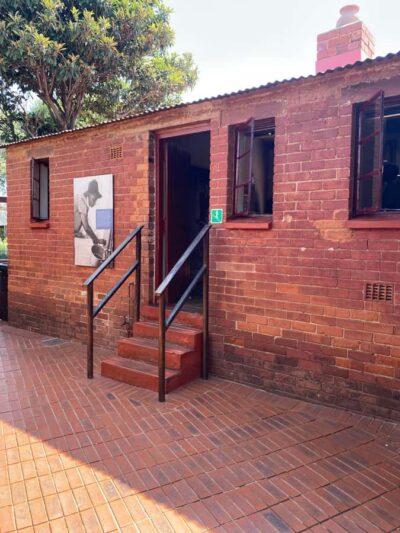
Full-Day Tour with Soweto and Apartheid Museum
Read our review →
Full-Day Soweto, Apartheid Museum and Lunch Tour
Read our review →
Half Guided Day Tour of Soweto And Apartheid Museum
Read our review →Browse the lists this tour appears in