REVIEW · WILDLIFE
Plettenberg Bay: EcoKidz Family Wildlife Tour
Small lessons can make big memories. Tenikwa’s EcoKidz tour gives children a friendly introduction to South Africa’s wild cats, from cheetahs and leopards to caracals and African wildcats. I like the child-focused booklet and certificate, which give young visitors something to do and take home, and I like the chance to see animals at a rehabilitation center rather than simply ticking off species behind glass. The main consideration is timing: the tour is advertised at about 90 minutes, but one account found the guided portion closer to an hour, and the full schedule can stretch longer.
This is best for children aged 5 to 12, especially those who ask why animals behave as they do. A good guide makes a real difference. Sandile received especially warm praise for his enthusiasm and for keeping a seven-year-old interested. The outing is in English, wheelchair accessible, and suitable in wet weather, with rain jackets provided when needed.
In This Review
- Five things to know before you go
- Why Tenikwa works well for families
- Finding Tenikwa from the N2
- The five-minute safety briefing
- Meerkats, owls, and the first animal lessons
- Meeting the African wildcats
- Cheetahs, leopards, lions, and the white lion
- Penguins with a clear conservation purpose
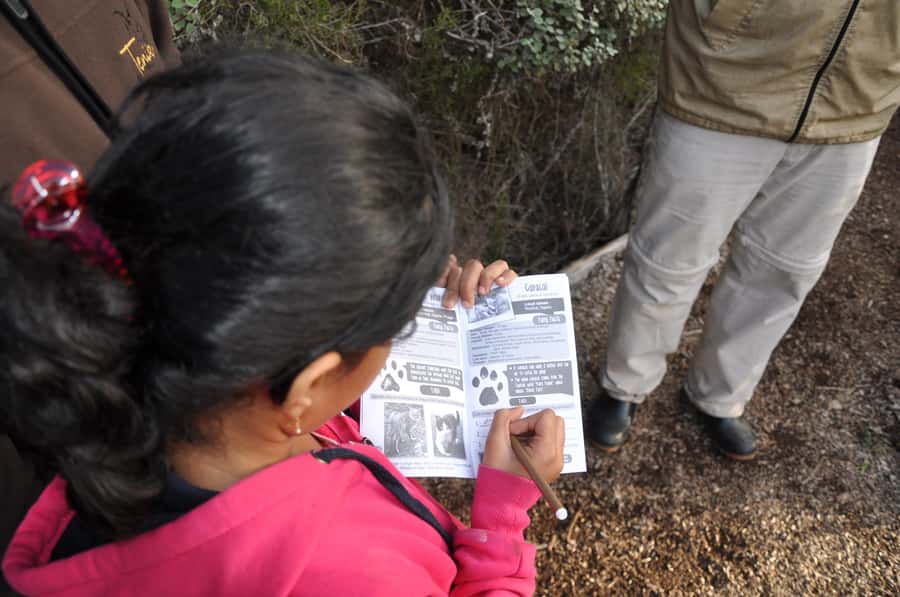
- The EcoKidz booklet makes children participants
- Camp activities, shopping, and food stops
- What the $28 price gives you
- Weather, access, and what to bring
- Who will enjoy this most
- Should you book the EcoKidz tour?
- FAQ
- Where does the EcoKidz tour begin?
- How do I find Tenikwa?
- How long does the tour last?
- What ages suit the EcoKidz tour?
- What animals can I see?
- Is the tour available in English?
- Is the center wheelchair accessible?
- Can children touch or feed the animals?
- Can I bring a camera?
- What should I bring?
Five things to know before you go
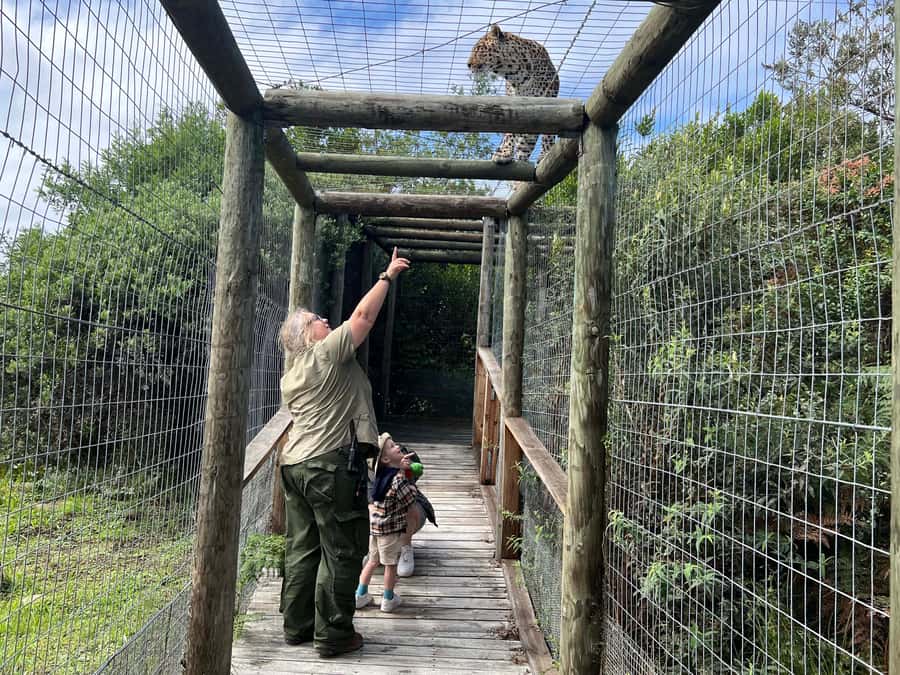
- Wild cats are the main lesson: You see lions, leopards, cheetahs, servals, caracals, and African wildcats while learning how each fits into its ecosystem.
- The Meerkat Meander and owl visit add variety: The tour is not only about large predators, so younger children get several different animals to watch.
- Children have a job to do: Each participating child receives an EcoKidz quiz booklet and later an EcoKidz Certificate.
- Penguin conservation is part of the visit: You may see penguins being prepared for release, giving the rescue work a clear purpose.
- Bring sun protection and patience: The tour involves walking, outdoor viewing, and no touching or feeding of animals.
- Allow extra time if possible: The main tour lasts about 90 minutes, but camp activities, shopping, and food stops can add to your visit.
Why Tenikwa works well for families
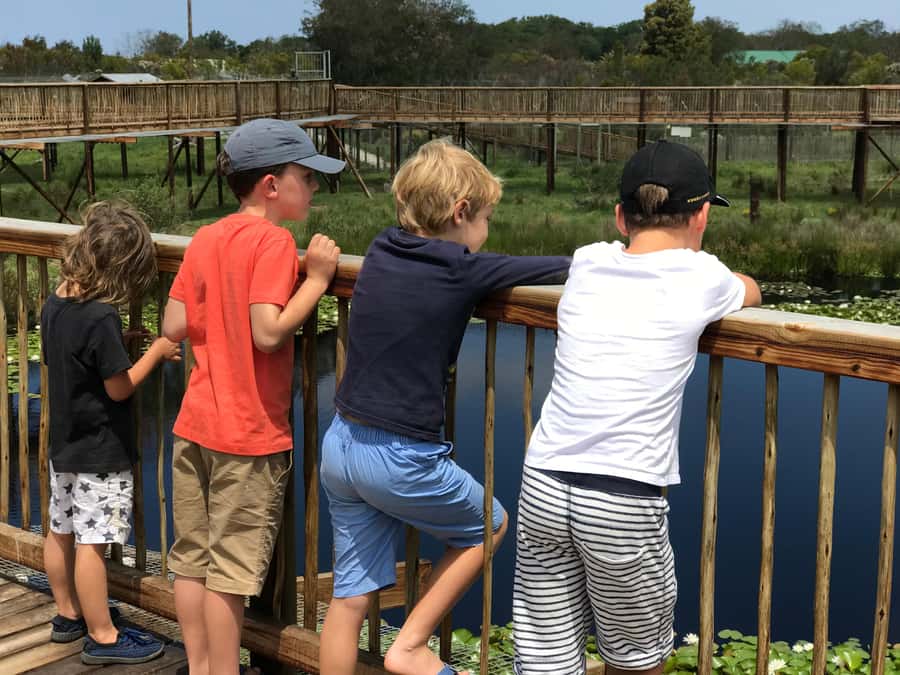
Tenikwa Wildlife Rehabilitation and Awareness Centre is not trying to entertain children with a quick animal parade. The EcoKidz program uses wildlife to explain conservation in simple, practical terms. Your guide introduces the animals one by one, explains their traits, and connects them to the wider ecosystem.
That approach matters. A child may remember the white lion because it looks remarkable, but the better lesson is why wild animals need suitable habitats and why people should not treat them like pets. The tour aims to move from that animal is cute to that animal has a role and needs protection. For a family holiday, that is a useful shift.
The age range of 5 to 12 is important. The quiz booklet and certificate should help younger children stay involved, while older children may enjoy the facts about behavior, species differences, and environmental problems. Very young children who tire quickly may need help keeping up, and older teenagers may find the presentation a little basic.
The strongest part of the experience is likely to be the guide. Sandile was singled out for his warm manner, enthusiasm, and ability to connect with a seven-year-old. That kind of attention can turn a standard animal visit into a proper family memory. Guide quality can vary, though. One account described a guide as quiet and said the tour did not feel especially aimed at children, so I would keep your expectations sensible rather than assuming every group gets the same energy.
More to see in South Africa:
- Wine Tour: Paarl, Franschhoek & Stellenbosch incl 3 wineries
★ 5.0 · 3,940 reviews - Cape Town: Hop-On Hop-Off Bus Tour with Optional Cruise
★ 4.8 · 3,929 reviews - Cape Town: Cape of Good Hope & Penguins Day Tour with Pickup
★ 4.7 · 3,362 reviews
Finding Tenikwa from the N2
You will need to drive to the center. Hotel pickup and drop-off are not included, but parking is available at reception.
From the N2, look for the signpost marked Tenikwa, Monkeyland, and Elephant Sanctuary. At Animal Alley, take the left fork marked Tenikwa, then drive past Kurland Village. At the next fork, keep right and follow the Tenikwa signs until you reach reception.
Arrive 15 minutes before your booked start time. This gives you time to park, check in, and get children ready without turning the safety briefing into a rushed affair. Lock valuables and backpacks in your vehicle. Cameras can come with you, but selfie sticks are not allowed.
The setting is shared with other attractions in the area, so check the road signs carefully. The final turns are easier if you are not trying to navigate while watching for wildlife or entertaining children in the back seat.
The five-minute safety briefing
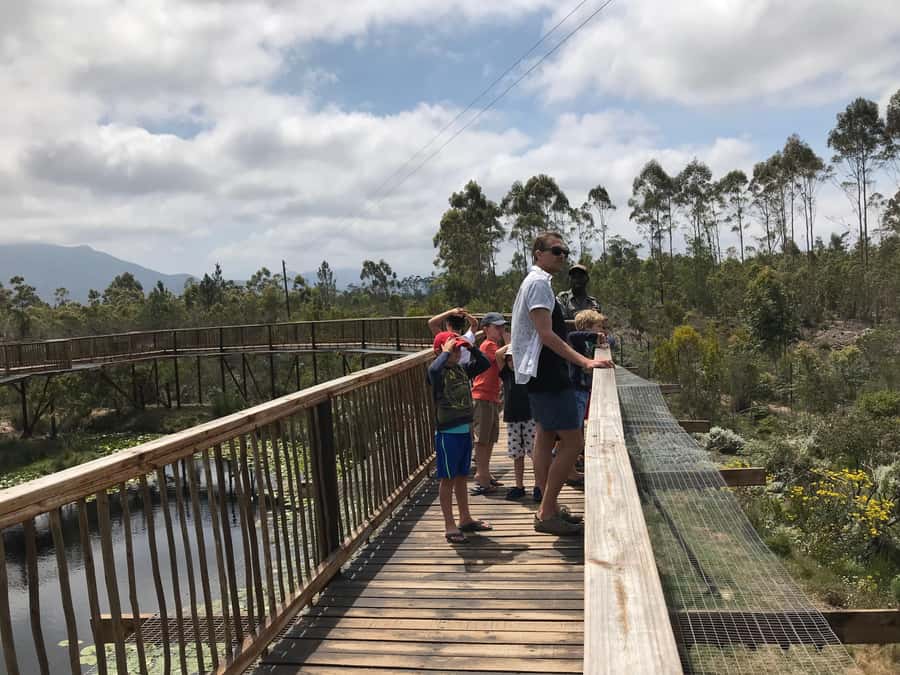
The visit begins with a short safety briefing of about five minutes. It may sound routine, but it sets the tone for the whole experience.
Children need to understand that these are wild animals, even when they are in managed enclosures or receiving care. No touching and no feeding are allowed. Selfie sticks are also prohibited, which is sensible around animals and in a group where long poles can get in the way.
Use this moment to remind children to stay close to the guide and listen before moving from one enclosure to the next. The briefing is brief enough that most children should manage it well, especially if they know the animal viewing starts right after.
Meerkats, owls, and the first animal lessons
The guided walk includes the Meerkat Meander and a visit to the owls. These stops give the program a welcome change of pace before the focus settles on the larger cats.
Meerkats are a natural hit with children because they are easy to watch and have clear group behavior. The stop can help your guide introduce ideas such as cooperation, alertness, and adaptation without beginning with a complicated lecture. Owls offer another useful contrast, showing children that wildlife is not limited to large, dramatic mammals.
I like this mix because it prevents the tour from becoming a parade of similar enclosures. If your child is waiting only for lions, the smaller animals still provide a reason to pay attention between the headline species.
The exact amount of time at each stop may depend on the group and the animals. A child who wants to linger may need reminding that the tour continues, while a child who loses interest can look forward to the next enclosure and the next booklet question.
Something quite different:
- Zipline Cape Town – From Foot of Table Mountain Reserve
★ 5.0 · 3,179 reviews - Cape Town: Table Mountain Cable Car, Hop-On Hop-Off Bus Tour
★ 4.6 · 3,157 reviews - Cape Point and Boulder’s Penguins Full Day Tour
★ 5.0 · 3,118 reviews - From Cape Town: Cape Point & Boulders Beach Full-Day Tour
★ 4.8 · 3,032 reviews
Meeting the African wildcats
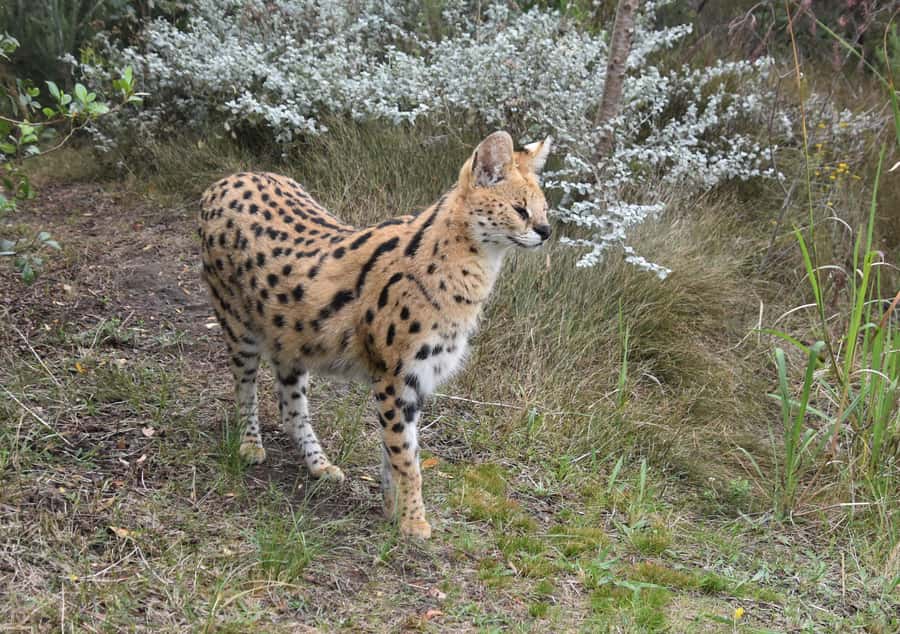
The African wildcat section is one of the most valuable parts of the tour. These animals can look familiar to children who know domestic cats, but the guide can explain what makes them wild and why they belong in South Africa’s natural system.
You will also look for African wildcats in their enclosures. This is an important practical detail: the animal may not always be positioned perfectly for a photograph. Children learn that wildlife viewing involves observation and patience, not a guaranteed close-up on demand.
The guide also introduces servals and caracals. Their different body shapes and habits give children a chance to compare species rather than lumping every feline into one category. Ask your child to notice how each cat differs in size and appearance, then use the booklet to turn those observations into a small game.
This section may appeal most to children who like spotting details. A patient child can enjoy searching an enclosure, while a child expecting constant movement may need encouragement. That is part of the lesson, even if it is not always the easiest part of a family outing.
Cheetahs, leopards, lions, and the white lion
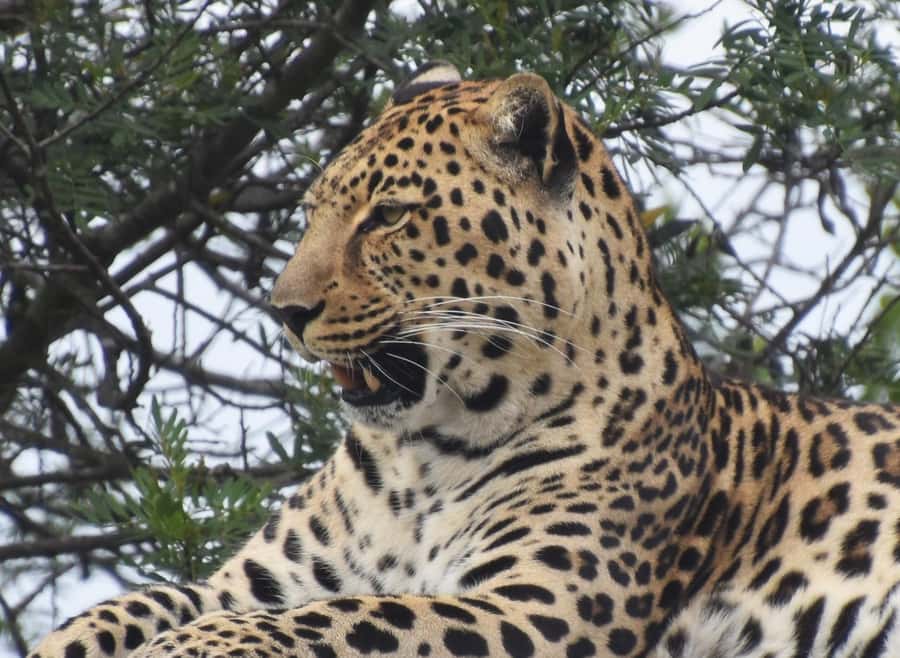
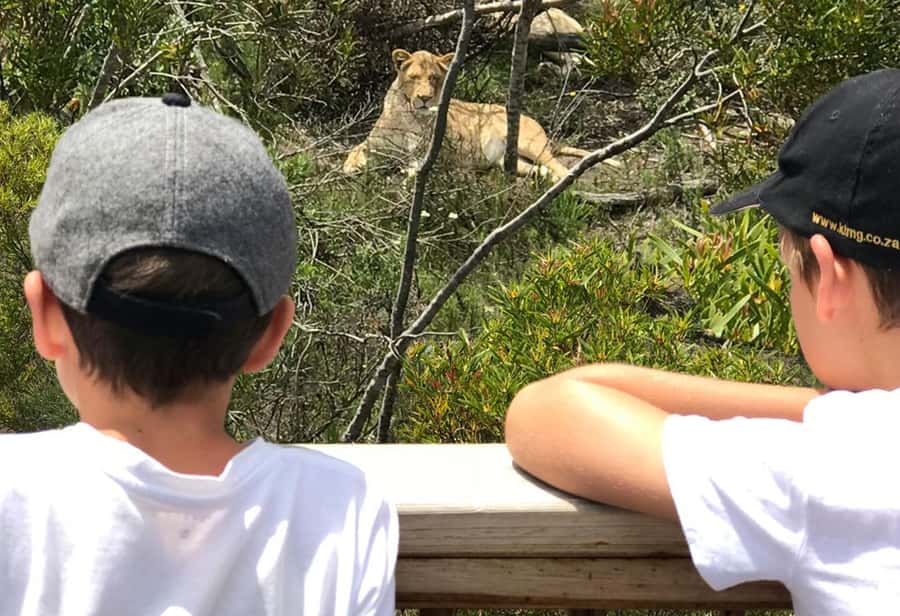
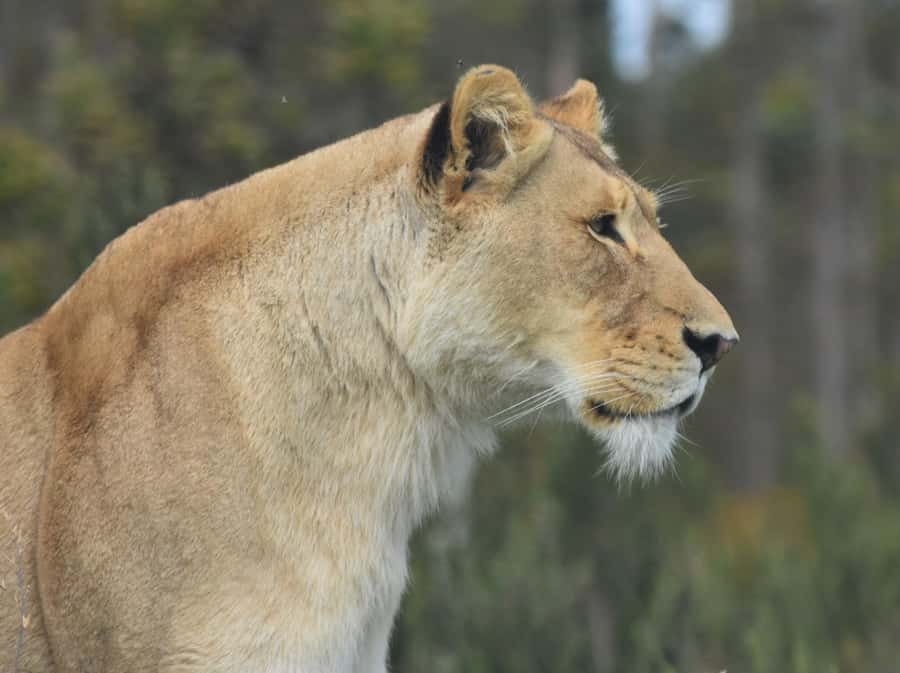
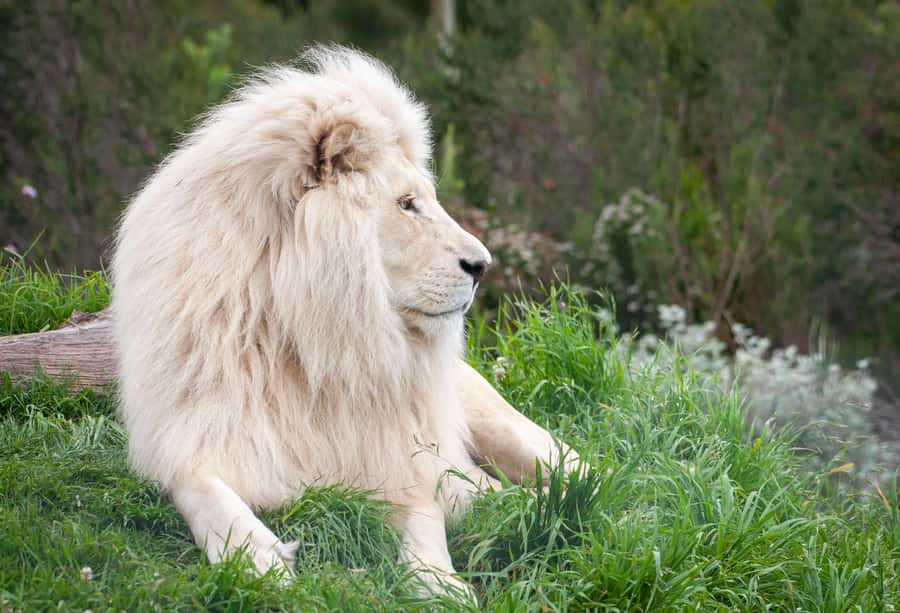
The larger wild cats provide the visual high point. You may see cheetahs, leopards, lions, and a magnificent white lion, along with the smaller cat species already introduced.
Each animal gives the guide a chance to explain differences in appearance and behavior. Cheetahs, leopards, and lions are not interchangeable, and the value of the visit lies in learning what separates them. A child may arrive knowing only the names, then leave with a clearer sense that each species has its own place in the ecosystem.
The white lion will probably draw the most immediate attention because of its unusual coloring. It is worth letting children enjoy that moment, then bringing the conversation back to conservation and responsible care. The memorable appearance should support the educational message, not replace it.
You should also prepare children for the fact that animal viewing is not a performance. You may see a cat resting rather than moving dramatically. That is still a worthwhile sight, but it helps to frame the tour as observation rather than a guaranteed show.
Penguins with a clear conservation purpose
The penguin stop adds one of the most meaningful details to the visit. You can see happy penguins being prepared for release, connecting the animal encounter to rehabilitation work.
For children, release preparation can make conservation feel real. It shows that a wildlife center may be working toward a return to the wild, rather than keeping every animal simply for display. The experience can lead to a useful family conversation about why some animals need care and why release is the goal when conditions allow.
This stop also breaks up the cat-heavy part of the tour. Children who are fascinated by birds may find it just as interesting as the big cats, and those who have been waiting for a change in pace get one.
The supplied information does not promise a release ceremony or a particular number of penguins. Think of this as a viewing opportunity within the rehabilitation center, not a scheduled public event.
The EcoKidz booklet makes children participants
The EcoKidz booklet quiz is more than a souvenir. It gives children questions to answer as the guide explains each animal. That small task can keep a five-year-old listening and give a ten-year-old something concrete to remember.
Each participating child receives one booklet. Guides assist children with the quiz, so your family does not need to prepare beforehand. Still, I would encourage your child to look closely and ask questions rather than racing through the answers.
At the end, each child receives an EcoKidz Certificate and educational material. The certificate is a simple touch, but it has real value for this age group. A child can take it home, show friends, and explain what the tour was about. One family particularly liked that their daughter could share it with friends after returning to New Zealand.
Adults may see the booklet as a small extra, but it is one of the reasons the tour works better for children than a standard guided animal walk. You are not just asking your child to listen for an hour and a half. You are giving them a role.
Camp activities, shopping, and food stops
The scheduled visit includes about 30 minutes of camp activities after the main wildlife viewing. The available information does not spell out every activity, so the exact format may depend on the day and the group. Treat this as extra family time connected to the EcoKidz program, rather than expecting a particular hands-on encounter.
The rules remain important here. Children may not touch or feed wildlife. That boundary protects both the animals and your family, and it reinforces the difference between a rehabilitation center and a petting zoo.
A shopping stop of about 10 minutes follows. You may find educational material or souvenirs, but purchases are not included in the tour price. Ten minutes is enough for a quick look, though not enough for a leisurely browse if your family likes to compare every item.
Food and drinks are also not included. The schedule lists coffee, brunch, and lunch for about 30 minutes, but you should plan to pay separately for anything you order. If you have a child who becomes hungry on a strict timetable, check your food plans before arrival.
There is a timing point worth noting. The advertised experience lasts approximately 90 minutes, while the listed activity blocks add up to longer when the camp, shopping, and food periods are included. One account also found the tour itself lasted about an hour. I would allow extra time around your booking and confirm at reception which parts are included in your scheduled slot.
What the $28 price gives you
At $28 per person, the experience is reasonably priced if your family values guided interpretation and a child-specific activity. You are paying for an allocated guide, a guided wildlife tour, one EcoKidz booklet per participating child, a certificate per child, and rain gear if the weather turns wet.
That is better value for families than paying only for animal access and then trying to explain every species yourself. The guide gives structure to the visit, while the booklet and certificate add something children can use during and after the tour.
The price is less compelling if you want a long wildlife session, a guaranteed close encounter, or a full meal. Food and drinks cost extra, transport is your responsibility, and the main guided portion may feel short if it runs closer to an hour.
I would judge the price by your child’s age and attention span. For a seven-year-old who likes animals and enjoys a small challenge, the program offers a good mix. For an older child who wants a more advanced conservation talk, the presentation may feel too simple. For a family already visiting several animal attractions near Plettenberg Bay, compare the length and focus of each outing before booking another short stop.
Weather, access, and what to bring
This is an all-weather program. Rain jackets are provided when needed, but you should still dress for walking and changing conditions.
Wear comfortable walking shoes. A sun hat and sun protection lotion are advised, especially because the activity includes outdoor wildlife viewing. Bring a camera if you want photographs, but leave the selfie stick behind.
The center is wheelchair accessible. Families should still arrive early enough to discuss any specific needs with reception, since the tour involves walking between viewing areas and the exact route is not described in detail.
Keep backpacks and valuables locked in your vehicle. That advice also makes the walk easier for children, who do not need to carry extra bags while moving between enclosures.
Who will enjoy this most
I would choose this tour for families with children from 5 to 12 who like animals but also need a bit of structure. It suits a first introduction to African wildlife, especially for a child who has not visited a rehabilitation center before.
It is also a good choice for parents who want conservation included in the day without signing up for a long, adult-focused lecture. The booklet, questions, and certificate help keep the subject approachable.
You may want to reconsider it if your family needs a very precise schedule. The tour duration can vary, and the wider schedule includes additional activities and food time. It may also disappoint if you expect animals to be touched, fed, or handled. Those activities are not allowed, and that is the right policy.
The guide is a key part of the decision. Sandile’s praised work with children shows how good the experience can be when the guide is lively and attentive. At the same time, one quieter guiding experience felt less child-focused, so the human element is not completely predictable.
Should you book the EcoKidz tour?
Book it if you want a short, purposeful family activity built around wild cats, rehabilitation, and simple conservation lessons. The best reasons are the strong child focus, the varied animal stops, and the fact that each child leaves with a booklet and certificate.
I would especially recommend it for families with children aged 5 to 12 who enjoy asking questions and spotting animals. Arrive early, allow extra time, bring sun protection, and explain beforehand that animals are watched rather than touched.
Skip it if you want a long safari-style outing, included meals, or guaranteed dramatic animal behavior. At $28 per person, it offers good value for an educational family visit, but its success depends on your child’s age, attention span, and the guide assigned to your group.
FAQ
Where does the EcoKidz tour begin?
The tour begins at Tenikwa Wildlife Rehabilitation and Awareness Centre. Check in at Tenikwa reception.
How do I find Tenikwa?
From the N2, follow the signpost for Tenikwa, Monkeyland, and Elephant Sanctuary. At Animal Alley, take the left fork marked Tenikwa, drive past Kurland Village, then keep right at the next Tenikwa sign.
How long does the tour last?
The tour is advertised as approximately 90 minutes. The listed schedule also includes camp activities, shopping, and food time, so your total visit may be longer.
What ages suit the EcoKidz tour?
The program is ideally suited to children between 5 and 12 years old.
What animals can I see?
The tour includes meerkats, owls, African wildcats, servals, caracals, cheetahs, leopards, lions, a white lion, and penguins being prepared for release.
Is the tour available in English?
Yes. The live tour guide speaks English.
Is the center wheelchair accessible?
Yes, the activity is listed as wheelchair accessible.
Can children touch or feed the animals?
No. Touching and feeding wildlife are not allowed.
Can I bring a camera?
Yes, cameras may be taken on the tour. Selfie sticks are not allowed.
What should I bring?
Wear comfortable walking shoes and bring a sun hat and sun protection lotion. Rain jackets are provided in inclement weather. You should lock valuables and backpacks in your vehicle.
Just added in South Africa
- Pretoria Capital City Tour Experience★ 5.0 · 24 reviews
- 4 Day Kruger National Park Tour★ 5.0 · 30 reviews
- Johannesburg e-scooter experience★ 5.0 · 38 reviews
- Big 5 Safari Experience at Pilanesberg National Park★ 5.0 · 16 reviews
- Johannesburg Street Art & Museum Walking or E-scooter Tour★ 4.5 · 10 reviews
- Drakensberg Mountains. Tugela Gorge and Amphitheater Hike★ 5.0 · 7 reviews
- Apartheid Museum Tour from Johannesburg★ 4.5 · 14 reviews
- Arrival Private Transfer: Tambo Airport JNB to Johannesburg in Business Car★ 4.0 · 5 reviews
Wildlife, compared.
Big Five Game Reserve Wildlife Safari from Cape Town
Read our review →
2 Day South African Wildlife Tour with 4×4 Safari from Cape Town
Read our review →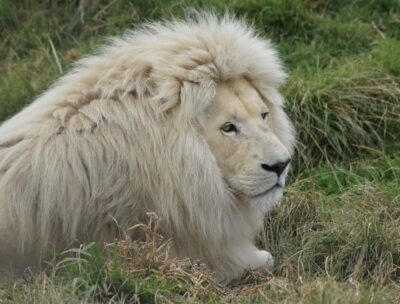
Schotia Safaris: Best Wildlife Encounters in Port Elizabeth
Read our review →