
REVIEW · WILDLIFE
Plettenberg Bay: Wild Cat and Wildlife Guided Tour
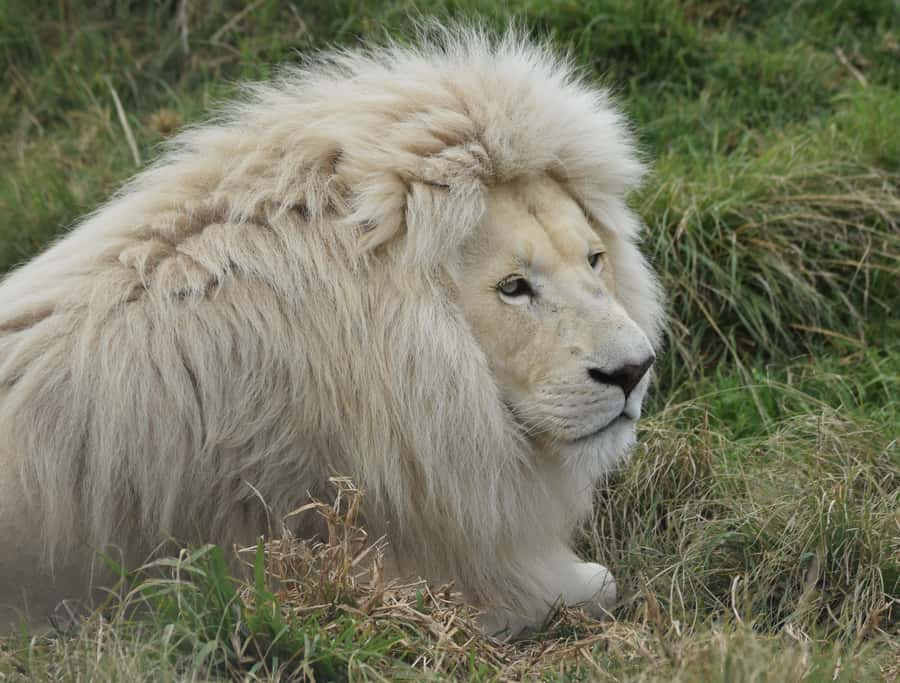
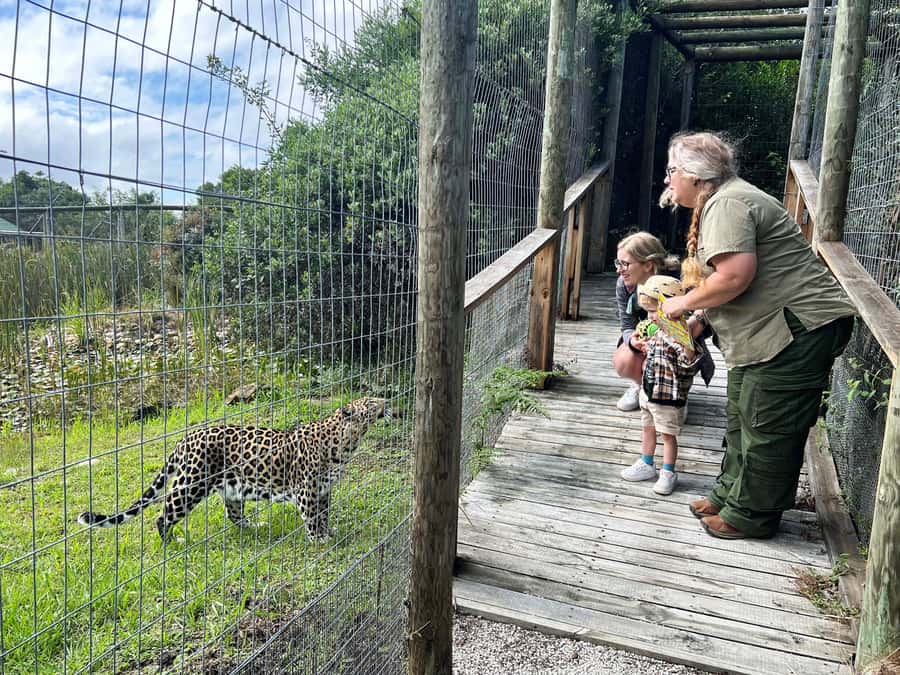
Wild cats are closer than you think. At Tenikwa Wildlife Rehabilitation & Awareness Centre, I like the chance to see lions, leopards, cheetahs, servals, caracals, and a white lion from a protected walkway. I also like that the visit explains why rescued animals remain in care, rather than treating them as props for photographs.
The main drawback is the short running time. The guided portion lasts about an hour, so the experience is focused rather than leisurely. You may also see the animals less clearly in poor weather, although one visitor still saw a full range of cats during steady rain. You cannot touch or feed the animals, and selfie sticks are not allowed.
In This Review
- Five things to know before you go
- Why Tenikwa makes a useful stop near Plettenberg Bay
- Reaching Tenikwa from the N2
- The first five minutes: safety before sightings
- The one-hour walk through the cat habitats
- What the guides add to the experience
- Photographing lions, leopards, and smaller cats
- The other wildlife: Blue Crane, meerkats, and marabou storks
- Shop, food, and the extra time to allow
- Is $27 a fair price?
- Who should book this wildlife tour?
- Should you book the Tenikwa cat tour?
- FAQ
- Where does the Wild Cat and Wildlife Guided Tour start?
- How do I reach Tenikwa?
- How long does the guided tour last?
- What animals can I see?
- Can I see a white lion?
- Can I touch or feed the animals?
- Is the tour suitable for wheelchair users?
- What should I bring?
- Is food included in the tour price?
Five things to know before you go
- The cats are viewed from a walkway: You get close views without entering the animals’ enclosures.
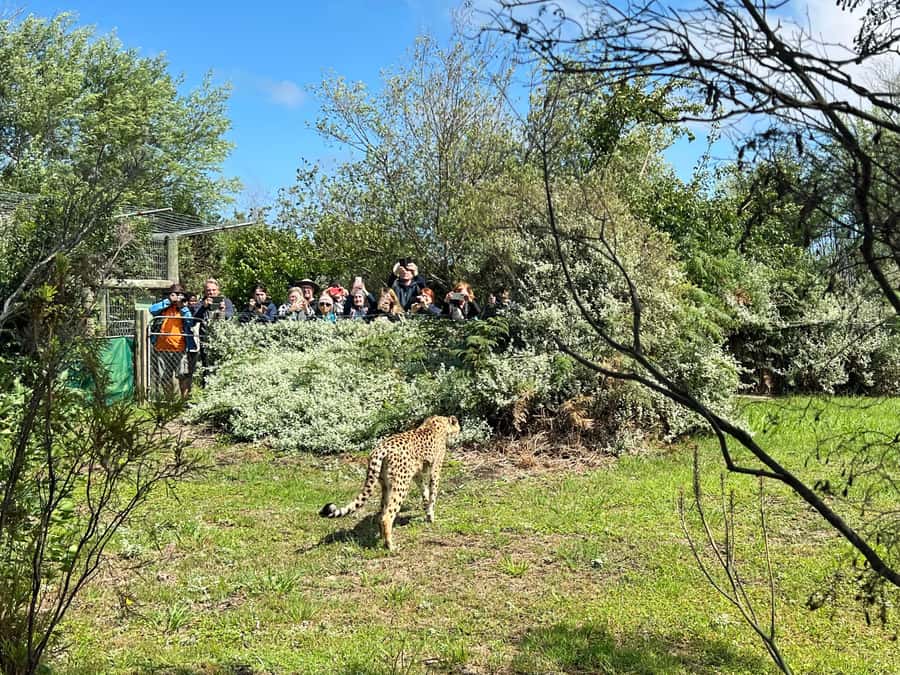
- The tour covers several species: Expect lions, leopards, cheetahs, servals, caracals, and African wildcats, plus other wildlife.
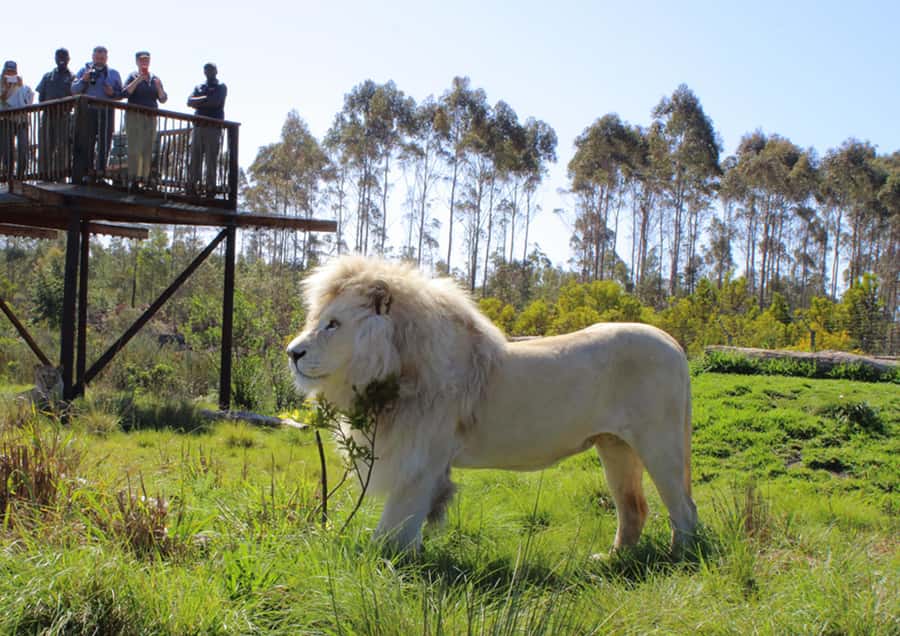
- The white lion is a major photo subject: Its unusual coloring makes it one of the center’s most memorable sights.
- The guide shapes the experience: Guides such as Wazi, Bongiwe, Davidson, and Daniel have been praised for clear explanations and care for the animals.
- The visit supports rehabilitation work: The focus is on rescued wildlife and public education, not feeding or handling animals.
- Plan for more than the tour time: Add time for the shop and a separate coffee, meal, or snack stop if you want to linger.
Why Tenikwa makes a useful stop near Plettenberg Bay
The Plettenberg Bay area is known for wildlife attractions, but this visit offers a more focused look at South Africa’s smaller and larger wild cats. Instead of waiting for a distant animal to appear on a game drive, you follow a guide through set habitats where animals in rehabilitation care can be observed from close range.
That difference matters. You are not promised a wild sighting or a dramatic chase. You are learning about animals that need long-term care, including individuals that cannot safely return to the wild. The center’s work gives the tour a clear purpose, and the explanations help you understand why a rescued lion or caracal may remain at a facility instead of being released.
I especially like the educational angle. A good guide does not simply point and name each animal. The guide explains how the center came to care for them, what makes each species different, and why human contact, feeding, and casual handling are not part of the visit.
The tour has earned a rating of 4.7 from 206 bookings, and the strongest praise centers on the staff. People regularly single out the guides’ patience, warmth, and animal care. That is important here because the guide is the person who turns a short walk past enclosures into a meaningful conservation experience.
More Garden Route trips:
- From Cape Town: 2-Day Safari at Garden Route Game Lodge
★ 4.8 · 928 reviews - Addo Elephant National Park All Inclusive Full-Day Safari
★ 4.8 · 872 reviews - Little Brak River: Botlierskop Guided Game Drive
★ 4.7 · 589 reviews
Reaching Tenikwa from the N2
Tenikwa Wildlife Rehabilitation & Awareness Centre is the meeting point. From the N2, follow the turnoff marked Tenikwa, Monkeyland, and Elephant Sanctuary. At Animal Alley, keep left toward the Tenikwa sign, then drive past Kurland Village.
At the fork, keep right for the Tenikwa entrance and check in at reception. Hotel pickup and drop-off are not included, so you need to arrange your own transport to the center.
The directions are specific enough to follow, but do not rush the approach. Several attractions share this access route, so pay attention to the signs rather than assuming every turn leads to Tenikwa. Comfortable shoes are the only listed item you need, but sensible walking footwear will make the habitat route easier.
The center is wheelchair accessible. If accessibility is important for your booking, it is still sensible to confirm the current route and meeting arrangements before setting out, since the supplied information confirms access but does not describe the exact surface or slope of every section.
The first five minutes: safety before sightings
The visit begins with a safety briefing of about five minutes. This is short, but it sets the ground rules that matter most around wild animals.
You are told how to behave near the enclosures and viewing walkways. The key limits are simple: do not touch or feed the animals, and do not bring a selfie stick. Those rules protect both you and the animals, and they help keep the visit from becoming a noisy photo session.
I see the briefing as part of the conservation lesson, not an administrative delay. Animals in rehabilitation need predictable surroundings. Keeping your distance, following instructions, and avoiding attempts to attract an animal’s attention are basic ways to support that work.
The one-hour walk through the cat habitats
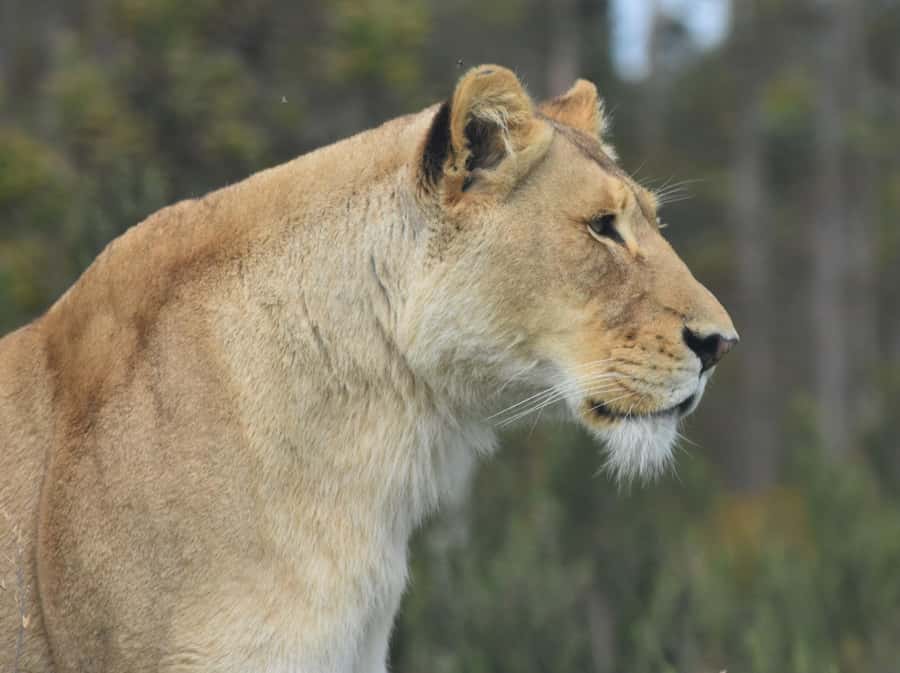
The main tour lasts one hour and is led in English. You move through the different habitats while the guide discusses the cats in care. The setup allows close viewing from within a walkway, giving you a much better chance at photographs than a distant roadside sighting.
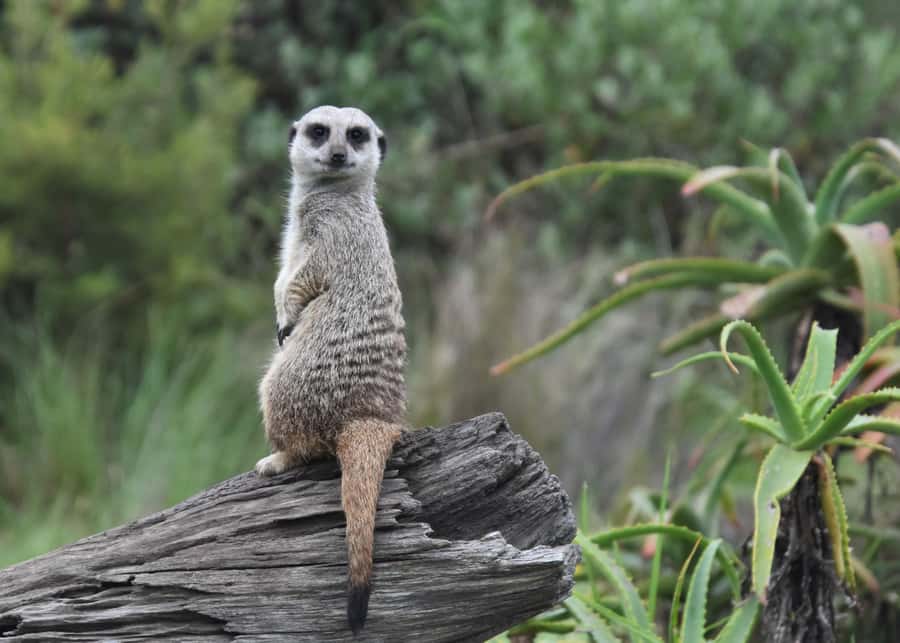
The exact animals you see can vary. The center highlights lions, leopards, cheetahs, servals, and caracals, along with African wildcat species and other local wildlife. You may also see meerkats, marabou storks, and the Blue Crane, South Africa’s national bird.
That variety makes the tour work well for families and first-time wildlife visitors. A lion may attract the most attention, but the smaller cats often reward a slower look. Servals and caracals have their own distinctive character, and the guide’s explanation gives you something to notice beyond size or color.
The white lion is one of the key sights. You should bring a camera, but keep your expectations sensible. Wildlife does not pose on command, and the quality of a photograph will depend on the animal’s position, the light, and the weather. You are close enough for strong photographs, but this is still a living-animal setting, not a studio.
One practical benefit of the guided format is that the guide actively looks for the cats and helps you understand what you are seeing. Davidson was praised for being patient and making a strong effort to help the group spot the animals. Another guide, Quirin, reportedly extended the visit by about 20 minutes while explaining the animals. That is not something you should count on, but it shows how much the quality of the guide can shape the pace.
A few more in Garden Route
- 5 Days Private Guided Tour in Garden Route
★ 5.0 · 4 reviews - Cape Town: Robben Island Ferry Ticket and Guided Prison Tour
★ 4.1 · 1,792 reviews - Soweto /Johannesburg and Apartheid Museum Guided Full Day Tour
★ 5.0 · 932 reviews - Cape Town: Table Mountain Hike with an Expert Guide
★ 4.9 · 666 reviews
What the guides add to the experience
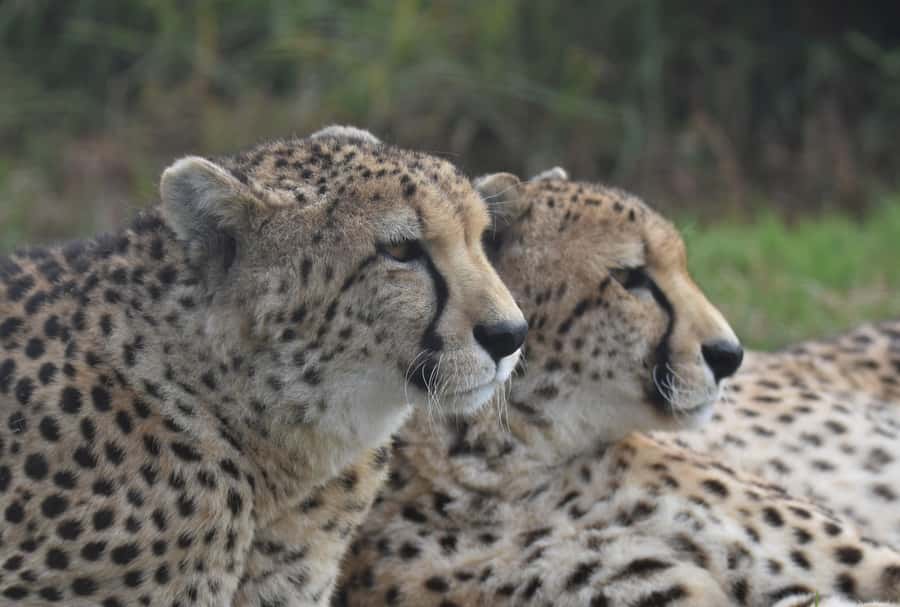
The center’s staff receive the most consistent praise. Wazi is described as friendly and helpful, while Bongiwe made a particularly strong impression on one family. Daniel was praised for his clear explanations and obvious care for the animals. One guide had worked at the center for 12 years and could answer detailed questions about the cats.
Those details matter because a one-hour tour can easily become a quick parade of enclosures. Here, the guide is expected to explain the center’s mission and the animals’ backgrounds. You learn why certain cats are in care and why rehabilitation does not always lead to release.
The strongest lesson is that rescue is not the same as a temporary holding period. Some animals have lived in situations that left them unable to survive independently. Returning them to the wild could put them at risk, so long-term care becomes the more responsible choice.
I also appreciate the tone described by several visitors. The guides are praised for being sympathetic, patient, and focused on the animals rather than on rushing people through. That does not guarantee that every guide will have the same style, but the repeated emphasis on staff care is a good reason to value the guided format.
For children, this teaching element can be especially useful. One family described an upgraded visit in which the guide made extra effort to help the children learn about the animals. Young children may remember the white lion, but the guide can help them understand why wildlife protection requires limits and patience.
Photographing lions, leopards, and smaller cats
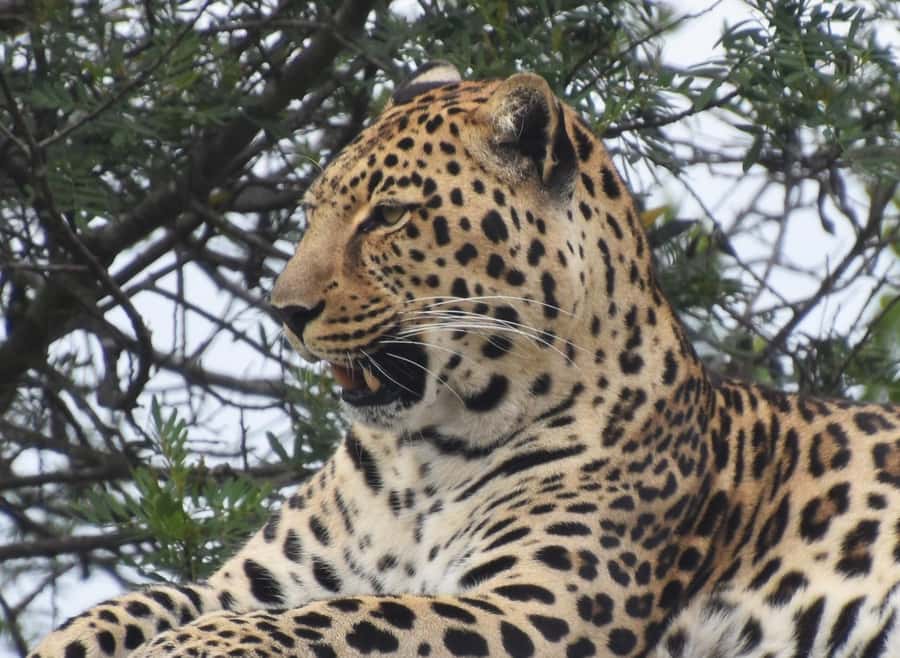
Photography is one of the main pleasures here. The walkway brings you close enough to frame the animals without a long lens being essential. You can photograph lions and leopards, look for the distinctive shapes of servals and caracals, and try for a good portrait of the white lion.
Still, the best approach is to treat the camera as a bonus. You may not get a perfect image of every species. Animals can be resting, moving away, or partly hidden, and the guide may need to keep the group moving.
Do not use a selfie stick. Do not tap on barriers, call to the animals, or try to make them look at you. The rules are not there to spoil your photograph. They are there so the animals can remain calm and the center can maintain a proper rehabilitation setting.
Rain does not automatically ruin the visit. A tour taken in steady rain still produced sightings of a range of cats. You should bring comfortable shoes and dress for changing conditions, but the decision to go in less-than-perfect weather may still pay off.
The other wildlife: Blue Crane, meerkats, and marabou storks
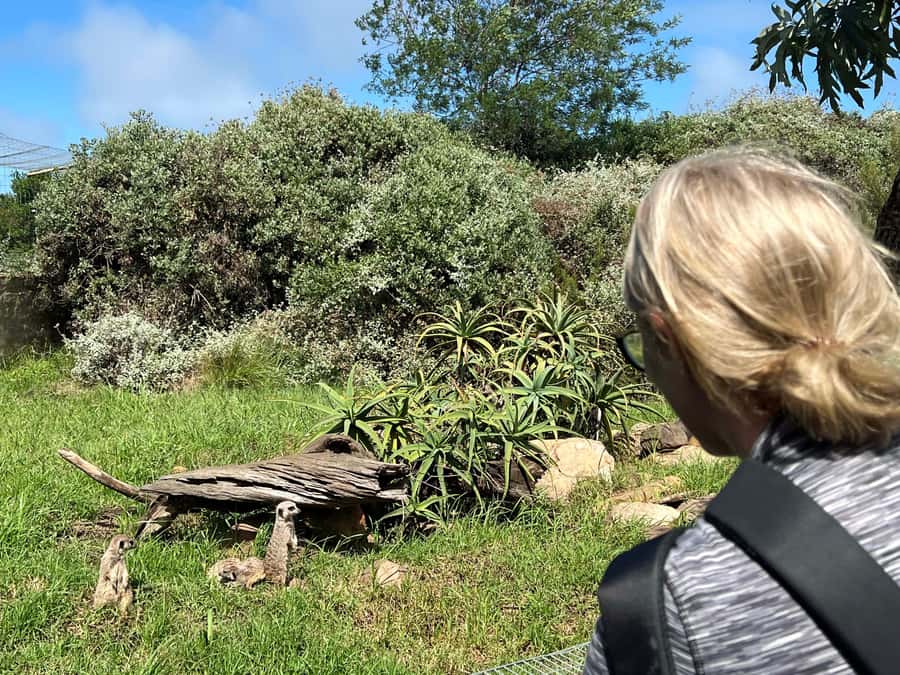
The cats are the headline act, but the other animals give the visit more range. Meerkats can appeal to children, while marabou storks add a striking bird encounter. The Blue Crane is especially meaningful because it is South Africa’s national bird.
These animals also support the center’s wider message. Wildlife care is not only about famous predators. Smaller species and birds are part of the same natural world, and seeing them alongside the cats gives the tour a broader South African focus.
You should not expect a full safari list in one hour. The value is in the chance to see several species in a compact setting while a guide explains the work behind their care.
Shop, food, and the extra time to allow
After the guided viewing, the schedule allows about 10 minutes for shopping. This is a chance to browse for a keepsake or support the center in another way, although the supplied information does not specify the exact products available.
A further 30 minutes is set aside for coffee, brunch, lunch, or local snacks. Food and drinks are not included in the $27 tour price, so plan to pay separately if you choose to eat. This extra time is useful if you are building a relaxed stop around the tour, but it is not part of the included one-hour guided experience.
I would allow at least the scheduled additional time beyond the cat walk. That prevents you from having to leave immediately after the final habitat and gives you space to browse or eat before continuing around Plettenberg Bay.
Is $27 a fair price?
At $27 per person, the tour offers good value if you want a short, guided introduction to South African wild cats. The price includes the one-hour tour and an English-speaking guide. You are paying for access to several species, close viewing from a walkway, and an explanation of the rehabilitation work.
It is not a substitute for a full safari. You will not spend several hours covering a large reserve, and the experience is based at one wildlife center. If your main goal is to see animals in open wilderness, you should pair this with a separate game drive or reserve visit.
For families, photographers, and anyone with limited time, the cost is easier to justify. You get a concentrated wildlife stop without committing half a day. The center’s rehabilitation purpose also gives the fee more meaning than a simple photo attraction, since your visit helps support an organization caring for rescued animals.
The main value comes from the staff. A poor guide would make the tour feel brief. A strong guide can make one hour feel full, especially when they explain the animals’ histories and answer questions. The repeated praise for Wazi, Bongiwe, Davidson, Daniel, and other staff suggests that guiding is a real strength.
Who should book this wildlife tour?
I would recommend it to families, first-time visitors to South African wildlife centers, amateur photographers, and anyone curious about wild cats but short on time. It also suits people who want a conservation message alongside their animal sightings.
It may not suit you if you want to touch or feed animals, take staged selfies, or spend a long time waiting for one particular species. The center keeps firm boundaries, and that is a positive sign for animal welfare, but it means the experience is observation only.
The tour is also a sensible choice for a mixed-age group. Children can enjoy the cats and meerkats, while adults can focus on rehabilitation and species information. Comfortable shoes and a little patience will improve the visit.
Should you book the Tenikwa cat tour?
Yes, if you want a compact, responsible wildlife experience near Plettenberg Bay. I like the close walkway viewing, the variety of wild cats, and the strong focus on animal care. The white lion offers a memorable visual highlight, while the guide’s stories provide the real substance.
Book it knowing that you are visiting a rehabilitation center, not a wild reserve. The one-hour format is concise, sightings are never fully predictable, and food costs extra. If those limits suit you, $27 is a reasonable price for a well-guided introduction to South Africa’s wild cats and the difficult work of caring for animals that cannot return to the wild.
FAQ
Where does the Wild Cat and Wildlife Guided Tour start?
The tour starts at Tenikwa Wildlife Rehabilitation & Awareness Centre near Plettenberg Bay, South Africa.
How do I reach Tenikwa?
Take the N2 turnoff signposted Tenikwa, Monkeyland, and Elephant Sanctuary. At Animal Alley, keep left toward Tenikwa, drive past Kurland Village, then keep right at the fork for the Tenikwa entrance and check in at reception.
How long does the guided tour last?
The guided wildlife portion lasts one hour. The schedule also includes about five minutes for a safety briefing, 10 minutes for shopping, and 30 minutes for coffee, brunch, lunch, or local snacks.
What animals can I see?
The tour includes South African wild cats such as lions, leopards, cheetahs, servals, and caracals. You may also see meerkats, marabou storks, the Blue Crane, and other local wildlife.
Can I see a white lion?
The experience specifically includes the chance to see and photograph a magnificent white lion.
Can I touch or feed the animals?
No. You can view the animals from close range within a walkway, but touching and feeding are not allowed.
Is the tour suitable for wheelchair users?
The experience is listed as wheelchair accessible.
What should I bring?
Bring comfortable shoes. Selfie sticks are not allowed.
Is food included in the tour price?
No. Food and drinks are not included. The schedule allows time for coffee, brunch, lunch, or local snacks, which you purchase separately.
Just added in Garden Route
- 1h15min surfing lessons in Victoria Bay & Wilderness★ 4.5 · 9 reviews
- Cango Caves Oudtshoorn Day Tour★ 5.0 · 5 reviews
- Garden Route Durban to Cape Town via Addo National Park – 7 Days★ 5.0 · 15 reviews
- 7-Day Garden Route & Wild Coast Cape Town to Durban Tour★ 5.0 · 2 reviews
- Cape Town to Durban & Garden Route – 7 day Private Safari★ 5.0 · 4 reviews
- Small Group 3 Day Garden Route Adventure from Cape Town★ 5.0 · 6 reviews
- Small Group 4 Day Garden Route Adventure from Cape Town★ 5.0 · 3 reviews
- Luxury 2-Day In & Out Garden Route Safari Tour★ 5.0 · 3 reviews
Wildlife, compared.
Big Five Game Reserve Wildlife Safari from Cape Town
Read our review →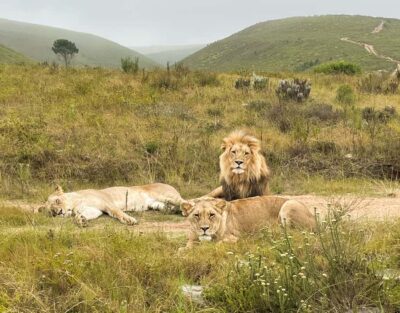
2 Day South African Wildlife Tour with 4×4 Safari from Cape Town
Read our review →
Schotia Safaris: Best Wildlife Encounters in Port Elizabeth
Read our review →
2-Day Wildlife Tour with Safaris and Luxury Stay
Read our review →Browse the lists this tour appears in