
REVIEW · CULTURAL VILLAGE TOURS
South Africa: Lesedi Cultural Village – Half-Day Tour
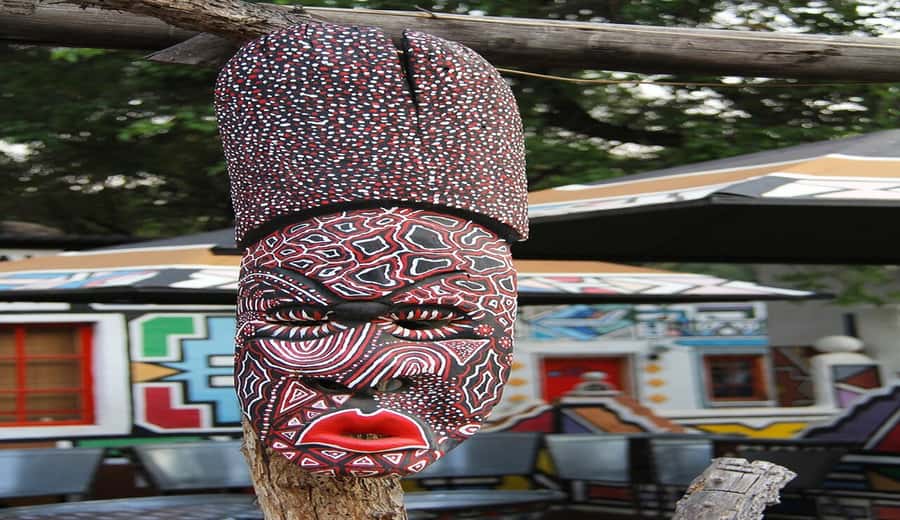
Five cultures meet in one half-day. Lesedi Cultural Village gives you a clear introduction to the Zulu, Xhosa, Pedi, Basotho, and Ndebele peoples through guided displays, stories, rituals, and traditional performances. I like the five-culture format, which makes this a useful first look at South Africa’s varied traditions rather than a visit focused on just one group.
I also like the practical service: hotel pickup, airport transfer, and a driver who can add helpful information during the journey. The main consideration is the $140 price, especially since food and drinks are not included. The five-hour schedule is tidy, but the experience moves at a steady pace and may feel introductory if you want long, detailed time with each culture.
In This Review
- Key points to know before you go
- Why Lesedi works as a first cultural stop
- The ride from Gauteng, Mpumalanga, or North West
- Your first 90 minutes inside Lesedi
- The break and the question of food
- The second 90-minute session: performances and tradition
- What the five cultural groups add
- Is $140 a fair price?
- Who should book this experience?
- Cancellation and planning details
- My verdict on Lesedi Cultural Village
- FAQ
- How long does the Lesedi Cultural Village tour last?
- Where can pickup and drop-off take place?
- How much time do you spend at Lesedi Cultural Village?
- Which cultural groups are included?
- Which languages may the guide speak?
- Is food included in the price?
- Is the tour wheelchair accessible?
- Can I cancel for a refund?
Key points to know before you go
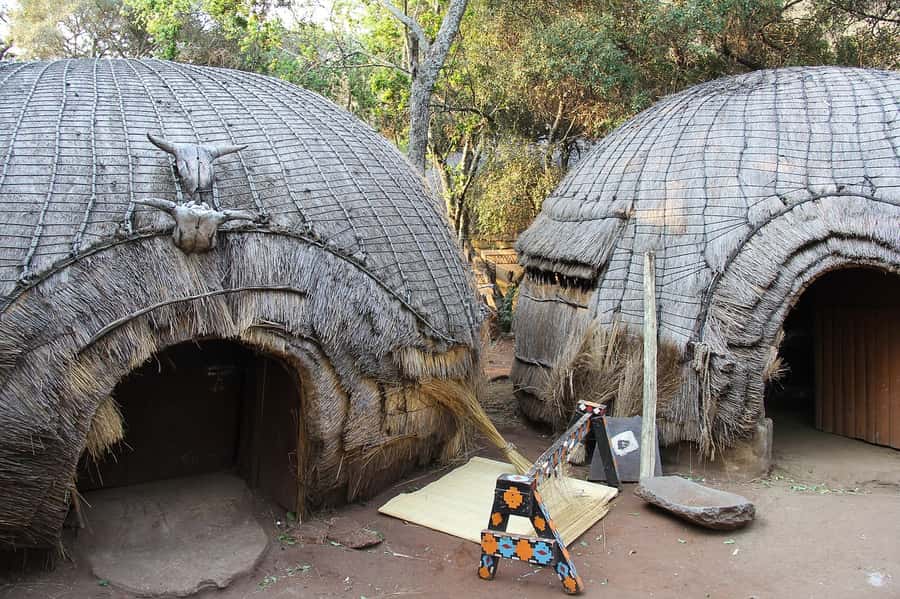
- Five cultural traditions in one visit: Learn about the Zulu, Xhosa, Pedi, Basotho, and Ndebele peoples in a single guided experience.
- A 90-minute round trip by coach: Pickup and drop-off are available in Gauteng, Mpumalanga, and North West.
- Three hours at Lesedi: The visit is split into two 90-minute guided sessions with a 30-minute break.
- Live multilingual guiding: Guides may speak English, Xhosa, Zulu, Setswana, or Sesotho.
- Performances are part of the visit: Traditional dances, cultural displays, storytelling, and rituals help bring the presentation to life.
- Useful for first-time visitors: You get a broad introduction to South Africa’s cultural groups without arranging several separate visits.
Why Lesedi works as a first cultural stop
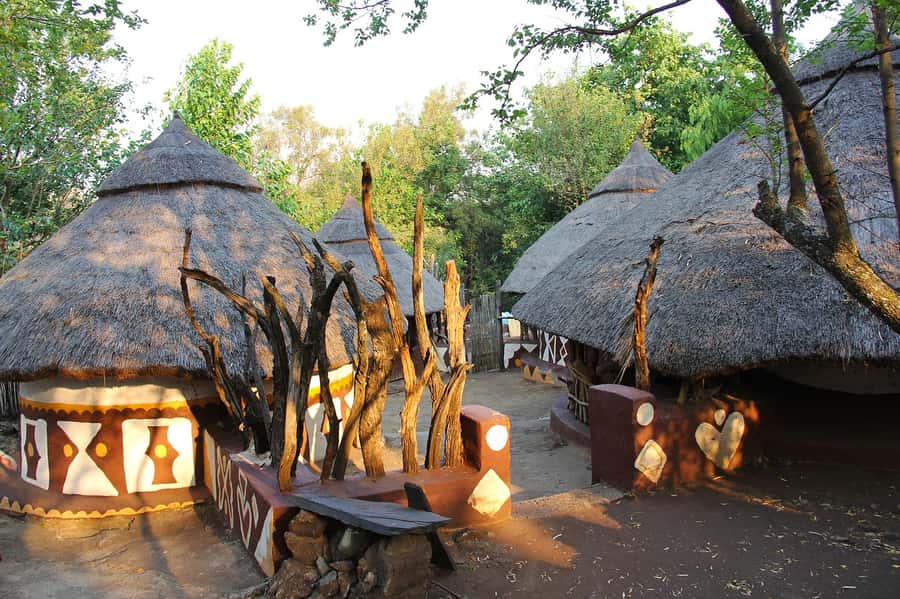
South Africa is not one single cultural story. The country includes many peoples, languages, customs, and family traditions, and it can be difficult to understand those differences during a short holiday. Lesedi Cultural Village offers a structured way to begin.
You move through presentations connected with five major ethnic groups: the Zulu, Xhosa, Pedi, Basotho, and Ndebele. The aim is not simply to look at buildings or costumes. You learn about lifestyles, languages, rituals, origins, and customs through a combination of guided explanation and performance.
I like that this format gives you comparisons. You can listen for differences in language and notice how each group presents its identity. A visit built around one community might offer more depth, but Lesedi gives you useful context across several traditions in a limited amount of time.
The experience is also easy to fit into a busy South Africa schedule. At five hours, it takes a morning or afternoon rather than an entire day. That makes it a practical choice if you are staying in Gauteng or combining cultural sightseeing with other plans.
More cultural village visits:
- Lesedi Cultural Village
★ 4.9 · 14 reviews - Lesedi Cultural Village, Sterkfontein Caves or Maropeng Mus
★ 5.0 · 10 reviews - Cradle of Humankind and Lesedi Cultural Village
★ 4.2 · 8 reviews
The ride from Gauteng, Mpumalanga, or North West
The coach journey takes about 45 minutes each way. Pickup and drop-off options are available in Gauteng, Mpumalanga, and North West, with the precise starting time depending on availability.
That transfer is more than a way to get from one place to another. Your tour guide and driver can provide information about South Africa during the ride, giving you some useful background before you arrive. One particularly positive detail from the experience is the driver’s punctuality and kindness. Patricia from Brazil praised the reliable hotel transfers and the driver’s habit of sharing information along the way.
That kind of service matters. A late pickup can eat into a half-day tour, while a friendly driver helps the day begin calmly. Still, you should confirm the pickup details carefully when booking, since the advertised areas are broad and the exact meeting point is not stated.
If you are using the airport transfer option, this can also be a convenient way to connect the cultural visit with your arrival or departure plans. I would still check the timing closely before adding a flight, since the tour itself includes road travel, two guided sections, and a break.
Your first 90 minutes inside Lesedi
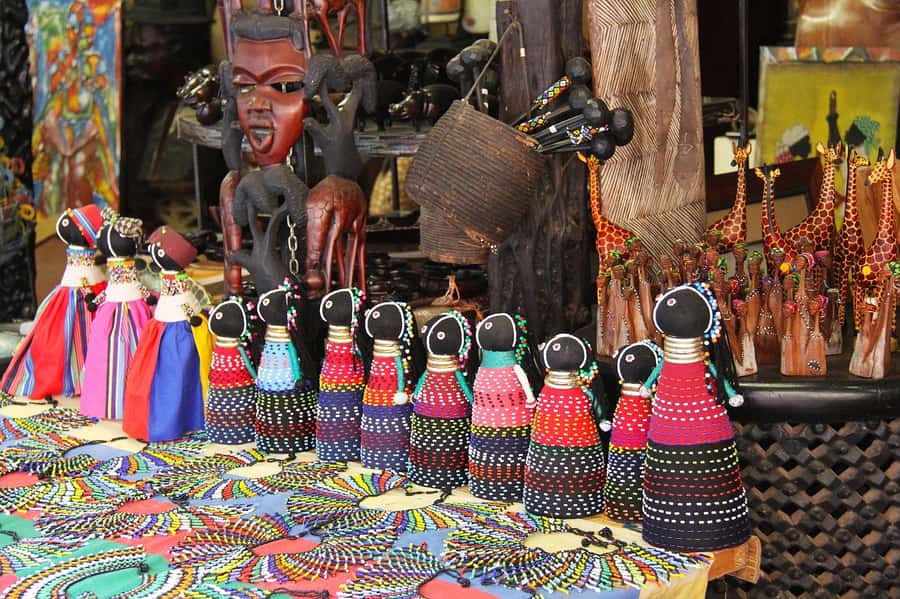
The first guided session lasts about 90 minutes. You can expect an introduction to the village and its cultural displays, followed by information about the groups represented there.
The opening portion is valuable because it gives you a framework. Instead of seeing a dance or ritual without context, you learn what it means and how it connects to a particular group. The stated focus includes origins, language, customs, and daily life, so listen for the details that show how identity is expressed in more than one way.
The five groups presented are:
- Zulu
- Xhosa
- Pedi
- Basotho
- Ndebele
Each name represents a different cultural tradition, and the guide helps place those traditions within South Africa’s wider story. The live guide may speak English, Xhosa, Zulu, Setswana, or Sesotho. English is useful for international visitors, while the other languages can give the presentation a stronger local connection.
The village uses guided displays and storytelling rather than leaving you to wander without explanation. That is a plus for anyone who wants meaning, not just photographs. It also helps families and first-time visitors follow the program without needing prior knowledge.
The possible drawback is pace. Ninety minutes is enough to introduce five groups, but not enough to explain every custom in great detail. I would approach this as a broad cultural orientation. If you already have a strong background in South African history and anthropology, you may want a more specialized experience afterward.
The break and the question of food
A 30-minute break separates the two guided sessions. This is a useful pause after a concentrated presentation, especially if you are visiting in warm weather or with children.
Food and drinks are not included in the tour price. The experience includes exposure to African cuisine and local flavors, but you should not assume that a meal or drink is covered in the $140 fee. Check what is available during the break and plan your budget accordingly.
This is one of the few areas where the value needs a close look. If food is an important part of your cultural visit, confirm the arrangements before paying. If you are mainly coming for the stories, performances, and cultural displays, the break simply gives you time to rest before the second session.
Comfortable clothing is the sensible choice. You will be out for several hours, and the tour operates rain or shine, so you should dress for the weather on the day. Alcohol and drugs are not allowed.
A few more in Hartbeespoort
- Hartbeespoort: 2-Hour Dam Cruise with South African Food
★ 4.4 · 621 reviews - Hartbeespoort: Predator Safari with a Guide
★ 4.8 · 267 reviews - Hartbeespoort Dam: 1 Hour Standard Scenic Boat Cruise
★ 4.0 · 147 reviews - Hartbeespoort: Lion and Safari Park Tour
★ 4.8 · 103 reviews
The second 90-minute session: performances and tradition
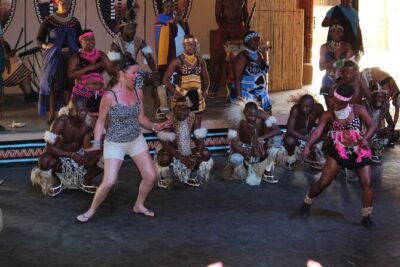
The second guided visit lasts another 90 minutes. This is where the experience’s performance element becomes especially important, with traditional dances and other presentations helping you see how cultural knowledge can be shared through movement, sound, and ceremony.
I like this balance between explanation and performance. A lecture can give you facts, but a dance or ritual offers a different kind of understanding. It shows how traditions are performed and remembered, rather than reducing culture to a list of dates and names.
You may also hear more about the social customs and rituals associated with the five groups. The exact sequence can vary, but the stated program includes storytelling, traditional activities, displays, and performances. The result is a presentation that aims to make the material approachable and memorable.
Keep your expectations sensible. Lesedi is designed as an accessible overview, not as a private research session with one community. The value comes from seeing several traditions together and gaining a starting point for further learning.
The best way to use this section is to pay attention to comparisons. Notice how the guide explains language, clothing, ceremony, music, and community life. Ask questions when there is an opportunity, especially if you want to understand a custom beyond the performance itself.
What the five cultural groups add
The selection of five groups gives the visit a clear shape, but it also raises an important point: no single village can represent every South African community or every part of a group’s identity.
The Zulu, Xhosa, Pedi, Basotho, and Ndebele traditions each have their own origins, languages, and customs. Seeing them together helps you understand that South African culture is varied. It also reminds you that a staged cultural presentation is an introduction, not the final word on a people.
The experience is particularly useful if you are visiting South Africa for the first time and want a starting point before exploring further. You may leave with a better sense of which traditions you want to learn about in more depth.
I would also value the guide’s language ability here. Presentations in English make the experience accessible, while Xhosa, Zulu, Setswana, and Sesotho can add a direct connection to the languages associated with the region and its communities.
Is $140 a fair price?
At $140 per person, this is not a cheap half-day outing. The price makes more sense if you are staying some distance away and need the included transportation, hotel pickup, or airport transfer. It also covers entry and a guide, so you are paying for convenience as well as the village visit.
The value is strongest for you if arranging independent transport would be difficult. Pickup and drop-off in Gauteng, Mpumalanga, and North West reduce the need to organize taxis, routes, and entrance arrangements separately.
The price is less attractive if you are already near Lesedi, do not need a transfer, and are mainly looking for a short performance. Since food and drinks are excluded, allow extra money if you want to eat or purchase refreshments.
I also recommend looking at the amount of guided time. You receive about three hours at the village, plus 90 minutes of transport. For someone who wants a broad cultural introduction with a simple door-to-door plan, that is reasonable. For someone seeking intimate, in-depth contact with one community, the cost may feel high for an overview.
The very small number of available ratings should also encourage a little caution. The experience has a five-star rating from two verified bookings, which is encouraging, but it is not enough evidence to predict every group’s experience. The strongest practical praise concerns the punctual and kind driver, along with the usefulness of the cultural overview.
Who should book this experience?
I would recommend Lesedi to first-time visitors, families, and anyone with limited time in the region. It gives you a guided introduction to five cultural groups without asking you to arrange several separate visits.
It is also a good fit if you value straightforward transport. The driver’s friendly service and South Africa information can make the 45-minute ride part of the experience rather than dead time.
You may especially enjoy it if you like:
- Traditional dance and cultural performance
- Guided storytelling
- Learning basic cultural context before independent sightseeing
- A structured half-day plan
- Hotel pickup and drop-off
- Hearing several South African languages
I would be more cautious if you want an unstructured visit, extensive time with one community, or a highly academic treatment of customs. The schedule is fixed, and the five-group format means the presentation cannot spend hours on every tradition.
The tour is wheelchair accessible, which adds practical value for visitors who need step-free access. Since it runs in all weather, comfortable clothing and suitable protection from rain or sun are wise choices.
Cancellation and planning details
You can cancel up to 24 hours before the experience for a full refund. You can also reserve now and pay later, which is helpful if your South Africa plans are still shifting.
Starting times depend on availability, so check the date carefully before booking. The activity lasts five hours from pickup through drop-off, and the exact pickup and return point should be confirmed for your area.
The tour is offered with a live guide in English, Xhosa, Zulu, Setswana, or Sesotho. If language is important to you, check which option is available for your chosen date.
My verdict on Lesedi Cultural Village
I would book this tour if I wanted a convenient, broad introduction to South Africa’s cultural groups. The combination of five traditions, guided storytelling, performances, and transport gives you a useful first layer of understanding in a manageable five-hour package.
The main caution is value. At $140, you should make use of the included transfers and guide. Food is extra, and the visit offers an overview rather than a long, personal study of one community.
Choose Lesedi when you want structure, cultural variety, and simple logistics. Skip it if you prefer to spend an entire day focused on one tradition or if the price is hard to justify without the transport service. For many first-time visitors, though, it is a practical way to begin seeing South Africa as a country of distinct peoples and languages, not one single cultural experience.
FAQ
How long does the Lesedi Cultural Village tour last?
The full experience lasts five hours, including transportation and the visit to Lesedi Cultural Village.
Where can pickup and drop-off take place?
Pickup and drop-off options are available in Gauteng, Mpumalanga, and North West. Confirm the exact meeting point when booking.
How much time do you spend at Lesedi Cultural Village?
The village visit includes two guided sessions of about 90 minutes each, separated by a 30-minute break.
Which cultural groups are included?
The experience introduces the Zulu, Xhosa, Pedi, Basotho, and Ndebele groups.
Which languages may the guide speak?
Live guides may speak English, Xhosa, Zulu, Setswana, or Sesotho.
Is food included in the price?
No. Food and drinks are not included, so plan to pay separately for anything you eat or drink.
Is the tour wheelchair accessible?
Yes, the activity is wheelchair accessible.
Can I cancel for a refund?
Yes. You can cancel up to 24 hours in advance for a full refund.
Just added in Hartbeespoort
- The Elephant and Monkey Sanctuary.★ 4.5 · 16 reviews
- Johannesburg: Hot Air Balloon Flight along Magalies Valley★ 5.0 · 11 reviews
- Lesedi Cultural Village★ 4.9 · 14 reviews
- Lesedi Cultural Village, Sterkfontein Caves or Maropeng Mus★ 5.0 · 10 reviews
- Johannesburg: Lesedi Cultural Village Guided Tour★ 5.0 · 2 reviews
- Johannesburg: Lion and Safari Park tour. Pick up Privately★ 5.0 · 3 reviews
- Johannesburg: Lesedi Cultural Village Show with Pickup★ 4.0 · 4 reviews
- Hartbeespoort Dam: 1 Hour Cruise & Sunday Buffet Lunch★ 4.2 · 21 reviews
Cultural Village Tours, compared.
Lesedi Cultural Village and Cradle of Humankind Tour
Read our review →
Durban City & PheZulu Cultural Village Day Tour from Durban
Read our review →
Phezulu Cultural Village & Reptile Park Day Tour from Durban
Read our review →
Browse the lists this tour appears in