
REVIEW · APARTHEID MUSEUM TOURS
Apartheid museum and Soweto. 5 hours Private tour.
History here is never far away. This private Johannesburg outing links the Apartheid Museum with Soweto, giving you a clear look at South Africa’s segregation system and the people who fought it. I like the flexible hotel pickup and the chance to travel with a private guide rather than a large group. I also like that the price includes transport, guiding, and entry to both the Apartheid Museum and Hector Pieterson Memorial. The main consideration is time: five hours is enough for a strong introduction, but not enough to explore every Soweto site in depth.
I would choose this tour for a first visit to Gauteng, especially if you want history explained in plain language. Guides such as Pile and Lutendo have been praised for their kindness, courtesy, and command of South African history. You should still expect a serious day, with difficult stories, emotional photographs, and films about racial classification, forced separation, and resistance.
In This Review
- Key points to know before booking
- Why the Apartheid Museum and Soweto belong together
- Starting from your hotel or chosen address
- The Apartheid Museum: the most important stop
- Mandela’s House and the Soweto connection
- Hector Pieterson Memorial and the story of 1976
- Seeing Soweto beyond one famous address
- Local food, drinks, and cultural contact
- The private guide is a major part of the value
- Is $67 a fair price?
- Who should book this experience?
- Should you book the Apartheid Museum and Soweto tour?
- FAQ
- How long does the private tour last?
- What does the tour price include?
- Is food included?
- Is entry to Mandela’s House included?
- Is entry to the Orlando Towers included?
- Where can pickup take place?
- Is the Apartheid Museum open every day?
- What language is the tour conducted in?
- Can I cancel the booking?
Key points to know before booking
- The Apartheid Museum is the heart of the experience: Entry is included, and the exhibits explain how people were classified by race and separated by law.
- Soweto adds the human setting: You see places tied to protest, community life, faith, and the long struggle against apartheid.
- Mandela’s House is a 20-minute photo stop: You can see the site, but entry to the house or Mandela museum is not included.
- Your guide makes a major difference: Pile and Lutendo have earned praise for being kind, well informed, helpful, and courteous.
- Private transport saves time: Pickup and drop-off are available from areas including Sandton, Rosebank, O.R. Tambo, Midrand, Fourways, and Lanseria.
- The tour suits history-minded visitors: Expect education and reflection first, with local food, drink, and cultural encounters available at your own expense.
Why the Apartheid Museum and Soweto belong together
You can visit the Apartheid Museum on its own, but pairing it with Soweto gives the subject a stronger shape. At the museum, you first learn how apartheid worked as a system. In Soweto, you see the township at the center of much of the opposition to that system.
The museum explains how South Africans were classified by colour and race. It shows how those labels affected where people could live, work, study, and travel. Films, photographs, documents, and personal accounts help you grasp that apartheid was not simply a matter of social prejudice. It was an organized system backed by law.
That distinction matters. You may arrive knowing that apartheid was unjust, but the museum helps you understand its daily mechanics. The experience can be painful, and it should be. This is not a light sightseeing stop that you rush through for a few photographs.
Soweto then gives the history a physical and cultural setting. The township was created as an area for Black South Africans during segregation. Over time, it became home to people from different cultural groups across the country and a major center of resistance.
The tour’s value comes from this contrast. One stop gives you the documents and wider national story. The other connects that story to homes, churches, memorials, public squares, and ordinary community life.
More Museums in Johannesburg
- Soweto /Johannesburg and Apartheid Museum Guided Full Day Tour
★ 5.0 · 932 reviews - Jo’berg in 1 Day: Soweto, Apartheid Museum & City Tour
★ 4.8 · 524 reviews - Johannesburg: Full-Day Tour with Soweto and Apartheid Museum
★ 4.8 · 478 reviews
Starting from your hotel or chosen address
Pickup is included from a wide range of locations. Listed options include Melrose, Lanseria, Midrand, Auckland Park, Rosebank, O.R. Tambo International Airport, Bryanston, Fourways, Rivonia, and Sandton.
You should wait in the hotel lobby or at the agreed address. The guide will have a name tag and tour information, which makes the meeting easier, especially if you are arriving from an airport or staying in a large hotel complex.
A private vehicle is a practical advantage here. Johannesburg and Soweto cover a broad area, and public transport would make this kind of half-day visit harder to manage. A private group also means you can ask questions as they arise and keep the experience focused on your interests.
The available information describes the vehicle as comfortable, and one highly positive assessment specifically praised the car as nice and comfortable. You receive one bottle of water, but bring extra if you prefer to stay well supplied during a day of driving and walking.
The Apartheid Museum: the most important stop
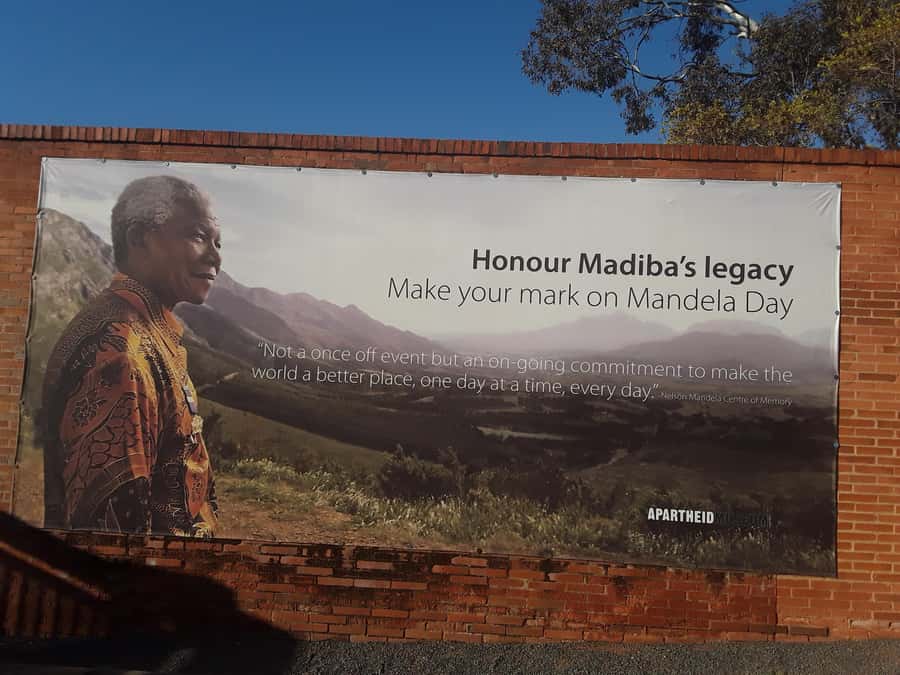
The Apartheid Museum is the main educational stop. Entry is included, and the tour is designed to help you understand the structure and damage of apartheid in detail.
Your visit may begin with the museum’s powerful classification theme. Under apartheid, people were assigned racial categories that shaped nearly every part of life. The exhibits help you see how a government turned race into paperwork, rules, barriers, and punishment.
The museum also uses video material to take you back to the period. That footage can be more affecting than a written explanation because you see the faces, protests, police action, and public tension of the time. Set aside enough attention for the films rather than treating them as background material.
I recommend moving at a thoughtful pace. Five hours includes transport, Soweto, and the museum, so you may not have time to read every panel. Still, do not let the schedule push you into racing through the main galleries. Ask your guide which sections deserve priority if your time is limited.
The museum can feel heavy. That is part of its purpose. You are likely to leave with a clearer understanding of how segregation damaged families, communities, and the country as a whole.
The closed days matter. The Apartheid Museum does not open on Mondays and Tuesdays, so choose another day when booking. This is the single most important scheduling point because the museum is central to the tour.
Mandela’s House and the Soweto connection
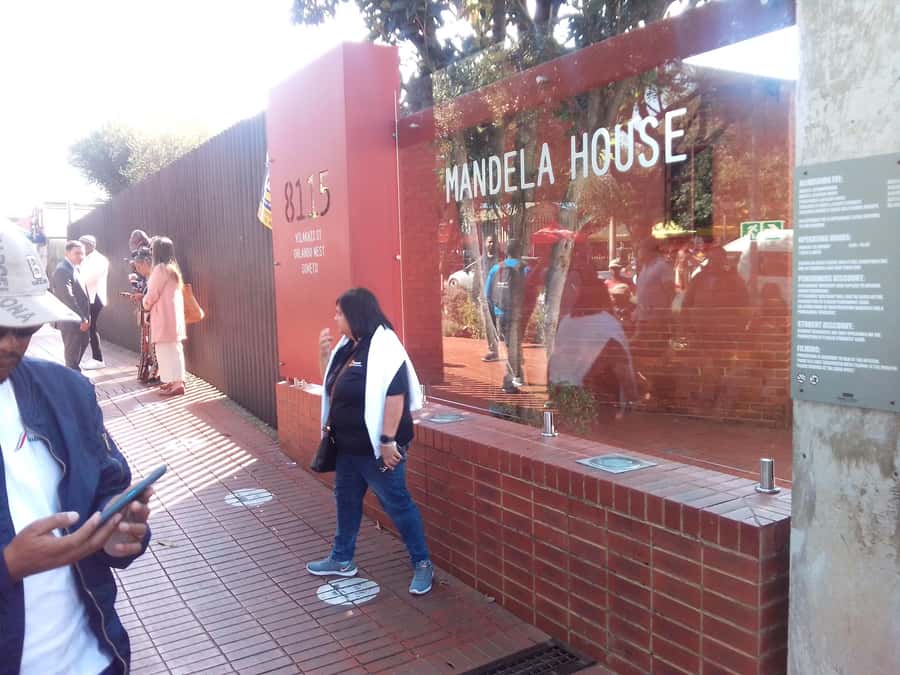
The itinerary includes a 20-minute photo stop at Mandela’s House. This gives you a short look at one of Soweto’s most important political and historical addresses.
Keep your expectations clear. Entry to Mandela’s museum or house is not included in the price. The stop is listed as a photo stop, so you should not assume you will receive an interior visit or a long guided tour inside.
Even a short stop can help you place Nelson Mandela within the wider Soweto story. The township was home to many activists and became a key engine of the struggle against apartheid. Mandela’s connection to the area is part of that larger network of homes, churches, schools, meetings, protests, and community action.
If seeing the inside of Mandela’s House is a priority, ask about the extra entry fee before the tour begins. The same applies if you want to add other paid attractions. The schedule is flexible, but the published inclusions do not cover every Soweto site.
More Soweto tours:
- Johannesburg: Hop-On Hop-Off Bus with Optional Soweto Tour
★ 4.6 · 985 reviews - Johannesburg Hop-On Hop-Off City Tour with Soweto Option
★ 4.5 · 768 reviews - Half-Day Tour of Soweto Tour
★ 4.5 · 712 reviews - Soweto: Walking Tour with a Local Guide and Lunch
★ 4.9 · 648 reviews
Hector Pieterson Memorial and the story of 1976
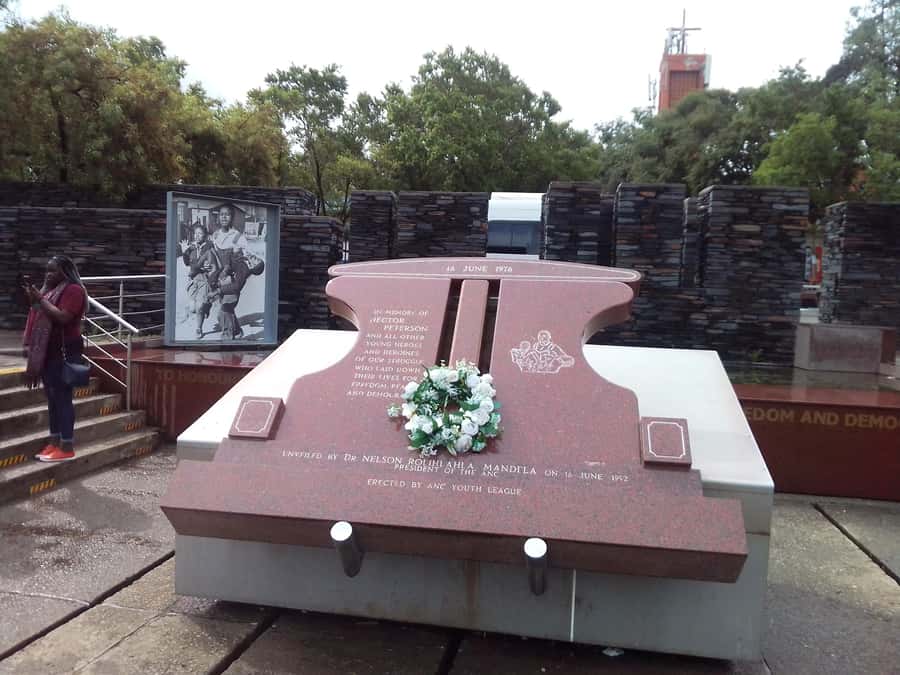
The Hector Pieterson Museum and Memorial is another included stop, with about 30 minutes set aside for sightseeing. It commemorates the 1976 Soweto uprising, when school students protested against the use of Afrikaans in education.
The site gives you a direct connection to young people who became part of one of the best-known chapters in the anti-apartheid struggle. The name Hector Pieterson became a symbol of the violence used against protesting students.
Half an hour is useful for an introduction, but it is not a long museum visit. If you like to read every display in detail, you may feel pressed. Use the time to focus on the central story, ask your guide questions, and note what you would like to revisit on a longer independent visit.
This stop also helps explain why Soweto is not simply a residential township included for atmosphere. It was a place where national political conflict reached schools, families, streets, and young people.
Seeing Soweto beyond one famous address
Soweto includes far more than Mandela’s House and the Hector Pieterson site. The tour may introduce you to the wider character of the township and its important landmarks, including Regina Mundi Church, Walter Sisulu Square of Dedication, Bara Hospital, the Orlando Towers, and the Hector Pieterson Memorial.
Not every attraction is included. Entry to the Orlando Towers is extra, and the Mandela museum is also excluded. Food, snacks, and drinks are not included either.
That arrangement keeps the basic price clear, but you should budget for extras if you want more than the included stops. Ask your guide what fits the available time. A private tour gives you more flexibility than a fixed coach excursion, yet five hours still places a firm limit on how many sites you can enter.
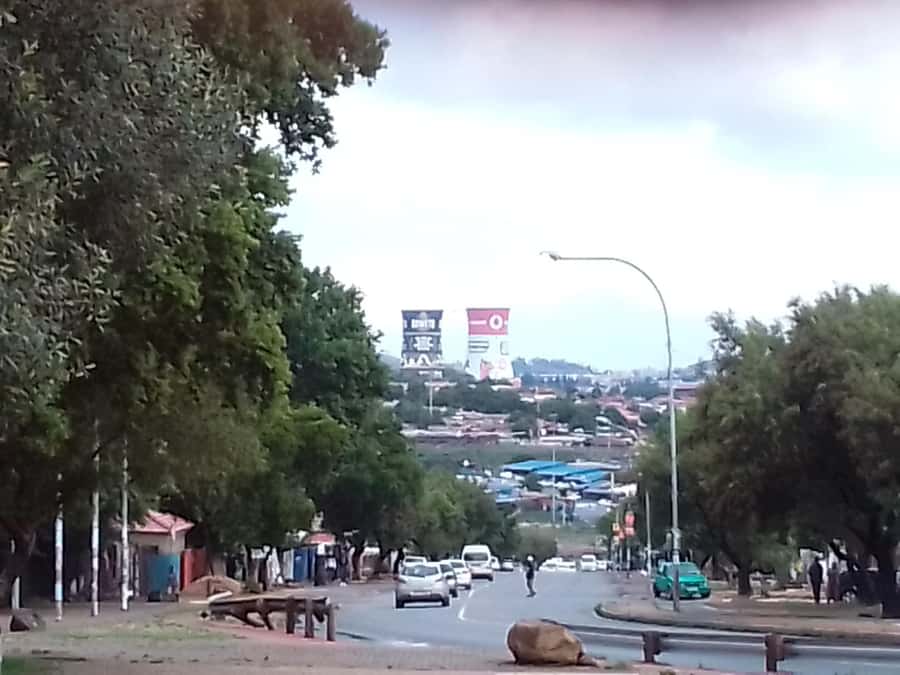
The Orlando Towers are a well-known visual marker of Soweto, while Walter Sisulu Square carries political importance. Regina Mundi Church is tied to community life and the struggle. Bara Hospital reflects the role of major public institutions in the township.
The appeal is not just collecting landmarks. You are seeing different faces of Soweto: political, religious, social, historical, and everyday. That broader view is more useful than a quick stop at one famous address.
Local food, drinks, and cultural contact
The experience allows time for contact with local culture, including food, drink, and cultural dancers. These parts are not included in the tour price, so you should carry cash or a credit card if you want to purchase something.
I like this optional approach because it lets you choose how much time and money to spend. Some people want a focused history tour. Others want to add a meal, taste local food, or spend more time with cultural performers.
Do not assume every food or dance activity is guaranteed as a fixed part of the five-hour schedule. The details describe these as possible cultural highlights rather than included meals or a set performance. Speak with the guide at the start if local food and drink are important to you.
A bottle of water is provided. Bring comfortable shoes, personal medication, a camera, and some cash. You may also want a passport or a copy, since the practical guidance for the experience asks you to bring identification.
The private guide is a major part of the value
The strongest praise for this experience centers on the guides. Pile has been described as an exceptional driver and guide. Lutendo has been praised for being kind, helpful, courteous, and highly informed about South Africa and beyond.
Those details matter because the subject is complex. A guide who can explain the connection between the museum, Soweto, Mandela, the student uprising, and local life adds far more than a driver who simply points out buildings.
The private format also gives you room to ask direct questions. You can ask about racial classification, township planning, local culture, or the role of a particular memorial. The tour is in English, and a live guide accompanies the group.
You should still follow the guide’s instructions. Alcohol and drugs are not allowed, alcoholic drinks cannot be consumed in the vehicle, and loud noise is prohibited. These rules fit the serious nature of the tour and help keep the vehicle comfortable for everyone in your private group.
Is $67 a fair price?
At about $67 per person, the value is good if you want a private, guided introduction to Johannesburg’s modern history. The fee includes transport, guiding, Apartheid Museum entry, Hector Pieterson Memorial entry, and one bottle of water.
You are not paying for a full day of meals or a long list of attraction tickets. Food, snacks, Mandela’s museum, and Orlando Towers are extra. For that reason, the price makes the most sense when you value convenience and interpretation rather than trying to fit in every paid site.
Airport pickup can also improve the value for visitors with limited time in Gauteng. The available pickup points include O.R. Tambo and Lanseria, along with major Johannesburg suburbs. Confirm the pickup location and start time before booking so the schedule works with your accommodation or flight plans.
The experience is advertised as a five-hour private tour, while the booking information also labels the duration as one day. I would plan around five hours and confirm the exact starting time when you check availability. That avoids expecting a full-day program when the actual route is built as a compact visit.
Who should book this experience?
I would recommend it to first-time visitors who want a serious introduction to South African history without arranging several separate transfers. It suits couples, families, and small private groups who prefer their own vehicle and guide.
It is also a good choice if you want to combine education with local culture. You can learn at the museum, see major Soweto sites, and decide whether to spend extra on food, drinks, dancing, or additional entries.
You may want a longer or more specialized visit if you prefer to read every museum panel, enter every landmark, or spend a full day in Soweto. The schedule offers a useful overview, but it cannot cover the entire township in detail.
The tour is wheelchair accessible, though you should still discuss your exact needs with the provider before arrival. It is not suitable for people over 95, according to the stated restrictions.
Should you book the Apartheid Museum and Soweto tour?
Book it if you want history, context, and private transport in one efficient outing. The included museum entries make the price reasonable, and the praised guides, especially Pile and Lutendo, appear to be a real strength.
Book on a day other than Monday or Tuesday, wear comfortable shoes, and carry money for food, snacks, and optional entries. Go with an open mind. This is a serious look at apartheid and its effects, balanced by the living culture and community life of Soweto.
If your priority is a relaxed sightseeing drive with little emotional weight, choose something lighter. If you want to understand Johannesburg through its past and present, this private tour is a strong choice.
FAQ
How long does the private tour last?
The experience is described as a five-hour private tour. The booking information also displays a one-day duration, so confirm the available start time and schedule when booking.
What does the tour price include?
The price includes transport, guiding, entry to the Apartheid Museum, entry to the Hector Pieterson Memorial, and one bottle of water.
Is food included?
No. Food, snacks, and drinks beyond the provided bottle of water are not included.
Is entry to Mandela’s House included?
No. Mandela’s House is listed as a 20-minute photo stop, while entry to the Mandela museum or house is not included.
Is entry to the Orlando Towers included?
No. Entry to the Orlando Towers is not included in the tour price.
Where can pickup take place?
Pickup is available from listed areas including Melrose, Lanseria, Midrand, Auckland Park, Rosebank, O.R. Tambo, Bryanston, Fourways, Rivonia, and Sandton. You should wait at your hotel lobby or agreed address.
Is the Apartheid Museum open every day?
No. The Apartheid Museum is closed on Mondays and Tuesdays.
What language is the tour conducted in?
The tour is conducted in English with a live guide.
Can I cancel the booking?
You can cancel up to 24 hours in advance for a full refund. You can also reserve now and pay later.
More Apartheid Museum Tours
- Full-Day Soweto, Apartheid Museum and Lunch Tour
★ 5.0 · 410 reviews - Half Guided Day Tour of Soweto And Apartheid Museum
★ 5.0 · 356 reviews - Ultimate Johannesburg Soweto Experience with Apartheid Museum
★ 5.0 · 313 reviews - Soweto: Hop-On Hop-Off Bus, City Tour and Apartheid Museum
★ 4.5 · 250 reviews
Just added in Johannesburg
- Pretoria Capital City Tour Experience★ 5.0 · 24 reviews
- 4 Day Kruger National Park Tour★ 5.0 · 30 reviews
- Johannesburg e-scooter experience★ 5.0 · 38 reviews
- Johannesburg Street Art & Museum Walking or E-scooter Tour★ 4.5 · 10 reviews
- Big 5 Safari Experience at Pilanesberg National Park★ 5.0 · 16 reviews
- Drakensberg Mountains. Tugela Gorge and Amphitheater Hike★ 5.0 · 7 reviews
- Apartheid Museum Tour from Johannesburg★ 4.5 · 14 reviews
- Arrival Private Transfer: Tambo Airport JNB to Johannesburg in Business Car★ 4.0 · 5 reviews
Apartheid Museum Tours, compared.

Soweto /Johannesburg and Apartheid Museum Guided Full Day Tour
Read our review →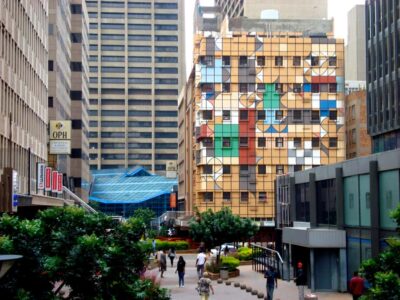
Jo’berg in 1 Day: Soweto, Apartheid Museum & City Tour
Read our review →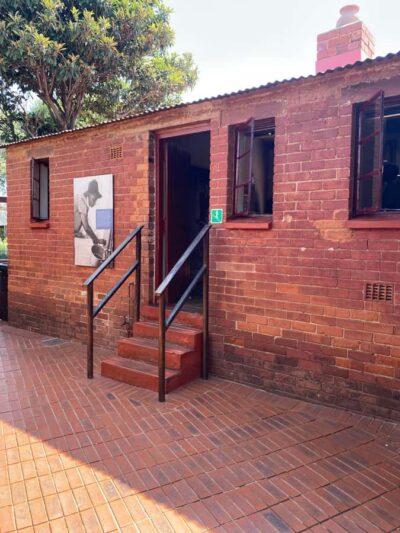
Full-Day Tour with Soweto and Apartheid Museum
Read our review →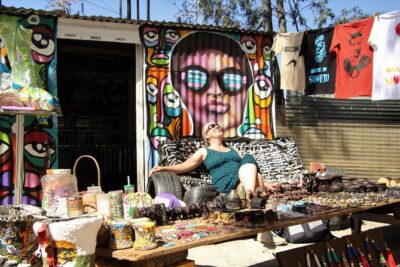
Full-Day Soweto, Apartheid Museum and Lunch Tour
Read our review →
Half Guided Day Tour of Soweto And Apartheid Museum
Read our review →
Ultimate Johannesburg Soweto Experience with Apartheid Museum
Read our review →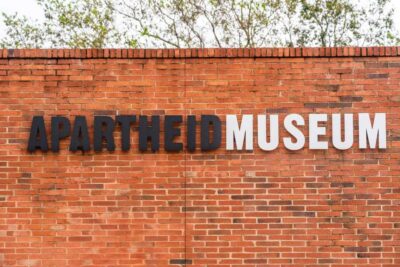
Hop-On Hop-Off Bus, City Tour and Apartheid Museum
Read our review →
Johannesburg and Soweto Apartheid Full Day Tour w/Lunch
Read our review →Browse the lists this tour appears in