

REVIEW · APARTHEID MUSEUM TOURS
Apartheid Museum & Soweto Tour with Hotel Pickup
History feels close here. This five-hour Soweto and Apartheid Museum tour links major South African landmarks with everyday neighborhoods, and I like the local perspective offered by guides such as Thabang, Neo, and Tsalanang. I also like that hotel pickup, museum admission, bottled water, and return transport are included.
The main consideration is pace. You cover a lot in half a day, mostly by vehicle, with some walking in the sun. Entry to the Mandela House, Hector Pieterson Museum, meals, drinks, and souvenirs cost extra, so bring comfortable shoes, water, a hat, and sunscreen.
In This Review
- Key points to know before booking
- Why this Soweto tour is worth your half-day
- Starting at the Apartheid Museum
- FNB Stadium and the public face of Soweto
- Diepkloof and the changing meaning of housing
- Chris Hani Baragwanath Hospital and the scale of the community
- The Soweto Towers and the changing skyline
- Walking Vilakazi Street
- The Hector Pieterson Memorial and the 1976 uprising
- What the guide adds to the experience
- Price, timing, and what you receive
- Practical advice for a comfortable visit
- Who should book this Soweto experience?
- Should you book it?
- FAQ
- How long does the Apartheid Museum and Soweto tour last?
- Is hotel pickup included?
- Is entry to the Apartheid Museum included?
- Is entry to Mandela House included?
- Is entry to the Hector Pieterson Museum included?
- Which language is the tour offered in?
- What should I bring?
- Is the tour suitable for wheelchair users?
- Can I cancel the booking?
Key points to know before booking
- Local guides make the difference: Guides including Thabang and Tsalanang grew up in Soweto, giving the tour personal context alongside formal history.
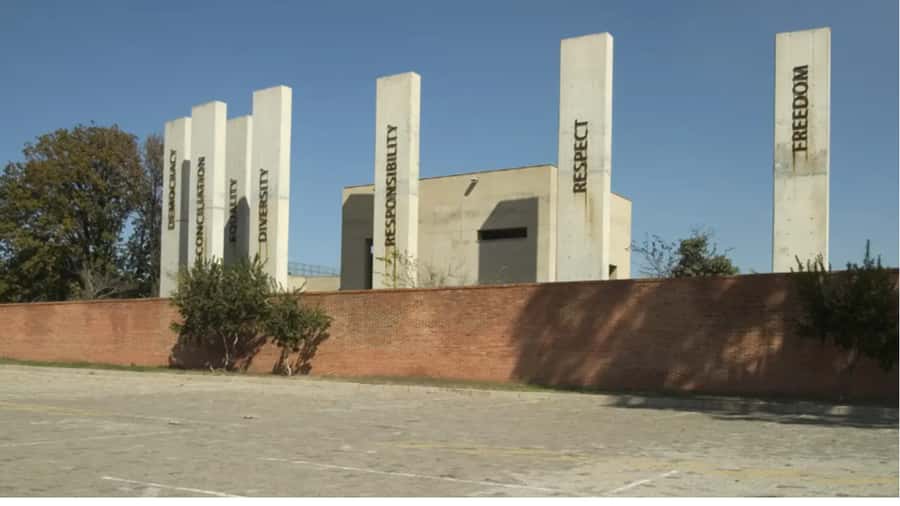
- The Apartheid Museum is included: This is the main indoor stop and explains apartheid from its introduction in 1948 through its end in 1994.
- Soweto is shown in several forms: You pass upper-income, middle-income, and lower-income areas rather than seeing only the famous sights.
- Vilakazi Street connects major names: The street was home to Nelson Mandela and Archbishop Desmond Tutu, both Nobel Peace Prize winners.
- The tour lasts five hours: That is enough time for a broad introduction, but not enough for long museum visits or a slow neighborhood walk.
- Some headline attractions are exterior visits: You view Mandela House from outside, and the Mandela House and Hector Pieterson museums are not included in the price.
Why this Soweto tour is worth your half-day
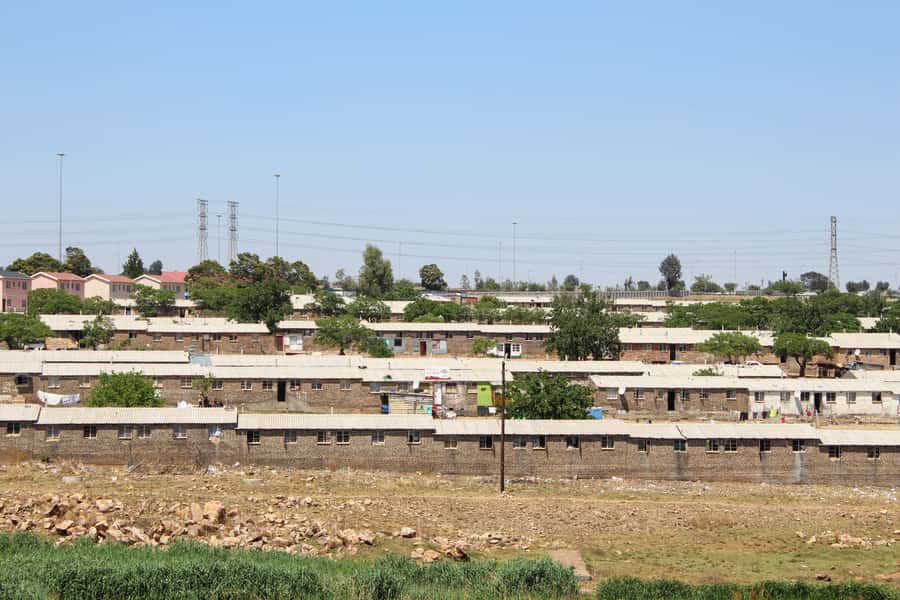
Soweto is not one single type of place. It includes different kinds of housing, busy roads, famous landmarks, family homes, converted hostels, and neighborhoods with very different economic conditions. A good tour needs to explain those contrasts without reducing the township to a collection of poverty images.
This experience aims to do that. You travel through Soweto by vehicle, then get out for selected walks and stops. The strongest part is the chance to ask questions as you go. Guides who were born or raised in Soweto can explain the difference between what you see in a guidebook and how the area functions as a living community.
I especially value the personal approach associated with Thabang, who is from Soweto and has guided many of the tours. Tsalanang is also described as a local guide who shares personal memories and explains the history of different neighborhoods. Neo receives praise for making the tour feel both educational and personal.
That local connection matters. Soweto is often treated as a quick sightseeing stop from Johannesburg, but its history is tied to forced removals, migrant labor, segregation, student protest, and the long effort to build ordinary family life under difficult conditions. You get more from the visit when those subjects are explained with care.
More Museums in Johannesburg
- Soweto /Johannesburg and Apartheid Museum Guided Full Day Tour
★ 5.0 · 932 reviews - Jo’berg in 1 Day: Soweto, Apartheid Museum & City Tour
★ 4.8 · 524 reviews - Johannesburg: Full-Day Tour with Soweto and Apartheid Museum
★ 4.8 · 478 reviews
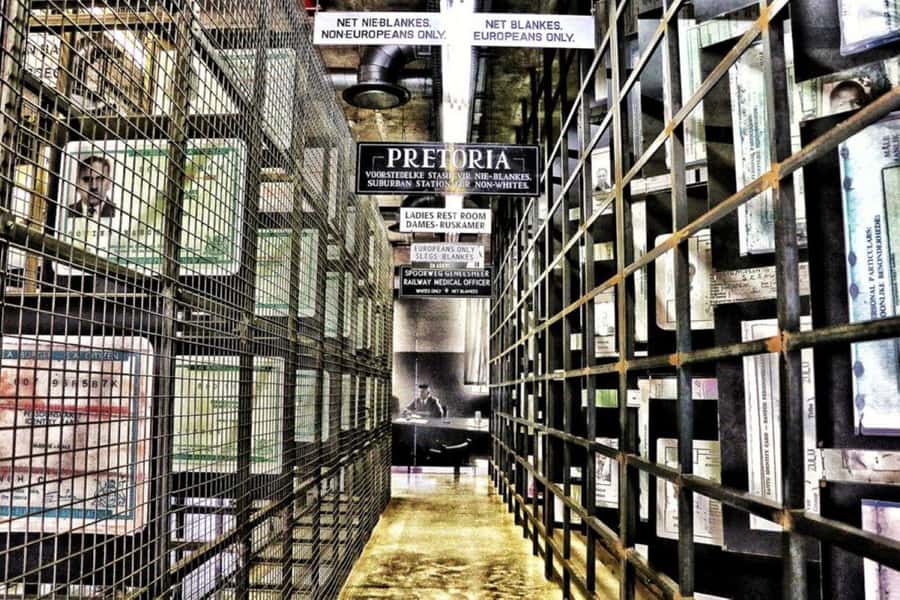
Starting at the Apartheid Museum
The Apartheid Museum is the tour’s most important formal history stop. It traces the rise and fall of apartheid, the system of racial segregation enforced in South Africa from 1948 until 1994.
The museum gives you a structured starting point before you drive through Soweto. That order helps. Instead of seeing a former hostel or a protest memorial as an isolated sight, you have already begun to understand the laws and policies that shaped daily life.
Expect material that deals with segregation, political control, resistance, and the end of apartheid. The museum is not a light introduction, so allow yourself time to absorb what you see. The full tour lasts five hours, and the museum is only one part of the schedule, which means your visit may feel more like an overview than a full morning spent inside every display.
Admission is included, which improves the value of the $91 price. You do not need to buy a separate ticket for this central part of the experience. Flash photography is not allowed, and smoking is not allowed during the activity.
FNB Stadium and the public face of Soweto

The tour stops at or passes the FNB Stadium, known for hosting the final of the 2010 Soccer World Cup. For football fans, this is an easy highlight. For everyone else, it gives you a sense of the scale and international attention connected with Johannesburg and Soweto.
The stadium is presented as a viewing stop rather than a stadium tour. You should not expect access to the seating areas or behind-the-scenes spaces based on the information provided. Still, it is a useful landmark early in the Soweto portion of the day.
This stop also helps show that Soweto is not defined only by apartheid-era history. It is connected to major sports events, public celebrations, music, politics, and modern city life. Your guide can place the stadium within that wider picture.
Diepkloof and the changing meaning of housing
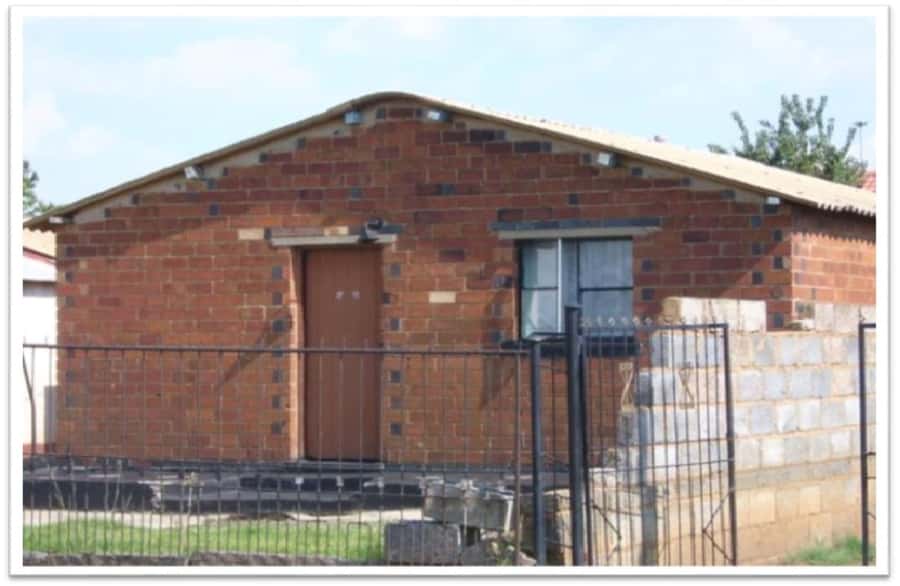
The Soweto drive begins in Diepkloof, where the guide discusses different kinds of housing. This is one of the most useful parts of the itinerary because it moves beyond famous names and focuses on how people live.
You may see a mix of housing types and neighborhood conditions as the tour continues. The goal is not simply to point out buildings, but to explain why these areas developed as they did. The guides are particularly praised for showing more than the standard tourist route, including upper-income, middle-income, and lower-income parts of Soweto.
That range makes the experience more honest. If you see only one section, you can leave with a narrow picture. Here, the housing discussion gives you a better sense of the township’s size and variety.
You also drive past former hostels built for migrant labor. These buildings have been changed into informal family units. That detail is important because it shows how spaces created for a temporary labor system have been adapted for family life.
The stop is mainly observational, with explanation from the guide. You are not promised entry into private homes or a staged home visit. That is a positive point for respectful sightseeing, but it also means you should expect to learn through conversation and viewing rather than through a formal interior tour.
More Soweto tours:
- Johannesburg: Hop-On Hop-Off Bus with Optional Soweto Tour
★ 4.6 · 985 reviews - Johannesburg Hop-On Hop-Off City Tour with Soweto Option
★ 4.5 · 768 reviews - Half-Day Tour of Soweto Tour
★ 4.5 · 712 reviews - Soweto: Walking Tour with a Local Guide and Lunch
★ 4.9 · 648 reviews
Chris Hani Baragwanath Hospital and the scale of the community
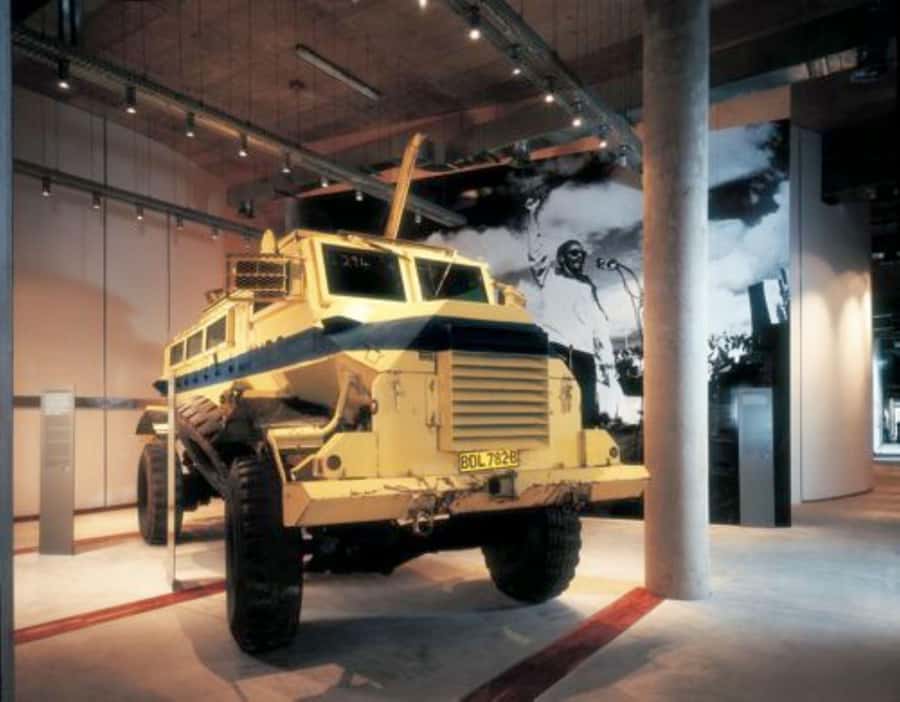
The route passes Chris Hani Baragwanath Hospital, described as one of the largest hospitals in the world. This is a drive-by landmark, not a medical facility visit.
Its place on the route helps you understand that Soweto is a major community with large public institutions, not simply a historic district. The hospital is part of the area’s working infrastructure and gives the drive a practical, present-day focus.
Do not expect a long stop here. The value comes from the guide’s explanation and from seeing how the township connects to essential services. This is one reason the tour works better with a local guide than with a simple sightseeing bus. A building name alone tells you little. Its role in the area tells you much more.
The Soweto Towers and the changing skyline
The Soweto Towers are now one of the township’s best-known landmarks. Their bold appearance makes them easy to recognize, and the stop gives you a clear photo opportunity.
The towers also show how old industrial structures can take on a new public identity. The itinerary identifies them as a landmark of Soweto, rather than promising a climb or an activity at the site. You should therefore treat this as a viewing stop unless your guide tells you otherwise.
I like this part of the route because it breaks up the heavier historical material. The museum and memorial deal with painful subjects. The towers offer a more modern symbol and remind you that Soweto continues to change.
Walking Vilakazi Street
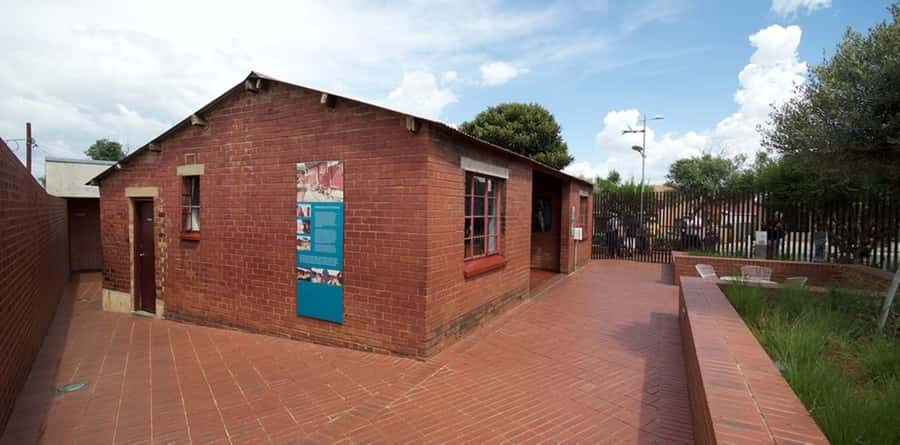
Vilakazi Street is the best-known walking section of the tour. It was home to Nelson Mandela and Archbishop Desmond Tutu, two Nobel Peace Prize winners. Few streets can make that claim, and the connection gives the area unusual political and historical weight.
The walk lets you move at street level instead of viewing everything through a vehicle window. You may have time for souvenir shopping, so bring a little spending money if you want something to take home. Souvenirs are not included in the price.
Mandela House is viewed from outside. Entry to the Mandela House Museum is not part of this tour, so you should not book this experience expecting an interior museum visit. That is an important distinction. If seeing the inside of the house is a priority, you will need to arrange and pay for that separately.
Vilakazi Street can feel more visitor-focused than the residential parts of Soweto. That is not a flaw, but it is worth knowing. The benefit is easy access to major historical associations and a manageable walking stop. The tradeoff is that the street cannot represent every side of Soweto on its own.
The Hector Pieterson Memorial and the 1976 uprising

The Hector Pieterson Memorial provides an overview of the 1976 Soweto Student Uprising. This is one of the most emotionally serious stops on the tour.
The uprising began with student opposition to the use of Afrikaans in schools and became a major turning point in the struggle against apartheid. The memorial helps connect student protest with the wider political history introduced at the Apartheid Museum.
The itinerary specifies a visit to the memorial, but not admission to the Hector Pieterson Museum. That museum entry is excluded. You should budget extra only if you want to add it, and you should also consider the five-hour schedule before doing so. A separate museum visit may require more time than this tour allows.
This stop is best approached with attention and respect. It is not simply a photo stop. Comfortable shoes still matter, but the more important preparation is emotional: the subject is difficult, and a thoughtful guide can help you understand why the events remain so important.
What the guide adds to the experience

The guide may be the biggest reason to choose this tour over a basic bus route. Thabang is repeatedly praised for his warm manner, personal knowledge, and ability to answer questions. Tsalanang is described as sharing his own experiences of growing up in Soweto and explaining different neighborhoods with care.
That does not mean every departure will have the same guide. The listed language is English, and the named guides come from the company’s recent guiding team. You can reasonably expect an English-speaking guide, but you should not assume that a specific guide is guaranteed unless the operator confirms it.
The strongest guiding style here appears to be interactive rather than scripted. You get the official story at the Apartheid Museum, then local interpretation during the drive. That mix helps you see Soweto as both a historic place and a current home.
A good guide also makes it easier to ask questions about housing, family life, public services, and the difference between various parts of the township. That is where this experience seems to go beyond a jump on, jump off outing.
Price, timing, and what you receive
At $91 per person, the tour is not the cheapest way to see Soweto, but the price includes several useful elements: pickup and drop-off at your residence, entry to the Apartheid Museum, the five-hour guided program, and bottled water.
Private or very small groups may get more time with the guide, but group size is not specified, so do not book on the assumption that you will have a private tour. One recent booking involved only a couple and their guide, though that may not be typical.
The value is strongest if you have limited time in Johannesburg and want transport, a major museum, and a guided introduction in one half-day. It is less suitable if you want long, unhurried visits to several museums or extensive walking through Soweto.
The tour has free cancellation up to 24 hours before departure, and you can reserve now and pay later. That gives you useful flexibility, especially when building a Johannesburg schedule.
Practical advice for a comfortable visit
Wear shoes you can walk in. The activity includes walking at Vilakazi Street and other stops, and the itinerary specifically warns that it is not suitable for people with back problems or wheelchair users.
Carry water even though bottled water is provided. A hat and sunscreen are sensible because some time is spent outside. Bring a camera, but remember that flash photography is not allowed.
Meals and drinks are not included. Since the experience lasts five hours, check the pickup time and plan around food before or after the tour. Do not count on souvenir purchases being part of the package.
The tour is not suitable for babies under one year. Smoking is not allowed. These restrictions are simple, but they matter when you are choosing a half-day activity for a family or mixed-age group.
Who should book this Soweto experience?
I would recommend it most strongly to first-time visitors to Johannesburg who want historical context and a guided look at present-day Soweto. It suits you if you prefer asking questions, seeing several types of neighborhoods, and learning from a guide with local ties.
It is also a good fit for anyone with only one free morning or afternoon. The itinerary covers the Apartheid Museum, stadium, housing areas, hospital, towers, Vilakazi Street, and Hector Pieterson Memorial in five hours. You get breadth rather than long stays.
You may want another option if your main goal is museum time. The Apartheid Museum, Mandela House Museum, and Hector Pieterson Museum cannot all be explored at length within this schedule, and only the Apartheid Museum admission is included.
You should also think carefully if you have limited mobility, serious back problems, or a baby under one year. The activity includes walking and is not wheelchair suitable according to the stated restrictions.
Should you book it?
Book this tour if you want a clear, guided introduction to Soweto that combines major historic places with ordinary neighborhoods. The best reason to choose it is the local guiding, especially if Thabang, Tsalanang, Neo, or another guide with personal Soweto ties leads your departure.
Skip it if you want to spend a full day inside museums, enter Mandela House, or explore on foot at a slow pace. For most first-time visitors with five hours to spare, though, the combination of hotel pickup, Apartheid Museum admission, and local insight offers solid value at $91.
FAQ
How long does the Apartheid Museum and Soweto tour last?
The tour lasts five hours, including hotel pickup, visits and viewing stops in Soweto, and drop-off at your residence.
Is hotel pickup included?
Yes. Pickup and drop-off at your residence are included in the tour.
Is entry to the Apartheid Museum included?
Yes. Admission to the Apartheid Museum is included in the price.
Is entry to Mandela House included?
No. You view Mandela House from outside, but admission to the Mandela House Museum is not included.
Is entry to the Hector Pieterson Museum included?
No. The tour visits the Hector Pieterson Memorial, but admission to the Hector Pieterson Museum is excluded.
Which language is the tour offered in?
The live guided tour is offered in English.
What should I bring?
Bring comfortable shoes, water, a camera, a hat, and sunscreen. Bottled water is included, but carrying extra water is sensible.
Is the tour suitable for wheelchair users?
No. The activity is listed as not suitable for wheelchair users. It is also not recommended for people with back problems or babies under one year.
Can I cancel the booking?
Yes. You can cancel up to 24 hours in advance for a full refund. You can also reserve now and pay later.
More Apartheid Museum Tours
- Full-Day Soweto, Apartheid Museum and Lunch Tour
★ 5.0 · 410 reviews - Half Guided Day Tour of Soweto And Apartheid Museum
★ 5.0 · 356 reviews - Ultimate Johannesburg Soweto Experience with Apartheid Museum
★ 5.0 · 313 reviews - Soweto: Hop-On Hop-Off Bus, City Tour and Apartheid Museum
★ 4.5 · 250 reviews
Just added in Johannesburg
- 4 Day Kruger National Park Tour★ 5.0 · 30 reviews
- Johannesburg e-scooter experience★ 5.0 · 38 reviews
- Pretoria Capital City Tour Experience★ 5.0 · 24 reviews
- Johannesburg Street Art & Museum Walking or E-scooter Tour★ 4.5 · 10 reviews
- Big 5 Safari Experience at Pilanesberg National Park★ 5.0 · 16 reviews
- Drakensberg Mountains. Tugela Gorge and Amphitheater Hike★ 5.0 · 7 reviews
- Apartheid Museum Tour from Johannesburg★ 4.5 · 14 reviews
- Arrival Private Transfer: Tambo Airport JNB to Johannesburg in Business Car★ 4.0 · 5 reviews
Apartheid Museum Tours, compared.

Soweto /Johannesburg and Apartheid Museum Guided Full Day Tour
Read our review →
Jo’berg in 1 Day: Soweto, Apartheid Museum & City Tour
Read our review →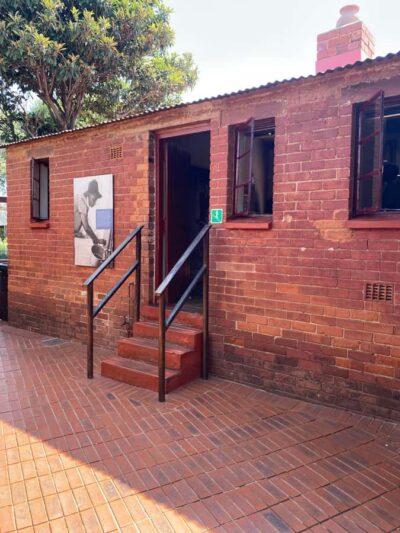
Full-Day Tour with Soweto and Apartheid Museum
Read our review →
Full-Day Soweto, Apartheid Museum and Lunch Tour
Read our review →
Half Guided Day Tour of Soweto And Apartheid Museum
Read our review →
Ultimate Johannesburg Soweto Experience with Apartheid Museum
Read our review →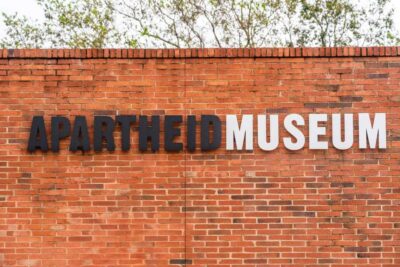
Hop-On Hop-Off Bus, City Tour and Apartheid Museum
Read our review →
Johannesburg and Soweto Apartheid Full Day Tour w/Lunch
Read our review →Browse the lists this tour appears in