
REVIEW · ZULU CULTURAL TOURS
Battlefields Tour (Anglo-Zulu) 1879, Rorkes drift & Isandlwana
History feels close here. This full-day tour from Durban takes you to Rorke’s Drift and Isandlwana, two battlefields linked by the Anglo-Zulu War of 1879. I like the passionate storytelling promised by the tour and the chance to walk ground connected to some of the most famous battles in South African history.
I also like that pickup, transport, guiding, bottled water, entrance fees, and taxes are included. The main drawback is simple: this is a very long day, with 12 to 14 hours on the road and plenty of driving between sites.
In This Review
- Key things to know before booking
- Why these two battles belong together
- Leaving Durban at 6:00 am
- Rorke’s Drift: a defensive battle shaped by improvisation
- Isandlwana: the shock of a British defeat
- A guide makes or breaks this battlefield day
- The emotional side of walking on battlefields
- What the $218.08 price includes
- Who will get the most from this tour
- A practical way to prepare
- Should you book the Rorke’s Drift and Isandlwana tour?
- FAQ
- Where does the tour begin?
- How long does the tour last?
- Which battlefields are visited?
- How far apart are Rorke’s Drift and Isandlwana?
- Is transport included?
- Are admission fees included?
- How many people can join the tour?
Key things to know before booking
- Two famous battlefields in one day: You visit Rorke’s Drift and Isandlwana, where sharply different British outcomes occurred on the same day, January 22, 1879.
- Small-group format: The tour accepts a maximum of 15 people, which should allow more room for questions than a large coach trip.
- Early departure: Pickup begins at 6:00 am, so you need to be ready for a full day before the first battlefield visit.
- Strong guide-led focus: The value rests heavily on the guide’s ability to explain troop movements, decisions, and the human cost of each battle.
- Long distances are part of the deal: You will spend substantial time in the vehicle, but that is what makes it possible to see both sites from Durban.
- Good practical coverage: Transport, pickup and drop-off, listed activities, entry fees, taxes, and limited bottled water are included.
Why these two battles belong together
The Anglo-Zulu War sites around KwaZulu-Natal are especially powerful because Rorke’s Drift and Isandlwana are not isolated stories. They took place roughly 30 kilometers apart on the same day, yet the outcomes were completely different.
At Isandlwana, a large Zulu force defeated the British army in one of its worst losses to a local force. At Rorke’s Drift, a much smaller British group held its position against a far larger Zulu force. Seeing both places in one trip lets you compare the events rather than treating each battlefield as a separate stop.
That contrast is the heart of the tour. Isandlwana raises questions about military planning, supply lines, communication, and overconfidence. Rorke’s Drift focuses more on defense, improvisation, discipline, and survival under pressure.
I would not treat this as a quick sightseeing outing. The sites matter because of what happened there, and the day works best if you are prepared to listen carefully and think about the people caught up in the conflict.
More Zulu cultural tours:
- Shakaland and Zulu Culture Full-Day Trip
★ 4.5 · 7 reviews - Mini Safari and Zulu Cultural experience – Day Tour
★ 4.5 · 7 reviews - Zulu Cultural Experience: Zulu Village + Tribal Markets + Traditional Zulu Food
★ 5.0 · 5 reviews
Leaving Durban at 6:00 am
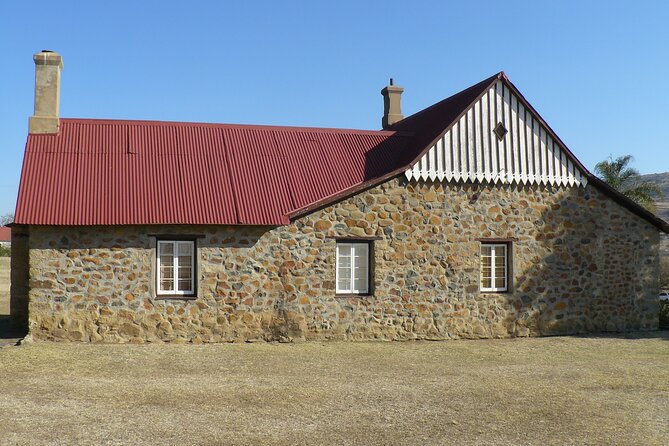
The early start is necessary. From Durban, both battlefields require a long road journey, and the tour lasts approximately 12 to 14 hours. Pickup and drop-off are included, which removes the need to arrange your own vehicle or navigate rural roads after a very long day.
The practical trade-off is time. You will not spend the whole day walking around the battlefields. A sizable part of the schedule is spent traveling between Durban, Rorke’s Drift, and Isandlwana.
That can be a good thing if you want a guided day without driving. It is less appealing if you prefer short excursions with a relaxed pace. I would reserve this for a day when you have enough energy for an early start, several hours in the vehicle, and emotionally serious subject matter.
The tour has a maximum of 15 people. That is a useful size for a battlefield visit because the guide can explain details without the group becoming unwieldy. It also gives you a better chance to ask about the battles, the sites, and the decisions made during the fighting.
Rorke’s Drift: a defensive battle shaped by improvisation
Rorke’s Drift is the first battlefield stop and includes about two hours at the site. The battle took place on January 22, 1879, after the British defeat at Isandlwana earlier the same day.
The British position was a small mission station with a hospital nearby. The defense used biscuit boxes to create a barrier between the buildings. That detail gives the site a human scale. Instead of picturing an abstract military position, you can understand how ordinary supplies became part of the defense.
Approximately 150 British soldiers faced an estimated 3,000 to 4,000 Zulu warriors. The British held the position, and the battle became famous in Britain. Eleven Victoria Crosses were awarded, described in the tour information as the largest number given for a battle against a native army.
A good guide can make this stop more than a list of numbers. You should expect an explanation of how the defensive layout worked, why the barrier mattered, and how the hospital became part of the crisis. The setting also helps you grasp the scale of the encounter. A small mission station, a limited garrison, and a much larger attacking force make the British survival easier to understand.
The site is not simply a celebration of British bravery. It is also a place to remember the Zulu warriors who attacked and died there. The wider war involved British imperial ambitions and Zulu resistance, so the guide’s interpretation matters. The best visit will give attention to both sides rather than presenting only a heroic British story.
The two-hour stop is long enough for proper explanation, but the exact pace will depend on the guide and the group. The tour promises a guide who can recreate the battle through detailed narration. That storytelling is likely to be the difference between a meaningful visit and a short stop beside a monument.
Isandlwana: the shock of a British defeat
The second major stop is Isandlwana Battlefield, also planned for about two hours. The name comes from the Zulu word isandla, meaning hand, a reference to the shape of the nearby koppie, or hill.
The battle is presented as a devastating British defeat. Approximately 22,000 Zulu warriors attacked and killed about 1,350 British soldiers. The tour description explains that British firearms and ammunition had not arrived from Rorke’s Drift because Zulu forces cut off the route. It also describes the British as supposedly unarmed at the time of the attack.
You should listen closely to the guide here, since the value of Isandlwana lies in understanding how the battle unfolded, not just memorizing the casualty figure. The hill and surrounding ground help connect the story to the place itself. You are not looking at a battlefield hidden behind city buildings or modern distractions. The open setting allows the guide to point out how the position, movement, and separation of forces shaped the outcome.
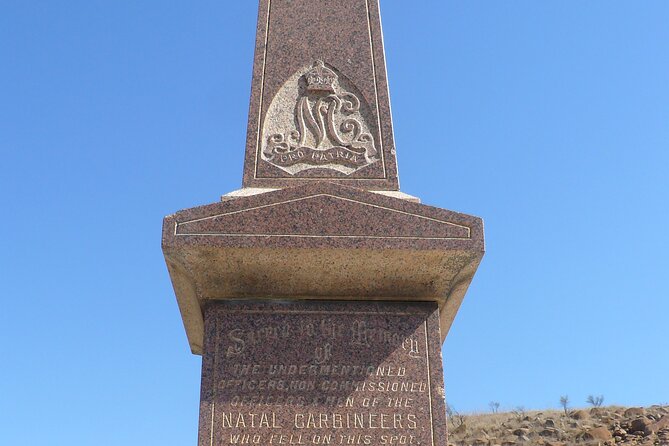
A monument commemorates the battle as you enter the battlefield. It provides a clear point of reference, but the experience depends on the explanation around it. A monument can mark an event. A strong guide can explain why the event happened and why it changed the course of the war.
This stop may feel more somber than Rorke’s Drift. The British defeat was sudden and severe, while the Zulu victory showed the strength and organization of the Zulu army. You may find the contrast unsettling, which is part of the value of visiting both sites in sequence.
A few more in Durban
- Durban: 30-Minute Harbor Boat Cruise
★ 4.7 · 665 reviews - Durban: 1-Hour Boat Cruise from Wilson’s Wharf
★ 4.7 · 496 reviews - Durban Point Waterfront: Luxury Canal Boat Cruise
★ 4.4 · 298 reviews - Durban: Pontoon Boat Harbor Cruise
★ 4.4 · 182 reviews
A guide makes or breaks this battlefield day
The tour’s main promise is its guide. Battlefield sites can be quiet and difficult to read without help. The ground may look simple, and the important action is no longer visible. A guide must turn space into a clear account of what happened.
The tour describes a passionate guide with in-depth knowledge who can recreate the battles. That is important here because the sites require interpretation. You need someone who can explain the positions, the sequence of events, the movement of forces, and the choices made under pressure.
The feedback provided for this experience gives particular weight to the guide, calling the visit interesting and moving and crediting a first-class guide with bringing the history to life. That praise is worth taking seriously because guiding is the central service being purchased.
Tim Brown Tours is the provider, and Tim responded personally to the feedback supplied for the tour. The company also handled a small problem involving initial accommodation arrangements and resolved it quickly. That does not remove the need to confirm your pickup details, but it suggests that communication can be useful if a practical issue appears.
I would ask for the exact pickup arrangement when booking, especially since the tour begins early and confirmation is subject to availability. The tour requires at least two people per booking, and children must be accompanied by an adult.
The emotional side of walking on battlefields
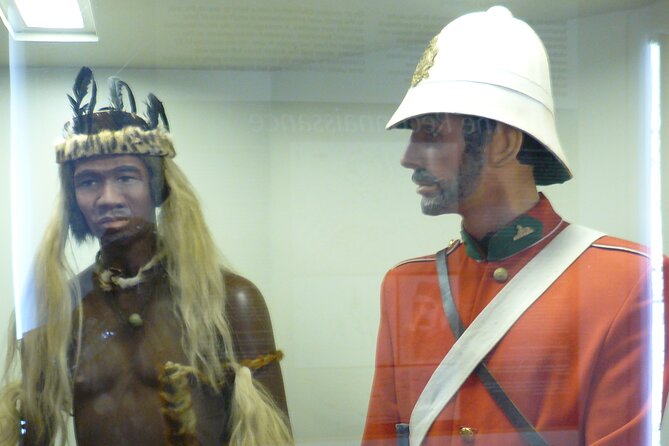
The tour describes the ground as sacred and emphasizes the graves found on or near the battlefields. That language signals the tone of the day. You are not visiting a cheerful attraction with a packed schedule of entertainment.
Standing on a battlefield can change how you understand the numbers. A figure such as 1,350 dead is difficult to picture on a page. At the site, the terrain, hills, distances, and open ground give those events a physical setting.
The tour also presents the battlefields as places where you can feel the weight of what happened. You may or may not respond to the sites in that way, but the experience is clearly designed for people who want a reflective visit.
I appreciate that the day includes time at both sites rather than rushing through several unrelated attractions. Two hours at each battlefield creates room for explanation and quiet observation. The drawback is that the subject matter and long road time may feel demanding if you prefer a lighter day out.
What the $218.08 price includes
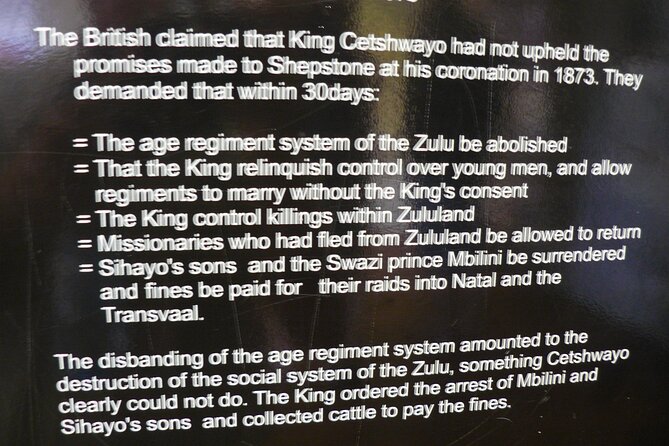
At $218.08 per person, this is not a cheap short excursion. The price makes more sense when you consider what is included and how difficult it would be to visit both sites independently in one day from Durban.
You receive pickup and drop-off, transport, a guide, listed activities, bottled water, admission fees, and all taxes. You also avoid the work of planning the route, arranging a vehicle, and finding both battlefields on your own.
The bottled water supply is limited to a certain number of bottles per day. If you need more, you pay for additional drinks yourself. Beer, wine, soft drinks, and other personal items are not included, so bring suitable funds for anything beyond the listed inclusions.
The real value comes from the guiding and transport. If you already have a suitable vehicle, know the roads, and feel comfortable studying the battlefields independently, the price may seem high. If you want a structured day with a guide who explains the events as you go, the cost is easier to justify.
Because the tour is non-refundable and cannot be changed for any reason, you should only book once your date and plans are firm. Confirmation is sent within 48 hours of booking, subject to availability.
Who will get the most from this tour
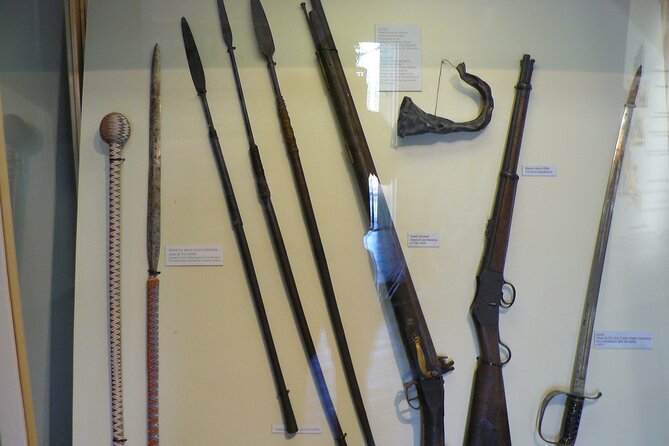
This is a strong match for you if you have a serious interest in military history, South African history, or the Anglo-Zulu War. It also suits anyone who wants to understand the relationship between two battles that happened just hours apart.
The tour should appeal to people who prefer guided interpretation over a self-directed visit. You do not need to manage the route or work out how to connect Rorke’s Drift with Isandlwana from Durban.
It is less suitable if you dislike early mornings, long drives, or quiet battlefield visits. The day has only two main attractions, and much of its power comes from listening and reflecting rather than constant activity.
Families can book, but children must be accompanied by an adult. Most people can participate, according to the supplied tour information, though anyone who needs specific arrangements should confirm them before booking.
A practical way to prepare
Start with the basic timeline. The two key battles occurred on January 22, 1879, and Rorke’s Drift is about 30 kilometers from Isandlwana. Knowing that the events took place on the same day will make the guide’s explanations easier to follow.
Wear clothing suited to a full day out and plan for changing comfort during a long vehicle journey. The tour supplies limited bottled water, but you should not assume that every drink or personal item is covered by the price.
Keep your schedule clear beyond the stated duration. The tour is expected to last 12 to 14 hours, and a long day can stretch toward the upper end of that estimate. Pickup begins at 6:00 am, so confirm the meeting details and be ready before departure.
Most important, arrive with patience. The battlefields deserve time, and the road between them is part of the practical cost of seeing both in one outing.
Should you book the Rorke’s Drift and Isandlwana tour?
I would book this tour if you want the two major Anglo-Zulu battlefields explained by a passionate guide and prefer included transport from Durban. The combination of Rorke’s Drift and Isandlwana is unusually valuable because it lets you compare a famous British defense with a devastating British defeat on the same day.
I would skip it if you want a short, easy excursion or if your schedule cannot handle a 6:00 am start and up to 14 hours away. At $218.08, the tour earns its price through the driving, entry fees, and guide-led interpretation, not through a large number of attractions.
For the right visitor, this is a serious and moving day. Go for the battlefield context, the small group, and the chance to hear the events explained on the ground where they unfolded.
FAQ
Where does the tour begin?
The tour starts from Durban, with pickup offered. The stated start time is 6:00 am.
How long does the tour last?
The tour lasts approximately 12 to 14 hours.
Which battlefields are visited?
You visit Rorke’s Drift Battlefield and Isandlwana Battlefield.
How far apart are Rorke’s Drift and Isandlwana?
The two battlefields are approximately 30 kilometers apart.
Is transport included?
Yes. Pickup and drop-off transport are included in the tour price.
Are admission fees included?
Yes. Listed activities, all fees, and taxes are included.
How many people can join the tour?
The maximum group size is 15 people, and a minimum of two people is required per booking.
Just added in Durban
- Zulu Cultural Experience – Tour to the village of iSithumba and PheZulu★ 5.0 · 4 reviews
- Zululand 5 Day Private Safari from Durban★ 5.0 · 4 reviews
- Valley of a Thousand Hills – Durban★ 5.0 · 3 reviews
- Zulu Oracle & Herbalist Experience Day Tour★ 5.0 · 2 reviews
- Drakensberg, Nelson Mandela Capture S & Howick Falls – 2 Day Tour from Durban★ 5.0 · 3 reviews
- Garden Route Durban to Cape Town via Addo National Park – 7 Days★ 5.0 · 15 reviews
- Durban: Go on Safari at 2 Game Reserves (Hluhluwe-Imfolozi) Pro Zeiss Binoculars★ 5.0 · 2 reviews
- Hluhluwe Imfolozi Game Reserve & Phezulu Safari Park from Durban★ 5.0 · 4 reviews
Zulu Cultural Tours, compared.
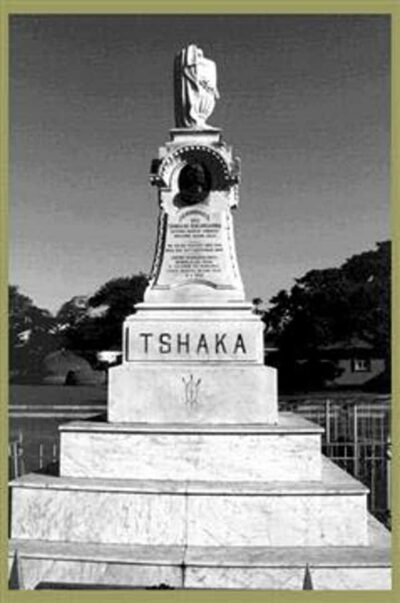
Mini Safari and Zulu Cultural experience – Day Tour
Read our review →
Zulu Cultural Experience: Zulu Village + Tribal Markets + Traditional Zulu Food
Read our review →
Zulu Food Cooking & Dining Experience with a local Chef
Read our review →
Zulu Cultural Experience – Tour to the village of iSithumba and PheZulu
Read our review →

Private Guided Cultural Day Tour of Zulu Village & PheZulu Safari Park
Read our review →
Browse the lists this tour appears in