
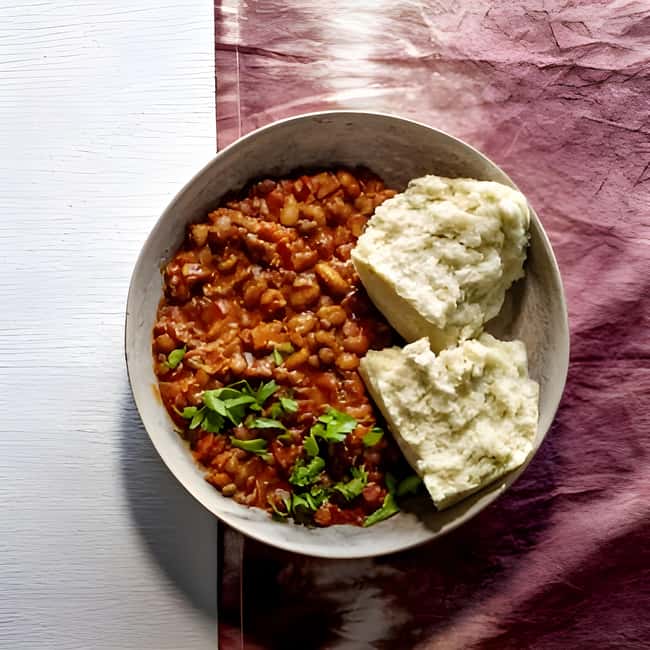
REVIEW · ZULU CULTURAL TOURS
Zulu Food Cooking & Dining Experience with a local Chef
Food can open a door faster than sightseeing. This Zulu food cooking experience brings you into a local home in Johannesburg’s Maboneng Precinct, where you walk the neighborhood, shop among local food vendors, and cook a shared meal with a local chef. I especially like the market stroll and the warm, practical way the cooking connects food with Zulu culture.
I also like that this is not a demonstration where you sit back and watch. You work with the ingredients, learn traditional methods, and eat what you help prepare. The main consideration is that the kitchen setup may not be polished every time. One account describes a cluttered kitchen and some dishes cooling before the meal was ready, so you should come for the company and learning, not restaurant-style timing.
In This Review
- Key points to know before booking
- Starting at a Maboneng home in Johannesburg
- Walking through Maboneng before cooking
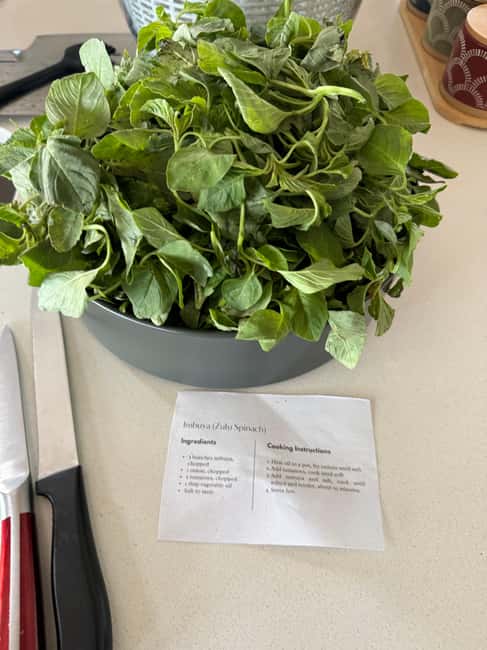
- Learning Zulu cooking in a home kitchen
- What you might eat at the Zulu lunch
- The hosts are a major part of the experience
- Why the $85 price can be fair
- Who will enjoy this cooking experience most
- Small details that improve the afternoon
- Booking, payment, and cancellation
- Should you book the Zulu food cooking experience?
- FAQ
- Where does the Zulu cooking experience begin?
- Where does the activity end?
- How long is the cooking session?
- Is lunch included?
- Are drinks included?
- Can I cancel for a full refund?
Key points to know before booking
- Maboneng sets the scene: You begin with a guided walk through one of Johannesburg’s best-known creative districts.
- Shopping becomes part of the lesson: The stop at a local supermarket and conversations with food vendors show how everyday ingredients connect to community life.
- You cook for more than two hours: This is hands-on work, not a short sample class with a quick tasting.
- The meal is generous: Expect a substantial Zulu-inspired lunch, with grilled chicken and sausage praised in particular.
- The hosts make the experience personal: Nkululeko, Dylan, and Bongani are named in the feedback, with stories, recipes, humor, and plenty of conversation.
- The price includes the essentials: At $85 per person, ingredients, instruction, lunch, a welcome drink, and the neighborhood walk are covered.
Starting at a Maboneng home in Johannesburg
The experience begins at the host’s home in the heart of Maboneng. That matters. You are not meeting in a hotel kitchen designed for tourists. You are entering a personal space, with the welcome drink and friendly introduction setting a relaxed tone before the cooking starts.
Detailed directions are sent after booking, and the activity returns to the same address at the end. This makes the day fairly simple from a planning point of view. You do not need to figure out a second meeting point or arrange a separate ride after lunch.
The home setting also shapes the mood. One host’s cats and plants became part of the charm, and that small detail tells you what kind of experience this is. Expect a lived-in kitchen and a social afternoon rather than a spotless cooking school with matching aprons.
That distinction can be a plus or a drawback. I like the sense of being welcomed into real daily life. If you want a highly polished culinary studio, you may find the surroundings informal.
More Food Tours in Johannesburg
- Johannesburg: Local Food Tasting Guided Walking Tour
★ 4.7 · 192 reviews - Soweto Food & Beer Bike Tour
★ 4.9 · 40 reviews - Johannesburg: Wine Tasting
★ 4.3 · 39 reviews
Walking through Maboneng before cooking
The first activity is a leisurely stroll through the Maboneng Precinct. The walk is not just a way to stretch your legs before lunch. Your host explains the neighborhood’s history and talks about efforts to build community there.
That local context gives the food more meaning. You see the place where the cooking experience happens before you sit down at the counter. You also get a better sense of how local businesses and vendors fit into the neighborhood.
The route includes a stop at a local supermarket, where you can meet or interact with food vendors and see the everyday side of shopping in Maboneng. This is a useful contrast to a standard food tour that sends you only to established restaurants. Here, the focus is on ingredients, sellers, and ordinary food habits.
You should expect the walk to be easygoing rather than a formal historical tour. The strength is conversation. Hosts such as Nkululeko and Dylan have been praised for explaining the area, answering questions, and sharing what is being done to support the local community.
Come ready to ask questions. You can talk about food, family traditions, neighborhood life, or the way dishes are prepared at home. The walk works best when you treat it as an exchange, not a lecture.
Learning Zulu cooking in a home kitchen
After the neighborhood walk, you return to the kitchen for more than two hours of hands-on cooking. This is the core of the experience, and it is where the $85 price begins to make sense.
You are given the ingredients and guided by a local chef. The point is not simply to reproduce a recipe. You learn through the sequence of preparing food, talking about the dishes, and working alongside the host.
The cooking session also gives you time to ask about pronunciation and food traditions. Dylan printed recipes for one participant and helped with the names of the dishes. That is a thoughtful touch, especially if you want to recreate the meal at home instead of treating the afternoon as a one-time event.
The class has a social character. You may talk about cooking habits, daily life, culture, and your own experiences in the kitchen. The atmosphere is more like cooking with a friendly local than attending a strict lesson with a clock running.
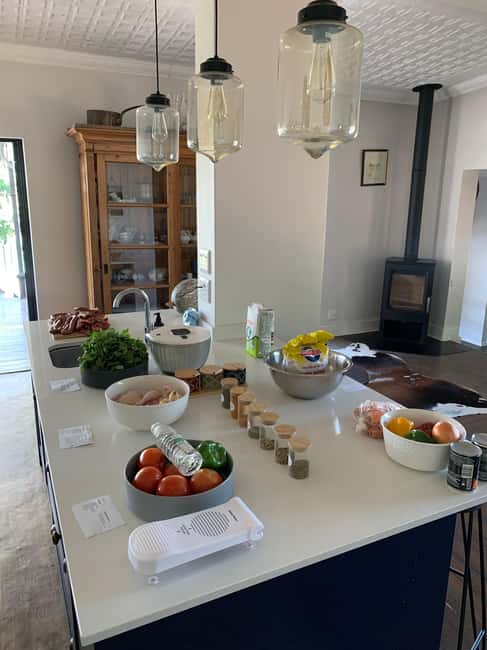
That said, the kitchen may not always be fully organized before you arrive. One account points to ingredients that were not all laid out and a preparation order that could have been better planned. As a result, some dishes may finish before others, and warm food might sit for a while.
I would not ignore that weakness, but I also would not let it outweigh the main benefit. A home cooking experience is often less precise than a professional class. If you care most about technique, conversation, and learning recipes, the relaxed format should suit you. If you want every dish served at its peak temperature, you may be disappointed.
What you might eat at the Zulu lunch
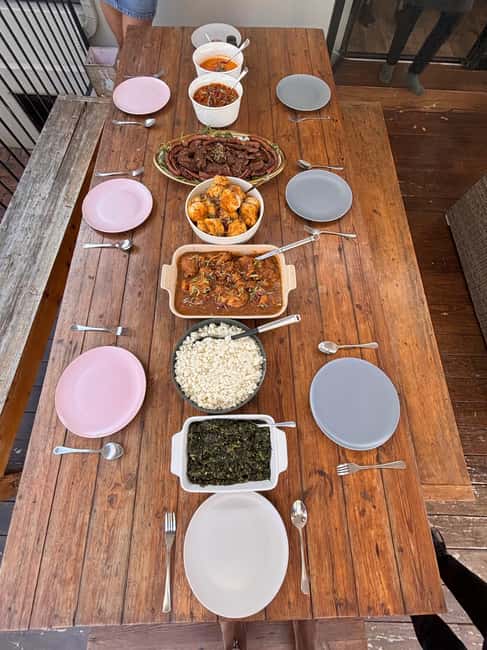
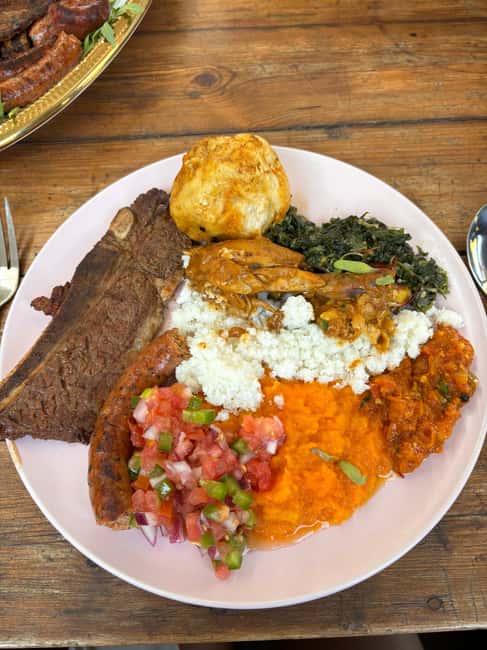
When the cooking ends, you sit down to eat a Zulu-inspired lunch prepared during the session. The meal is described as generous, with a good range of foods and enough to leave you very full.
Grilled chicken and sausage received particular praise. Bongani prepared the chicken on a barbecue and grilled the sausage, and both were described as excellent. Those dishes add a smoky, hearty element to the meal and show that the lunch is more substantial than a few small tasting portions.
The exact menu is not specified, so you should not book expecting a fixed list of dishes. The experience centers on traditional techniques and local flavors, but the food may vary with the host, ingredients, and cooking plan.
One practical strength is the amount of food. You are not paying $85 for a tiny plate after two hours of work. The lunch is intended as a proper shared meal, and one host said leftovers are donated rather than wasted.
That detail gives the experience a useful community focus. It also means you can relax and eat at a normal pace. You are not being hurried through a tasting menu.
Alcohol is not included. A welcome drink is provided, but you should plan to pay separately if you want alcoholic beverages.
More Zulu cultural tours:
- Shakaland and Zulu Culture Full-Day Trip
★ 4.5 · 7 reviews - Mini Safari and Zulu Cultural experience – Day Tour
★ 4.5 · 7 reviews - Zulu Cultural Experience: Zulu Village + Tribal Markets + Traditional Zulu Food
★ 5.0 · 5 reviews - Zulu Cultural Experience – Tour to the village of iSithumba and PheZulu
★ 5.0 · 4 reviews
The hosts are a major part of the experience
The food matters, but the host may matter even more. Nkululeko is praised for her warmth, conversation, and history lesson during the neighborhood walk. Dylan is described as kind, patient, and generous with recipes and pronunciation help. Bongani adds his cooking skills, especially with the grilled meat.
The available information does not promise that all three people will be present at every session, so you should treat those names as examples of the team rather than a guaranteed lineup. What does appear consistent is the personal approach: cooking, answering questions, and talking openly about culture and everyday life.
This is a good choice if you enjoy meeting people through food. You will have more fun if you are willing to participate, ask questions, and share some of your own food background.
The experience is less suitable if you want to remain anonymous. You are entering a private home and spending several hours in close conversation. That is the point, but it is also something to consider before booking.
Why the $85 price can be fair
At $85 per person, this is not the cheapest meal in Johannesburg. You are paying more than you would for a simple local lunch, and the price may seem high if you judge it only by the plate of food.
The value comes from the full package:
- A guided walk through Maboneng
- Interaction with local food vendors
- A welcome drink
- Ingredients for the class
- More than two hours of instruction
- Use of the host’s kitchen
- Cultural stories and conversation
- A full Zulu-inspired lunch
You are paying for time as much as for food. The walk, preparation, cooking, and meal create a half-day style experience centered on one neighborhood and one host relationship.
I think the price is fair for someone who values a personal food lesson and cultural exchange. It is less compelling for someone who simply wants an inexpensive introduction to South African cuisine.
The lack of included alcohol keeps the price from covering every possible extra, but that is easy to understand. The main cost of the experience is already accounted for in the chef, ingredients, and meal.
Who will enjoy this cooking experience most
I would recommend this to people who like food with a story. You will get the most from it if you enjoy learning how dishes are prepared, hearing about local life, and eating in a private home.
It also suits first-time visitors to Johannesburg who want to see more than major attractions. The Maboneng walk gives you a local setting, while the cooking session lets you spend real time with people who live and work in the area.
The experience is a good fit for:
- Couples looking for a shared activity
- Solo visitors who enjoy conversation
- Families with older children who can take part in kitchen tasks
- Home cooks who want recipes to use later
- Anyone curious about Zulu food and culture
It may not suit you if you need a tightly timed schedule, a professional teaching kitchen, or a fixed menu. The informal home setting means the pace can vary, and meal timing may not be perfect.
Language should be straightforward for English speakers. The experience is offered in English and Zulu.
Small details that improve the afternoon
Wear something comfortable for walking and cooking. The neighborhood stroll is leisurely, but you will still spend time on your feet before settling into the kitchen.
Keep your schedule open around the experience. The cooking portion alone lasts more than two hours, and the walk and meal add to that time. The day is designed for conversation, so rushing off immediately afterward would work against its best quality.
Ask for the recipes if they are not offered automatically. Dylan printed recipes for one participant, and having written instructions makes it easier to remember the dishes and names later.
You should also ask questions about the food as you work. The cultural value comes through the stories and explanations, not just the finished plate. If you are curious about ingredients, cooking order, pronunciation, or family traditions, this is the moment to ask.
If you have food allergies or dietary restrictions, the supplied information does not explain how those requests are handled. Ask before booking rather than assuming substitutions will be available.
Booking, payment, and cancellation
You can reserve a place and pay later, which helps if you are still arranging your Johannesburg plans. Cancellation is allowed up to 24 hours in advance for a full refund.
The meeting point is the host’s home in Maboneng, and detailed arrival directions are provided after booking. The activity ends back there, so you should plan your onward transport from the same neighborhood.
The overall rating is 4.4 out of 5 from five ratings. That suggests a strong experience with some room for improvement, especially in kitchen preparation and timing. The personal welcome, neighborhood walk, food quantity, and host conversation are the most dependable reasons to book.
Should you book the Zulu food cooking experience?
Book it if you want an intimate, food-centered afternoon that combines Maboneng, local conversation, and hands-on cooking. The strongest parts are the host connection, the generous lunch, and the chance to leave with recipes and a better feel for Zulu food traditions.
Skip it if you are searching for a formal cooking school or a perfectly synchronized meal. The kitchen can be informal, and some dishes may not reach the table at exactly the same time.
For most curious home cooks, I think the trade is worthwhile. You pay $85 for much more than lunch: you get a neighborhood walk, a personal welcome, practical instruction, and a meal shared in the place where it was made. That is a fair price for an experience built around people rather than presentation.
FAQ
Where does the Zulu cooking experience begin?
It begins at the host’s home in the heart of Maboneng, Johannesburg. Detailed directions are sent after booking.
Where does the activity end?
The experience ends back at the host’s home, the same place where it begins.
How long is the cooking session?
The hands-on cooking portion lasts more than two hours. The neighborhood walk and lunch take additional time.
Is lunch included?
Yes. A Zulu-inspired lunch prepared during the cooking session is included.
Are drinks included?
A welcome drink is included. Alcoholic drinks are not included.
Can I cancel for a full refund?
Yes. You can cancel up to 24 hours in advance for a full refund.
More Places to Eat in Johannesburg
- 4-Day Kruger Park Safari & Panoramic Tour Combo including Breakfast and Dinner
★ 5.0 · 19 reviews - 3-Day Kruger National Park Safari including Breakfast and Dinner
★ 4.5 · 19 reviews - 5-Day Kruger Park Safari & Panoramic Tour Combo including Breakfast and Dinner
★ 5.0 · 12 reviews - 4-Day Kruger National Park Safari including Breakfast and Dinner
★ 5.0 · 12 reviews
More Cooking Classes in Johannesburg
- Johannesburg: Pan-African Cooking & Dinning Experience
★ 4.5 · 6 reviews - Cape Town: Malay Cooking Class and Lunch in Bo-Kaap
★ 4.8 · 515 reviews - Authentic African Cuisine Cooking Experience
★ 5.0 · 236 reviews - Cape Town: Cape Malay Cooking Class in Bo-Kaap
★ 4.8 · 120 reviews
Just added in Johannesburg
- Pretoria Capital City Tour Experience★ 5.0 · 24 reviews
- 4 Day Kruger National Park Tour★ 5.0 · 30 reviews
- Johannesburg e-scooter experience★ 5.0 · 38 reviews
- Johannesburg Street Art & Museum Walking or E-scooter Tour★ 4.5 · 10 reviews
- Big 5 Safari Experience at Pilanesberg National Park★ 5.0 · 16 reviews
- Drakensberg Mountains. Tugela Gorge and Amphitheater Hike★ 5.0 · 7 reviews
- Apartheid Museum Tour from Johannesburg★ 4.5 · 14 reviews
- Arrival Private Transfer: Tambo Airport JNB to Johannesburg in Business Car★ 4.0 · 5 reviews
Zulu Cultural Tours, compared.
Mini Safari and Zulu Cultural experience – Day Tour
Read our review →
Zulu Cultural Experience: Zulu Village + Tribal Markets + Traditional Zulu Food
Read our review →
Zulu Cultural Experience – Tour to the village of iSithumba and PheZulu
Read our review →

Private Guided Cultural Day Tour of Zulu Village & PheZulu Safari Park
Read our review →
Battlefields Tour (Anglo-Zulu) 1879, Rorkes drift & Isandlwana
Read our review →
Browse the lists this tour appears in