
REVIEW · ZULU CULTURAL TOURS
Zulu Cultural Experience: Zulu Village + Tribal Markets + Traditional Zulu Food
Start with art, end with real street life. This Durban day tour links the Phansi Museum, the living Zulu village of Isithumba, and the Markets of Warwick in a way that gives each stop useful context. I like the small maximum of six people, and I like that the day includes both a village visit and a meal of Pan African cuisine.
The main consideration is the pace. You spend about eight hours moving between three very different places, with only about an hour and a half at the museum and markets. The visit to Isithumba lasts two hours, so you will need to stay focused and accept that this is an introduction rather than a complete study of Zulu culture.
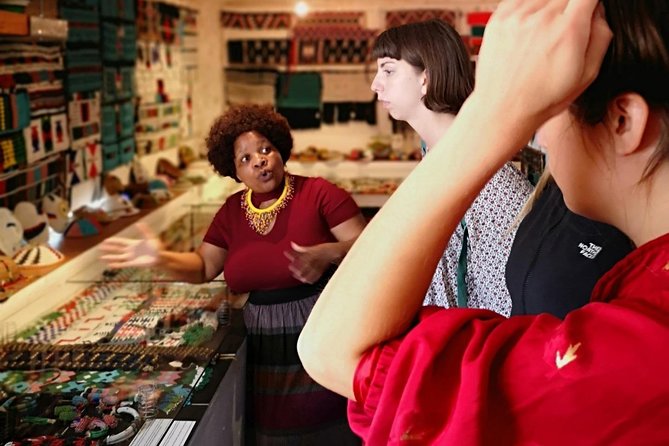
- A dancing museum curator introduces the Phansi Museum’s collection of indigenous art and crafts.
- A local resident leads the Isithumba visit, giving you a view of daily village life from someone connected to the community.
- Lunch includes Pan African cuisine, with food served at the village supervisor’s house according to the available account.
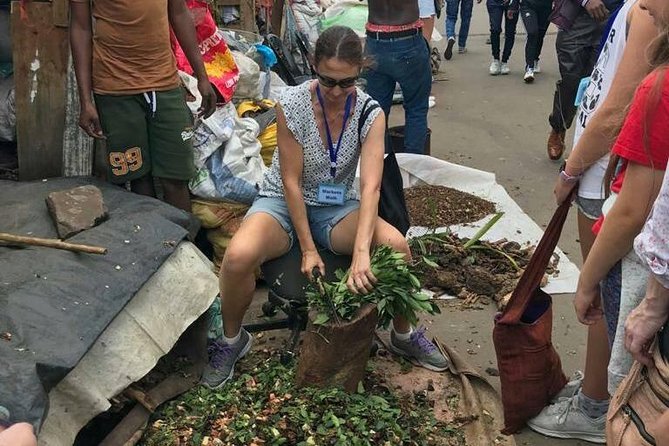
- The Markets of Warwick show working indigenous culture, including lime and imphepho made by female elders.
- Muthi Bridge, known here as Sangoma Central, offers a look at traditional healing and spiritual practice.
- The group is limited to six people, making discussion and questions easier than on a large coach tour.
In This Review
- Why This Durban Tour Works
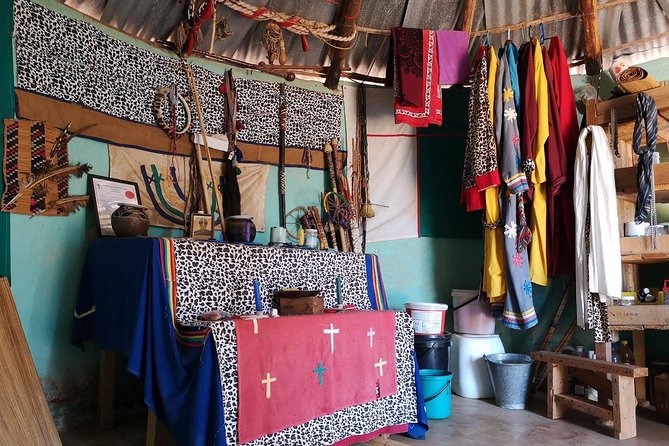
- Phansi Museum Begins With Objects and Stories
- Isithumba Gives the Day Its Human Center
- Traditional Food Adds Meaning to the Visit
- Warwick Markets Show Culture in Motion
- The Small Group Is Worth Noticing
- Who Will Get the Most From This Experience
- Is the $168 Price Fair?
- Practical Advice Before You Go
- Should You Book This Zulu Cultural Experience?
- FAQ
- How long does the Zulu cultural experience last?
- What time does the tour begin?
- Is pickup offered?
- How many people can join the tour?
- Is admission included at the stops?
- Is food included?
- Will I definitely meet the village chief or a spiritual healer?
- Can most people participate?
- What happens if bad weather cancels the tour?
Why This Durban Tour Works
Many cultural excursions give you one staged performance, one meal, and a quick shopping stop. This experience takes a wider view. It begins with objects in a museum, moves to a rural Zulu community, and ends in one of Durban’s strongest centers of indigenous trade and belief.
That sequence matters. At Phansi Museum, you first see the artistic and material side of African cultures. At Isithumba, you consider how people live within a community. At Warwick, you see how traditional goods and practices continue in an urban setting. The day is not only about looking at culture. It asks you to notice how culture changes from one place to another.
The tour costs $168 per person, which is not a budget outing. Still, the price includes about eight hours, pickup is offered, admission to the listed stops, a meal, and a private-feeling group of no more than six. If you tried to arrange transport, museum access, village contact, and a guided market visit separately, the convenience would have real value.
The small group also changes the mood. You can ask questions without raising your voice across a bus, and a local guide has more room to explain what you are seeing. The tradeoff is that the tour may feel tightly scheduled, especially since the locations represent very different sides of Durban and its surrounding area.
Phansi Museum Begins With Objects and Stories
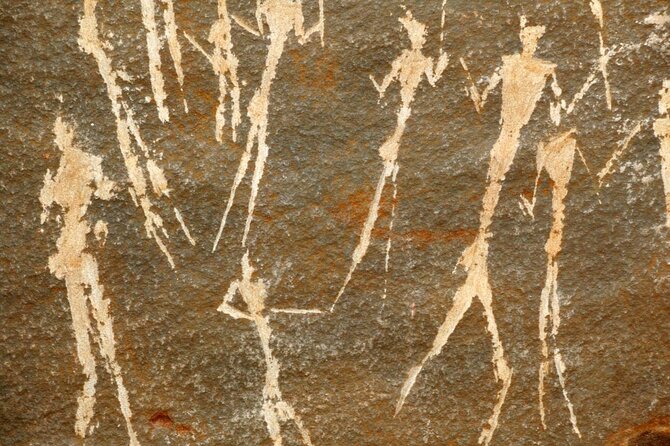
Your first stop is the Phansi Museum, where you spend about 90 minutes. The collection includes indigenous art and crafts, giving you a visual starting point before the day turns toward lived experience.
The description of a dancing curator is one of the tour’s most unusual details. Do not expect a silent museum introduction. The presentation is designed to be lively and personal, with the curator using movement as part of the welcome and explanation.
That style can help you read the objects as more than decorations. Crafts often carry information about identity, belief, work, and community. A guide who presents them with energy may help you notice those links instead of simply walking past rows of attractive items.
I also like the order of this stop. Seeing art and craft before reaching Isithumba gives you a frame for the rest of the day. You have already encountered objects made within indigenous traditions, so you can think about how those traditions relate to people and places.
A meal of Pan African cuisine is included around this part of the experience. The available details do not provide a menu, so you should not book expecting a particular dish. The value is in connecting food with the wider cultural theme, rather than treating lunch as a separate break from the tour.
The 90-minute visit is long enough for an introduction but not enough to cover every part of the collection. If museum time is your main reason for booking, you may want a separate visit on another day. For this tour, the museum works best as the opening chapter.
More Zulu cultural tours:
- Shakaland and Zulu Culture Full-Day Trip
★ 4.5 · 7 reviews - Mini Safari and Zulu Cultural experience – Day Tour
★ 4.5 · 7 reviews - Zulu Cultural Experience – Tour to the village of iSithumba and PheZulu
★ 5.0 · 4 reviews
Isithumba Gives the Day Its Human Center
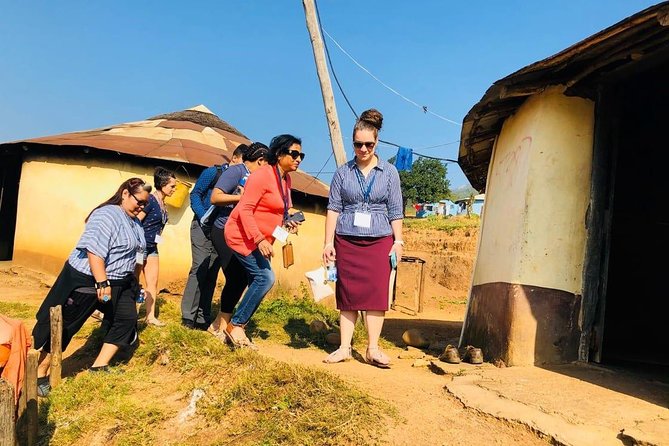
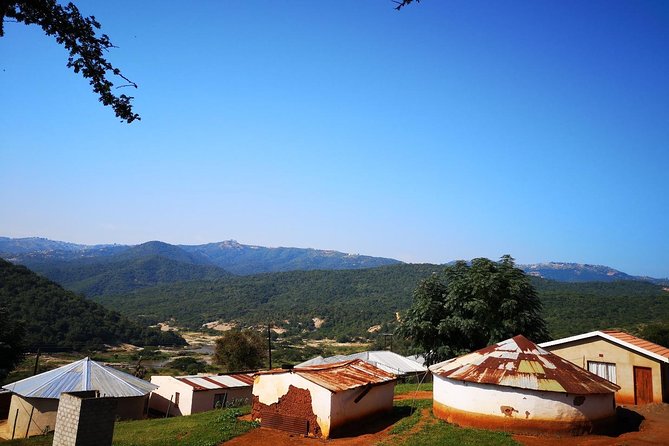
From the museum, you head to Isithumba, described as a living Zulu cultural village. The visit lasts around two hours and includes admission.
A local resident guides you on foot through the village. That detail matters. Instead of receiving only a guide’s general explanation from outside the community, you have someone who can describe what it is like to live there. The focus is on a different way of life, with time to ask questions and observe the setting at walking speed.
You might meet the village chief or a local spiritual healer, but this is not guaranteed. The possibility is part of the appeal, yet you should treat it as an unexpected addition rather than a promised feature. Good cultural encounters depend on who is available that day.
The strongest practical advice here is to listen before you photograph or interrupt. A village is not a stage set. The quality of this stop depends on respectful behavior, thoughtful questions, and your willingness to let the local resident set the tone.
A meal is served at the village supervisor’s house according to the account provided. This is a particularly useful detail because it makes lunch part of the community visit rather than a stop at an unrelated restaurant. You can expect the meal to support the tour’s focus on traditional Zulu food and Pan African cooking, though the exact dishes are not specified.
The two-hour time block should give you room for a walk, conversation, and lunch-related discussion. It is still a short visit, so you will not gain a full picture of village life. What you can gain is a grounded introduction, especially if you pay attention to the guide’s explanation of how daily life works.
I see Isithumba as the emotional center of the day. The museum gives you background through objects, while the village lets you connect those ideas to people and place. That human contact is likely to be the part you remember most.
Traditional Food Adds Meaning to the Visit
Food can be an easy part of a tour to overlook. Here, it helps connect the museum and village stops. You are not only hearing about culture, you are also given a chance to experience it through a shared meal.
The supplied details identify Pan African cuisine and traditional Zulu food, but they do not list ingredients, courses, or dietary options. If you have allergies or strict dietary needs, ask the provider before booking. Do not assume that a traditional meal can be adjusted on the day.
The meal at the village supervisor’s house also changes the setting. A private home carries a different feeling from a standard dining room, though you should keep your expectations flexible. The purpose is cultural exchange, not a restaurant-style tasting menu.
I like this part because it gives the day a pause. After walking through Isithumba and asking questions, sitting down to eat can make the conversation more relaxed. It also gives you a direct way to discuss food, custom, and daily routines.
Still, food should not be the only reason to book. The tour does not provide enough menu information for a dedicated culinary trip. Think of lunch as one meaningful part of a broader cultural program.
Warwick Markets Show Culture in Motion
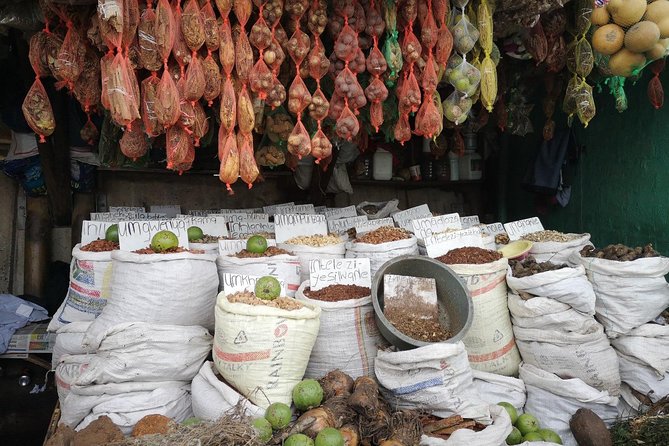
The final stop is the Markets of Warwick, where you spend about 90 minutes. The area is presented as a major center of indigenous culture in Durban, and the visit focuses on people making and selling traditional goods.
You meet Lime and Imphepho Gogos, female elders who create their goods. This is a valuable detail because you are seeing production, not only finished items on a shelf. Watching someone make a product can tell you about skill, materials, and the place of older women in passing knowledge forward.
The word Gogos refers to female elders, and the tour places them at the center of this stop. Their work gives you another perspective on culture: practical, commercial, and connected to everyday city life.
Then comes Muthi Bridge, called Sangoma Central on this experience. The description presents it as a place connected with traditional healing and spiritual practice. It may feel unfamiliar, and that is precisely why the guide’s explanation matters.
Approach this section with curiosity, not judgment. You may see forms of commerce and belief that are outside your experience. The point is not to decide quickly whether a practice looks familiar or strange. The point is to understand what role it plays for the people who use it.
The phrase culture shock is associated with this part of the tour, but the visit should not be treated as a spectacle. Listen carefully to how the guide explains the goods, the healers, and the market’s place in Durban. The available information does not promise a private meeting with a sangoma or a demonstration of healing, so keep your expectations modest.
Warwick also gives the day a useful ending. Isithumba shows a rural community, while these markets show indigenous culture operating inside a major city. You get to consider what is preserved, what is sold, and what continues to change.
More Food Tours in Durban:
- Cape Town: Full-Day Winelands Tour with Wine Tastings & Food
★ 4.9 · 1,288 reviews - Hartbeespoort: 2-Hour Dam Cruise with South African Food
★ 4.4 · 621 reviews - The Cape Town Essentials Food Tour
★ 5.0 · 385 reviews - From Cape Town: Winelands Full Day Tour and Wine Tasting
★ 4.5 · 364 reviews
The Small Group Is Worth Noticing

The maximum group size is six people. For this kind of tour, that is more than a comfort feature. It can affect the quality of every conversation.
At a museum, a small group can stay close to the curator. In Isithumba, you can hear the local resident without waiting for a large crowd to settle down. At Warwick, a compact group can move through a busy market more easily than a full coach party.
Pickup is offered, and the start time is 8:00 a.m. The tour lasts approximately eight hours. Since the exact pickup point is not provided here, confirm the meeting details when you book and allow time for an early start.
The day requires travel between separate locations, but no transport schedule is supplied. You should expect the tour to feel like a full-day outing rather than a casual morning activity. Wear practical clothing and shoes suitable for walking, though the available information does not state a specific distance or terrain.
Most people can participate, and the experience requires good weather. If conditions force cancellation, you are offered another date or a full refund. You can also cancel for a full refund up to 24 hours before the start time. That policy is helpful, especially for visitors whose plans depend on weather.
Who Will Get the Most From This Experience
I would recommend this tour to you if you want more than a standard city sightseeing route. It suits visitors who enjoy asking questions, comparing urban and rural settings, and learning through personal contact.
It is especially useful if you have limited time in Durban. In one day, you see a museum, a Zulu village, traditional food, working markets, indigenous craft production, and a site connected with spiritual practice.
The tour may also suit returning visitors who have already seen Durban’s main attractions. The Markets of Warwick and Isithumba offer a different view of the region than the usual coastal and city-center stops.
You may not enjoy it as much if you want a slow schedule, a polished luxury outing, or a tightly defined food menu. The encounter at Isithumba can change depending on who is available, and the market section may feel intense if you prefer predictable attractions.
The experience has a rating of 4.8 from five ratings, which suggests a strong response, but the sample is small. I would treat that number as encouraging, not conclusive. The most specific positive detail available is that the guide explained village life clearly, shared lunch at the supervisor’s house, and answered questions. That is exactly the sort of personal exchange that gives this tour its value.
Is the $168 Price Fair?
At $168 per person, this is a premium day tour. The price makes more sense when you count the full package: approximately eight hours, offered pickup, admission at the three stops, a small group, guided interpretation, and food.
You are also paying for access that may be difficult to arrange independently. A museum is easy enough to visit on your own, but a village walk with a local resident and a thoughtful introduction to Muthi Bridge require contacts and local knowledge.
The value depends on how much you care about interpretation. If you only want to look at a museum and market, the price may feel high. If you want someone to explain the connection between indigenous art, Zulu village life, traditional food, elder craftspeople, and spiritual practice, the cost is easier to justify.
Book well ahead if your schedule is fixed. The experience is booked an average of 41 days in advance, which suggests that popular dates may fill early. Since the group is capped at six, last-minute availability may be limited.
Practical Advice Before You Go
Start by confirming your pickup details and dietary concerns. The tour begins at 8:00 a.m., and the day is long enough that being ready early will make the first hours easier.
Bring patience. The most valuable moments may come from conversation rather than a planned performance, particularly at Isithumba and Warwick. If a chief or spiritual healer is available, listen closely and respect the limits of the encounter.
Keep your camera secondary. Ask before photographing people or personal items, especially in a village, at the markets, or around spiritual goods. A respectful approach will help you receive better explanations.
Also, keep some flexibility in your expectations. The experience includes three scheduled stops, but the people you meet may not be the same every day. A possible meeting with the village chief or spiritual healer is an opportunity, not a certainty.
Should You Book This Zulu Cultural Experience?
Book it if you want a compact, carefully connected introduction to Zulu culture and indigenous life around Durban. The combination of the dancing Phansi Museum curator, a local-led walk in Isithumba, lunch at the village supervisor’s house, and the elder craftspeople of Warwick gives the day real range.
Skip it if you want a relaxed food tour, a guaranteed meeting with traditional leaders, or a detailed visit to just one site. For everyone else, the small group and unusual mix of stops make the $168 price reasonable, particularly for a first visit to Durban and a visitor who values context over quick photo stops.
FAQ
How long does the Zulu cultural experience last?
The experience lasts approximately eight hours.
What time does the tour begin?
The tour begins at 8:00 a.m.
Is pickup offered?
Yes, pickup is offered. The specific pickup details should be confirmed when booking.
How many people can join the tour?
The tour has a maximum of six participants.
Is admission included at the stops?
Yes, admission is included for the Phansi Museum, Isithumba Adventures, and the Markets of Warwick.
Is food included?
Yes, the experience includes Pan African cuisine and traditional Zulu food. The exact menu is not specified.
Will I definitely meet the village chief or a spiritual healer?
No. You might meet the village chief or local spiritual healer if they are available, but the encounter is not guaranteed.
Can most people participate?
Yes, most people can participate in the activity.
What happens if bad weather cancels the tour?
If poor weather causes cancellation, you will be offered a different date or a full refund. You can also cancel up to 24 hours before the start time for a full refund.
Just added in Durban
- Zulu Cultural Experience – Tour to the village of iSithumba and PheZulu★ 5.0 · 4 reviews
- Zululand 5 Day Private Safari from Durban★ 5.0 · 4 reviews
- Valley of a Thousand Hills – Durban★ 5.0 · 3 reviews
- Zulu Oracle & Herbalist Experience Day Tour★ 5.0 · 2 reviews
- Drakensberg, Nelson Mandela Capture S & Howick Falls – 2 Day Tour from Durban★ 5.0 · 3 reviews
- Garden Route Durban to Cape Town via Addo National Park – 7 Days★ 5.0 · 15 reviews
- Durban: Go on Safari at 2 Game Reserves (Hluhluwe-Imfolozi) Pro Zeiss Binoculars★ 5.0 · 2 reviews
- Hluhluwe Imfolozi Game Reserve & Phezulu Safari Park from Durban★ 5.0 · 4 reviews
Zulu Cultural Tours, compared.
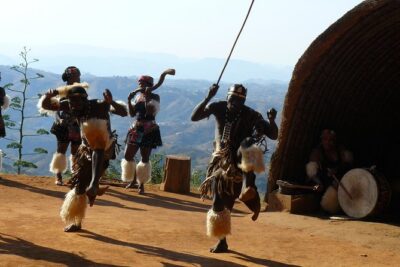
Mini Safari and Zulu Cultural experience – Day Tour
Read our review →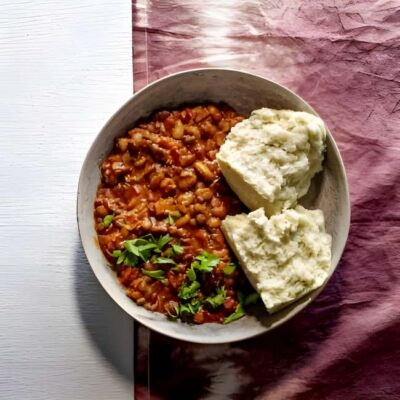
Zulu Food Cooking & Dining Experience with a local Chef
Read our review →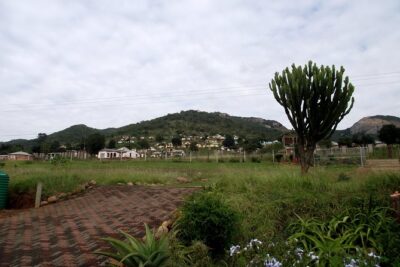
Zulu Cultural Experience – Tour to the village of iSithumba and PheZulu
Read our review →

Private Guided Cultural Day Tour of Zulu Village & PheZulu Safari Park
Read our review →
Battlefields Tour (Anglo-Zulu) 1879, Rorkes drift & Isandlwana
Read our review →
Browse the lists this tour appears in