
REVIEW · COOKING CLASSES
Authentic African Cuisine Cooking Experience
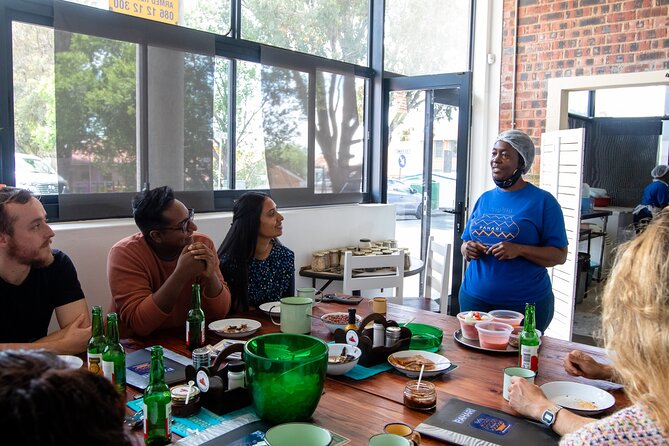
Come hungry, leave with recipes. This 2.5-hour cooking class at Pahari African Restaurant gives you a hands-on introduction to Southern African food, from sadza and chicken stew to chakalaka and peanut butter vegetables. I like the warm, personal teaching style of Caleb and Florence, and I like that the meal is prepared and eaten communally, much as it would be in an African home. The main consideration is that the cooking portion may feel fairly basic if you already take advanced cooking classes.
The class costs $57.51 per person, which is a fair price for food, drinks, instruction, cultural background, and a full meal. It is also a small experience, limited to 10 people, though the class can feel especially intimate when only a few people attend. You meet at Pahari African Restaurant in Salt River and finish at the same place, so you will need to arrange your own way there.
In This Review
- Key details before you book
- Starting at Pahari African Restaurant in Salt River
- A welcoming start with African drinks and snacks
- Learning the menu, from sadza to chakalaka
- A hands-on class that suits beginners
- Caleb and Florence make the class personal
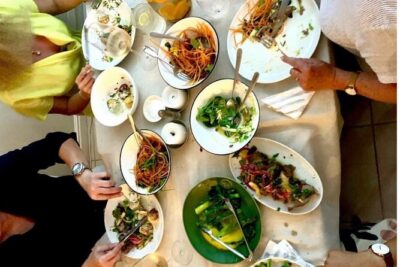
- The communal meal is the real payoff
- What the $57.51 price really covers
- Who should choose this cooking experience?
- Practical tips for a smoother visit
- Should you book the Authentic African Cuisine Cooking Experience?
- FAQ
- Where does the cooking experience take place?
- How long does the experience last?
- What food will I learn to prepare?
- Are vegetarian and vegan options available?
- Is transportation included?
- What is the cancellation policy?
Key details before you book
- You cook a full Southern African meal: The menu can include sadza, beef bones with green vegetables, chicken stew, peanut butter vegetables, chakalaka, and sugar beans.
- Caleb and Florence lead the experience: Caleb explains the background of the dishes, while Florence helps guide the cooking. Their welcoming approach is one of the strongest parts of the class.
- You take part instead of only watching: Each person gets a chance to contribute to the meal, with plenty of room for basic, practical instruction.
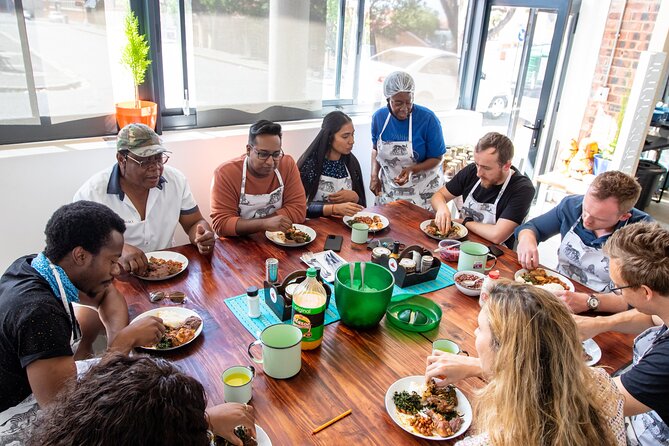
- The meal is shared communally: After cooking, you sit down together and eat the food you helped prepare.
- Vegetarian and vegan choices are available: The hosts can accommodate plant-based preferences, including vegetarian participants.
- Bring a transport plan: The meeting point is Pahari African Restaurant, 121 Cecil Road, Salt River. Public transportation is nearby, and an Uber is another option.
Starting at Pahari African Restaurant in Salt River
The experience begins at Pahari African Restaurant at 121 Cecil Road in Salt River, Cape Town. This is not a cooking class staged inside a hotel or a purpose-built culinary school. You arrive at a working restaurant, which gives the evening a more grounded feel.
The class takes place in a restaurant setting, but the focus is on hospitality and shared food rather than a formal demonstration from a distance. That matters if you want to understand how the dishes fit into everyday African cooking. You are not simply handed a plate and told what it contains. You hear about the food, help prepare it, and then eat it with the people who taught you.
Salt River is near public transportation, and the restaurant is known well enough that one Uber driver recommended it to a participant. Still, I would give your driver the full restaurant name and address rather than saying only that you are attending a cooking class. One person specifically noted that making the destination clear helped avoid confusion.
The activity ends back at the restaurant. Private transportation is not included, so plan your return before the meal begins. Since the class lasts about two and a half hours, you should not need to organize a complicated transfer during the activity.
More Cooking Classes in Cape Town
- Cape Town: Malay Cooking Class and Lunch in Bo-Kaap
★ 4.8 · 515 reviews - Cape Town: Cape Malay Cooking Class in Bo-Kaap
★ 4.8 · 120 reviews - Cape Town: Bo-Kapp Walking Tour and Malay Cooking Class
★ 4.7 · 105 reviews
A welcoming start with African drinks and snacks
The class opens with a welcome and a selection of African drinks, along with starter snacks. Coffee and tea are included, as are alcoholic beverages, lunch, dinner, and snacks. The exact drink selection is not specified, so you should think of this as a chance to sample what the hosts provide rather than a fixed tasting menu.
This opening is useful because it gives the group time to settle in before cooking starts. Food classes can feel stiff when everyone walks in and immediately gets assigned a chopping board. Here, the hosts use food and conversation to create a relaxed beginning.
Caleb provides an introduction to African cuisine, its ingredients, and the way recipes have changed as they passed from one generation to the next. He also discusses the background and nutritional value of some of the starter foods. That context adds weight to the meal. You learn not just what goes into a dish, but why certain ingredients matter.
The class is especially appealing if you are new to Southern African food. You may recognize familiar ingredients, but their preparation and place in the meal can be new. The lesson helps connect the dishes on the table with family traditions, local habits, and the broader history of African cooking.
Learning the menu, from sadza to chakalaka
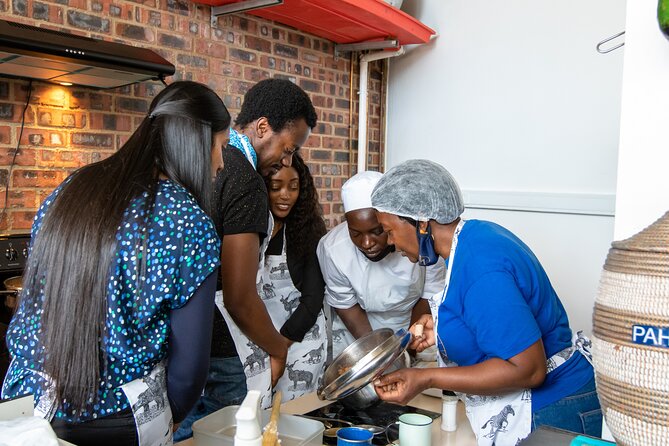
The cooking centers on several popular dishes served at Pahari African Restaurant. You may learn to prepare sadza, also called mealie pap, a staple made from maize. The texture and technique are important, so this part gives you a practical introduction to a food that often forms the center of a Southern African meal.
You also prepare meaty beef bones mixed with green vegetables. This is a hearty dish with a home-cooked character. It is not the sort of food designed only to look neat on a restaurant plate. The emphasis is on flavor, nourishment, and making good use of the ingredients.
Chicken stew brings another familiar format to the table, while green vegetables with peanut butter show how a simple vegetable dish can gain body and flavor from a rich, nutty ingredient. The hosts also demonstrate how peanut butter can be made in a traditional way. That small detail is one of the more distinctive parts of the class because it turns a common pantry item into part of the cooking lesson itself.
Chakalaka adds a spicy vegetable element, and sugar beans round out the menu with a filling plant-based dish. Together, these recipes create a broad meal rather than a single specialty. You get a look at starch, meat, greens, legumes, and spicy vegetables in one sitting.
The menu is also practical for mixed groups. Vegetarian and vegan options are available, and one family was accommodated when a son did not eat meat. If dietary needs matter to you, it is sensible to communicate them when booking, even though the experience specifically offers vegetarian and vegan choices.
A hands-on class that suits beginners
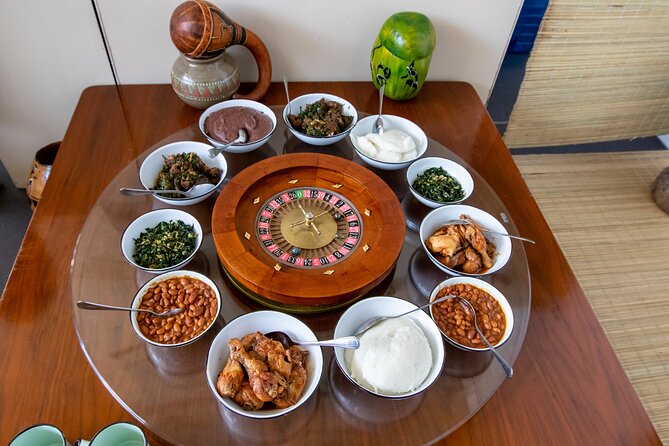
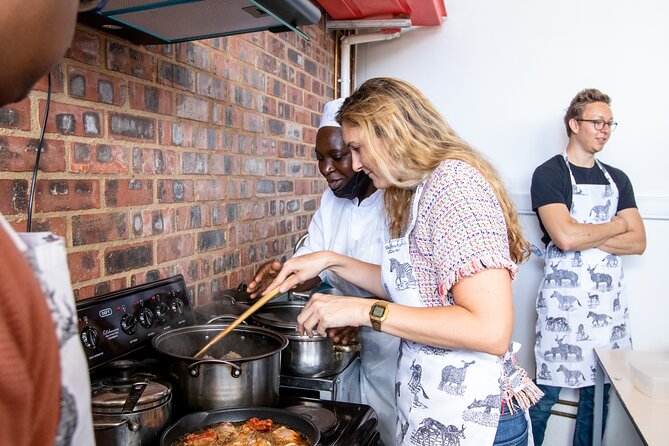
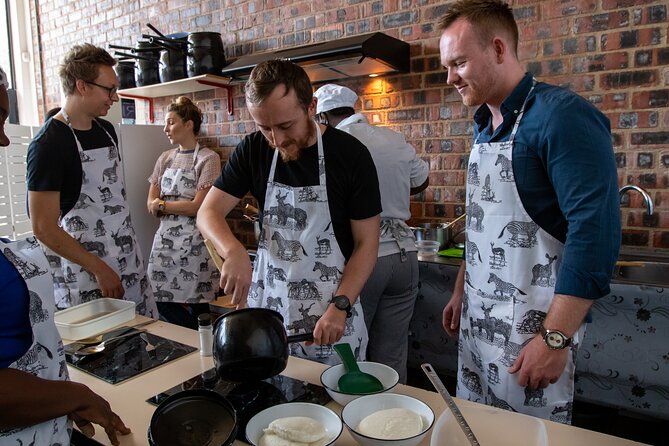
Each person has an opportunity to help make the meal. Depending on the group size, you may prepare one or two dishes, with the hosts demonstrating techniques and guiding you through the steps.
The class seems best suited to beginners or people who enjoy learning through participation. You can expect instruction, demonstrations, and help with the recipes rather than an advanced professional workshop. One participant found the cooking level too basic, while still praising the food and the information. That is useful to know if you have already completed many high-level cooking classes.
For most holidaymakers, the basic approach is a strength. You do not need specialist kitchen skills to take part, and you can focus on understanding the ingredients and methods. Families can join in, too. Children aged 11 and 14 were described as enjoying the hands-on work, the food, and the chance to eat with their hands.
The class encourages you to get involved, but the precise amount of work may depend on how many people attend. The maximum group size is 10, which helps keep the experience personal. If the class is lightly booked, you may have more time with the hosts and a larger role in the cooking. If it is full, tasks will be shared among the group.
Something quite different:
- Wine Tour: Paarl, Franschhoek & Stellenbosch incl 3 wineries
★ 5.0 · 3,940 reviews - Cape Town: Hop-On Hop-Off Bus Tour with Optional Cruise
★ 4.8 · 3,929 reviews - Cape Town: Cape of Good Hope & Penguins Day Tour with Pickup
★ 4.7 · 3,362 reviews - Zipline Cape Town – From Foot of Table Mountain Reserve
★ 5.0 · 3,179 reviews
Caleb and Florence make the class personal
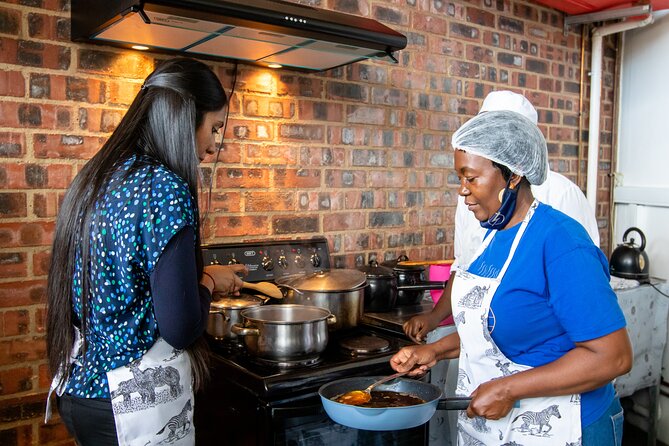
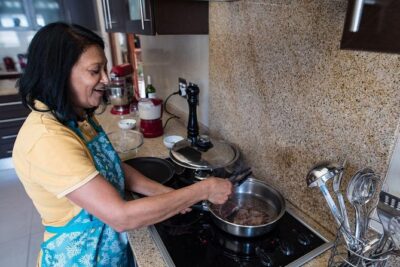
The hosts are a major reason to choose this experience. Caleb begins with the food background and explanations, then Florence takes an active role in guiding the cooking. Their style comes across as friendly, patient, and open.
Caleb is described as offering a long and useful explanation of the dishes, ingredients, and their nutritional value. Florence is praised for her kindness and practical help in the kitchen. Together, they create the feeling of being welcomed into a home rather than processed through a commercial activity.
That personal approach also makes the class work well for couples, families, colleagues, and small groups of friends. You can attend as a private group or meet people from different parts of the world. The social side is not an extra feature added at the end. It is built into the way the meal is prepared and served.
You should expect conversation as well as instruction. The strongest part of the experience may not be mastering every recipe. It may be sitting with the hosts, hearing how the food connects to their culture, and sharing a meal after working together.
The communal meal is the real payoff
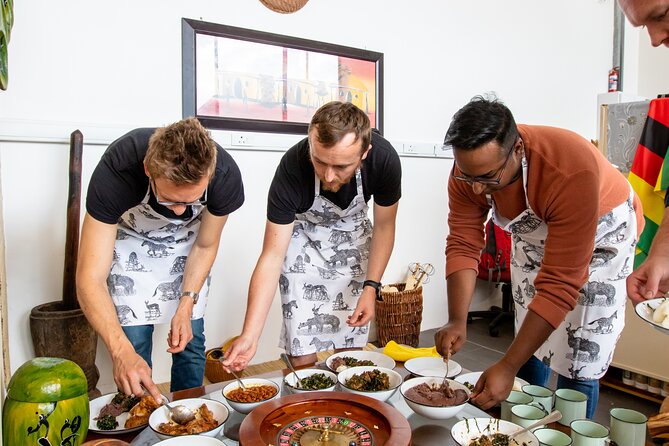
Once the cooking is finished, everyone eats together. This communal meal reflects the way food is often enjoyed in an African home, where eating is a social activity rather than a quick stop between sightseeing plans.
You get to taste the dishes while they are still connected to the work that produced them. Sadza, chicken stew, beans, vegetables, chakalaka, and the beef dish make a substantial spread. The meal is included in the price, so you are not paying separately for dinner after the class.
The communal format may feel more relaxed than a standard restaurant meal. You have shared the preparation, so the food becomes a group achievement. There is room for laughter, conversation, and the simple satisfaction of sitting down when the work is done.
The food receives consistently strong praise, but this is not a tasting menu built around small portions or polished presentation. It is a home-style meal with generous cultural context. If you want to leave full and carry new recipes home, this approach works well. If you are looking mainly for advanced knife skills or fine-dining technique, it may not be the right match.
The experience ends with an African hot drink, either tea or coffee. It is a modest but fitting finish after a meal and gives the group a final chance to talk before leaving.
What the $57.51 price really covers
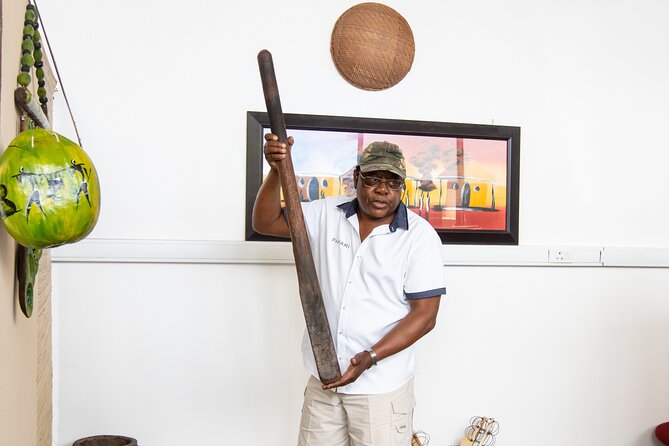
At $57.51 per person, the value is good because the fee covers much more than a short cooking demonstration. You receive instruction, ingredients, starter snacks, African drinks, a complete lunch or dinner, and a final tea or coffee. Alcoholic beverages are also included.
The price makes the most sense if you treat the activity as both a meal and a cultural experience. A restaurant dinner alone may give you the chance to taste these dishes, but it would not give you the background, preparation, or personal contact with the hosts. A cooking class elsewhere might teach you recipes, but not necessarily provide such a full meal and relaxed social setting.
The small group limit also helps. A maximum of 10 people is not the same as a private class, but it is far more manageable than a large food demonstration. You should have a realistic chance to participate, ask questions, and speak with the hosts.
The possible weakness is the level of instruction. Experienced home cooks may find parts of the class slow or simple. You are paying for the whole package, including the cultural conversation and shared dinner, not for a technical masterclass.
The activity is usually booked about 33 days ahead, so it is sensible to reserve before your Cape Town visit if the date matters. Confirmation arrives at booking, and free cancellation is available until 24 hours before the start time. Changes or cancellations inside that 24-hour window are not accepted for a refund.
Who should choose this cooking experience?
I would recommend this class to anyone who wants a social, food-centered look at African culture. It is particularly suitable for:
- First-time visitors to Cape Town who want an introduction to Southern African cuisine.
- Couples looking for a warm evening activity.
- Families with older children who enjoy hands-on food preparation.
- Vegetarians and vegans who want an experience with plant-based choices.
- Small groups of friends or colleagues.
- Home cooks who like learning traditional recipes and food customs.
It is less suitable if you want a quiet, private dinner with no group interaction. It may also disappoint advanced cooks who expect difficult techniques, complex plating, or professional kitchen training.
The experience does not replace a full restaurant crawl or a dedicated culinary tour of Cape Town. Instead, it gives you one focused meal and the chance to understand how the food is made and shared.
Practical tips for a smoother visit
Use the exact address, Pahari African Restaurant, 121 Cecil Road, Salt River, when arranging an Uber. Public transportation is nearby, but private transportation is not included.
Arrive ready to participate. The hosts encourage you to get your hands dirty, so this is not the place for a formal meal outfit that you are afraid to cook in. The available information does not specify a dress code or kitchen equipment, so keep your clothing comfortable and practical.
Tell the provider about vegetarian or vegan needs when you book. Those options are available, and the hosts have accommodated vegetarian family members, but advance notice is always helpful.
Set aside the full two and a half hours. The experience includes an introduction, snacks and drinks, cooking, the communal meal, and a hot beverage. Rushing away halfway through would cut out the part that makes the class feel complete.
Also, ask about the recipes before you leave. One participant received recipes, photos, and videos afterward, but this is not listed as a guaranteed inclusion. It is worth politely asking if the hosts can share the recipes from the dishes you prepared.
Should you book the Authentic African Cuisine Cooking Experience?
Yes, if you want a friendly and personal introduction to African food in Cape Town. The best reasons to book are the hosts, the communal meal, the range of dishes, and the chance to learn how food traditions are passed between generations.
The class earns its strong reputation through warmth more than showmanship. Caleb and Florence create a welcoming atmosphere, the food is widely praised, and the experience works for couples, families, and mixed-diet groups. You will likely remember the conversation and shared meal as much as the recipes.
Book it with the right expectations. This is a beginner-friendly cultural cooking experience, not an advanced chef course. If you value authentic food, human connection, and a meal you help create, the $57.51 price is well spent.
FAQ
Where does the cooking experience take place?
It takes place at Pahari African Restaurant, 121 Cecil Road, Salt River, Cape Town, 7925, South Africa.
How long does the experience last?
The cooking experience lasts approximately 2 hours and 30 minutes.
What food will I learn to prepare?
The menu includes sadza, also called mealie pap, meaty beef bones with green vegetables, chicken stew, green vegetables with peanut butter, chakalaka, and sugar beans.
Are vegetarian and vegan options available?
Yes. The experience offers vegetarian and vegan options.
Is transportation included?
No. Private transportation is not included. The restaurant is near public transportation, and the activity both starts and ends at the restaurant.
What is the cancellation policy?
You can cancel for a full refund up to 24 hours before the experience start time. Cancellations or changes made less than 24 hours before the start time are not accepted for a refund.
Just added in Cape Town
- Sunset Safari Big 5 Aquila with Snacks and Wine Tasting★ 5.0 · 12 reviews
- Explore Atlantis Sand Dunes with a 1hour 30mins sandboarding tour★ 5.0 · 5 reviews
- Private Tour to 20 Wine Tasting in Stellenbosch and Franschhoek★ 5.0 · 11 reviews
- Photoshoot in Cape Town’s most Gorgeous Locations★ 5.0 · 2 reviews
- Robben Island, Kirstenbosch wine tasting Tour★ 5.0 · 10 reviews
- Zip Line and Wine from Cape Town★ 5.0 · 14 reviews
- Private Transfer from Cape Town International Airport★ 5.0 · 4 reviews
- 1 Hour Cape Town City Center Photoshoot Experience★ 5.0 · 19 reviews
Cooking Classes, compared.
Half-Day Small Group Cooking Experience in Franschhoek
Read our review →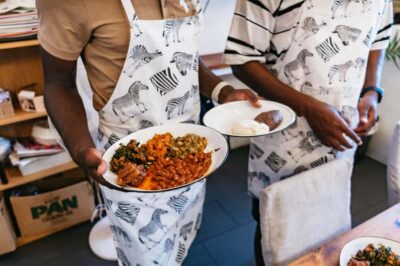
Private Cape Malay Cooking Class in Cape Town with a Local Family
Read our review →
GQ: City Walking Tour & African Cuisine Cooking Class
Read our review →
South African Cooking in Cape Town with Local Chef Richard
Read our review →Browse the lists this tour appears in