
REVIEW · COOKING CLASSES
Cape Town: Authentic African Cuisine Cooking Experience
Bring your appetite and your curiosity. This Cape Town cooking class gives you more than a meal: you work through a traditional African menu with Florence, a co-owner of Pahari African Restaurant, and learn how food, family, and history meet in the kitchen. I especially like the small group size, limited to 10 people, and the chance to eat the meal you helped prepare at a shared table.
I also like the personal story behind the class. Florence learned to cook from her mother, and the recipes have passed through her family over generations. The main consideration is that this is a full 150-minute food experience, not a quick demonstration, so you should set aside a relaxed afternoon or evening and be ready to get involved.
In This Review
- What makes this African cooking experience special
- Meeting Florence at Pahari African Restaurant
- Starting with African drinks and small tastes
- Learning how African recipes have changed
- Building the meal: pap, stews, vegetables, and beans
- Sharing the finished food around one table
- Finishing with African tea or coffee
- Is $71 good value for 150 minutes?
- Who should book this Cape Town experience?
- Practical details before you go
- My final call on the Pahari cooking class
- FAQ
- Where does the African cooking experience take place?
- Who should I ask for when I arrive?
- How long does the cooking experience last?
- What food will I prepare?
- Are drinks included?
- Are vegetarian and vegan options available?
- Is hotel pickup included?
- What language is the class taught in?
- How large is the group?
- Can I cancel for a refund?
What makes this African cooking experience special
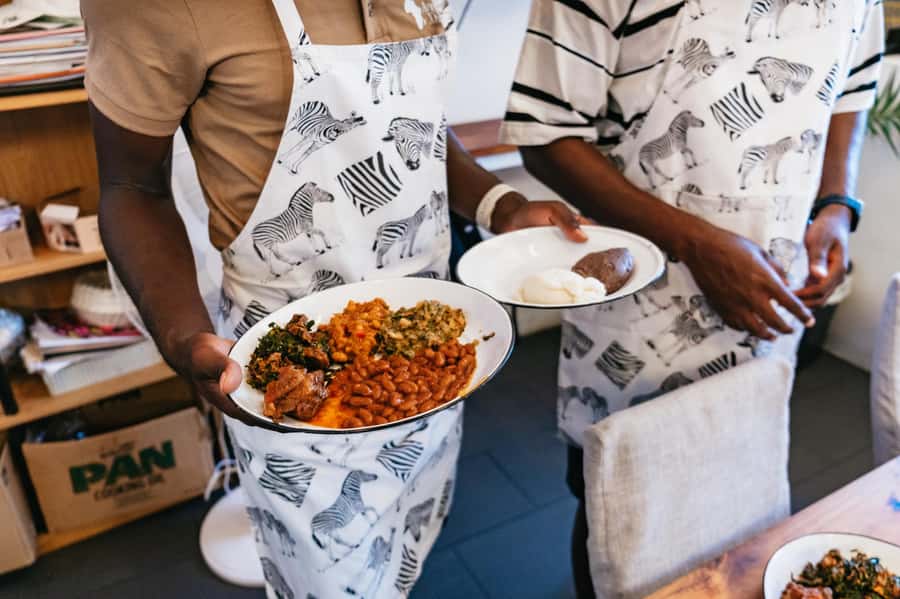
- You cook the full meal from start to finish: The class includes sadza, chicken stew, meaty beef bones with green vegetables, chakalaka, and sugar beans.
- Florence brings family recipes to the table: Her cooking comes from lessons learned at home and years in the food service industry.
- You learn the story behind the ingredients: The introduction covers African cuisine, local ingredients, food traditions, and how recipes change over time.
- The meal is eaten communally: You share the food with the hosts and other participants in the style of an African home.
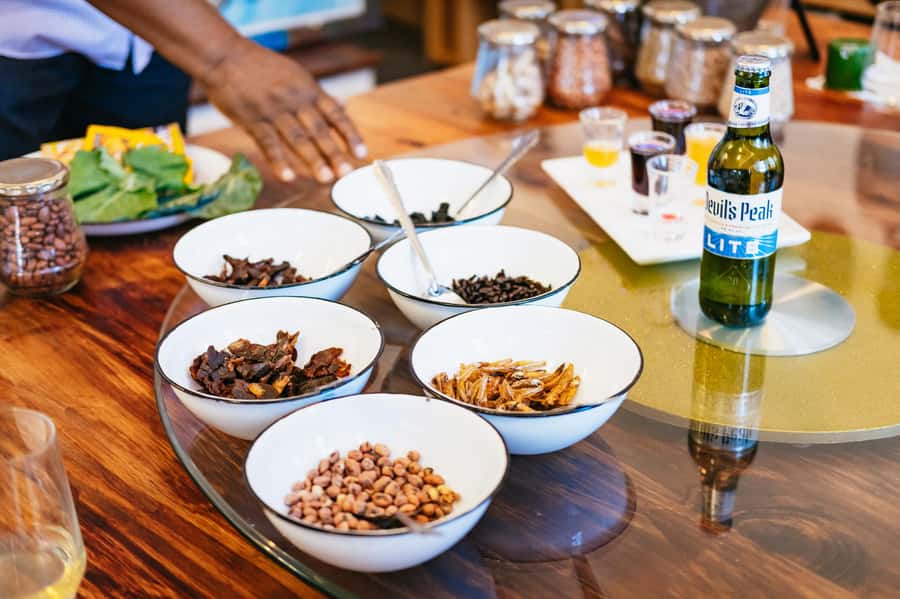
- The welcome includes African drinks and snacks: You can try African juice, beer, tea or coffee, along with starter foods that may include unusual items such as caterpillars and termites.
- Vegetarian and vegan options are available: Tell the host about your dietary needs when arranging your place.
Meeting Florence at Pahari African Restaurant
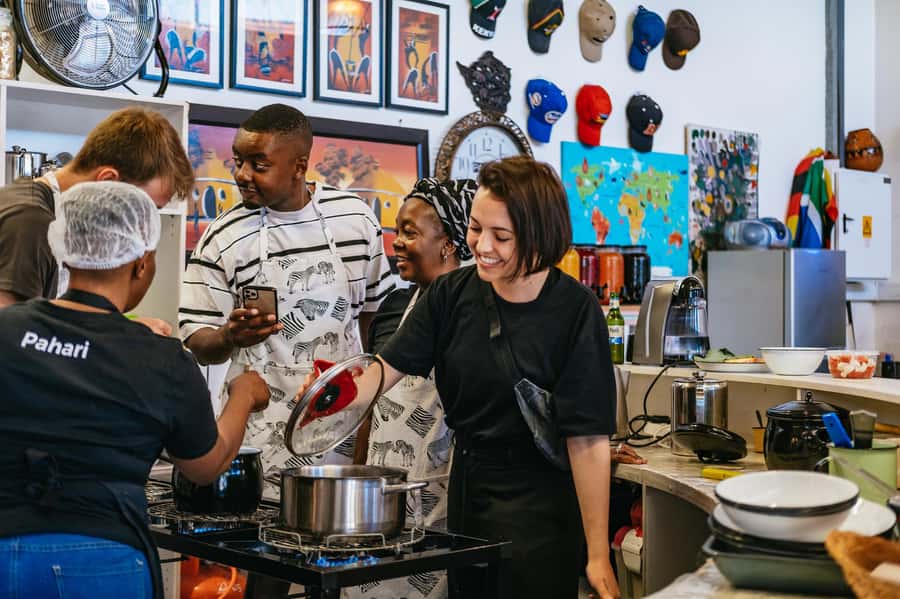
You meet at Pahari African Restaurant in Cape Town and ask for Florence. The cooking takes place in a separate room next to the restaurant, which gives the class its own space rather than placing you at an ordinary restaurant table.
That setting matters. You are not simply ordering a dish and hearing a short explanation from a server. You enter a working food environment where the meal is the center of the evening. Florence and her husband have spent two decades in food service, and their welcome is a major part of the appeal.
The class is conducted in English. With a maximum of 10 participants, the group should feel small enough for each person to take part. You are not expected to watch from the edge of the room. The plan is for everyone to contribute as the food comes together.
The experience can also work well for a private family group, a group of friends, work colleagues, or people who want to meet others while eating together. The private room beside the restaurant adds a little calm and separation from the main dining area.
More Cooking Classes in Cape Town
- Cape Town: Malay Cooking Class and Lunch in Bo-Kaap
★ 4.8 · 515 reviews - Authentic African Cuisine Cooking Experience
★ 5.0 · 236 reviews - Cape Town: Cape Malay Cooking Class in Bo-Kaap
★ 4.8 · 120 reviews
Starting with African drinks and small tastes
The welcome begins with a choice of African drinks. Included options are African juice and African beer, with African tea or coffee served later at the end. You also receive starter snacks before the main cooking begins.
This opening is useful because it gives you time to settle in and get to know the hosts. It also sets the tone for the class. You are not rushing directly into a list of instructions. Food is introduced as something to taste, discuss, and share.
Some sessions may include unusual snacks such as caterpillars and termites. One family found these surprisingly tasty, but they are clearly not for everyone. If you are adventurous, this can be a memorable part of the meal. If you are cautious about unfamiliar ingredients, you can ask what is being served before trying anything.
The snacks also show that African food is not one fixed menu. Ingredients and habits vary across the continent and across communities. That wider point is part of the class, so you get more than a narrow lesson in a single restaurant recipe.
Learning how African recipes have changed
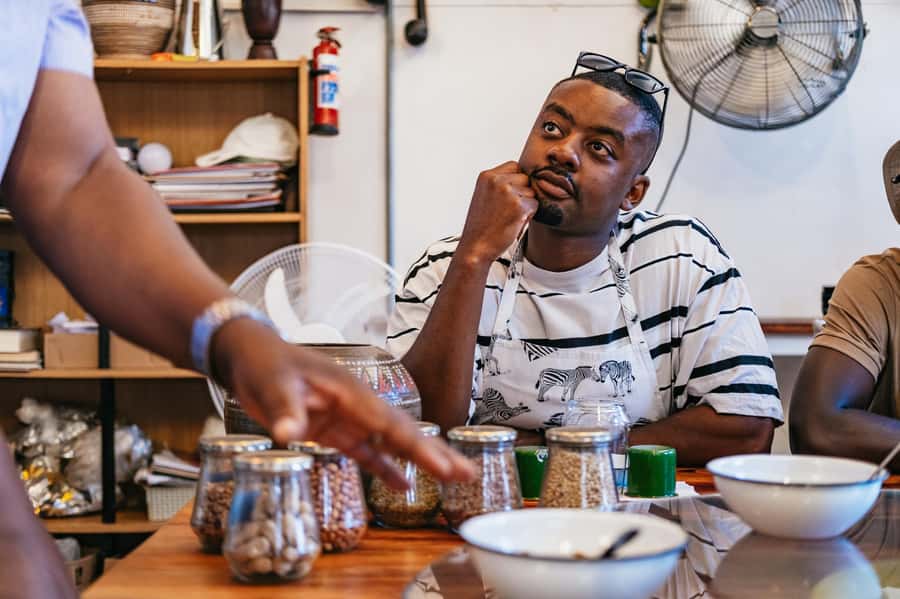
Before the pots get busy, the host explains the background of African cuisine and the ingredients used in the dishes. You hear how recipes have evolved and how cooking methods are passed from one generation to the next.
This is one of the strongest parts of the experience. Cooking classes can sometimes turn into a race to chop, stir, and serve. Here, the food has a story attached to it. You learn why particular dishes belong together and how home cooking carries family memory.
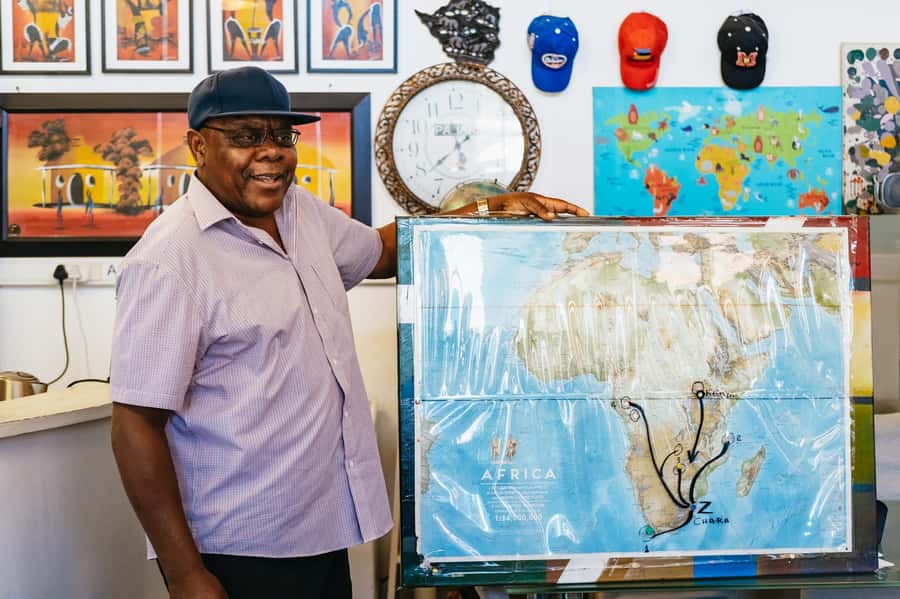
Caleb, Florence’s husband, has also led the introduction for some groups. He explains the origins of ingredients and the place of local and organic produce in the cooking. The exact balance between history, ingredient discussion, and hands-on work may depend on the group, but the focus is clearly on food and culture together.
I would pay attention during this early section, even if you are eager to start cooking. It gives you useful context for the meal ahead. You will understand the dishes better once you know how they fit into everyday African cooking and family traditions.
Building the meal: pap, stews, vegetables, and beans
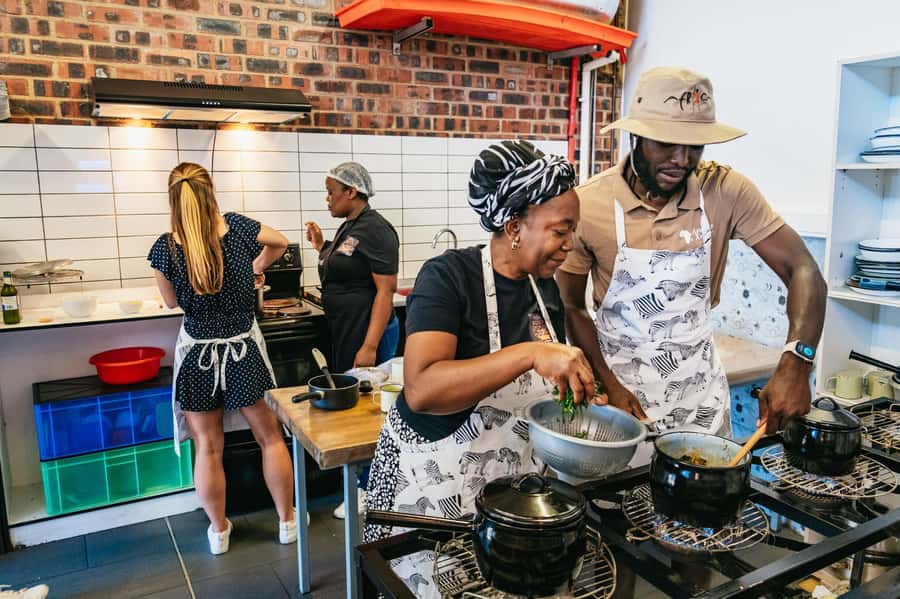
The main menu gives you a good spread of textures and flavors. You prepare sadza, also called ground mealie meal, which provides the foundation for the plate. The class also includes chicken stew, meaty beef bones mixed with green vegetables, chakalaka, and sugar beans.
Sadza is especially important because it is described as a basic foundation for an African main meal. You learn how the mealie meal becomes a soft, filling staple that works with the stews and vegetables. It may be familiar in concept if you have eaten other grain-based staples, but the preparation and way of eating make it part of this particular meal.
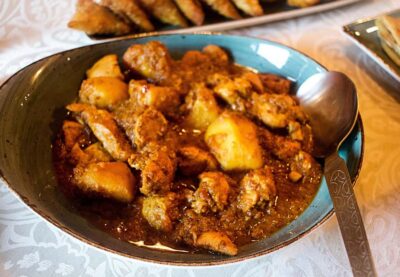
The chicken stew gives you a slower, savory dish to pair with the sadza. The beef bones and greens bring a different combination of meat and vegetables. Chakalaka adds a spicy vegetable element, while sugar beans provide a hearty option that helps balance the plate.
The class is designed so each person can contribute. You may be preparing ingredients, stirring a pot, or helping with one of the side dishes. You should expect practical participation rather than a polished cooking show. The instruction is step by step, and the invitation to get your hands dirty is meant literally.
That hands-on approach is a good reason to wear comfortable clothing and avoid treating the class like a formal dinner. The reward is that you understand the meal through your own work. Even if your cooking skills are basic, you can follow along and ask questions in English.
Something quite different:
- Wine Tour: Paarl, Franschhoek & Stellenbosch incl 3 wineries
★ 5.0 · 3,940 reviews - Cape Town: Hop-On Hop-Off Bus Tour with Optional Cruise
★ 4.8 · 3,929 reviews - Cape Town: Cape of Good Hope & Penguins Day Tour with Pickup
★ 4.7 · 3,362 reviews - Zipline Cape Town – From Foot of Table Mountain Reserve
★ 5.0 · 3,179 reviews
Sharing the finished food around one table
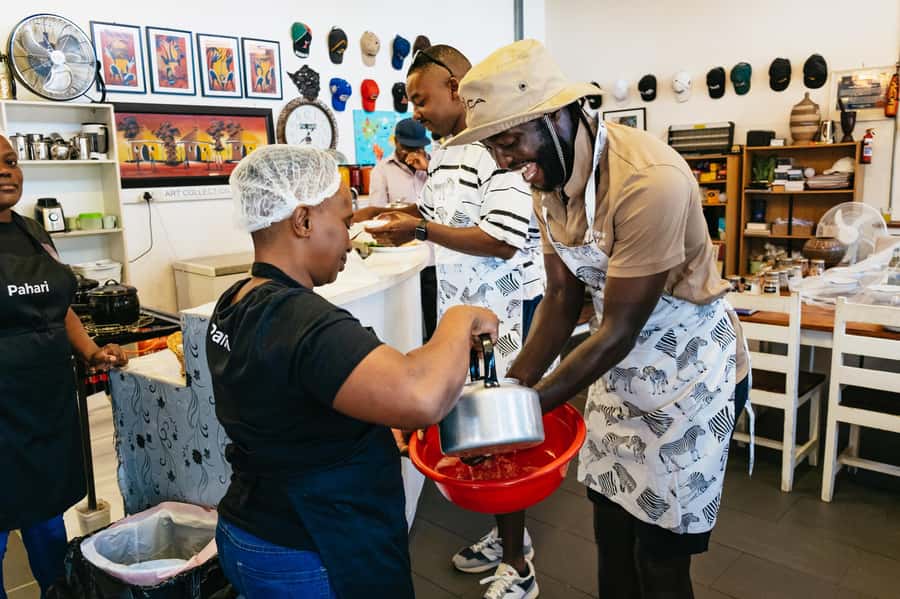
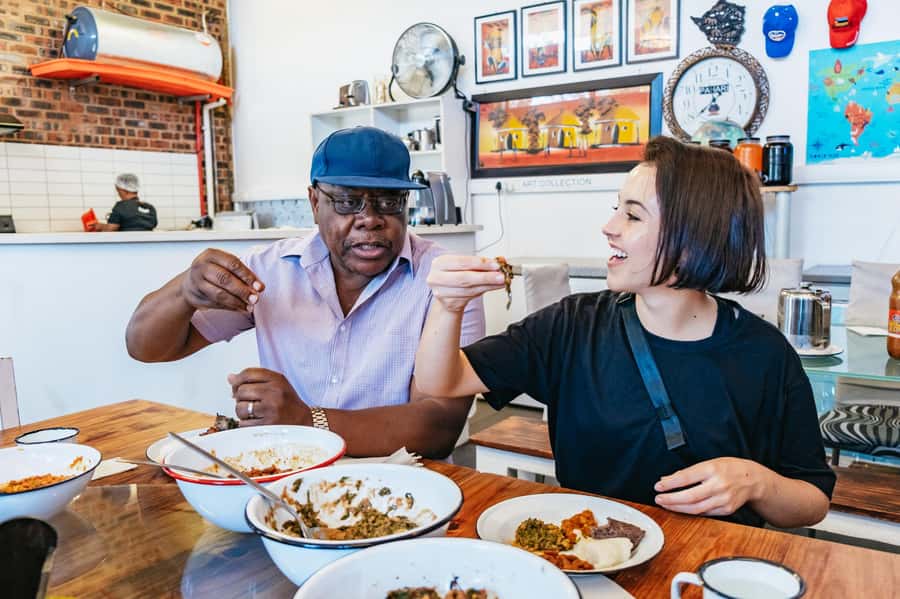
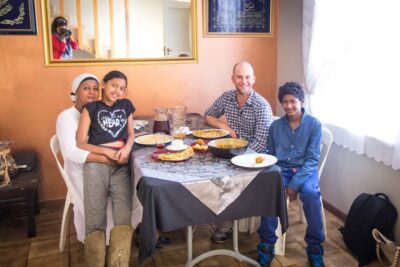
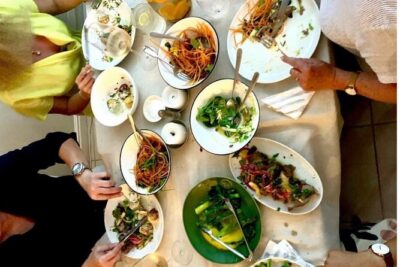
After the cooking, everyone sits down to eat the meal together. The communal format is not an extra decoration. It reflects how the food is often enjoyed in an African home, with people sharing dishes and conversation rather than receiving isolated plates.
You may also be encouraged to eat with your hands instead of using a knife and fork. This is part of the custom being explained, and it changes how you handle the food. Sadza works naturally with the stews and vegetables, but the technique can take a little practice. Keep your sense of humor handy.
For many people, this shared meal will be the most memorable part of the class. You have seen the ingredients, helped prepare the dishes, and then eat the result alongside the hosts. The meal becomes a social event rather than a simple conclusion to the cooking.
The atmosphere is described as peaceful and welcoming, with time to talk about food, culture, and everyday life. You may be seated with family, friends, colleagues, or a small group of people from different countries. That makes the experience a good fit if you enjoy conversation as much as cooking.
One possible limitation is the lack of dessert. The included menu finishes with an African hot drink rather than a sweet course. If dessert is important to you, plan to find it elsewhere. If you are satisfied with a substantial savory meal and tea or coffee, this will not be a problem.
Finishing with African tea or coffee
The final drink is African tea or coffee. It gives the group a gentle finish after the cooking and shared meal.
This closing also leaves room for further conversation. You can ask about the dishes, compare cooking habits, or discuss how to make the meal at home. The experience includes the option to request an easy-to-follow recipe, which is a practical benefit rather than a souvenir that sits in a drawer.
I would ask for the recipe before you leave if you want to recreate the meal. The menu includes several dishes, so having written instructions will help you remember the proportions and order of preparation later.
Is $71 good value for 150 minutes?
At $71 per person, this is not the cheapest way to eat in Cape Town. You could spend much less on a restaurant meal. The price makes more sense when you count what is included: a 150-minute class, instruction, a full meal, starter snacks, African juice, African beer, and tea or coffee.
You are also paying for access to the hosts’ family cooking knowledge and for the chance to prepare the food yourself. The class has a strong cultural element, so its value is higher for someone who wants to understand the meal instead of simply consuming it.
The small group limit of 10 helps support the price. A large class can leave you watching from the back, while this format gives you a better chance to take part. On a quieter day, the group may be very small, possibly even private, though you should not book on the assumption that this will happen.
The price is less appealing if you want only a quick tasting or a formal restaurant meal. It is a fairer deal if you enjoy guided activities, want to meet the people behind the food, and plan to use the recipe at home.
Who should book this Cape Town experience?
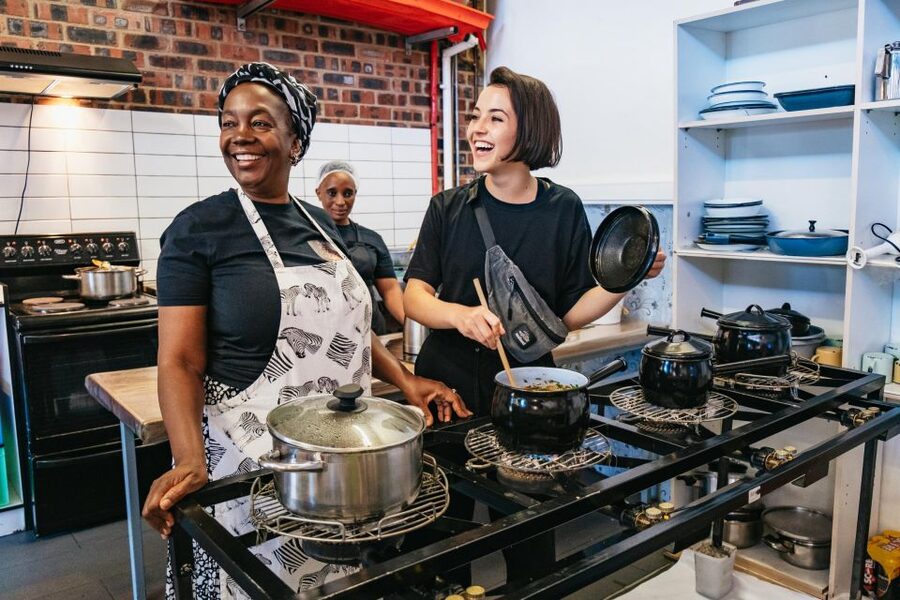
I would recommend this class to people who enjoy food with a story. It suits couples, families, small friend groups, work groups, and solo visitors who like a social meal.
It is also a good choice if you want an activity that feels different from Cape Town’s usual sightseeing schedule. Instead of standing outside a landmark, you spend time learning, tasting, cooking, and talking.
Families should find plenty to keep busy, though younger children may need help with hot pans and unfamiliar foods. Anyone with vegan or vegetarian preferences can use the available alternatives, but you should communicate those needs in advance.
You should think twice if you dislike group activities, hands-on work, communal dining, or trying foods outside your usual routine. This is not a quiet tasting menu. You will be involved, and some ingredients may be new to you.
The English instruction is suitable for people who can follow ordinary cooking explanations in English. If you want a highly technical chef-training course, this may feel informal. Its strength is the warmth of home cooking and cultural exchange.
Practical details before you go
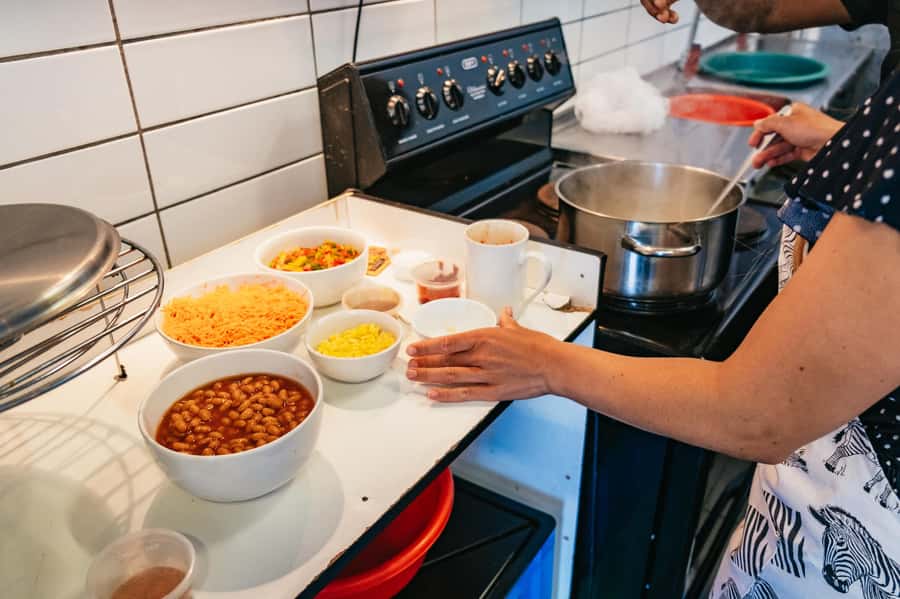
The activity lasts 150 minutes, so allow enough time to enjoy the full meal rather than planning another appointment immediately afterward. Starting times vary, so check availability when you book.
Hotel pickup and drop-off are not included. You need to make your own way to Pahari African Restaurant and ask for Florence when you arrive.
You can cancel up to 24 hours before the experience for a full refund. The reserve now and pay later option lets you hold a place without paying at the time of booking, which is useful when your Cape Town plans are still shifting.
The overall rating is 4.9 out of 5 from 31 ratings, with particular praise for the welcoming hosts, the food, and the explanations about African history and traditions. The strongest pattern is clear: this class succeeds because Florence and her family make the food personal.
My final call on the Pahari cooking class
Book this experience if you want a warm, participatory introduction to African food in Cape Town. Florence’s family connection to the recipes, the small group format, and the communal meal give it more substance than a standard cooking lesson.
I especially recommend it for people who want to take home a skill, a recipe, and a better sense of how food connects with family life. Keep your expectations realistic: the menu is savory, the meal may include unfamiliar snacks, and you will need to participate rather than simply watch.
At $71, the value comes from the full two-and-a-half-hour experience, not just the plate of food. If that combination of cooking, conversation, and culture sounds like your kind of evening, Pahari African Restaurant is a strong choice.
FAQ
Where does the African cooking experience take place?
It takes place at Pahari African Restaurant in Cape Town, in a separate room next to the restaurant.
Who should I ask for when I arrive?
Ask for Florence when you arrive at Pahari African Restaurant.
How long does the cooking experience last?
The experience lasts 150 minutes.
What food will I prepare?
You will prepare sadza, made from ground mealie meal, meaty beef bones with green vegetables, chicken stew, chakalaka, and sugar beans.
Are drinks included?
Yes. African juice, African beer, and African tea or coffee are included.
Are vegetarian and vegan options available?
Yes. Vegetarian and vegan options are available.
Is hotel pickup included?
No. Hotel pickup and drop-off are not included.
What language is the class taught in?
The instructor teaches the experience in English.
How large is the group?
The experience is limited to 10 participants.
Can I cancel for a refund?
Yes. You can cancel up to 24 hours in advance for a full refund.
Just added in Cape Town
- Sunset Safari Big 5 Aquila with Snacks and Wine Tasting★ 5.0 · 12 reviews
- Private Tour to 20 Wine Tasting in Stellenbosch and Franschhoek★ 5.0 · 11 reviews
- Explore Atlantis Sand Dunes with a 1hour 30mins sandboarding tour★ 5.0 · 5 reviews
- Robben Island, Kirstenbosch wine tasting Tour★ 5.0 · 10 reviews
- Photoshoot in Cape Town’s most Gorgeous Locations★ 5.0 · 2 reviews
- Zip Line and Wine from Cape Town★ 5.0 · 14 reviews
- Private Transfer from Cape Town International Airport★ 5.0 · 4 reviews
- 1 Hour Cape Town City Center Photoshoot Experience★ 5.0 · 19 reviews
Cooking Classes, compared.
Half-Day Small Group Cooking Experience in Franschhoek
Read our review →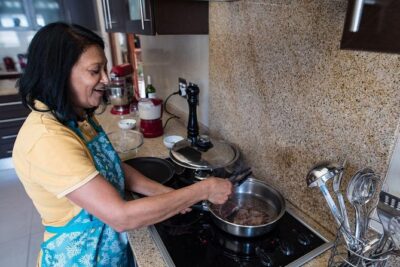
Private Cape Malay Cooking Class in Cape Town with a Local Family
Read our review →
GQ: City Walking Tour & African Cuisine Cooking Class
Read our review →
South African Cooking in Cape Town with Local Chef Richard
Read our review →Browse the lists this tour appears in