
REVIEW · BO-KAAP TOURS
Cape Town: Cape Malay Cooking Class in Bo-Kaap
Food tells the story of Bo-Kaap. This two-hour class brings you into a local home to prepare a three-course Cape Malay meal, then sit down and eat what you made. I like the hands-on cooking, where you fold samosas, shape flatbread, and help with the curry instead of simply watching. I also like the easy conversation about family, faith, food, and neighborhood life. The main caution is that this is a shared kitchen rather than a private cooking station for each person, and you may need to use steep stairs to reach the dining area.
At $52 per person, the class offers more than lunch. You get food, instruction, soft drinks, and a personal introduction to Bo-Kaap culture in one compact visit. The food is the star, but the host’s stories give the meal its meaning. English and Afrikaans are spoken, and hosts such as Shafeeqah have been praised for making people feel at home while keeping a multinational group involved.
In This Review
- Key points to know before booking
- Why Cape Malay food matters in Bo-Kaap
- Arriving at a Bo-Kaap home
- Making the starters together
- Building the curry and the main meal
- Sitting down to eat what you made
- The history lesson is short but worthwhile
- What the two-hour schedule feels like
- Price, value, and what is included
- Important practical points before you go
- Who will enjoy this class most?
- Should you book the Bo-Kaap Cape Malay cooking class?
- FAQ
- How long does the Cape Malay cooking class last?
- What food will I help prepare?
- Is lunch included?
- Is transportation included?
- What languages are spoken?
- Can I cancel the booking?
- Is alcohol allowed during the activity?
Key points to know before booking
- You cook in a local Bo-Kaap family home: The setting feels personal and informal rather than like a restaurant demonstration.
- The menu includes hands-on staples: Depending on the session, you may help make samosas, chilli bites, roti or flatbread, and chicken or beef curry.
- The whole group shares the work: You assist with different parts of the meal, but you do not get a separate cooking station or individual dish.
- The meal is part of the lesson: After cooking, you sit down with the host for lunch and conversation about Cape Malay food, family, and local traditions.
- The class lasts two hours: That makes it easy to fit into a day of sightseeing, but the schedule is fairly tight if you want long, detailed instruction.
- Plan your own way there: Transport is not included, though you can reserve now and pay later, with free cancellation up to 24 hours before the class.
Why Cape Malay food matters in Bo-Kaap
Cape Malay cooking is not simply another version of South African home food. It has its own use of spices, folding methods, breads, curries, and sweet or spicy flavors. The class is designed to show you those differences through your hands and your appetite.
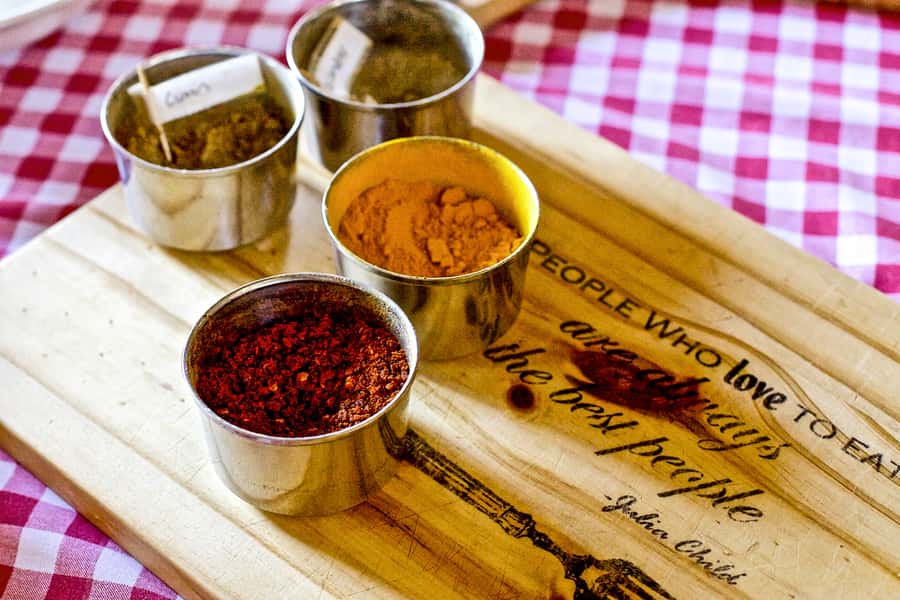
That matters because food can explain a place more clearly than a short sightseeing stop. You are not just told that spices are important. You handle them, smell them, combine them, and then taste the result at the table.
The Bo-Kaap setting adds another layer. The class takes place in the heart of the neighborhood, hosted by a local resident in a family home. You get a brief history lesson along with practical cooking advice, including how to fold a samoosa so its filling stays inside during cooking.
That small detail says a lot about the class. It is not fancy culinary-school training. It is the kind of useful kitchen knowledge passed from one cook to another, the sort of tip you may remember the next time you try the recipe at home.
More Cooking Classes in Cape Town
- Cape Town: Malay Cooking Class and Lunch in Bo-Kaap
★ 4.8 · 515 reviews - Authentic African Cuisine Cooking Experience
★ 5.0 · 236 reviews - Cape Town: Bo-Kapp Walking Tour and Malay Cooking Class
★ 4.7 · 105 reviews
Arriving at a Bo-Kaap home
The experience begins when you meet your host or greeter and enter the home. The hosts speak English and Afrikaans, so communication should be straightforward for English-speaking visitors.
The home setting is one of the strongest reasons to book this class. A restaurant can serve you Cape Malay food, but it cannot offer quite the same look at how food, family, and hospitality come together in a local kitchen. Several hosts, including Shafeeqah, Jasmina, and Jacinda, have been praised for their warmth and clear guidance.
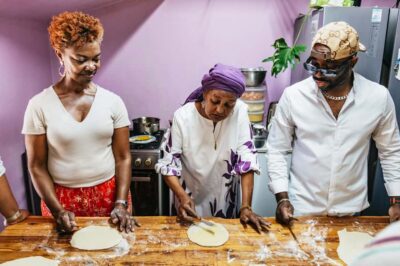
Expect a friendly welcome rather than a formal classroom. You may cook alongside people from several countries, which gives the session a social side. The shared tasks encourage conversation, and the class often feels like a meal with new acquaintances rather than a lesson where everyone works in silence.
The home setting also means you should keep your expectations practical. Space may be more limited than in a commercial cooking school. One four-star assessment made clear that this is not the traditional format with a separate station for every person. The group works together on the starters and main course.
For most people, that is part of the charm. If you want to practice every step yourself and take home a perfectly measured recipe, this may feel less structured. If you want to cook, talk, and learn how a local household prepares these dishes, the shared format works well.
Making the starters together
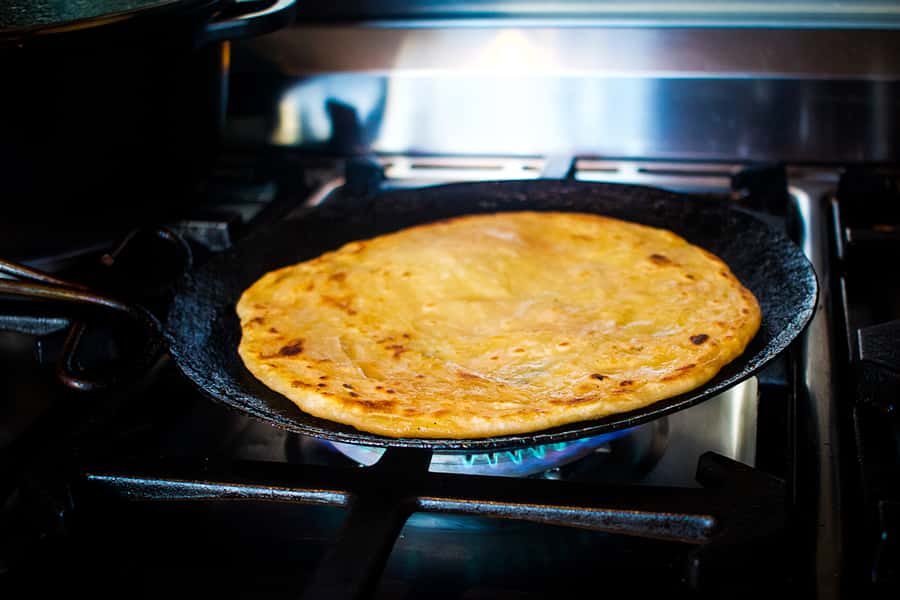
The first cooking work usually focuses on smaller dishes such as samosas and chilli bites. You may also help prepare roti or another flatbread. These foods are ideal for a group class because different people can take on separate tasks.
Samosas require more skill than they look. You need to handle the pastry carefully, add enough filling without overloading it, and fold the edges so the parcel holds together. The folding tip about keeping the filling inside during cooking is exactly the sort of instruction that makes the class useful beyond the meal itself.
Chilli bites bring a different texture and flavor. The class uses authentic spices and fresh ingredients, and the host explains how they work in the dish. You can expect to learn by doing, with the instructor demonstrating a step and then encouraging everyone to take part.
The flatbread or roti gives you another chance to work with dough. You may find this section especially enjoyable if you like cooking with your hands. It also gives the class a rhythm: chop, mix, fold, shape, cook, and taste.
Do not expect to prepare a full serving of every starter alone. The class shares the work, so you may fold some samosas, help with the chilli bites, and take part in the bread preparation while others handle different jobs. This keeps the two-hour timetable moving, but it also means your personal role can vary from one session to the next.
Building the curry and the main meal
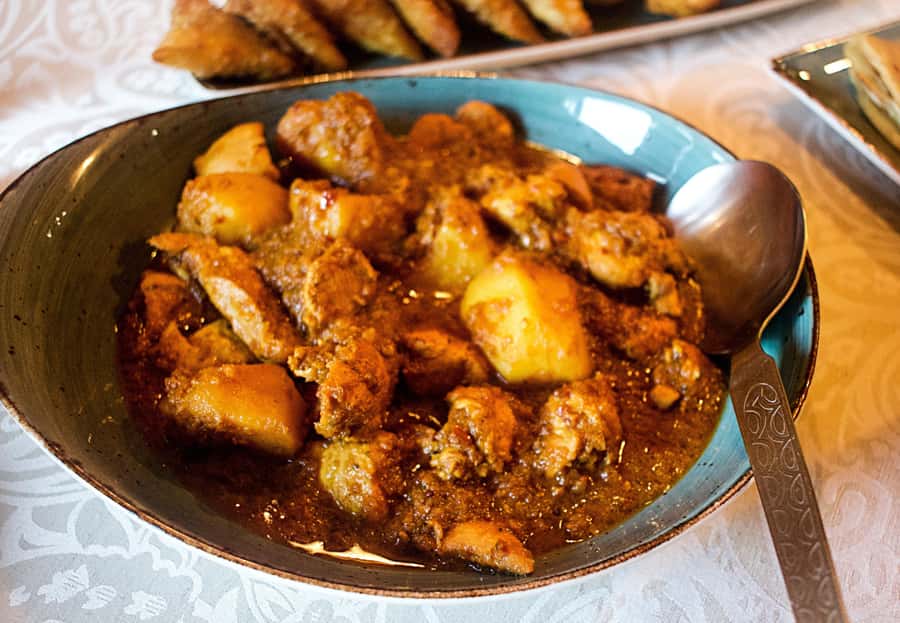
The main course is a Cape Malay curry, with chicken or beef appearing in the detailed menu accounts. The exact dish may vary, so you should not book expecting one fixed meat choice unless the provider confirms it.
The class explains how the curry comes together through its spices and cooking method. You work with fresh ingredients rather than watching a pre-cooked dish appear from the kitchen. That gives you a better sense of how Cape Malay food gets its flavor.
This is also where the cultural lesson becomes more useful. The host can explain not only what goes into the pot, but how these dishes fit into family meals and local traditions. You hear about the cuisine from someone connected to the community, rather than receiving a detached description from a guide reading prepared notes.
Several accounts praised the hosts for giving clear demonstrations and practical tips. Shafeeqah, in particular, has been singled out for leading a mixed group with patience and pride. That matters if your cooking experience is uneven. Beginners can follow along, while confident cooks can pay closer attention to seasoning and technique.
The class is not advertised as a lesson in restaurant-level plating or advanced knife work. Its value is elsewhere. You learn how ordinary ingredients and familiar kitchen tools become food with a strong local identity.
More Workshops in Cape Town
- Private Surf Lesson
★ 5.0 · 53 reviews - Private Surf Lesson in Cape Town – Transport & Photos Included
★ 5.0 · 50 reviews - Muizenberg Cape Town: Private Surf Lesson
★ 5.0 · 37 reviews - Private Cape Malay Cooking Class in Cape Town with a Local Family
★ 5.0 · 24 reviews
Sitting down to eat what you made
Once the cooking is finished, you sit down for the meal. Lunch and soft drinks are included, and the three-course format gives the class a satisfying finish rather than ending with a quick taste.
This is the moment when the earlier work pays off. A samosa you folded yourself tastes different from one lifted from a takeaway counter. You remember the pastry, the filling, and the small correction the host offered when your first fold looked a little doubtful.
The meal also creates time for conversation. You can talk with the host about family, community, local traditions, and the history of the Cape Malay people. The atmosphere is informal, and many people appreciate feeling welcomed into a home instead of being processed through a standard food tour.
The food itself receives the most consistent praise. Dishes have been described as delicious, plentiful, and among the best meals of a Cape Town visit. That does not mean every person will prefer every spice or texture. Cape Malay cooking can include strong seasoning, and your enjoyment will depend partly on your taste.
Dietary needs should be raised before or at booking. One family received helpful accommodation for dietary restrictions, but the published information does not spell out which substitutions are available. Do not assume every request can be handled without advance notice.
The history lesson is short but worthwhile
The history portion is woven into the cooking rather than presented as a separate lecture. You learn about Bo-Kaap, Malay culture, and the food traditions connected with the community while preparing the meal.
This approach works well for a two-hour activity. You get context without sitting through a long talk before touching an ingredient. The host’s own family connection and home make the information feel grounded in real life.
You should keep your expectations in proportion. This is not a full walking tour of Bo-Kaap or a detailed academic course on Cape Malay history. It is a personal introduction that helps you understand why certain dishes matter and how they are prepared at home.
I find that format more useful than a long list of dates. You leave with a few stories, a better sense of the neighborhood, and recipes or techniques you may be able to repeat. The food gives the history a place to stick.
What the two-hour schedule feels like
Two hours is enough time for a lively cooking session and a proper meal, but not enough for every person to receive extended one-to-one instruction. The class moves from welcome, to preparation, to cooking, to eating in a compact sequence.
That short length is useful if you are planning a full day in Cape Town. You can fit the class around other activities without giving up an entire afternoon. It also works well for families, and one family found that even two initially reluctant teenagers enjoyed taking part.
The pace may feel quick if you are slow in the kitchen or want to write down every recipe detail. Bring a phone or small notebook if you want to record spice combinations, but do not let note-taking take you away from the cooking.
The group format is part of the timing. When one person chops and another folds, the meal comes together faster. You also meet new people, which adds a social benefit for solo visitors and couples.
Price, value, and what is included
At $52 per person, this is not the cheapest lunch in Cape Town. It is also not just a meal. The price covers a cooking class, the food you prepare, lunch, and soft drinks.
I think the value is strongest if you care about local food and personal contact. You are paying for the setting, the instruction, the cultural background, and the chance to eat a three-course meal made with your own help. A restaurant meal may cost less, but it will not teach you how to fold a samoosa or explain the family traditions behind the food.
The value is less convincing if you mainly want to eat. You will spend part of the two hours chopping, shaping, and assisting, so this is not the right choice if you want a relaxed meal with no work involved.
Transport is not included. You need to make your own way to the Bo-Kaap meeting point, so allow enough time to arrive without rushing. The activity has free cancellation up to 24 hours before departure, and the reserve-now, pay-later option can help if your Cape Town plans are still shifting.
Important practical points before you go
A few details can make the experience more comfortable:
- Expect shared participation: You will help with several dishes, but you will not necessarily prepare each item from start to finish.
- Ask about food restrictions early: A host has accommodated dietary needs, but available alternatives are not specified.
- Wear practical clothing: Cooking involves dough, spices, and shared kitchen work, so avoid anything you would worry about near food preparation.
- Be ready for stairs: One dining area is reached by fairly steep stairs. If you have a severe back injury or difficulty with stairs, ask about the layout before booking.
- Plan your own transport: No pickup or drop-off is included.
- Keep alcohol and drugs out of the activity: They are not allowed.
- Allow room for conversation: The social exchange is a major part of the experience, not a delay between cooking tasks.
The class is available at different starting times, depending on the date. Check the current schedule before you plan other activities around it.
Who will enjoy this class most?
I would recommend it to anyone who likes food with a story. Couples, families, solo visitors, and small groups can all fit the experience, especially if they enjoy meeting people and sharing a table.
It is a good choice for families with older children or teenagers who need something more active than a museum visit. The hands-on jobs give young people a reason to pay attention, and the final meal offers an immediate reward.
It also suits people who want a softer introduction to Bo-Kaap. You learn about the neighborhood through a home and a meal, rather than only seeing colorful streets from outside. That personal connection is the part you are most likely to remember.
You may want to choose another activity if you need a fully accessible setting, private instruction, or a strict list of individual recipes. The steep stairs and shared kitchen format are the two main limitations to consider.
Should you book the Bo-Kaap Cape Malay cooking class?
Book it if you want to cook, eat, and talk with a local host in one compact experience. The strongest reasons are the family-home setting, the generous welcome, the tasty three-course meal, and the chance to learn useful techniques such as samosa folding and roti preparation.
The $52 price is fair when you treat the class as both lunch and cultural exchange. I would especially choose it early in a Cape Town visit, since the food lesson may help you recognize Cape Malay flavors elsewhere in the city.
Skip it if you dislike group cooking, need a private station, or cannot manage the stairs. For everyone else, this is a warm, practical way to meet Bo-Kaap through its kitchen rather than simply passing through its streets.
FAQ
How long does the Cape Malay cooking class last?
The class lasts two hours. Check the available starting times for your chosen date.
What food will I help prepare?
The three-course meal can include samosas, chilli bites, roti or flatbread, and a Cape Malay curry. Detailed menus have included both chicken and beef curry, so the exact selection may vary.
Is lunch included?
Yes. The cooking class, lunch, and soft drinks are included in the price.
Is transportation included?
No. You need to arrange your own transportation to and from the Bo-Kaap location.
What languages are spoken?
The host or greeter speaks English and Afrikaans.
Can I cancel the booking?
Yes. You can cancel up to 24 hours in advance for a full refund.
Is alcohol allowed during the activity?
No. Alcohol and drugs are not allowed.
More Bo-Kaap Walks
- Cape Town Walking Tour: Bo-Kaap & City Highlights
★ 4.8 · 161 reviews - Bo-Kaap: Walk with a local
★ 5.0 · 131 reviews - 1 Hour Cape Town Bo Kaap Photoshoot Experience
★ 5.0 · 61 reviews - Bo-kaap and City tour
★ 4.9 · 59 reviews
Just added in Cape Town
- Sunset Safari Big 5 Aquila with Snacks and Wine Tasting★ 5.0 · 12 reviews
- Explore Atlantis Sand Dunes with a 1hour 30mins sandboarding tour★ 5.0 · 5 reviews
- Private Tour to 20 Wine Tasting in Stellenbosch and Franschhoek★ 5.0 · 11 reviews
- Robben Island, Kirstenbosch wine tasting Tour★ 5.0 · 10 reviews
- Photoshoot in Cape Town’s most Gorgeous Locations★ 5.0 · 2 reviews
- Private Transfer from Cape Town International Airport★ 5.0 · 4 reviews
- 1 Hour Cape Town City Center Photoshoot Experience★ 5.0 · 19 reviews
- Zip Line and Wine from Cape Town★ 5.0 · 14 reviews
Bo-Kaap Tours, compared.
Cape Town Walking Tour: Bo-Kaap & City Highlights
Read our review →



Cape Town Township Tour Including Langa Township and Bo-Kaap
Read our review →

Full-Day Kirstenbosch, Bo-Kaap, and Penguins Tour
Read our review →Browse the lists this tour appears in