

REVIEW · BO-KAAP TOURS
Cape Town Walking Tour: Bo-Kaap & City Highlights
Cape Town’s past is written into its streets. This two-hour walk links District Six, the Slave Lodge, Greenmarket Square, Long Street, and Bo-Kaap in one thoughtful route, giving you more than a quick look at pretty buildings. The focus is on identity, forced removals, religion, architecture, and everyday life in the city.
I like the strong historical thread, which helps you understand Cape Town instead of simply collecting photo stops. I also like the local, conversational style of guides such as Dylan and Terence, who answer questions, share personal perspectives, and adjust the walk to your interests. The main drawback is that two hours is tight for so many subjects, and the tour gives limited attention to nature, mountain views, and practical food recommendations.
In This Review
- Key Points Before You Book
- Why This Is a Useful First Walk in Cape Town
- Truth Coffee Sets the Tone
- District Six: The Tour’s Emotional Center
- Grand Parade and City Hall
- The Slave Lodge and St. George’s Cathedral
- Greenmarket Square: Crafts, Color, and a Short Break
- Long Street and the City’s Changing Face
- Bo-Kaap: The Colorful Finish
- The Guides Make the Difference
- Pace, Comfort, and What to Bring
- Is $40 a Fair Price?
- Who Should Book This Walk?
- Final Verdict: Book It Early in Your Cape Town Stay
- FAQ
- How long does the Cape Town walking tour last?
- Where does the tour begin?
- Where does the tour finish?
- Which places are included on the route?
- Are museum entry fees included?
- Which languages are available?
- What is included in the $40 price?
Key Points Before You Book
- Starts at Truth Coffee: Arrive early if you want time for coffee before the walk begins.
- Covers major city-center landmarks: The route passes District Six, Grand Parade, the Slave Lodge, St. George’s Cathedral, Greenmarket Square, Long Street, and Bo-Kaap.
- History comes first: Expect serious discussion of displacement, slavery, apartheid, identity, and South Africa’s changing society.
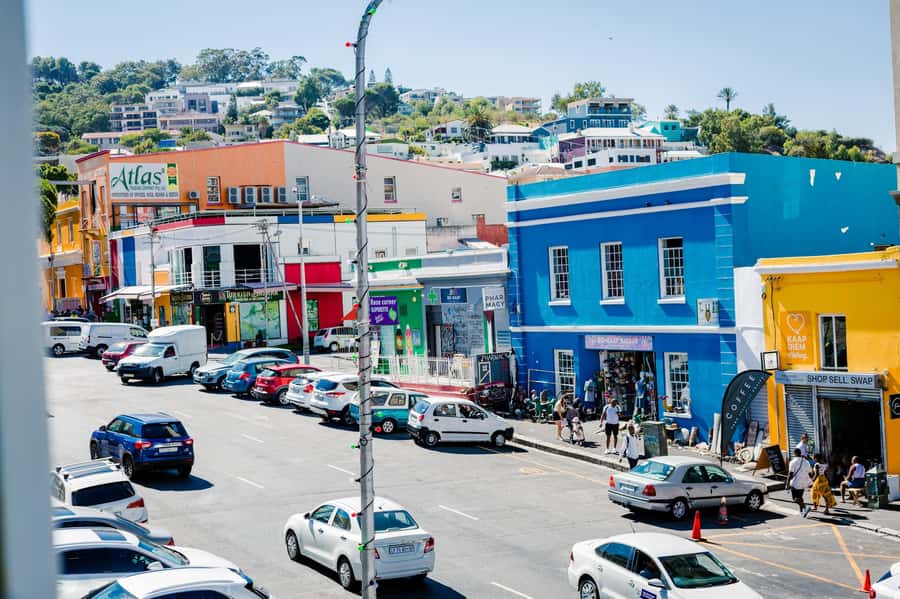
- Bo-Kaap finishes the walk: The colorful homes provide the best photo opportunities and a clear link to Cape Malay culture.
- A local guide shapes the experience: Dylan, Terence, Terrin, and Tarrin have led tours, with languages including English, Zulu, Xhosa, and Afrikaans.
- Good value at $40: The price includes the guide, the walk, and a snack, but not transport, lunch, personal purchases, or admission fees.
Why This Is a Useful First Walk in Cape Town
I would put this tour near the start of a Cape Town visit. It gives you a working map of the central city and introduces the forces that shaped it: colonial rule, slavery, segregation, forced removal, religious communities, and the long struggle for a more equal South Africa.
That context matters. A colorful house in Bo-Kaap is more meaningful after you have heard about the people and traditions connected to the neighborhood. A church is more than an attractive building when you understand its role in public life. A square is easier to read when you know what happened there.
The route is also practical. You cover a lot on foot without spending the day on a bus. The walk finishes in Bo-Kaap, where you can continue taking photographs and exploring at your own pace. You do not return to the starting point, so plan your next move from Bo-Kaap.
The tone appears to be serious but not gloomy. Guides bring difficult subjects into the open, then leave room for questions, humor, and personal exchange. Dylan has been praised for asking about the group’s own viewpoints, while Terence has shared how his identity relates to life in South Africa. That kind of conversation can make the past feel connected to the present.
More Walking Tours in Cape Town
- Cape Town: Nathi Langa Township Walking Tour
★ 4.9 · 493 reviews - Cape Town: Art, Culture & History Walking Tour
★ 4.9 · 392 reviews - Cape Town: Street Art Walking Tour in Woodstock
★ 4.8 · 293 reviews
Truth Coffee Sets the Tone
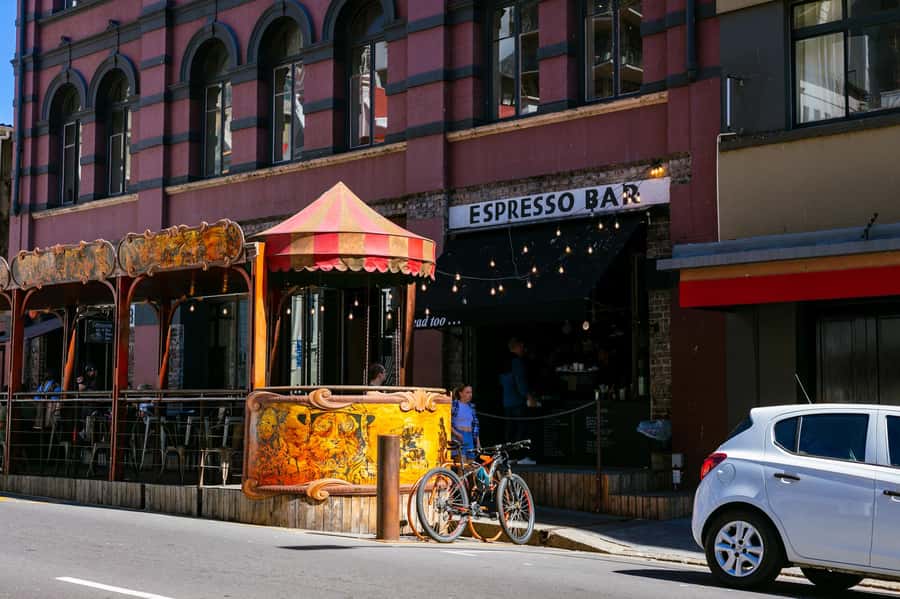
The meeting point is Truth Coffee Roasting. It is a memorable place to begin, and the smell of fresh coffee gives the morning a pleasant start before the more serious sections of the walk.
Coffee is not included, so arrive early if you want to order one. One useful tip is to get there about 30 minutes before the scheduled start. This gives you time to find the side entrance, locate the guide, and enjoy the café without making the group wait.
Look for a guide wearing a black and white golf shirt with a name badge at the side entrance. The meeting arrangement is simple, but the entrance detail is worth noting because Truth Coffee can be busy.
The guide may be Dylan, Terence, Terrin, or Tarrin, depending on the day. The repeated praise for these guides centers on clear explanations, warmth, patience, and a willingness to adapt. If you have a special interest in architecture, religion, local identity, or political history, say so early.
District Six: The Tour’s Emotional Center
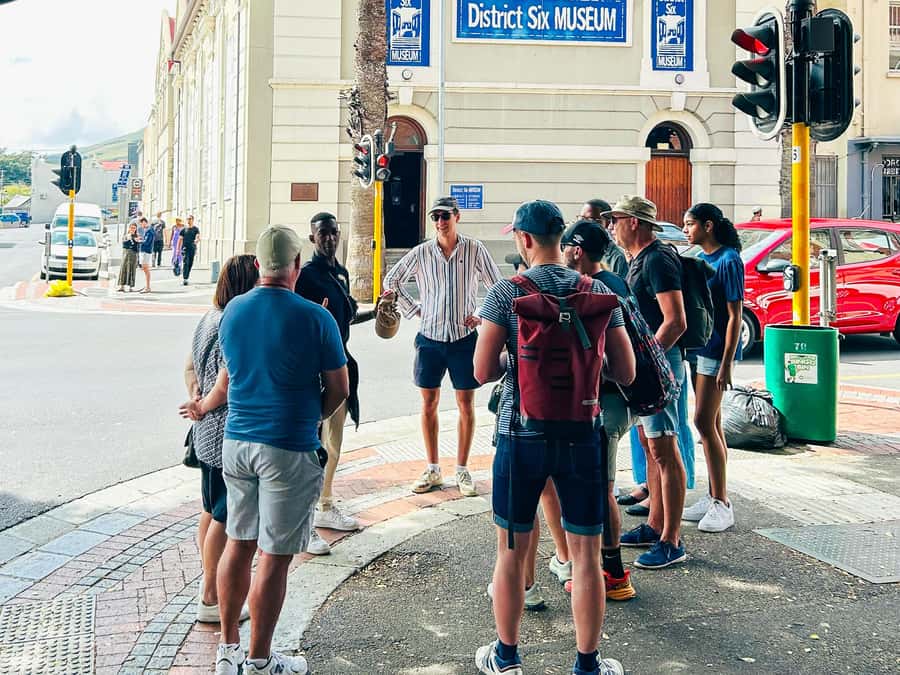
The walk moves toward District Six, one of the most important parts of the route. This is where the tour shifts from general orientation to the human cost of segregation and forced removal.
District Six was once home to a mixed community with strong social and cultural ties. The area became a symbol of displacement under apartheid, and the District Six Museum helps preserve the memory of those who lived there.
The tour includes a guided stop, photo opportunity, and sightseeing around the area. Admission fees are not included, so check the museum’s current entry arrangements if you want to go inside rather than simply pass by.
This section is likely to be more reflective than picturesque. That is precisely its value. You are not only looking at buildings. You are learning how government policy changed neighborhoods, separated families, and altered the city’s social fabric.
Allow yourself time to listen. Guides have been praised for explaining the subject with care and for connecting past events with current life. If you want a light sightseeing stroll with little serious discussion, this may feel heavy. If you want to understand Cape Town beyond its postcard image, it is essential.
Grand Parade and City Hall

Next comes Grand Parade, an open civic space linked to several major moments in Cape Town’s public life. The stop is brief, around five minutes, so expect an explanation and photographs rather than an extended visit.
The nearby City Hall adds architectural and political context. The building is associated with important public gatherings and national events, giving the guide another chance to explain how Cape Town fits into South Africa’s wider story.
This is one place where the guide’s skill matters more than the length of the stop. On its own, a large square can seem ordinary. A good explanation gives it meaning. The walk’s strength is that each location is used as a prompt for a wider conversation.
More Bo-Kaap walks:
- Cape Town: Malay Cooking Class and Lunch in Bo-Kaap
★ 4.8 · 515 reviews - Bo-Kaap: Walk with a local
★ 5.0 · 131 reviews - Cape Town: Cape Malay Cooking Class in Bo-Kaap
★ 4.8 · 120 reviews - 1 Hour Cape Town Bo Kaap Photoshoot Experience
★ 5.0 · 61 reviews
The Slave Lodge and St. George’s Cathedral

The Iziko Slave Lodge brings the city’s earlier past into focus. It recalls the people brought to the Cape through the history of slavery, a subject that is central to understanding Cape Town’s population, culture, and social divisions.
The tour includes a guided explanation and photo stop, but entry is not included. If you want to spend proper time inside the museum, plan a separate visit. Two hours is not enough to examine every museum on the route in detail.
St. George’s Cathedral follows, with another short stop of about five minutes. The cathedral is important both for its architecture and for its place in the city’s religious and political life. One particularly memorable feature of this portion is the opportunity to hear about Desmond Tutu and Nelson Mandela, figures whose public lives remain closely tied to Cape Town.
Some groups may also hear about Central Methodist Church or other nearby religious sites, depending on the guide and the day. Do not expect a formal church tour. The value is in the local explanation and the connection between buildings, faith, protest, and civic life.
Greenmarket Square: Crafts, Color, and a Short Break
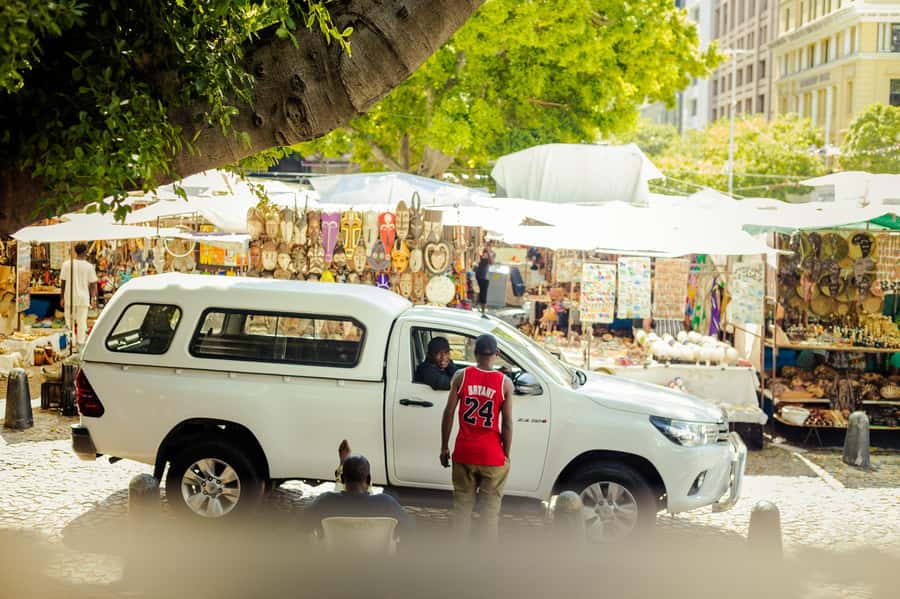
Greenmarket Square changes the pace. After the serious material at District Six and the Slave Lodge, you reach a place filled with local crafts, stalls, and street activity.
The planned stop lasts around ten minutes. You can look around, take photographs, and browse for souvenirs, but the schedule does not allow for a long shopping session. Personal purchases are your responsibility.
This is a useful place to ask the guide about prices, local products, and how to shop politely. The tour does not promise detailed bargaining advice, so keep your questions specific. You may find the square more useful as a quick look at Cape Town’s commercial life than as a major shopping stop.
The area also shows how the city mixes old and new. Historic buildings, small stalls, and modern urban life sit close together. The guide can help you read those changes instead of treating the square as a simple market photo stop.
Long Street and the City’s Changing Face
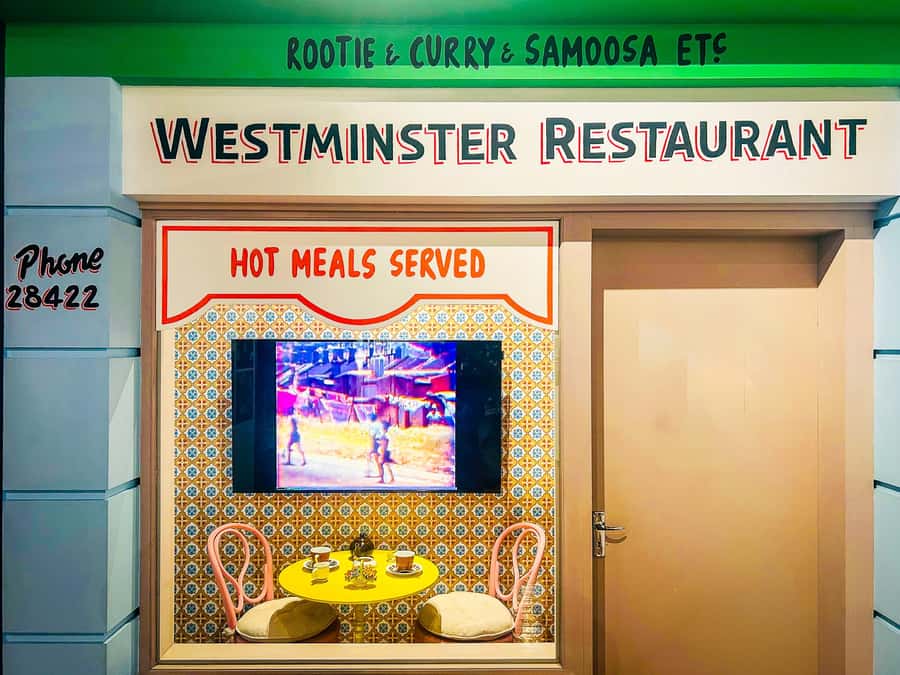
Long Street receives only a short walk, listed at about two minutes, but it helps connect the central landmarks with Bo-Kaap. The street is known for its mix of older architecture, cafés, shops, and nightlife venues.
Do not expect a long exploration here. It is a linking section, not a full Long Street tour. Still, it gives you a sense of how Cape Town’s older city center has been repurposed and reshaped.
This is also a good moment to ask for practical suggestions about places to eat or continue exploring. One criticism of the experience is that it can lean heavily toward history, with fewer recommendations about current food and daily life. If those details matter to you, bring the questions yourself.
Bo-Kaap: The Colorful Finish
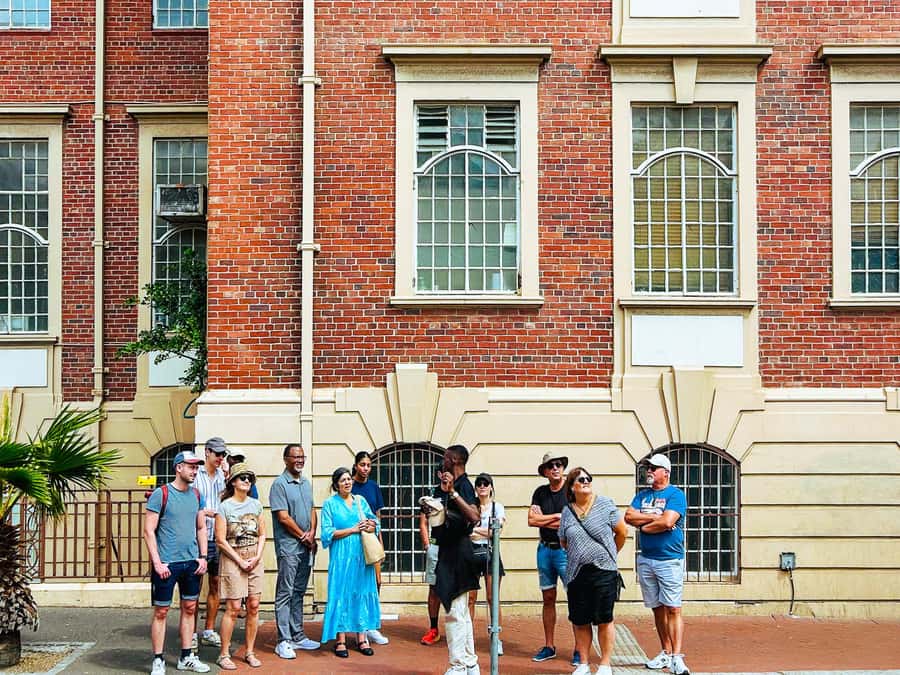
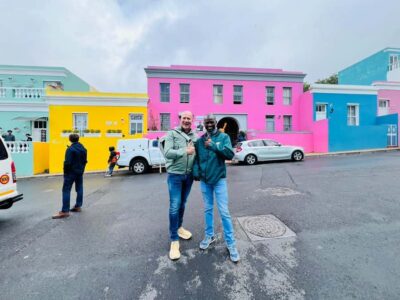
The final stop is Bo-Kaap, and this is where the walk becomes most immediately photogenic. Pastel-painted houses line the streets, creating the familiar images many people associate with the neighborhood.
The colors are only the beginning. Bo-Kaap is tied to Cape Malay culture, Islam, migration, family, food, and the long history of Cape Town’s Muslim community. The guide’s explanation helps you look beyond the façades and understand why the neighborhood matters.
You will have time for photographs, sightseeing, walking, and some shopping. The stop is listed at roughly 15 minutes, though the overall pace can vary. If the group is engaged and the guide has time, the conversation may continue a little longer. Several people have appreciated guides who did not rush and allowed time for questions.
A sweet snack, often described as a koesister, may round off the experience. It is a small touch, but a good one. Food can explain culture more directly than a long speech, and this spiced local treat gives the ending a warm, memorable note.
Remember that Bo-Kaap is a living neighborhood, not a stage set. Take photographs respectfully, avoid blocking doorways, and listen when the guide explains local customs. The best part of the stop is not simply getting colorful pictures. It is understanding the people and traditions behind them.
The Guides Make the Difference
The strongest pattern in the feedback is the quality of the guiding. Dylan is often described as engaging, well informed, and flexible. Terence receives similar praise for clear explanations, personal insight, and an ability to make difficult subjects accessible. Terrin and Tarrin are also described as friendly, enthusiastic, and patient.
That matters because the tour covers complicated material in a short time. A guide who simply recites dates would make the walk feel like a fast outdoor lecture. The better approach, reflected in the strongest comments, is a conversation that links history to current identity and ordinary life.
You may find the experience is private or very small, though this is not guaranteed. One group of four enjoyed an intimate outing, and another person unexpectedly received a private tour. Small groups make it easier to ask questions and request a focus on architecture, culture, or politics.
Communication before the tour has also been a strength. One guide contacted the group through WhatsApp when running late, and another was praised for helping when parking caused a delay. These details do not change the route, but they reduce stress on the day.
Pace, Comfort, and What to Bring
The walk lasts two hours and covers several parts of central Cape Town. It is not described as strenuous, and some people found the pace relaxed, but you should still wear comfortable shoes.
Cape Town weather can shift, so pack sunglasses, a sun hat, sunscreen, water, and light rain gear. A camera is useful, especially in Bo-Kaap. Personal medication, tissues or hand sanitizer, and suitable clothing for the day are sensible additions.
One person specifically noted covering a lot of ground in the heat. That is a reminder to drink water and avoid treating the two-hour duration as a completely effortless stroll. There are stops, but much of the experience happens on city streets.
The tour is wheelchair accessible. It is not suitable for people over 95, according to the activity details. Alcohol and drugs are not allowed.
Is $40 a Fair Price?
At $40 per person, the tour offers reasonable value if you want a guided introduction rather than a simple walk between landmarks. The fee includes the local guide, the historical and cultural commentary, the Bo-Kaap visit, and a complimentary snack.
It does not include transport to Truth Coffee, lunch, personal purchases, or entry fees. That last point is important. If you decide to enter the District Six Museum or Slave Lodge, budget separately.
I see the value in the route and the guide more than in the number of sights. You could pass many of these places on your own, but you would miss much of the meaning. The guide helps connect them into one story, and that can save you time during the first day or two of a visit.
A flexible booking policy adds practical value. You can cancel up to 24 hours ahead for a full refund, and you can reserve now and pay later. Starting times depend on availability.
Who Should Book This Walk?
I recommend it most for first-time visitors who want cultural and historical context before exploring Cape Town independently. It is also a good fit if you enjoy asking questions, hearing personal viewpoints, and learning how national history affects neighborhoods today.
Families with older children may appreciate the short format, provided everyone is comfortable with serious topics. Solo visitors and couples can benefit from the social ease of a small guided walk, especially if they want local suggestions and a little help finding their bearings.
You may want a different activity if your priority is Table Mountain, beaches, scenery, wildlife, or food tasting. Those subjects receive little attention here. The focus is the city center, its people, its buildings, and its past.
Final Verdict: Book It Early in Your Cape Town Stay
Book this tour if you want Cape Town to make sense before you explore it on your own. The strongest reasons are the thoughtful route, the human stories behind the landmarks, and guides such as Dylan and Terence who bring warmth and personal insight to difficult subjects.
Just set your expectations correctly. This is not a full museum visit, a food tour, or a nature excursion. It is a compact city walk with a serious purpose, ending among the colorful streets of Bo-Kaap and a welcome local sweet.
FAQ
How long does the Cape Town walking tour last?
The tour lasts two hours. Starting times depend on availability.
Where does the tour begin?
The meeting point is Truth Coffee Roasting. The guide waits at the side entrance wearing a black and white golf shirt with a name badge.
Where does the tour finish?
The walk finishes in Bo-Kaap.
Which places are included on the route?
The route includes District Six, Grand Parade, the Iziko Slave Lodge, St. George’s Cathedral, Greenmarket Square, Long Street, and Bo-Kaap.
Are museum entry fees included?
No. Entry fees are not included in the price.
Which languages are available?
Live guiding is available in English, Zulu, Xhosa, and Afrikaans.
What is included in the $40 price?
The price includes the guided walk through Cape Town’s history and culture, visits to the listed landmarks and Bo-Kaap, an expert local guide, and a complimentary snack. Transport, lunch, personal expenses, and entry fees are not included.
Just added in Cape Town
- Sunset Safari Big 5 Aquila with Snacks and Wine Tasting★ 5.0 · 12 reviews
- Explore Atlantis Sand Dunes with a 1hour 30mins sandboarding tour★ 5.0 · 5 reviews
- Private Tour to 20 Wine Tasting in Stellenbosch and Franschhoek★ 5.0 · 11 reviews
- Robben Island, Kirstenbosch wine tasting Tour★ 5.0 · 10 reviews
- Photoshoot in Cape Town’s most Gorgeous Locations★ 5.0 · 2 reviews
- Zip Line and Wine from Cape Town★ 5.0 · 14 reviews
- Private Transfer from Cape Town International Airport★ 5.0 · 4 reviews
- 1 Hour Cape Town City Center Photoshoot Experience★ 5.0 · 19 reviews
Bo-Kaap Tours, compared.



Cape Town Township Tour Including Langa Township and Bo-Kaap
Read our review →

Full-Day Kirstenbosch, Bo-Kaap, and Penguins Tour
Read our review →Browse the lists this tour appears in