
REVIEW · TOWNSHIP TOURS
Cape Town: Authentic 3–4 Hour Cultural Township Experience
History is easier to grasp on foot. This private three-hour tour links District Six, Langa, Bonteheuwel, Gugulethu, and Khayelitsha with stories of forced removal, racial separation, resistance, and daily township life. I especially like the combination of major historical memorials and ordinary community spaces, including a shebeen, a traditional healer, local housing, and a primary school.
I also like that you get hotel pickup and drop-off in an air-conditioned minivan, with a driver guide and, in Langa, a local walking guide. The main consideration is that this is not a light sightseeing trip. You will see poverty, hear about police violence, and confront painful parts of Cape Town’s past. The pace is useful but brisk, so you should wear comfortable shoes and come ready to listen.
In This Review
- Key points at a glance
- Why this three-hour tour matters in Cape Town
- District Six and the human cost of forced removal
- Langa, Cape Town’s oldest township
- A shebeen, homemade beer, and local conversation
- Bonteheuwel and the machinery of racial separation
- Gugulethu 7 and Amy Biehl’s memorial
- Khayelitsha and the Philani Center
- What the guides add to the experience
- Price, transport, and practical value
- Who should book this township experience?
- Should you book it?
- FAQ
- How long does the Cape Town township experience last?
- How many people can join the private group?
- What areas does the tour visit?
- Is hotel pickup and drop-off included?
- What transport is provided?
- Is the tour offered in English?
- Is food or lunch included?
- Is the tour wheelchair accessible?
- What should you bring?
Key points at a glance
- District Six sets the scene: Learn how about 60,000 people were forcibly removed during the 1970s.
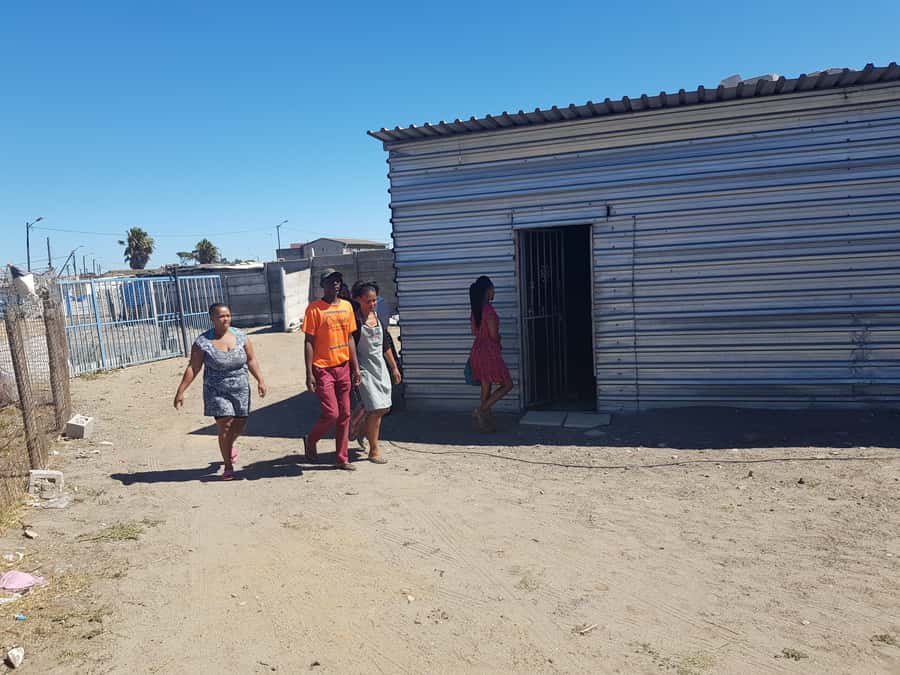
- Langa adds daily detail: Walk past hostels and shacks, visit the Old Pass Office area, and hear about the pass system.
- Local encounters make the tour personal: You may see homemade beer being made and meet a traditional African healer.
- The memorials carry difficult stories: Gugulethu 7 and Amy Biehl’s memorial show different sides of anti-apartheid struggle and violence.
- Khayelitsha ends the route with community work: Hear about the Philani Center and its support for mothers and children.
- Private transport improves the value: The $261 price covers a private group of up to three, rather than charging each person separately.
Why this three-hour tour matters in Cape Town
Cape Town can tempt you into a tidy holiday made up of mountains, beaches, wine estates, and attractive historic streets. Those places deserve your time, but they do not explain how the city was shaped by apartheid. This tour takes you beyond the postcard version of Cape Town.
I like the way the route moves through several townships instead of treating one area as a quick photo stop. District Six explains forced removal. Langa shows how township life developed. Bonteheuwel reveals the separate treatment of people classified as colored. Gugulethu brings the cost of resistance into sharp focus, while Khayelitsha points toward present-day community support.
The result is a history lesson tied to real streets and institutions. You are not only hearing dates and political terms. You are seeing hostels, shacks, memorials, community facilities, and places where people still live and work.
The subject can be uncomfortable, and that is part of its value. You should not book this expecting entertainment at every turn. The strongest moments are likely to be the ones that make you pause and think.
More Township Tours in Cape Town
- Half-Day Tour Through Cape Town’s Townships
★ 4.8 · 979 reviews - Cape Town: Guided Township Tour with Hotel Pickup
★ 4.4 · 536 reviews - Cape Town: Nathi Langa Township Walking Tour
★ 4.9 · 493 reviews
District Six and the human cost of forced removal
The tour begins with District Six, one of Cape Town’s clearest reminders of apartheid’s policy of separating communities by race. During the 1970s, approximately 60,000 residents were forcibly removed from the area.
That number is difficult to understand as a statistic alone. The value of starting here is that you first hear about the scale of the disruption before moving into communities shaped by those policies. Homes, friendships, schools, workplaces, and local networks were all affected by forced removals.
Your guide can connect District Six to the wider system of racial division that directed where people could live and how they moved around the city. This opening also gives the rest of the tour a clearer purpose. You begin to understand that townships were not simply towns that grew outside central Cape Town. They were shaped by government rules and exclusion.
Because the entire experience lasts only three hours, do not expect a long museum visit at District Six. The stop works mainly as historical grounding for the places that follow.
Langa, Cape Town’s oldest township
From District Six, the route continues to Langa, identified as Cape Town’s oldest township. This is the core of the walking portion, and it is where the tour becomes more direct and personal.
You may visit sites including the Old Pass Office and a monument to Robert Sobukwe. These places help explain the pass laws and the resistance to them. One important detail from the experience is the Dumb Card, the identity document that Black South Africans were required to carry under apartheid. A small museum in Langa explains the townships and this pass system before you walk through nearby housing areas.
The wording around the pass system can sound dry in a textbook. Seeing the places connected to it makes the rules easier to understand. The system affected movement, employment, and a person’s right to be in a particular area. Your guide can answer questions as the route unfolds, which is useful because the subject is complicated.
The walking tour also includes different types of housing, hostels, and shacks. I would treat this part with respect and avoid turning homes into photo props. The point is to understand how people lived and how those conditions developed, not to collect dramatic pictures.
A local Langa guide joins the visit, adding a voice rooted in the community. Several visitors have praised the combination of a driver guide and local walking guide, particularly the chance to ask questions and have a relaxed conversation during the walk. Sam and Loyola are two guide names associated with particularly well-regarded outings, although the exact guide may vary.
A shebeen, homemade beer, and local conversation
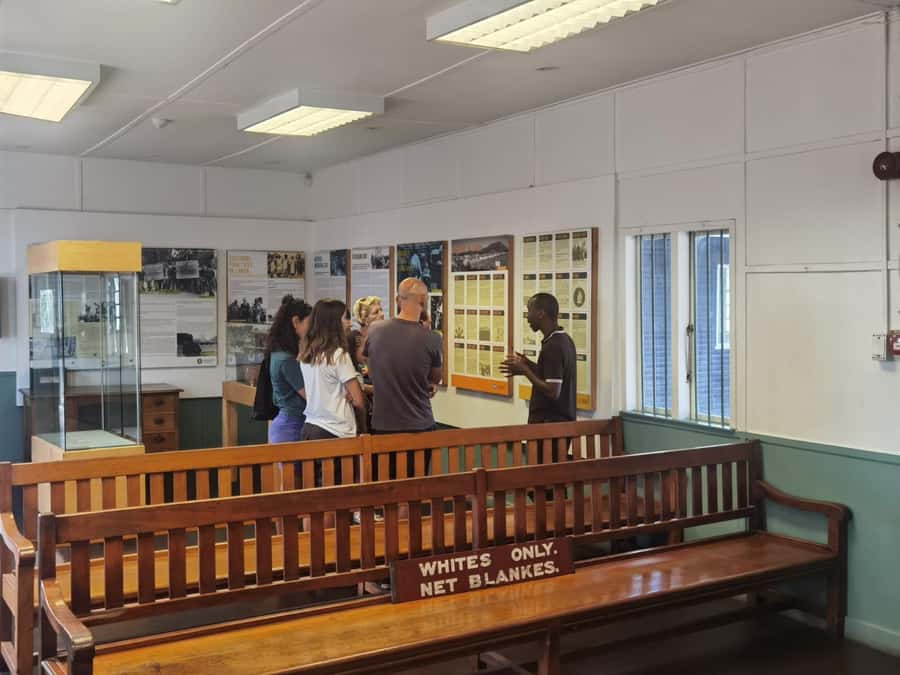
The route includes a visit to a shebeen, or local pub, where you may see homemade beer being made and try it if available as part of the visit. Food and drinks are generally not included in the price, so confirm what is covered before accepting anything beyond the planned tasting.
This stop matters because it shifts the focus from laws and memorials to social life. A township is not only a place defined by hardship. People meet, work, drink, talk, worship, raise children, and build community there.
Still, you should approach the stop with care. A shebeen visit is not a staged party and should not be treated as a novelty. Listen to the explanation, follow your guide’s lead, and ask before taking photographs.
The itinerary may also include a visit with a traditional African healer. You can see the healer at work and learn about a form of local practice that is important to many people. The description does not guarantee a specific treatment or consultation, so think of this as an introduction rather than a medical service.
This is one of the tour’s most distinctive elements. Many history tours stay with monuments and buildings. Here, you also encounter living traditions and community businesses.
Something quite different:
- Wine Tour: Paarl, Franschhoek & Stellenbosch incl 3 wineries
★ 5.0 · 3,940 reviews - Cape Town: Hop-On Hop-Off Bus Tour with Optional Cruise
★ 4.8 · 3,929 reviews - Cape Town: Cape of Good Hope & Penguins Day Tour with Pickup
★ 4.7 · 3,362 reviews - Zipline Cape Town – From Foot of Table Mountain Reserve
★ 5.0 · 3,179 reviews
Bonteheuwel and the machinery of racial separation
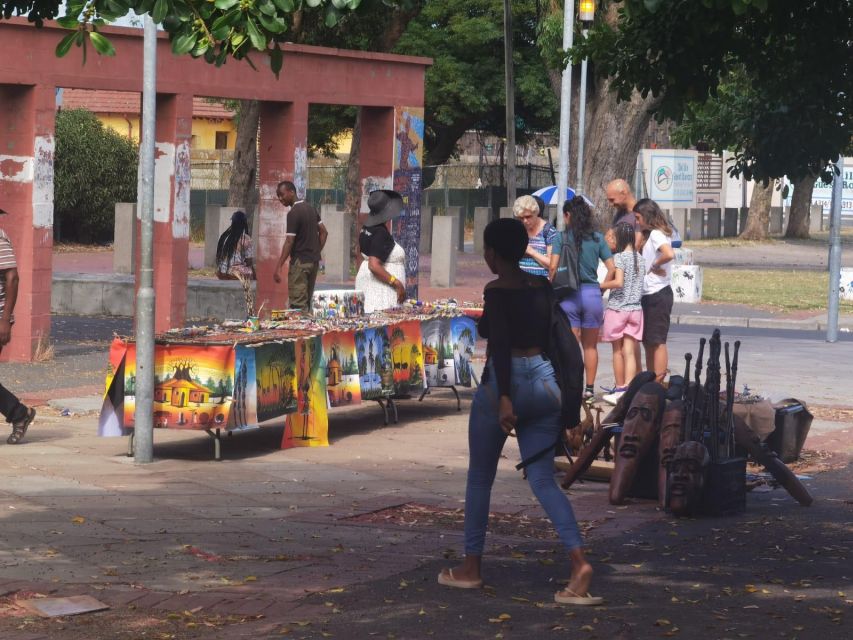
The minivan continues through Bonteheuwel, an area reserved for the colored community during apartheid. This drive helps show that racial separation affected more than Black African communities.
The distinction between racial categories was central to apartheid. Bonteheuwel gives your guide a chance to explain how people were classified and moved into separate residential areas. You also hear about the effects of this division on Cape Town’s communities.
This portion is mainly a drive rather than a long walking stop. That makes it less intimate than Langa, but it broadens the story. You see that apartheid created a city divided by policy, not just by income or geography.
I find this part especially useful for anyone who knows the broad outline of apartheid but has not considered how the system organized different groups in different parts of Cape Town. Ask questions here. The drive is a good time to connect the earlier discussion of District Six and Langa with the wider city.
Gugulethu 7 and Amy Biehl’s memorial
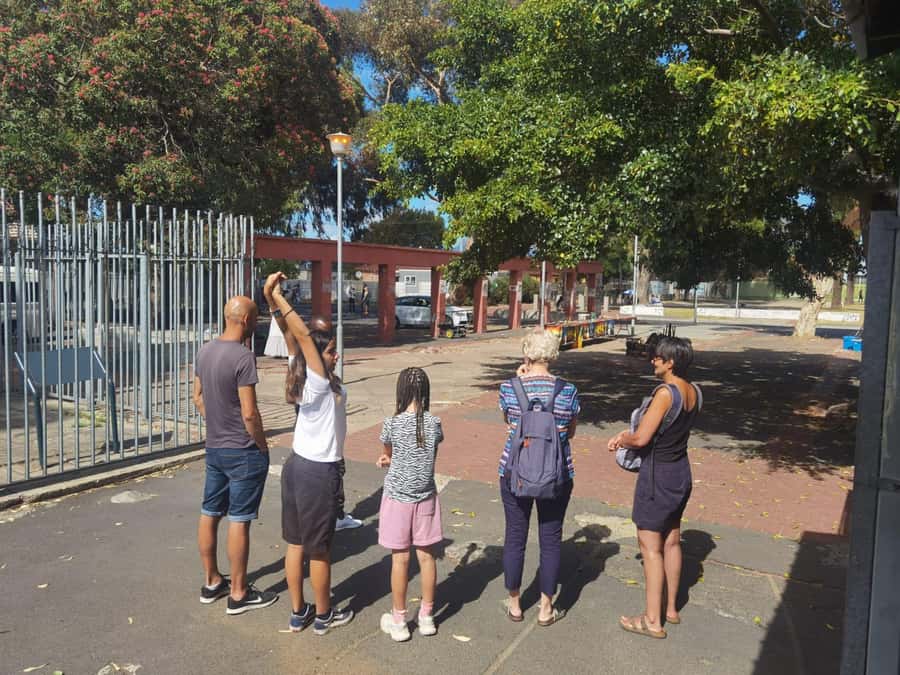
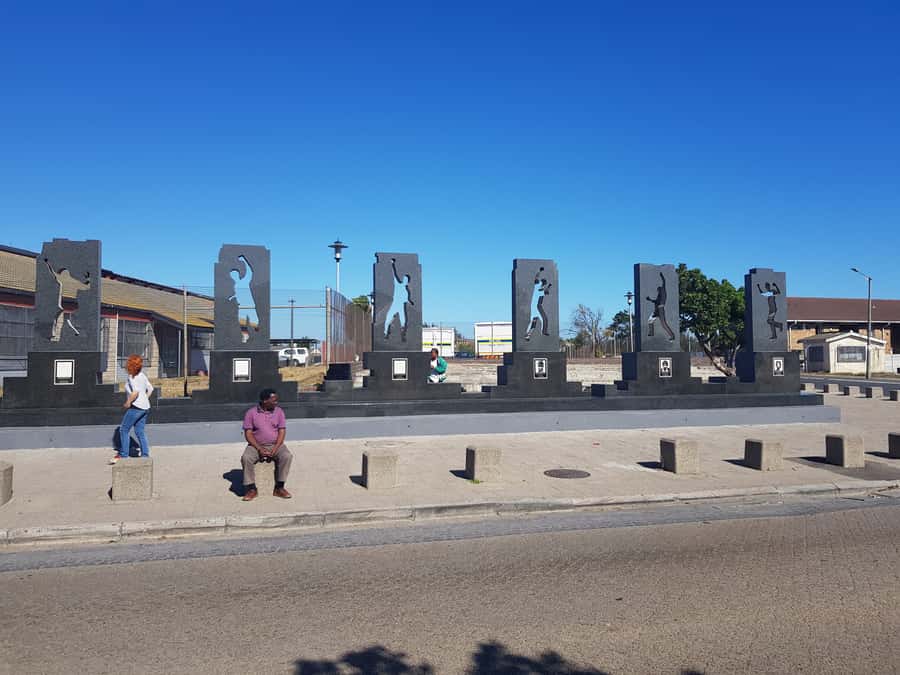
The Gugulethu 7 Memorial honors seven members of an anti-apartheid group who were killed by South African police in 1986. It is one of the tour’s most serious stops.
Your guide can explain the events behind the memorial and place them within the resistance to apartheid. The memorial is not just a marker of death. It represents political struggle, state violence, and the human cost paid by people who opposed the system.
The tour also visits a memorial to Amy Biehl, an American student who was murdered by PAC supporters in 1993. Including both memorials gives you a more complicated picture of the period. It avoids presenting the conflict as a simple story with only one kind of violence or one group making every decision.
This is a good example of why a guide matters. Without context, you could pass each memorial, take a photograph, and miss the hard questions. With an English-speaking guide, you can ask about the people, organizations, and events connected to each site.
The memorial stops may feel emotionally heavy. That is not a flaw, but it is worth knowing before you book. If you prefer a relaxed sightseeing outing, this tour may feel too intense.
Khayelitsha and the Philani Center
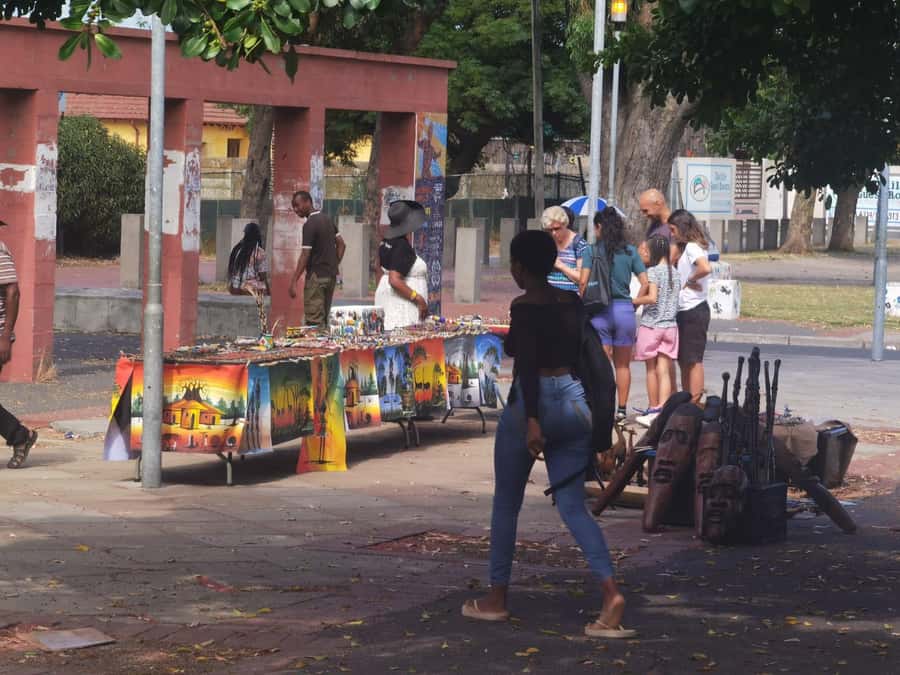
The final township on the route is Khayelitsha, where you hear about the work of the Philani Center. The center supports local mothers and children, giving the tour a practical ending.
After spending much of the day looking at the damage caused by apartheid, this stop points toward local responses and support networks. It does not erase poverty or solve the problems raised earlier. It shows that community work is part of the present story too.
The information provided does not promise a long visit inside the center or a specific activity with mothers and children. You should expect an explanation of its work rather than a full volunteer session.
This ending also helps keep the tour from becoming a simple tour of hardship. You learn about institutions trying to improve conditions, and you see how local support can matter. If you want to contribute, ask your guide about appropriate ways to support community projects rather than handing out items directly.
What the guides add to the experience
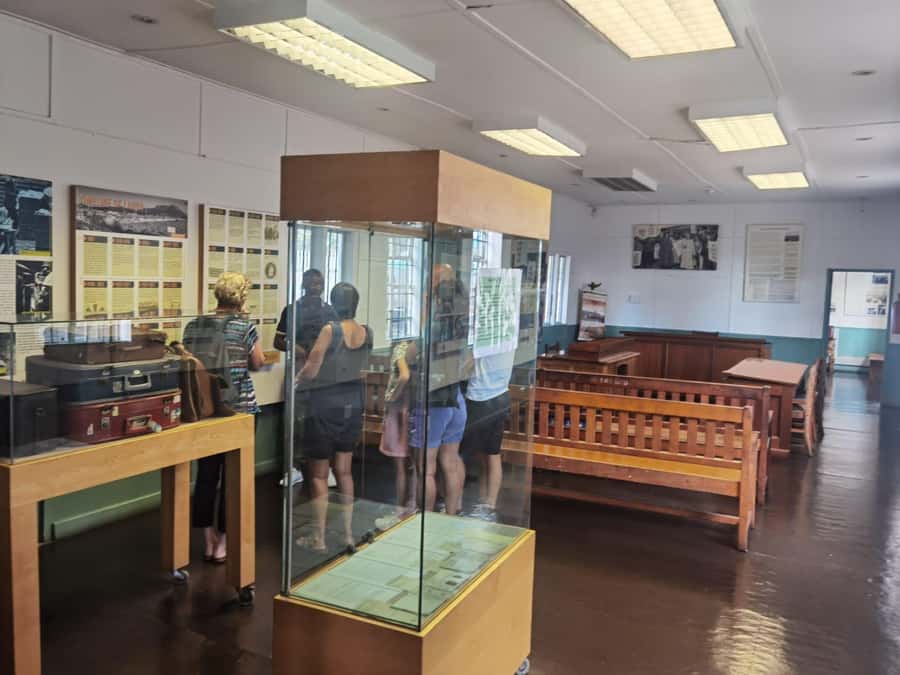
The guide team is one of the strongest parts of this outing. The driver guide handles the route and gives historical explanations, while the local Langa guide leads the walking portion. That division makes sense: one person manages the wider city story, and another helps you read the local streets.
Sam has been praised for clear explanations, careful organization, and good transport. Loyola has also received strong praise for answering questions and giving an honest view of township life. One particularly useful detail is that the walking guide was described as friendly, willing to joke, and happy to discuss daily life as well as history.
You should use the private format to ask questions. The group is limited to three people, so you are not competing with a busload of people for the guide’s attention. This makes the tour a good fit if you want to ask about the pass system, housing, memorials, community work, or the meaning of what you are seeing.
The tour is in English. The guide style may vary, but the experience is designed around live explanation rather than an audio recording.
Price, transport, and practical value
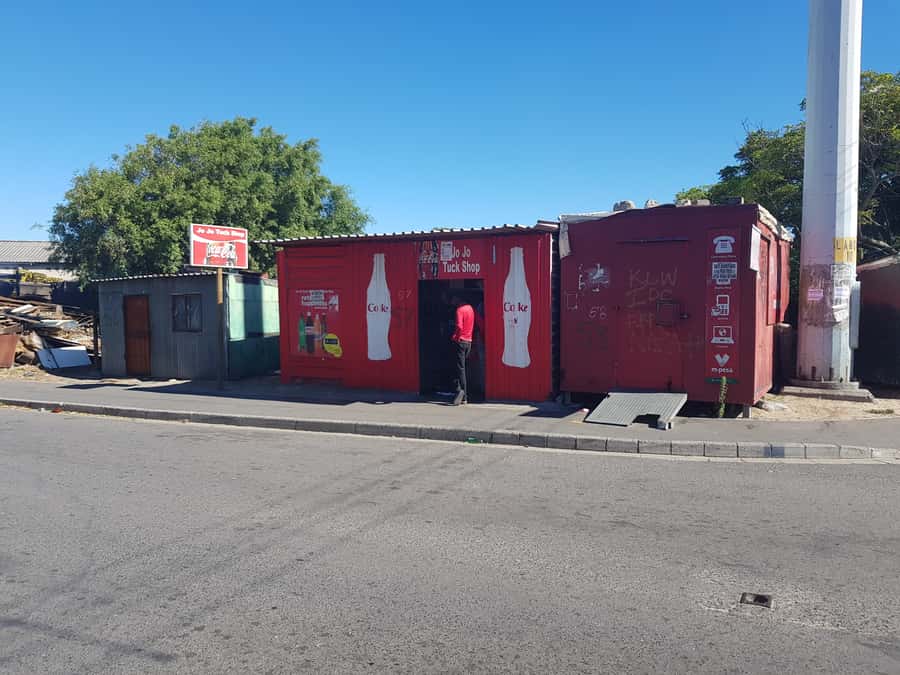
The price is $261 per private group of up to three people. For one person, that is expensive. For two or three people sharing the cost, it becomes more reasonable, especially because hotel pickup and drop-off, private transportation in an air-conditioned minivan, and the township tour are included.
At the maximum group size, the cost works out to $87 per person. That buys a focused private outing rather than a large coach tour. You also save the trouble of arranging transport between several widely separated areas.
Three hours is enough for a strong introduction, not a complete study of Cape Town’s townships. The route covers a lot of ground, so some stops are brief and some historical topics receive only an overview. If you want extended conversations or long visits inside community organizations, you may find the schedule tight.
Food and drinks are not included unless specifically stated, and lunch is not included. Tips are optional and separate. Wear comfortable shoes because Langa includes walking, and do not bring pets, smoke, or bring oversize luggage.
The experience is wheelchair accessible, but the tour includes walking through township areas. If you use a wheelchair, confirm the practical details of the walking route and vehicle setup when booking.
You can cancel up to 24 hours in advance for a full refund, and you can reserve now and pay later. Those terms are useful if your Cape Town plans are still shifting.
Who should book this township experience?
I would recommend it most strongly to visitors who want historical context and direct contact with local life. It suits first-time visitors who have seen Cape Town’s better-known sights but want to understand the city’s unequal past and present.
It is also a good choice for a small family group, a couple, or up to three friends. The private format lets you control the questions and keeps the outing personal.
You should be comfortable with serious subjects and visible poverty. This is not a poverty spectacle, and it should never be treated that way. Your attitude matters: listen carefully, ask permission before photographing people, and remember that you are entering working communities rather than an outdoor museum.
The tour may be less suitable if you have only a short stop in Cape Town and want scenery, food, or shopping. It may also feel rushed if your main goal is extended time at one township or community center.
Should you book it?
Book this tour if you want Cape Town’s apartheid history explained through real places, local voices, and present-day community work. The strongest combination is the Langa walk, the pass system museum visit, the memorials, and the chance to meet a traditional healer and see local beer production.
The $261 price makes the most sense when shared by two or three people. I would book it for a small group that values a private guide, hotel transport, and serious conversation. I would skip it only if you want an easygoing sightseeing trip or feel unprepared for difficult stories about forced removal, police killings, and poverty.
For the right visitor, this is a useful and respectful way to see a side of Cape Town that a standard city tour cannot explain.
FAQ
How long does the Cape Town township experience last?
The experience lasts three hours.
How many people can join the private group?
The price covers a private group of up to three people.
What areas does the tour visit?
The route includes District Six, Langa, Bonteheuwel, Gugulethu, and Khayelitsha.
Is hotel pickup and drop-off included?
Yes. Hotel pickup and drop-off are included.
What transport is provided?
Transport is provided in an air-conditioned minivan.
Is the tour offered in English?
Yes. The live tour guide speaks English.
Is food or lunch included?
No. Food and drinks are not included unless specifically stated, and lunch is not included.
Is the tour wheelchair accessible?
Yes, the experience is listed as wheelchair accessible.
What should you bring?
Bring comfortable shoes because the tour includes a walking portion. Pets, oversize luggage, and smoking are not allowed.
Just added in Cape Town
- Sunset Safari Big 5 Aquila with Snacks and Wine Tasting★ 5.0 · 12 reviews
- Private Tour to 20 Wine Tasting in Stellenbosch and Franschhoek★ 5.0 · 11 reviews
- Explore Atlantis Sand Dunes with a 1hour 30mins sandboarding tour★ 5.0 · 5 reviews
- Robben Island, Kirstenbosch wine tasting Tour★ 5.0 · 10 reviews
- Photoshoot in Cape Town’s most Gorgeous Locations★ 5.0 · 2 reviews
- Zip Line and Wine from Cape Town★ 5.0 · 14 reviews
- Private Transfer from Cape Town International Airport★ 5.0 · 4 reviews
- 1 Hour Cape Town City Center Photoshoot Experience★ 5.0 · 19 reviews
Township Tours, compared.

Browse the lists this tour appears in