
REVIEW · TOWNSHIP TOURS
Cape Town: Langa Township Walking Tour
Some Cape Town stories begin far from the waterfront. This 150-minute walk through Langa offers a direct look at township history, daily life, local art, and community-led projects. I like the local Langa guides, who bring personal knowledge and strong community ties, and I like that the tour supports people and small enterprises in the township. The main consideration is that some stops can feel emotionally heavy, and the walking route may not suit every visitor.
I also appreciate the tour’s balance. You do not only hear about apartheid-era laws and hardship. You also meet artists, see businesses, visit cultural spaces, and learn about the work being done for young people and families. Guides such as Wanda, Mike, Thando, and Mzukisi have been praised for making visitors feel welcome and safe.
This is not a polished sightseeing circuit with every minute fixed. The pace and exact conversations can change, especially when the guide adjusts the walk to your questions. Bring comfortable shoes, some small cash for tips and local purchases, and an open mind.
In This Review
- Key points at a glance
- Why Langa belongs on a Cape Town itinerary
- Meeting at Guga S’thebe Arts and Cultural Centre
- Langa Heritage Museum and the weight of the past
- Walking through homes, businesses, and community projects
- Langa art gallery and street creativity
- Food, conversation, and the everyday Langa
- The 10-minute photo stop and return walk
- Safety, respect, and ethical questions
- Is $37 a fair price?
- Who should book this Langa walk?
- Should you book the Langa Township Walking Tour?
- FAQ
- Where does the Langa Township Walking Tour start?
- How long does the tour last?
- How much does the tour cost?
- What language is the tour conducted in?
- What is included in the price?
- Are food and crafts included?
- Should I bring cash?
- What should I wear?
- Can I cancel the booking?
- Is the tour suitable for wheelchair users?
Key points at a glance

- Langa’s story is told by people from the community: Guides explain the township’s apartheid-era origins, present-day challenges, and hopes for the future.
- Guga S’thebe is a major cultural stop: The arts and cultural center may include an arts-and-crafts market and a traditional dance or music presentation.
- The route connects history with ordinary life: You may visit a museum, art gallery, local home, community projects, and small businesses.
- The experience is personal rather than staged: Guides encourage questions and can often shape parts of the walk around your interests.
- Your money can have local value: The $37 fee supports a locally operated tour, while crafts, food, donations, and tips cost extra.
- Prepare for a serious but welcoming visit: Langa’s struggles are part of the story, but so are its creativity, humor, enterprise, and mutual support.
Why Langa belongs on a Cape Town itinerary
Langa was established in the 1920s and is one of South Africa’s oldest townships. Its name means sun in Xhosa, but the story you hear here includes the hard realities of racial segregation, forced movement, poverty, and unequal access to opportunity.
A visit helps you understand Cape Town beyond its famous mountain, beaches, and historic center. Those attractions are worthwhile, but they show only one part of the city. In Langa, you see how apartheid shaped where people could live and work, and how those decisions still affect homes, jobs, education, and public services.
I value this kind of tour because it gives context without pretending that one walk can explain an entire country. Langa is not a museum piece. It is a living community, and the people you meet have different experiences, opinions, and hopes.
The best guides make that clear. Mzukisi, Wanda, Mike, Thando, Luvuyo, Sam, Kido, and others have been praised for explaining both the past and the present in plain English. Several guides live in Langa or have strong ties there, which can make the conversation feel more grounded than a drive-by township visit.
More Township Tours in Cape Town
- Half-Day Tour Through Cape Town’s Townships
★ 4.8 · 979 reviews - Cape Town: Guided Township Tour with Hotel Pickup
★ 4.4 · 536 reviews - Cape Town: Nathi Langa Township Walking Tour
★ 4.9 · 493 reviews
Meeting at Guga S’thebe Arts and Cultural Centre
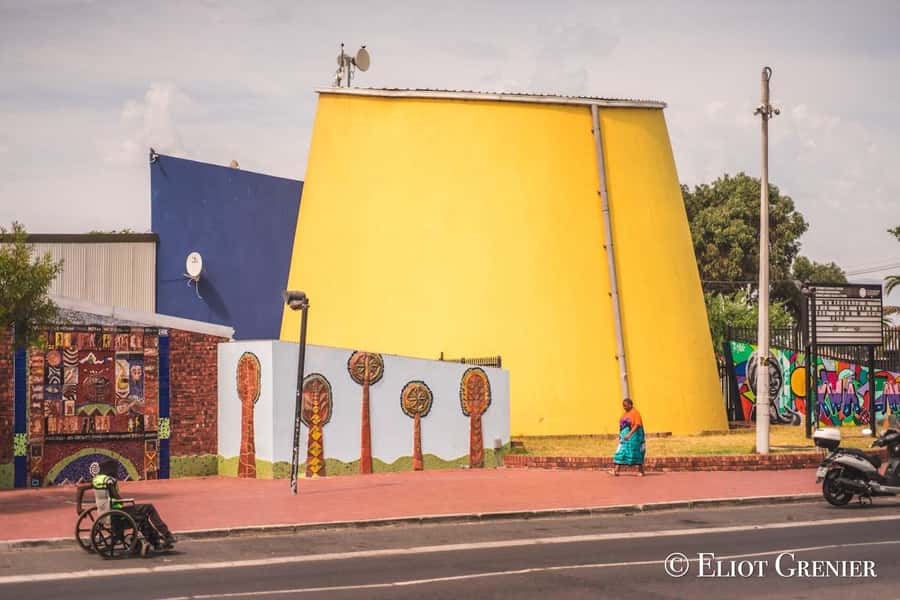
The meeting point is the Guga S’thebe Arts and Cultural Centre, close to the listed starting address at 42 King Langalibalele Drive. This is a useful place to begin because the center gives you an immediate introduction to Langa’s creative side.
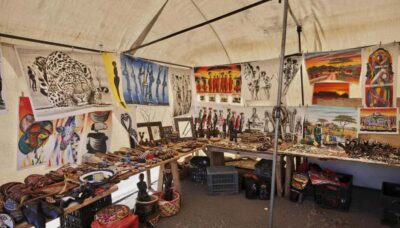
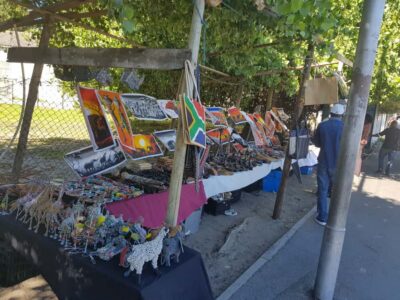
The opening portion may include an arts-and-crafts market, where local makers display their work. Purchases are not included in the tour price, so treat this as an opportunity to support artists rather than as part of the admission.
A traditional dance show is listed as a 15-minute part of the visit. Depending on the day and what is operating, you might also encounter music or drumming. One visitor described beginning with drum lessons from local residents, while other experiences included cultural activities at the center.
I like this opening because it avoids beginning with poverty alone. You start by seeing skill, performance, and community pride. The center also helps explain how art can provide training, income, and a place for local talent.
Do not expect a large formal theater production every time. The cultural program may depend on the day, the group, and what is available at the center. That flexibility is part of the local character, but it also means the experience can vary.
Langa Heritage Museum and the weight of the past

The Langa Heritage Museum is one of the most important historical stops. It helps place the township within South Africa’s wider story and gives meaning to the streets you will walk afterward.
The tour covers Langa’s establishment, apartheid, and the restrictions that shaped township life. One especially meaningful area is connected to former pass-law administration, including the dompas office and courtroom. Pass documents controlled the movement and employment of Black South Africans, and seeing the institutions tied to that system makes the history less abstract.
The museum portion is valuable for first-time visitors because it gives you a starting framework. Without it, a walk through homes, businesses, and public spaces could be interesting but disconnected. With it, you can better understand why housing patterns, economic hardship, and community activism remain central themes.
This section can be confronting. The tour does not smooth over difficult conditions, and you may hear about survival, limited resources, and the long effects of discriminatory laws. I would not choose this activity if you want a light sightseeing morning with no serious discussion.
At the same time, the guide’s role is not simply to list painful facts. Good guides also explain how residents organize, create businesses, support children, and work toward better conditions. That mix of difficult truth and practical hope is one of the tour’s strongest features.
Walking through homes, businesses, and community projects

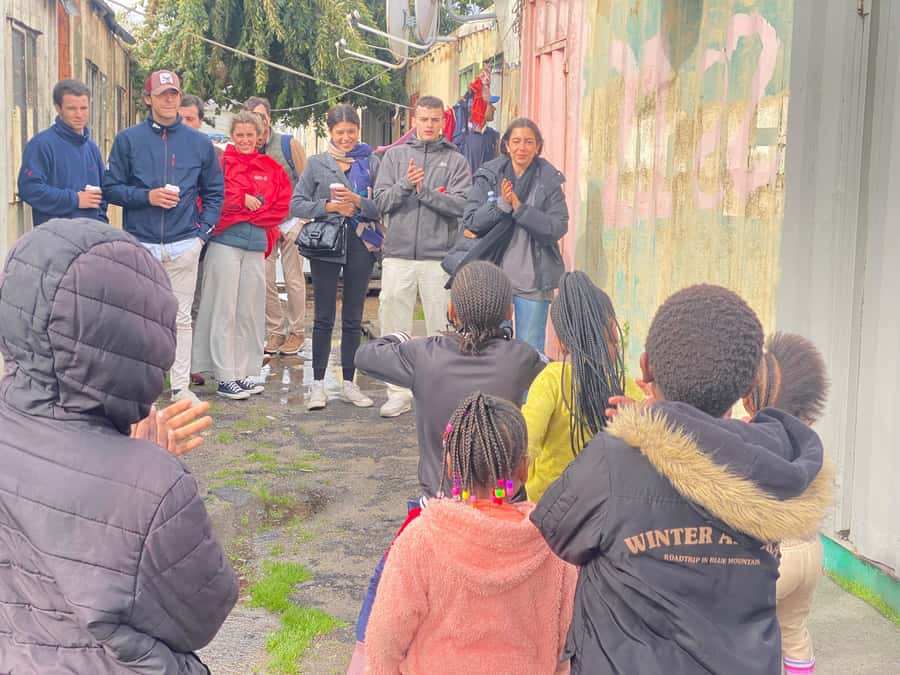
The middle section is where the tour becomes most personal. You walk through Langa with a guide who can introduce you to residents, local entrepreneurs, and community workers.
A visit to one local home is included. This can help you understand township life in a more direct way than looking at buildings from a vehicle. You may hear how the household functions, how space is used, and what daily life involves.
The route can also include community projects, cooperatives, educational programs, social enterprises, and youth initiatives. Specific stops may vary. Past experiences have included a homework center, a daycare, community improvements, container homes, and small businesses such as Cloudy Deliveries.
This is also the point where the tour can challenge your assumptions. Langa is not a single type of neighborhood. You may see different housing conditions, established homes, informal structures, and areas sometimes described locally as Beverly Hills. The contrast shows that township life is not uniform.
I find the small enterprises especially worthwhile. A craft workshop, food business, delivery service, or education project may look modest beside Cape Town’s major attractions, but these ventures can create skills, income, and a sense of independence. They show residents acting on local problems rather than waiting for outside help.
The guide may introduce you to people who sell goods or demonstrate their work. You should listen first, ask questions politely, and avoid treating anyone’s home or livelihood as a photo prop.
More Walking Tours in Cape Town
- Cape Town: Art, Culture & History Walking Tour
★ 4.9 · 392 reviews - Cape Town: Street Art Walking Tour in Woodstock
★ 4.8 · 293 reviews - Cape Town: Private Walking Tour with a Local
★ 4.6 · 243 reviews - The 10 Tastings of Cape Town With Locals: Private Food Walking Tour
★ 4.5 · 169 reviews
Langa art gallery and street creativity
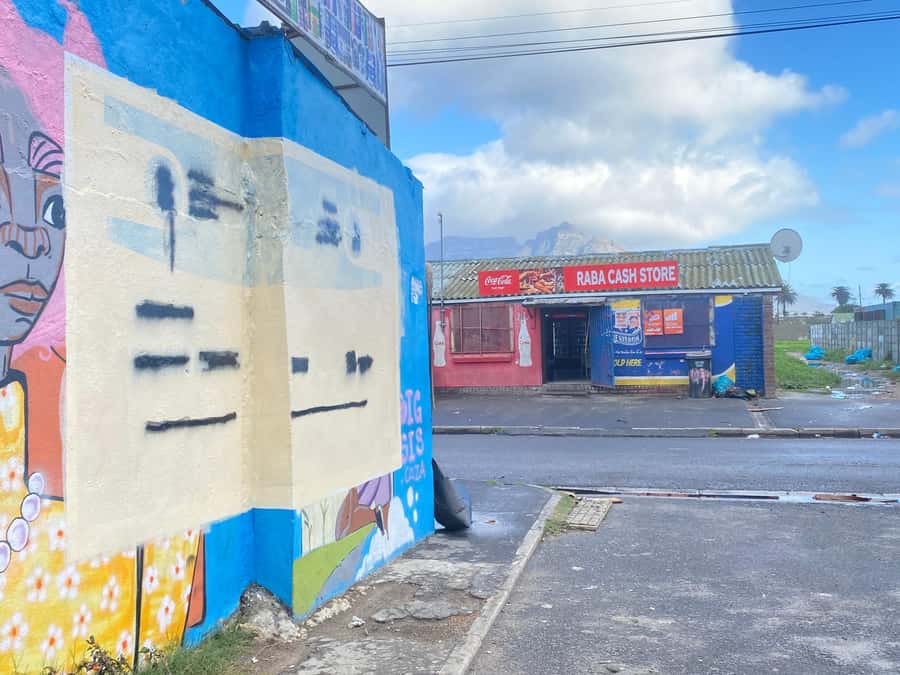
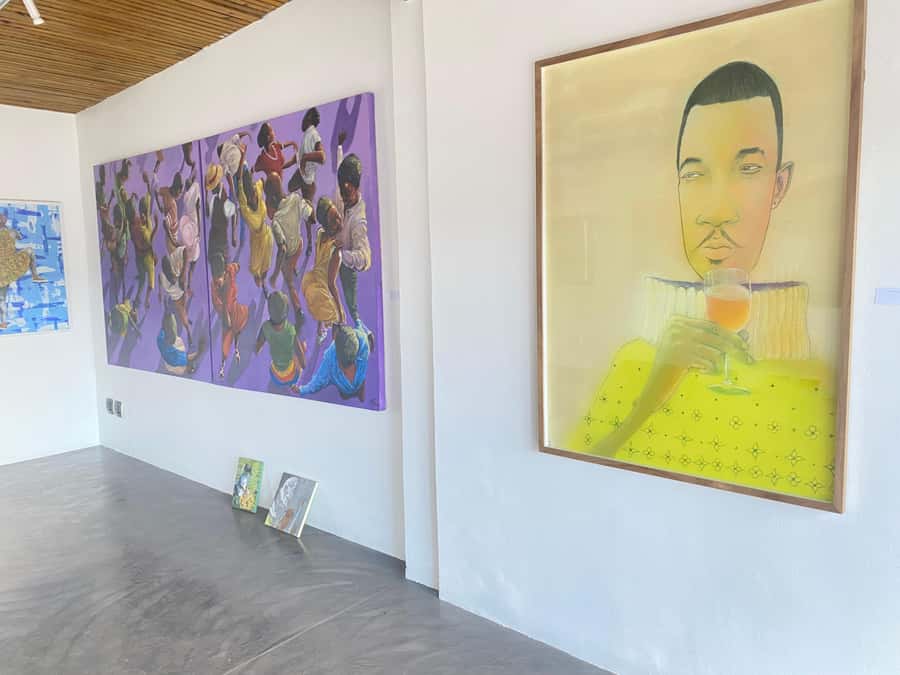
The Langa art gallery on 16 is another highlight. Art gives residents a way to discuss identity, injustice, memory, and hope without relying only on formal lectures.
The streets may also feature murals and other public art. Your guide can explain how the images relate to community life and social concerns. The most useful part is not simply spotting colorful walls. It is learning why certain subjects matter to the people who live there.
The gallery is included, but art and crafts are not. If you see something you would like to buy, carry enough cash and ask about prices directly. Purchasing from the artist or gallery can be a more meaningful souvenir than buying a generic item elsewhere.
Photography requires judgment. You are walking through a working community, not an open-air set. Ask before photographing people, homes, children, or private activities. A guide can tell you what is appropriate, and you should follow that advice even when a scene looks visually striking.
Food, conversation, and the everyday Langa
Food may be part of the experience, though the exact stop can vary. Past tours have included local eateries and food stalls serving items such as bunny chow, braai, koeksisters, and other South African dishes. One person even shared a fried liver sandwich with the guide, while another ate samp and chakalaka at Jordan Ways of Cooking Restaurant.
Food adds something that a museum cannot. It gives you a chance to sit, talk, and understand how meals fit into family gatherings and celebrations. It also puts money into a local business.
Do not assume every listed dish will be served on your particular walk. The supplied program describes food as a possible stop, while the fixed itinerary mainly confirms the cultural-center visit and photo stop. If eating in Langa matters to you, ask the guide at the start.
The conversations are often the heart of the tour. Guides encourage questions about culture, history, economics, safety, and daily life. You can ask about Xhosa customs, local words, traditional clothing, music, and dance, but try to ask with genuine curiosity rather than expecting one person to speak for all of South Africa.
The 10-minute photo stop and return walk
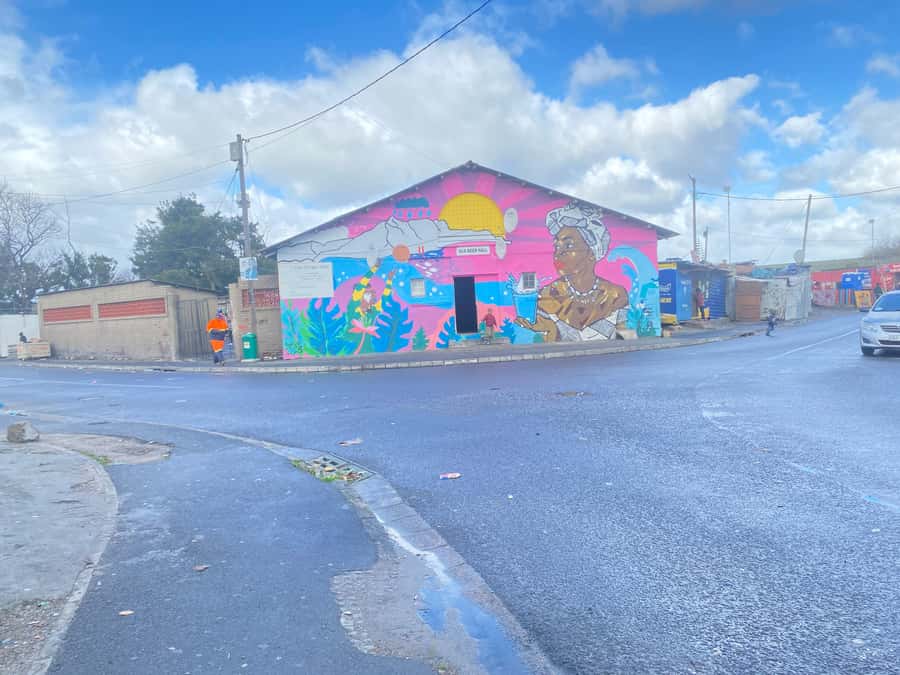
A 10-minute photo stop appears near the end of the route. It is brief, so do not expect a long photography session or a carefully arranged viewpoint.
Use the time for respectful images of public art, streets, or architectural details, and ask before photographing people. The most valuable pictures may be the ones you take mentally: the art center, signs of local enterprise, and the mixture of older history with new community projects.
The walking tour then returns to 42 King Langalibalele Drive. The full activity lasts about two and a half hours, with roughly two hours described as guided walking and 15 minutes allocated to the arts-and-crafts and traditional performance stop. The precise rhythm can change when discussions run long or a local contact is available.
Several people found the length about right, including a family with children aged 12 and 15. Still, this is a real walking tour, not a short stroll between vehicle stops. Wear comfortable shoes and clothing, and be ready for plenty of walking.
Safety, respect, and ethical questions
Safety is a common concern when people consider a township tour. The strongest practical advice is to stay with your guide, follow local instructions, and avoid wandering away from the group. Many people felt safe throughout their visit and praised guides for looking after them.
That does not mean you should switch off your normal city awareness. Keep valuables secure, listen to the guide, and ask before taking photographs. The fact that the tour is locally operated helps, because the guide understands the area and has relationships within the community.
There is also an ethical question about township tourism. A visit can become uncomfortable if it treats poverty as entertainment. This tour works best when you approach it as a learning experience and support local people through the guide, food, crafts, tips, or appropriate donations.
I would not bring books, pencils, candy, or toys for children without asking the guide first. One guide specifically advised against distributing such items because children may fight over them or continue approaching visitors. Donations to established community initiatives may be more useful, but ask where money is needed before giving.
Some itineraries may include a nursery, daycare, or orphanage. One visitor raised a serious child-protection concern about outside visitors entering spaces with vulnerable children. Do not photograph children, and ask the operator or guide what safeguarding rules apply. If that kind of visit makes you uncomfortable, say so clearly and request another focus.
Is $37 a fair price?
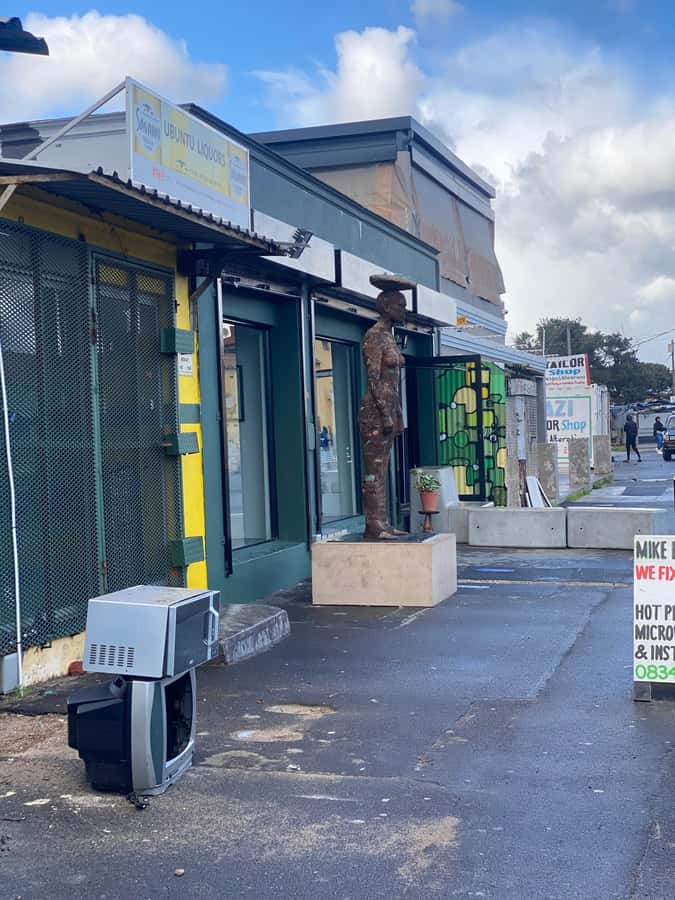
At $37 per person, this is reasonably priced for a 150-minute guided experience, particularly because the tour is operated by local guides and aims to benefit Langa directly.
The value comes from access and interpretation, not expensive attractions. Your fee covers a qualified English-speaking guide, the walking route, the local home visit, and the Langa art gallery. It also connects you with cultural and community spaces that would be difficult to understand or reach on your own.
You should budget extra for crafts, food, tips, and possible donations. Small notes are useful. Several people found that having enough change made it easier to support different local initiatives and tip the guide.
The price is especially good for visitors who want context rather than another view from a sightseeing bus. It is less suitable if you expect a tightly scripted, luxury-style excursion with every stop guaranteed.
Free cancellation up to 24 hours before the start and reserve-now, pay-later booking make the cost easier to manage. Starting times depend on availability, so check the selected date carefully.
Who should book this Langa walk?
I recommend it to first-time visitors who want to understand Cape Town’s social and political story. It suits curious adults, families with older children, students, photographers who work respectfully, and anyone interested in local art, food, and community projects.
It is also a good choice if you prefer a personal guide to a large vehicle tour. Several guides have been praised for adjusting the experience to individual interests, and private walks may sometimes occur when only one booking is made.
I would think twice if you dislike walking, find discussions of poverty and apartheid too difficult, or want a simple entertainment-focused activity. The route includes real conditions and serious subjects. It can be warm and welcoming, but it is not designed to keep every moment comfortable.
There is conflicting information about mobility. The activity details describe it as wheelchair accessible, but the same information says it is not suitable for wheelchair users. Because this is a walking tour through a township, confirm current route conditions and accessibility directly before booking.
Should you book the Langa Township Walking Tour?
Yes, if you want a fuller picture of Cape Town and are prepared to listen as much as you look. The best parts are the local guides, the honest historical context, the art center, and the chance to see community work in progress.
Book with realistic expectations. You may not visit every possible site, every food stop, or every project listed in the broad description. The route can change, and some parts may be confronting.
Bring comfortable shoes, cash in small denominations, and permission before taking photographs. Ask for a guide who can tailor the walk to your interests if that option is available. If the idea of a locally led, thoughtful township visit appeals to you, $37 buys a meaningful two and a half hours and supports a community business at the same time.
FAQ
Where does the Langa Township Walking Tour start?
The meeting point is the Guga S’thebe Arts and Cultural Centre. The listed starting address is 42 King Langalibalele Drive in Langa.
How long does the tour last?
The activity lasts 150 minutes, or two and a half hours. The guided walking portion is listed as about two hours, with a 15-minute arts-and-crafts market and traditional dance stop and a 10-minute photo stop.
How much does the tour cost?
The listed price is $37 per person.
What language is the tour conducted in?
The tour is conducted in English with a live English-speaking guide.
What is included in the price?
The price includes a qualified tour guide, a visit to one local home, and a visit to the Langa art gallery.
Are food and crafts included?
No. Art, crafts, and any food purchases are not included in the tour price.
Should I bring cash?
Yes. Cash is useful for tipping the guide, buying crafts, purchasing food, and making donations to local initiatives if you choose to support them.
What should I wear?
Wear comfortable shoes and comfortable clothing suitable for walking.
Can I cancel the booking?
You can cancel up to 24 hours in advance for a full refund. Reserve-now, pay-later booking is also available.
Is the tour suitable for wheelchair users?
The activity information is conflicting. It describes the tour as wheelchair accessible but also says it is not suitable for wheelchair users. Confirm the current route and accessibility before booking.
Just added in Cape Town
- Sunset Safari Big 5 Aquila with Snacks and Wine Tasting★ 5.0 · 12 reviews
- Explore Atlantis Sand Dunes with a 1hour 30mins sandboarding tour★ 5.0 · 5 reviews
- Private Tour to 20 Wine Tasting in Stellenbosch and Franschhoek★ 5.0 · 11 reviews
- Robben Island, Kirstenbosch wine tasting Tour★ 5.0 · 10 reviews
- Photoshoot in Cape Town’s most Gorgeous Locations★ 5.0 · 2 reviews
- Private Transfer from Cape Town International Airport★ 5.0 · 4 reviews
- 1 Hour Cape Town City Center Photoshoot Experience★ 5.0 · 19 reviews
- Zip Line and Wine from Cape Town★ 5.0 · 14 reviews
Township Tours, compared.

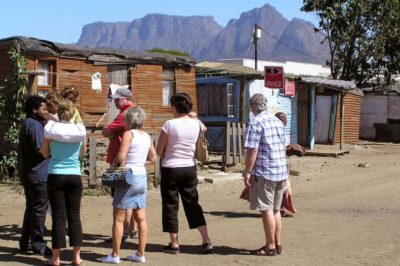

Authentic 3–4 Hour Cultural Township Experience
Read our review →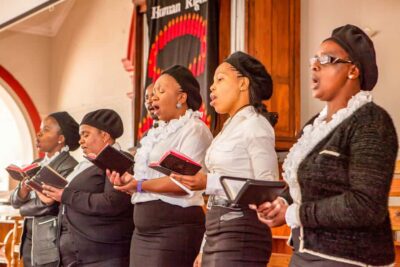
Browse the lists this tour appears in