
REVIEW · STREET ART
Cape Town: Inspiring sustainable change through Street Art
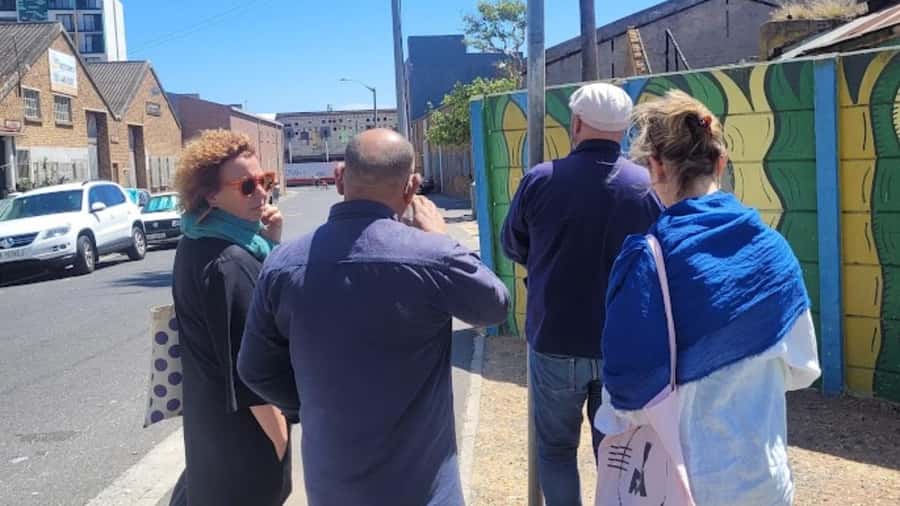
Walls here speak before the guide does. This 150-minute walk through Woodstock and Salt River brings you close to murals, galleries, local artists, and the ideas behind their work. I like that it treats street art as more than colorful decoration, and I like the chance to meet local people while learning about Cape Town’s creative subcultures. The main thing to consider is that this is a neighborhood walking tour, so comfortable shoes and suitable clothing matter.
The tour costs $48 per person and includes a transfer plus an English-speaking guide. Gail has been praised for collecting participants with fresh water and getting them comfortably to the meeting point, while guide Dauriq is noted for his caring approach and strong command of the artwork in Woodstock. Bring a camera, but ask before photographing people.
In This Review
- Key points at a glance
- Why Woodstock and Salt River make a good street art walk
- The transfer and arrival at the meeting point
- Starting the 150-minute walk through public art
- Reading the messages behind the murals
- Meeting local people and seeing a creative community
- What the price includes, and what it does not
- How to prepare for the streets
- Who will get the most from this tour
- The tour’s strongest point: a caring guide with local insight
- Booking flexibility and basic logistics
- Should you book the Woodstock street art walk?
- FAQ
- How long does the Cape Town street art tour last?
- How much does the tour cost?
- Which areas does the tour visit?
- What language is the tour conducted in?
- Is transportation included?
- Is the tour wheelchair accessible?
- What should I bring?
Key points at a glance
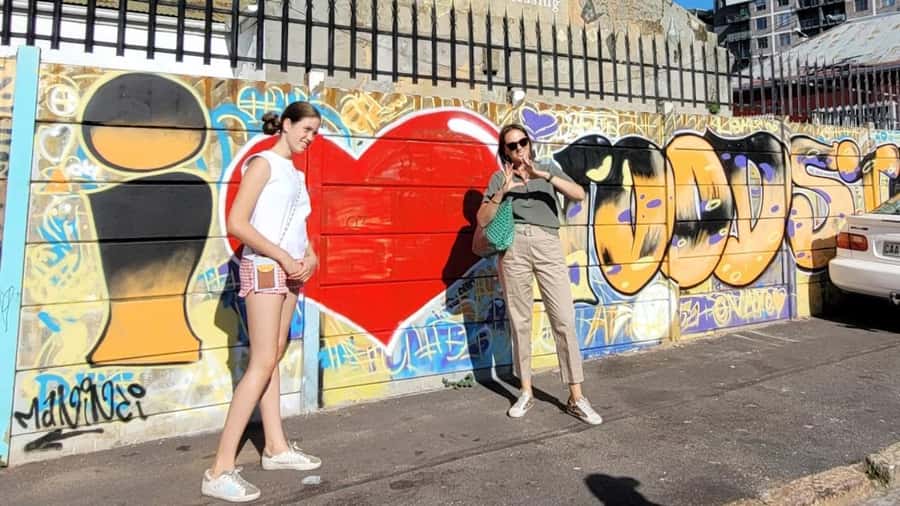
- Woodstock and Salt River on foot: See street art in the neighborhoods where it lives, rather than only viewing it in a gallery.
- Dauriq’s local guidance: Learn about artists, messages, materials, and techniques from a guide who knows the pieces well.
- A people-focused tour: Meet locals and gain a closer look at Cape Town’s creative subcultures.
- Transfer included: Gail’s pickup service includes a fresh bottle of water and transport to the meeting point.
- A thoughtful sustainability angle: The tour connects art with community change and the way public walls can influence local life.
- Good practical terms: The walk is wheelchair accessible, lasts 150 minutes, and allows cancellation up to 24 hours before departure for a full refund.
Why Woodstock and Salt River make a good street art walk
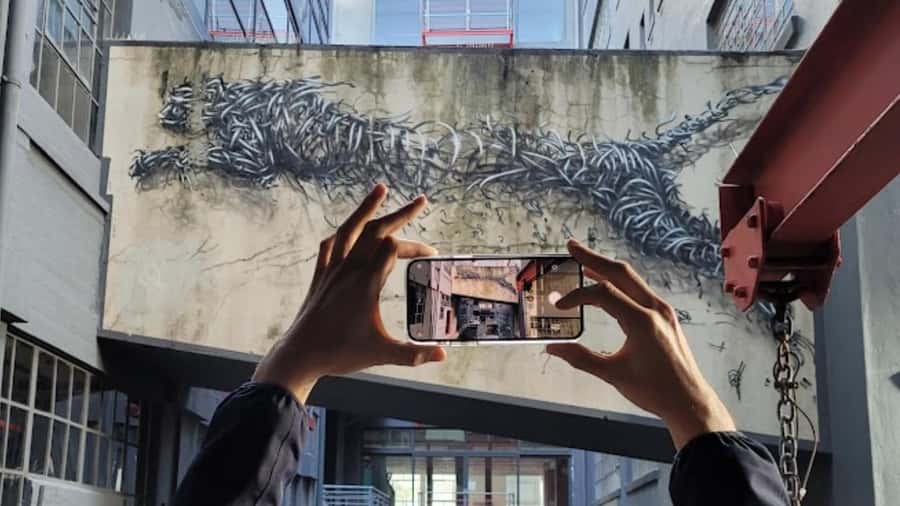
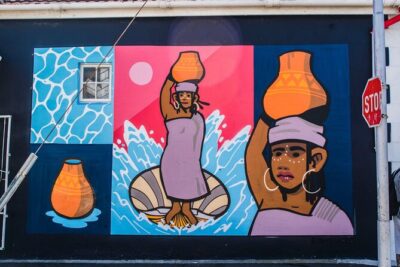
Cape Town’s street art is not confined to one polished museum district. In Woodstock and Salt River, murals and painted walls are part of working neighborhoods, and that changes the way you read them.
A gallery usually gives you a label, a room, and a carefully controlled view. Here, you see art in the setting that gives it meaning. A wall may carry a political message, celebrate local identity, comment on social issues, or simply bring color to an otherwise plain stretch of street. Your guide helps connect the image to the people and places around it.
That local setting is the reason I find this experience more useful than a standard photo walk. You are not only collecting pictures. You are learning how public art can shape the feeling of a neighborhood and encourage discussion about change.
The tour focuses on murals, galleries, and street art, with attention to both established and less familiar artists. The information provided does not promise a fixed list of artworks, which is worth noting. Outdoor art can change, disappear, or be replaced. That makes the experience less like checking off permanent monuments and more like seeing a living creative scene.
A few more in Cape Town
- Wine Tour: Paarl, Franschhoek & Stellenbosch incl 3 wineries
★ 5.0 · 3,940 reviews - Cape Town: Hop-On Hop-Off Bus Tour with Optional Cruise
★ 4.8 · 3,929 reviews - Cape Town: Cape of Good Hope & Penguins Day Tour with Pickup
★ 4.7 · 3,362 reviews
The transfer and arrival at the meeting point
Pickup is included, and you meet at your accommodation’s reception. This is a useful detail in a city where getting from one area to another can add time and stress to a short activity.
Gail has been specifically praised for collecting participants with a fresh bottle of water and transporting them comfortably to the meeting point. That small touch matters. A bottle of water is handy before a walk, and a planned transfer means you do not have to work out the route to the start yourself.
The transfer is part of the value of the $48 price. You are not paying only for a guide’s commentary. You are also getting the connection between pickup and the walking area, which makes the morning or afternoon easier to manage.
Still, you should read the transfer correctly. It is described as transport to the meeting point, not as a vehicle-based sightseeing tour. The main part of the experience takes place on foot in Woodstock and Salt River.
Starting the 150-minute walk through public art
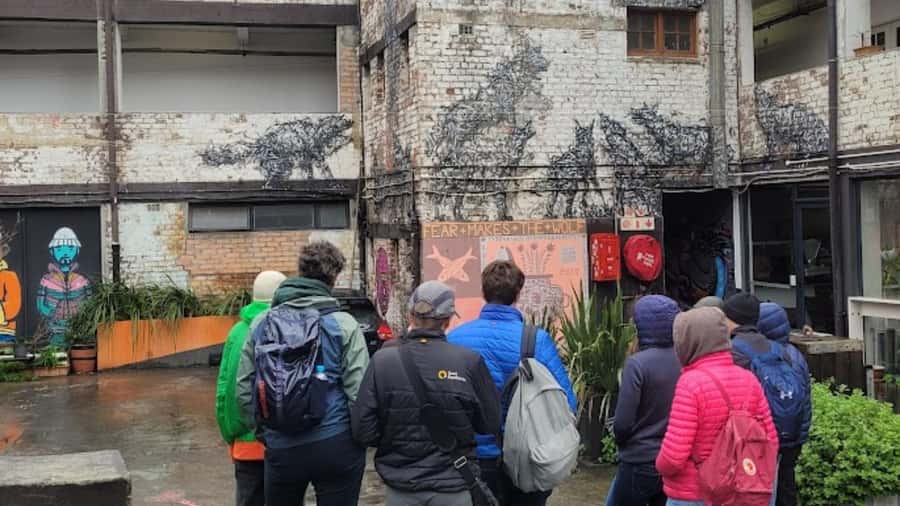
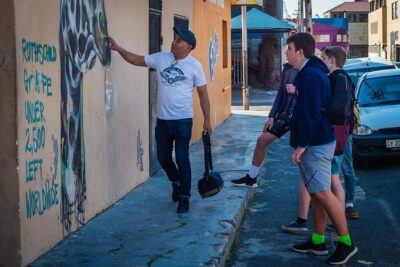
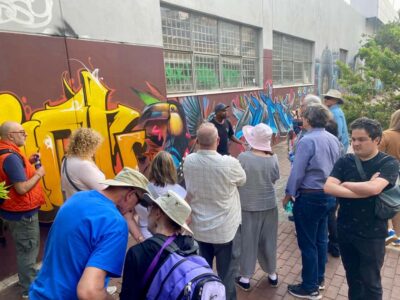
Once the walk begins, expect the streets themselves to become the gallery. Your guide points out murals and other works, then explains who created them, what they are trying to communicate, and which methods were used.
That last part is especially useful. Street art is often discussed only in terms of subject matter, but technique tells you plenty. You may learn how an artist handles scale, color, lettering, layering, or the physical limits of working on an outdoor wall. The supplied information does not give a guaranteed list of techniques or artists, so the exact discussion will depend on the works visible on the day.
Dauriq is the named guide associated with the walking portion. The strongest praise for him focuses on two qualities: he knows the unique pieces in Woodstock and he takes care while leading people through the area. That combination is important. A guide who can identify artists but ignores the group is not enough. A guide who is friendly but cannot explain the art is not enough either.
The tour is conducted in English. If you want to ask about an artist’s background, a mural’s message, or the difference between street art and gallery art, you should have plenty of reason to do so during the walk.
Reading the messages behind the murals
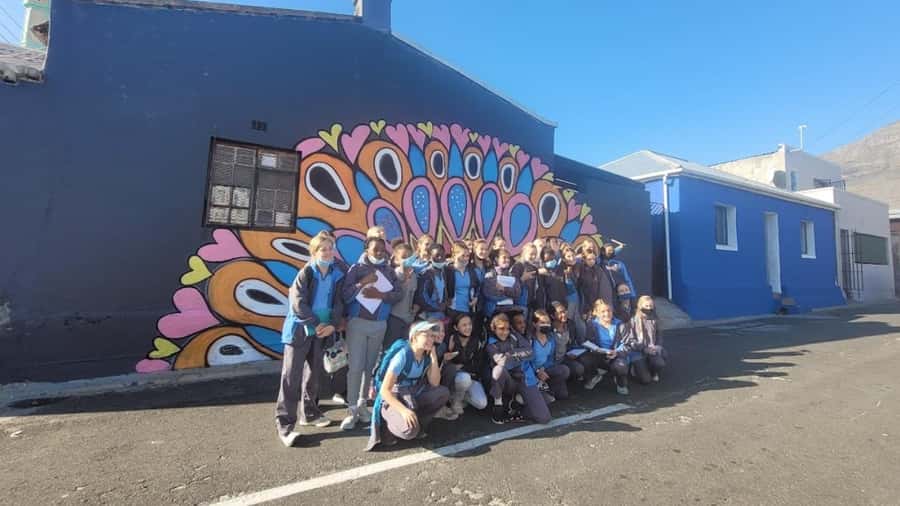
The best part of this tour is likely to be the discussion around meaning. A large mural can look impressive in a photograph, but the explanation of its subject and purpose gives it a second layer.
Your guide helps you consider questions such as:
- Who made the piece?
- What message is it sending?
- Which artistic methods can you see?
- How does it relate to the surrounding community?
- How can street art influence the way people see a place?
These are useful questions because they stop the walk from becoming a simple search for colorful backdrops. Cape Town’s creative scene includes different communities and points of view, and the tour is designed to introduce you to those subcultures through the people and art connected with them.
The title’s focus on sustainable change also gives the experience a wider purpose. In this context, sustainability is not presented only as recycling or environmental policy. It is connected to how communities express themselves, claim public space, encourage dialogue, and help shape a neighborhood’s future.
You should not expect a formal academic lecture. This is a guided street walk, and the value comes from seeing the art in place while hearing clear context from someone familiar with it.
Something quite different:
- Zipline Cape Town – From Foot of Table Mountain Reserve
★ 5.0 · 3,179 reviews - Cape Town: Table Mountain Cable Car, Hop-On Hop-Off Bus Tour
★ 4.6 · 3,157 reviews - Cape Point and Boulder’s Penguins Full Day Tour
★ 5.0 · 3,118 reviews - From Cape Town: Cape Point & Boulders Beach Full-Day Tour
★ 4.8 · 3,032 reviews
Meeting local people and seeing a creative community
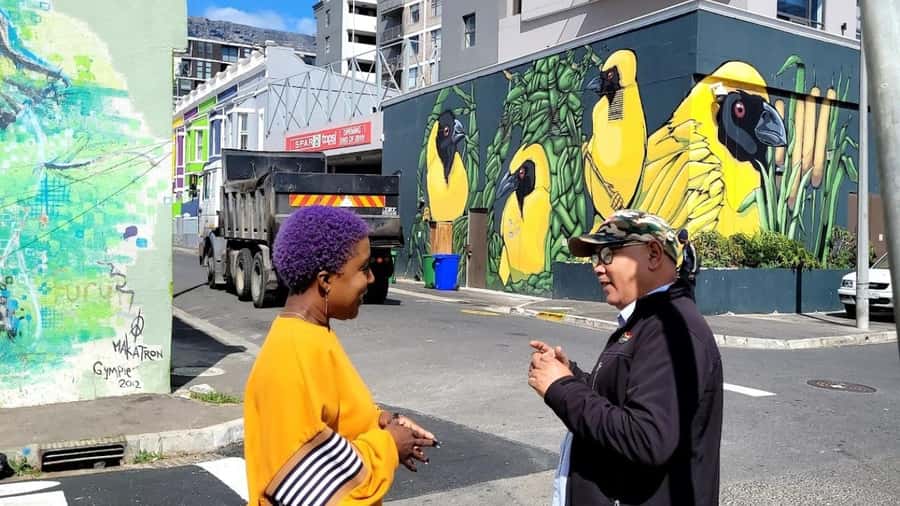
The tour includes opportunities to meet locals, which separates it from a purely visual mural tour. That part is important if you want a sense of Cape Town beyond major attractions.
The information does not promise specific meetings, studios, shops, or named community organizations, so you should not book this expecting a scheduled artist interview or workshop. Instead, think of local contact as part of the neighborhood experience. You are entering a real community, not a purpose-built attraction.
That means basic courtesy matters. If you want to photograph someone, ask first. This is not just good manners. It helps keep the encounter respectful, especially when you are carrying a camera and focusing on public art.
I would also suggest paying attention to the spaces between the murals. The painted walls are the obvious draw, but the streets, businesses, and people around them help explain why the art matters. You may find that the guide’s comments about community change are as valuable as the artwork itself.
What the price includes, and what it does not
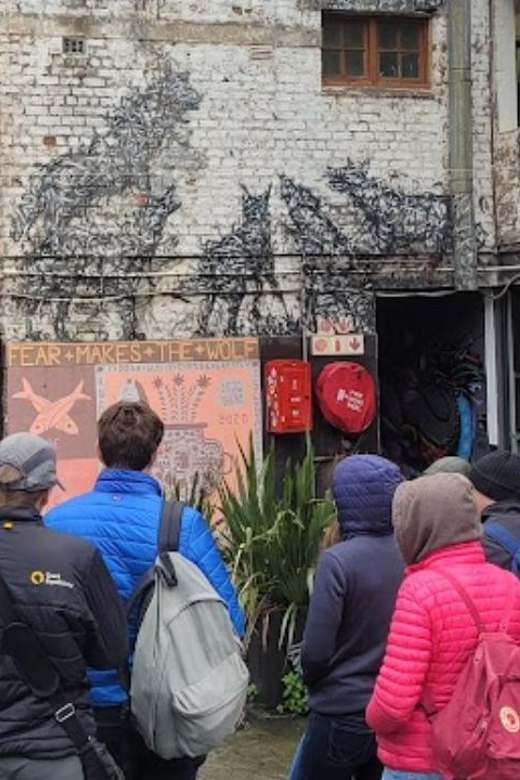
At $48 per person, the tour sits in the range of a short guided cultural experience rather than a simple self-guided walk. For that price, you receive the transfer, a 150-minute guided walk, and live commentary in English.
I think the price makes sense if you value interpretation and local access. You could walk around a neighborhood and photograph walls without paying anything, but you would miss the information about artists, messages, techniques, and community influence. You would also need to arrange your own transport.
The price does not include food, drinks, souvenirs, or personal expenses. The fresh water supplied during pickup is a thoughtful touch, but you should not treat the tour as a meal stop. Eat beforehand or plan food separately, since no food is included.
This is not the right choice if you want a long art workshop, private studio visit, or full-day cultural program. It is a compact introduction to a local street art scene, with transport and a guide included.
How to prepare for the streets
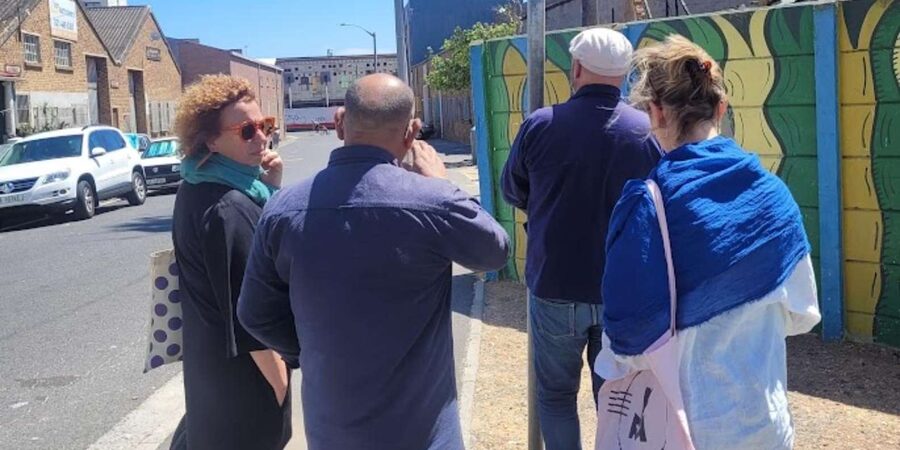
The practical advice is simple: wear comfortable shoes and comfortable clothes. The walk lasts two and a half hours, and the main activity is walking through a neighborhood. Even if you normally manage city walks easily, footwear can affect how much attention you give the art.
Biodegradable sunscreen is recommended, along with a camera. Cape Town light can be excellent for murals, but bright sun can also make a long walk tiring. Bring water if you want more than the bottle provided at pickup.
A camera is useful, but use it thoughtfully. Ask people before taking their picture, even if they happen to be standing near an artwork you want to photograph. You can usually capture the mural itself without treating local residents as part of the scenery.
The tour is wheelchair accessible. Since the route takes place outdoors in local streets, it is sensible to confirm any specific mobility needs when booking, but the stated accessibility is a real advantage for a walking experience.
Who will get the most from this tour
I would recommend this experience to anyone who likes art with a social message. You do not need to know the names of street artists or understand technical art terms before you arrive. Curiosity is enough.
It also suits people who want to see a different side of Cape Town. The focus is not on famous viewpoints or standard city monuments. You are spending time in Woodstock and Salt River, meeting local people, and learning how creative work interacts with everyday life.
Photography fans will find plenty to enjoy, especially if they prefer spontaneous urban images to carefully arranged attractions. Just remember that street art can change, and the exact pieces available may not always be identical.
Families and mixed-age groups may also appreciate the format, provided everyone is comfortable walking for 150 minutes. Art lovers who want a detailed professional study of a particular artist may find the experience too broad, since the tour covers a range of works and creators.
The tour’s strongest point: a caring guide with local insight
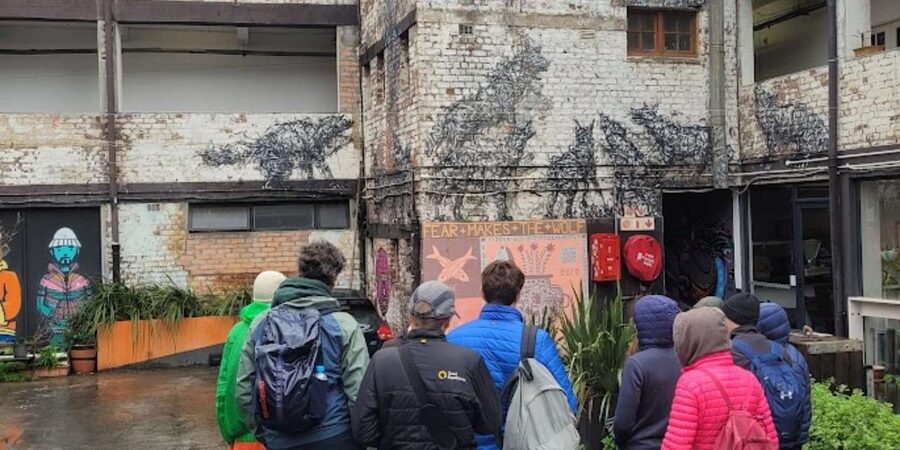
The clearest praise for this experience centers on the human side of the tour. Dauriq is described as both well informed and caring, which is exactly the combination you want on a neighborhood walk.
His role is not simply to point at walls. He explains the pieces and helps you understand the setting around them. A caring guide also makes a difference when a tour involves local streets and personal interactions. You want someone who pays attention to the group while treating the community with respect.
Gail’s part in the experience also receives specific praise. A fresh bottle of water and comfortable transport may sound minor, but these practical touches can set the tone before the art walk even begins.
The overall rating is 4.9 out of 5 from five ratings, so the sample is small. I would treat that score as encouraging rather than conclusive. The detailed praise points to the areas most likely to determine your experience: transport, guide quality, local context, and the personal feel of the walk.
Booking flexibility and basic logistics
You can cancel up to 24 hours before the experience for a full refund. You can also reserve your place and pay later, which helps if your Cape Town schedule is still shifting.
The duration is fixed at 150 minutes, but starting times depend on availability. Check the available time before booking so the walk fits around other plans.
Pickup is included, and the meeting point is at reception. The live guide speaks English. Food, drinks, souvenirs, and personal purchases are separate.
Should you book the Woodstock street art walk?
Book it if you want local context rather than a quick mural photo stop. The combination of pickup, a 150-minute walk, English commentary, and explanations of artists and techniques gives you more than a self-guided wander.
I would especially choose it if you care about how public art affects communities and want to meet local people in Woodstock and Salt River. The guide’s caring approach and the simple arrival support from Gail add practical value.
Skip it if you dislike walking, need a food-inclusive activity, or want a fixed list of famous artworks. For everyone else, this is a focused and worthwhile way to see Cape Town’s creative side at street level.
FAQ
How long does the Cape Town street art tour last?
The walking tour lasts 150 minutes, or two and a half hours.
How much does the tour cost?
The listed price is $48 per person.
Which areas does the tour visit?
The tour explores the Woodstock and Salt River neighborhoods in Cape Town’s Western Cape region.
What language is the tour conducted in?
The live tour guide speaks English.
Is transportation included?
Yes. A transfer is included, with pickup at the reception. Gail has been specifically praised for providing comfortable transport to the meeting point and a fresh bottle of water.
Is the tour wheelchair accessible?
Yes, the activity is described as wheelchair accessible.
What should I bring?
Bring comfortable shoes, comfortable clothes, a camera, and biodegradable sunscreen. Ask people for permission before photographing them. Food, drinks, souvenirs, and personal expenses are not included.
Just added in Cape Town
- Sunset Safari Big 5 Aquila with Snacks and Wine Tasting★ 5.0 · 12 reviews
- Explore Atlantis Sand Dunes with a 1hour 30mins sandboarding tour★ 5.0 · 5 reviews
- Private Tour to 20 Wine Tasting in Stellenbosch and Franschhoek★ 5.0 · 11 reviews
- Photoshoot in Cape Town’s most Gorgeous Locations★ 5.0 · 2 reviews
- Robben Island, Kirstenbosch wine tasting Tour★ 5.0 · 10 reviews
- Zip Line and Wine from Cape Town★ 5.0 · 14 reviews
- Private Transfer from Cape Town International Airport★ 5.0 · 4 reviews
- 1 Hour Cape Town City Center Photoshoot Experience★ 5.0 · 19 reviews
Street Art, compared.
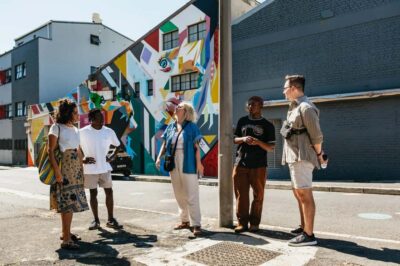
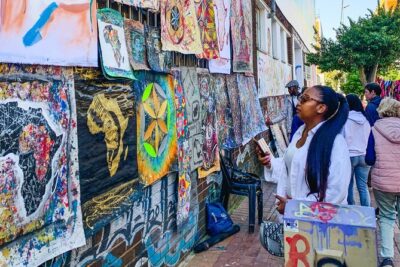
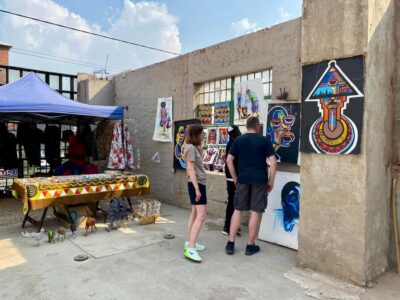
Colours of Johannesburg: A Graffiti & Street Art Tour
Read our review →
Johannesburg Street Art & Museum Walking or E-scooter Tour
Read our review →Browse the lists this tour appears in