
REVIEW · SOWETO TOURS
Contrast Tour Including Sandton, Alexandra, Johannesburg and Soweto
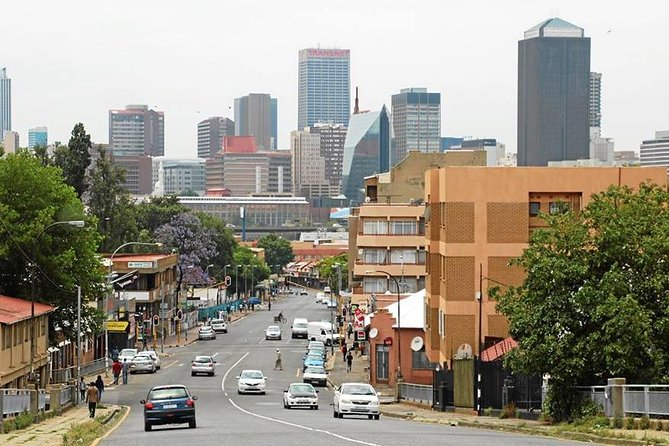
Johannesburg reveals its contrasts fast. I like the way this six-hour tour moves from polished Sandton to Alexandra, then on to central Johannesburg and Soweto. I also like the small-group limit of six, which should give you more room to ask questions and listen to local perspectives.
The hard part is Alexandra’s poverty. Visiting cramped shanty homes and hearing about limited water access can be confronting, not light sightseeing. I would also confirm your booking directly, since one past booking report describes a guide failing to appear.
In This Review
- Key points to know before you book
- Why this Johannesburg tour takes a different route
- Sandton, where Johannesburg displays its wealth
- Alexandra, known locally as Alex
- What the Sandton to Alexandra contrast can teach you
- Johannesburg city center adds the wider story
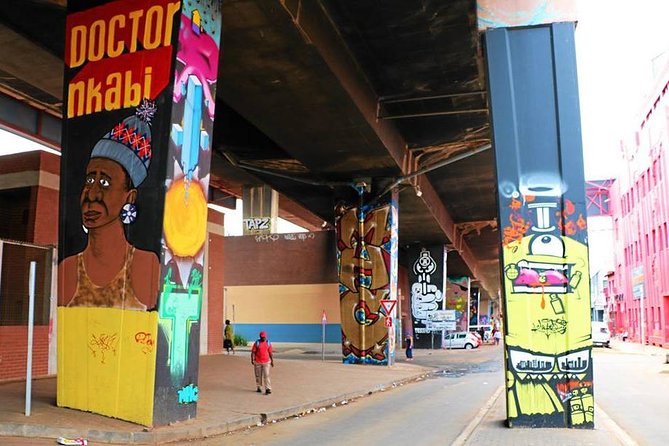
- Soweto gives the tour its broadest context
- Thuli’s guiding style and language advantage
- Six hours, snacks, and the real value of $165.19
- The serious booking caution
- Who will enjoy this experience most
- Should you book the Contrast Tour?
- FAQ
- Where does the tour take place?
- What time does the tour begin?
- How long does the tour last?
- Where does the tour end?
- What is included in the price?
- Are meals included?
- Are alcoholic drinks included?
- How many people can join the tour?
- Can I cancel for a full refund?
Key points to know before you book

- Sandton and Alexandra sit side by side: The tour uses these neighboring areas to show Johannesburg’s sharp economic divide.
- Two shanty homes are included: You may speak with residents about cramped living conditions and daily hardship.
- Thuli is the guide praised most often: Her German-language tours received especially warm comments for history, politics, and cultural insight.
- The route continues beyond the contrast theme: Johannesburg’s city center and Soweto add broader political and social context.
- The group is capped at six people: That suits anyone who prefers conversation over a large coach tour.
- The price includes transport, a guide, snacks, and soft drinks: At $165.19 per person, the value rests mainly on the quality of the guiding.
Why this Johannesburg tour takes a different route

Many city tours point out famous buildings, monuments, and photo stops. This one uses four parts of Johannesburg to explain how unequal the city can be, often within a short distance.
You begin in Sandton, known for wealth and polished commercial streets. Then the vehicle enters Alexandra, usually called Alex by local residents. The change is meant to be immediate and visible. Instead of presenting Johannesburg as one uniform city, the tour asks you to look at who has space, services, comfort, and political power.
That approach gives the day a clear purpose. You are not simply collecting sights. You are being asked to think about how apartheid, economic policy, urban growth, and present-day inequality still shape daily life.
The experience is led by a local guide and is fully narrated. That matters here. Sandton and Alexandra can be easy to misread if you only look out of a vehicle window. A guide can explain what you are seeing, place it in historical context, and help you understand the difference between a quick visual impression and a resident’s actual experience.
The tone is not likely to suit everyone. If you want a relaxed sightseeing loop with little serious discussion, this may feel heavy. If you want to understand Johannesburg beyond its safest and most polished surfaces, the subject is the reason to go.
More Soweto tours:
- Johannesburg: Hop-On Hop-Off Bus with Optional Soweto Tour
★ 4.6 · 985 reviews - Soweto /Johannesburg and Apartheid Museum Guided Full Day Tour
★ 5.0 · 932 reviews - Johannesburg Hop-On Hop-Off City Tour with Soweto Option
★ 4.5 · 768 reviews
Sandton, where Johannesburg displays its wealth
Sandton is the opening contrast. You ride through an area associated with the city’s most affluent residents and see the physical side of prosperity: larger homes, more space, and a more polished urban setting.
The tour does not treat Sandton as a complete picture of modern South Africa. Instead, it uses the district as one half of a comparison. You see how wealth appears in the city before moving into Alexandra, where the pressures of poverty are much harder to ignore.
This first stop works best if you pay attention to ordinary details rather than waiting for a single landmark. Notice the changes in housing, road conditions, density, and access to services as the vehicle moves along. The contrast is part of the lesson.
I would not book this portion expecting a detailed architecture tour or a long list of luxury attractions. Its value comes from the shift that follows. Sandton gives you the baseline, then Alexandra challenges the idea that one city has one shared standard of living.
Alexandra, known locally as Alex
The move into Alexandra is the emotional center of the day. The area is described as one of Johannesburg’s poorest sections, and the visit focuses on living conditions rather than quick sightseeing.
You visit two shanty homes and have the chance to speak with residents. The stated conditions are severe: very cramped space and no water in the homes. The purpose is to learn how people cope with extreme poverty, not to treat hardship as a photo opportunity.
That distinction matters. You should arrive with respect, patience, and a willingness to listen. Ask questions carefully, avoid making assumptions, and remember that people are sharing part of their lives with you. The human contact is likely to be more meaningful than any general explanation of inequality.
This stop can also feel uncomfortable. The tour puts poverty directly in front of you, and some people may question the ethics of entering someone’s home as part of a paid activity. The information provided does not explain how residents are compensated or how the home visits are arranged, so I would ask the operator about that before booking if it concerns you.
Still, Alexandra is not presented only as a place of deprivation. The tour description points to the freedom and reconciliation associated with these communities. That gives the stop a wider frame. You are not only looking at hardship, but also at the strength and dignity of people living through conditions they did not choose.
What the Sandton to Alexandra contrast can teach you

The power of this section comes from proximity. Sandton and Alexandra are not presented as distant examples from different parts of the country. They form a sharp local comparison within Johannesburg.
That makes the inequality easier to grasp. A statistic can tell you that wealth and poverty exist together. Moving between neighborhoods, then meeting people in their homes, gives the subject a more human scale.
I like this format because it avoids a common problem with city tours: treating history as something finished. South Africa’s political transition is not only a story about the past. The tour shows how freedom and reconciliation exist alongside shortages, crowded housing, and unequal access to basic services.
You should not expect one afternoon to explain every cause of poverty or resolve the country’s political debates. The guide can offer context and viewpoints, but the tour is still a short introduction. Think of it as a starting point for further reading and conversation.
A few more in Johannesburg
- From Johannesburg: Pilanesberg Nature Reserve Game Safari
★ 4.8 · 1,327 reviews - Full Day Ultimate Pilanesberg National Park Safari from Johannesburg or Pretoria
★ 4.5 · 718 reviews - Half-Day Tour of Soweto Tour
★ 4.5 · 712 reviews - Soweto: Walking Tour with a Local Guide and Lunch
★ 4.9 · 648 reviews
Johannesburg city center adds the wider story

After Sandton and Alexandra, the route includes Johannesburg’s city center. The supplied details do not list specific buildings or monuments, so you should not book this expecting a fixed catalogue of named attractions.
The center is important because it broadens the trip beyond a two-neighborhood comparison. Johannesburg is a major urban area with its own history, movement, pressures, and changes. The narrated drive can connect the city’s central spaces with the social issues introduced earlier in the day.
This is where the guide’s ability matters most. A good explanation can make an ordinary street meaningful by showing how it fits into the city’s past and present. One especially praised guide, Thuli, was described as offering strong insight into South African history, culture, present-day life, and politics. Her clear political positions may lead to serious discussion, which is useful if you want interpretation rather than a neutral list of dates.
The tradeoff is that the experience may reflect the guide’s perspective. That is not automatically a flaw. Local tours are often strongest when the guide has a clear point of view. You should simply listen thoughtfully and treat political commentary as one informed perspective, not the final word on every issue.
Soweto gives the tour its broadest context
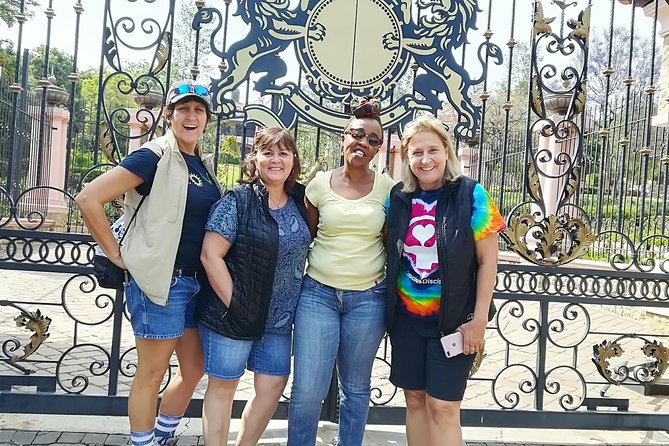
Soweto is the final major area named in the route. Like Alexandra, it carries strong political and social meaning, but it is not simply another stop on a poverty tour.
The tour’s overall theme suggests that Soweto helps connect personal stories with the wider struggle for freedom and reconciliation. After hearing about living conditions in Alexandra and seeing the contrast with Sandton, you have a framework for understanding why Soweto matters in Johannesburg’s story.
The details do not specify exactly which Soweto locations you will visit. That is worth clarifying before departure if you have a particular landmark in mind. The route may focus more on commentary and community context than on a long list of formal attractions.
I like the inclusion of Soweto because it keeps the day from becoming a simple rich district versus poor district comparison. The area can help you see how communities have shaped South Africa’s political life and how the past remains tied to present conditions.
Thuli’s guiding style and language advantage
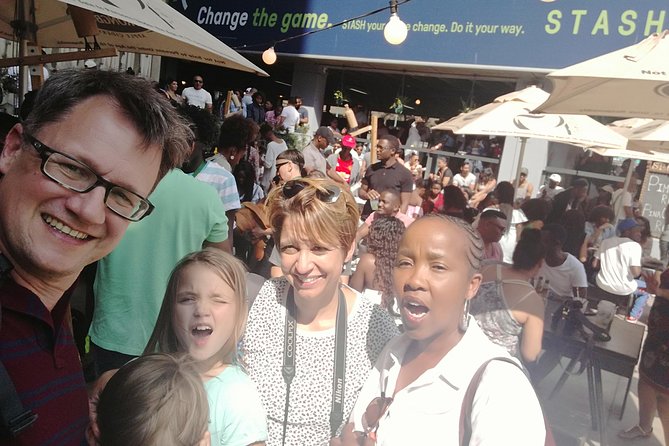
The strongest personal praise is linked to Thuli. German-speaking customers described her as highly committed, clear, and able to explain South Africa in the past and present. One account says she speaks excellent German and provided a private tour when only two people booked that day.
That detail is useful even if you do not speak German. It suggests that her strength is conversation and interpretation, not just driving from stop to stop. You can expect a guide who may discuss politics directly and explain the emotional side of South African life.
The small group size helps. With a maximum of six people, you are less likely to feel lost in a crowd, and questions should be easier to ask. A tiny group can also make the home visits feel more personal, so respectful behavior matters even more.
The exact guide for your date is not guaranteed by the information provided. I would ask who will lead the tour and what language will be used before paying, especially if Thuli’s German-language ability is important to you.
Six hours, snacks, and the real value of $165.19
The price is $165.19 per person, and the tour lasts about six hours. The vehicle, guide, snacks, and soft drinks are included. Fuel, meals, and alcoholic drinks are not included.
That is a fairly serious price for a half-day city tour. You are not paying mainly for admission tickets, since the core experience is transportation, guiding, and access to conversations. The value depends on whether you want social and political context rather than a standard sightseeing route.
The small group improves the calculation. A six-person maximum can make a guided discussion more useful than a large bus tour, especially when the itinerary includes sensitive topics and home visits. You also avoid arranging separate transport between widely different parts of Johannesburg.
Snacks and soft drinks are practical, but they do not replace a meal. Since meals are excluded, plan accordingly. The start time is 10:00 a.m., and the activity returns to its meeting point after the tour, so you have the rest of the day available.
For me, the price makes the most sense for a first-time visitor who wants a guided explanation of Johannesburg’s social divisions and does not want to organize transport independently. It is less attractive if your main goal is famous sights, shopping, or a low-cost orientation ride.
The serious booking caution
The overall rating supplied is 4.2 from six ratings, with most written comments praising the guide and the depth of the experience. One report says the guide did not appear and the tour did not happen, followed by a strong accusation about the booking.
That is a serious concern, even though the other comments are positive. The provider’s response asked for the booking date, intended tour date, and payment details, which suggests the issue was disputed. You cannot know from the available information what caused that missed departure.
I would protect yourself in simple ways. Confirm the meeting point, start time, guide name, and operating status shortly before the day. Keep the confirmation details on your phone, and do not assume that a mobile ticket alone guarantees a smooth departure.
The cancellation policy is generous if your plans change. You can cancel at least 24 hours before the 10:00 a.m. start for a full refund. Changes or cancellations made within 24 hours are not accepted for a refund, and local time controls the deadline.
Who will enjoy this experience most
I would recommend this tour to you if you want:
- A serious look at inequality in Johannesburg
- Direct contact with residents, handled respectfully
- A small group rather than a large coach
- Historical and political explanation from a local guide
- A route covering Sandton, Alexandra, central Johannesburg, and Soweto
- A guided introduction to the city’s continuing social challenges
You may want a different tour if you prefer a lighter day, a landmark-heavy itinerary, or more control over where you stop. The shanty-home visits are not a minor feature. They are central to the experience, and they can be emotionally demanding.
Children must be accompanied by an adult. Most people can participate, and the meeting point is near public transportation, but the information does not provide detailed mobility guidance. If you have specific access needs, ask before booking.
Should you book the Contrast Tour?
Book it if you want context, conversation, and direct human contact more than polished sightseeing. The route offers a rare chance to see how Sandton and Alexandra differ, then place those contrasts within the larger stories of Johannesburg and Soweto.
I would ask two questions first: Is Thuli leading your date, and how are the home visits arranged with residents? If the answers are clear, the small group and local guiding can justify the $165.19 price.
Skip it if you are uncomfortable entering private homes, prefer a simple city highlights tour, or need a fully predictable landmark schedule. For the right person, this can be one of the more thoughtful ways to begin understanding Johannesburg, but it asks you to look closely and listen well.
FAQ
Where does the tour take place?
The tour takes place in Johannesburg, South Africa, and includes Sandton, Alexandra, Johannesburg city center, and Soweto.
What time does the tour begin?
The tour starts at 10:00 a.m.
How long does the tour last?
The experience lasts approximately six hours.
Where does the tour end?
The activity ends back at the meeting point.
What is included in the price?
The price includes a vehicle, a guide, snacks, and soft drinks.
Are meals included?
No. Meals are not included.
Are alcoholic drinks included?
No. Alcoholic drinks are not included.
How many people can join the tour?
The activity has a maximum group size of six people.
Can I cancel for a full refund?
Yes. You can cancel at least 24 hours before the experience start time for a full refund. Cancellations or changes made less than 24 hours before the start are not accepted for a refund.
Just added in Johannesburg
- Johannesburg Culture and food tour★ 4.5 · 3 reviews
- Johannesburg Apartheid Museum and Soweto★ 5.0 · 14 reviews
- Johannesburg Like a Local: Customized Private Tour★ 5.0 · 3 reviews
- Ultimate Johannesburg Soweto Experience with Apartheid Museum★ 5.0 · 13 reviews
- Pretoria, Soweto and Apartheid Museum Guided Day Tour from Johannesburg Private★ 4.0 · 4 reviews
- Johannesburg City Evolution, Arts and Museums Walking Tour★ 5.0 · 8 reviews
- Downtown Johannesburg Tuk tuk Tour with a local lunch★ 4.5 · 12 reviews
- Experience Johannesburg Wine Tour Views and Luxury★ 5.0 · 2 reviews
Soweto Tours, compared.
Soweto /Johannesburg and Apartheid Museum Guided Full Day Tour
Read our review →

Jo’berg in 1 Day: Soweto, Apartheid Museum & City Tour
Read our review →
Full-Day Tour with Soweto and Apartheid Museum
Read our review →
Full-Day Soweto, Apartheid Museum and Lunch Tour
Read our review →
Half Guided Day Tour of Soweto And Apartheid Museum
Read our review →Browse the lists this tour appears in