
REVIEW · SOWETO TOURS
Johannesburg and Soweto Tour in French
History comes alive in Soweto. This private French-language tour links the township’s major sites with Johannesburg’s most important apartheid-era museums, so you spend less time planning and more time listening, looking, and asking questions. I especially like the private transport, which saves you from long walks, and the chance to visit Mandela House and the Apartheid Museum in one long day. The main drawback is the pace: seven to eight hours is a lot to fit in, and several entrance fees are not included.
The French-speaking guide is a big part of the experience. Past guests praised guides Ibrahim and U, along with driver Basil, for patience, humor, thoughtful explanations, and flexibility around traffic and crowded sites. Still, I would confirm the pickup details carefully before setting out, since one serious complaint involved a guide and vehicle not arriving at all.
In This Review
- Key things to know before booking
- Why this tour makes sense for first-time visitors
- Hector Pieterson Memorial and the 1976 uprising
- Mandela House on Vilakazi Street
- Regina Mundi, a church with a political past
- Walter Sisulu Square and the Freedom Charter
- FNB Stadium and the Soweto cooling towers
- Constitution Hill in a short half-hour
- Two hours at the Apartheid Museum
- Private transport and the value of $92.35
- The guides, the pace, and one serious warning
- Who should book this Johannesburg and Soweto tour?
- Should you book it?
- FAQ
- Is the tour conducted in French?
- How long does the tour last?
- Is private transportation included?
- Is lunch included?
- Which admissions are included?
- Can I cancel for a full refund?
Key things to know before booking
- A private French-speaking guide leads the day, so you can ask questions and adjust parts of the schedule.
- Mandela House is included, with time to see family photographs and learn about Nelson Mandela’s years on Vilakazi Street.
- The Apartheid Museum receives two hours, making it the fullest museum visit of the day.
- Hector Pieterson Museum, Regina Mundi, Walter Sisulu Square, and Constitution Hill require extra admission fees unless your booking terms say otherwise.
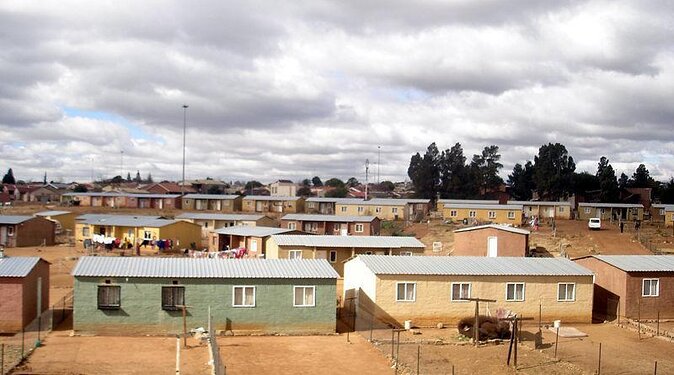
- Private transportation connects the spread-out sights, including Soweto, FNB Stadium, and central Johannesburg.
- The tour costs $92.35 per person, which is fair for a private, full-day outing if you value French commentary and door-to-door transport.
Why this tour makes sense for first-time visitors
Johannesburg and Soweto are not places I would try to piece together casually in a single day. The sites are spread out, the subject matter is heavy, and the best experience depends on understanding how the locations connect. This tour gives you a French-speaking guide who can explain the 1976 student uprising, the Freedom Charter, apartheid-era imprisonment, and Mandela’s personal story as you move between stops.
The private format matters. You are not tied to a large group’s questions or waiting for strangers to return to the vehicle. A past booking included changes to the program based on traffic, crowds, and the group’s requests. That sort of flexibility can make a real difference in Johannesburg, where driving time may affect the rhythm of the day.
The tour usually lasts about seven to eight hours. That is long enough to cover major ground, but not long enough for every stop to receive equal attention. You will get a proper two-hour visit at the Apartheid Museum, while some other places are closer to short guided stops or exterior visits.
More Soweto tours:
- Johannesburg: Hop-On Hop-Off Bus with Optional Soweto Tour
★ 4.6 · 985 reviews - Soweto /Johannesburg and Apartheid Museum Guided Full Day Tour
★ 5.0 · 932 reviews - Johannesburg Hop-On Hop-Off City Tour with Soweto Option
★ 4.5 · 768 reviews
Hector Pieterson Memorial and the 1976 uprising
The day’s Soweto story begins at the Hector Pieterson Memorial and Museum. The 1976 student uprising began in Soweto and spread across South Africa, making this one of the most important stops for understanding the country’s modern political history.
The memorial honors Hector Pieterson, whose death became a powerful symbol of the uprising. A visit here is not simply a quick photo stop. Your guide can explain why school students protested, how the authorities responded, and how the events affected the country far beyond Soweto.
The scheduled time is about 30 minutes, and admission is not included. That time may be enough for an introduction and a focused visit, but it will feel short if you want to read every display carefully. If this subject is central to your interest, ask the guide how much time is available inside the museum and what the extra ticket costs.
This is also where a French-speaking guide can be especially useful. The subject includes political terms, dates, and personal stories that lose some force when rushed or translated poorly. The strongest part of the tour is likely to be the explanation that connects the museum to the streets and neighborhoods around it.
Mandela House on Vilakazi Street
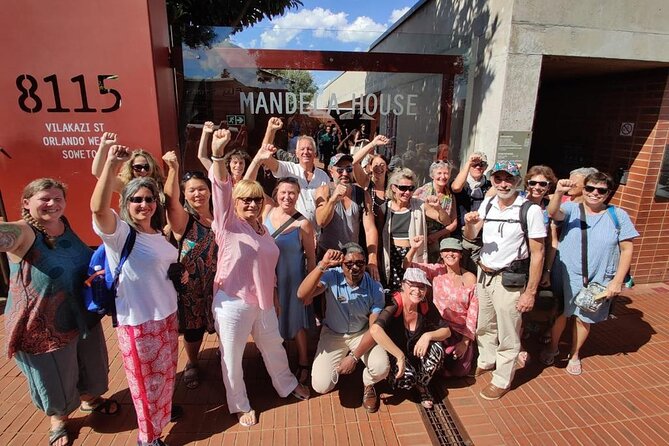
Mandela House is one of the tour’s most personal stops. Nelson Mandela lived in this house on Vilakazi Street with his first wife, Evelyn, and later with Winnie Mandela. The visit includes the house itself and family photographs that help bring the public figure back into a domestic setting.
You should expect a compact, highly symbolic site rather than a grand museum. The house helps you picture Mandela’s life before and during his rise as an anti-apartheid leader. It also gives the guide a natural place to discuss family life, political pressure, and the importance of Vilakazi Street in Soweto.
Admission is included, and the scheduled visit lasts about 45 minutes. That is more generous than the time given to several other stops. I like that balance because Mandela House offers a human story after the more public and political account at Hector Pieterson.
Your guide’s commentary can shape this stop. One past guest praised the French guide for explaining Mandela House along with the surrounding points of interest, while another described the day as unusually attentive and patient. If you have questions about Mandela’s family or the house’s history, this is a good moment to ask them rather than waiting until the end.
Regina Mundi, a church with a political past
Regina Mundi is described as the largest Catholic church in South Africa and is also known as the parliament of Soweto. During the 1976 student uprising, students sought refuge here from the police.
The church matters because it shows how religious spaces became places of safety, discussion, and political life under apartheid. It is a different kind of historical site from a museum. You are seeing a functioning place of worship that also carries memories of conflict and resistance.
The planned stop is about 30 minutes, and admission is not included. That should give you time for a guided explanation and a look inside, but not a long architectural study. If religious history interests you, ask whether the church is open for the full planned visit on your date.
Regina Mundi also breaks up the museum-heavy part of the day. After Hector Pieterson and Mandela House, the church gives you another way to understand how ordinary institutions supported people during an extraordinary period.
A few more in Johannesburg
- From Johannesburg: Pilanesberg Nature Reserve Game Safari
★ 4.8 · 1,327 reviews - Full Day Ultimate Pilanesberg National Park Safari from Johannesburg or Pretoria
★ 4.5 · 718 reviews - Half-Day Tour of Soweto Tour
★ 4.5 · 712 reviews - Soweto: Walking Tour with a Local Guide and Lunch
★ 4.9 · 648 reviews
Walter Sisulu Square and the Freedom Charter
In Kliptown, Walter Sisulu Square marks the place where the Freedom Charter was adopted in 1955. The square is linked to the oldest multicultural area of Johannesburg and to a major moment in the anti-apartheid movement.
This stop helps put the 1976 uprising into a longer political story. The Freedom Charter set out a vision of a democratic South Africa years before apartheid ended. Your guide can explain how those ideas shaped later political movements and the country’s eventual constitutional order.
The scheduled visit lasts around 30 minutes, with admission not included. That makes this another stop where the guide’s words are as important as what you see. You may not have time to inspect every part of the square, so listen for the explanation of why the charter mattered and how it differed from the policies of apartheid.
For me, this is one of the places where a private guide earns the fee. Without context, a square can look like just another urban stop. With a clear explanation, it becomes part of the political spine of the day.
FNB Stadium and the Soweto cooling towers

The FNB Stadium, also called Soccer City, hosted events during the 2010 FIFA World Cup. The tour allows about ten minutes here, and admission is free.
Do not expect a stadium tour or a long interior visit. This is mainly a landmark stop and a chance to understand the stadium’s place in modern Johannesburg. The short visit works well as a pause between historical sites, especially if the group wants a photograph.
The two Soweto cooling towers are another quick landmark stop. Built in 1951 to supply electricity to Johannesburg, the towers are now used for bungee jumping from a platform between them. The towers are visually striking, but the supplied schedule does not list a separate duration or admission arrangement for this stop.
I would treat both the stadium and cooling towers as passing highlights rather than major reasons to book. They add variety and help you see more of Soweto, but the tour’s real substance is at the museums, Mandela House, Regina Mundi, and Constitution Hill.
Constitution Hill in a short half-hour
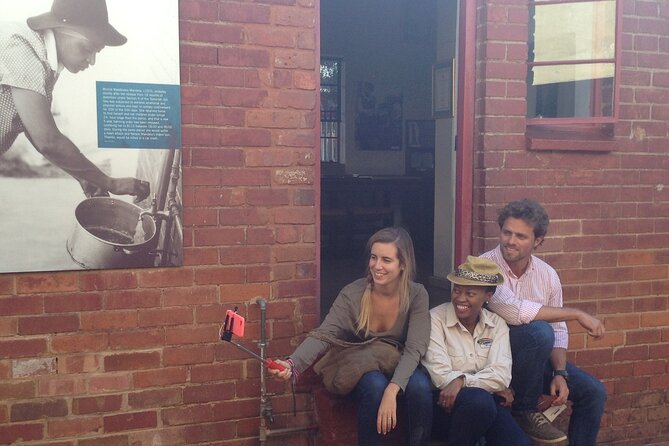
Constitution Hill Human Rights Precinct tells the story of imprisonment in South Africa through the Old Fort, Women’s Jail, and Number Four. Nelson Mandela, Mahatma Gandhi, Joe Slovo, Albertina Sisulu, Winnie Madikizela-Mandela, and Fatima Meer were among those held there. So were tens of thousands of ordinary people of different races, ages, religions, and political views.
The site is powerful because it connects famous names with the everyday machinery of imprisonment. You are not looking only at the lives of political leaders. You are also confronting the people who passed through the prison system without becoming internationally known.
The planned visit is 30 minutes, and admission is not included. That is the clearest timing concern in the itinerary. Constitution Hill is a living museum with several areas and a large amount of material, so half an hour may provide an introduction but not a full visit.
If you have already seen the Apartheid Museum, Constitution Hill adds another angle. The Apartheid Museum explains the rise and fall of apartheid through exhibits and design. Constitution Hill puts you inside a former place of incarceration. If time becomes tight, ask your guide how to use the half-hour well.
Two hours at the Apartheid Museum
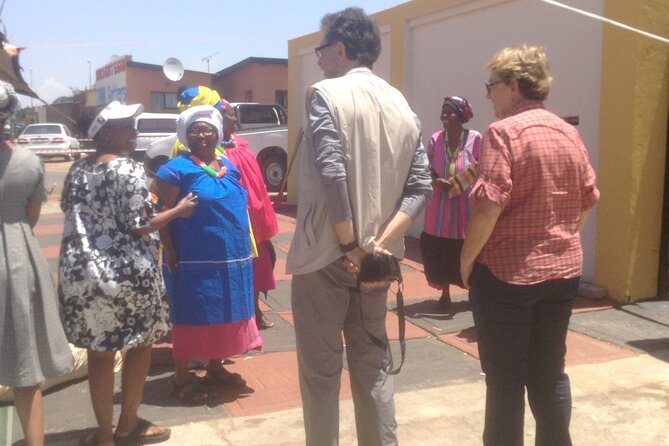
The Apartheid Museum is the longest scheduled stop, with two hours and admission included. It was the first museum of its kind and presents the rise and fall of apartheid through exhibits, architecture, space, and outdoor design.
Two hours is a useful amount of time, but it is not excessive. The museum covers a large subject, and you may need to make choices about which displays to read closely. I would use the guide’s introduction to get your bearings, then spend the remaining time on the sections that speak most directly to your interests.
This is the tour’s strongest museum visit in practical terms because the ticket is included and the schedule gives it proper weight. It also serves as a final major chapter after the more local focus of Soweto. The day moves from student protest and Mandela’s home to imprisonment and then to the national story of apartheid itself.
French commentary can make this visit much easier to follow. You can ask for clarification on political terms and dates rather than trying to absorb every panel alone. The guide may not accompany you through every room for the full two hours, so confirm how the museum portion is organized at the start.
Private transport and the value of $92.35
At $92.35 per person, this is not the cheapest way to see Johannesburg and Soweto. It is also not a simple sightseeing drive. You are paying for a private vehicle, a French-speaking guide, a seven to eight-hour schedule, and entry to Mandela House and the Apartheid Museum.
The value is strongest for couples, families, or small groups who want a private day without arranging several separate rides. The vehicle saves energy between sites and lets you cover places that would be awkward to connect on foot. It also gives you a place to regroup after emotionally demanding museum visits.
Remember that several admissions are extra. Hector Pieterson Memorial, Regina Mundi, Walter Sisulu Square, and Constitution Hill are listed without included admission. Lunch and personal expenses are also extra, so your real daily cost will be higher than the headline price.
The private format can also make the price more attractive when shared by a small group, though the quoted rate is per person. If you are traveling alone, compare the cost with a group excursion. If French explanation and a tailored schedule matter to you, the difference may be worth it.
The guides, the pace, and one serious warning
The strongest praise centers on the human side of the tour. Ibrahim was described as attentive, friendly, patient, and willing to answer questions. Guide U was praised for relevant commentary and a good sense of humor, while Basil, the driver, was also singled out for his humor. Another French-speaking guide was praised for making the day exceptional and memorable.
Those details matter because this is a history tour, not a hop-on bus. A good guide needs to explain painful subjects with care, answer questions without rushing, and adjust the order when traffic or crowds interfere. The private setup gives the guide room to do that.
The overall rating is 4.8 out of 5 from 17 reviews, with 94 percent recommending the experience. That is a strong record, but the one-star complaint is too serious to ignore: the operator reportedly failed to appear and did not respond to calls or emails.
I would confirm the booking, pickup time, and contact number shortly before the tour. Keep the confirmation accessible, and avoid placing this experience on the final day of your trip if missing it would cause major problems. Free cancellation is available up to 24 hours before the start time. Within 24 hours, changes and refunds are not accepted, except when the operator cancels because of poor weather or failure to meet the minimum number of participants.
Who should book this Johannesburg and Soweto tour?
I would recommend it most strongly to French-speaking visitors who want serious historical context without building the day themselves. It suits first-time visitors, small private groups, and anyone who prefers door-to-door transport over figuring out connections between Soweto and central Johannesburg.
It is also a good choice if you want to ask many questions. The private format and the praise for patient guides suggest a more personal experience than a large coach tour can offer.
I would hesitate if you dislike long museum days or prefer a slow, unplanned visit. The schedule covers many places, and some stops receive only 30 minutes. You should also budget for extra entry fees and lunch.
Should you book it?
Book this tour if you want a French-speaking guide, private transportation, and a packed introduction to Soweto and Johannesburg’s apartheid history. Mandela House and the two-hour Apartheid Museum visit give the day real substance, while Regina Mundi, Walter Sisulu Square, Constitution Hill, and Hector Pieterson add important viewpoints.
The sensible approach is to confirm the operator and pickup details before the date, then ask which admissions are payable on the day. If that small amount of planning is acceptable, $92.35 is a reasonable price for a private full-day route with strong guide feedback and two included admissions.
FAQ
Is the tour conducted in French?
Yes. This is a private guided tour led by a French-speaking guide.
How long does the tour last?
The tour lasts approximately seven to eight hours.
Is private transportation included?
Yes. Private transportation is included, and pickup is offered.
Is lunch included?
No. Lunch and personal expenses are not included.
Which admissions are included?
Admission to Mandela House and the Apartheid Museum is included. Admission to Hector Pieterson Memorial, Regina Mundi, Walter Sisulu Square, and Constitution Hill is not included.
Can I cancel for a full refund?
Yes, if you cancel at least 24 hours before the experience start time. Cancellations or changes made within 24 hours are not refunded, except when the experience is canceled because of poor weather or because the minimum number of participants is not met.
Just added in Johannesburg
- Soweto half day Tour★ 5.0 · 54 reviews
- Hiking In the Magaliesberg,Wildlife hike an hour fromJohannesburg★ 5.0 · 11 reviews
- Full-Day Cradle of Human Kind and caves private★ 4.5 · 10 reviews
- Full-Day Apartheid Museum and Soweto Tour★ 5.0 · 10 reviews
- Full day Soweto & Apartheid Museum Tour★ 5.0 · 3 reviews
- Pilanesberg National Park Safari in Open Vehicle from Johannesburg★ 5.0 · 6 reviews
- Full-Day Soweto Apartheid Museum & Johannesburg Tour★ 5.0 · 4 reviews
- Exclusive Safari Flight★ 5.0 · 16 reviews
Soweto Tours, compared.
Soweto /Johannesburg and Apartheid Museum Guided Full Day Tour
Read our review →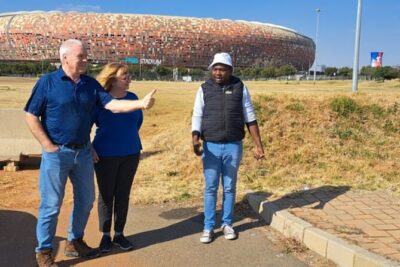
Jo’berg in 1 Day: Soweto, Apartheid Museum & City Tour
Read our review →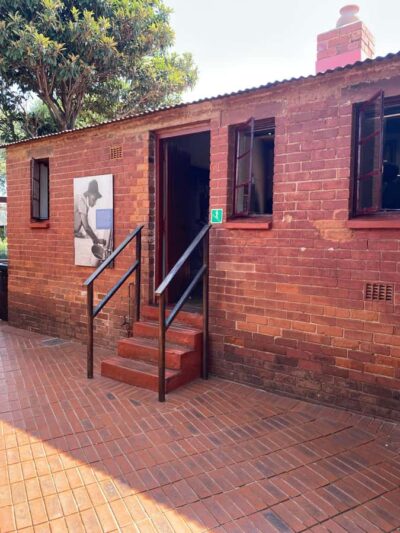
Full-Day Tour with Soweto and Apartheid Museum
Read our review →
Full-Day Soweto, Apartheid Museum and Lunch Tour
Read our review →
Half Guided Day Tour of Soweto And Apartheid Museum
Read our review →Browse the lists this tour appears in