
REVIEW · SKIP THE LINE
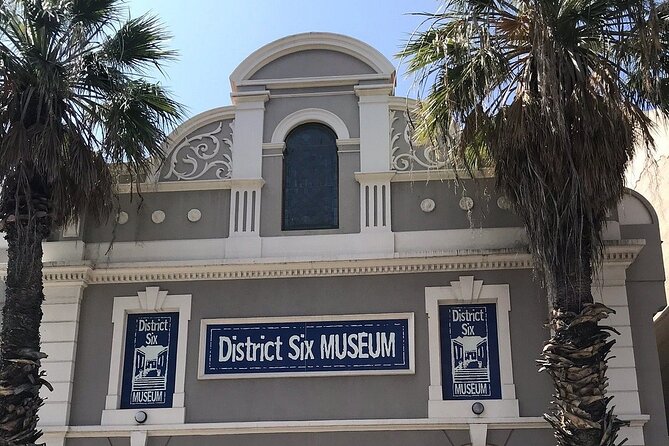
Skip the Line: District Six Museum Admission Ticket
A map turns absence into a human story. Cape Town’s District Six Museum uses photographs, recordings, personal testimony, and a huge floor map to show how apartheid tore apart a mixed community. I like the low $3.71 price and the freedom to explore without being tied to a fixed tour time. I also value the option of a guided visit led by a former District Six resident, which can give the displays a personal voice.
The main caution is ticket handling. One customer arrived with a Viator-issued ticket that the museum did not accept and had to pay again, although the amount was later eligible for a refund through Viator. That appears to be an isolated problem, but I would keep your booking confirmation handy and allow a little patience at the entrance.
In This Review
- Key points before you go
- Why District Six matters in Cape Town
- Entering the museum and getting your bearings
- The floor map that gives the museum its shape
- Photographs, recordings, and personal testimony
- What the optional guided tour adds
- How long should you allow?
- Is the $3.71 ticket good value?
- The ticket issue you should plan around
- Who will get the most from this visit?
- Practical details for a smoother visit
- Should you book the District Six Museum ticket?
- FAQ
- How much does admission to the District Six Museum cost?
- How long does a visit take?
- Can I explore the museum without a guide?
- Is a guided tour included?
- What can I see inside the museum?
- Is the museum suitable for children?
- Are service animals allowed?
- Can I cancel for a refund?
Key points before you go
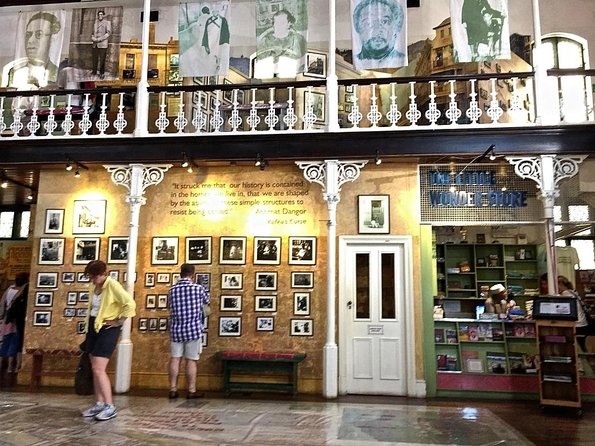
- The floor map is the museum’s emotional center: Former residents marked the places where their demolished homes once stood.
- A former resident may lead the optional tour: This adds first-hand context to the exhibits and the forced removals.
- The visit is flexible: You can spend about 30 minutes to 1.5 hours, depending on your pace and whether you join a guided tour.
- The price is unusually modest: At $3.71, admission costs less than many Cape Town attractions and supports a serious educational visit.
- The museum suits families and adults: Its material is suitable for children, but the subject can be painful and should be approached thoughtfully.
- The ticket is mobile: You can carry the admission details on your phone, though one ticket-acceptance problem has been reported.
Why District Six matters in Cape Town
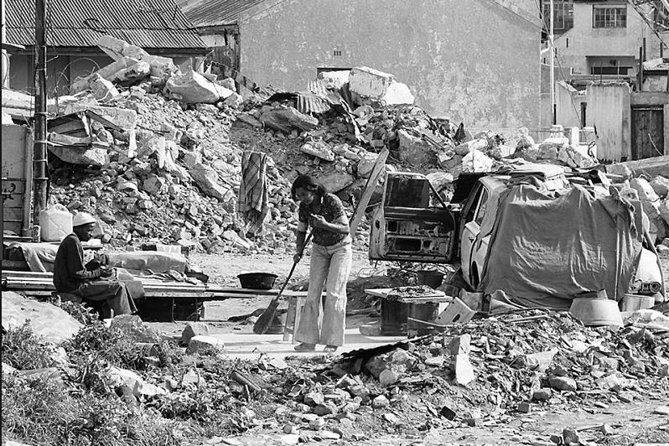
District Six was once a mixed neighborhood with musicians, artists, families, and both respectable and criminal figures living close together. During apartheid, the government declared the area for white occupation and began a long campaign of removals and demolition.
The destruction continued over roughly 20 years. Residents were forced out of their homes, and much of the neighborhood was cleared. The museum exists to preserve the memories of that community and to explain the human cost of apartheid in a direct, local way.
I find this setting more useful than a general history lesson because it focuses on addresses, families, streets, and ordinary routines. You are not only learning about government policy. You are seeing what that policy did to a specific place and to the people who lived there.
The museum also serves local residents, not just international visitors. That matters. It is not simply an attraction built for sightseeing. It functions as a place of memory, education, and community history.
More Museums in Cape Town
- Museum of Contemporary African Art: Fast-Track Zeitz MOCAA
★ 4.4 · 204 reviews - Cape Town: Private Guided Tour of Cape Town Diamond Museum
★ 4.7 · 156 reviews - ROBBEN ISLAND MUSEUM TOUR, WITH OPTIONAL LAST MINUTE TICKETS
★ 3.4 · 85 reviews
Entering the museum and getting your bearings
Your admission covers entry to the District Six Museum. The mobile ticket gives you flexibility, so you can arrive at a time that fits your Cape Town plans rather than building your whole day around a fixed departure.
The visit can take as little as 30 minutes, but I would allow closer to 1.5 hours if you want to read the material, listen to recordings, study the photographs, and speak with staff. The shorter visit works if you are making a brief stop between other sights. The longer visit is better if apartheid history is one of your main reasons for coming to Cape Town.
The museum is near public transportation, making it practical to reach without arranging a private vehicle. The information supplied does not specify a particular route or station, so check your current map before setting out.
Once inside, you can choose between a self-guided visit and an optional guided tour. The self-guided format works well if you prefer quiet reflection or need to keep your schedule loose. The guided option is worth considering if you want help connecting the displays or hearing personal stories from someone with a direct link to District Six.
The maximum group size is listed as 15 people. That is small enough to keep a guided visit from feeling like a moving crowd, although the final experience depends on how many people join at your chosen time.
The floor map that gives the museum its shape
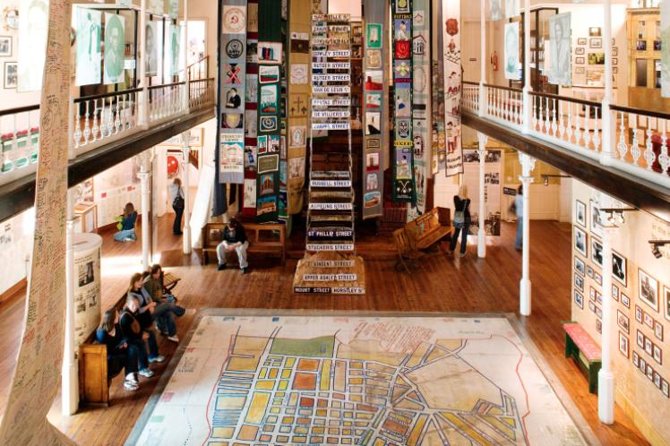
The museum’s ground floor is covered by a large street map of District Six. Former residents wrote notes on it to show where their demolished homes once stood.
This is the detail I would make sure not to miss. Maps usually help you get from one place to another. Here, the map shows what has disappeared. Handwritten notes turn the floor into a record of homes, neighbors, and former streets.
You may find yourself spending more time with this display than expected. It makes the scale of the removals easier to grasp because the story is tied to real locations. A policy that sounds distant becomes a collection of missing houses and displaced families.
Look at the map before rushing to the photographs. It gives you a useful frame for the rest of the visit. As you see names, recordings, and personal accounts, you can connect them to the physical area represented below your feet.
Photographs, recordings, and personal testimony
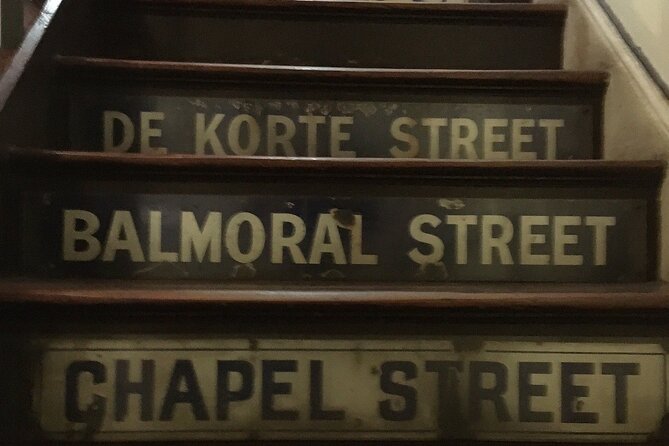
The museum presents photographs, recordings, and testimonials about District Six and the apartheid era. These different formats matter because each one carries a different kind of evidence.
Photographs show the neighborhood and the people who lived there. Recordings bring voices into the experience. Testimonials add personal memory, including the pain of losing a home and being separated from a familiar community.
I like this mix because it avoids making the visit a wall of written panels. You can look, listen, and read at a pace that suits you. If you prefer a quick visit, the visual material gives you a basic understanding. If you have more time, the recordings and testimonials add weight and detail.
The subject is difficult. The museum deals with forced removals, demolition, and apartheid, not a light sightseeing theme. Adults should be prepared for an emotional stop, and parents may want to explain the subject in simple terms before arriving with children.
The museum is described as suitable for both adults and children, but that does not mean every child will find the material easy. Use your judgment based on age and interest. Younger children may understand the map and photographs, while older children may be ready for the political background.
Something quite different:
- Wine Tour: Paarl, Franschhoek & Stellenbosch incl 3 wineries
★ 5.0 · 3,940 reviews - Cape Town: Hop-On Hop-Off Bus Tour with Optional Cruise
★ 4.8 · 3,929 reviews - Cape Town: Cape of Good Hope & Penguins Day Tour with Pickup
★ 4.7 · 3,362 reviews - Zipline Cape Town – From Foot of Table Mountain Reserve
★ 5.0 · 3,179 reviews
What the optional guided tour adds
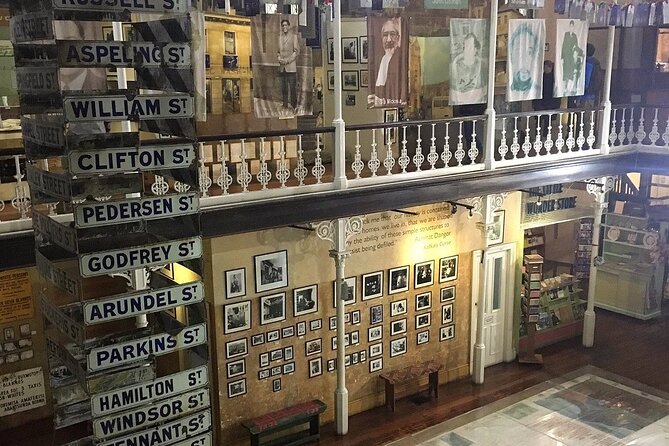
The guided tour costs extra, so it is not part of the basic admission price. If you choose it, the tour may be led by a former resident of District Six.
That first-hand connection is the strongest reason to pay for the guide. A former resident can place the exhibits in a personal context and explain what the neighborhood meant to people who lived there. The supplied information does not provide guide names or a full tour schedule, so do not expect a named guide or fixed departure time unless it is confirmed when you book.
Staff members are described as friendly and engaging, and most are displaced District Six residents themselves. Even if you explore independently, you may have an opportunity to hear more directly from people connected to the area.
I would choose the guided option if you have enough time, especially if this is your first serious look at apartheid-era removals. I would choose self-guided admission if you want to read at your own pace, are visiting with children who need breaks, or have several Cape Town sights planned for the same day.
The group limit of 15 people also favors the guided format. A small group can make it easier to follow explanations and ask questions. Still, the value depends on the additional fee and on whether the guided visit is available when you arrive.
How long should you allow?

The stated duration is approximately 30 minutes to 1.5 hours. That range is realistic because the experience is not a timed ride or a long walking route. Your visit length depends on how much you read and whether you join a tour.
Use these rough planning guidelines:
- Allow 30 minutes for a focused look at the main displays and floor map.
- Allow about one hour for photographs, recordings, testimonials, and some conversation with staff.
- Allow up to 1.5 hours if you take your time or join the optional guided tour.
I would avoid squeezing the museum into a ten-minute gap. The low ticket price may tempt you to treat it as a quick stop, but the material deserves more attention than that. At the same time, you do not need to reserve half a day. The museum is manageable for a morning or afternoon itinerary.
Because the ticket is flexible, you can fit the visit around other plans. The available information does not promise a specific entry slot, so check the booking details for the exact operating arrangements on your date.
Is the $3.71 ticket good value?

At $3.71 per person, the admission is very inexpensive. I consider it strong value for anyone interested in Cape Town’s past, apartheid, local communities, or social history.
The value comes from more than the amount of time inside. The museum offers access to personal material that is difficult to understand from a general city tour alone. The map, recordings, and testimonials give the visit a human scale.
The basic price includes entrance only. Food and drinks are not included, though that is not a serious drawback for a museum visit of this length. The optional guided tour also costs extra, so check the total before booking if you want the guide.
A rating of 3.8 from six available reviews suggests a mixed but generally useful experience. The strongest praise focuses on the museum being interesting and well presented, especially in showing the suffering of people removed from District Six. The low score came from a ticket acceptance problem, not from criticism of the museum’s subject matter or displays.
That distinction is important. The museum itself appears to be the reason to go. The main risk relates to the booking channel and entrance procedure.
The ticket issue you should plan around
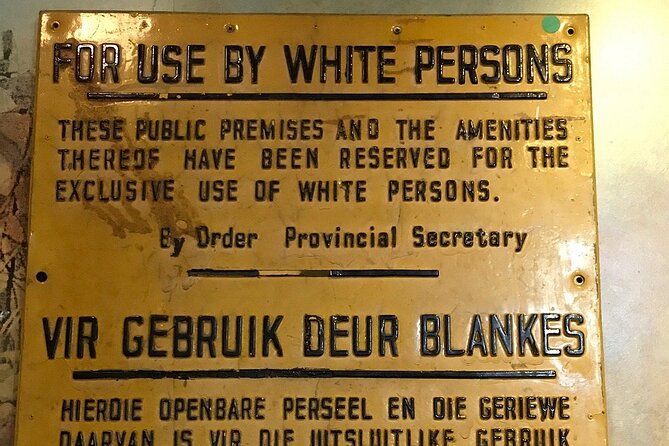
One customer reported that the venue did not accept a Viator-issued ticket and required a second payment at the door. The customer described the extra cost as small but understandably found the situation disappointing.
The response from the experience provider apologized, said the cause was being investigated, and advised requesting a refund from Viator. No wider pattern is established by the information available, but I would still take sensible precautions.
Save the mobile ticket before you arrive. Keep the confirmation email accessible, and if you are asked to pay again, keep any receipt so you can support a refund request. The ticket is sold through SA City Pass, while the reported problem involved a Viator-issued voucher, so check that the name and booking details match your purchase.
This is not a reason to skip the museum. It is a reason to treat the admission voucher as an important part of your planning rather than assuming every phone screen will be accepted without question.
Who will get the most from this visit?
I would recommend the museum to you if you want to understand Cape Town beyond its scenery and major landmarks. It is especially useful for people who want a local account of apartheid rather than a broad overview detached from one neighborhood.
The experience suits:
- Adults interested in South African history and politics.
- Families looking for an educational Cape Town activity.
- People who prefer museums they can explore independently.
- Visitors who value personal testimony and community memory.
- Anyone with a spare hour near public transportation.
- Visitors who want a short, low-cost cultural stop.
You may want to reconsider if you are looking only for entertainment or if you find accounts of forced removals especially upsetting. The subject is serious, and the museum’s purpose is remembrance and education.
The flexible format helps if you are traveling with different interests. One person can spend longer with the displays while another takes a shorter look. You also have the choice between a guide and independent exploration.
Practical details for a smoother visit
The mobile ticket is convenient, and confirmation is provided at booking. I would still save a copy offline in case your phone connection is weak at the entrance.
The museum is near public transportation, and most people can participate. Service animals are allowed. No meal or drink is included, so plan refreshments separately if needed.
Free cancellation is available if you cancel at least 24 hours before the local start time. Cancellations made within 24 hours are not refunded, and changes during that period are not accepted. The 24-hour cutoff uses local Cape Town time, so check the clock carefully if your plans change.
The admission is for the museum. A guided tour is an optional extra, not part of the $3.71 entrance price. If you want a guide led by a former resident, confirm the additional cost and availability before you rely on that option.
Should you book the District Six Museum ticket?
Yes, I would book it if you want a short, affordable, and serious look at Cape Town under apartheid. The floor map with residents’ handwritten notes and the personal recordings give the museum a clear purpose, while the self-guided format lets you set your own pace.
I would choose the optional guided tour if you have time for more context and want a connection to someone displaced from District Six. I would choose the basic ticket if you are watching your budget or fitting the museum between other plans.
The one issue to watch is voucher acceptance. Save your confirmation, keep proof of payment, and be ready to request a refund if an unexpected second charge occurs. With that small precaution, the $3.71 admission offers unusually good value and a meaningful way to understand one of Cape Town’s most painful chapters.
FAQ
How much does admission to the District Six Museum cost?
The admission ticket costs $3.71 per person. A guided tour is an optional extra.
How long does a visit take?
The visit takes approximately 30 minutes to 1.5 hours, depending on how carefully you explore and whether you join the optional guided tour.
Can I explore the museum without a guide?
Yes. The ticket allows you to take a self-guided visit and explore at your own pace.
Is a guided tour included?
No. The guided tour is an optional extra. Some guided tours are led by a former resident of District Six.
What can I see inside the museum?
The museum presents photographs, recordings, and testimonials about District Six, forced removals, and apartheid. The ground floor also features a large street map with handwritten notes from former residents showing where their demolished homes once stood.
Is the museum suitable for children?
Yes. The museum caters to adults and children and is intended as an educational experience. The subject concerns forced removals and apartheid, so parents should consider whether the material suits their child.
Are service animals allowed?
Yes. Service animals are allowed.
Can I cancel for a refund?
Yes, if you cancel at least 24 hours before the experience start time. Cancellations made less than 24 hours in advance are not refunded, and changes during that period are not accepted.
Just added in Cape Town
- Sunset Safari Big 5 Aquila with Snacks and Wine Tasting★ 5.0 · 12 reviews
- Explore Atlantis Sand Dunes with a 1hour 30mins sandboarding tour★ 5.0 · 5 reviews
- Private Tour to 20 Wine Tasting in Stellenbosch and Franschhoek★ 5.0 · 11 reviews
- Robben Island, Kirstenbosch wine tasting Tour★ 5.0 · 10 reviews
- Photoshoot in Cape Town’s most Gorgeous Locations★ 5.0 · 2 reviews
- Zip Line and Wine from Cape Town★ 5.0 · 14 reviews
- Private Transfer from Cape Town International Airport★ 5.0 · 4 reviews
- 1 Hour Cape Town City Center Photoshoot Experience★ 5.0 · 19 reviews
Skip the Line, compared.

Skip the Line: Highgate Ostrich Farm Tour Ticket
Read our review →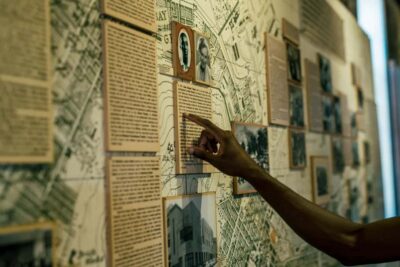
District Six Museum Skip-the-Line Entrance Ticket
Read our review →

Skip the Line: South African Jewish Museum Admission Ticket
Read our review →Browse the lists this tour appears in