
REVIEW · MUSEUMS IN CAPE TOWN
Cape Town: Private Guided Tour of Cape Town Diamond Museum
Diamonds tell a surprisingly complicated story. At the V&A Waterfront, this private tour combines South African diamond history with a look at cutting, polishing, and jewelry design, all in a compact visit led by your own guide.
I like the private format, since you can ask as many questions as you wish instead of following a large group. I also like the free soft drinks or South African wine, which make the welcome feel more generous than the modest $24 price suggests.
The main drawback is that this is also a working jewelry business. The museum experience leads naturally toward shopping, so you should be comfortable browsing without feeling obliged to buy. Also, factory activity may be limited outside weekday working hours.
In This Review
- Key points before you book
- What the $24 price really buys you
- Starting at Gavin Collins Gallery
- The welcome drink sets the tone
- South Africa’s diamond story in 45 minutes
- Learning the four Cs without the sales fog
- Seeing the cutting factory and jewelry workshop
- Ethical sourcing and the path from rough stone to jewelry
- The design option: exciting, useful, and not for everyone
- Why the guides matter so much
- Who will enjoy this Cape Town stop?
- Practical timing, cancellation, and comfort
- Should you book the Cape Town Diamond Museum?
- FAQ
- Where does the Cape Town Diamond Museum tour begin?
- How long does the guided museum visit last?
- Is the tour private?
- What languages does the guide speak?
- Are drinks included?
- Is food included?
- Can I design and buy my own diamond?
- Will I see diamond cutting and goldsmith work?
- What should I bring?
- Can I cancel the booking?
Key points before you book
- A 45-minute private tour: Your guide can adjust the conversation to your interests, from mining history to the 4Cs of diamonds.
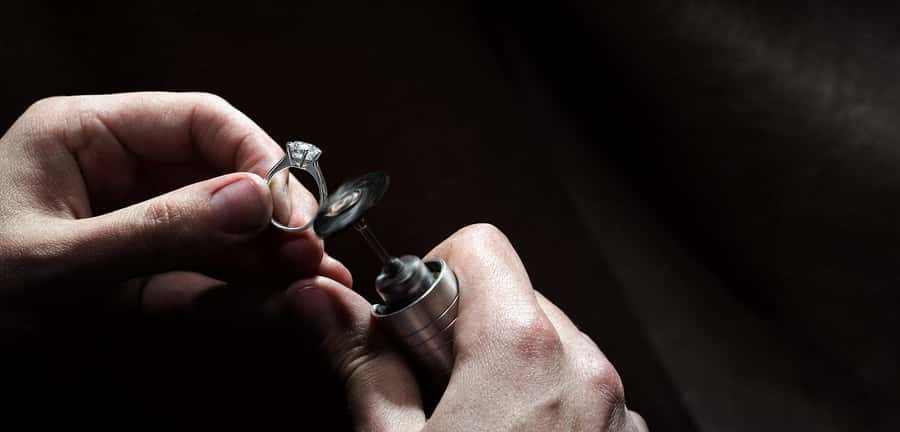
- More than 3,000 pieces: You see examples in the diamond cutting factory and jewelry workshop, along with finished jewelry.
- A clear South African focus: The tour covers roughly 3 billion years of diamond history and the industry’s development in the country.
- Free drinks throughout: Choose soft drinks or South African wine at the start, with refreshments available during the visit.
- Custom design is possible: You can discuss buying and creating your own diamond jewelry with an on-site designer and receive a GIA certificate.
- Best weekday tip: Book a weekday morning or early afternoon if seeing active diamond carving and goldsmith work matters to you.
What the $24 price really buys you
At $24 per person, this is an easy addition to a day at the V&A Waterfront. You are not paying for transportation, a meal, or a long attraction visit. You are paying for a private guide, a short museum tour, refreshments, and access to a specialist jewelry setting.
That is good value if you enjoy learning how an object is made. The tour is not designed as a grand national museum with rooms of unrelated artifacts. Its focus is tight: diamonds, South African mining, cutting, polishing, jewelry, and the business of selecting a stone.
I would think of it as a one-hour cultural stop rather than an all-day activity. The booking is valid for one day, but the actual guided visit is about 45 minutes to one hour. That makes it easy to fit between the V&A Waterfront’s shops, restaurants, and other attractions.
The opportunity to design and buy a diamond adds another layer, but it also explains why the price is low. The tour is part museum and part showroom. If you are looking for an engagement ring, anniversary piece, or a custom design, this may be useful. If you only want a museum visit, you can still enjoy the educational portion without treating the shopping option as part of your plan.
More Museums in Cape Town
- Museum of Contemporary African Art: Fast-Track Zeitz MOCAA
★ 4.4 · 204 reviews - ROBBEN ISLAND MUSEUM TOUR, WITH OPTIONAL LAST MINUTE TICKETS
★ 3.4 · 85 reviews - Township Tour District 6 Museum Robben Island drop off at hotel
★ 5.0 · 32 reviews
Starting at Gavin Collins Gallery
The meeting point is Gavin Collins Gallery at the V&A Waterfront. You meet your guide at reception, which is worth remembering because the museum is connected with a jewelry retail setting. Tell the staff you are there for the museum tour rather than simply wandering through the shop.
The location is practical for a Cape Town sightseeing day. You can combine this stop with other Waterfront plans, and the tour returns you to the same gallery at the end. No separate transport is included, and parking is not included, so allow extra time if you are driving.
The group is private. That does not necessarily mean a solo tour, since the booking may be for you and your own party, but it does mean you are not folded into a large public group. The guide speaks English or Afrikaans.
The welcome drink sets the tone
The visit begins with a drink. You can choose a soft drink or South African wine, and refreshments remain available during the tour. One detailed account also praised the tea served midway through the visit, so the exact refreshment may vary.
This is a small touch, but it matters. A diamond tour could easily feel formal or sales-focused. A drink gives you a moment to settle in and makes the setting feel more relaxed. It also helps balance the short, information-heavy format.
Do not mistake the refreshments for a meal. Food is not included, and the tour is too brief to replace lunch. Plan to eat elsewhere at the Waterfront.
South Africa’s diamond story in 45 minutes
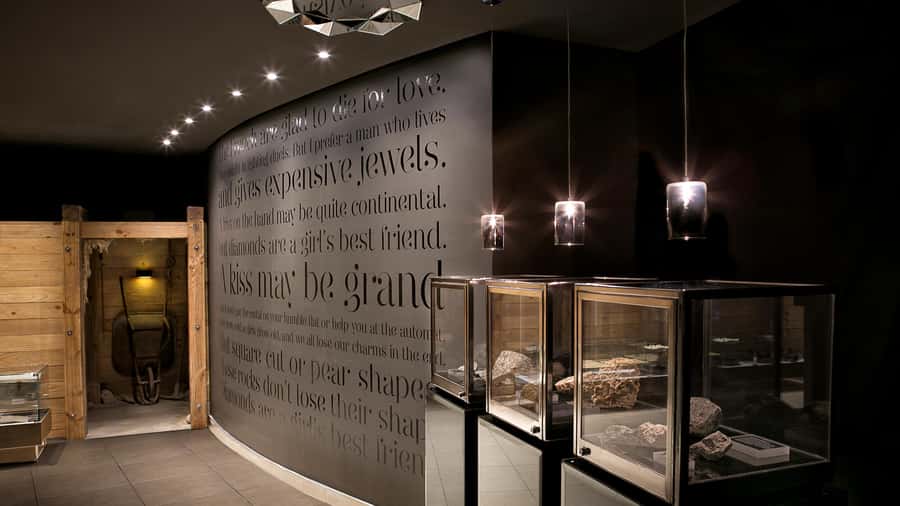
The central part of the visit explains South Africa’s diamond story, beginning with a geological timescale of about 3 billion years. You learn how diamonds form, why they are valuable, and how the country became linked with the diamond trade.
The guide also covers the first recorded discovery in South Africa, associated with Erasmus Jacobus, and the development of the industry around Kimberley. The Kimberly brand is another part of the story, along with the role of the Oppenheimer family in South African diamond mining.
These names and dates give the visit some substance. You are not simply looking at shiny stones behind glass. You are connecting a finished ring with geological formation, mining, sorting, cutting, polishing, and retail.
The tour also brings up Tanzanite, which gives you a chance to compare diamonds with another well-known stone associated with southern and eastern Africa. If you enjoy gems, this wider view makes the visit more interesting than a narrow lesson about diamond prices alone.
Something quite different:
- Wine Tour: Paarl, Franschhoek & Stellenbosch incl 3 wineries
★ 5.0 · 3,940 reviews - Cape Town: Hop-On Hop-Off Bus Tour with Optional Cruise
★ 4.8 · 3,929 reviews - Cape Town: Cape of Good Hope & Penguins Day Tour with Pickup
★ 4.7 · 3,362 reviews - Zipline Cape Town – From Foot of Table Mountain Reserve
★ 5.0 · 3,179 reviews
Learning the four Cs without the sales fog
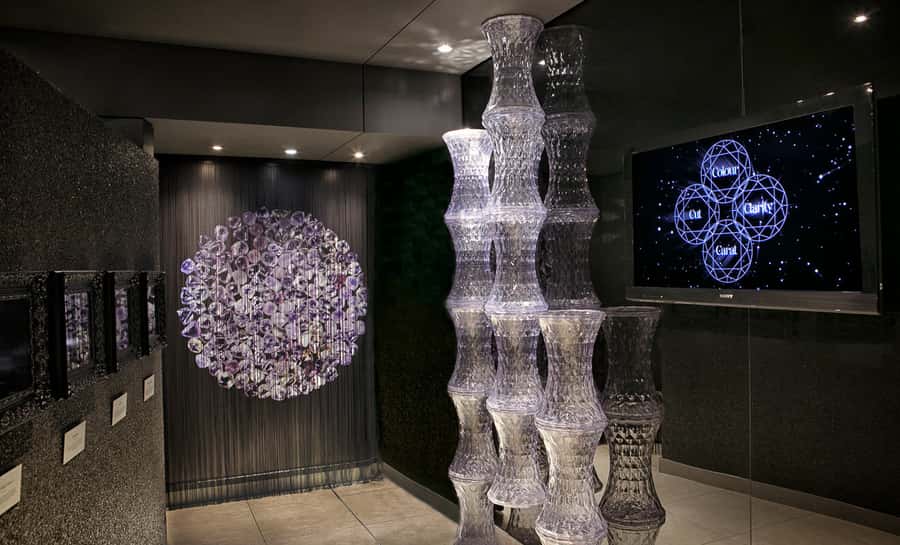
A major part of the explanation concerns the four Cs: cut, carat, color, and clarity. These terms are often used in jewelry shops, but they can sound like a code if nobody explains how they affect a stone.
The guide shows how cut influences the way a diamond handles light. Carat refers to weight, while color and clarity help describe the stone’s appearance and internal features. Understanding these basics is useful even if you have no intention of purchasing anything.
One guide added a memorable fifth C: confidence. That is practical advice. You should understand what you are buying, know which qualities matter most to you, and feel comfortable taking your time.
The private setting helps here. Guides such as Aloma, Sandy, Shani, Constantina, Nadya, and others have been praised for making the subject easy to follow and for answering many questions. Names and staff can change, so you should not assume a particular guide will be available, but the strongest part of this experience is clearly the personal commentary.
Seeing the cutting factory and jewelry workshop
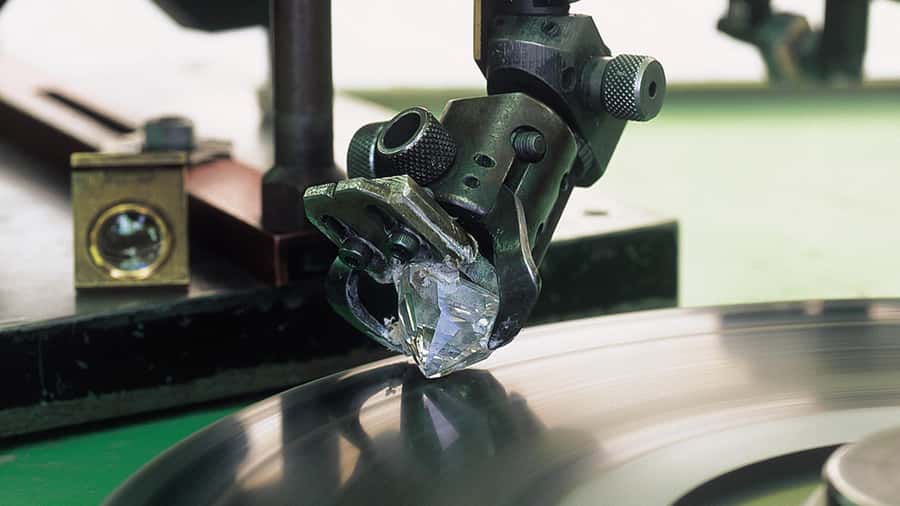
The tour includes more than 3,000 pieces in the diamond cutting factory and jewelry workshop. This gives you a look at both loose stones and the stages that turn a rough diamond into a finished piece.
The timing of your visit matters. A detailed account specifically recommends booking between 9 a.m. and 1 p.m. on weekdays if you want the best chance of seeing actual jewelry and diamond carving work. Another account hoped to return during the week to see goldsmiths working, which confirms that workshop activity may not be equally visible at every time.
This is an important expectation to set. The tour can still explain the process outside those hours, but you might not see every craftsperson at work. If the factory element is your main reason for booking, check available starting times and choose a weekday slot when possible.
Seeing the work area also gives you a better sense of the skill involved. A diamond’s final appearance is not just a matter of nature. It depends on careful cutting and polishing, with decisions made to bring out the stone’s best qualities.
Ethical sourcing and the path from rough stone to jewelry
The guide explains how Shimansky hand-selects and ethically sources its diamonds. This is an important part of the tour because it addresses where the stones come from and how they enter the jewelry trade.
You should treat this as the company’s presentation of its sourcing practices, not as a full academic study of the global diamond industry. Still, it gives you useful questions to ask. You can ask how stones are selected, what the certification covers, and how the four Cs apply to a particular diamond.
The tour then follows the stone through cutting and polishing to its final form. That step-by-step approach is the real educational value. You begin with a natural material formed over an immense period of time and finish with a carefully designed object made for display or daily wear.
The design option: exciting, useful, and not for everyone
The most hands-on option is creating your own diamond jewelry. An on-site personal designer can discuss a custom piece, and a GIA certificate is part of the purchase opportunity.
This could be a good fit if you already have a clear reason to shop. You might be choosing an engagement ring, marking a special occasion, or simply wanting a piece linked to your time in Cape Town. The private format gives you room to ask about design and stone choices without a crowd listening.
If you are only interested in the museum, set that boundary early. The experience clearly takes place inside a jewelry store, and the tour ends with an opportunity to browse and buy. One particularly useful detail is that the educational visit was described as free of hard selling, but the commercial purpose is still present.
Bring cash, as requested in the practical information, and carry a passport or ID card. You do not need to buy anything to make the museum portion worthwhile.
Why the guides matter so much
The strongest praise goes to the guides, not simply to the display cases. Aloma was singled out for her passion and for answering a very large number of questions. Sandy was praised for explaining South African mining and the four Cs in detail. Shani was described as friendly and engaging, while Constantina was appreciated for her enthusiasm.
That pattern tells you what kind of experience this is. The objects provide the setting, but the guide supplies the meaning. A good guide can turn technical terms into a clear story and adjust the pace when you want more detail.
The languages are English and Afrikaans. If you are traveling with children who do not speak English, think carefully before booking. One family found the experience interesting but not well suited to children without English, and the short tour depends heavily on spoken explanation.
Who will enjoy this Cape Town stop?
I would recommend this tour to adults and older children who enjoy jewelry, geology, manufacturing, or South African history. It also suits couples considering a ring or custom piece, since the designer is available on-site.
It is a useful choice for a rainy day or for a quiet break from the Waterfront’s larger attractions. The private format works well if you like asking precise questions, and the duration is short enough for a busy itinerary.
You may want to skip it if you dislike retail settings or have no interest in how diamonds are graded and made into jewelry. The museum is not a broad introduction to Cape Town, and it will not replace a visit focused on the city’s political, cultural, or natural attractions.
It is also less suitable for visitors who need a tour in a language other than English or Afrikaans. Wheelchair access is available, but large bags and luggage are not allowed, and weapons or sharp objects are prohibited.
Practical timing, cancellation, and comfort
The tour returns to Gavin Collins Gallery after the museum visit. Since no parking is included, driving visitors should plan around the Waterfront’s parking arrangements rather than arriving at the last minute.
You should bring a passport or ID card and cash. Leave large luggage elsewhere, since it is not allowed inside. The activity is wheelchair accessible, which makes the compact format useful for many visitors.
Starting times vary, so check availability before you commit to a particular day. You can cancel up to 24 hours in advance for a full refund, and the reserve-now, pay-later option lets you hold a place without paying immediately.
Should you book the Cape Town Diamond Museum?
Book it if you want a focused, friendly lesson in diamonds, especially if you can visit on a weekday morning or early afternoon and would like to see active workshop work. At $24, the private guide and free drinks make the visit a fair buy, even if you never purchase jewelry.
Go with realistic expectations. This is a museum inside a jewelry business, not a large public institution. The tour lasts about an hour, the shopping option is part of the setting, and the amount of visible factory work depends on timing.
I would book it for the guide-led explanation, the four Cs, the South African mining story, and the chance to ask direct questions. I would not book it solely for a guaranteed demonstration of cutting or goldsmith work. Choose your time carefully, bring identification, and enjoy the tour as a compact Waterfront stop with a useful bit of sparkle.
FAQ
Where does the Cape Town Diamond Museum tour begin?
The tour begins at Gavin Collins Gallery at the V&A Waterfront. Meet your guide at reception.
How long does the guided museum visit last?
The guided museum tour lasts 45 minutes, with the overall museum and workshop stop listed as about one hour.
Is the tour private?
Yes. The activity is offered for a private group rather than as a large shared tour.
What languages does the guide speak?
Guides speak English or Afrikaans.
Are drinks included?
Yes. Soft drinks and South African wine are included, with refreshments available at the start and during the tour.
Is food included?
No. Food is not included in the tour price.
Can I design and buy my own diamond?
Yes. You have the opportunity to work with an on-site personal designer to create and buy a diamond piece. A GIA certificate is included with that purchase opportunity.
Will I see diamond cutting and goldsmith work?
You may see work in the diamond cutting factory and jewelry workshop. For the best chance of seeing active carving and jewelry work, weekday visits between 9 a.m. and 1 p.m. are recommended.
What should I bring?
Bring a passport or ID card and cash. Large bags and luggage are not allowed.
Can I cancel the booking?
Yes. You can cancel up to 24 hours before the tour for a full refund. You can also reserve now and pay later.
Just added in Cape Town
- Sunset Safari Big 5 Aquila with Snacks and Wine Tasting★ 5.0 · 12 reviews
- Explore Atlantis Sand Dunes with a 1hour 30mins sandboarding tour★ 5.0 · 5 reviews
- Private Tour to 20 Wine Tasting in Stellenbosch and Franschhoek★ 5.0 · 11 reviews
- Robben Island, Kirstenbosch wine tasting Tour★ 5.0 · 10 reviews
- Photoshoot in Cape Town’s most Gorgeous Locations★ 5.0 · 2 reviews
- Zip Line and Wine from Cape Town★ 5.0 · 14 reviews
- Private Transfer from Cape Town International Airport★ 5.0 · 4 reviews
- 1 Hour Cape Town City Center Photoshoot Experience★ 5.0 · 19 reviews
Museums in Cape Town, compared.
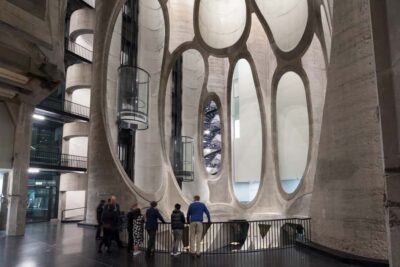
Museum of Contemporary African Art: Fast-Track Zeitz MOCAA
Read our review →
ROBBEN ISLAND MUSEUM TOUR, WITH OPTIONAL LAST MINUTE TICKETS
Read our review →
Township Tour District 6 Museum Robben Island drop off at hotel
Read our review →
Heart of Cape Town Medical Museum Entrance Ticket
Read our review →
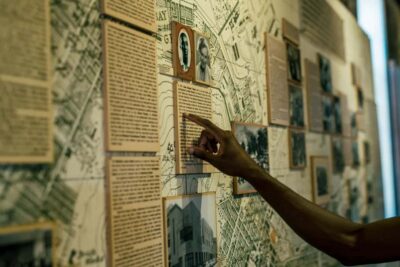
District Six Museum Skip-the-Line Entrance Ticket
Read our review →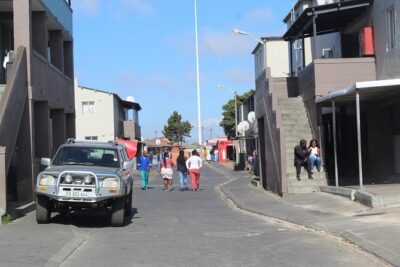
Township – Langa – Apartheid Museum Plus Arts and Culture Tour
Read our review →
Browse the lists this tour appears in