
REVIEW · MUSEUMS IN CAPE TOWN
The Heart of Cape Town Museum Admission Ticket
The operating room tells the story. At the Heart of Cape Town Museum, you see the original rooms where Christiaan Barnard and his team carried out the world’s first successful heart transplant in 1967. I like the restored surgical setting, and I like that a trained guide turns documents, models, and medical history into a clear human story. The main drawback is that the museum has had changing operating arrangements, so you should confirm your tour time before setting out.
I also appreciate the small-group format, with no more than 15 people, and the fact that the guided tour is included in the admission price. The visit is more serious than a standard sightseeing stop, though, and the material about death, organ donation, and surgery may not suit very young children or anyone looking for a light afternoon activity.
In This Review
- Key points to know before your visit
- Why this Cape Town museum matters
- Entering the original operating rooms
- Denise Darvall and the human side of the story
- What the guided tour adds
- The timeline, film, photographs, and documents
- Is the $17.34 admission good value?
- Timing, booking, and the important schedule warning
- Who will enjoy this most?
- How I would plan the visit
- Should you book the Heart of Cape Town Museum?
- FAQ
- How long does the Heart of Cape Town Museum visit last?
- What is included in the admission price?
- What are the guided tour times?
- Is the museum suitable for children?
- Is the museum accessible to most people?
- Can I cancel for a refund?
Key points to know before your visit
- The 1967 operating rooms are the main attraction: You see the original surgical rooms restored and arranged as they were during the first heart transplant.
- The guide-led visit is included: The roughly 90-minute tour uses silicone models, reenactments, photographs, and spoken explanation.
- The story includes more than Christiaan Barnard: You also learn about donor Denise Darvall and the medical work that made the operation possible.
- You can stay longer afterward: The guided portion lasts about an hour and a half, with extra time available for exhibits and the film.
- Small groups help: The maximum group size is 15, making it easier to hear the guide and ask questions.
- Check the schedule carefully: Tour times are listed as 9am, 11am, 1pm, and 3pm, and bookings are essential.
Why this Cape Town museum matters
Cape Town has no shortage of scenic places, but this museum offers a different kind of sightseeing. It focuses on one night that changed modern medicine and on the people caught up in it.
On December 3, 1967, surgeon Christiaan Barnard led the team that performed the first successful human heart transplant at Groote Schuur Hospital. The operation involved technical skill, difficult ethical decisions, and a donor whose family had to face an extraordinary choice after a sudden tragedy.
The museum does not treat the event as a simple tale of one famous surgeon. Its displays follow the build-up to the operation, the people involved, and what happened afterward. That wider view gives the visit its weight. You are not just looking at old equipment. You are considering how medical progress depends on patients, families, nurses, surgeons, and decisions that rarely fit neatly into a heroic story.
I find this useful because it places Cape Town in a global medical story. The museum also gives you a reason to see an important part of the city through science and human experience, not only through its famous views and historic streets.
More Museums in Cape Town
- Museum of Contemporary African Art: Fast-Track Zeitz MOCAA
★ 4.4 · 204 reviews - Cape Town: Private Guided Tour of Cape Town Diamond Museum
★ 4.7 · 156 reviews - ROBBEN ISLAND MUSEUM TOUR, WITH OPTIONAL LAST MINUTE TICKETS
★ 3.4 · 85 reviews
Entering the original operating rooms
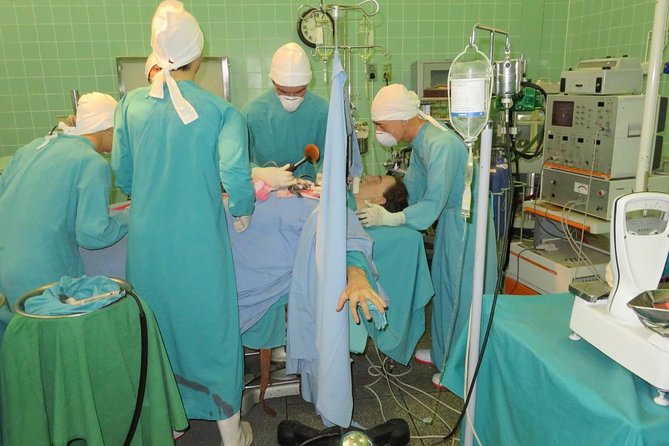
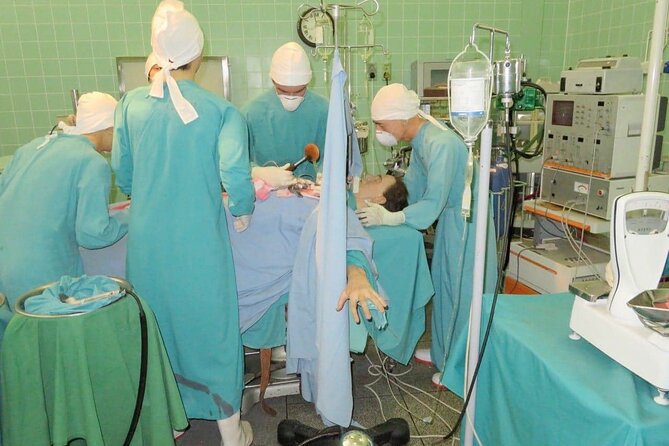
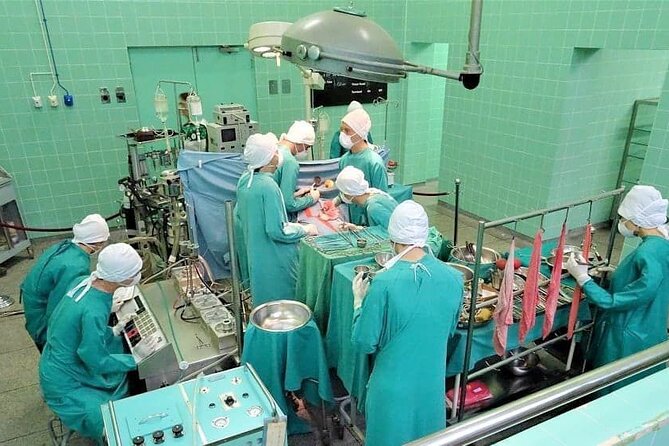
The restored operating rooms are the heart of the visit. They are laid out as they were on the day of the operation, giving you a physical sense of the setting rather than presenting the transplant only through text panels.
That arrangement makes the story easier to follow. You can connect the guide’s explanation to the rooms, equipment, and positions used during the procedure. The result is more immediate than a display case filled with medical objects.
The museum uses silicone models and reenactments to explain key moments. These tools are intended to clarify the medical process without requiring you to have a background in surgery. A strong guide is especially important here, and the experience depends in part on how clearly the material is explained.
The small group size is helpful. With a maximum of 15 people, you should have a better chance of seeing the displays and hearing the guide than you would in a crowded museum group. The format also allows the guide to pause and explain difficult points.
Still, the subject matter is not softened into a casual attraction. The story involves brain death, organ donation, and major surgery. The museum advises against bringing preschool-age children and young children, even though older children can find it educational. I would follow that advice.
Denise Darvall and the human side of the story
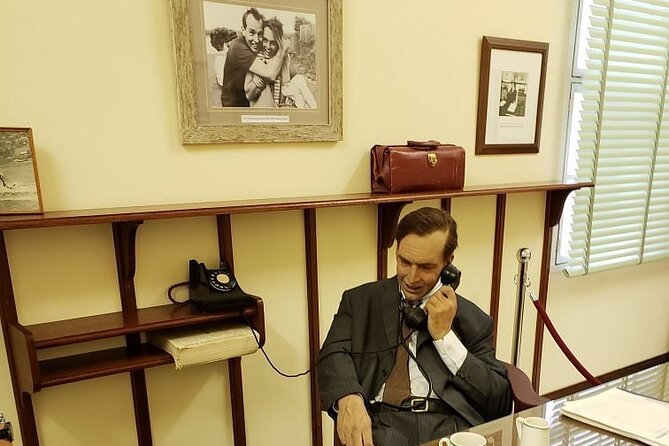
Denise Darvall is an important part of the museum’s story. After she was declared brain dead, her heart became available for transplant. Her donor story adds a personal and emotional dimension that a purely technical account would miss.
The museum includes exhibitions about Darvall, as well as about Barnard. This balance matters. A medical breakthrough can easily become a story about one celebrated doctor, but the transplant was possible only because of the donor and her family, along with the wider hospital team.
You should be prepared for an emotional visit. The material can feel especially personal for anyone with a connection to heart surgery, organ donation, or medical care. One account described the experience as moving because a surgeon involved in the 1967 operation later performed life-saving heart surgery in England. You do not need a personal connection to understand the importance of the event, but such connections can make the visit particularly powerful.
The museum also addresses Barnard’s public life and celebrity. That helps prevent the story from becoming too polished. You learn about his medical achievements, but also about the attention and excess that followed his fame.
What the guided tour adds
You can visit the museum with a guide included in the ticket, and I recommend timing your arrival for one of the guided sessions. The listed tour times are 9am, 11am, 1pm, and 3pm.
The guided portion lasts about an hour and a half. A guide explains the events of the transplant day, introduces the key people, and uses models and reenacted scenes to make the process easier to understand.
This is not a place where I would simply walk through the rooms alone and expect to get the full picture. Medical displays can be hard to interpret without context. The guide connects the timeline, operating rooms, photographs, films, and personal stories into one sequence.
The quality of the guide matters, and the available feedback is strongest on this point. The guide is described as clear, passionate, well prepared, and able to make the visit memorable. Another account praised a nurse who led the tour for being informative and occasionally funny. Those details suggest that the tone is not cold or purely academic.
English may be a consideration for some people. One account indicated that visitors who were not native English speakers missed parts of the explanation. If you are less comfortable with English, give yourself extra time with the visual exhibits and film after the guided portion.
Something quite different:
- Wine Tour: Paarl, Franschhoek & Stellenbosch incl 3 wineries
★ 5.0 · 3,940 reviews - Cape Town: Hop-On Hop-Off Bus Tour with Optional Cruise
★ 4.8 · 3,929 reviews - Cape Town: Cape of Good Hope & Penguins Day Tour with Pickup
★ 4.7 · 3,362 reviews - Zipline Cape Town – From Foot of Table Mountain Reserve
★ 5.0 · 3,179 reviews
The timeline, film, photographs, and documents
The operating rooms get most of the attention, but the supporting exhibits make the visit worthwhile. A timeline explains the developments that led to the transplant. This helps you see the operation as the result of years of medical work, rather than an isolated moment of brilliance.
Photographs and documents add detail to the story. The museum also includes a film in a cinema room about the development of heart transplantation. You can use that material to reinforce what you heard during the tour.
I would not rush away when the guide finishes. The standard ticket description gives a visit of about one hour and 30 minutes, while additional information places the overall visit at roughly two hours. The difference is easy to understand: the guided tour takes around 90 minutes, and you can then spend more time reading the displays and watching the film.
That extra time is valuable. The guide has to keep a group moving, so you may want to return to a photograph, document, or explanation that caught your attention. The exhibits reward a slower second look, especially if you have a strong interest in medicine.
Is the $17.34 admission good value?
At $17.34 per person, this is not the cheapest short museum visit in Cape Town. The ticket is aimed at a specialized subject, and some people may feel the price is high for a visit lasting around two hours.
I think the value depends on what you want from the stop. If you have an interest in medicine, surgery, nursing, medical ethics, or twentieth-century Cape Town, the admission is easier to justify. You are paying for access to a distinctive site, a guide-led explanation, the restored rooms, and supporting displays rather than simply entering a small gallery.
The included tour improves the value. There is no separate guide charge listed, and the guide is central to understanding the museum. A self-guided visit would likely feel thinner because the significance of the rooms depends on knowing what happened there.
The price may feel less attractive if you are visiting only because the museum is nearby or if medical subjects do not hold your attention. This is a focused visit, not a broad introduction to Cape Town. I would choose it because the story interests you, not because you need to fill an hour.
The museum has also had admission price changes, with one account referring to a foreign visitor price of 350 rand. Your actual amount may depend on the booking channel and current exchange rate, so check the price shown at booking.
Timing, booking, and the important schedule warning
The museum is booked for a specific date and time, but the experience information also says you may visit at any time that works during opening hours. In practice, the guided sessions are the important detail. Plan around 9am, 11am, 1pm, or 3pm, and do not assume that arriving at any random time will place you straight into a tour.
Bookings are described as essential. The museum has also had periods when it was closed or when tours did not operate, which created serious disappointment for some people who arrived expecting entry. Because of that history, I would confirm that the museum is operating and that your chosen tour time is recognized before you go.
The mobile ticket is convenient, and advance booking can help you avoid a ticket queue and secure entry. It does not remove the need to pay attention to the schedule.
Free cancellation is available if you cancel at least 24 hours before the start time. Canceling within 24 hours, or making changes during that period, does not qualify for a refund. The cut-off uses local Cape Town time.
Who will enjoy this most?
I would recommend the museum to adults and older children who enjoy learning through real places and real people. It suits anyone interested in medicine, heart surgery, nursing, organ donation, or the development of modern healthcare.
It also works well for visitors who want a less conventional Cape Town stop. One useful feature is that the museum does not feel like a standard sightseeing attraction. Its appeal comes from the subject and the setting, not from a grand building or a famous view.
Families should use judgment. The museum says children must be accompanied by an adult, and preschool-age children and young youngsters are not recommended. Older children may find the story educational, but the medical and emotional content should be explained in advance.
People with a personal connection to heart surgery or transplantation may find the visit especially affecting. That can be a strength, but it also means you should allow yourself time rather than treating the museum as a quick stop between other activities.
Service animals are allowed, and most people can participate. The group maximum of 15 makes the guided setting manageable for many visitors.
How I would plan the visit
I would first select one of the four listed tour times, then confirm the museum’s operating status and booking details. I would allow at least 90 minutes for the guided visit and closer to two hours if I wanted to read the exhibits and watch the film.
I would arrive ready to listen rather than hurry through. The first part of the visit is about orientation and the sequence of events. The operating rooms then give the story a physical setting, while the displays about Denise Darvall, Barnard, and the medical timeline fill in the human and scientific background.
After the tour, I would spend extra time with the documents and photographs. The film can help pull together the medical developments that led to the operation. If English is not your first language, this quiet time is particularly useful because you can take the displays at your own pace.
I would also avoid pairing this with very young children or with a packed schedule. The museum deserves attention, and its subject is more serious than the short duration might suggest.
Should you book the Heart of Cape Town Museum?
Book it if you want a focused, thoughtful museum visit built around a major medical event. The restored operating rooms, clear guided storytelling, silicone models, reenactments, film, and personal stories about Denise Darvall and Christiaan Barnard give the visit more substance than its short length suggests.
Skip it if you want a relaxed, family-friendly attraction with little emotional or technical content. The admission can feel expensive for a specialized museum, and the changing operating information means you should confirm the schedule before going.
For the right visitor, this is one of Cape Town’s most unusual stops. Choose a guided time, allow two hours, and take the story at a respectful pace.
FAQ
How long does the Heart of Cape Town Museum visit last?
The guided tour lasts about one hour and 30 minutes. You can spend additional time afterward with the exhibits and film, making the full visit roughly two hours.
What is included in the admission price?
The ticket includes admission to the Heart of Cape Town Museum and a guided tour. Food and drinks are not included.
What are the guided tour times?
The listed guided tour times are 9am, 11am, 1pm, and 3pm. Bookings are essential.
Is the museum suitable for children?
Children must be accompanied by an adult. The museum advises that preschool-age children and young children are not recommended, although older children may find the visit educational.
Is the museum accessible to most people?
Most people can participate, and service animals are allowed. The tour group has a maximum of 15 people.
Can I cancel for a refund?
Yes. You can receive a full refund if you cancel at least 24 hours before the experience start time. Cancellations or changes made within 24 hours are not refunded.
Just added in Cape Town
- Sunset Safari Big 5 Aquila with Snacks and Wine Tasting★ 5.0 · 12 reviews
- Explore Atlantis Sand Dunes with a 1hour 30mins sandboarding tour★ 5.0 · 5 reviews
- Private Tour to 20 Wine Tasting in Stellenbosch and Franschhoek★ 5.0 · 11 reviews
- Robben Island, Kirstenbosch wine tasting Tour★ 5.0 · 10 reviews
- Photoshoot in Cape Town’s most Gorgeous Locations★ 5.0 · 2 reviews
- 1 Hour Cape Town City Center Photoshoot Experience★ 5.0 · 19 reviews
- Zip Line and Wine from Cape Town★ 5.0 · 14 reviews
- Private Transfer from Cape Town International Airport★ 5.0 · 4 reviews
Museums in Cape Town, compared.
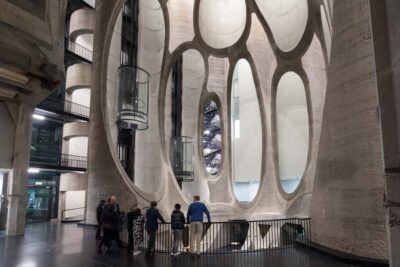
Museum of Contemporary African Art: Fast-Track Zeitz MOCAA
Read our review →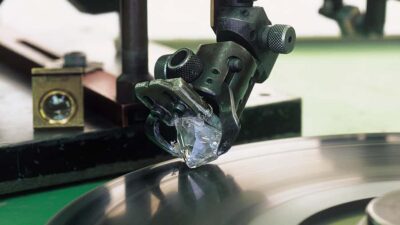
Private Guided Tour of Cape Town Diamond Museum
Read our review →
ROBBEN ISLAND MUSEUM TOUR, WITH OPTIONAL LAST MINUTE TICKETS
Read our review →
Township Tour District 6 Museum Robben Island drop off at hotel
Read our review →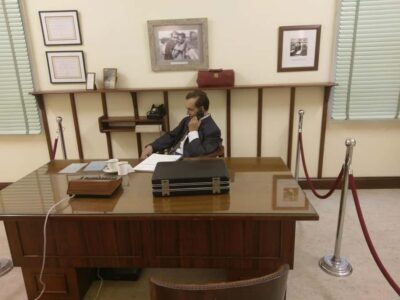
Heart of Cape Town Medical Museum Entrance Ticket
Read our review →

District Six Museum Skip-the-Line Entrance Ticket
Read our review →
Township – Langa – Apartheid Museum Plus Arts and Culture Tour
Read our review →Browse the lists this tour appears in