
REVIEW · MUSEUMS IN CAPE TOWN
Cape Town: Heart of Cape Town Medical Museum Entrance Ticket
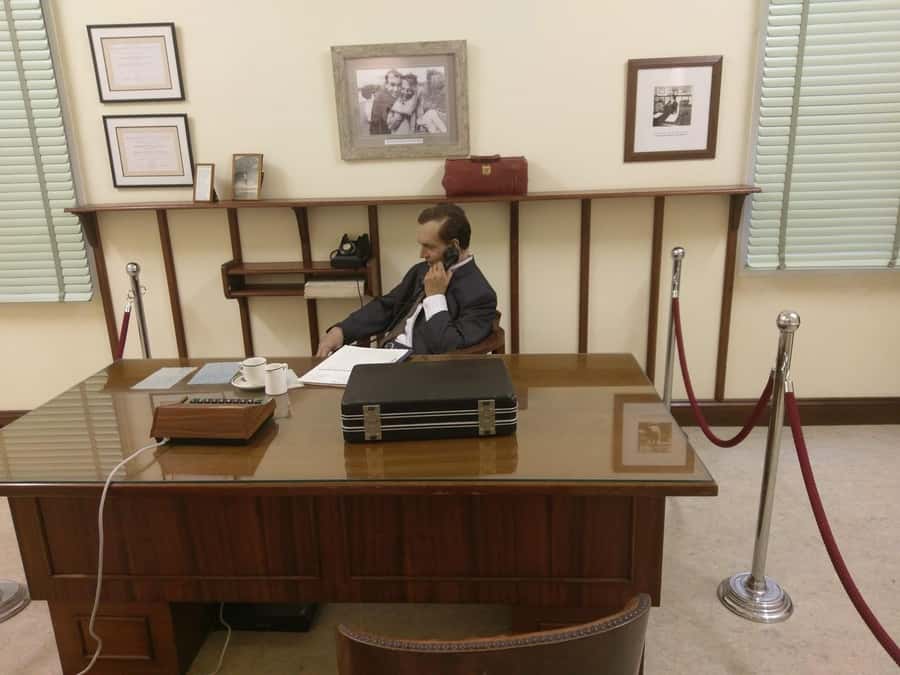
The world changed in one hospital room. The Heart of Cape Town Medical Museum tells the story of the first successful human heart transplant, performed at Groote Schuur Hospital on December 3, 1967. You see the original Charles Saint Theatre operating rooms arranged to show the organ removal and transplant procedures, rather than viewing a standard display behind glass. I like the faithful setting and the way a trained guide explains the people and choices behind the operation. The main drawback is clear: this is a focused medical history visit, so children under 10 cannot join and anyone uneasy around surgical displays may find it intense.
I also like the small-group format, limited to 10 people, since it gives the guide room to explain details and answer questions. The film is another strong point, and one of the most praised parts of the experience. At $22 per person for about 1.5 hours, you are paying for a compact, guided encounter rather than a full-day attraction, but the price is fair if medical history, surgery, or Cape Town’s 1967 breakthrough interests you.
In This Review
- Key points to know before you go
- Why the first heart transplant still matters
- Entering the Charles Saint Theatre
- Following Barnard and the medical team
- The film and the human story
- What the 1.5-hour itinerary feels like
- Is $22 a fair price?
- Who will enjoy this museum most?
- Planning your visit at Groote Schuur Hospital
- My verdict: book it for the subject, not the size
- FAQ
- Where does the Heart of Cape Town Medical Museum tour begin?
- How long does the guided tour last?
- What does the museum focus on?
- Which operating rooms can I see?
- Is a guide included?
- How many people are in each group?
- Is the museum wheelchair accessible?
- Can children join the tour?
- Is transport or food included?
Key points to know before you go
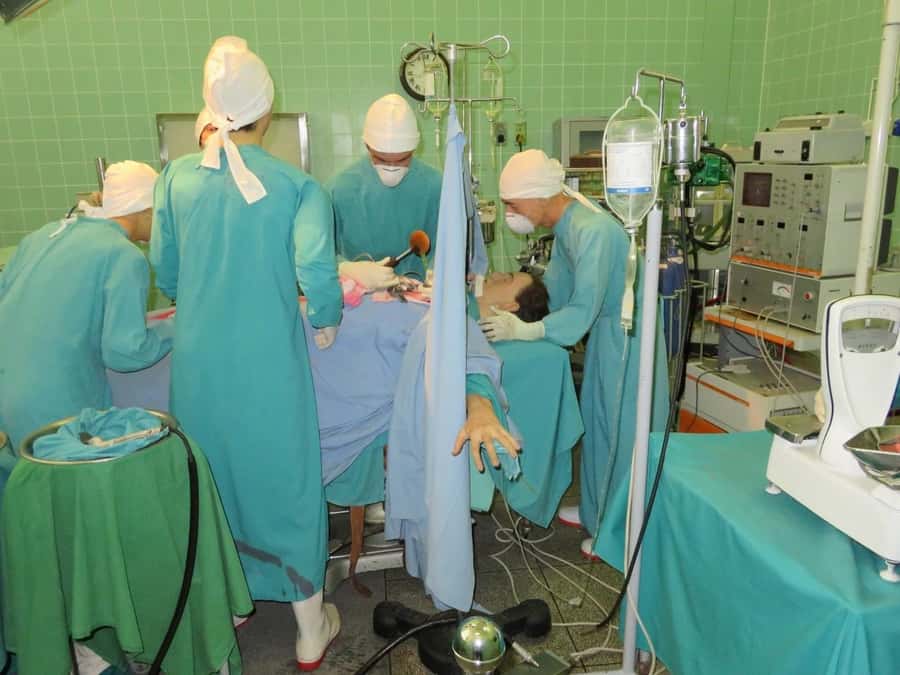
- The original operating rooms are the main attraction: The organ removal theatre and transplant theatre are restored and presented as they were for the landmark operation.
- The story centers on Professor Christiaan Neethling Barnard: The guide explains how his team helped push surgery into a new era.
- A short film adds emotional weight: The film helps set the scene before or during the museum visit and has drawn especially warm praise.
- The tour lasts about 1.5 hours: It is easy to fit into a Cape Town sightseeing day, but it is not a quick ten-minute stop.
- Groups are capped at 10 people: This is useful in a small medical museum, where clear explanations matter more than speed.
- The meeting point is Groote Schuur Hospital: You arrange your own way there, since hotel pickup and drop-off are not included.
Why the first heart transplant still matters
The museum is built around a moment that changed what doctors believed surgery could achieve. On December 3, 1967, Professor Christiaan Neethling Barnard led the team that carried out the world’s first successful heart transplant at Groote Schuur Hospital in Cape Town.
That single fact can sound neat and polished in a history book. The museum makes it more human. You are shown the rooms where the operation took place, along with the people, press coverage, and medical decisions tied to the event. The result is less about a famous name alone and more about a team working at the edge of what science could do.
I appreciate that the museum honors all those involved. A landmark operation is often reduced to one surgeon, yet this kind of procedure depends on many hands, from organ retrieval to transplantation and support inside the theatre. The displays help broaden the story beyond Barnard without taking away from his central role.
The museum also gives the event a strong local setting. This was not an abstract breakthrough in a distant research center. It happened at Groote Schuur Hospital, in Cape Town, inside the Charles Saint Theatre. That physical link gives the visit its force.
More Museums in Cape Town
- Museum of Contemporary African Art: Fast-Track Zeitz MOCAA
★ 4.4 · 204 reviews - Cape Town: Private Guided Tour of Cape Town Diamond Museum
★ 4.7 · 156 reviews - ROBBEN ISLAND MUSEUM TOUR, WITH OPTIONAL LAST MINUTE TICKETS
★ 3.4 · 85 reviews
Entering the Charles Saint Theatre
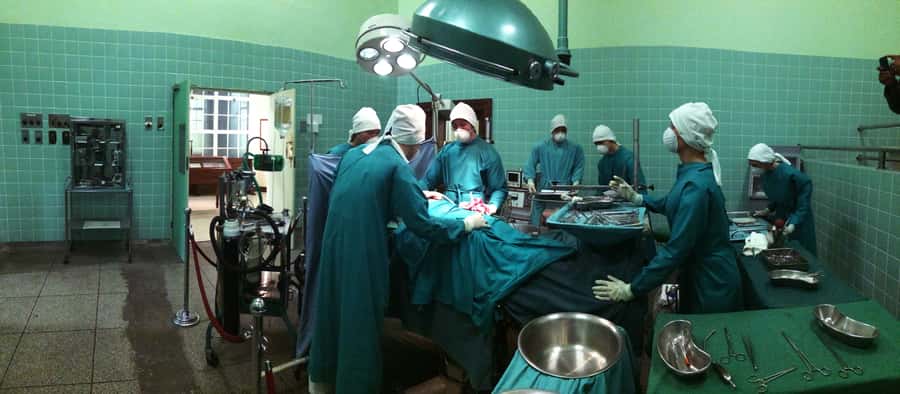
The most important part of the visit is seeing the original operating rooms. They have been fully restored and laid out to show the two major stages of the transplant process: the theatre used for organ removal and the theatre used for the transplant itself.
This arrangement is more effective than a simple wall display. You can follow the operation as a sequence. First came the removal of the donor heart. Then came the transplant procedure. The rooms help you understand that the breakthrough involved a chain of difficult decisions and careful teamwork, not one dramatic act.
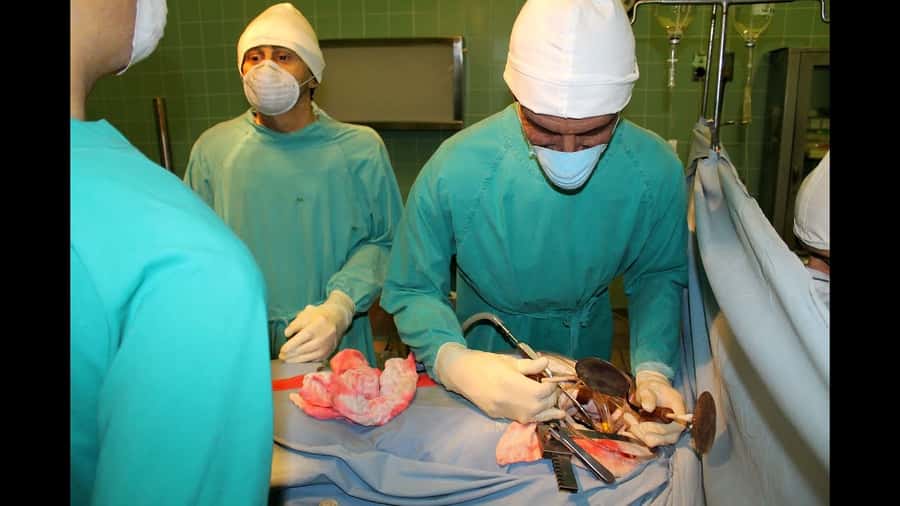
The displays use lifelike representations of the surgical scenes. That detail can make the experience feel immediate. You are not simply reading that an operation took place here. You are looking into rooms arranged to recreate the decisive moments at close range.
That closeness is also the museum’s main consideration. The scenes are designed to show the operation clearly, and some people may find the surgical presentation unsettling. If you prefer a light or casual museum stop, this may not be the right choice. If you have a serious interest in medicine or 20th-century history, the direct presentation is likely to be the reason you remember it.
The setting is especially useful for understanding scale. Major medical milestones can feel remote when you see them only in photographs. Original rooms give the story a physical anchor, even though the museum cannot recreate the uncertainty and pressure of the actual day.
Following Barnard and the medical team
The guided format matters here. A medical museum can quickly become a collection of unfamiliar terms, dates, and names. An English-speaking guide helps connect the material and explain why the operation was such a major step.
You can expect the guide to place Barnard’s work within the wider story of the transplant. The focus is not only on the technical procedure, but also on the team and the scientific boundary they were testing. The tour honors those who played major roles, which gives the visit more balance than a single-surgeon biography.
The emotional side of the story also comes through. One French-speaking couple described the guided explanations as deeply moving, and that reaction makes sense. A first heart transplant was not only a triumph of technique. It involved human lives, difficult choices, and the hope that a new operation might offer someone a chance to live longer.
The guide’s role is particularly useful in the operating rooms. You may understand what you are seeing at a basic level, but the explanation can show how the two theatres fit into the procedure and why each stage mattered. With groups limited to 10 people, you should have a better chance to hear clearly and ask a question than you would in a large crowd.
The advertised tour language is English. If you need another language, this experience may not suit you, since English is the stated guide language.
The film and the human story
The film is one of the museum’s most successful elements. It gives the visit a clear narrative and helps you picture the operation as a real event rather than a distant date.
A brief film can also do something the operating rooms cannot. The rooms show where the work happened, while film and press material help show how the event was understood at the time. The museum includes newspaper and press articles connected with the first transplant and the people involved.
That combination gives you several ways into the story:
- The original theatres provide place.
- The lifelike operating scenes provide visual drama.
- The film provides movement and context.
- The press articles show the wider response to the operation.
- The guide connects the pieces and answers questions.
The film has been singled out as a particularly exciting part of the visit. I would pay attention to it rather than treating it as background entertainment. It helps prepare you for the rooms and gives the later explanations more meaning.
The museum’s emotional tone is worth noting. This is not presented as a victory lap for technology alone. The human cost and courage behind the operation remain visible. That is why the guided explanation can affect you even if you are not a medical professional.
Something quite different:
- Wine Tour: Paarl, Franschhoek & Stellenbosch incl 3 wineries
★ 5.0 · 3,940 reviews - Cape Town: Hop-On Hop-Off Bus Tour with Optional Cruise
★ 4.8 · 3,929 reviews - Cape Town: Cape of Good Hope & Penguins Day Tour with Pickup
★ 4.7 · 3,362 reviews - Zipline Cape Town – From Foot of Table Mountain Reserve
★ 5.0 · 3,179 reviews
What the 1.5-hour itinerary feels like
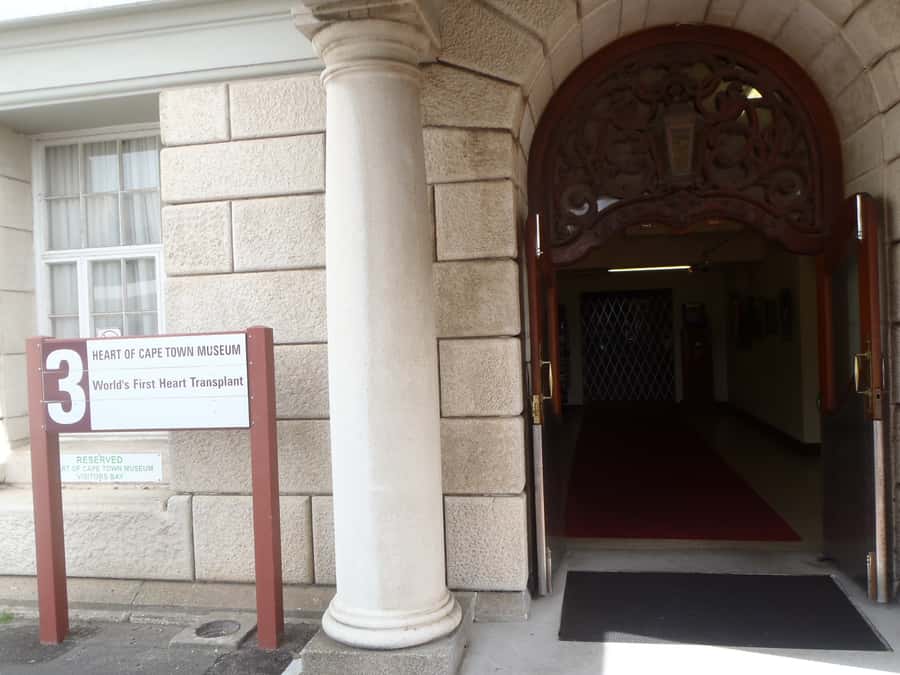
The tour starts and ends at Groote Schuur Hospital, at Main Road in Observatory, Cape Town, postal code 7925. You meet at the hospital rather than being collected from a hotel, so allow time to reach the meeting point on your own.
The visit itself lasts about 1.5 hours. That is enough time for a guided look at the museum, the film, the operating rooms, and the related material without turning the experience into an all-day commitment.
A likely rhythm is simple:
- Meet at Groote Schuur Hospital.
- Begin the guided museum visit.
- Learn about Barnard, the medical team, and the 1967 operation.
- View the film and supporting press material.
- Examine the recreated organ removal and transplant scenes in the original theatres.
- Finish back at the hospital.
The exact order may depend on the guide and the museum’s schedule, so I would treat this as the shape of the visit rather than a minute-by-minute promise. The compact format works well if you want to combine the museum with other Cape Town plans.
One practical point: there is no food or drink included. That is hardly a major issue for a 1.5-hour tour, but you should not expect a café stop or a full hospital campus excursion as part of the ticket.
Is $22 a fair price?
At $22 per person, this is not the cheapest museum entry you will find in Cape Town. The value comes from the guided access and the unusual setting.
You are paying for more than a room with photographs. The ticket includes entrance fees and a guided tour with a trained and certified guide. The original operating rooms also make this difficult to compare with a general medical display in a modern museum.
I see the price as good value for three kinds of visitors:
- People with a strong interest in surgery or medical science.
- Visitors drawn to major 20th-century historical events.
- Cape Town visitors who want a serious, unusual museum experience tied directly to the city.
The value is weaker if you want a broad overview of South African history or a large museum with many separate galleries. This attraction has one central subject and stays close to it.
The small group improves the calculation. A 10-person limit means the guide can keep the visit focused and respond to questions. At a larger museum, you may pay less but receive less explanation. Here, the guide is part of the experience, not an optional extra.
Who will enjoy this museum most?
I would recommend it to adults and older children who already have some interest in hospitals, anatomy, medical ethics, or scientific progress. The minimum age is 10, so families with younger children need another plan.
History-minded visitors should also find plenty to consider. The first successful heart transplant was a medical event, but it was also a major public moment. The film and press articles show how the operation reached beyond the hospital.
The museum is a good fit if you prefer a focused tour with a clear subject. You do not need to be a doctor or surgeon. The guide provides the framework, and the rooms make the story easier to grasp.
It may be less suitable for you if:
- You dislike surgical imagery or realistic operating scenes.
- You want an interactive museum with many hands-on activities.
- You need a tour in a language other than English.
- You are bringing children under 10.
- You have only a few minutes between other Cape Town stops.
The site is wheelchair accessible, which makes it practical for many visitors with mobility needs. You still need to make your own way to Groote Schuur Hospital, since transport is not included.
Planning your visit at Groote Schuur Hospital
The meeting point is Groote Schuur Hospital on Main Road in Observatory. Check the available starting times before booking, since the ticket is valid for one day but does not guarantee that every time is offered every day.
I would plan this as a scheduled appointment, not a casual drop-in. A small group and live guide mean timing matters. Arrive with enough margin to find the meeting point inside or around the hospital complex.
The tour is offered in English. If you understand English well enough to follow medical explanations, you should be able to get the full value from the guide. If not, the film and visual displays may still help, but the spoken explanation is an important part of the visit.
You can cancel up to 24 hours in advance for a full refund, and the reserve-now, pay-later option keeps your plans flexible. Those policies are useful if your Cape Town schedule is still changing, but they do not replace checking the starting time before you commit.
My verdict: book it for the subject, not the size
I would book the Heart of Cape Town Medical Museum if the first heart transplant sounds like a story you want to understand in the place where it happened. The original operating rooms, the film, and the small guided group give the visit more impact than a basic museum entry.
I would skip it if you want a broad, lighthearted attraction or if surgical displays make you uncomfortable. For the right audience, $22 buys a rare look at a medical turning point, presented with a strong sense of place and human feeling.
FAQ
Where does the Heart of Cape Town Medical Museum tour begin?
It begins at Groote Schuur Hospital, Main Road, Observatory, Cape Town, 7925, South Africa.
How long does the guided tour last?
The guided tour lasts about 1.5 hours.
What does the museum focus on?
It focuses on the world’s first successful heart transplant, performed at Groote Schuur Hospital on December 3, 1967.
Which operating rooms can I see?
You can see the fully restored original operating rooms, including the theatre used for organ removal and the theatre used for the transplant.
Is a guide included?
Yes. Entrance fees and a guided tour are included. The live tour guide speaks English.
How many people are in each group?
The experience is limited to 10 participants.
Is the museum wheelchair accessible?
Yes, the activity is listed as wheelchair accessible.
Can children join the tour?
Children under 10 are not permitted to participate.
Is transport or food included?
No. Hotel pickup and drop-off, food, and drinks are not included.
Just added in Cape Town
- Sunset Safari Big 5 Aquila with Snacks and Wine Tasting★ 5.0 · 12 reviews
- Explore Atlantis Sand Dunes with a 1hour 30mins sandboarding tour★ 5.0 · 5 reviews
- Private Tour to 20 Wine Tasting in Stellenbosch and Franschhoek★ 5.0 · 11 reviews
- Robben Island, Kirstenbosch wine tasting Tour★ 5.0 · 10 reviews
- Photoshoot in Cape Town’s most Gorgeous Locations★ 5.0 · 2 reviews
- Zip Line and Wine from Cape Town★ 5.0 · 14 reviews
- Private Transfer from Cape Town International Airport★ 5.0 · 4 reviews
- 1 Hour Cape Town City Center Photoshoot Experience★ 5.0 · 19 reviews
Museums in Cape Town, compared.
Museum of Contemporary African Art: Fast-Track Zeitz MOCAA
Read our review →
Private Guided Tour of Cape Town Diamond Museum
Read our review →
ROBBEN ISLAND MUSEUM TOUR, WITH OPTIONAL LAST MINUTE TICKETS
Read our review →
Township Tour District 6 Museum Robben Island drop off at hotel
Read our review →
District Six Museum Skip-the-Line Entrance Ticket
Read our review →
Township – Langa – Apartheid Museum Plus Arts and Culture Tour
Read our review →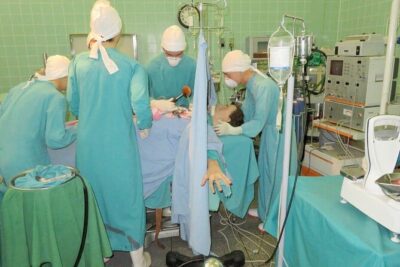
Browse the lists this tour appears in